

The system includes more than 100 WMAs covering about 3.2 million acres, and more than 50,000 acres of publicly accessible green-tree reservoirs sit within them.
More than 100,000 hunters chase ducks in Arkansas each year, so the paperwork and timing matter as much as the map. You’ll need an Arkansas hunting license, a state waterfowl stamp, a Federal Duck Stamp, and HIP registration. Nonresidents add a WMA waterfowl permit, which costs $40 for three days or $200 for 30 days.
HuntWise helps you scout before you load the boat. Our public land layer outlines WMAs on satellite imagery, so you can pin your ramp and study the timber from home. If you want to practice steps for finding public land in other states too, this guide covers the Arkansas steps, the main areas, and the rules that govern a morning hunt.
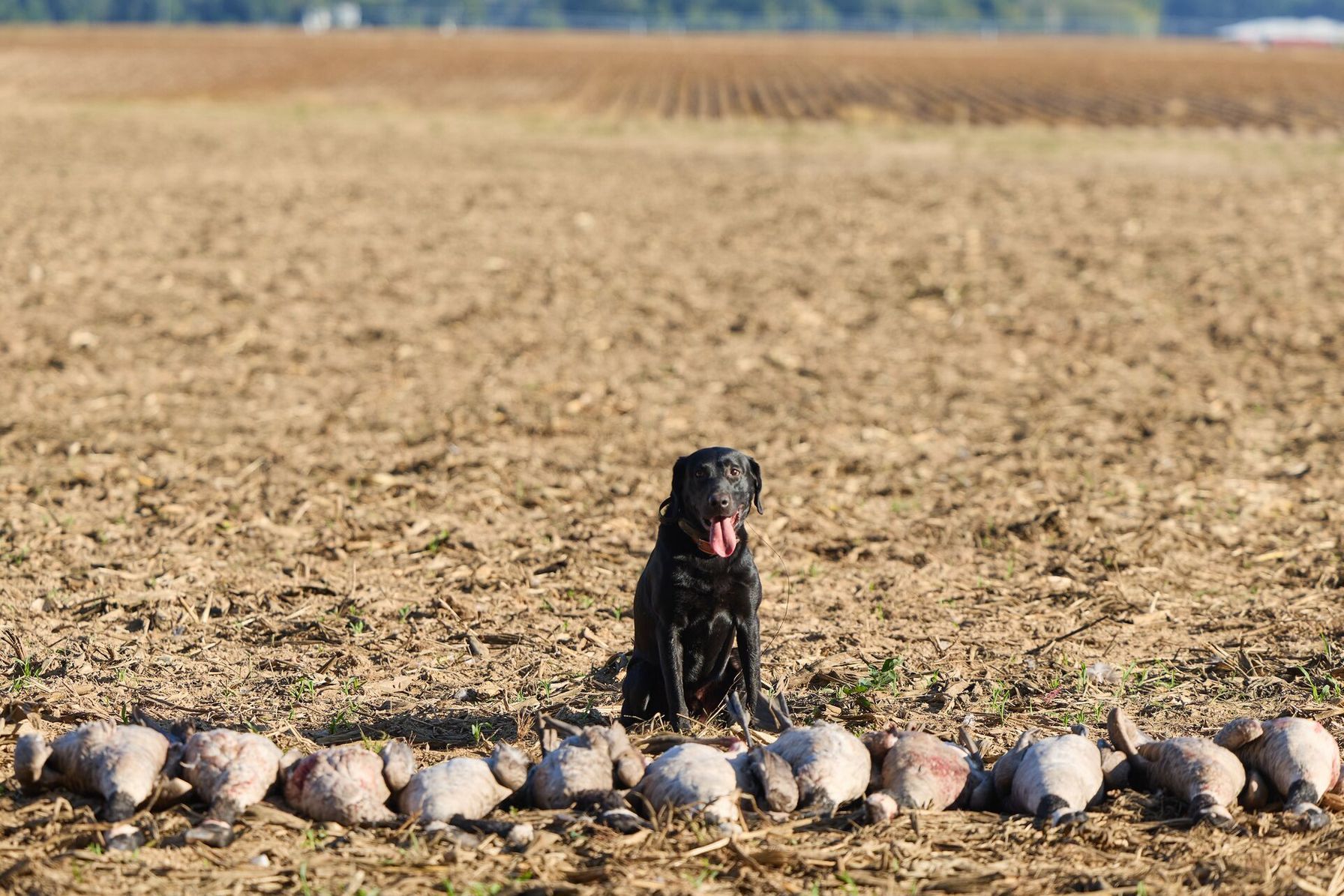
How to Find Public Waterfowl Hunting Land in Arkansas: Five Steps
Arkansas WMAs run on a noon shooting cutoff and first-come access, so these steps put your paperwork and your map ahead of your launch.
- Turn on the public land layer in HuntWise. Open HuntWise map tools, enable the public land layer, and zoom to Arkansas and Jefferson counties for Bayou Meto or to northeast Arkansas for the Black River area. WMA outlines appear over satellite imagery showing the timber, ditches, and roads that lead to each ramp.
- Get licensed. Waterfowl hunters need a hunting license, an Arkansas Waterfowl Stamp, a Federal Duck Stamp, and HIP registration. Nonresidents also carry a three-day or 30-day WMA waterfowl permit.
- Decide between open access and a drawn hunt. Most WMAs work first come, first served, but a few popular areas hand out sites by online drawing. AGFC lists them on its special waterfowl permit hunts page.
- Match your dates to the season. Arkansas runs a September teal season and a regular duck season in three segments, and the AGFC waterfowl season dates list each one along with bag limits.
- Plan around the clock. WMA shooting hours end at noon, and hunters must be off the water by 1 p.m. (noon at Bayou Meto and Black River). Check AGFC’s water-level reports for the greentree reservoir you plan to hunt before you commit.
The Bayou Meto WMA details cover acreage, flooded timber, and rest areas that remain closed to hunting.
What to Pack and Confirm Before You Hunt Arkansas WMAs
Mallards respond to weather, and water levels shift through the winter, so build your plan around waterfowl timing tips as the season unfolds. Most WMA hunters carry the same core items:
- Your hunting license, state waterfowl stamp, Federal Duck Stamp, and HIP proof, since AGFC requires hunters 16 and older to carry HIP proof
- Federally approved non-toxic shot, which Arkansas requires for ducks, geese, and mergansers statewide
- A boat and a plan for single-file traffic, because AGFC requires 100 feet between boats on WMAs
- Decoys and a blind you can pack out daily, since no equipment may stay overnight and permanent blinds are illegal
- A downloaded HuntWise map with pins on your ramp and your hunting spot
Arkansas also bans paid guiding on WMAs and refuges, so plan to scout and hunt on your own. Load the boat the night before, because a noon cutoff leaves little room for a late start.
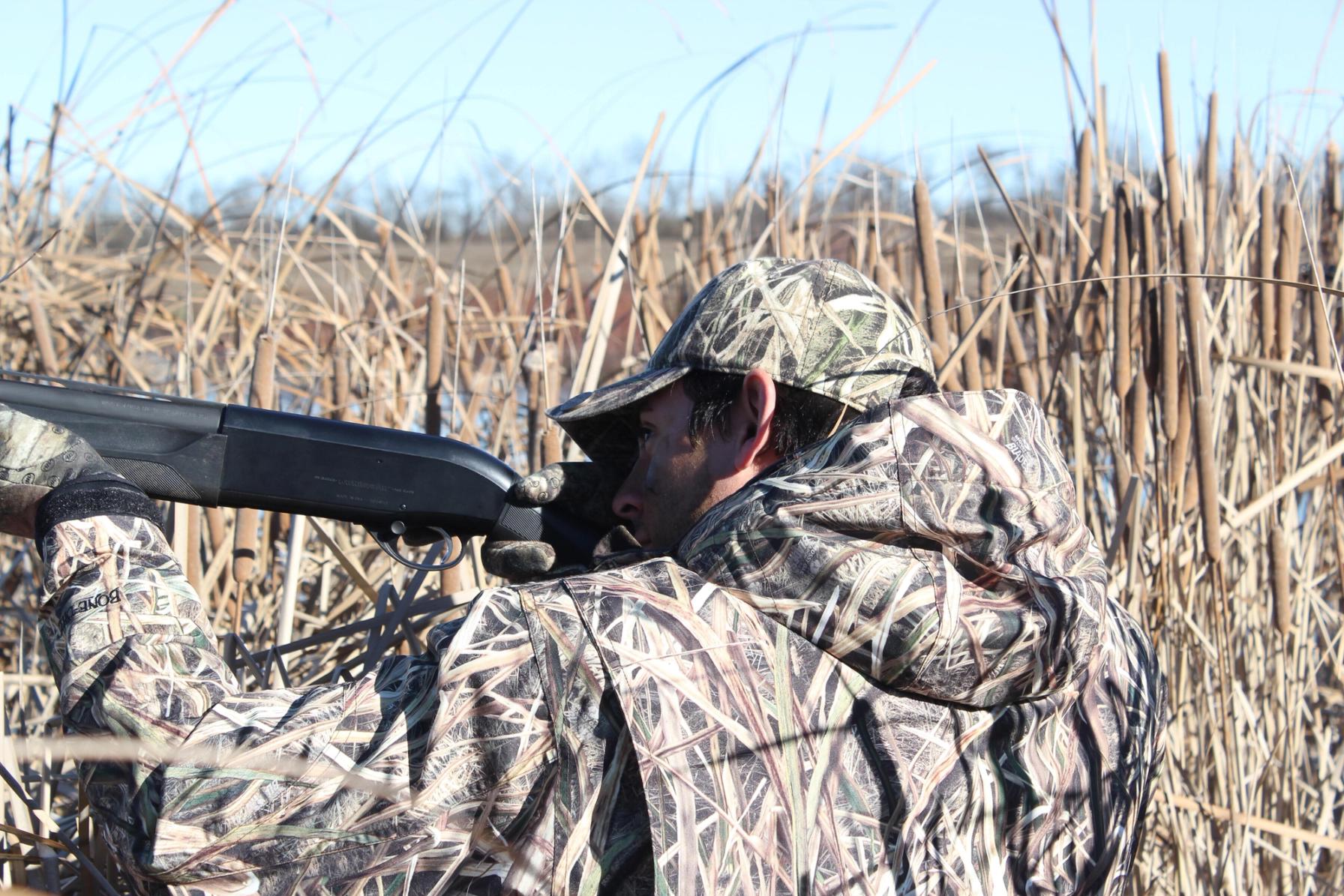
Waterfowl Hunting Areas in Arkansas
Five public areas give you a starting list, from the big greentree reservoirs to permit-only units. Rules shift from one WMA to the next, so the WMA hunting rules explained page helps before you pick an area.
Arkansas Waterfowl Hunting Areas | |
|---|---|
| Area Name | Rules |
| George H. Dunklin Jr. Bayou Meto WMA | The 33,832-acre area floods about 13,000 acres each fall. Hunters must be off the water by noon, and portions are now non-motorized boat only. |
| Dave Donaldson Black River WMA | Hunters must be off the water by noon, and portions are now non-motorized boat only. Slough boats may stay at slough boat access points. |
| Steve N. Wilson Raft Creek Bottoms WMA | Hunting runs are drawn online for designated locations. Permit holders must stay within 150 yards of their assigned spot. |
| Galla Creek WMA | The entire WMA is now non-motorized boat access only. |
| Rex Hancock Black Swamp WMA | AGFC is adding permit hunts on the Wiville West Unit. Non-toxic shot is required for all migratory bird hunting. |
How a Hunting App Helps You Beat the Noon Cutoff
With shooting hours ending at noon, a wrong guess about access can cost you the whole morning. Use HuntWise to trace your route from the ramp, mark where open water gives way to timber, and decide whether a non-motorized zone fits your boat.
Bayou Meto includes four private in-holdings totaling 380 acres, so mapping property boundaries before you wade out keeps you on public ground. Download your hunt area at home so the map still loads once you’re deep in the timber.
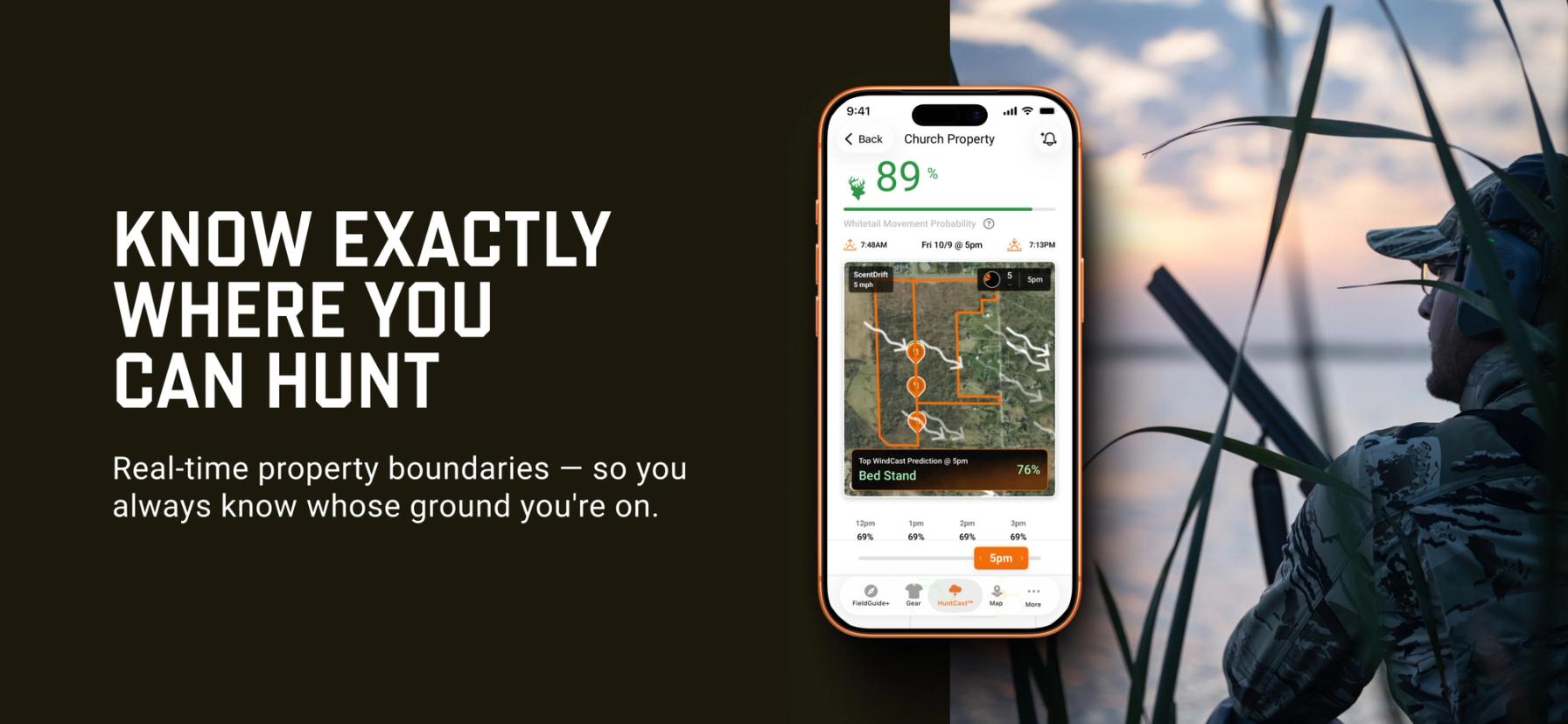
Finding Public Waterfowl Hunting Land in Arkansas Is Easier with HuntWise
Public waterfowl hunting in Arkansas rewards hunters who plan around the clock. Choose your WMA, confirm your licenses and permits, check your access type, and know your ramp and your cutoff time before you launch.
HuntWise shows each WMA before you go, so you can arrive at the ramp already knowing your route.
Frequently Asked Questions (FAQs)
Q: What is the best public waterfowl hunting land in Arkansas?
A: Public waterfowl hunting land in Arkansas centers on AGFC’s greentree reservoirs and managed WMAs, such as Bayou Meto, Black River, and Raft Creek Bottoms. The right pick depends on your boat, your tolerance for crowds, and whether you prefer a drawn hunt.
Q: What permit do I need to hunt AGFC WMAs in Arkansas?
A: To hunt waterfowl on AGFC WMAs, you need a hunting license, an Arkansas Waterfowl Stamp, a Federal Duck Stamp, and HIP registration. AGFC changed some WMA permits for 2026-27, so confirm any added WMA permit on AGFC’s licensing page before you buy.
Q: Do nonresidents need an extra permit for Arkansas waterfowl hunting?
A: Yes, nonresidents need an extra permit for Arkansas waterfowl hunting. They must carry a three-day permit for $40 or a 30-day permit for $200 to hunt waterfowl on WMAs, along with a nonresident license, state stamp, Federal Duck Stamp, and HIP registration.
Q: How many acres are in Arkansas’s WMA system?
A: Arkansas’s WMA system covers about 3.2 million acres across more than 100 areas. Much of that land is national forest and leased ground, so only a portion offers flooded timber or moist-soil units for ducks.
Q: Why is flooded timber hunting popular in Arkansas?
A: Flooded timber hunting is popular in Arkansas because greentree reservoirs flood bottomland hardwoods each fall. The flooded forest gives ducks food and cover, and mallards make up more than half of the ducks counted in the Delta during late-January surveys.
Q: Can HuntWise show me all AGFC WMA boundaries?
A: HuntWise can show AGFC WMAs through its public land layer, which outlines each area on satellite imagery. For rest areas, permit units, and non-motorized zones, check AGFC’s WMA listings, since those details change by season.
Q: How many waterfowl hunters hunt Arkansas WMAs each year?
A: AGFC reports more than 100,000 waterfowl hunters in Arkansas each year, and many of them hunt public land. That pressure has pushed AGFC to add non-motorized boat zones and permit hunts at several popular WMAs.
Q: How do I download Arkansas WMA boundaries for offline use?
A: To download Arkansas WMA boundaries for offline use, save a hunt area around your WMA in HuntWise while you’re on Wi-Fi. The saved map keeps your pins and boundaries on screen in the timber, even when cell service drops.


