

WMAs are typically open during regular state hunting seasons. However, each state operates its own WMA system and may impose different rules, particularly surrounding permits, draw hunts, and species access. Some WMAs require a permit on top of a state hunting license, and a few use draw-only quota hunts for high-demand species.
In this guide, we break down the fundamentals of WMA hunting, what to expect on a WMA hunt, and how to use the HuntWise hunting app to hunt public land to locate, research, and conduct a deep scout on WMAs before the season opens.
What Is a Wildlife Management Area?
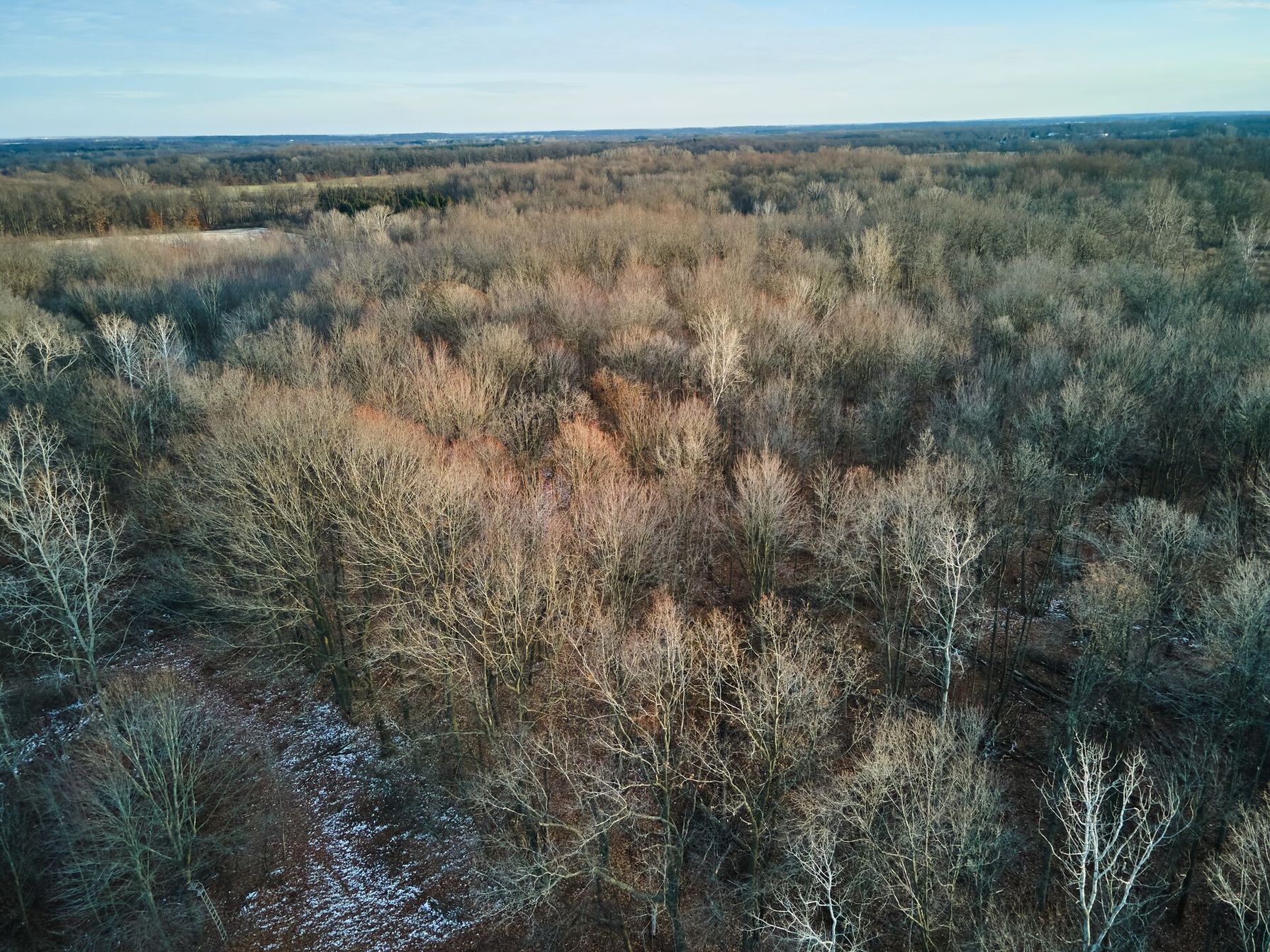
WMAs are state-owned or managed tracts of land that are set aside and controlled to conserve wildlife and the environment, primarily for public hunting and fishing.
WMAs are sometimes referred to as game preserves. While national forests are managed for timber and state parks for recreation, WMAs are allocated and coordinated to support game populations and provide hunting access. And funding predominantly comes from license sales and federal excise taxes on hunting equipment, thanks to the Pittman-Robertson Act.
WMAs can range from a few hundred to hundreds of thousands of acres, and each WMA is managed by a state system independent of the others. While management varies by environment, common conservation practices include prescribed burning, food plots, timber management, and water control structures.
Management decisions regarding WMAs are driven by conservation and restoration with a focus on habitat maintenance or protection. This differs from other land classifications, which may focus on commercial development such as timber production or recreation.
How Does WMA Hunting Work? Understanding the Rules
Most WMAs open up during the relevant state hunting seasons. However, unlike other public hunting lands, access rules may vary by state or WMA.
Three typical access models apply when it comes to how to hunt a WMA.
- Open access: All that's required is a valid hunting license, and you'll be good to go.
- Permit hunting: Before hunting the area, you'll need to purchase a separate WMA permit, either annual or per-visit, in addition to a standard hunting license.
- Draw-only/quota: In this instance, access is limited to a specific season, and only hunters who win a permit through a lottery drawing will be granted access.
If you're planning to hunt a WMA, be sure to check the relevant WMA regulations, as rules regarding weapon type, bag limits, and even legal hunting windows may differ from the state season.
Some WMAs require a check-in station, which means you'll need to sign in before your hunt and after. This helps with harvest data and hunting pressure. You may also be required to register your stand site during this check-in period.
Stand rules vary by WMA, as permanent stands are usually prohibited, and portable stands must be removed at the end of each day or display the hunter's name and contact information.
Types of Wildlife Management Units (WMAs) | ||||
|---|---|---|---|---|
| Access Type | What it Means | What You Need | Application Required? | Typical Timing |
| Open Access | WMA is open during regular state season to any licensed hunter | Valid state hunting license | No | Hunt during regular season |
| Permit Required | Additional WMA-specific permit must be purchased before hunting | State hunting license + WMA permit (annual or per-visit) | No (purchase over the counter) | Available at license agents or online |
| Quota / Draw Only | Limited number of hunters allowed. Access awarded by lottery. | State hunting license + drawn quota permit | Yes — lottery application required | Application windows typically March–August |
| Check-In Required | Hunter must sign in at a station before hunting begins (may apply to any access type) | Valid license/permit + in-person sign-in before legal shooting hours | No separate application | Arrive 30–60 minutes before legal light |
What Is a Quota Hunt? (Draw-Only WMA Access Explained)
Quota hunts are implemented to conserve natural resources and the environment by limiting the number of hunters allowed in a WMA during a specific time. These quotas are based on data including WMA acreage, habitat capacity, game population, and historical hunter demand.
Quote hunts offer high-quality hunting opportunities in a safe, less-pressured environment. To apply, you'll need to keep an eye out for the application window, which usually opens 60 to 90 days before the season opener and will close well before opening day on the WMA. For a fall hunt, your application period typically runs from March through August.
Draws can be randomized; however, some states use a preference points system that rewards repeat applicants. Any leftover, unfilled, or returned quota permits are sometimes offered on a first-come, first-served basis after the primary draw.
Quota hunts are highly sought after, as they offer the pristine, unique hunting access of a WMA, coupled with lower hunting pressure in the field.
How to Find the Rules for a Specific WMA
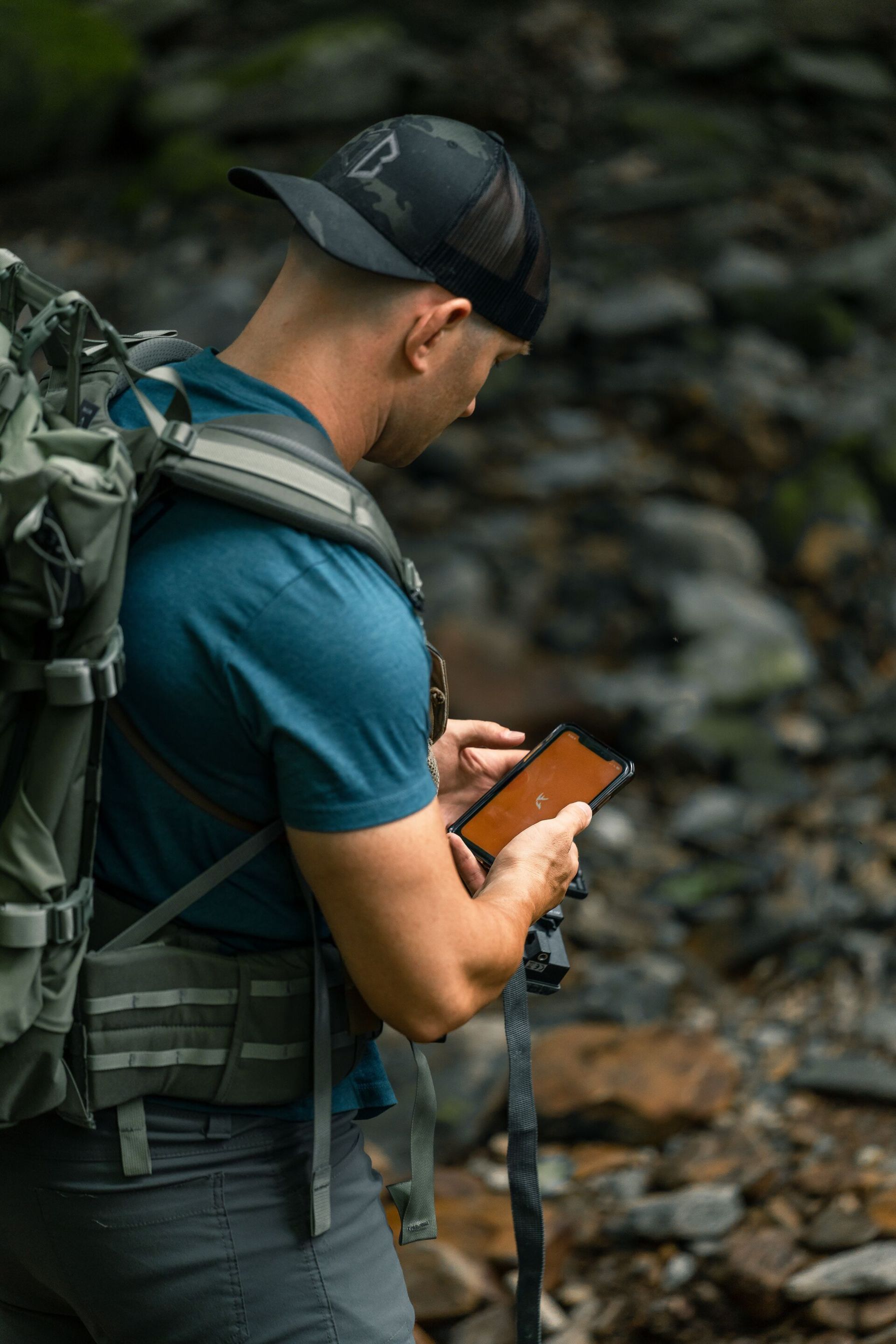
Different WMAs can have different rules. Make sure you find and understand the rules before heading out for a WMA for a hunt.
- The best place to find rules regarding a specific WMA is via the state WMA regulation brochure of your intended hunting region. These documents are the authoritative sources for all regulations, including which species are allowed, dates, weapon restrictions, check-in requirements, and permit requirements.
- WMAs may follow some state guidelines, but we don’t recommend relying on the statewide hunting guide if you're planning on hunting a WMA, as these rules do differ. For easy viewing, open up the HuntWise mapping feature and toggle the public land layer to help you target WMAs by state and view boundaries.
- You can then overlay topo and satellite layers to explore the terrain to determine whether the WMA will suit your hunting and fitness needs.
Once you've settled on a zone, you can cross-reference the WMA with the specific rules to check if there are any draws or special requirements before the season rolls around.
How to Go WMA Hunting Step-by-Step: The Workflow
If you're thinking Wildlife Management Area hunting might be the right option for your next hunt, follow the steps below to determine the right area for you.
- Explore public land hunting opportunities with HuntWise's public land layer, filtered to state WMAs.
- Confirm WMA-specific rules such as check-in requirements, permits needed, season dates, and species allowed to see if they align with your hunting window, strategy, and hunting style.
- If applicable, apply for draw-only or quota hunts by your state's application deadline (typically March through August).
- Purchase a WMA permit alongside your standard hunting license if required.
- Use the HuntWise topo and contour overlays to pre-scout the WMA looking for terrain features, access, bedding cover, and potential stand locations.
- When hunting day rolls around, check in at the designated station and mark your stand site if required by WMA rules.
WMA hunting can be highly productive. However, success largely depends on in-depth research, e-scouting, and navigation.
How to Scout a WMA With HuntWise
Generally, WMAs are open to off-season scouting, and this can give you a great head start before the hunting window opens. Confirm with the state agency beforehand, then follow the steps below for an elite WMA scouting approach.
- Start e-scouting with HuntWise satellite overlay to mark terrain features before you head out. Differences such as elevation changes, timbered draws, open edges, water sources, and natural funnels should all be marked as high-potential zones.
- Toggle the topo layer to find saddles, benches, and terrain pinch points that funnel game movement to bedding, feeding, and water zones.
- Use the hillshade (LiDAR) layer to uncover subtle terrain features not visible in standard satellite view, such as dense thickets, logged areas, and hidden ditches.
- Mark access points, potential stand trees, bedding cover, and observed game sign with pins for later review, and scout on the ground with boots.
- Make sure you download offline maps before the hunt.
- Review your e-scouted locations against the WMA's map to confirm features are within the legal hunting boundary.
Within the WMA, you may encounter private inholdings or private parcels. The HuntWise private and public hunting land feature can help you locate these different public and private land holdings.
Why Some WMAs Feel Overcrowded on Opening Day
Popular WMAs near urban centers and common access points tend to have higher hunter concentrations. You'll find that many pressure clusters are closer to main roads, trailheads, and parking areas.
Any areas that look great but are close to major roads will likely be under pressure. You can also check for the presence of hunters by looking for ribbons, markers, and boot tracks.
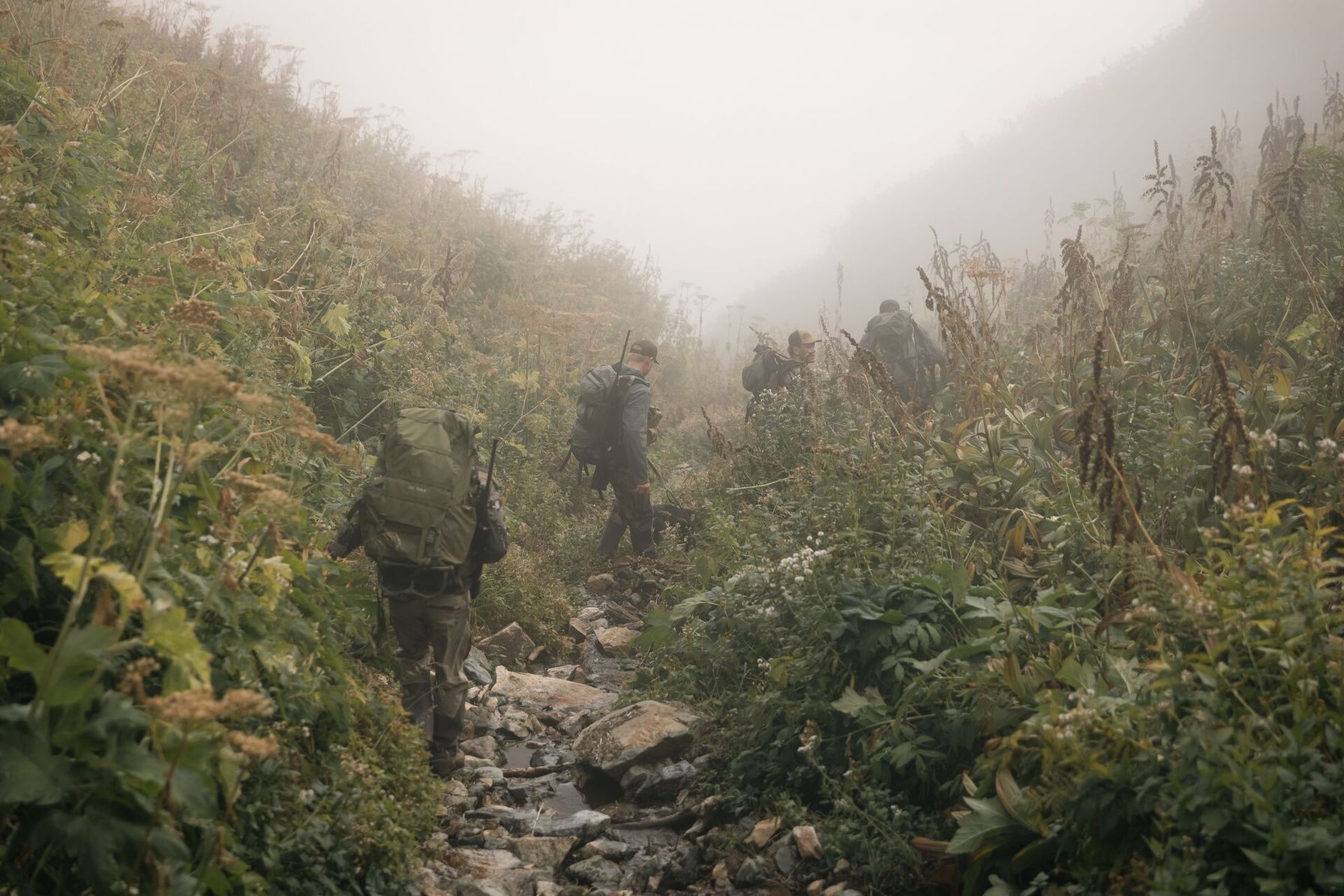
To target mature animals, push deeper into terrain that receives less pressure, focusing on features that may put other hunters off, such as steep slopes, back corners, areas requiring long hikes, and tracts adjacent to private land where pressure bleeds off.
Setting your alarm nice and early, well before the crack of dawn, can give you a chance to push in deeper and claim interior positions. With the HuntWise map, you'll be able to identify high-potential zones further out. WMAs usually call for dynamic hunting, so don't be afraid to move rather than sticking to one spot.
Don't forget to apply for WMAs with permits, as they often see lower pressure and are a good option for midweek hunting after the opening weekend crowds have dissipated.
What Can You Hunt on a WMA?
Target species will vary by state and individual WMA rules. For example, Virginia WMAs offer opportunities for hunting and trapping. Common species include white-tailed deer, mule deer, turkey, waterfowl, and small game.
Always review the latest WMA regulations relevant to the area you intend to hunt in the WMA brochure before purchasing a permit or planning your trip to ensure it aligns with your species requirement.
Some WMAs may have specific management goals, such as waterfowl WMAs with constructed wetlands, dove fields, or managed mast-producing timber for deer. Turkey and waterfowl hunting on WMAs may require additional species-specific permits in addition to the standard WMA permit.
Hunt Smarter on Public Land with Good Planning and HuntWise
WMAs are an incredible resource for hunters seeking accessible, productive public land. While there's plenty of opportunity, scouting, planning, and researching are fundamental to a successful WMA hunt.
Start by choosing a potential WMA, exploring the specific rules, applying for permits ahead of the deadline, scouting, and getting in nice and early to make the most of it.
Don't get caught up at the last minute. Information on check-in requirements, permit tiers, and quota deadlines can all be found well before the open date and will help you prepare for your hunt.
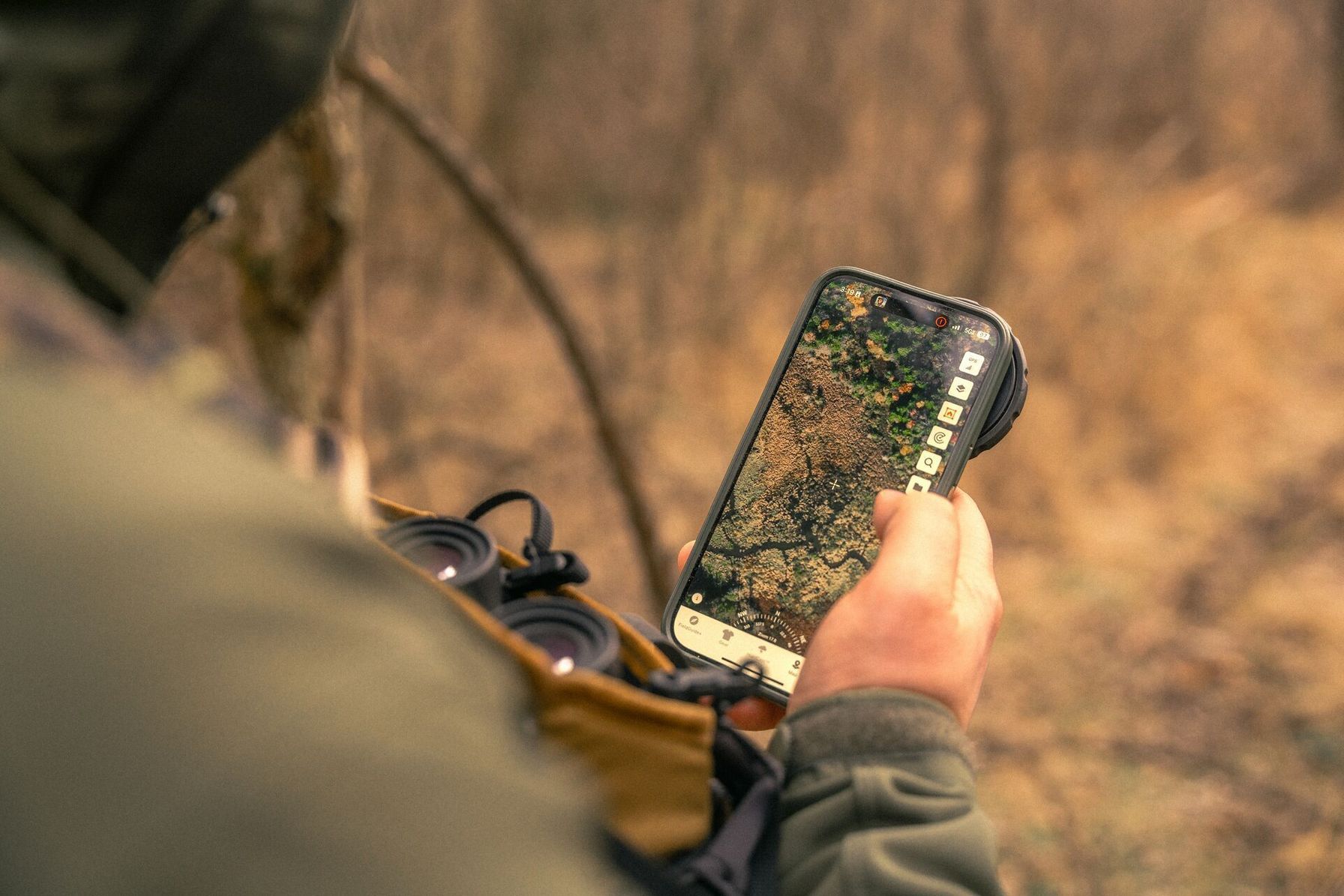
The HuntWise public land layer takes the guesswork out of your WMA hunt planning. Start your free trial today and begin exploring by viewing boundaries, terrain, and private parcels before you head out in the field.
Frequently Asked Questions (FAQs)
Q: What is a Wildlife Management Area (WMA)?
A: A Wildlife Management Area (WMA) is public land managed by a state wildlife agency to conserve habitat and provide opportunities for hunting, fishing, and other wildlife-dependent recreation. Unlike national forests or state parks, WMAs are managed primarily to support healthy wildlife populations and public hunting access.
Q: Do all WMAs require a permit beyond a hunting license?
A: No. Some WMAs only require a valid state hunting license, while others require a separate WMA permit or use draw-only access for certain hunts. Requirements vary by state and even by individual WMA, so always check that area's regulations before your trip.
Q: What is a quota hunt, and how does a WMA draw work?
A: A quota hunt limits the number of hunters allowed on a WMA during a specific season or hunt to help manage wildlife and hunting pressure. Hunters typically submit an application before a deadline, and permits are awarded through a random drawing or a preference-point system, depending on the state.
Q: Can I scout a WMA during the off-season?
A: In many cases, yes. Many WMAs allow off-season scouting, giving hunters a chance to learn the terrain before opening day. However, access rules vary, so check the WMA's regulations for seasonal closures or scouting restrictions before visiting.
Q: How do I find the specific rules for a WMA I want to hunt?
A: The most reliable source is your state wildlife agency's WMA regulations or WMA-specific brochure. These outline season dates, permitted species, weapon restrictions, permit requirements, check-in procedures, and any special rules that apply to that property.
Q: Why are some WMAs overcrowded on opening day, and how do I avoid it?
A: Popular WMAs, especially those near cities or with easy road access, often see heavy hunting pressure on opening day. To avoid crowds, scout in advance, hike farther from parking areas, consider hunting later in the season or midweek, and look for less-traveled sections of the property.
Q: How is a WMA different from a national forest or BLM land?
A: WMAs are managed by state wildlife agencies with a primary focus on wildlife conservation and hunting opportunities. National forests are managed for multiple uses, including recreation, timber, and habitat, while Bureau of Land Management (BLM) lands balance recreation, grazing, energy development, conservation, and other public uses. Because of that, WMAs often have more property-specific hunting regulations than other public lands.


