Where previous strategies involved drawn-out research, courthouse visits, state-by-state assessor site searches, and asking neighbors, HuntWise has condensed these processes into a single tap. Once you've uncovered a potential private land hunting opportunity, the process stays the same.
Contact the landowner in person with a clear proposition, references, and an offer, and always check in after the season. While the app sets up the opportunity, you still need to reach an agreement and secure a yes.
Huntwise solves two of the biggest hurdles in private hunting: knowing how to find private hunting land and accessing private landowner contacts. Let's take a closer look at how to use these features to start hunting parcels you might have never thought possible.
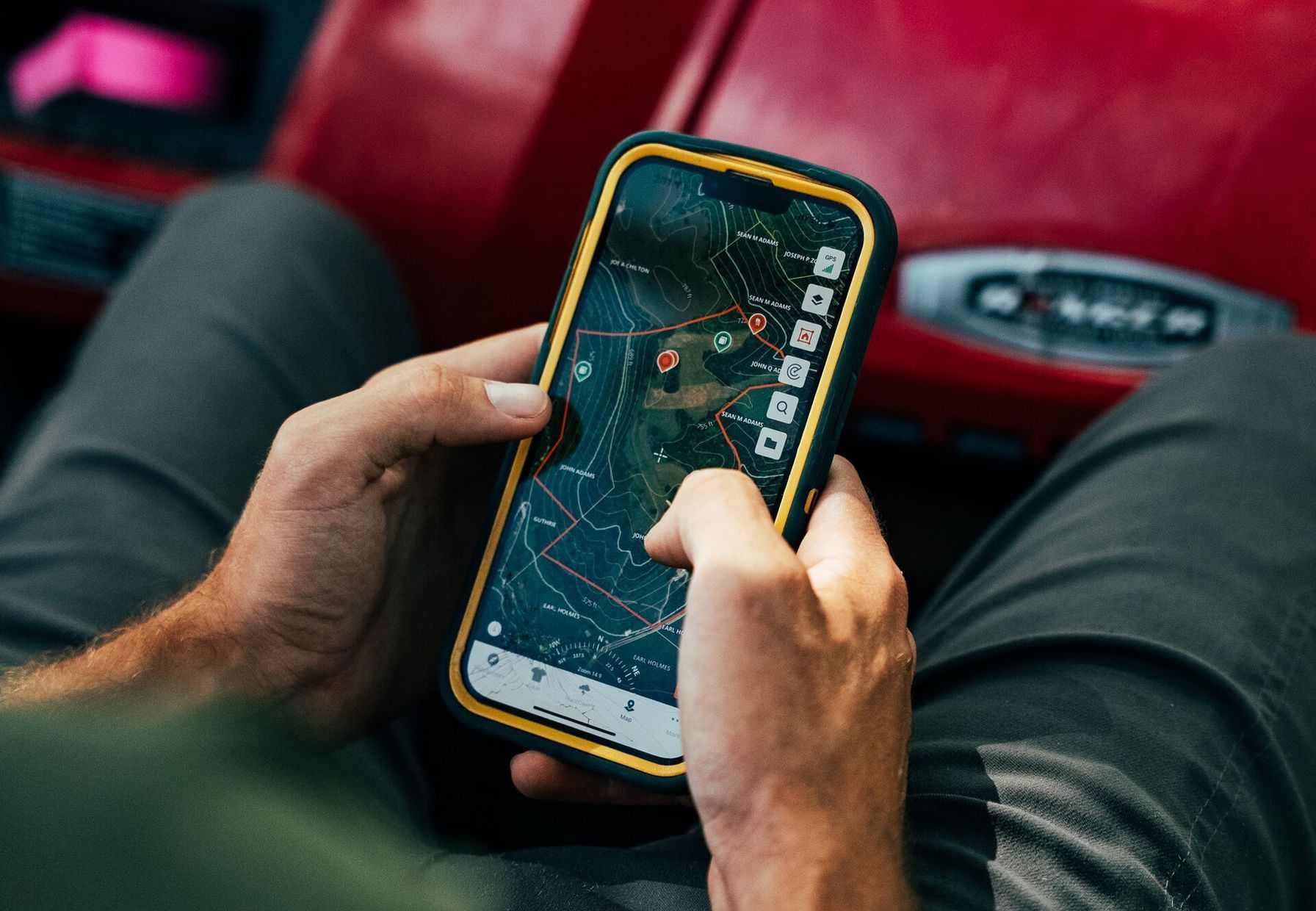
Why Landowner Lookup Is the Hardest Part of Getting Permission
Traditional strategies for getting private hunting opportunities often involve time-consuming processes such as courthouse research, trawling through assessor GIS site by site, and word of mouth.
Door knocking is extremely time-consuming, often has a low success rate, and building word-of-mouth opportunities can take months or even years of relationship-building through networking before a solid lead comes through. With landowner contact opportunities, you've cut hours or even days of manual parcel research into seconds of clicking through the app.
Once you've identified the parcels you want to inquire about, you'll need to plan your request and approach. Coming prepared with information such as relevant trespassing or permission laws, references, or offers to do labor in exchange for rights can never hurt. Let's break this down step by step below.
How to Find Private Hunting Land and Contact Private Landowners for Hunting Permission
This workflow can help you access more private hunting opportunities, with steps for finding private hunting land. It covers everything from how to find landowner for hunting permission to making in-person contact. This process works whether you've already mapped out potential private hunting parcels near you or are scouting a new area.
- Open the HuntWise map feature and switch to the Property lines layer in satellite hybrid view.
- E-scout as you would any new hunting land, targeting terrain features that suggest deer presence, such as agricultural fields, creek corridors, and bedding zones.
- Click the parcel to pull up the owner's name and mailing address from county assessor records.
- Compare property size, habitat, and proximity to public land to identify the most promising landowners to approach for hunting permission.
- Prepare to make in-person contact at an appropriate time. The Missouri Department of Conservation recommends avoiding mealtime and late evening. Weekday mornings generally work well. Dress presentably and have a permission note ready to sign.
- When the season ends, send through a thank-you note and an offering to share any harvested game.
Remember, the hunting app landowner information puts you in the right place, but your approach and presentation determine whether they grant permission.
Also remember that landowners are busy. Don't hesitate to follow up to clarify and thank them for their time.
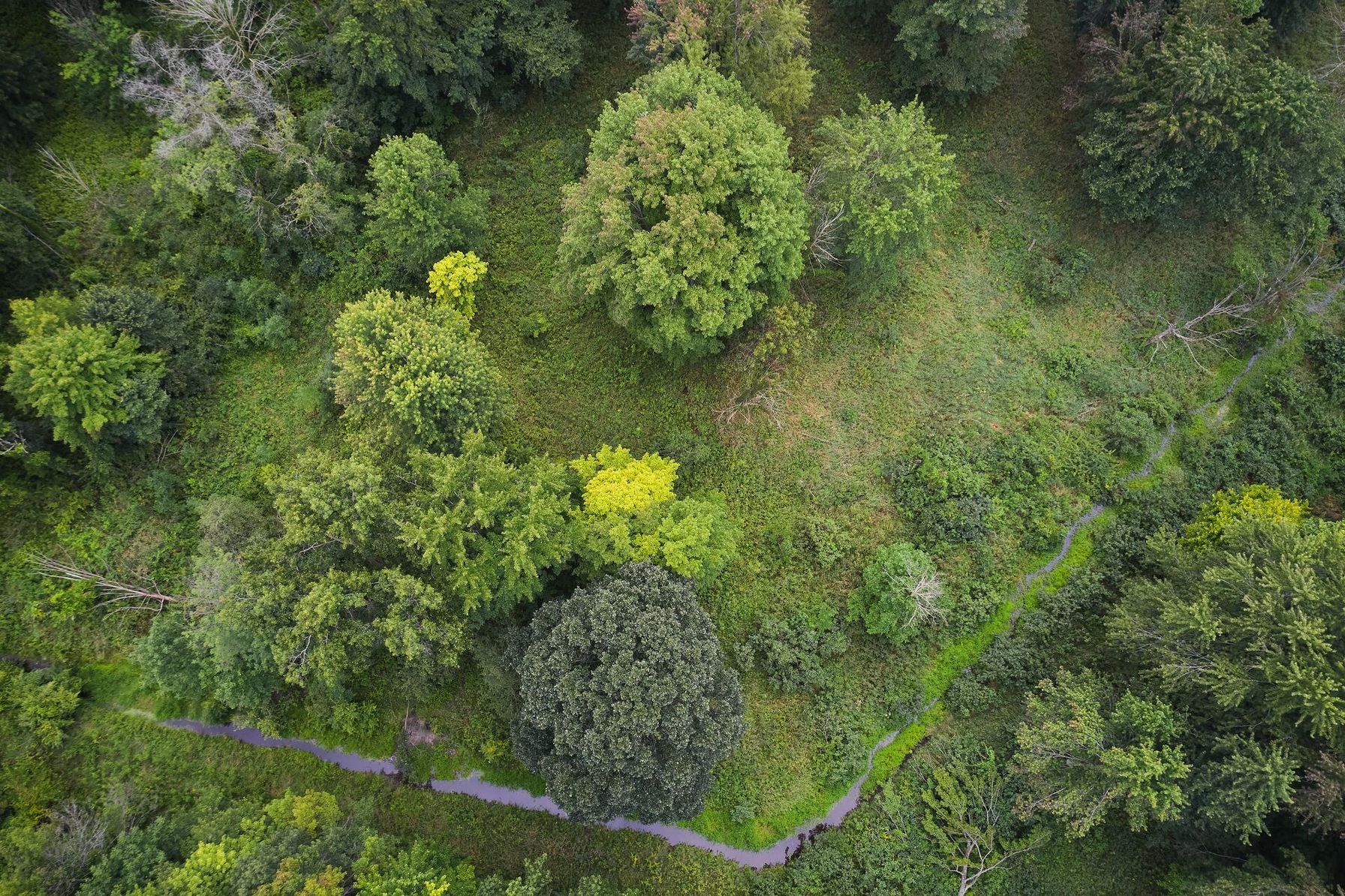
HuntWise Property Layer Workflow: From Parcel Tap to Permission
Let's take a closer look at the app workflow so you can go step by step to find the highest-quality private hunting opportunities available.
How to Use HuntWise for Landowner Property Lines | ||
|---|---|---|
| Step | What HuntWise Shows | What You Do Next |
| 1. Tap parcel | Owner name + mailing address | Research ownership type (individual, trust, LLC) |
| 2. Review parcel details | Acreage and parcel ID | Evaluate hunting potential from satellite and topo |
| 3. Check terrain layers | Satellite + topo view | Identify stand sites, access routes, and cover |
| 4. Confirm property lines | Exact boundary of the parcel | Identify which neighboring landowners to approach |
| 5. Download offline maps | Full parcel offline | Have maps ready for in-person reconnaissance visit |
Every step brings you closer to the ultimate goal: preparing an approach to a private landowner with the right details, backed by quality data and information.
Principles for a Successful Private Land Approach
No matter which zone or state you're targeting, these tips can help set you up for elite private land hunting opportunities.
- Conduct deep research: Explore potential land-honing features, public access, fence lines, and other essential information. Clarify the boundaries, ensuring you know exactly where neighboring property lines start and end to avoid trespassing.
- Match research with face-to-face opportunities: An in-person meeting has the best chance of a yes and lets you clear up any points or confusion that can get lost in back-and-forth emails or messages.
- Prepare the documentation: A one-page permission slip shows you're serious and can help ease any liability concerns a landowner may have. References are also a good idea, especially if you have experience hunting on private land.
- Consider trade: It's always a great idea to offer something in trade for the opportunity to hunt private land. This could be a share of the harvest, manual labor, or even a fair fee if the landowner requests it.
- Stay in touch: Building relationships takes time. Always follow up with the landowner at the end of the season to make follow-up opportunities easier. Once you build these connections, they may even point you to other opportunities with neighbors or friends with equally decent plots.
Using the HuntWise app with property lines and private landowner contacts, you can focus on high-impact e-scouting and preparing your approaches to private landowners. While HuntWise puts you in the right place, you still need to put in some effort to gain permission.
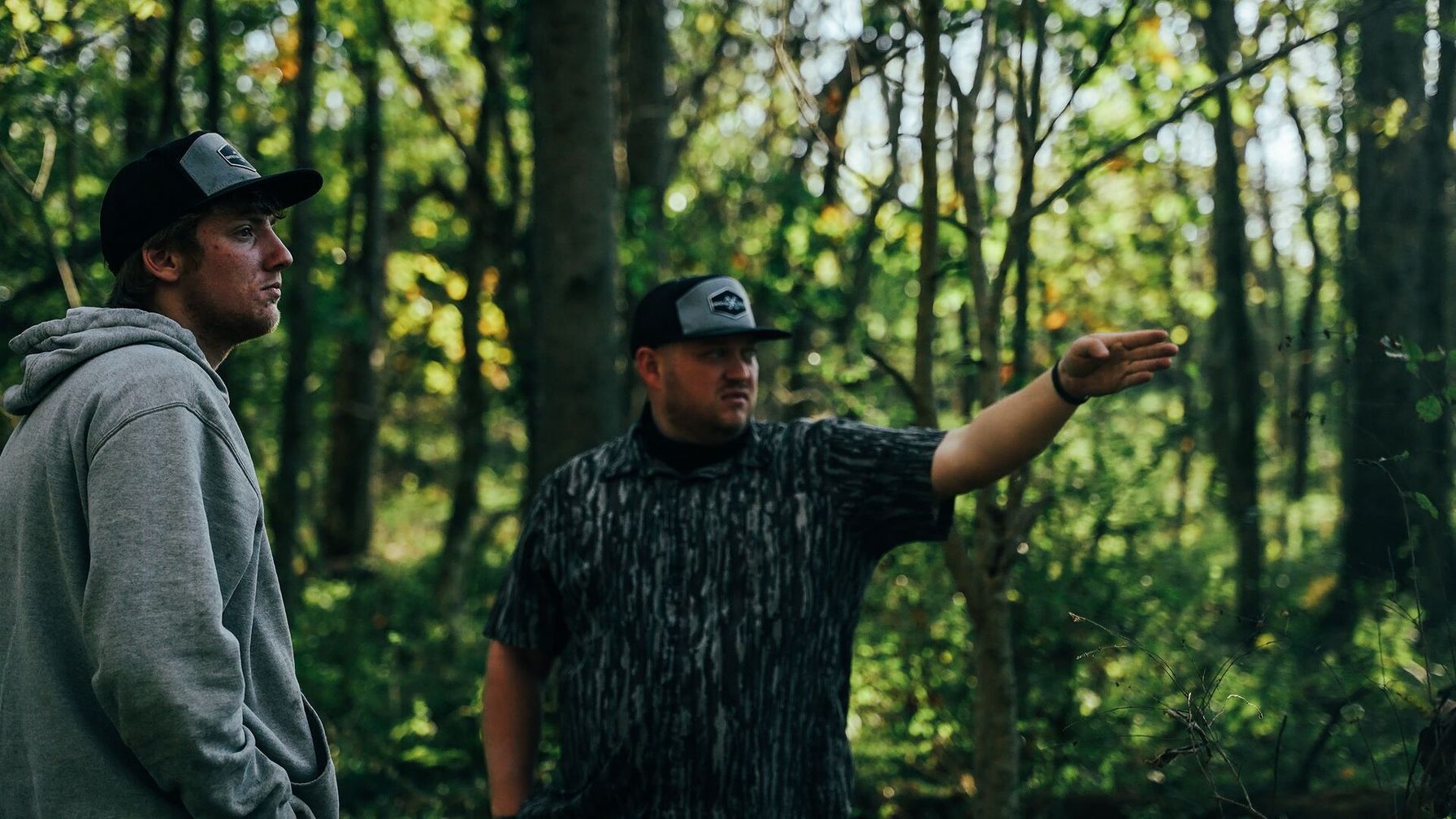
HuntWise Finds the Owner. You Close the Deal.
HuntWise removes hours of research and deep investigation into private land parcels and ownership titles so that you can focus on outreach and securing private land hunting permission in high-impact zones.
Preparation, presentability, and respect go a long way toward creating and maintaining ongoing relationships with private landowners. In-person meetings are always preferred over digital outreach.
If you want to test how the Property Lines layer will improve your hunting prep, run the free trial. Private land hunting is a numbers game. One yes can often lead to many more, so long as you invest the time, care for the land, and earn a reputation as a respectful and ethical hunter and guest.
Frequently Asked Questions (FAQs)
Q: Can HuntWise show me who owns any piece of land?
A: HuntWise's Property Lines layer displays landowner names and contact information when you tap a parcel. The information comes from county assessor records. You can use it to identify property owners and find their mailing addresses when researching potential private hunting opportunities.
Q: Is it legal to use HuntWise to look up landowner information?
A: Yes. HuntWise uses publicly available county assessor records to provide property ownership information. Accessing public property records to identify a landowner is generally legal, although restrictions on how you can use public records vary by state. Always respect privacy and follow applicable laws when contacting property owners.
Q: How accurate is HuntWise's landowner data?
A: HuntWise's landowner information comes from county assessor records, so its accuracy depends on the underlying public records. Recent property sales, ownership transfers, and other changes may not appear immediately. For confirmation, check the county assessor or recorder's latest records. Parcel maps are also reference tools, not substitutes for professional property surveys.
Q: What if the parcel shows a trust or LLC as the owner?
A: If a parcel lists a trust or limited liability company (LLC) as its owner, the person or entity listed on the assessor record may not be the individual who makes decisions about hunting access. For an LLC, you can search the state's Secretary of State business records for registration information and a registered agent. For a trust, you may need to consult recorded property documents or contact the listed representative. Be respectful and explain your request when making contact.
Q: What should I bring when approaching a landowner for permission?
A: Bring a one-page hunting permission form, identification, and references from other landowners or people who can speak to your experience and responsibility as a hunter. Be prepared to explain what species you want to hunt, when you plan to visit, and how many people will be in your party. You can also offer something in return, such as help with property maintenance or a share of the harvest.
Q: Do I need cell service to view landowner information in the field?
A: No. HuntWise lets you download Hunt Areas, including property lines and map information, for offline use. Download your intended hunting area before leaving home so you can access the saved information without cellular service.
Q: When is the best time of year to contact a landowner about hunting permission?
A: Late winter, spring, and early summer are good times to start building relationships with landowners before hunting season. Reaching out early gives them time to consider your request and helps you avoid the busy fall farming and harvest season. If you wait until closer to opening day, contact them at least a couple of weeks before your planned hunt, whenever possible.
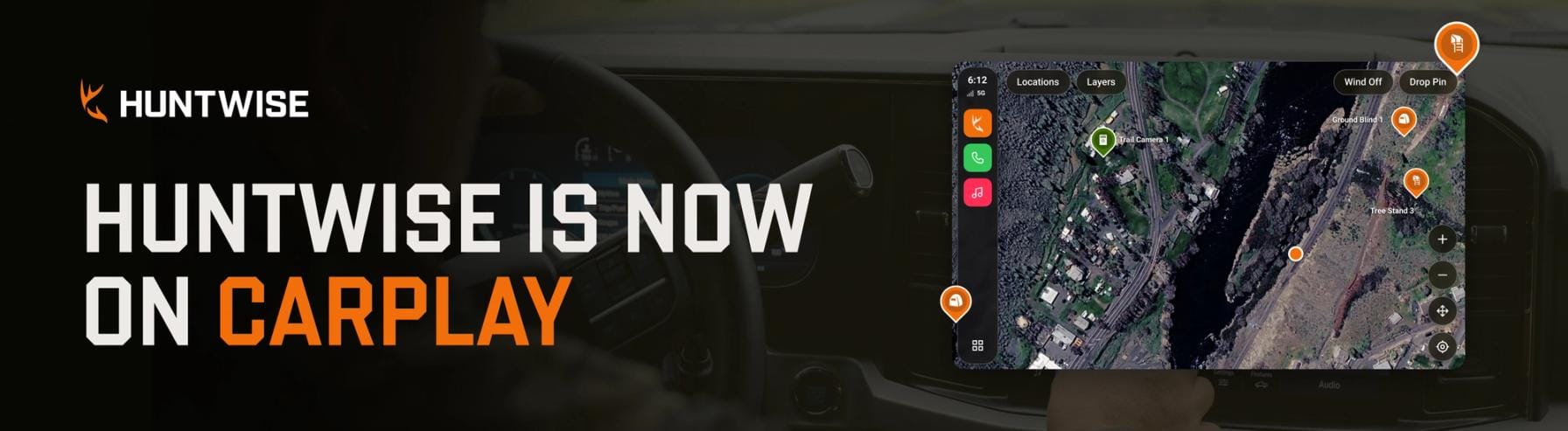
HuntWise is now on CarPlay! Find landowner information while in your car. See it in action in the video below.