

Bring a tangible offer or trade to the landowner (cash, a share of the harvest, brush clearing or other chores, etc.), and be sure to put any agreement in writing before you hunt.
Taking the private land route offers significant advantages, like less pressure, quality game, and more control over the overall hunting experience. Knocking on a stranger’s front door to ask for permission to hunt their property is a rite of passage most hunters would probably rather skip over.
Sure, it’s awkward, and there’s a chance they could say no. But you’d be surprised at how often they say yes! Follow this guide on how to ask for hunting permission using a hunting land app and have your best hunting season yet.
Why Private Land Hunting Is Worth Pursuing
For one, private land typically sees far less hunting pressure than nearby public ground. And there’s a good chance a landowner has more intimate knowledge of how game animals use it.
Landowners often get an up-close view of travel routes between bedding areas and feeding patterns. And that knowledge can sharpen how you approach hunting a parcel.
One good private hunting land access conversation can turn into a relationship that pays off for seasons to come. Getting permission to hunt private land means that even a small parcel bordering public land can put you within reach of animals moving between bedding and feeding zones.
How to Find the Landowner Before You Go
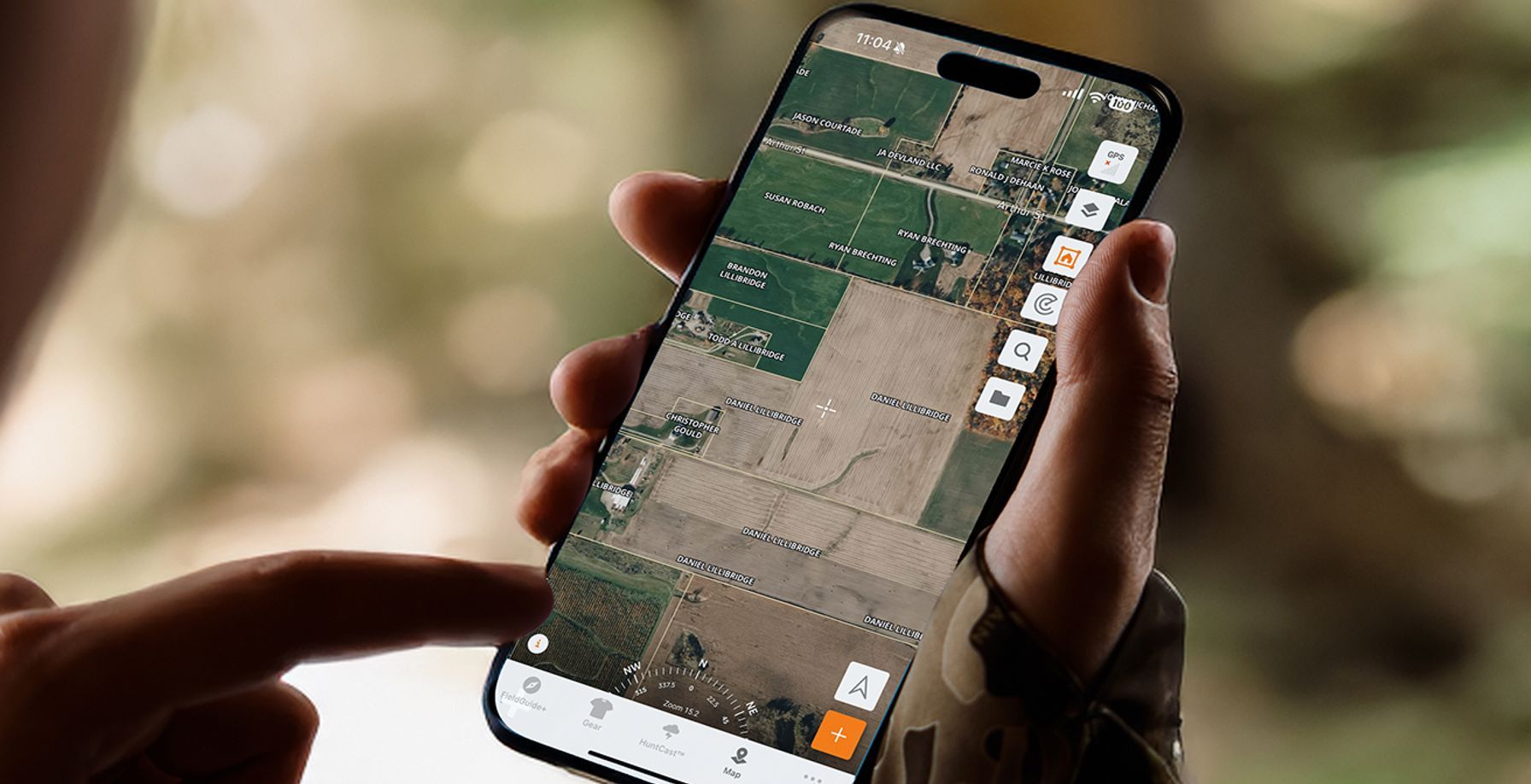
These days, it’s a lot easier to find landowners than you might think. No need to drive around aimlessly or thumb through phonebooks. The latest technology, like the HuntWise app, can help you find private hunting land near you and who owns it.
- Open HuntWise and toggle on the Land Ownership and Property Lines layers under Nationwide layers. The property ownership layer can show you the owner’s name, acreage, and contact information for any parcel of land directly.
- Double-check the HuntWise app against the county's GIS viewer or assessor records for the most current ownership data. You can usually find this info on the county’s Central Appraisal District website.
- Know the landowner's name before you knock to make the conversation more personable and credible. It shows you've done the research.
- E-scout the parcel in HuntWise to confirm it has huntable habitat and accessible entry points. Don’t go through the trouble of contacting a landowner if you’re not sure the parcel has what you’re looking for.
When you find land and have the landowner information, your next step is to ask permission to hunt the land.
When to Ask (Timing Matters More Than Most Hunters Realize)
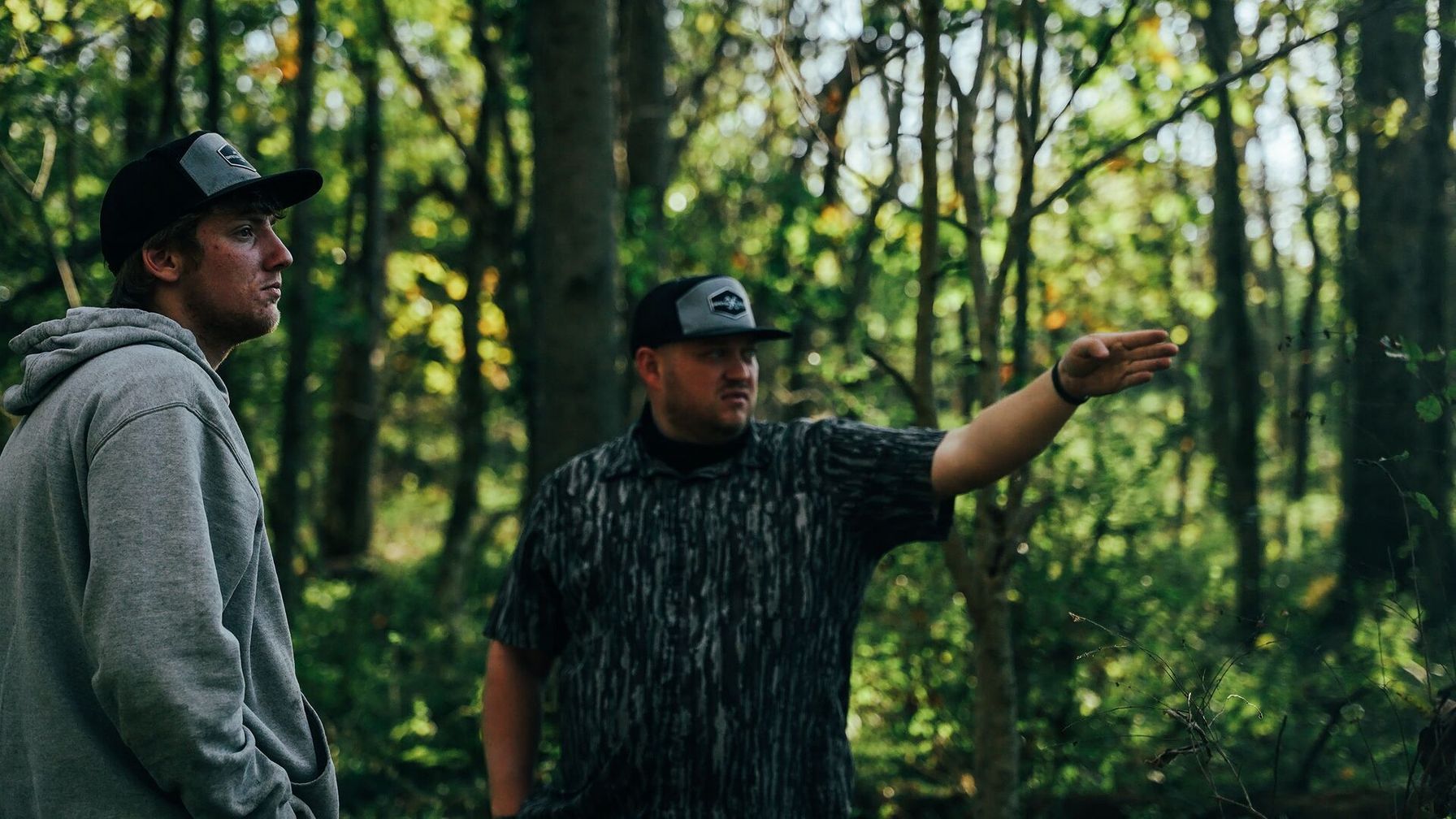
Timing your approach right can make all the difference. Reach out four to eight weeks before the season opens, giving the landowner time to consider your request without feeling rushed.
Avoid busy times like harvest, planting, or calving seasons, when working ag land demands the owner's full attention. And never show up at dawn on opening day or during active hunting hours!
If you're after spring turkey, get your ask in by Valentine's Day and early archery season by mid-summer. Lock in your late-season hunting permission private land for deer hunts by early September at the latest. Landowners contacted in the off-season (during winter or spring) often face less competition from other hunters making the same request.
How to Ask for Hunting Permission (In Person, Not by Phone or Text)
An in-person visit will almost always outperform a phone call, text, or letter when it comes to building trust and positive landowner relations.
First impressions matter, so dress in nice street clothes rather than camo to come across as a neighbor, not a hunter assuming they already have permission. Aim for a weekday morning when possible. This increases the likelihood that the landowner is home and not rushed with other obligations.
Overall, be friendly, make eye contact, use their name, and keep the introduction short before easing into the ask. If the conversation goes well, have a one-page permission slip ready with your name, contact information, season dates, species, and a signature line. Having it ready shows you're serious and professional.
Here’s a quick script that can help guide you through what to say when reaching out to a landowner for hunting permission.
Hunting Land Permission: | First-Contact Approach Script | |
| Step | What to Say | Why it Works |
| Greeting | "I'm [name] from [town]. I noticed your property at [location]..." | Local and specific. Establishes that you're not a random stranger. |
| The ask | "Would you consider letting me deer hunt on it this fall?" | Direct with no padding or hedging |
| The reason | "I'm looking for an ethical place to hunt that's not pressured." | Signals values and responsible intent |
| The offer | "I'd happily share meat, help with [task], or pay a fee." | Provides tangible value in return |
| The exit | "No worries if not — would you mind if I checked back next year?" | Keeps the door open and shows long-term thinking |
What to Offer: Making the Ask Worth Saying Yes To
Few things in life are free. Offering to lend a hand with a specific task or help out on the farm for a day or weekend before the season turns your ask into a win-win for both sides. Whether that's clearing brush, repairing fences, or handling predator control, it can help tip the scales in your favor.
Sharing a portion of the harvested, processed meat can also be an effective and personally meaningful offer, especially with landowners who don't hunt themselves. Otherwise, a cash lease fee can work where paid access is common practice (like Texas). But beware: In some places, a cash offer can come across as transactional and actually hurt your chances.
Offering references from other landowners whose land you’ve hunted on can give you real credibility, especially when you're asking for access to high-value ground. But no matter what, never offer more than you can deliver and always keep your word. Any promises broken will poison what could have been a fruitful long-term relationship.
How to Lock In the Agreement (And Protect Both Parties)
Both parties should have permission in writing, even if the landowner says a handshake or verbal agreement is fine. Memory can be fickle when it comes to dates, seasons, and what was actually agreed upon. On top of that, your local game warden may require you to carry written permission on your person while hunting private land.
A simple one-pager will suffice, but make sure it includes:
- Your name
- Your contact information
- The parcel description or address of the property you’re hunting
- Season dates
- Species
- Any restrictions such as access points, areas, and off-limits hunting times
Add signatures from both parties to make it official. I keep my permission slips in a drybag inside my pack alongside my hunting license, hunter’s ed card, and any other required permits.
How to Use HuntWise to Find and Vet Parcels Before You Ask
HuntWise is a hunting app with property lines that can help you plan your hunt and find landowner contact information. Follow these steps to use it to find and vet private parcels.
- Open HuntWise and navigate on the map to the area you plan to hunt.
- Under the Nationwide layers menu, toggle the Property Lines Information layer and Land Ownership map layers on.
- Tap on a parcel to view the landowner's name, acreage, and contact information. Properties under a trust or farming and ranching LLCs may require some additional research.
- Double-check the information against your county’s GIS viewer to confirm current ownership.
- Review the satellite imagery and topo layers to evaluate the habitat quality, potential entry/exit routes, and whether the parcel is worth approaching for permission.
- Plan your in-person visit with the app's offline maps. Find the best access road to the property and any buildings where the owner is likely to be found during the day.
- If you get permission and a signed agreement, walk the property with the owner if possible. Familiarize yourself with the land and drop pins in HuntWise to mark future stand locations, access routes, and any areas the landowner has deemed off-limits.
How to Follow Up and Build the Relationship Year-Round
A successful hunt on private land could lead to seasons of hunting in the future. Follow these tips to maintain a healthy hunting relationship with a private landowner.
- Always send a thank-you note after the hunt. Handwritten notes carry more weight than any text or email.
- Share some of the harvest as a token of your appreciation where appropriate and as offered.
- Follow through on any tasks or chores you committed to before or during the season.
- Communicate in the off-season with a simple message or small gesture. Holiday cards or a heads-up about trail camera activity they might find interesting are easy ways to stay in touch.
- Make small consistent investments in the relationship during the summer. They can pay off big when the season opens, especially if others are also vying for time on the land.
- Beware of any livestock or crop operations that are in peak activity to avoid adding to the landowner’s workload.
Remember: Honoring your agreement with a landowner, being respectful, and thanking the landowner can go a long way toward being able to hunt their land again. However, remember that just because you hunted it once with permission doesn’t mean you can automatically come back next season.
Always confirm with a landowner each season, and make sure your written agreement reflects the latest terms.
What Not to Do
Timing is important here. You don't want to wake someone up at crack of dawn on opening day or during active hunting hours. Word travels fast in rural communities, so never imply or pretend you already have permission. If you burn one bridge, you may also burn five more you didn’t know about yet.
Furthermore, don’t make offers you can't deliver on, but be realistic about your time commitments and skill set before offering to help out around the farm. If you’re hunting with a party, appoint a communicator instead of bringing the full hunting party for the initial ask.
Finally, if a landowner says no, don't push it. Rejection will happen eventually, so don’t take it personally. You don’t want to be accused of trespassing. Thank them for their time and ask if you can check back in for next season.
Good Access Starts With Respect (and the Right Tools)
If you’re wondering how to ask for hunting permission, know that the best way to get hunting permission private land comes down to preparation and respect. Hunters who put in the work ahead of time (finding the landowner, showing up at the right time, and arriving with a clear ask) convert at a far higher rate than those who cold-call or knock on doors blindly.
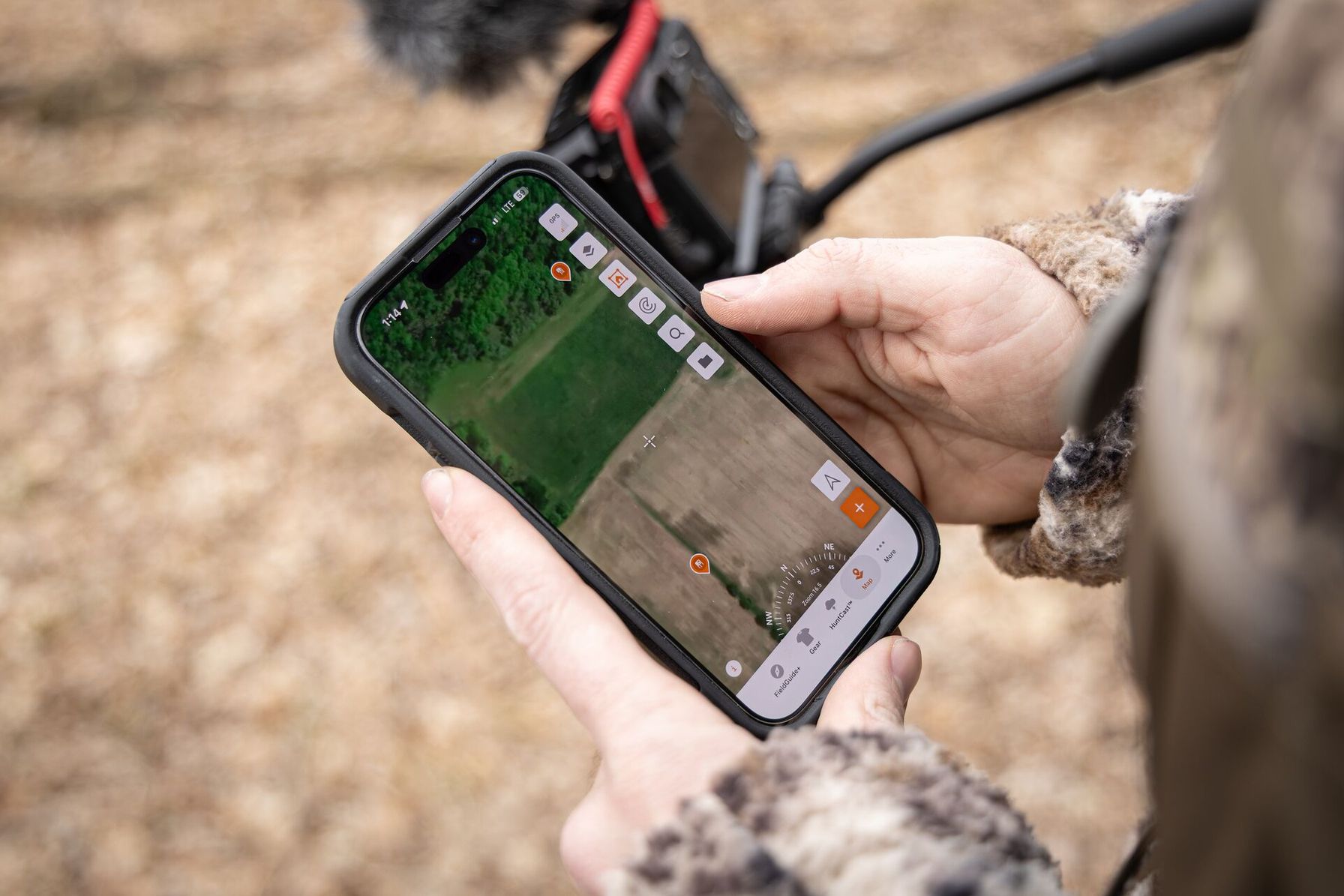
Use HuntWise to identify the landowner and vet the parcel digitally, approach them in person four to eight weeks before the season opens, bring a permission slip, make a tangible offer, and follow up after the hunt. HuntWise takes care of the hardest part before the ask: knowing who owns the land and if it's worth one uncomfortable conversation.
The awkwardness of asking is real, but it only lasts a few minutes, and the worst thing they can do is say no. The payoff, though, is private land access with less hunting pressure and a relationship that can last for years.
Get closer to landowner boundaries and contact information with your HuntWise free trial! Start it now so you’ve got the permission you need to hunt private land in time for opening day.
Frequently Asked Questions (FAQs)
Q: Is it weird to knock on a stranger's door asking to hunt their land?
A: It can feel awkward, but asking a landowner in person is a normal way to request hunting permission. Be respectful of their time, dress appropriately, introduce yourself, and keep your request brief.
Q: Should I offer money for hunting permission?
A: You can, but it depends on the landowner and local norms. Some landowners may prefer cash, while others may appreciate help with chores, a share of the harvest, or another useful contribution. Only offer something you can realistically provide.
Q: What if the landowner says no?
A: Thank them for their time and respect their decision. Don't argue or pressure them. You can politely ask whether it would be okay to check back in a future season.
Q: Do I need a written permission slip?
A: Not everywhere, but getting permission in writing is a good practice. Some states require written permission in certain circumstances, so check your state's hunting and trespass regulations. A written agreement can also help prevent misunderstandings about when, where, and what you're allowed to hunt.
Q: How far in advance should I ask for hunting permission?
A: Aim for about four to eight weeks before your hunt. Asking earlier gives the landowner time to consider your request, especially if you're seeking access during a busy hunting season. Avoid approaching them during especially busy periods such as planting, harvest, or calving.
Q: Can I hunt private land without asking if there are no posted signs?
A: Don't assume that unposted private land is open to hunting. Trespass laws vary by state, and some states require permission to hunt private property even when it isn't posted. Check your state's regulations and get the landowner's permission before hunting private land.
Q: How do I find out who owns a piece of land I want to hunt?
A: Start with a property ownership map or your county's parcel and GIS records. A hunting app, like HuntWise, with land-ownership information can help you identify the owner. But it's a good idea to verify the information through the county assessor or GIS office before making contact.
Q: What should I include on a hunting permission slip?
A: Include your name and contact information, the property's address or parcel description, the dates or season covered, the species you may hunt, and any restrictions on access or hunting areas. You and the landowner need to sign the agreement.


