

The Iowa Department of Natural Resources (DNR) funds habitat improvements on enrolled properties in exchange for public access. Hunters need nothing more than a valid Iowa hunting license to use them.
Over 97% of Iowa is privately owned, which is why IHAP carries so much weight for hunters without family ground or a paid lease. HuntWise overlays current IHAP boundaries on satellite imagery, so you can see property lines while hunting and confirm you're inside an enrolled tract before you start walking.
Iowa's version of walk-in access is stricter than most: IHAP land is for hunting only, with no vehicles, camping, target shooting, or horseback riding allowed at any tract. Contracts run three to ten years, so an enrolled property tends to stick around, but the DNR still recommends checking before you rely on last year's map.
Keep reading to find out exactly how to check current site listings, what counts as a violation on IHAP ground, and what else you need before heading out.
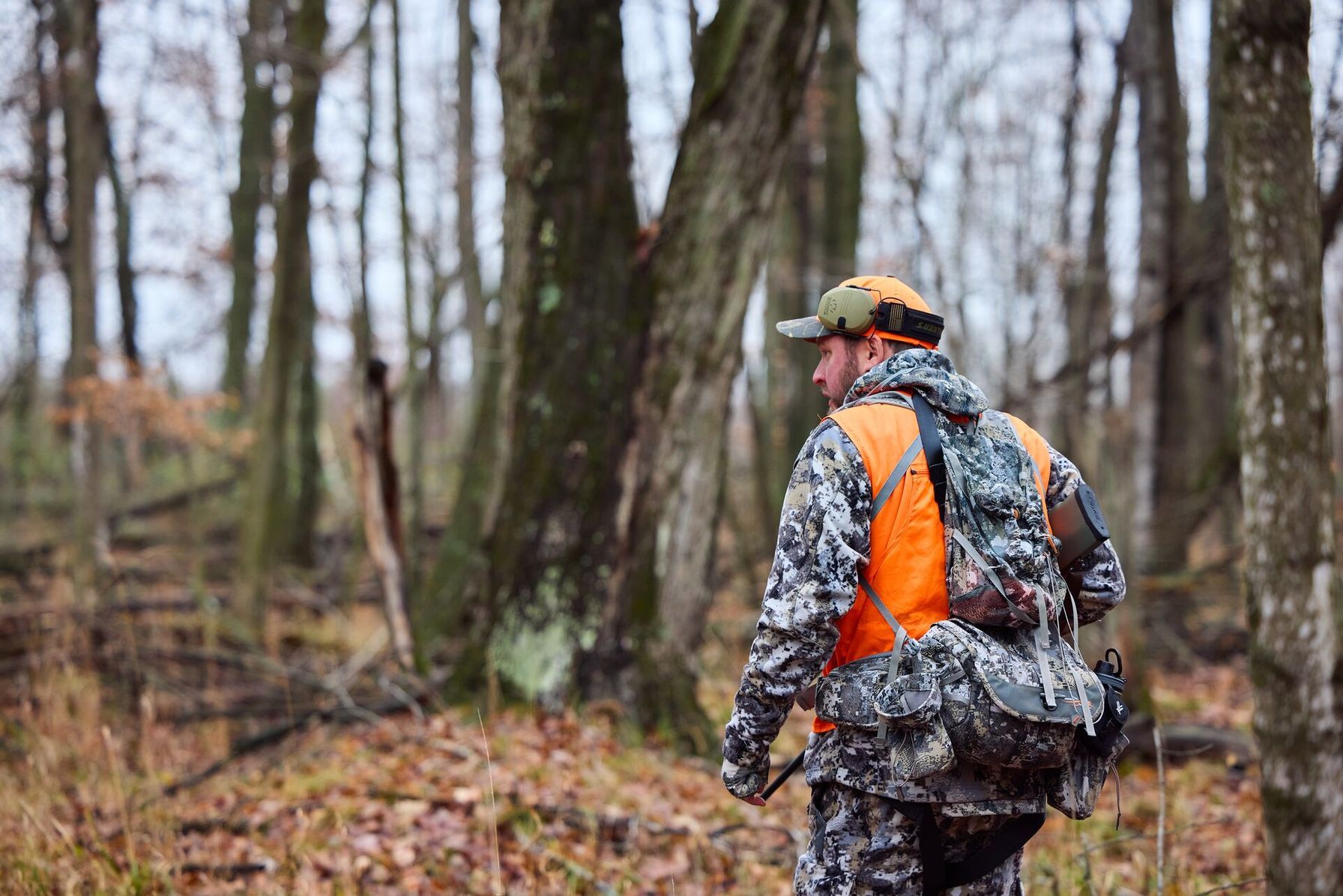
What Is Walk-In Hunting Access?
A walk-in hunting access program exists wherever a state wildlife agency compensates landowners for letting the public hunt their ground, generally without a separate permission request for each visit. Hunters typically clear the bar with a modest fee or a straightforward enrollment step, then follow the posted season for that tract.
Every state brands this differently: WIHA in Kansas, PLOTS in North Dakota, IHAP here in Iowa. The mechanics stay the same across state lines: the agency pays, the landowner opens the gate, and hunters get a season-limited window to use the ground.
Iowa's IHAP ties public access directly to habitat improvement. Landowners receive DNR funding and technical assistance to upgrade cover and food sources, and in exchange commit their land to walk-in hunting for three to ten years, a longer and more structured arrangement than most comparable state programs ask for.
How to Find Walk-In Hunting Access in Iowa
IHAP runs on a fixed calendar rather than a single annual permit, so knowing the current site list matters as much as knowing where a given tract sits.
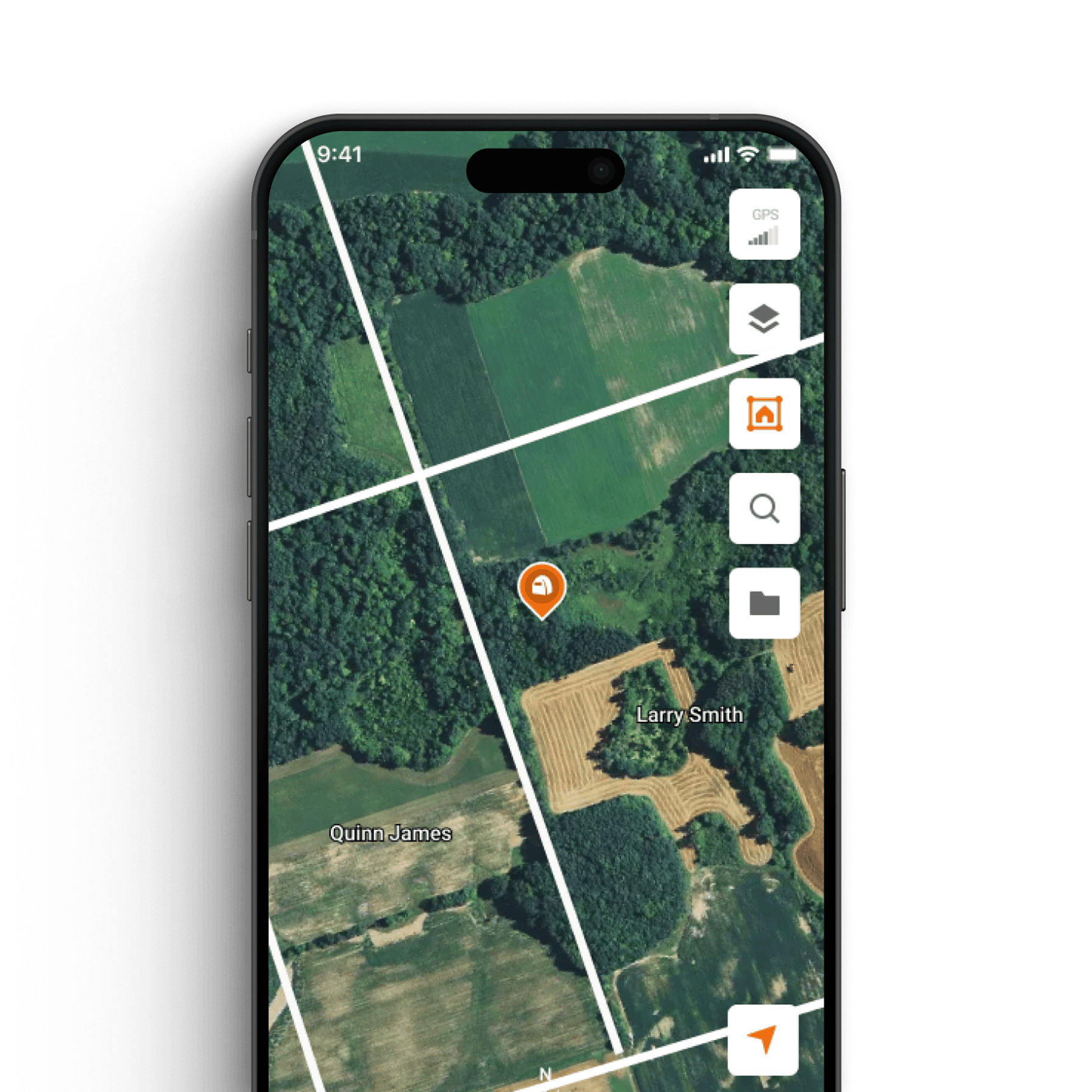
Here's how to find it:
- Open HuntWise and enable the Public Land layer. Turn on this mapping layer to see Iowa's 410,000-plus acres of Wildlife Management Areas alongside enrolled IHAP tracts on satellite imagery. Download your target county before you leave home so the map works without service.
- Check the current IHAP site list. Tracts are enrolled for three-to-ten-year contracts, but some drop out or shift boundaries each year. Iowa DNR's Hunting Atlas and county-by-county IHAP listing show which sites are currently active.
- Confirm the property is hunting-only. IHAP land prohibits vehicles, camping, target shooting, and horseback riding, and some tracts may still be in an early "establishment stage" of habitat work that changes the terrain from year to year.
- Cross-reference IHAP boundaries against other public land options. Iowa's Wildlife Management Areas operate under different rules than leased IHAP ground, so confirm which category your target tract falls into.
- Download your target tract to HuntWise before you go. Cell service is unreliable across much of rural Iowa, so save your boundaries in advance. Use HuntWise to confirm your GPS position against the posted signs in the field, even offline.
Iowa DNR's Habitat and Access Program page lists current site information, hunter guidelines, and the interactive Hunting Atlas for the current season.
Why Iowa Hunters Should Use the IHAP Program
With so little public ground in Iowa, IHAP fills a gap that WMAs alone can't cover, especially in counties where DNR-owned land is thin. It's often the only legal walk-in option within reach of a given farm-country address.
That access comes with tighter rules than a typical WMA visit. A hunter who drives onto an IHAP tract, sets up a stand for camping, or shoots targets there is violating the contract even if the hunting itself would otherwise be legal.
Before locking in a hunt, it's worth checking your target species against Iowa DNR's official season dates. IHAP's walk-in window runs September through May, but that doesn't mean every species is legal to hunt there for the entire stretch.
Respecting IHAP's rules protects more than your own access. DNR has said hunter behavior directly influences whether a landowner renews their contract, so a violation on one tract can cost the whole program acreage down the line.
What Are the Types of Hunting Land in Iowa?
Iowa splits its public hunting access across a state agency, private conservation boards, and a private walk-in program, each with its own rules.
Hunting Land in Iowa | ||||
| Land Type | What It Is | What to Hunt Here | Public vs. Private | Permission Needed |
| IHAP (Iowa Habitat and Access Program) Land | Private tracts enrolled for walk-in-only hunting from September 1 through May 31 | Pheasant, quail, deer, turkey, and waterfowl, depending on the site | Private land opened through the program | Iowa hunting license only. No landowner contact, but hunting-only (no vehicles, camping, or target shooting) |
| Wildlife Management Areas (WMAs) | Iowa DNR-owned tracts cover more than 410,000 acres statewide | Deer, pheasant, waterfowl, and turkey | Public | Iowa hunting license only |
| State Forests | DNR-managed forest land, including Yellow River, Shimek, and Stephens State Forests | Deer, turkey, and squirrel | Public | Iowa hunting license only |
| County Conservation Board Land | Locally managed tracts in every county, separate from DNR-owned WMAs | Deer, upland birds, and small game | Public | Iowa hunting license, with some county-specific rules |
| Private Hunting Leases (Outside IHAP) | Farmland or timber leased directly from a landowner, not enrolled in the state program | Deer, turkey, and pheasant | Private | Landowner permission or a signed lease agreement |
How Using a Hunting App Helps You Plan a Walk-In Hunt
An IHAP tract's boundary carries more weight than a typical WMA line, since stepping past it with a vehicle or setting up camp counts as a contract violation, not just a courtesy issue. The signs marking that boundary are the DNR's official word, but they're only posted along the property line itself.
HuntWise solves the planning half of that problem by layering current IHAP and WMA boundaries directly onto the same satellite map you're using to scout terrain. That way, you know exactly where the hunting-only rules apply before you ever park your truck.
Because a tract's habitat can still be mid-improvement in its early enrollment years, checking the current site notes matters as much as checking the boundary. A property that looked wide open on last year's scouting trip might have thinner cover this season, which changes where the birds actually sit.
Find Your Next Walk-In Hunt Before You Head Out in Iowa
Iowa's IHAP acreage is modest compared to the Great Plains walk-in programs, but it adds meaningful access in a state where public land is scarce. The stricter hunting-only rules mean a little more discipline in the field, in exchange for land you can't get onto any other way.
Confirm your target tract is still enrolled, review its current hunting-only rules, and load its boundary into HuntWise before you ever load the truck.
Get started with your HuntWise free trial today and hunt your next Iowa walk-in tract with confidence.
Frequently Asked Questions (FAQs)
Q: What is the Iowa Habitat and Access Program (IHAP)?
A: IHAP is an Iowa DNR program that funds habitat improvements on private land in exchange for walk-in public hunting access. Enrolled tracts are open from September 1 through May 31 each year.
Q: How many acres are enrolled in Iowa's IHAP program?
A: IHAP covers more than 32,000 acres of private land statewide. Enrolled acreage shifts slightly from year to year as landowner contracts begin or expire.
Q: What dates is IHAP land open for hunting in Iowa?
A: IHAP tracts are open for walk-in hunting from September 1 through May 31. Signs mark the boundary and access dates on each enrolled property.
Q: Can I camp or drive on IHAP land in Iowa?
A: No, IHAP land is for walk-in hunting only. Vehicles, camping, target shooting, and horseback riding are all prohibited on enrolled tracts.
Q: Can HuntWise show me current IHAP boundaries?
A: Yes. HuntWise's Public Land layer maps current IHAP boundaries on satellite imagery alongside Iowa's Wildlife Management Areas. You can download your target tract for offline use before your hunt.
Q: How is IHAP different from Iowa's Wildlife Management Areas?
A: Wildlife Management Areas are owned and managed directly by Iowa DNR and generally allow broader recreational use. IHAP tracts remain private property under contract, restricted strictly to walk-in hunting.
Q: Is there a cost to hunt IHAP land in Iowa?
A: No, there's no separate fee beyond a valid Iowa hunting license. Landowners are compensated by the DNR, not by the hunters using the land.
Q: How do I download Iowa IHAP boundaries for offline use?
A: Open HuntWise, enable the Public Land layer, and download your target county or tract before you leave home. This lets you confirm your position against the posted boundary signs in the field even without cell service.


