

A companion program, the Turkey Hunting Access Program (THAP), opens separate private tracts for spring turkey hunting and scouting only, from March 1 through May 29.
Wisconsin has over 6 million acres of public land, roughly 17% of the state, which is far more than most of its Midwest neighbors offer. HuntWise overlays current VPA and THAP boundaries on satellite imagery, so you can see property lines while hunting and confirm you're inside an enrolled tract before you head out.
Wisconsin's version of walk-in access plays a smaller role here than in most of its neighboring states, since so much public land already exists elsewhere in the state. The DNR also isn't currently enrolling new VPA properties, so enrolled acreage has been shrinking as older leases expire.
Keep reading to find out exactly how to find current VPA and THAP tracts, what rules apply once you're there, and what else you need before heading out.
What Is Walk-In Hunting Access?
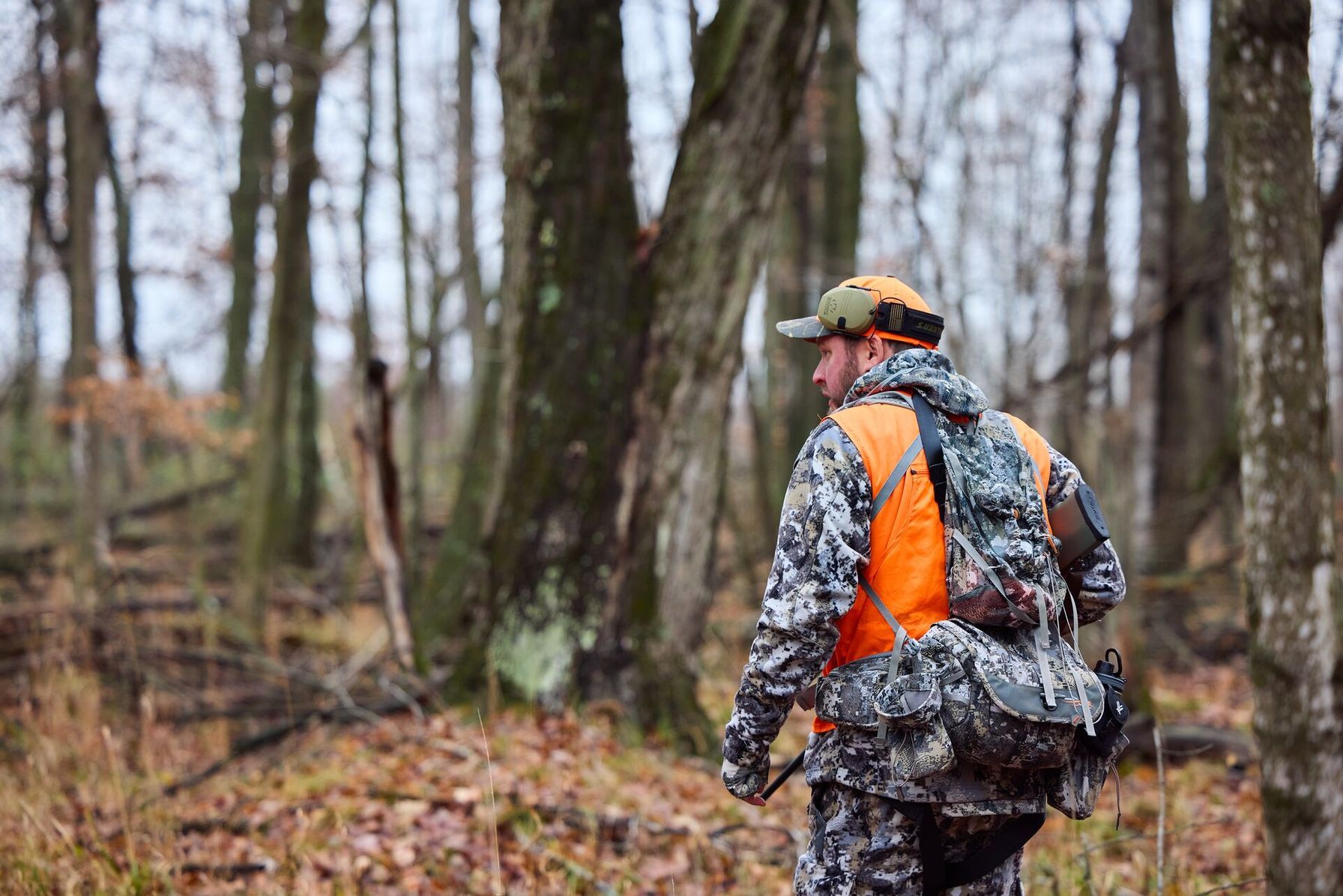
Broadly speaking, a walk-in hunting access program pays private landowners to let the public onto their land, usually removing the need to ask permission on a case-by-case basis. Some states run this as a single seasonal pass; others use daily check-ins or assigned sites.
The naming varies everywhere: WIHA in Kansas, IHAP in Iowa, IRAP in Illinois, OLHAP in Ohio, and VPA/THAP here in Wisconsin. The core arrangement holds steady across all of them: a government program funds the incentive, and a landowner opens land that would otherwise stay off-limits.
Wisconsin's version stands out for being a smaller piece of the access puzzle than usual. With county forests, state wildlife areas, and a national forest already covering millions of acres, VPA and THAP mainly fill in gaps rather than serving as most hunters' primary access option.
How to Find Walk-In Hunting Access in Wisconsin
VPA and THAP work as two separate programs with different seasons, so knowing which one applies to your target tract matters before you plan a hunt.
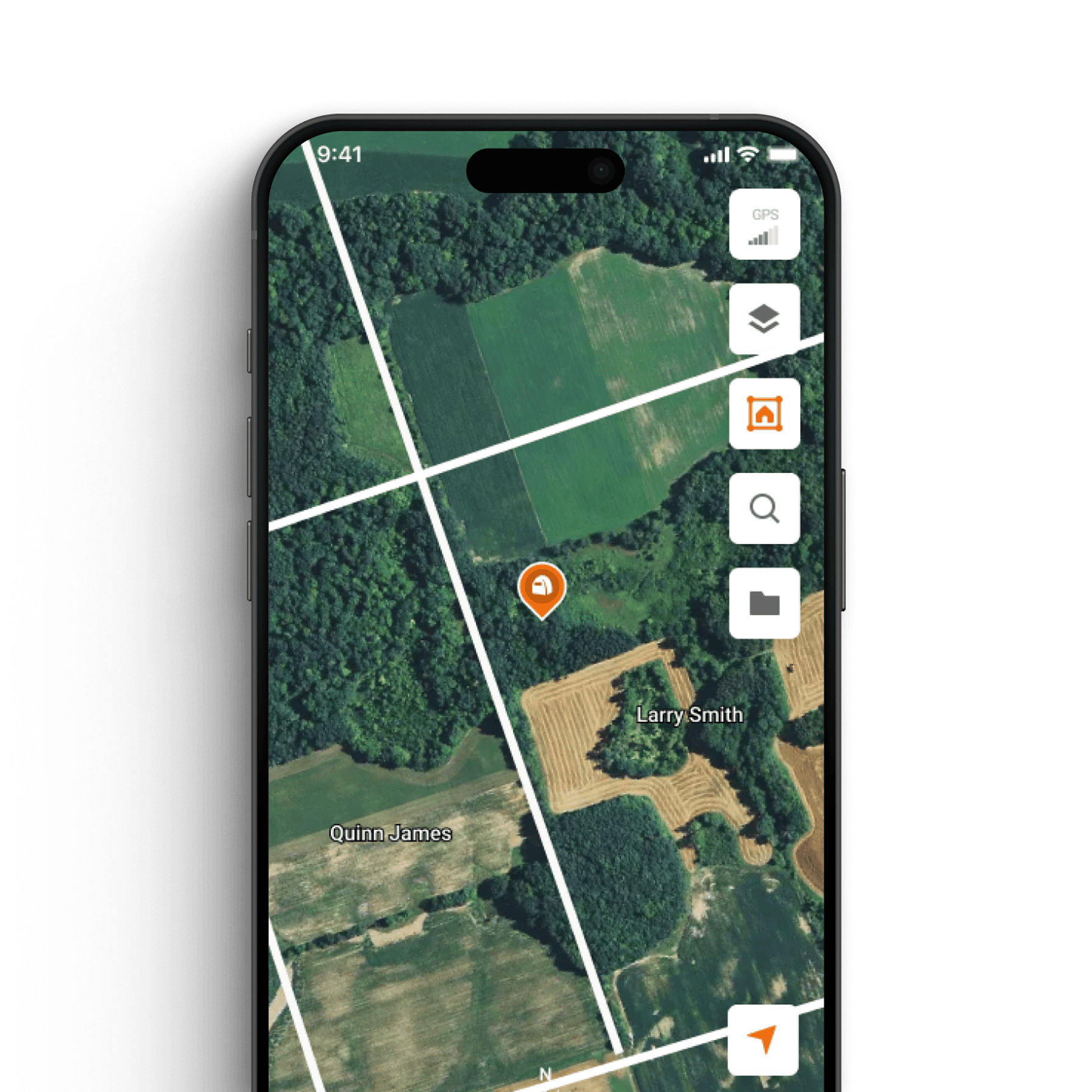
Here's how to find walk-in land to hunt in Wisconsin:
- Open HuntWise and enable the Public Land layer. Turn on this mapping layer to see Wisconsin's state wildlife areas, county forests, and other public land alongside enrolled VPA and THAP parcels on satellite imagery. Download your target county before you leave home so the map works without service.
- Identify whether your target parcel is VPA or THAP. VPA land is open year-round for hunting, fishing, trapping, and wildlife observation. THAP land is open only from March 1 through May 29 for spring turkey hunting and scouting.
- Confirm current enrollment before you go. Because the DNR isn't accepting new VPA enrollments right now, some tracts that appeared on older maps may no longer be active. Check the DNR's interactive map or county listing for the current season.
- Cross-check VPA/THAP boundaries against other public land options. County forests and state wildlife areas operate under different rules than a leased VPA or THAP tract, so confirm which category your target land falls into.
- Download your target tract to HuntWise before you go. Vehicles, including ATVs and bicycles, aren't allowed on VPA or THAP land, so you'll be on foot once you arrive. Save your boundaries in advance to confirm your position in the field, even offline.
The DNR's Voluntary Public Access page covers current program rules, the interactive maps, and enrollment status for the current season.
Why Wisconsin Hunters Should Use the VPA Program
Even in a state with abundant public land, VPA and THAP still open ground that wouldn't otherwise be accessible, particularly in the farm country of southern and central Wisconsin where county forest acreage is thin.
That access comes with clear boundaries. VPA and THAP land remains private property, and hunters must stay within posted access signs rather than assuming the whole surrounding parcel is open.
Before planning a hunt, it's worth checking your target species against Wisconsin's official season dates, since THAP's spring-only window doesn't align with the broader hunting calendar the way VPA's year-round access does.
Knowing exactly which tracts remain enrolled matters more here than in states with growing programs, since VPA acreage has been declining as older leases expire without replacement.
What Are the Types of Hunting Land in Wisconsin?
Wisconsin hunters have access to a mix of leased private land, county-managed forests, state wildlife areas, and one large national forest.
Hunting Land in Wisconsin | ||||
| Land Type | What It Is | What to Hunt Here | Public vs. Private | Permission Needed |
| VPA (Voluntary Public Access) Land | Private land that the DNR leases for year-round access, currently about 8,000 acres statewide, with no new enrollments accepted | Deer, small game, and waterfowl, depending on the property | Private land opened through the program | Wisconsin hunting license only, no landowner contact |
| THAP (Turkey Hunting Access) Land | Private tracts are open only from March 1 through May 29 for spring turkey | Spring turkey only | Private land opened through the program | Wisconsin turkey hunting license only, no landowner contact |
| State Wildlife Areas | DNR-managed properties are open year-round for hunting, fishing, and trapping | Deer, turkey, waterfowl, and upland game | Public | Wisconsin hunting license only |
| County Forests | Land enrolled by 30 counties under the County Forest Law, totaling more than 2.4 million acres, is the largest public-land category in the state | Deer, bear, grouse, and other forest game | Public (county-managed) | Wisconsin hunting license only |
| Chequamegon-Nicolet National Forest | Wisconsin's only national forest, spanning roughly 1.5 million acres in the north | Deer, bear, and grouse | Public (federal) | Wisconsin hunting license only |
How Using a Hunting App Helps You Plan a Walk-In Hunt
A VPA or THAP tract's exact edge matters more than it might seem, since the surrounding land is still private and un-enrolled even when it looks identical from the road. With enrollment currently frozen, a tract that shows up on an older map or app may no longer be part of the program at all.
HuntWise addresses both problems by layering current VPA and THAP boundaries directly onto the same satellite map you use to scout county forests and state wildlife areas. That gives you one consistent picture of what's actually open right now, rather than relying on a static printed list.
Since VPA and THAP both prohibit vehicles on-site, downloading your target tract ahead of time also means you can confirm your walking route before you're already on foot with no signal to fall back on.
Find Your Next Walk-In Hunt Before You Head Out in Wisconsin
Wisconsin's VPA and THAP programs are smaller than they used to be, but they still add legal access in places where county forests and state wildlife areas don't reach. Confirming current enrollment matters more here than in states where the program is actively growing.
Check current VPA or THAP enrollment for your target tract, note whether it's a year-round or spring-only property, and load its boundary into HuntWise before you ever load the truck.
Get started with your HuntWise free trial today and hunt your next Wisconsin walk-in tract with confidence.
Frequently Asked Questions (FAQs)
Q: What is the difference between Wisconsin's VPA and THAP programs?
A: VPA opens private land year-round for hunting, fishing, trapping, and wildlife observation. THAP opens separate private tracts only from March 1 through May 29 for spring turkey hunting and scouting.
Q: Do I need landowner permission to hunt VPA or THAP land in Wisconsin?
A: No, by enrolling in either program, the landowner has already agreed to open the property to public access. Hunters should not contact landowners directly and should only use areas posted with public access signs.
Q: How many acres are enrolled in Wisconsin's VPA and THAP programs?
A: VPA currently covers about 8,000 acres statewide, and the DNR is not accepting new enrollments at this time. THAP acreage varies separately and is listed on the DNR's THAP maps.
Q: Is THAP only open during turkey season in Wisconsin?
A: Yes. THAP land is open only from March 1 through May 29 for spring turkey hunting and scouting. Outside that window, THAP properties are not open for public access.
Q: Can HuntWise show me current VPA and THAP boundaries?
A: Yes, HuntWise maps current VPA and THAP boundaries on satellite imagery alongside county forests and state wildlife areas. You can download your target tract for offline use before your hunt.
Q: Is there a cost to hunt VPA or THAP land in Wisconsin?
A: No, both programs are free to use beyond a valid Wisconsin hunting license. However, you do need public deer tags to hunt deer on VPA property.
Q: How is VPA different from Wisconsin's County Forests?
A: County forests are publicly owned and managed by 30 counties, covering more than 2.4 million acres statewide. VPA land is privately owned but leased by the DNR for public access on a much smaller scale.
Q: How do I download Wisconsin VPA/THAP boundaries for offline use?
A: Open HuntWise, enable the Public Land layer, and download your target county or tract before you leave home. This lets you confirm your position against the posted boundary in the field even without cell service, especially useful since vehicles aren't allowed on-site.


