

The Wildlife Resources Division (WRD) funds these leases through a USDA grant, and access rules vary by property, from open walk-up to quota-based sign-in.
About 93% of Georgia is privately owned, which is exactly the gap VPA was built to help close. HuntWise overlays current VPA boundaries on satellite imagery, so you can see property lines while hunting and confirm which access rules apply to your target tract before you head out.
Georgia's version of walk-in access is modest by design: VPA tracts range from a 95-acre parcel to a 3,134-acre property, and the program adds up to a small fraction of the state's total public hunting land. Turkey season on VPA tracts even follows the WMA calendar rather than the earlier private-land opener, so timing matters as much as location.
Keep reading to find out how to find current VPA properties, why access rules differ by tract, and what else you need before heading out.
What Is Walk-In Hunting Access?
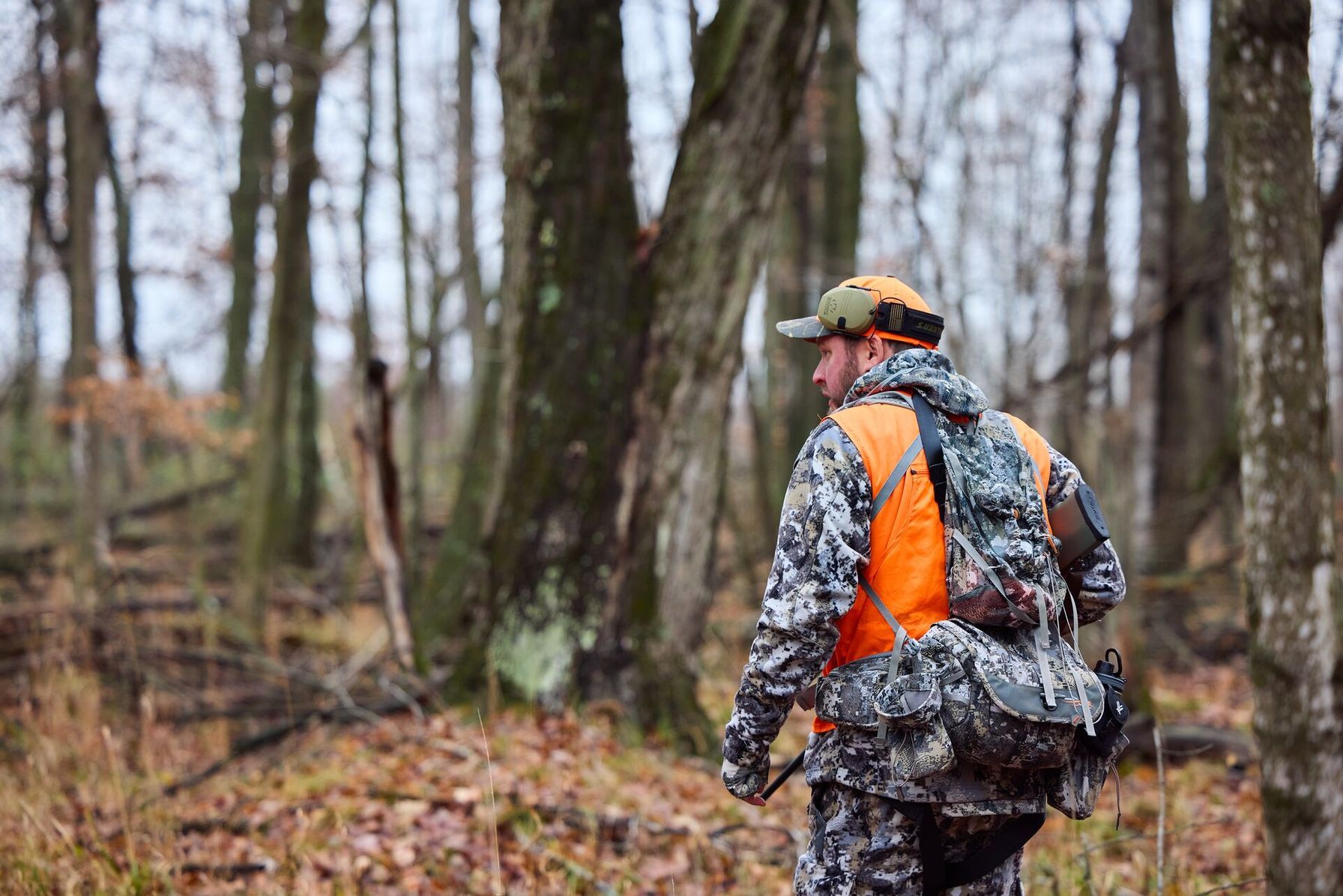
At a basic level, a walk-in hunting access program pays a private landowner to open their property to the public, typically without requiring hunters to ask permission individually. Some states run this as a simple license add-on; others fold it into a broader permit or draw system.
Every state names its version differently: WIHA in Kansas, IHAP in Iowa, IRAP in Illinois, OLHAP in Ohio, VPA in Wisconsin and Georgia. The underlying trade is the same everywhere: a government grant funds the incentive, and a landowner opens land that would otherwise stay private.
Georgia's VPA leans closer to its WMA system than a true open walk-in model. Rather than a single uniform rule, individual VPA tracts can be open-access, quota-limited, or bonus hunts, depending on the property and species.
How to Find Walk-In Hunting Access in Georgia
Georgia's VPA properties are few enough that checking each one individually is realistic, but the access rules differ enough that you can't assume any two tracts work the same way.
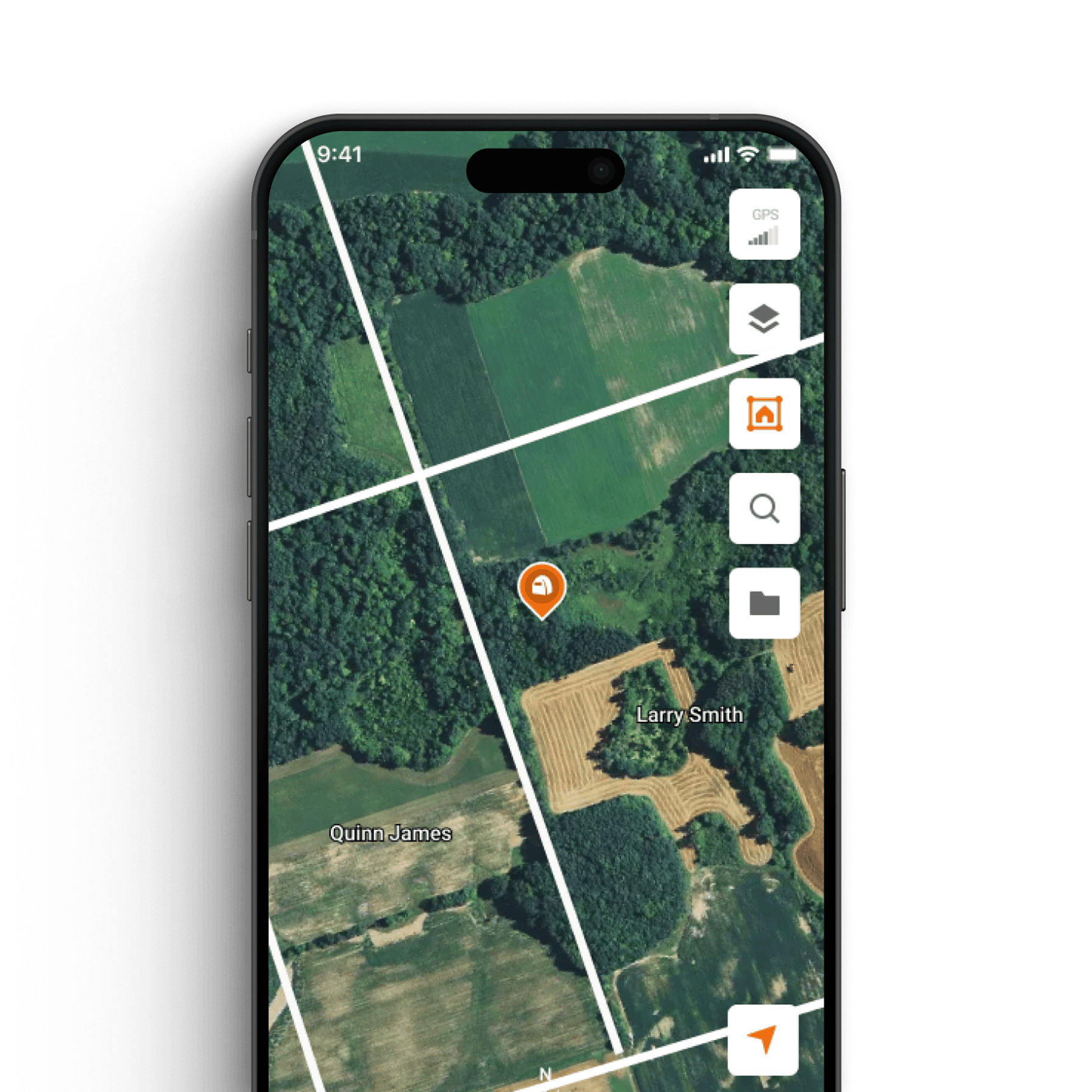
Here's how to find walk-in hunting land in Georgia:
- Open HuntWise and enable the Public Land layer. Turn on this mapping layer to see Georgia's WMAs and VPA tracts on satellite imagery. Download your target county before you leave home so the map works without service.
- Check the current VPA property list. The Wildlife Resources Division regularly adds and drops tracts, so confirm your target property is still active before planning around it.
- Determine whether your tract requires a quota permit or sign-in. Some VPA properties, especially dove fields, run on the same quota and bonus-hunt structure as WMAs. Others allow open access without an advance application.
- Cross-check VPA boundaries against other public land options. WMAs and the Chattahoochee-Oconee National Forests operate under different rules than a leased VPA tract, so confirm which category your target land falls into.
- Download your target tract to HuntWise before you go. Many VPA properties sit in rural counties with unreliable cell service, so save your boundaries in advance and confirm your position in the field, even offline.
The Wildlife Resources Division's VPA & Habitat Incentive Programs page lists currently available properties, acreage, and county locations for the season.
Why Georgia Hunters Should Use the VPA Program
With such a large share of Georgia in private hands, VPA fills a real gap, especially for dove and waterfowl hunters competing for limited public-land opportunities. A handful of these leased tracts exist specifically to meet demand that WMAs alone can't cover.
That access still comes with real limits. A VPA tract listed as quota-only requires an approved application before you hunt it. Showing up without one is treated the same as hunting a WMA quota area without a permit.
Before planning a trip, it's worth checking your target species against Georgia's official season guide, since VPA tracts follow the WMA turkey calendar rather than the earlier private-land opener.
Because VPA depends on continued federal grant funding and willing landowners, respecting each property's specific rules matters beyond your own hunt. A handful of poorly behaved visitors can put a lease renewal at risk.
What Are the Types of Hunting Land in Georgia?
Georgia hunters split their access across a small private-land leasing program, a large WMA network, a national forest, and select state park hunts.
Hunting Land in Georgia | ||||
| Land Type | What It Is | What to Hunt Here | Public vs. Private | Permission Needed |
| VPA (Voluntary Public Access) Land | About a dozen private tracts that the DNR leases, ranging from under 100 to over 3,000 acres each | Dove, deer, turkey, waterfowl, and small game, depending on the property | Private land opened through the program | Georgia hunting license. Some tracts also require a quota permit or sign-in. |
| Wildlife Management Areas (WMAs) | More than 100 state-owned or leased areas ranging from 40 to over 96,000 acres | Deer, turkey, bear, waterfowl, and small game | Public | Georgia hunting license. Many hunts require a quota permit or online sign-in. |
| Chattahoochee-Oconee National Forests | Federal forest land open to hunting under Georgia's statewide regulations | Deer, bear, turkey, and small game | Public (federal) | Georgia hunting license only |
| State Park Deer Management Hunts | Quota-only hunts in select state parks used to control local deer populations | Deer only | Public | Advance quota application required |
| Private Hunting Leases (Outside VPA) | Land leased directly from a landowner or hunting club, not enrolled in the state program | Deer, turkey, and upland birds | Private | Landowner permission or a signed lease agreement |
How Using a Hunting App Helps You Plan a Walk-In Hunt
A VPA tract's rules can look completely different from the property next to it on a map, since one might be open-access and the neighboring WMA-style quota tract requires an approved application. Figuring that out from a static list is slower than it should be when you're trying to plan a weekend hunt.
HuntWise addresses this by mapping current VPA tracts directly onto the same satellite imagery you're using to scout terrain, so you can see exactly where each property's boundary sits relative to the surrounding private land. That's especially useful on the larger tracts, like the 3,000-plus-acre properties, where the enrolled portion may not cover the entire visible parcel.
Because several VPA properties sit well outside cell coverage, downloading your target tract ahead of time also means you won't be stuck trying to confirm a boundary once you've already arrived.
Find Your Next Walk-In Hunt Before You Head Out in Georgia
Georgia's VPA program is smaller than most of its Midwest counterparts, but it still opens dove fields, deer tracts, and waterfowl ground that would otherwise require a personal connection or a paid lease. The tradeoff is that each property's access rules need a separate check before you plan around it.
Confirm your target tract is still enrolled, check whether it requires a quota permit or open sign-in, and load its boundary into HuntWise before you ever load the truck.
Get started with your HuntWise free trial today and hunt your next Georgia walk-in tract with confidence.
Frequently Asked Questions (FAQs)
Q: What is Georgia's Voluntary Public Access (VPA) program?
A: VPA is a Wildlife Resources Division program that leases private land for public hunting, funded through a USDA grant since 2014. It currently covers about a dozen properties totaling more than 7,000 acres statewide.
Q: Do all Georgia VPA properties work the same way?
A: No, access rules vary by tract. Some VPA properties allow open access, while others, especially dove fields, use the same quota or bonus-hunt system as WMAs.
Q: How many acres are enrolled in Georgia's VPA program?
A: VPA currently covers more than 7,000 acres across roughly a dozen properties. Enrolled acreage can shift as leases begin or expire.
Q: Can HuntWise show me current Georgia VPA tracts?
A: Yes, HuntWise maps current VPA tracts on satellite imagery alongside WMAs and other public land. Download your target property for offline use before your hunt.
Q: Is there a cost to hunt VPA land in Georgia?
A: No added cost beyond a valid Georgia hunting license. Some tracts may require a separate quota permit application, but there's no extra fee for VPA access itself.
Q: Does turkey season open the same day on VPA land as private land in Georgia?
A: No, VPA tracts follow the WMA turkey season calendar, which opens about a week after the private-land opener. Always check the current season guide for exact dates.
Q: How is VPA different from Georgia's Wildlife Management Areas?
A: WMAs are state-owned or state-leased land making up Georgia's main public hunting network, covering more than 100 areas statewide. VPA tracts are privately owned land the DNR leases separately, on a much smaller scale.
Q: How do I download Georgia VPA boundaries for offline use?
A: Open HuntWise, enable the Public Land layer, and download your target property before you leave home. This helps you confirm your position against the tract boundary in the field even without cell service.


