

This includes wildlife management areas, national forest tracts, and about 120 privately owned dove and small-game leases, to permit holders from September 1 through August 31 each year.
Over 93% of Texas is privately owned, which makes the APH program one of the only ways most hunters get walk-in access to huntable ground without negotiating a lease of their own. HuntWise overlays current APH-eligible tracts on satellite imagery, so you can see property lines while hunting and confirm you're on a permitted unit before you leave the truck.
Texas's version of walk-in access is unusual in one respect: unlike states where enrolled tracts shift every season, the APH program has run continuously since 1987. The same core units tend to stay in the program year over year.
Keep reading to find out exactly how to buy in, where to check current boundaries, and what else you need before heading out.
What Is Walk-In Hunting Access?
Walk-in hunting access refers to programs where a state wildlife agency pays landowners to open private land to public hunters, usually without requiring hunters to ask permission individually. In most states, hunters just need a small permit or a free enrollment to use these tracts during a defined season.
Programs go by different names depending on the state (WIHA in Kansas, IHAP in Iowa, PLOTS in North Dakota), but they all work on the same basic idea. The state acts as the middleman between landowner and hunter, and access can change from year to year as landowners enroll or drop out.
Texas runs its own version through the Annual Public Hunting (APH) Permit. Rather than leasing only private cropland like some Midwest programs, APH bundles TPWD-owned land, leased national forest tracts, and privately leased dove and small-game fields into one long-running access system that's stayed largely stable since 1987.
How to Find Walk-In Hunting Access in Texas
Texas doesn't have a state-run walk-in acreage lottery like its Midwestern neighbors. Instead, one annual permit unlocks a fixed, statewide network of public and leased land.
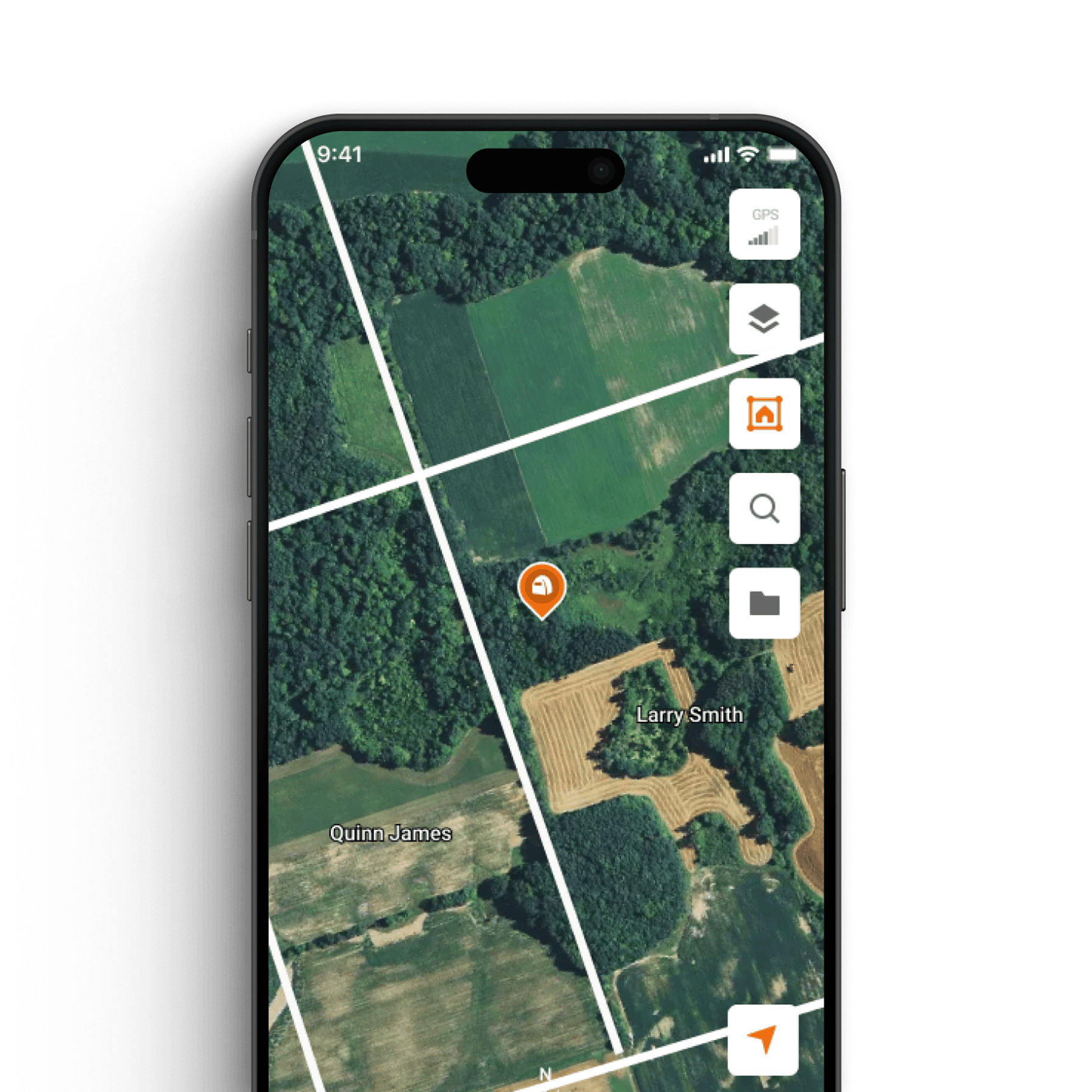
Here's how to use it:
- Open HuntWise and enable the Public Land layer. Turn on this mapping layer to see current wildlife management areas and other public-access boundaries across Texas on satellite imagery. Download your target county before you leave home so the map works without service.
- Buy an Annual Public Hunting (APH) Permit. The $48 APH Permit is the backbone of Texas's walk-in program, covering more than 1 million acres across TPWD-owned land, leased national forest tracts, and roughly 120 private dove and small-game leases. You'll need a valid Texas hunting license to purchase one.
- Search TPWD's Area or Legal Game tool by county or region. TPWD's online search lets you pull up individual hunt areas, their legal game boxes, and current-season access rules before you commit to a unit. This is also where you'll see which public land options fall inside versus outside the APH program.
- Check for drawn or E-Postcard requirements on your target unit. Some higher-demand units require a separate application through the Public Hunt Drawing System even though you already hold an APH Permit. Confirm this before planning a trip around a specific area.
- Download your target unit to HuntWise before you go. Cell service is unreliable across much of rural Texas, so save your boundaries in advance. Use HuntWise to check your GPS position against the unit line in the field, even offline.
The TPWD Annual Public Hunting Permit page lists current permit pricing, where to buy, and links to the full map booklet and area search tool for the current season.
Why Texas Hunters Should Use the APH Program
With so little public land in Texas, the APH Permit does more work than a typical state walk-in program. It's the cheapest way to legally access national forest ground, TPWD wildlife management areas, and privately leased dove and small-game fields under one permit, rather than negotiating separate access to each.
That matters because most of the land bordering an APH unit is still working private property. A hunter who wanders past a marked boundary on an APH tract is trespassing on land the permit doesn't cover, even if the adjoining field looks identical from the road.
Before locking in a hunt, it's worth checking season dates and species availability against TPWD's official season dates. APH units don't all open on the same schedule or for the same game.
Knowing exactly where a leased or federal APH tract ends keeps a legal walk-in hunt from turning into a citation. It's also why TPWD requires permit holders to review each unit's legal game box before hunting it.
What Are the Types of Hunting Land in Texas?
Texas hunters work with a mix of state, federal, and private ground, and each type comes with its own cost and permission rules.
Hunting Land in Texas | ||||
| Land Type | What It Is | What to Hunt Here | Public vs. Private | Permission Needed |
| APH Walk-In WMAs (including Forest Service WMA units) | TPWD-managed wildlife management areas plus the WMA-designated tracts inside the national forests, including all of Sam Houston National Forest | Deer, turkey, waterfowl, and small game | Public | $48 APH Permit plus a valid Texas hunting license, no landowner contact |
| APH Leased Dove & Small-Game Land | About 120 privately owned tracts TPWD leases specifically for dove and small-game seasons | Dove, quail, and rabbit | Private land opened through the program | APH Permit only, no separate landowner permission |
| General National Forest (Non-WMA) | Open forest acreage across the four national forests that falls outside a designated WMA unit | Deer, feral hogs, and small game | Public (federal) | Texas hunting license only, no APH required |
| Drawn & E-Postcard Hunts | Limited-slot hunts on select WMAs, state parks, and premium units allocated by computer draw | Deer, exotic species, and quality-managed hunts | Public | Separate application through the Public Hunt Drawing System, with APH sometimes still required |
| Private Hunting Leases (Outside APH) | Ranch or farmland leased directly from a landowner or outfitter, not part of the state program | Deer, exotics, and upland game | Private | A signed lease agreement and landowner permission |
How Using a Hunting App Helps You Plan a Walk-In Hunt
An APH unit's legal boundary rarely matches what you'd guess from a satellite photo alone. Leased dove fields and national forest tracts often sit next to private land that looks identical on the ground. The printed map booklet doesn't update in real time when a lease changes hands, either.
HuntWise solves that by layering current public and leased boundaries directly onto the same satellite map you're using to scout terrain. That way, you can confirm you're inside a permitted unit before you set up.
Because much of rural Texas has spotty cell coverage, downloading your target unit ahead of time means you're not stuck guessing at a fence line with no signal. That's especially useful on units bordered by working ranches, where a wrong turn costs you more than a missed hunt.
Find Your Next Walk-In Hunt Before You Head Out in Texas
Texas doesn't hand out free walk-in acreage the way some Midwestern states do. However, the APH Permit turns a single $48 purchase into access across more than 180 hunting areas statewide. The tradeoff is that boundaries matter more here than almost anywhere else, since so much of the land around a permitted unit stays private and off-limits.
Buy your APH Permit, confirm your unit's current legal game rules, and load its boundary into HuntWise before you ever load the truck.
Get started with your HuntWise free trial today and hunt your next Texas walk-in tract with confidence.
Frequently Asked Questions (FAQs)
Q: What is the Annual Public Hunting (APH) Permit in Texas?
A: The APH Permit is TPWD's main walk-in access program, running continuously since 1987. It opens more than 1 million acres across state-owned, federal, and privately leased land to permit holders for hunting, fishing, and other outdoor recreation.
Q: How much does the Texas APH Permit cost?
A: The APH Permit costs $48 and covers full hunting privileges. TPWD also offers a $12 Limited Public Use Permit for hunters who only want access for fishing, camping, or hiking, not hunting.
Q: What land is included in the Texas APH program?
A: The Texas APH program covers more than 180 hunting areas, including TPWD-owned wildlife management areas, leased national forest tracts, and about 120 privately owned dove and small-game leases. Together, these add up to more than 1 million acres statewide.
Q: Can HuntWise show me current APH-enrolled tracts?
A: Yes, HuntWise's Public Land layer maps current APH boundaries on satellite imagery alongside other public land. You can download your target tract for offline use before your hunt.
Q: Do I need any permit besides the APH Permit to hunt APH land in Texas?
A: Yes, you need a valid Texas hunting license in addition to the APH Permit. Some higher-demand units also require a separate drawn or E-Postcard application through the Public Hunt Drawing System.
Q: How long is an APH Permit valid in Texas?
A: An APH Permit runs from September 1 through August 31, covering nearly a full year of access. It does not renew automatically, so you'll need to purchase a new one each cycle.
Q: Are there quota draws on any APH units in Texas?
A: Yes, some units require a separate application through the Public Hunt Drawing System even for APH Permit holders. These E-Postcard and drawn hunts typically involve limited positions and specific bag limits, so check each unit's rules before applying.
Q: How do I download Texas APH boundaries for offline use?
A: Open HuntWise, enable the Public Land layer, and download your target county or unit before you leave home. This lets you check your GPS position against the boundary in the field even without cell service.


