

Every spring brings new life to the woods, and with it comes the best opportunity of the year to locate a coyote den. For the predator hunter, finding an active den site isn't just casual nature watching but about gaining a strategic advantage.
The demands of raising a litter force even the wiliest coyotes into a pattern, and spring and summer are when even the smartest song dogs in the woods become predictable.
Keep reading to learn how to find a coyote den, including clues and tracking techniques for a more successful hunt!
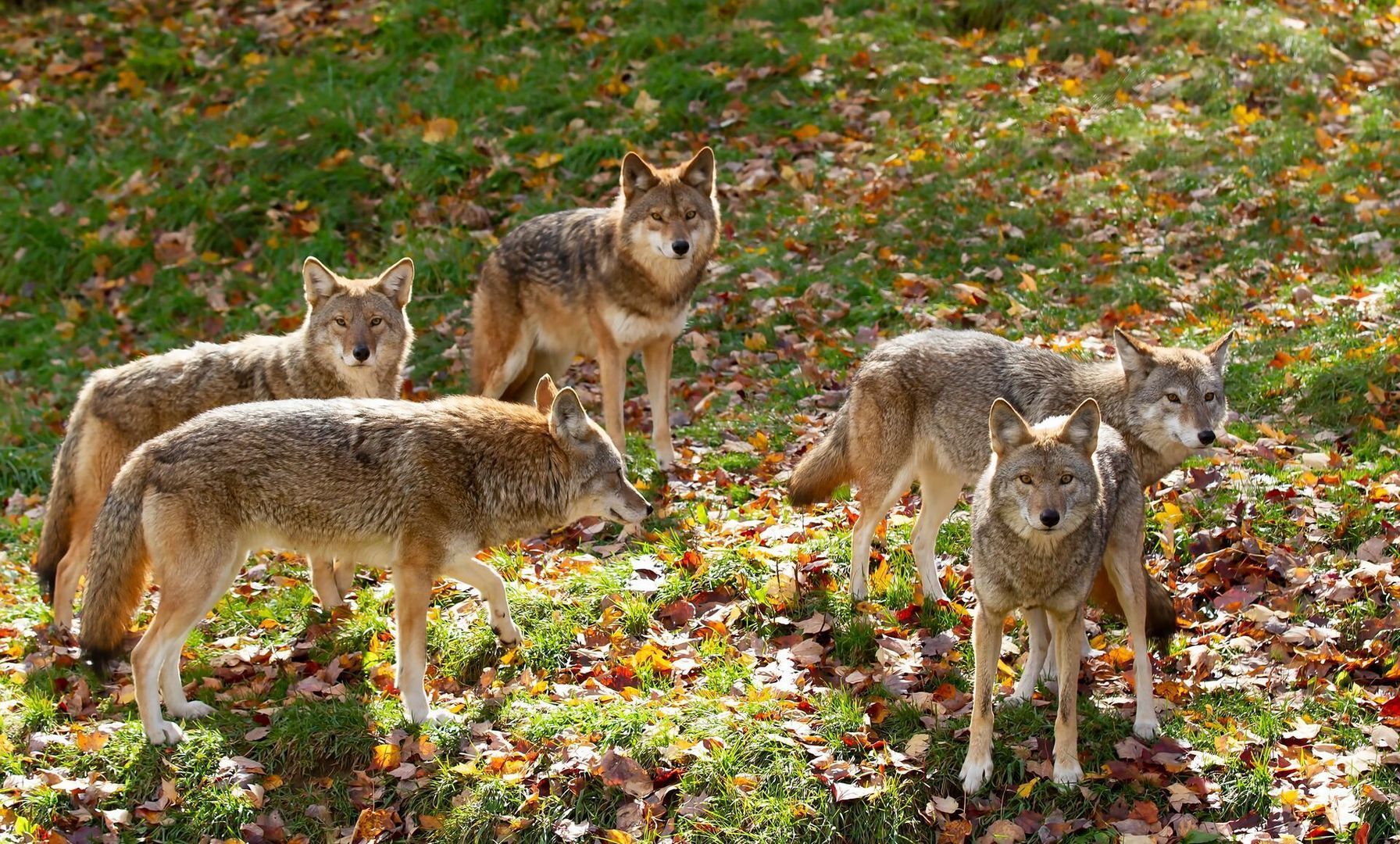
Where to Look for Coyote Dens (Common Locations)
Finding coyotes requires the right strategy. You may see them from time to time, but truly finding them when hunting is when they might seem to be the most elusive.
The coyote denning season is when a female coyote begins looking for a place to den. Here's where to look for a coyote den.
Natural Terrain
Coyotes are likely to prioritize safety, drainage, and a good vantage point of the surrounding country.
- Steep banks and ravines: Steep banks, ravines, and hillsides with several escape routes are worth a good look any time you're out scouting.
- South-facing slopes: These areas can check all these boxes, offering a warm, dry spot to see trouble coming before it arrives.
- Elevated areas: Coyotes often prioritize spots that provide good visibility and quick escape routes.
Existing Structures
Coyotes are opportunists in every sense of the word, and are equally resourceful when it comes to finding food as they are finding a place to raise pups. Instead of digging a den from scratch, the root plate of a fallen tree, a narrow rock crevice, a hollow log, or even abandoned badger, fox, or woodchuck burrows are all prime real estate.
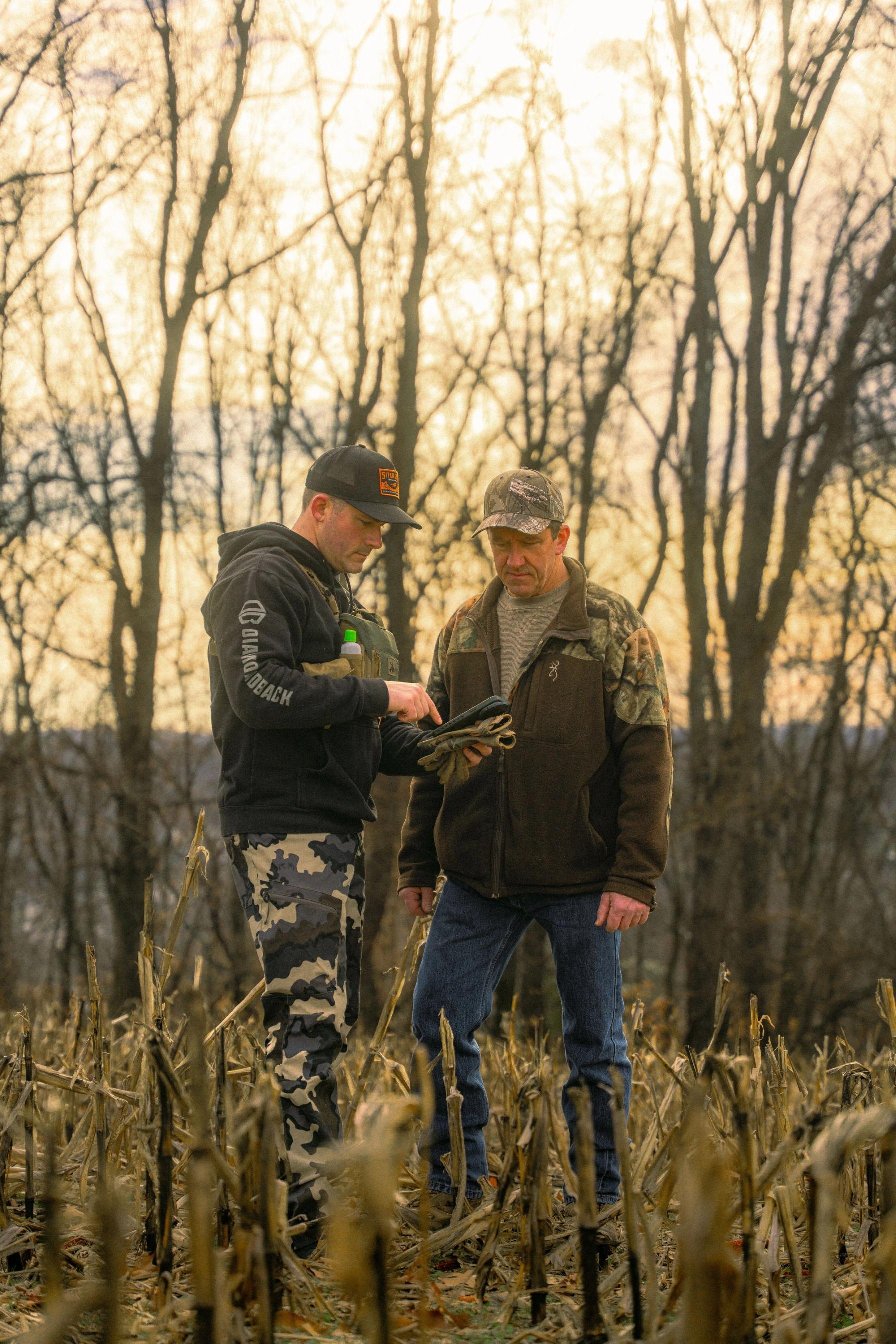
In many cases, the coyotes simply move in and make a few renovations by widening the entrance and pushing out fresh dirt until the space is large enough.
Urban and Suburban Areas
Coyotes can adapt well to almost any environment and will den in developed urban and suburban areas, too.
The crawl space beneath an old farmstead outbuilding, under sheds and porches, or other dilapidated and abandoned buildings can be used as denning locations. During dry spells, coyotes have even been known to make dens inside large drainage pipes and culverts.
What are the Clues to Identify an Active Den?
WhatOne of the most effective ways to narrow down a den location is simply to listen for coyote vocalizations right after sunset or just before sunrise.
Pups will begin yipping and barking as they emerge from the den at dusk or as they return underground at first light. Those high-pitched, playful sounds can carry farther than most hunters expect on a calm night, so be careful not to under judge the distance.
Once you've zeroed in on an area, start looking for sign on the ground.
- Den entrances are typically 10 to 13 inches wide and one to two feet tall, often shaped like a rounded triangle with fresh dirt or disturbed soil pushed out front.
- Well-worn trails can be the most reliable indicators. Look for multiple sets of tracks converging toward a single entrance, scat deposits spaced along the route, and possible tufts of fur snagged on low brush along the trail from repeated use.
- Scattered bone fragments and prey remains nearby will let you know you are close.
Knowing what a coyote den looks like will help you know one when you see it!
How Does Finding a Coyote Den Help Your Hunt?
Finding a coyote den can refocus your entire approach to how you should be hunting a property.
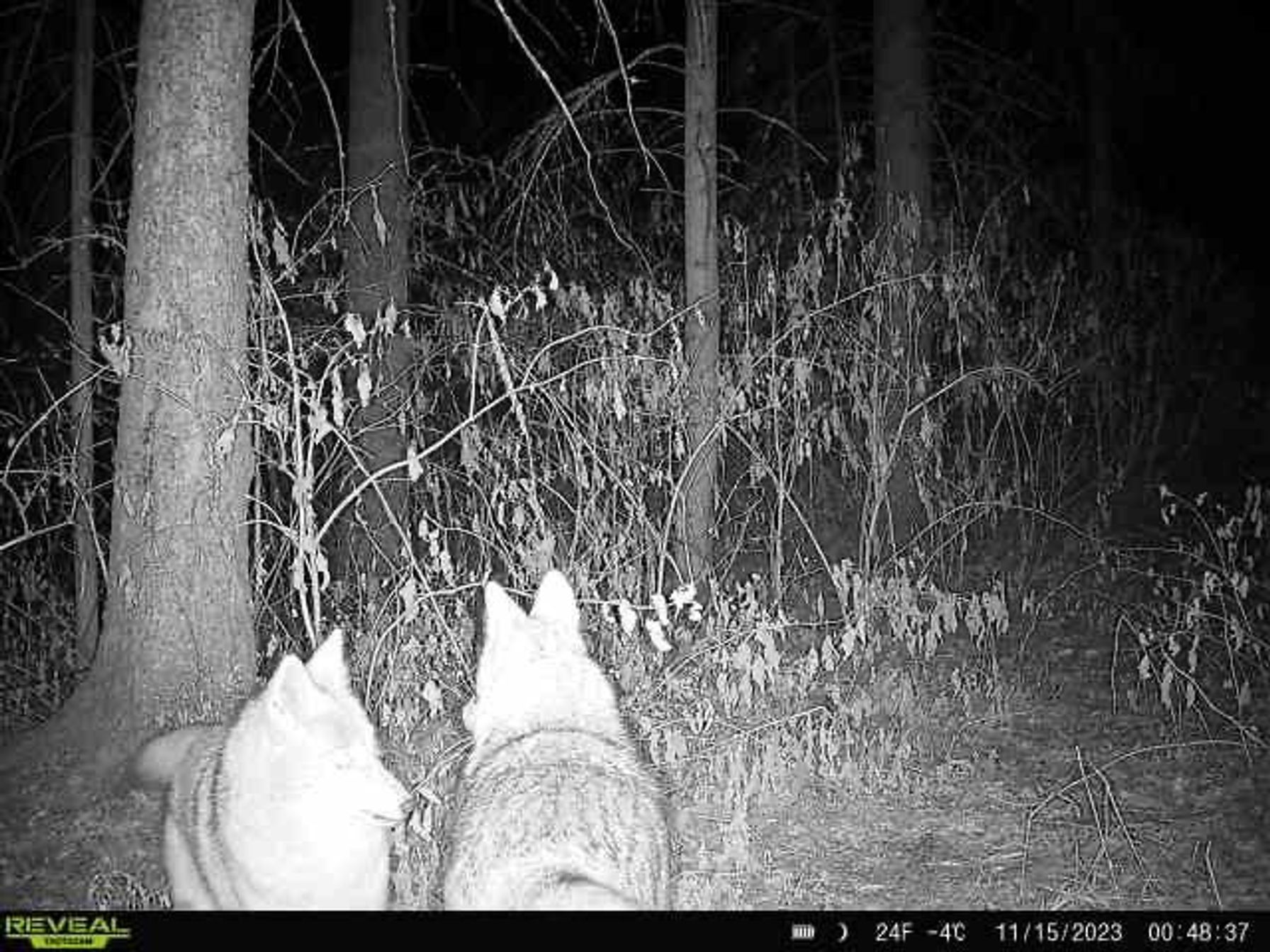
A den marks the center of a family group's territory, and from late spring through early summer, the adults are running predictable routes between that hub and their hunting grounds. Once you know where the den is, you can begin mapping their travel corridors and looking for interception points for a calculated setup using the HuntWise mapping features.
While rearing pups, coyotes near an active den are far more reactive to howls and distress calls than in fall or winter. That heightened territorial aggression creates windows of opportunity that simply don't exist any other time of year.
Adults are hunting more frequently to keep hungry mouths fed. This increased activity tends to center around dawn and dusk, and knowing a den's location lets you focus your effort during those peak windows rather than wasting primetime on unproductive ground.
An active den also tells you something useful about the bigger picture of the woods as a whole by confirming breeding success in an area. This signals a healthy local population, and finding multiple dens in a given region points to strong coyote numbers worth factoring into your long-term predator management plan.
Predator Hunting Tactics and Tracking Techniques for Coyote Hunts
Once you've got a den marked and scouted, use these predator hunting tactics and tracking tips for your hunt!
| Coyote Hunting Tactics and Tips: |
|
When you do locate an active den in the field, drop a pin on the map and track your walking route in and out so you can approach the area efficiently without wandering into the area with a bad wind.
Keep Your Distance
One important thing to note: when you find an active den, keep your distance.
A momma coyote protecting her litter is a completely different animal than if you had called her in across an open field. Pushing too close to a den risks her abandoning the area and ruining the hunting opportunity you worked so hard to find.
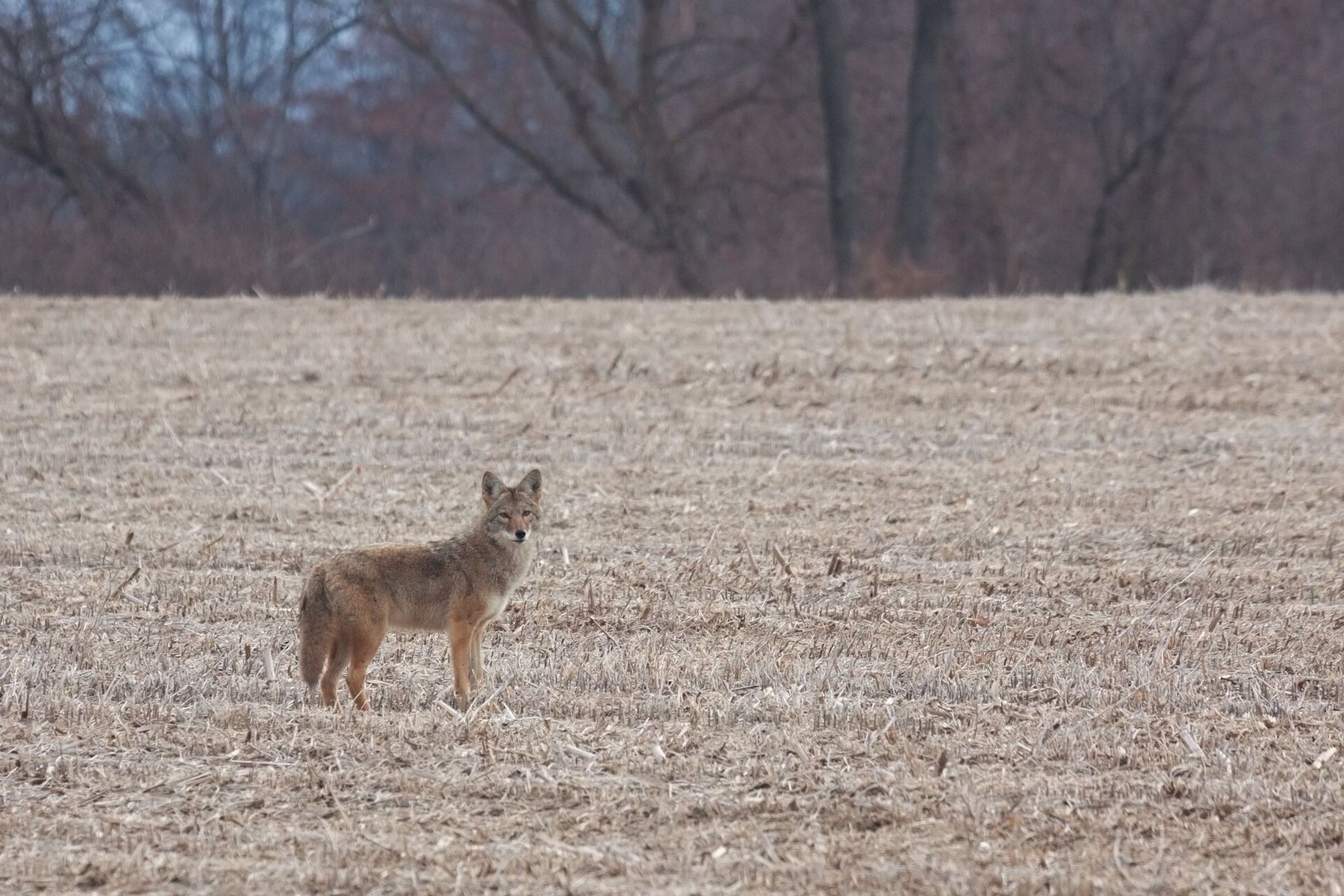
Start Coyote Tracking and Hunting with HuntWise
Finding a coyote den is ultimately about reading terrain, listening at the right times, and recognizing the sign they leave behind. Understanding how coyotes select and use dens makes you a sharper woodsman and a more effective hunter.
Use the tips we shared today, and make sure you have HuntWise to scout potential denning areas and mark locations on the map. Then use that information to narrow down your in-field scouting. HuntCast can help you target the best days and times to get out in the field for your hunt!
Download HuntWise and start tracking coyotes with Pro and Elite features free during your first week in the app!
Frequently Asked Questions (FAQs)
Q: How do you locate a coyote den?
A: Locating a coyote den takes patience and sharp observation skills. Look for tracks, scat, and worn trails leading to brushy hillsides, rock outcroppings, or creek banks, which are all common den sites. The HuntWise app's terrain and topographic layers can help you identify likely den habitat before you ever set foot in the field.
Q: Where do coyotes have their dens?
A: Coyotes prefer secluded, well-protected spots like steep hillsides, hollow logs, brushy draws, and the banks of creeks or ravines. They often repurpose abandoned burrows from badgers, foxes, or groundhogs rather than digging their own. Dense cover and proximity to a water source are two of the strongest indicators that a den may be nearby.
Q: How far do coyotes wander from their den?
A: Coyotes typically travel 3-15 miles from their den in a single night when hunting, though home range size varies by habitat and prey availability. During denning season in spring, adults stay closer to the den site to protect pups. Tracking travel corridors with HuntWise's mapping tools can help you understand coyote movement patterns in your area.
Q: Where can I find a coyote den?
A: Focus your search on areas with natural cover and limited human activity, such as brushy creek bottoms, timbered hillsides, and field edges with eroded banks. Look for multiple entry holes, scattered bones or fur, and heavy paw traffic in the surrounding soil. Using HuntWise to scout aerial and satellite imagery lets you pinpoint these terrain features from your phone before heading out.
Q: What time of year do coyotes den?
A: Coyotes begin denning in late winter to early spring, typically between February and April, when females are pregnant or nursing pups. Dens are most active from March through June as pups grow and adults make frequent trips to bring back food. Outside of breeding and pup-rearing season, coyotes generally do not use a fixed den and instead bed in temporary sheltered spots.


