

Predator hunting is one of the best ways to develop outdoor skills and spend some time in the natural environment after the primary game season. By tracking coyotes, you can become a better, more well-rounded hunter.
Here's our guide to how to find coyotes, including insights on how to track, call, and locate them, as well as details about their habitats.

How To Find Coyotes by Locating Sign and Habitats
Begin your search for coyotes by focusing on habitats rich in small prey. Look for fields, brushy creek beds, river bottom, and light forests. You'll find rodents near bodies of water and in tall grass, which means you'll find coyotes in these locations as well.
It's not uncommon to see coyotes in urban and suburban environments. When you're near these areas, check wooded patches, park edges, and thick shrubbery. Be sure to consult local hunting guidelines for restrictions and limits.
Once you've marked a few hotspots on your HuntWise app, head out and start looking for coyote signs. Coyotes often leave tufts of hair and scat (droppings) along trails as a territorial marker.
Keep an eye out for coyote tracks, which are symmetrical, oval-shaped, and about 2.5 inches long by two inches wide. Look for darker, freshly compressed soil and round edges in the prints.
Pay close attention to how fresh the signs look to gauge the timing and frequency of coyote visits. You can add these to your field guide to keep track of them.
Use Calling Techniques
Once you've established your hunting zone, explore the role of calls in how to hunt coyotes. When determining how to find coyotes, electronic calls can help attract them.
Calls typically fall into two categories: distressed prey calls (such as those of rabbits, field mice, and injured turkeys) and vocalizations from other coyotes. Change the calls depending on the prey animals in the area—and so the coyotes don't catch on to your tricks.
Try both kinds of calls in the field and experiment to get some practice. Electronic calls are good for initially attracting coyotes, though as they become more wary, consider switching to mouth calls with light squeaks. Begin with slow, low-volume calls and check for a response before using louder calls.
You can also use calls to locate and pattern coyotes. Try some calls at dawn or dusk to pinpoint active coyote areas. Use short howls to provoke a reply, triangulate the coyotes' position, and mark these locations on your HuntWise app.
How to Hunt Coyotes
Once you've learned how to find coyotes, it's time to focus on the hunt. Timing, wind, and concealment all come into play.
Know the Best Times to Hunt
[Embedded unknown: (missing)]
Early morning is typically the best time to hunt coyotes. During the pre-dawn hours, coyotes are searching for food after resting overnight and are highly responsive to calls and decoy setups. Dim light gives coyotes an added sense of security; consider hunting at dusk as well, as they look for prey or move between bedding areas.
Set up at a slight elevation with a strong vantage point across your intended hunting area, and be careful not to cast a silhouette against the backdrop. Coyotes can slip away quickly, so use a rangefinder to help you establish the shooting distance and move quickly without rushing.
Play the Wind
Coyotes have an amazing sense of smell, and your strategy for how to hunt coyotes will depend on your knowledge and use of wind.
Set up with the wind in your face, and always be aware of which direction the wind is blowing. Coyotes circle and approach their prey from downwind, so open the WindCast feature in HuntWise to target them.
Position yourself downwind of your call and the coyote's expected route, and regularly check for changes in wind patterns throughout the day; WindCast tracks wind in real time so you can adjust your position. A little wind isn't a bad thing, as it can mask your scent and help boost the efficiency of your calls.
Stay Still and Concealed
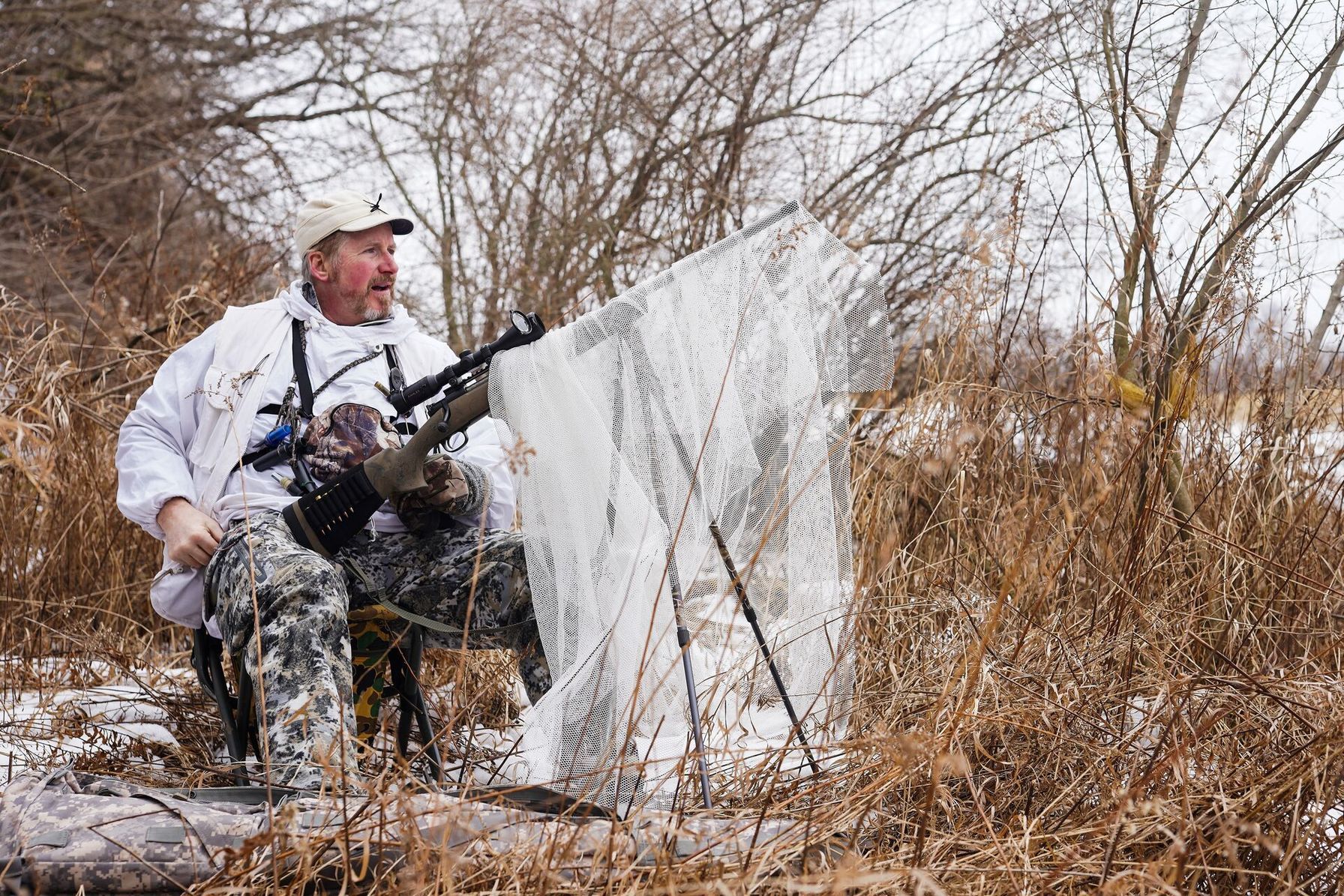
Coyotes are incredibly observant and will notice slight shifts or pattern changes in their surroundings, so match your camo to the natural environment as much as possible. Use natural cover or camouflage to break up your outline, ideally against brush or a tree. Consider using masks and gloves to cover more of your skin and make sure all your gear is free of reflective or bright-colored materials.
Using scent-free gear and being careful with scented products leading up to the hunt can make a difference, but it won't fool a coyote every time. Their noses are too good, and once they stick them up in the air, it's likely all over.
When you have to move (whether due to wind, limited action, or to try a new location) keep your movements slow and measured, and use the natural landscape as much as possible. Sudden movements or unnatural figures will alert coyotes to your presence. Developing this skill is part of the vital practice of coyote hunting.

Find More Coyotes With HuntWise
Coyote hunting isn't always easy, but with some careful planning, dedicated calling, and using the wind to your advantage, you can increase your chances of catching these stunning predators.
The HuntWise app can help you find more coyotes, no matter the time of year you head for a hunt. For mapping overlays, state-of-the-art wind updates, pro tips, and access to other exclusive features, download the app today and start planning the ultimate predator hunt.
Frequently Asked Questions (FAQs)
We have answers to the top questions about how to find coyotes!
Q: What is the best way to locate coyotes?
A: The best way to locate coyotes includes looking for sign, like tracks (oval, dog-like but narrower), scat with hair/bones, and well-worn game trails. Listen at dawn or dusk for howls, and scan open fields, ridgelines, and brush edges where they travel and hunt.
Q: What is the fastest way to attract coyotes?
A: The fastest way to attract coyotes is by using prey-distress sounds (i.e., rabbit, rodent, bird). Then, pairing sound with scent (like predator urine) and staying downwind increases your chances.
Q: What time of day do coyotes usually hunt?
A: Coyotes are most active from dusk through early morning, especially around sunset, midnight, and just before sunrise.
Q: How can you tell if a coyote is near?
A: You can tell a coyote is nearby by recognizing a few signs, like fresh tracks or scat, sudden silence from birds/small animals, distant howls or yips, and seeing movement along field edges or brush lines are common clues.
Q: What does it mean when you hear a bunch of coyotes yipping?
A: A bunch of coyotes yipping is usually a group “rally” or social call for pack members checking in, coordinating, or reacting to a sound or intruder in their territory.


