

Trail cams have become more affordable, integrated, and incredibly user-friendly thanks to evolving technology. Finding the best trail camera for you will depend on your specific usage requirements, budget, and technological needs, such as image quality and integration levels.
To help, we've compiled our review of the top five best trail cams for year-round scouting and better hunting in 2026.
Updated July 16, 2026
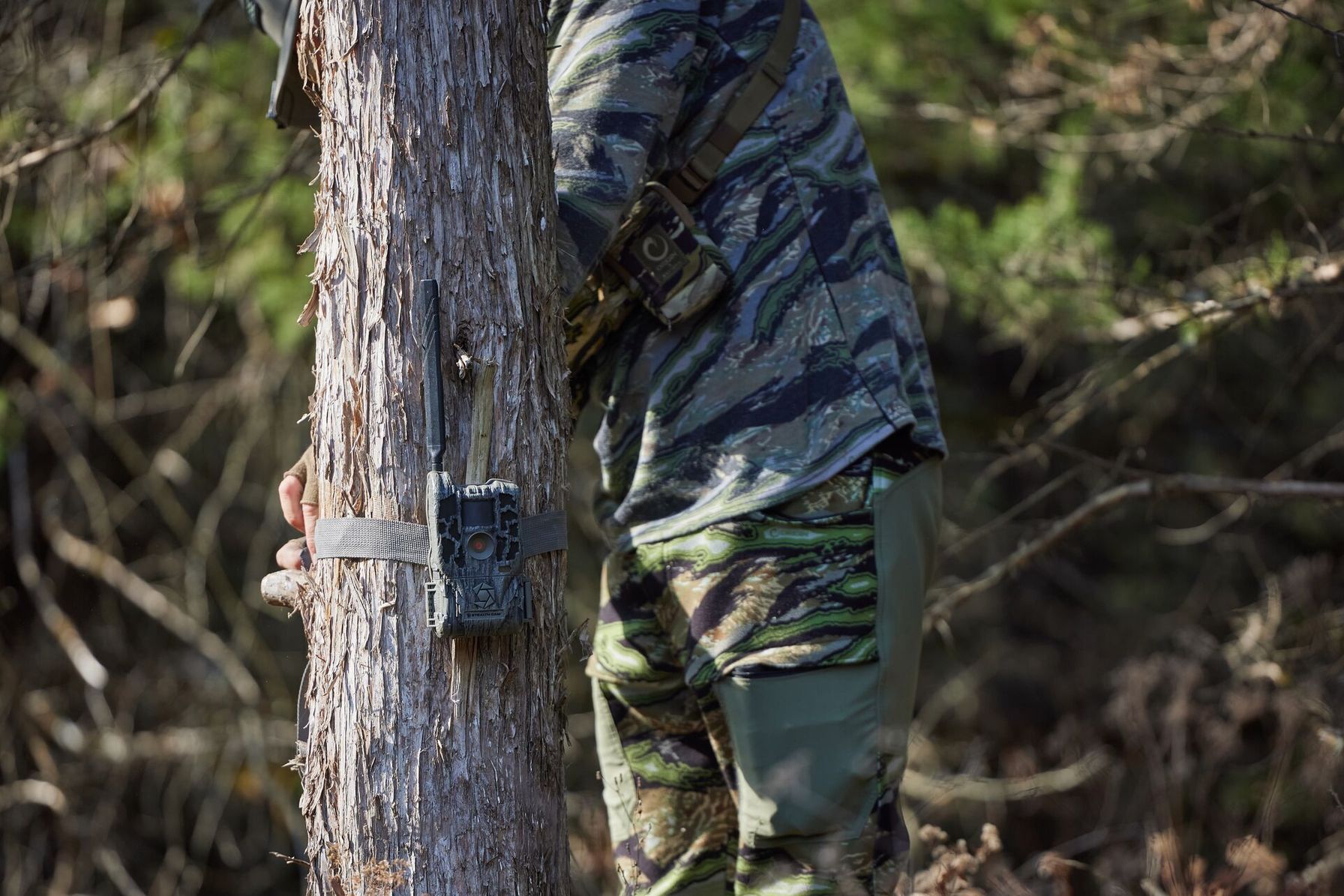
Why We Like Tactacam Cameras for Tracking Game
To start our recommendations, we want to feature a few trail cams from our partner, Tactacam. We love the Tactacam gear due to its superior picture quality, with a focus on lighting.
The high battery life and the REVEAL app, which sends quality thumbnail images to your mobile, allow you to access photos in real time. The integration brings hunting into the home, meaning you can plan your next hunt from anywhere.
Here are some of our favorite Tactacam cameras (including the New Reveal Pro 4.0) plus a few others to consider when choosing your next trail camera.
Best Trail Cameras for 2026 | |
|---|---|
Best New Cam: Reveal Pro 4.0Price: $159.99 The REVEAL Pro 4.0 delivers reliable performance, long battery life, and sharp image quality, along with real-time insight into what's happening in the field. It offers long-lasting battery performance, improved image and video quality, Live View Mode, and selectable no-glow and low-glow IR flash, making it a solid option for hunters who take scouting seriously. Pro 4.0 is built for control and flexibility. It features a side-facing LCD screen for easier setup, auto-carrier selection, built-in GPS, wireless connectivity, and 4K photo resolution. Dual Image Sensors capture silent photos and are tuned for better daytime and nighttime images. The camera also runs on the REVEAL FlexPack™ Power System, so you can choose the battery setup that fits how you scout. Use 12 traditional AA batteries, or upgrade to the rechargeable FlexPack R5 (5,000 mAh) or FlexPack R10 (10,000 mAh), sold separately, to save time in the field. The Pro 4.0 also pairs with the REVEAL trail camera app for instant insights and dependable connectivity. | 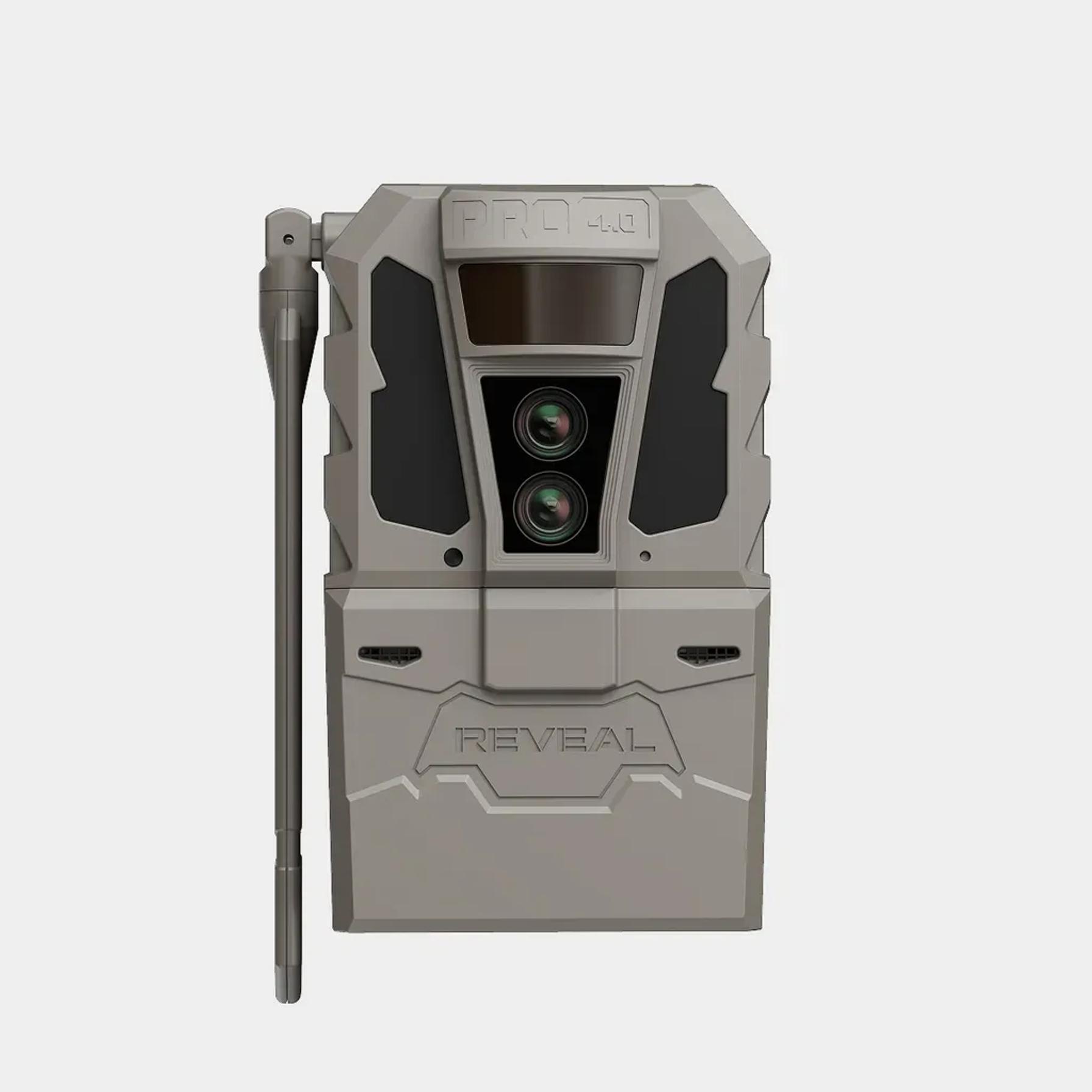 |
Best Dependable: Reveal X 3.0Price: $99.99 The Reveal X 3.0 is a dependable and affordable trail cam option that offers superior battery life, clear image captures (up to 4k photos and 1080p videos), and minimal blur. This version of the Reveal now also features GPS. A key feature is cellular connectivity, meaning you can access high-definition video (day and night) and, with Wi-Fi connectivity, use your phone to view images. The Reveal X 3.0 uses low-glow IR, creating faster trigger speeds and sharper image captures. One of the leading benefits of the technology is super-sharp nighttime images, which have long been a challenge for trail cam creators. The advanced features, affordable price, and user-friendly integration make the Reveal X 3.0 the winner of this year's best trail cam rundown. | 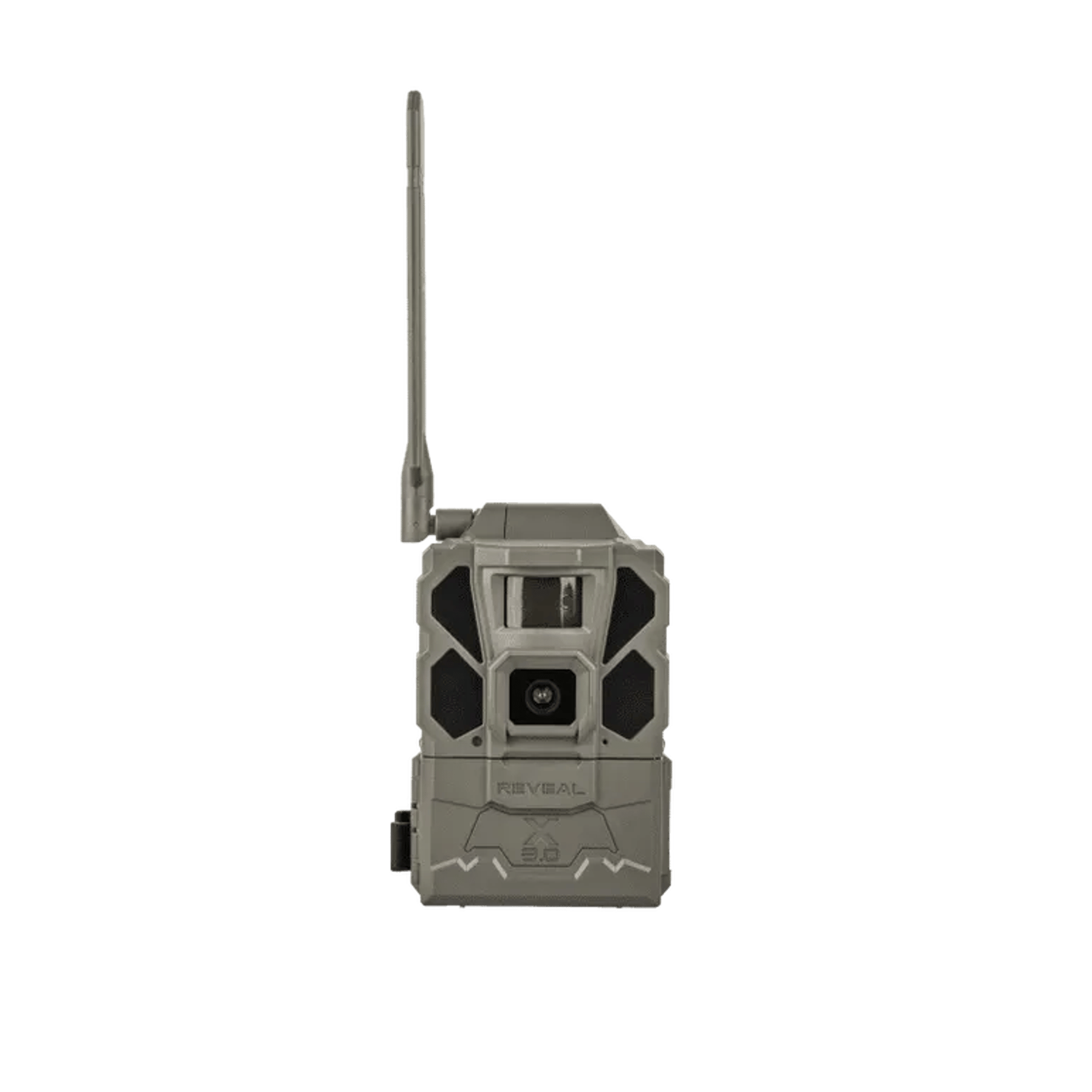 |
Still a "Pro" Choice: Reveal Pro 3.0Price: $119.99 The Reveal Pro 3.0 can be your eyes in the field for a full season, with an intuitive 2-inch LCD screen to help quickly adjust settings in the field, an optional SD slot, and GPS. The Pro 3.0 also delivers auto carrier selection with an integrated SIM card, internal storage, and firmware updates that can take place over the air. It is reliable and resistant, making it an excellent option for hunters seeking a snapshot of a season. | 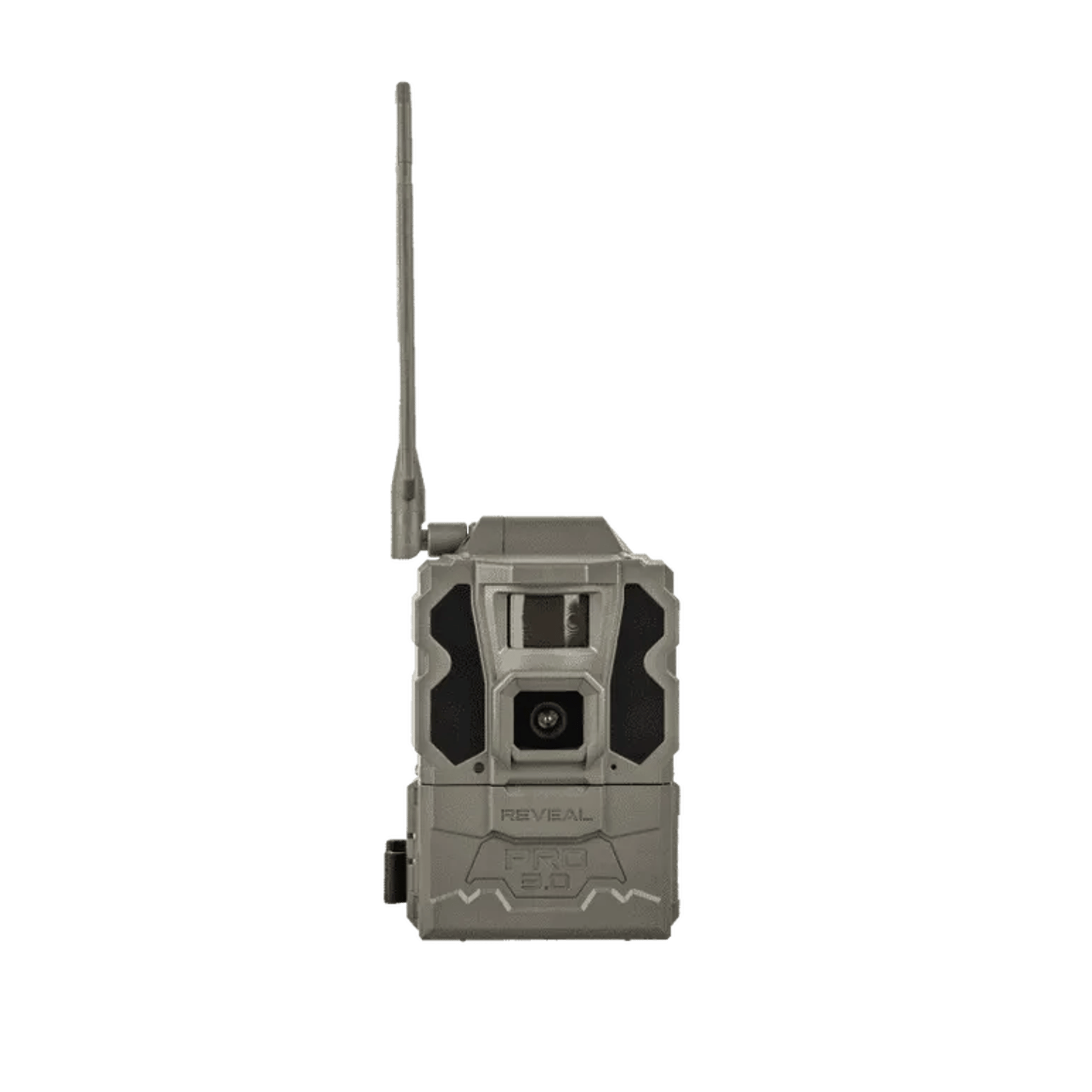 |
Best Budget: SpyPoint FLEX PlusPrice: $79.99 For an affordable and dependable big-game trail cam, consider the SpyPoint FLEX Plus. It has automatic connectivity to the most vital service provider. With 36MP images and 1080p videos with sound, it's a powerful option for those who don't want to break the bank. | 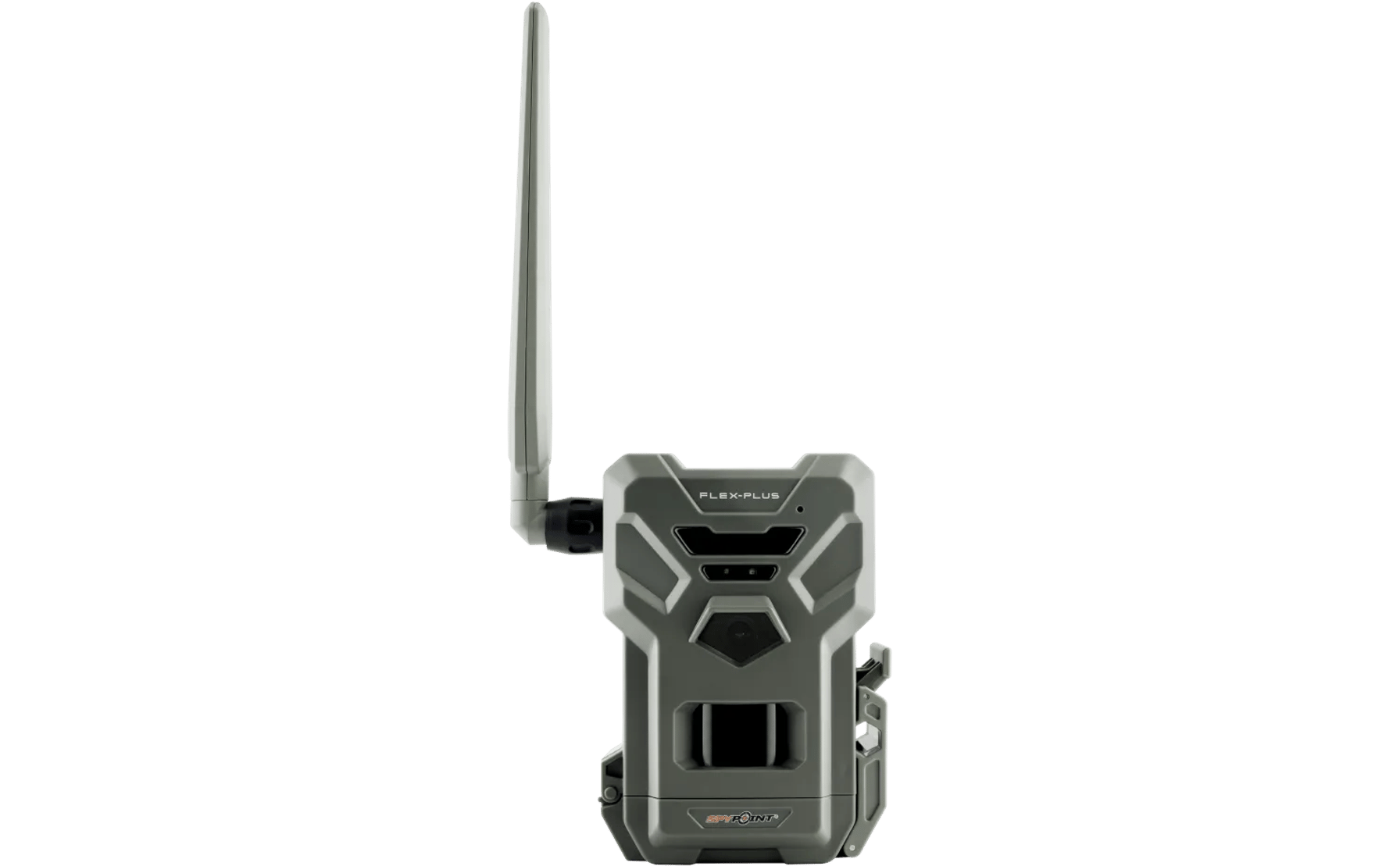 |
Best Compact: Bushnell Core DS-4K No GlowPrice: $179.95 The CORE™ DS-4K offers dual sensors for quality images day and night, giving hunters what they want most: sharp picture resolution from dual sensors for strong image quality in any light, plus optimized battery life for more captures and more time in the field between battery checks. This trail cam comes in a compact design that stays hidden from eyes you don't want to alert, animal or human. | 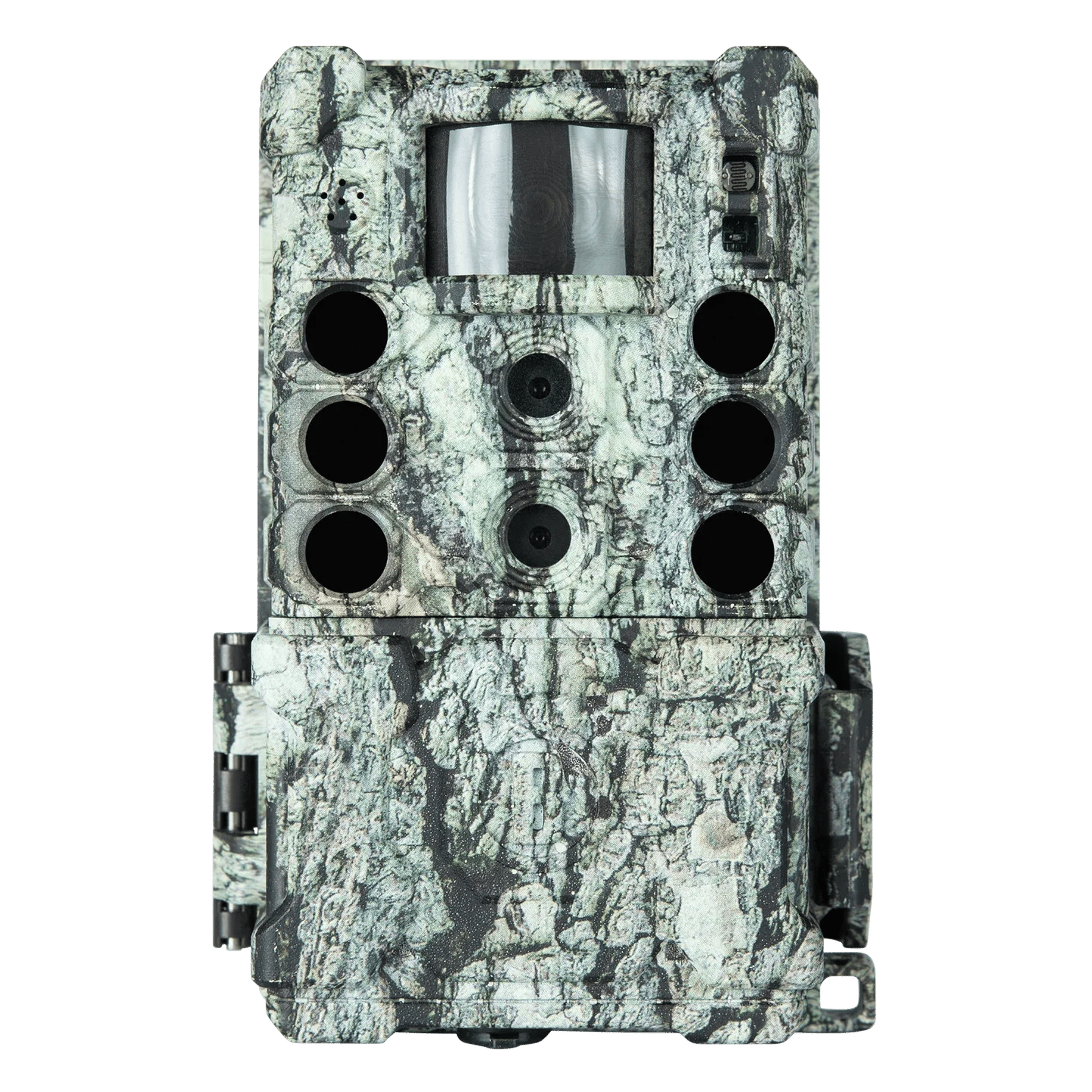 |
Best Non-Cellular Cam: GardePro A3SPrice: $71.99 The GardePro A3S is a great trail camera if you're just getting started and aren't ready to invest in a cam with cellular capabilities. With the Sony Starvis Sensor, this camera captures high-resolution images and video in low light, making it a solid option for wildlife enthusiasts. The sensor provides strong light sensitivity and low noise for clear detail in every shot. The GardePro A3S also has three PIR sensors for a 0.1-second trigger speed, detecting motion at a 120-degree angle (60° in the center and 30° on each side). The camera carries an IP66 waterproof rating, so it holds up in wet conditions and helps protect against moisture in the field. | 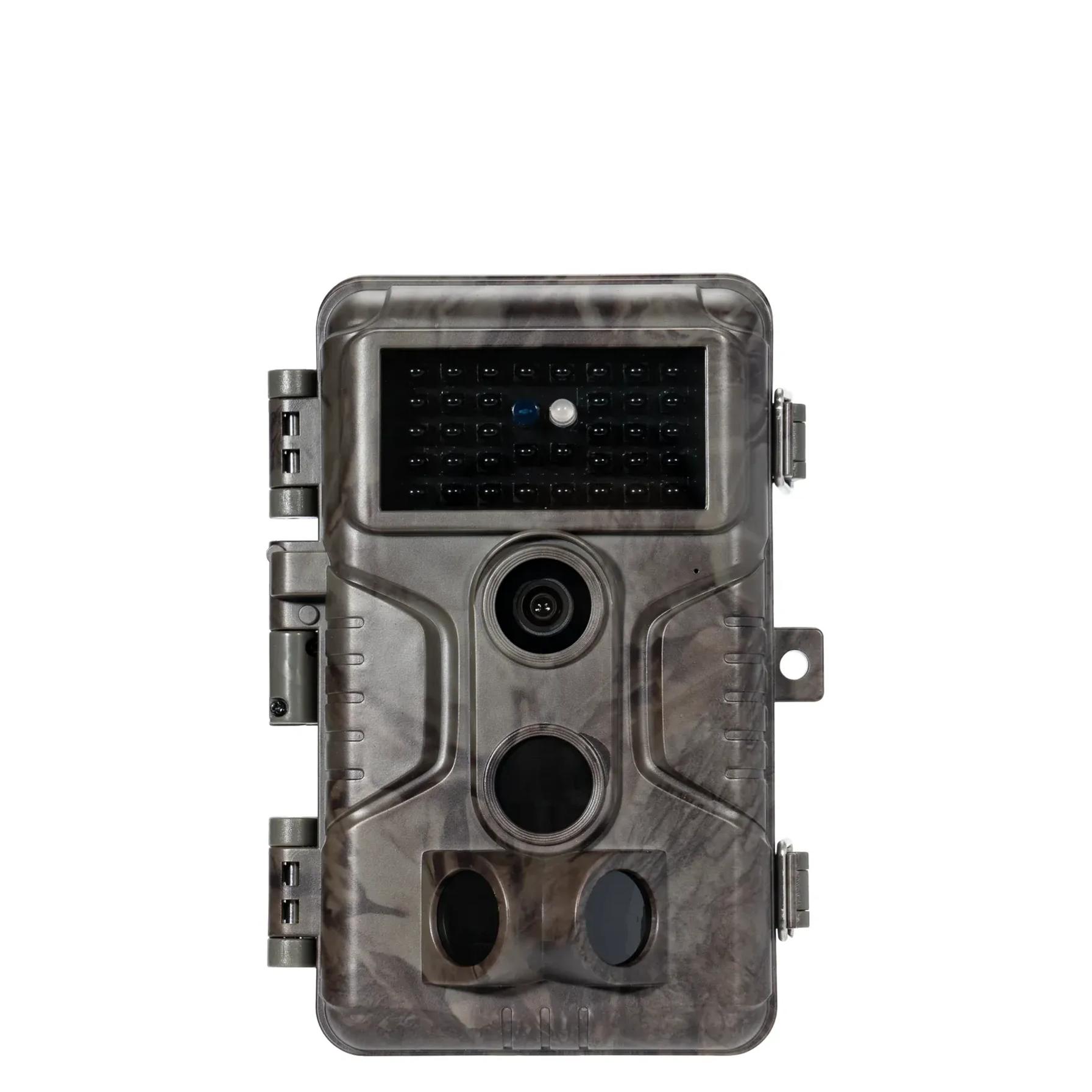 |
What to Look for in a Good Trail Cam
Why did we choose the trail cams we highlighted today? What should hunters look for in a good camera to support hunting efforts?
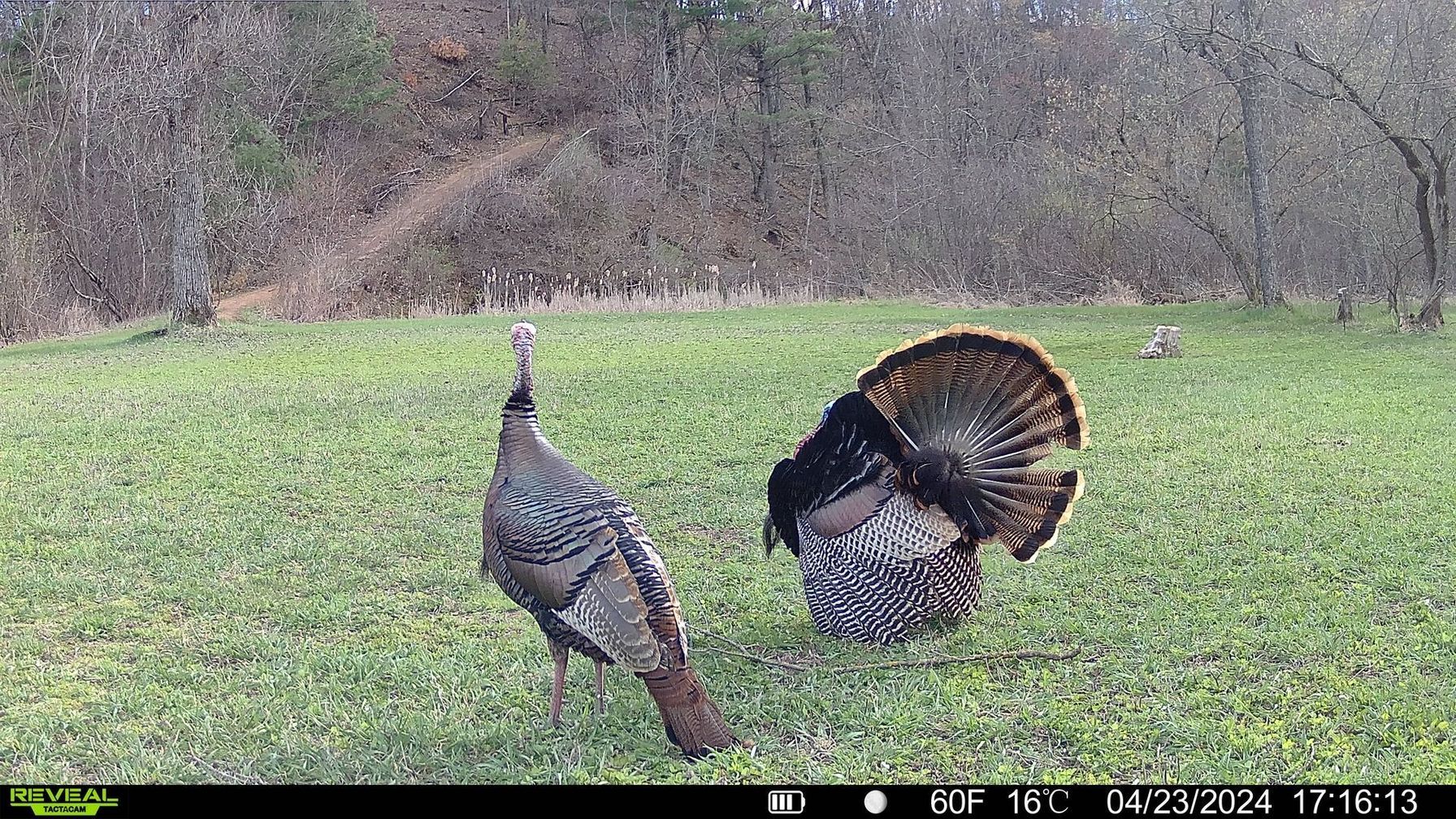
Travis Hawkins, one of our HuntWise Field Team contributors and an experienced hunter, offers insights into using these cams to enhance your hunt.
He says, "Deciding what type of trail camera and how to use it involves a multitude of factors. Cell cameras have gained a lot of traction in recent years and have become a favorite of mine."
He goes on to say, "The type of game I pursue will affect how I utilize cameras. If it's meat, then a normal camera over a food source will serve its purpose. Using a cam helps me know when does frequent the area during daylight hours and how often."
How to Choose the Right Trail Camera
Knowing what to look for to fit your scouting and tracking needs, here are a few steps to consider to help you choose the best trail camera!
- Decide between SD-card and cellular models. SD-card cameras store images locally with no subscription fees, while cellular cameras transmit photos and videos to your phone for a monthly or seasonal cost.
- Check trigger speed. A faster trigger speed captures more images of fast-moving animals and reduces the chance of missed shots.
- Consider detection range and angle. Wider detection angles and longer ranges cover more ground, which is useful for open fields, food plots, or trail crossings.
- Look at image and video resolution. Higher resolution gives you clearer detail for identifying antler size, health, and herd composition.
- Evaluate battery life and power options. Some cameras run on traditional AA batteries, while others support rechargeable battery packs or solar panels for longer deployment between visits.
- Assess flash type. No-glow infrared flash is the least visible to wildlife and people, while low-glow flash offers slightly better nighttime image quality at the cost of some visibility.
- Factor in durability and weatherproofing. A solid weatherproof rating helps the camera hold up through rain, humidity, and temperature swings across hunting seasons.
- Think about storage capacity. Larger memory card compatibility lets you leave the camera in the field longer without needing to swap cards.
- Match connectivity to your carrier coverage. Cellular cameras only perform well in areas with reliable signal, so check coverage before committing to that option.
- Check local regulations. Some states restrict or ban certain trail camera types, especially cellular models, so confirm your camera choice complies with current rules in your hunting area.
There are a lot of trail cam options out there. The best one is the one that fits your needs and budget. And, you can always upgrade or add more cams to your set as you continue hunting!
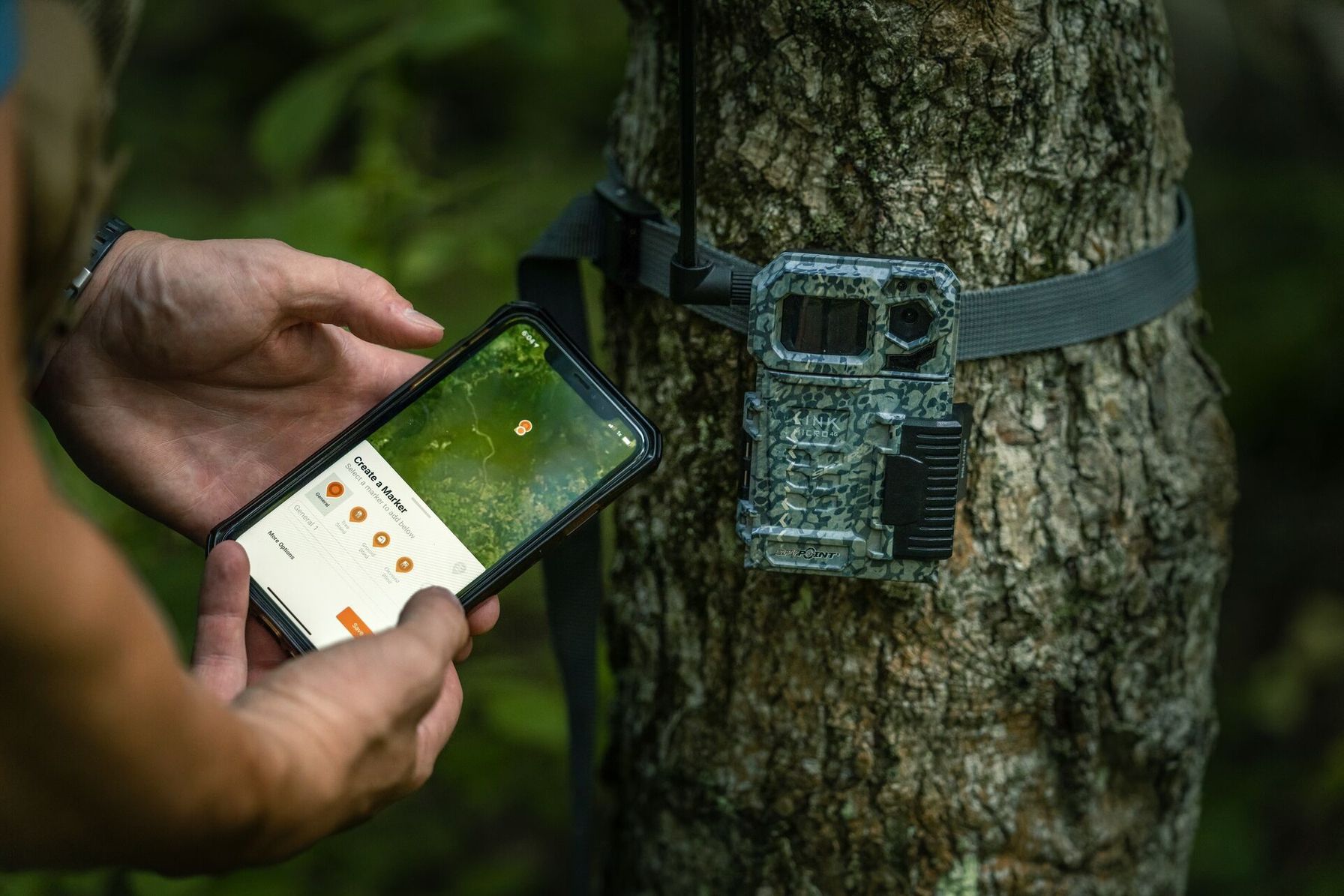
How to Get the Most Out of the Best Trail Cam With Huntwise
Your brand-new trail cam has some great snaps of active game in your area. However, even the best trail cam and photos aren't any good to you if you don't know what to do with them.
To make the most of your trail cam snapshots:
- Mark high-trafficked hunting zones and runs in your HuntWise App. By building up a profile of active game based on trail cam images and HuntWise mapping, you'll be laying the foundation for a well-prepared hunt.
- Set up several cams. For deeper insights into game behavior in your preferred hunt areas, consider setting up several trail cams to establish a hunting zone.
- Move your trail cam around from time to time. This preseason scouting and location marking is an invaluable step in the process of trailing different locations.
How Experienced Hunters Use Trail Cams and HuntWise
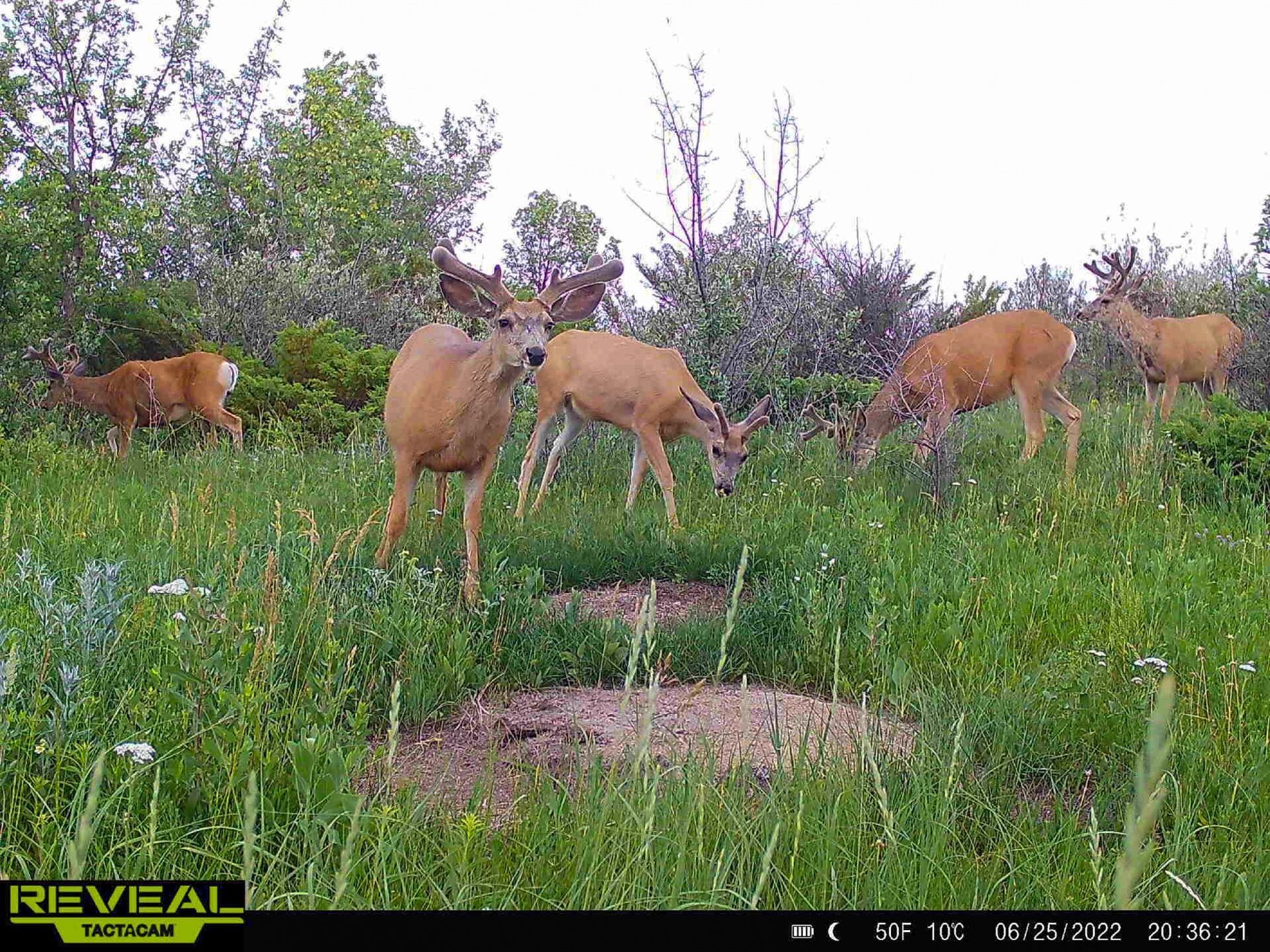
How does our friend Travis use trail cams along with the HuntWise app?
Here's what he has to say about preparing for whitetail season.
"Let's talk mature bucks! The first move is to scour the HuntWise app for that ideal topography that generally holds mature bucks. Once a pin or multiple pins are dropped, it's time to put some boots on the ground.
Ideally, you want to find his bed and place a trail camera on the path leading to and from it. For preseason scenarios I use a normal trail camera that I'll check just before the season opens. If a target buck is on camera, then it's time to swap out that trail camera with a cell camera.
The goal is to understand him. When, why, and how often is he bedding here? It may have something to do with wind direction, thermal hubs/pockets, moon cycle, temperature, barometric, food, water, or other factors.
Once the buck's pattern is understood, it becomes a waiting game. When the ideal conditions exist for him to occupy that area, it's time to make a move on him.
I have utilized both cell and trail cameras this way over the years. I cannot rule one or the other out completely because each has its own unique uses. I, for one, do not want a bill for more than five cell cameras anyway!"
Get Trail Cams at a Discount Through HuntWise
As if the combination of the HuntWise app and a good trail cam (or two) isn't enough, HuntWise Pro and Elite members save hundreds on gear top brands, including Tactacam, where you can save 10% on Reveal cameras.
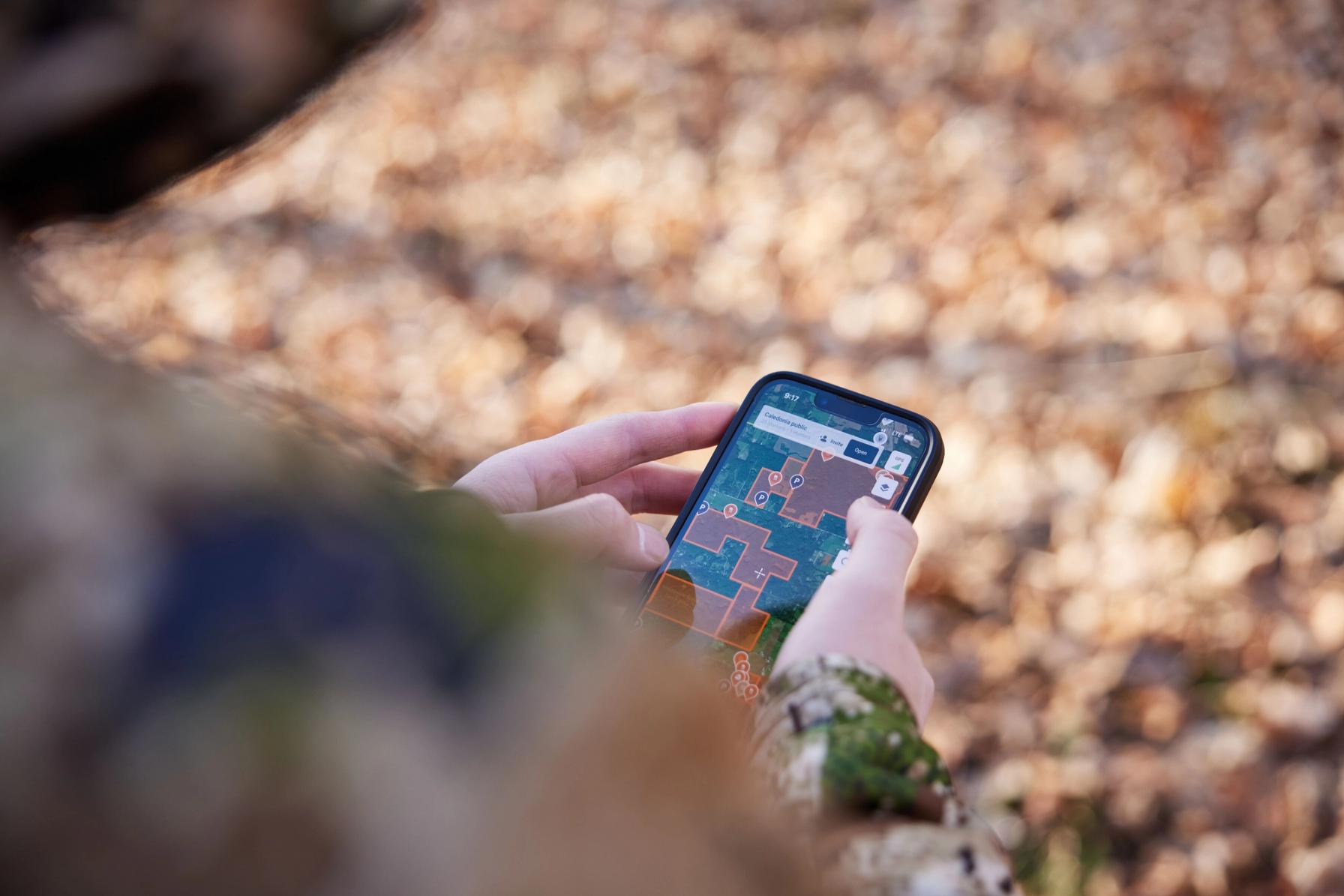
Prep Like a Pro With HuntWise and the Best Trail Cameras
Trail cams have firmly earned their place as an essential tool in the modern hunting landscape. They allow hunters to scout, confirm, and track animal movements all year round. Due to their popularity, a wide range of products, costs, and capabilities are on the market.
Getting some great shots is a good start, but those who put in the extra effort to mark, map, and prepare for their hunts are more likely to be successful when out in the field. With HuntWise, drop pins on your customizable maps, and you'll know when and where animals have been tracking past your trail cam to build a solid profile.
Try a Pro or Elite subscription to access exclusive discounts on gear like trail cams, optics, clothing, and more from our partners.
Content most recently reviewed and updated July 16, 2026.
Frequently Asked Questions (FAQs)
Q: What is the highest rated trail camera?
A: There's no single trail camera that ranks highest since ratings shift based on what you value most, whether that's image quality, trigger speed, or battery life. Respected manufacturers in the space include Tactacam REVEAL, Bushnell, Moultrie, Browning, Spypoint, and Reconyx, each offering models built for different budgets and scouting styles. Comparing resolution, detection range, and connectivity options against your specific needs is a more reliable way to find the right fit than chasing a single top-rated pick.
Q: What is the best trail cam money can buy?
A: The right trail cam depends on how you plan to use it (cellular connectivity, image resolution, and battery efficiency matter more than any one spec). Brands like Tactacam, Browning, Reconyx, Moultrie, and Spypoint are known for durable builds and consistent performance across a range of price points. Instead of looking for a single top option, focus on trigger speed, detection range, and weatherproofing to match a camera to your specific scouting needs.
Q: What is the best trail camera with no subscription?
A: Traditional SD-card trail cameras don't require a subscription since they store images locally instead of transmitting them over cellular networks. Brands such as Browning, Moultrie, and Bushnell offer well-reviewed SD-card models that deliver strong image quality without ongoing fees. This route works well if you're comfortable physically retrieving your camera's memory card rather than viewing photos remotely.
Q: Why are states banning trail cameras?
A: Several states restrict or ban trail cameras, particularly cellular models, over fair chase concerns, since real-time photo transmission can give hunters an outsized advantage in locating game. Arizona has one of the strictest rules, prohibiting any trail camera use to take or aid in taking wildlife, while states including Utah, Kansas, Nevada, Montana, and New Hampshire limit or restrict cellular and wireless cameras during hunting season. These rules vary widely by state and often apply only to public land, so you should always check current regulations with your state wildlife agency before setting up a camera.
Q: How much does a decent trail cam cost?
A: A solid, dependable trail camera typically falls in a broad range of roughly $50–$300, depending on features like resolution, battery type, and whether it's cellular-enabled. Basic SD-card models sit toward the lower end, while cellular cameras with stronger image quality and connectivity land higher in that range. Your final cost also depends on optional add-ons like rechargeable battery packs or solar panels, which are often sold separately.
Q: Can you watch a trail camera live on your phone?
A: Cellular trail cameras can send photos and videos directly to your smartphone through a connected app, letting you check activity without visiting the camera in person. Traditional SD-card cameras don't offer this feature since they store images locally until you retrieve the card. If you're planning camera placement around food sources, water, and travel corridors, the HuntWise app lets you mark and organize those locations on your hunting map to keep your scouting strategy organized.
Q: What to know before buying a trail cam?
A: Before buying, decide whether you want a traditional SD-card camera or a cellular model, since that choice affects both upfront cost and whether you'll pay ongoing fees. Pay attention to trigger speed, detection range, image resolution, and battery life, as these specs directly affect how well the camera performs in the field. It's also worth checking your state's regulations on trail camera use before you buy, since rules on cellular cameras and public land placement vary widely.
Q: Do trail cameras work without internet?
A: Traditional trail cameras that save images to an SD card work entirely without internet or cell service, since they store footage locally until you retrieve the card. Cellular trail cameras need a cell signal to transmit photos and videos to your phone, so coverage gaps in remote areas can limit their real-time functionality. If you hunt in areas with little to no signal, an SD-card camera is often the more reliable option.


