

We've talked about how the off-season is a crucial time to prepare if you want to be successful during the season. Off-season target shooting, surveying trail cameras, and managing your stands are all essential tactics for staying active during the off-season.
However, we feel that scouting is one of the most important and often overlooked tactics. Now, you might be thinking to yourself, "I always scout before the season starts," – but "How early do you start scouting?" is a better question.
So, today, we talk about how to spend your off-season and why scouting should be a priority for avid hunters year-round!
Updated June 25, 2026
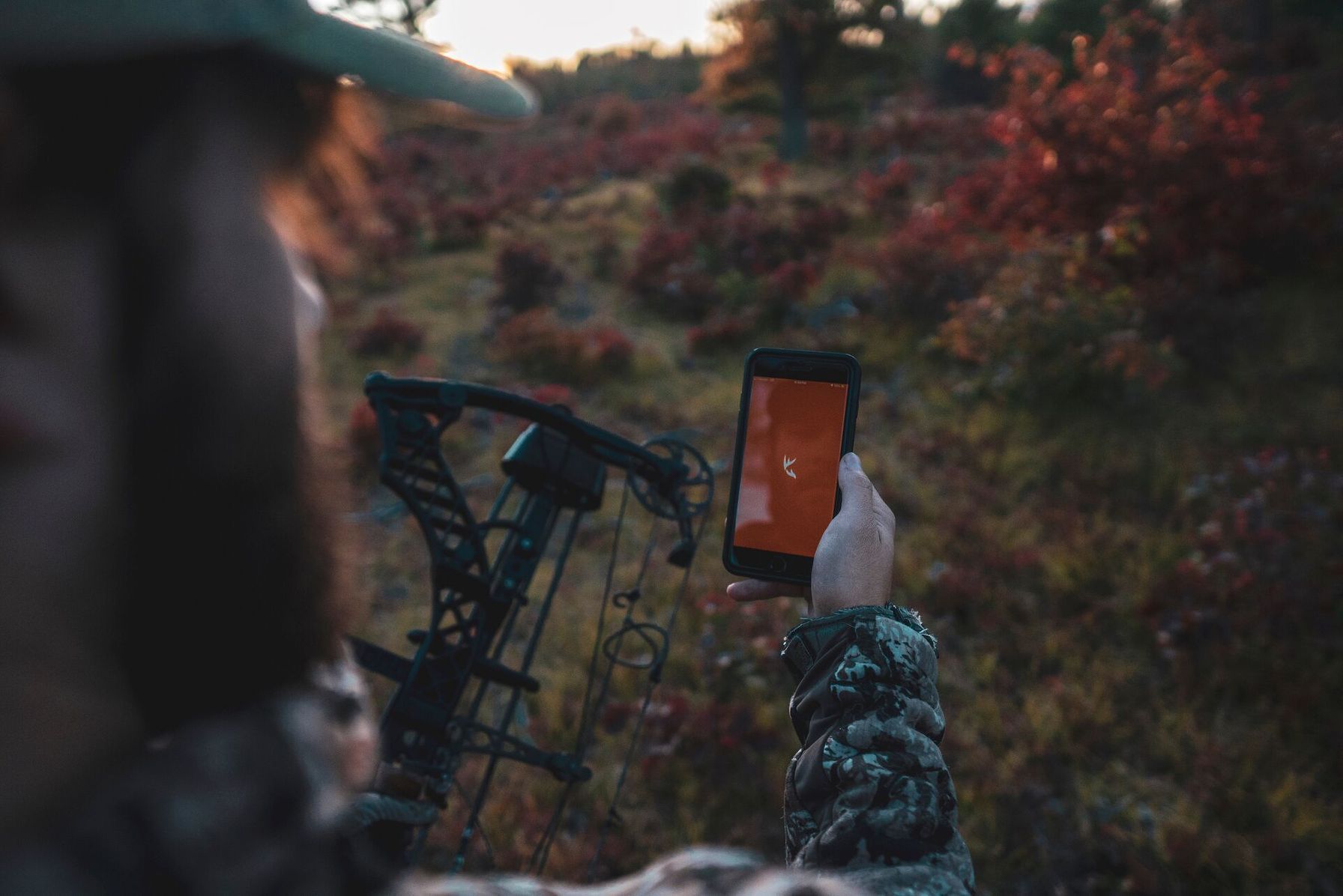
5 Tips for Scouting for Deer Any Time of Year
Even though the hunting seasons end, that doesn't mean you have to stop hunting best practices — or pine away in solitude and boredom until the season opens again next year.
At HuntWise, we believe serious hunters should scout land year-round, as terrain and conditions constantly change on the land we hunt.
Where should you start? How can you scout during the off-season? We're glad you asked! Here are five tips on how to scout when it's not time to hunt yet. Enduring those "not-so-nice" weather conditions in winter and spring will give you an advantage come fall!
1. Locate Bedding Areas and Food Sources
Bedding areas and food sources are two of the most crucial elements in unlocking a whitetail's world.
Bedding areas are the key role players during rut activity, and food sources will often help you locate whitetail during the late season or post-rut. In other words, bedding areas and food sources affect deer behavior year-round because they drive their motivation to be active.
Deer are typically bedded near a food source, and that is why you must locate them. Typically, you will want to scout for areas such as oaks that provide whitetails with acorns or trees that are dropping fruit.
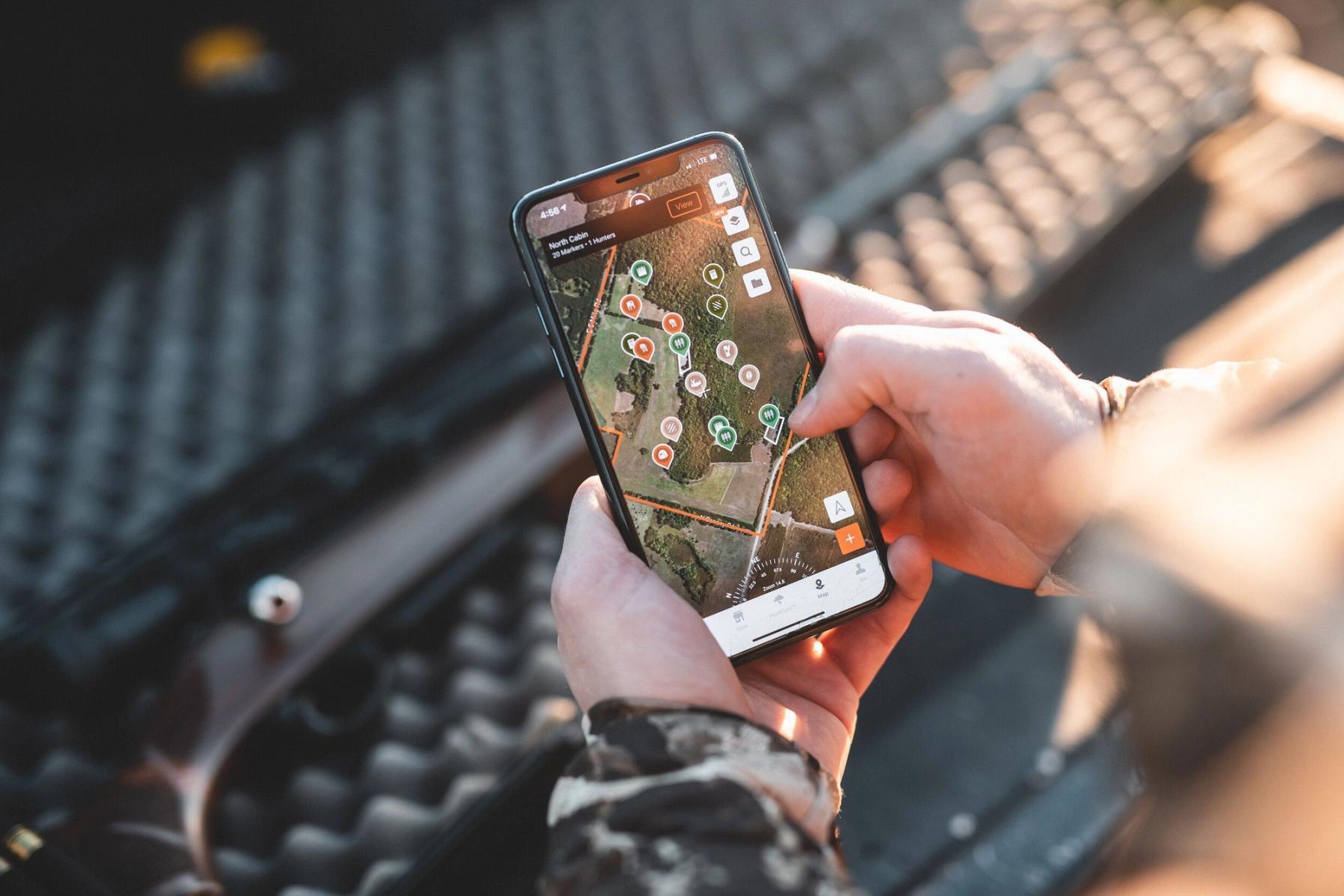
If you note these areas during the off-season, your odds of success will increase. We like to use our HuntWise markers and mapping layers to make special notes of these areas; that way, it is easier to determine whether or not a change in our stand location is necessary.
2. Find Thick-Covered Areas
Next, when scouting and assessing whether to move your stands during the off-season, it is important to find areas with thick cover (particularly in winter and spring).
Locating proper coverage is important because it provides whitetail with coverage for bedding, fawning, and other activities that deer will carry out only if they feel safe. Therefore, it is best to assess these areas in winter and spring, when many leaves and brush have fallen.
Doing this will give you a better idea of where to hunt because it will resemble the rut and later season much better.
3. Take Note of Scrapes, Rubs, and Licking Branches with HuntWise Markers
Using your HuntWise Markers is crucial when scouting during the off-season.
Why? They allow you to see when buck signs have changed more easily. If you constantly note any changes in rubs, deer scrapes, and licking branches near your stand, your hunts for the upcoming season will most likely be more successful.
Again, this is the perfect time to utilize your customized markers on HuntWise, as you should be scouting multiple times throughout the off-season. Doing this will help you better pinpoint any changes you might have experienced in deer activity.
So, while you are scouting, take a few extra moments and mark how close rubs and scrapes are to your stands, or mark if they are no longer there, which means that a buck has left that area.
4. Don't Worry About Spooking Deer
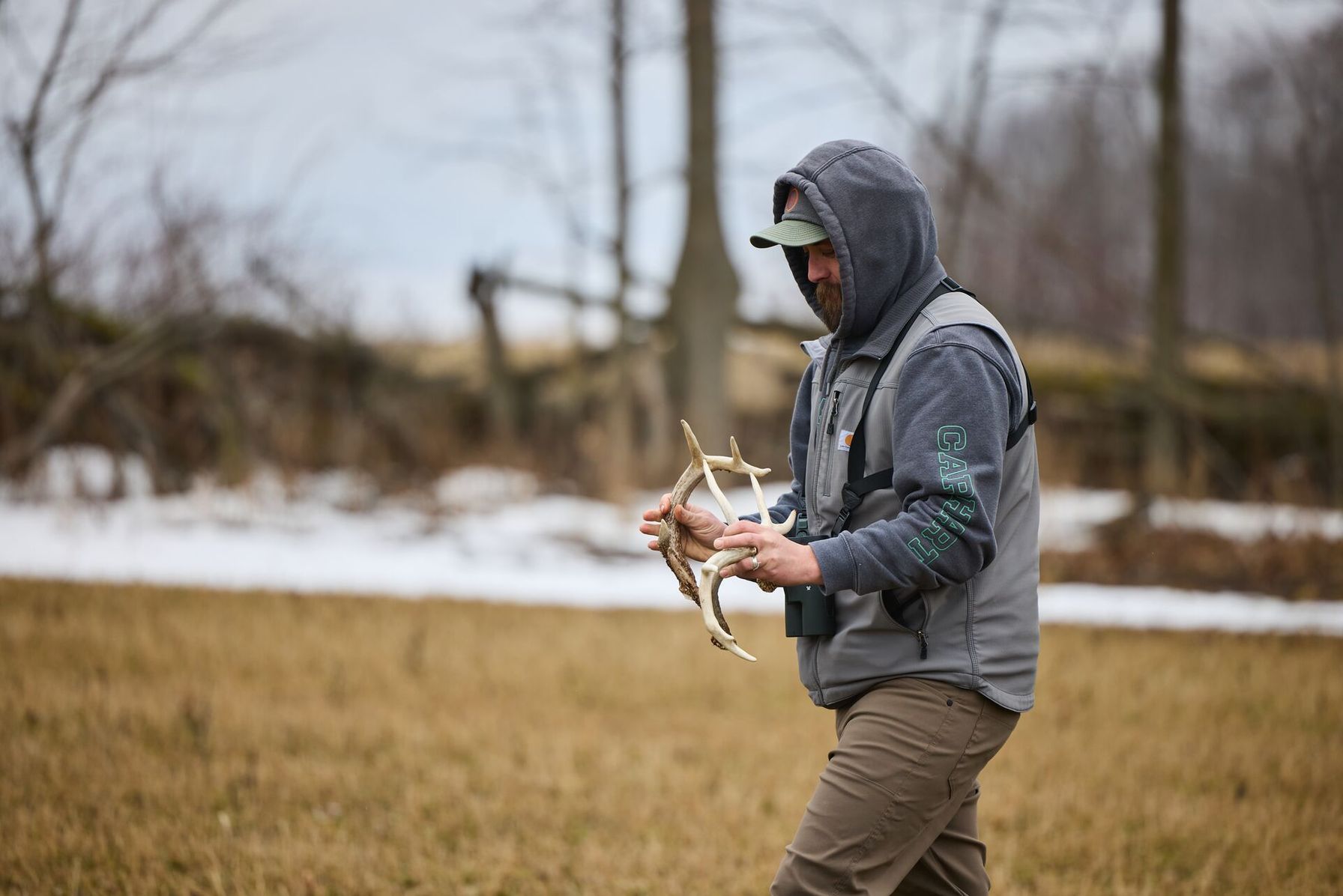
Although we never want to spook a deer, it is not as big a deal if it happens while you are scouting in the winter or springtime vs. spooking them during a hunt.
Spooking a deer during this time of year will allow the buck or doe proper time to settle back into their area and, hopefully, make their way back to their bedded area. Therefore, it is crucial to scout during these times as you can check out the area a little more in-depth and take your time rather than rushing right before the season begins.
5. Look for Antlers (Go Shed Hunting)
Many whitetails shed their antlers during this time of year before growing a new set in the spring and summer.
Therefore, searching for winter feeding and bedding areas can often help you locate big antlers while scouting.
How to Scout for Deer: Use HuntWise
We want to see you tag out each season! So, whether you hunt during gun season or prefer archery season, we want you prepared.
Taking the time to locate your favorite hunting locations and conducting several in-depth scouting sessions during the off-season can help you improve your chances of a successful hunt each season. Take the off-season to prepare for your next hunt and put in the work.
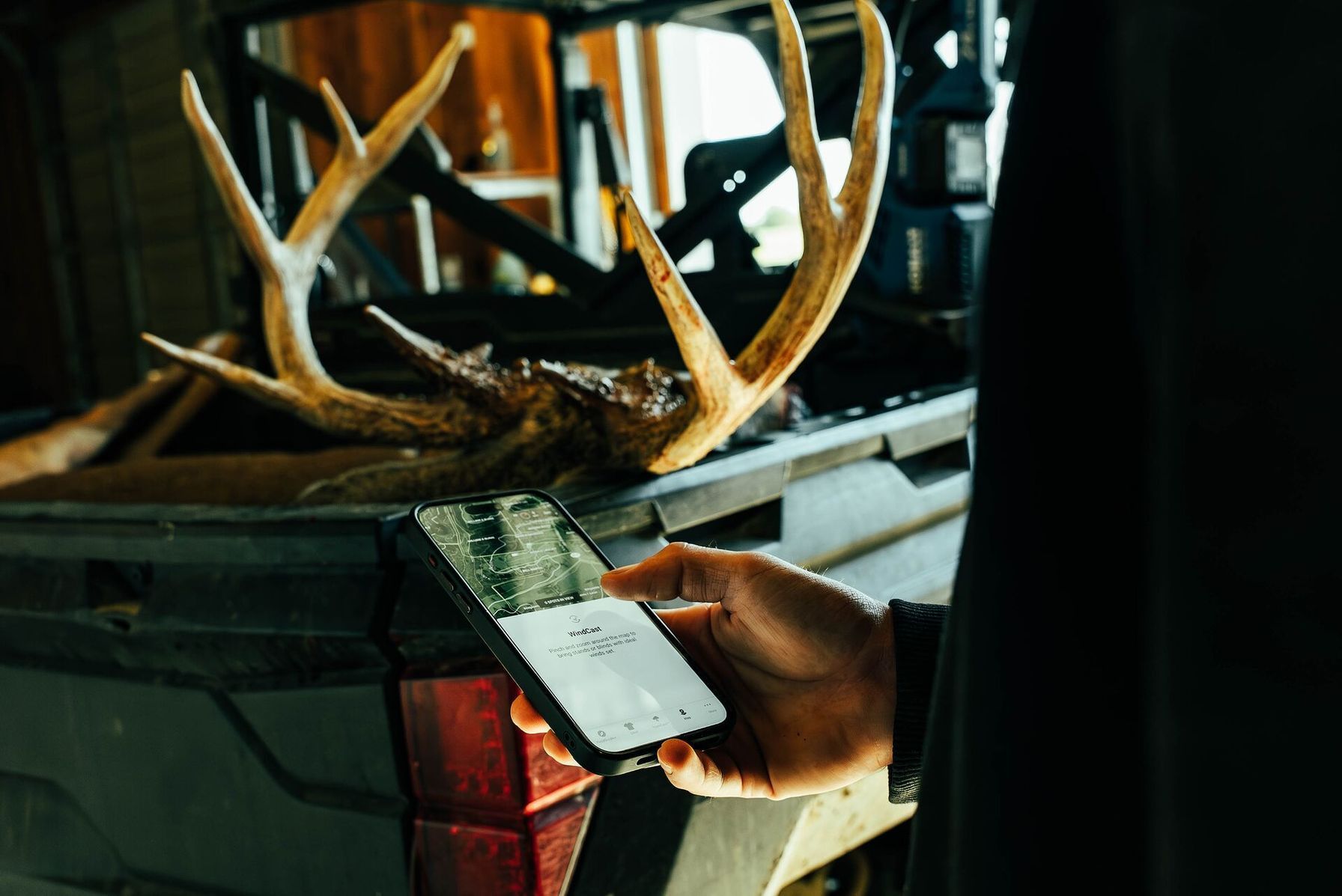
Use the tips we've provided today, and make sure you've downloaded the HuntWise app! Use the free trial during the off-season to set yourself up for success on opening day.
Content most recently reviewed and updated June 25, 2026.
Frequently Asked Questions (FAQs)
Q: What is the best way to find hunting land?
A: The best way to find hunting land is to combine digital scouting tools with boots-on-the-ground research. Start by using a hunting app to identify public land boundaries, terrain features, and access points before you ever leave home. Follow up with in-person scouting to confirm sign, check travel corridors, and get a feel for how deer are actually using the area.
Q: How do I find public land for hunting?
A: Public hunting land includes national forests, Bureau of Land Management (BLM) tracts, state wildlife management areas (WMAs), and walk-in hunting access (WIHA) programs that vary by state. Your state wildlife agency's website is a reliable starting point for locating these areas and confirming current access rules. Hunting apps like HuntWise also display public land boundaries and layers directly on a map, making it easier to identify huntable ground near you.
Q: What is the best app to find public hunting land?
A: A good hunting app should show clearly marked public land boundaries, satellite and aerial imagery, and topographic layers so you can scout effectively from your phone. HuntWise checks all of those boxes and also includes features like wind forecasting and property data to help you plan smarter hunts. Whether you're hunting familiar ground or exploring a new area, having that information in one place saves time and puts you in better positions.
Q: How do I find private property to hunt on?
A: Finding private land to hunt starts with identifying likely areas on a map, then doing the work to knock on doors and introduce yourself to landowners. Be respectful, come prepared with any required permission forms, and make it clear you'll treat the property well. Building a genuine relationship with a landowner often matters more than any other factor, and many hunters find their best spots this way year after year.
Q: How many acres do you need to hunt deer on private land?
A: There's no universal minimum. Deer can be hunted effectively on small parcels of 20-40 acres if the habitat, food sources, and travel corridors are right. Smaller tracts often work best when positioned between bedding and feeding areas, creating a natural pinch point to work with. That said, state laws may set minimum acreage requirements for certain license types or hunting methods, so always check local regulations before hunting a new piece of ground.
Q: How do I read a topographic map for deer scouting?
A: Topo maps show elevation changes through contour lines, and those lines reveal terrain features that funnel deer movement, like saddles, ridgelines, benches, and creek bottoms. Tight contour lines indicate steep terrain deer typically avoid, while gradual transitions often mark the travel routes they prefer. Learning to read topo maps (whether on paper or through a hunting app) is one of the most transferable scouting skills you can develop.
Q: What time of year is best for scouting deer?
A: Post-season scouting in late winter or early spring is widely considered the most productive time because sign from the previous season is still fresh and vegetation is minimal, so rubs, scrapes, and trails are easy to spot. Summer glassing can also be valuable for patterning bucks before velvet shed and season pressure changes their behavior. Scouting year-round, even casually, builds a more complete picture of how deer use an area across different conditions.


