

Many hunters and land managers are concerned about the impact of coyotes on deer, turkey, and small game—but hunting invasive species such as coyotes can help other animals thrive. By learning basic coyote hunting tips, you can stay active between other hunting seasons and help keep animal populations in balance.
Here's wha you need to know about how to hunt coyotes!
Why Do We Hunt Coyotes?
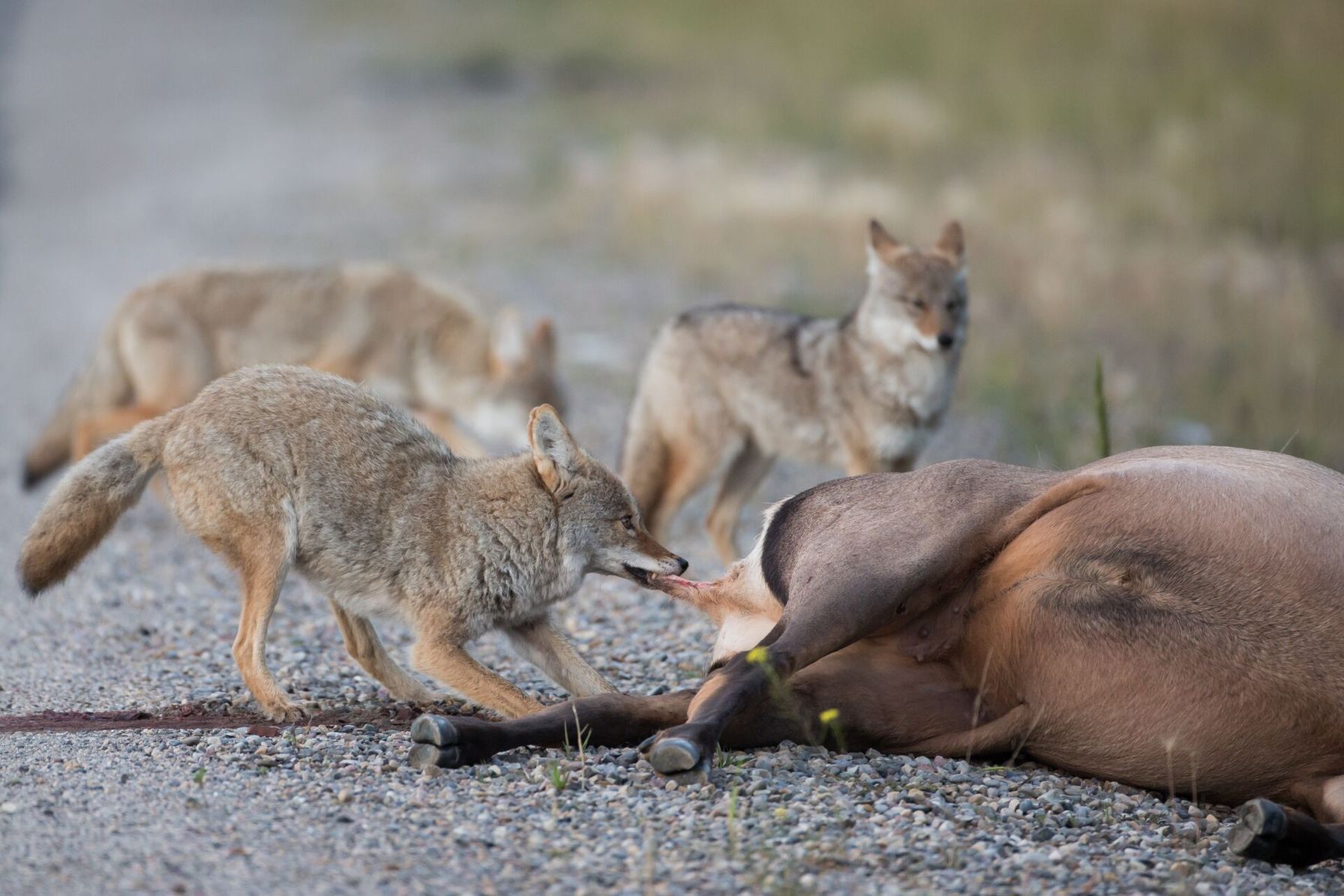
Hunting plays an important role in coyote population control by helping keep their numbers in check. Population control can reduce losses of vulnerable livestock such as goats, sheep, calves, and poultry, while also supporting a healthier ecological balance between predators and prey in some areas.
For hunters, pursuing coyotes can be a challenging and rewarding way to participate in predator management.
Why Are Coyotes Considered Predators?
Coyotes are considered predators because they primarily hunt and feed on live prey such as rabbits, rodents, deer, and livestock. These highly adaptable and opportunistic creatures can survive on almost anything, even taking down larger animals when hunting in pairs or packs.
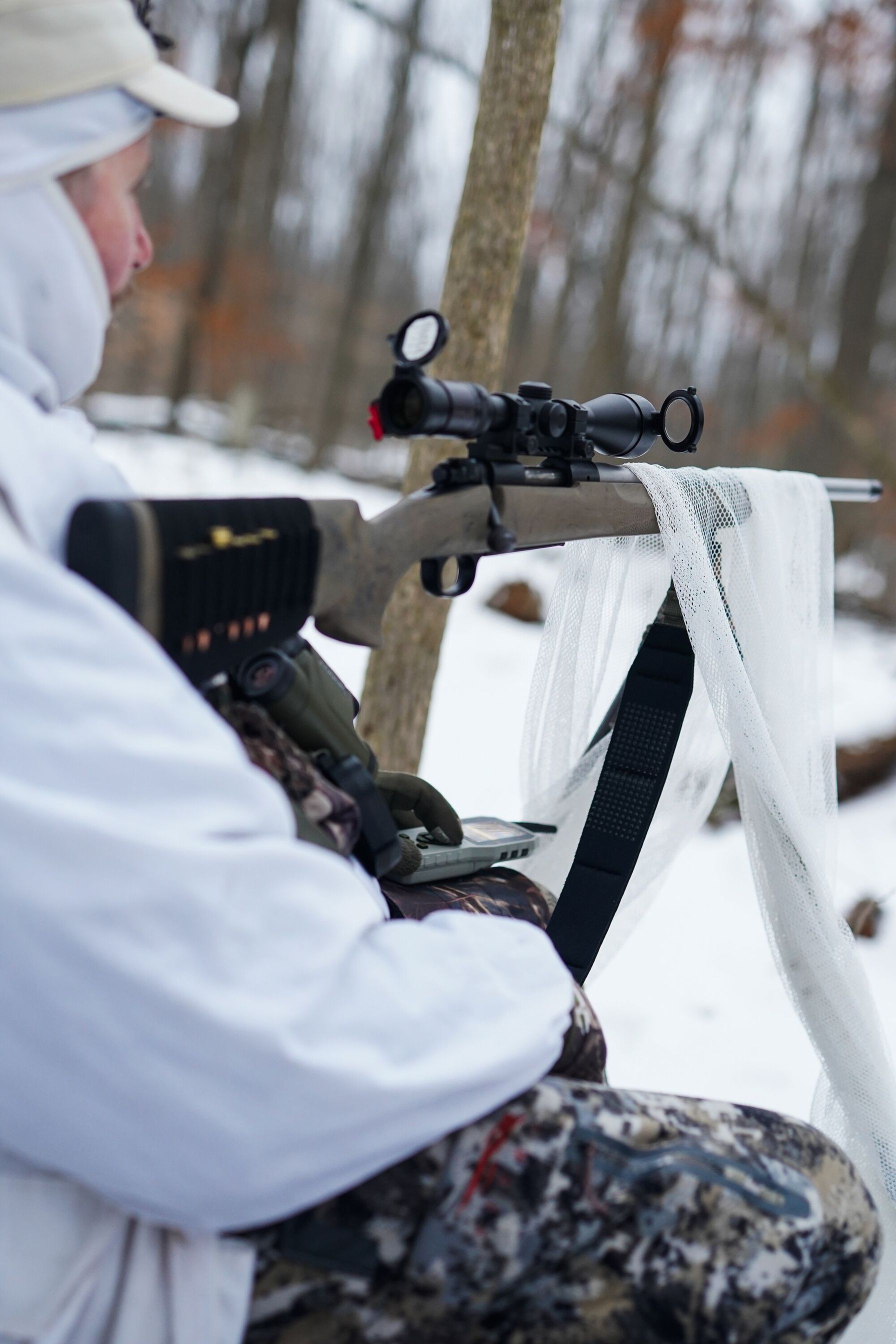
In natural ecosystems, coyotes serve a vital role as mid-sized predators, helping moderate populations of smaller species and maintaining balance within the food chain. Though often confused for one another, coyotes differ from wolves, and hunters should be aware of a coyote's distinct features before hunting invasive species.
What is the Best Time of Year for Coyote Hunting?
Any time can be a great time to hunt coyotes. During the colder months, snow makes coyotes easier to track as they grow thick, prime winter coats that make for better pelts. From January through March, the breeding season makes coyotes more vocal and active as they search for mates, giving hunters a chance to locate them on the move.
Late summer and fall can also be good for coyote hunting, as young coyotes disperse from their parents' territory and go out on their own. These naive youngsters are less cautious and easier to call into range.
Are Electronic Calls Legal for Hunting Coyotes?
Unlike big game hunting, most states allow the use of electronic calls for predators, but this varies by state and region.
For example, Florida does not allow electronic calls for coyotes. Regulations can differ widely, so always check with your local wildlife agency before practicing your best coyote calls for hunting to stay on the right side of the law.
How Far Can Coyotes Smell Hunters?
Coyotes have an extraordinary sense of smell and can detect human scent from a mile or more away when conditions are right. Their noses are constantly scanning the air for anything out of the ordinary, which makes paying attention to wind direction and practicing good scent control essential for a successful hunt.
Do You Need a License to Hunt Coyotes?
Requirements vary by state, but some areas require only a basic hunting license. Others allow year-round, license-free hunting as long as you have the landowner's permission.
Always verify local laws before hunting to ensure you're using legal coyote hunting methods.
How to Find Coyotes
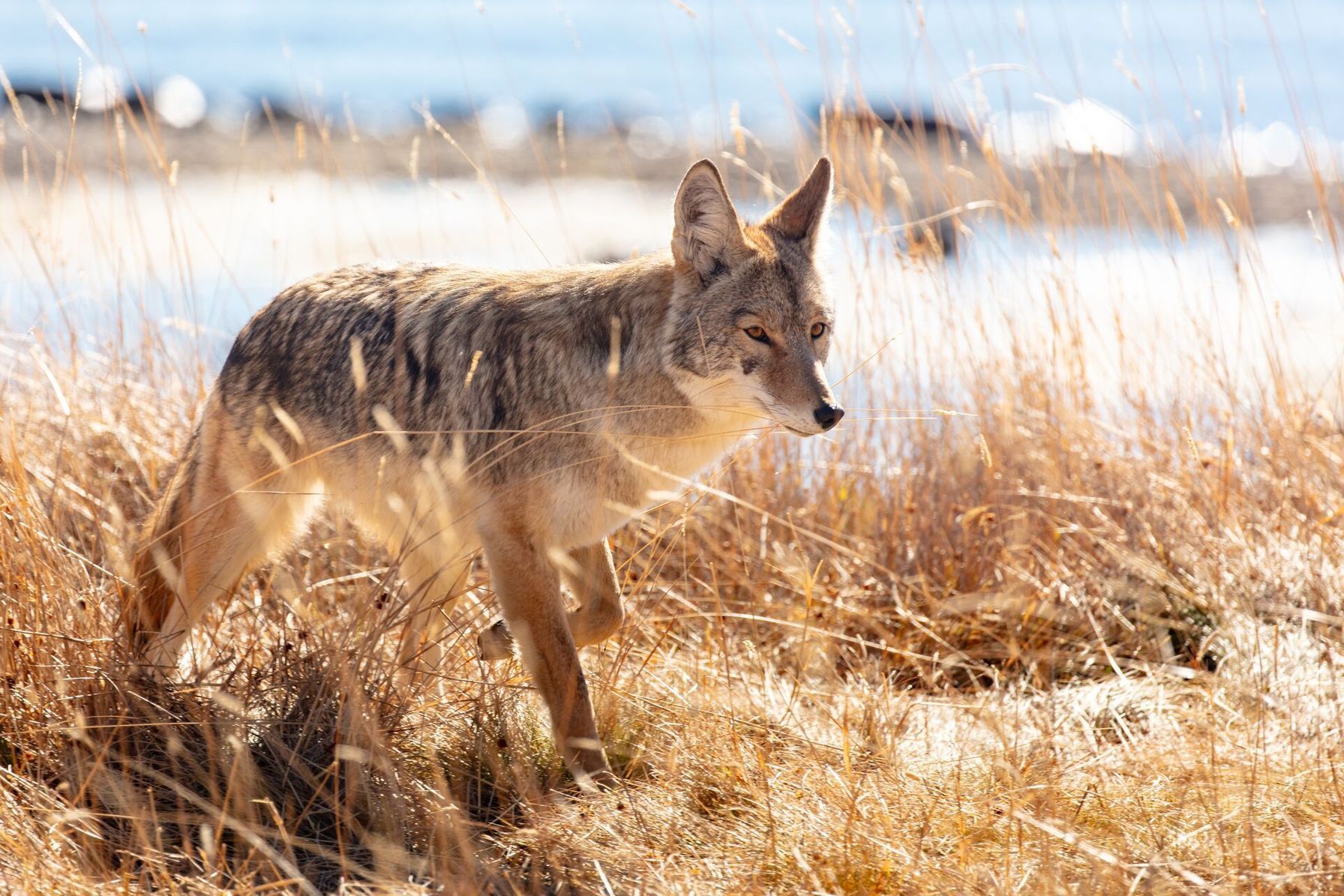
When looking for coyotes, it's crucial to scout to find the right areas. Look for signs such as tracks, scat, or trails, and pay attention to places where coyotes are most likely to travel, such as where open fields back up to the edge of wood lots or near livestock.
Listening for howls at dusk and dawn can help you locate packs. Once you've narrowed down an area, draw out coyotes by using distress calls, howls, or yips.
Technology can also help. In the HuntWise app, you can use the HuntCast function and set the animal selector to "Coyote" to get tailored predictions of coyote movements and peak activity times.
Combining boots-on-the-ground scouting with calls and digital tools gives hunters the best chance of locating and connecting with these wily critters.
How to Hunt Coyotes
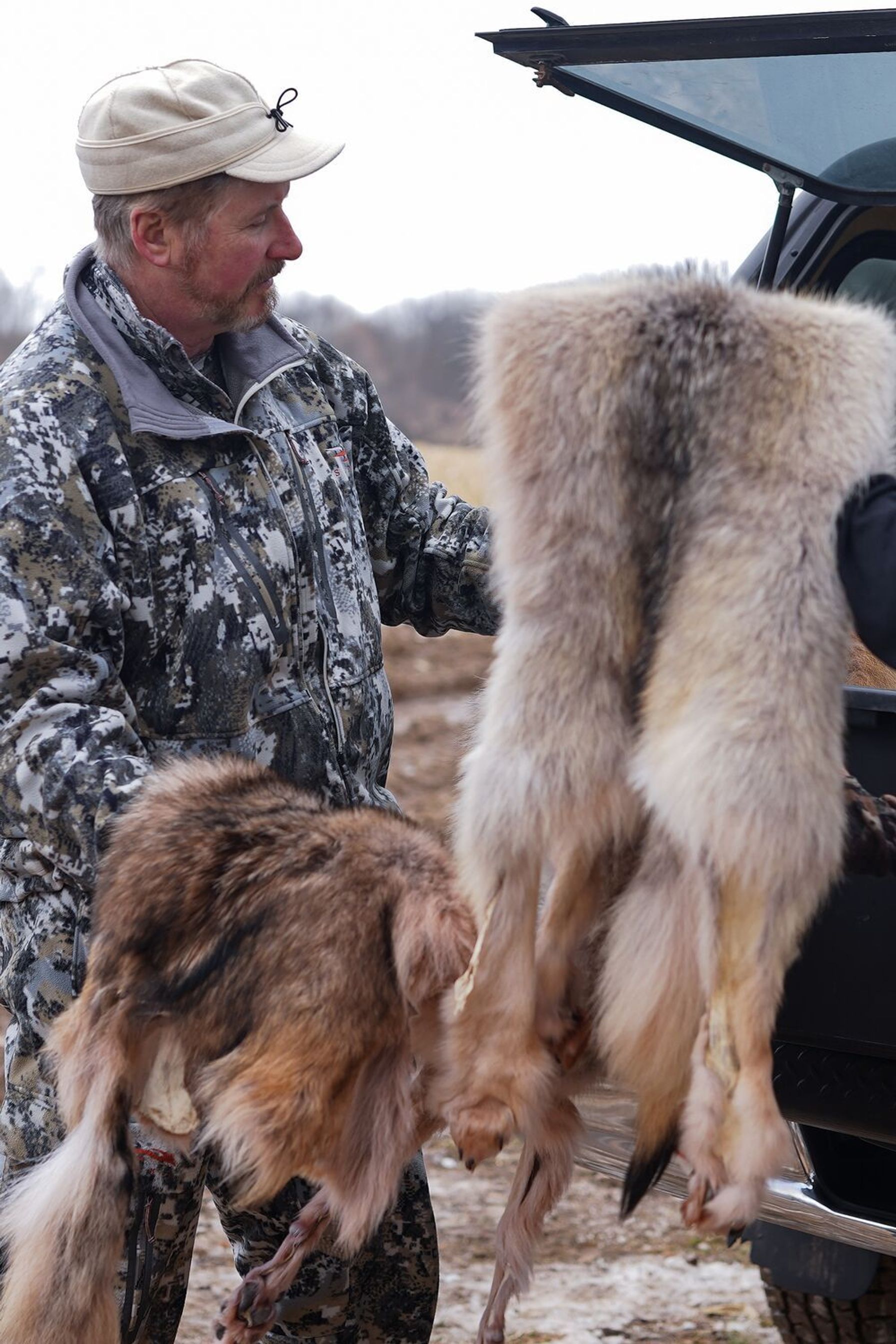
Blend into your surroundings with camouflage that matches the terrain, even when hunting at night, since coyotes are quick to notice anything out of place.
Also, always set up downwind of where you expect them to approach, and practice good scent control. Often, coyotes will try to circle downwind before approaching, so try to set up with a barrier like a fence row, thicket, or other terrain feature at your back that can help prevent them from catching your wind.
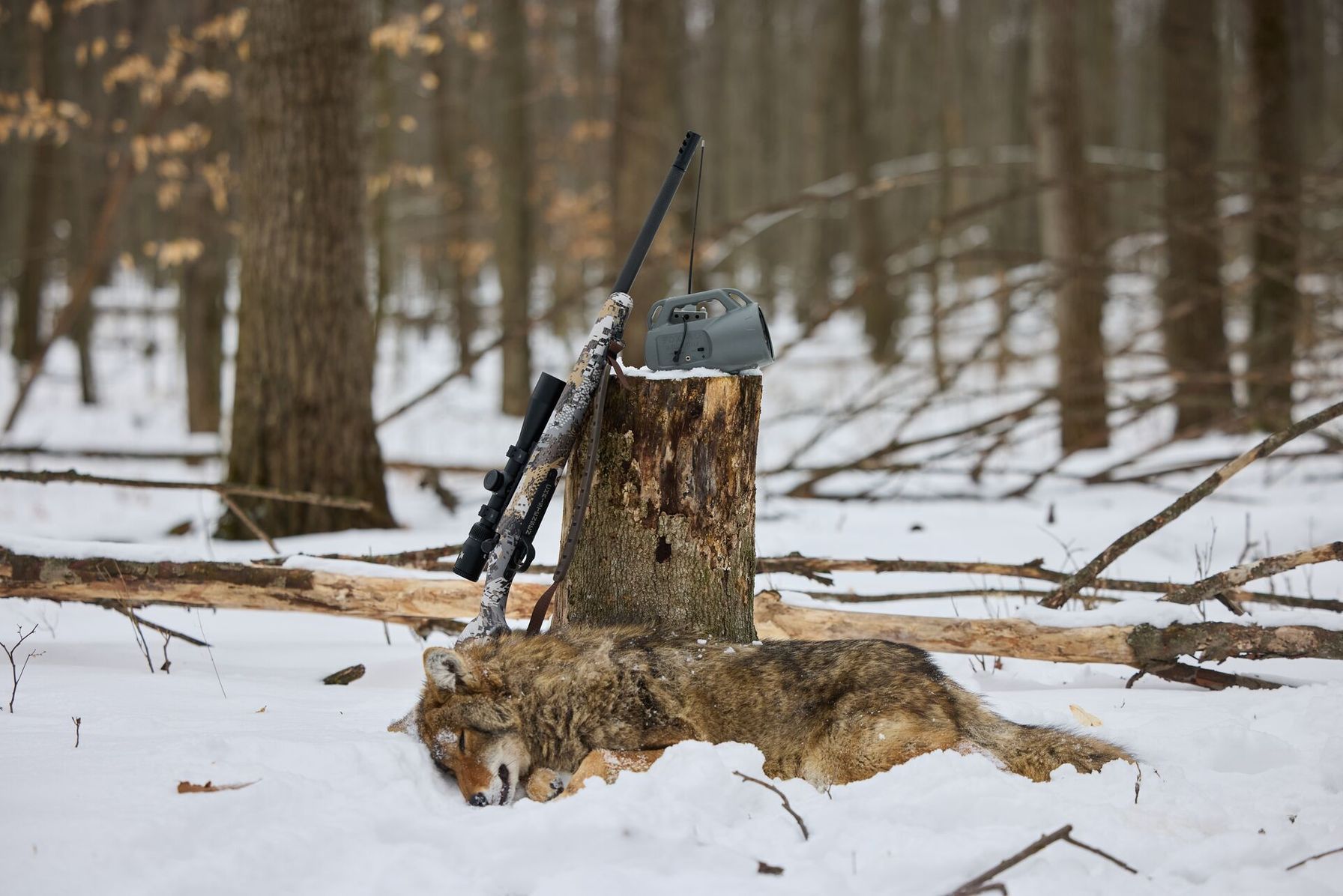
Consider using calls as one of our predator hunting tips. Whether mouth-blown or electronic, they're excellent tools for drawing their attention.
A coyote might be coming from a long distance or may hang up just out of range, watching and listening before deciding to move in and investigate. In addition to early morning, consider nighttime coyote hunting in late evenings and under bright moonlight when coyotes are actively searching for their next meal.
What Caliber is Best for Coyote Hunting?
Popular rifle calibers for coyote hunting include the .223 Remington, .22–250 Remington, .204 Ruger, and .243 Winchester. The .243 paired with a light bullet is my personal favorite for its knockdown power and flat trajectory.
Flat-shooting rounds are ideal for longer distances, and small to medium calibers reduce pelt damage while still being effective.
If hunting in thickets or other brushy environments where shots may be close, a 12-gauge shotgun may be just the ticket. Pair it with #4 buckshot in lead, or T shot in tungsten, with a modified or full choke for an even pattern that can still reach out and touch them.
Use HuntWise to Improve Your Success When Hunting Invasive Species
Coyotes are here to stay, and hunters have a role in shaping how they fit into the landscape. Coyote hunting helps reduce livestock losses, relieves pressure on game populations, and gives hunters a practical management tool.
Get your first week free to plan a successful coyote hunt!
Frequently Asked Questions (FAQs)
We have answers to some common questions about how to hunt coyote!
Q: What is the best time of year for coyote hunting?
A: Late fall through winter is generally the best time for coyote hunting. Coyotes are more active during daylight, have thicker coats, and food is scarcer, making them easier to call in.
Q: Are electronic calls legal for hunting coyotes?
A: The legality of electronic calls for hunting coyotes depends on the state or country. Many places allow electronic calls for coyotes, but some restrict their use. Always check local regulations before hunting.
Q: How far can coyotes smell hunters?
A: Coyotes can smell humans from several hundred yards away, and under ideal wind conditions, potentially over a mile. Wind direction matters more than distance.
Q: Do you need a license to hunt coyotes?
A: In most areas, yes, you need a license to hunt coyotes. Some states classify coyotes as varmints or predators with relaxed seasons, but a valid hunting license is still usually required.
Q: What caliber is best for coyote hunting?
A: Popular choices for hunting coyotes include .223 Remington, .22-250, and .243 Winchester. The “best” caliber depends on range, terrain, and whether you want to minimize pelt damage.


