

Duck hunting in Texas is more than just chasing birds. It's an invitation to explore the diverse public lands of the great state, sharpen your shooting skills, and bag some tasty free-range game. The unique Texas geography stretching from the Gulf Coast marshes to the inland lakes and rivers supports an impressive diversity of duck species, and during the right season, hunters, both local and interstate, can take advantage of this to bag out.
This guide looks at the Texas duck season dates, essential regulations, and some essential preparation tips to help you bag out on stunning birds.
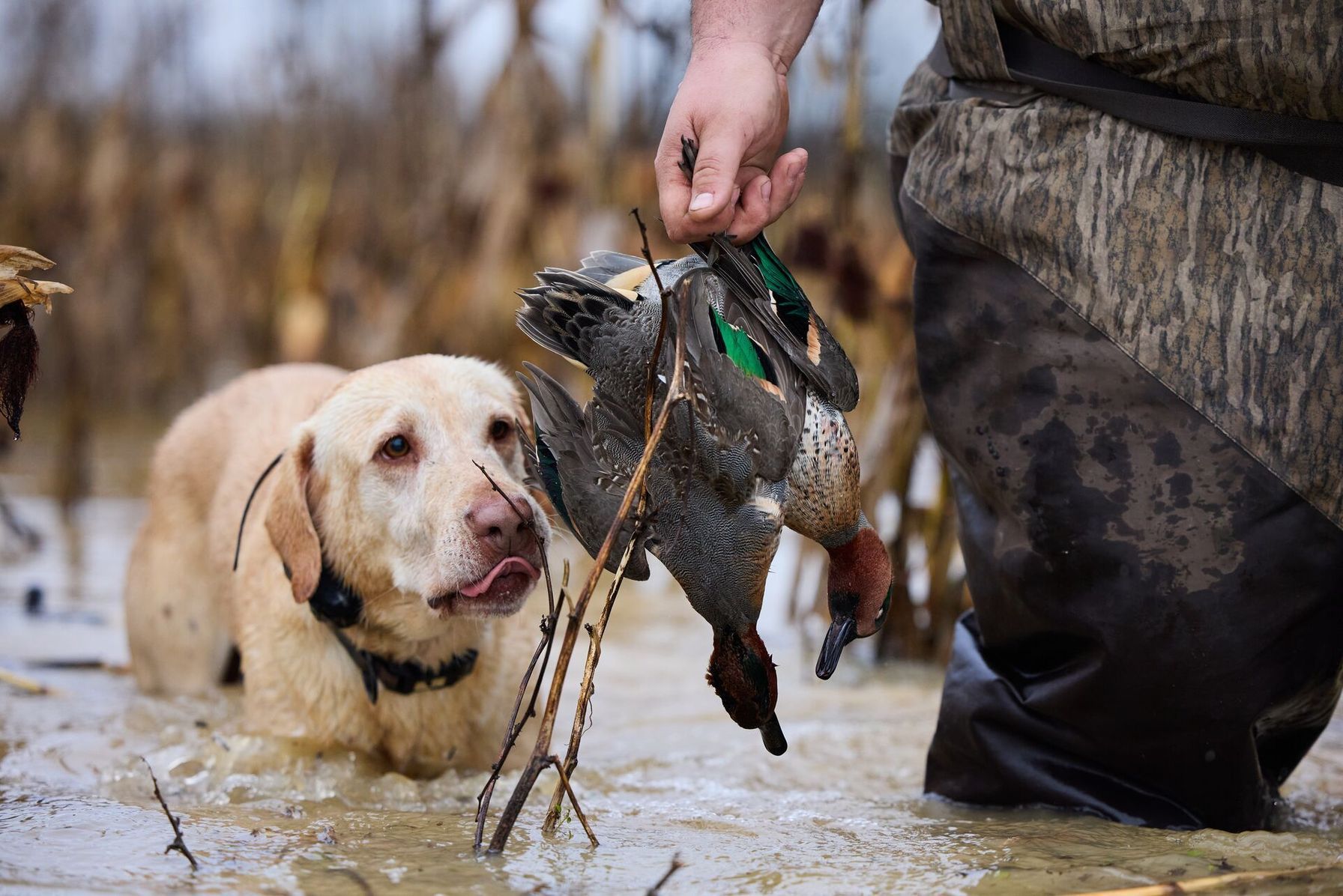
Texas Duck Season Dates for 2026
The Texas duck hunting season typically runs from early November to late January. However, this is subject to change based on zoning requirements, as specific dates and bag limits may vary.
The 2026 season dates are as follows:
Texas Duck Season Dates 2026–2027 | |
|---|---|
| Regular Season | Youth, Active Military, Veterans |
|
|
The youth-only season is a fantastic opportunity to introduce young people to the sport of duck hunting and hunting in general. It also teaches them the fundamentals of firearm safety in a controlled environment with less hunting pressure. Active duty military and veterans can also hunt during these dates.
Bag Limits and Regulations
As a hunter, you must be increasingly discerning and cautious when duck hunting to stay within the allocation of any species.
- The bag limit for all duck species (except coots) is 6, including mergansers.
- The limit can consist of no more than five mallards (only two hens), three wood ducks, two redheads, two canvasbacks, one scaup, one pintail, and 1 "dusky" duck (mottled duck, Mexican-like duck, black duck, and their hybrids are closed the first five days of the season in each zone).
- When hunting coots, you can bag 15.
- Additionally, the possession limit is three times the daily bag limit for all ducks.
Please note that baiting is highly illegal. However, duck hunters are permitted to hunt on agricultural land as long as no grain or seed is in the vicinity.
Licensing and Permits
All hunters in Texas, regardless of their target species, must have a hunting license, which differs in cost depending on age, veteran status, physical limitations, and state residency. Hunter education is also mandatory for any hunter born before September 2, 1971.
In addition to a license and hunter education certificate, duck hunters must also have a mandatory Federal Migratory Bird Hunting and Conservation Stamp (16 and older) and a Texas Migratory Game Bird Stamp Endorsement (Exceptions include those under the age of 17, Lifetime Resident Combination holders, and Lifetime Resident Hunting license holders).
Finally, an annual public hunting permit may be required to hunt some specific zones.
An Overview of Texas Duck Hunting Season
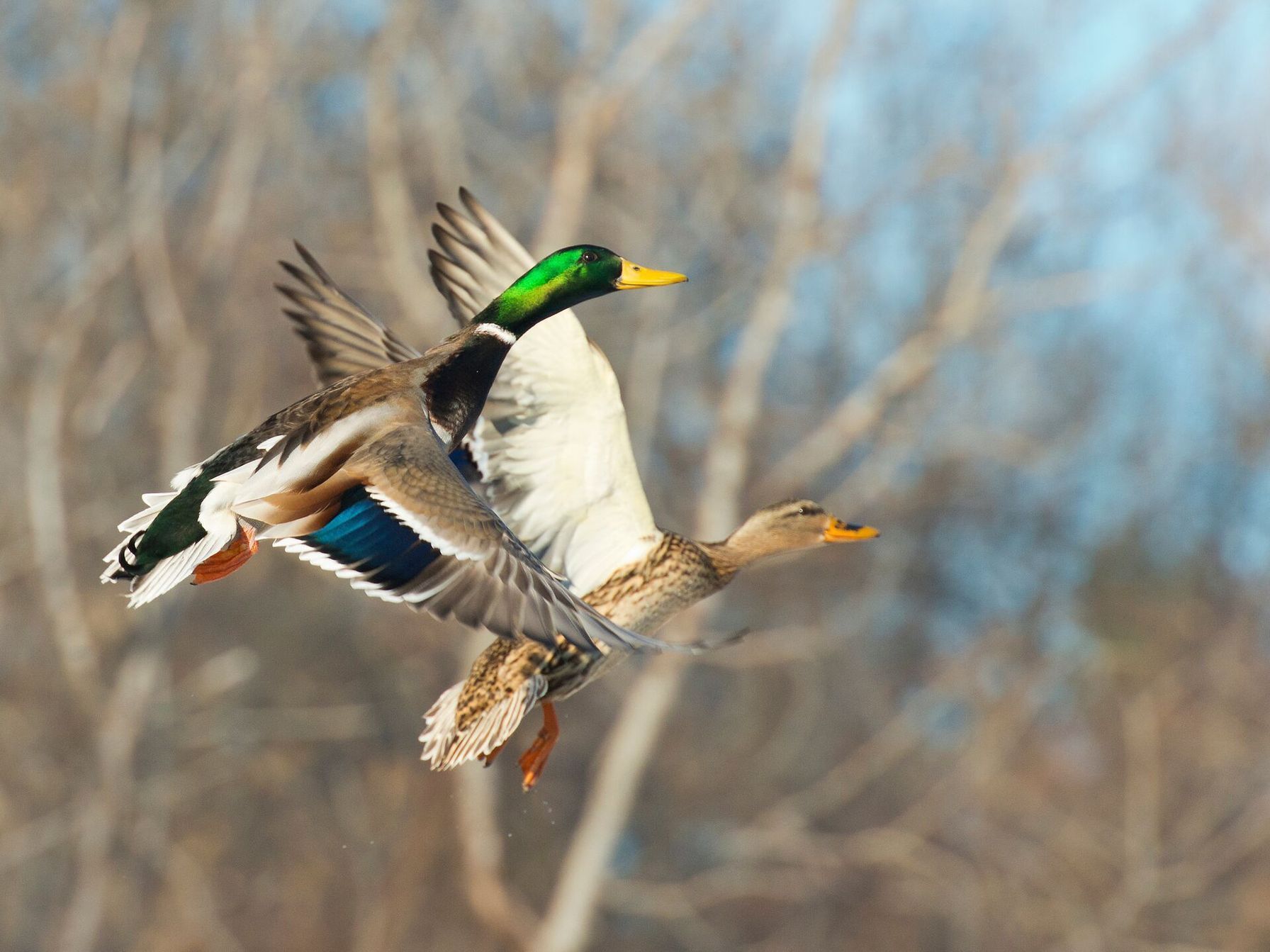
The Texas coastal and lake region attracts an exciting variety of duck species, including:
- The popular mallard, which inhabits salt and freshwater habitats.
- Pintails, which display their long distinctive tails.
- Teal, which showcases stunning blue-winged and green-winged coloration.
- More Teal, with a unique green eye ring and crown.
This species diversity is one of the major drawcards to the Texas duck season.
Furthermore, Texas's unique duck hunting opportunities, from the waterfowl-rich marshes, estuaries, and coastal areas to the inland rivers, lakes, and reservoirs, are sure to intrigue hunters. The Lone Star State's diverse geography provides a range of hunting experiences, making it a must-visit destination for duck hunters.
Know the Duck Hunting Zones
The Texas Parks and Wildlife Department (TPWD) administers the season dates and regulations. The Texas duck season dates are split based on zones, which include specific rules.
Texas is split into North and South Zones for duck hunting, with different season dates. The High Plains Mallard Management Units also have specific hunting season dates and bag limits. The TPWD sets these regulations with federal instructions to ensure stable and sustainable hunting in this essential location.
The High Plains is an essential stopover and wintering area for many duck species, particularly mallards, and the wetlands provide crucial habitats for these migratory bird species.
How to Hunt Ducks in Texas
Bagging ducks in Texas takes more than a shotgun and a lucky morning. Follow these steps to build a solid, legal, and productive hunt from opening day through the late season.
- Get licensed and stamped. Buy your Texas hunting license, then add the Migratory Game Bird Stamp Endorsement and a Federal Migratory Bird Hunting and Conservation Stamp (required for hunters 16 and older). Complete hunter education if you were born on or after September 2, 1971.
- Confirm your zone and season dates. Check whether you're hunting the High Plains Mallard Management Unit, North Zone, or South Zone, since each has its own opening dates and split segments. Dates and bag limits can shift year to year, so verify them against the current TPWD Outdoor Annual before you head out.
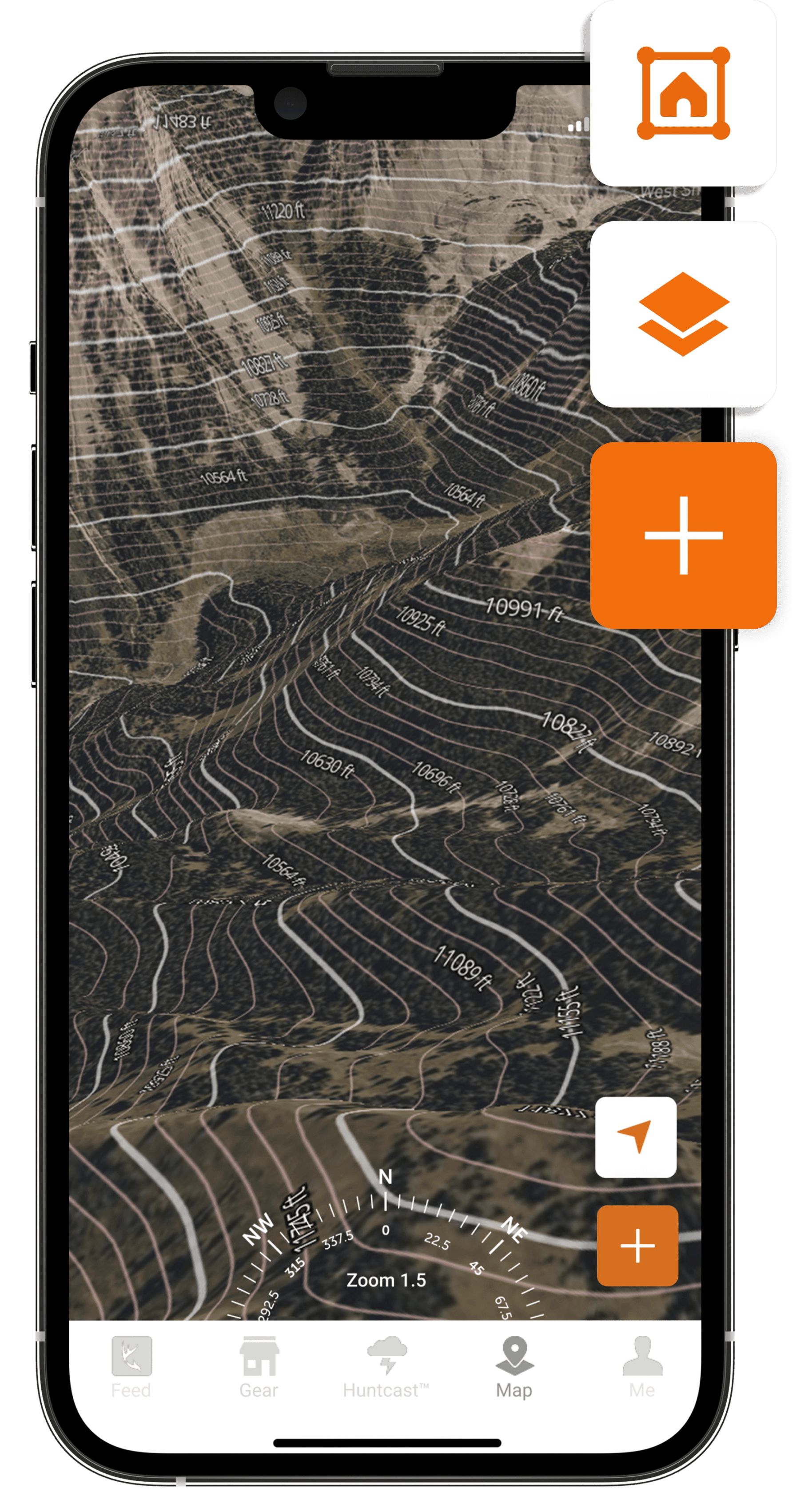
- Scout your location early. Research roosting areas, feeding zones, and water levels using the HuntWise app, and factor in migration timing and the previous year's harvest data. Public wildlife management areas, state parks, and forests all offer solid access points.
- Secure permission or a permit. Line up private landowner permission or, for public hunting areas, confirm whether an annual public hunting permit is required for the zone you've chosen.
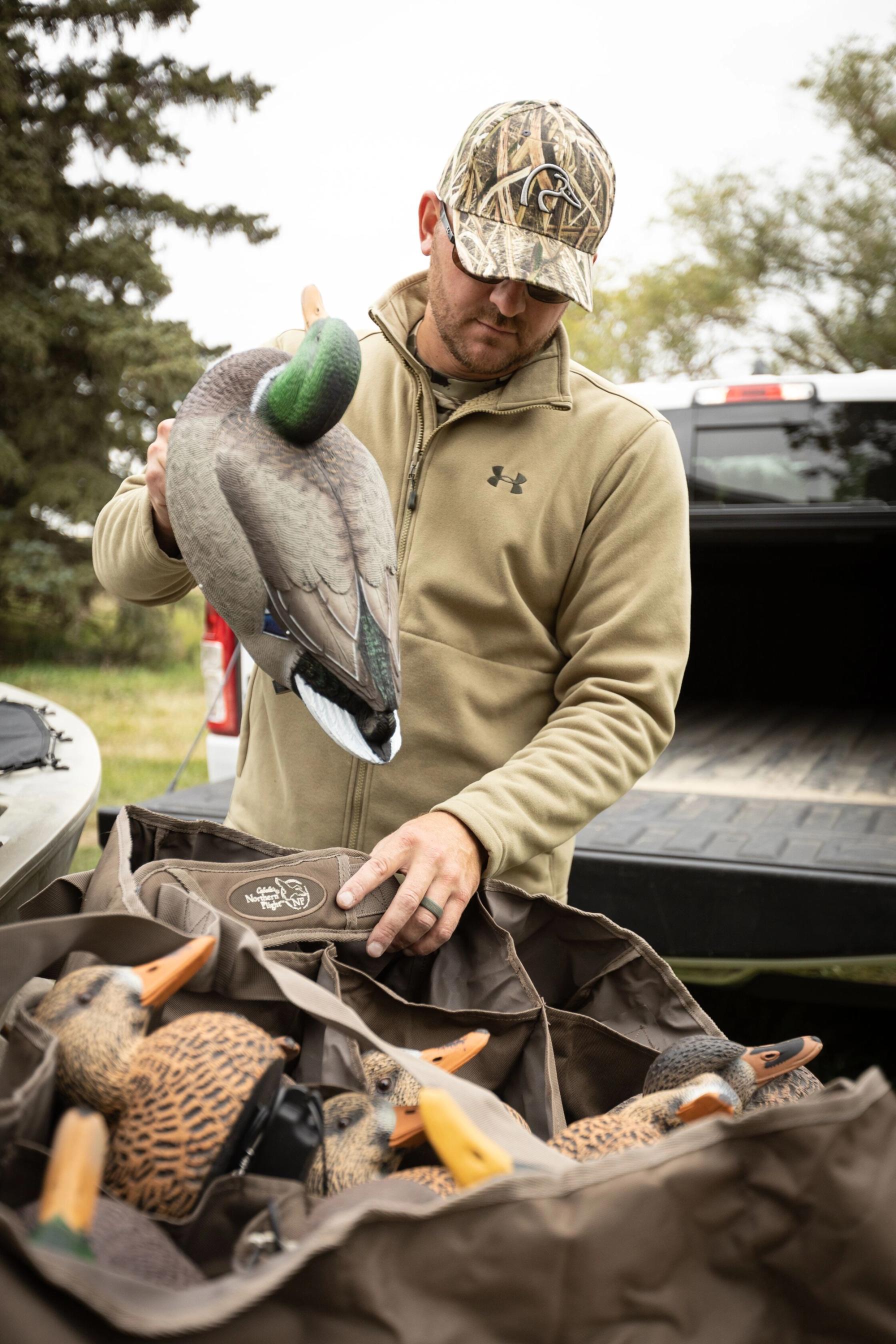
- Gear up for the terrain. Pack a 12- or 20-gauge shotgun, appropriate non-toxic ammo, waders, and camouflage suited to marsh, coastal, or lake conditions. Bring a varied decoy spread to draw in multiple species.
- Set up and read the weather. Position your blind or spread with the wind and approach lanes in mind, and watch for cold fronts or storms, since birds feed harder and fly lower in rough weather. Use HuntCast and WindCast in the HuntWise app to time your hunt around these shifts.
- Hunt within your bag limit. Track your take against the daily bag limit of 6 ducks in the aggregate, including mergansers, with species-specific sub-limits such as 5 mallards (2 hens max), 2 redheads, and 1 pintail. Never bait your hunting area, since baiting is illegal statewide.
- Retrieve, tag, and store properly. Retrieve downed birds promptly, keep your harvest within the possession limit of three times the daily bag, and store or transport birds in a way that keeps species and sex identifiable for inspection.
Preparation and Scouting
Texas is a special hunting area because of its diversity of duck hunting areas and the expanse of public lands, including wildlife management areas, state parks, and forests.
Scouting potential locations is a crucial first step for a successful hunt. It involves thorough research into bird patterning, population numbers, previous year's harvesting figures, migration patterns, water levels, and other relevant information.
This research will guide you in using the HuntWise app to mark potential hunting locations based on roosting areas, feeding zones, and accessing private landowner permission. Don't forget to pull out the binoculars and watch the bird movements on site.
Make Sure You Have the Right Gear and Equipment
Along with your 12- or 20-gauge, appropriate ammo, camouflage, and waders, the diversity of species in Texas calls for a wide variety of decoys.
Consider implementing a varied species spread to attract a broader range of waterfowl to hit those bag limits discussed above.
Weather Considerations
Adverse weather patterns will impact duck behavior: the worse the weather, the greater the hunting.
Changes such as cold fronts trigger feeding activity in the birds as they seek to build up their energy reserves. This activity means the birds will be more active during daylight hours.
Storms and heavy winds can also affect bird behavior. Birds tend to bunker down and seek out protection from the heavy weather. This can isolate birds and make tracking much easier, as they have limited options.
For an all-in-one solution to stay on top of forecasting, wind patterns, and additional factors such as bird movement, download the HuntWise app. Use HuntCast and WindCast to identify the best times to hunt ducks in Texas!
Enjoy Better Texas Duck Hunting Success With HuntWise
While there are a few hoops to jump through before preparing for the Texas duck season, it's well worth it. There's a reason why duck hunters are some of the most passionate and dedicated hunters around, and we hope this guide helps you get in on that action this season!
Grab the HuntWise app to gain valuable insights on everything from mapping to wind and weather forecasting, animal movement forecasting, hunting tips, and even discounted gear from our partners.
Start planning your Texas duck for free today.
Content most recently reviewed and updated for the latest season dates and details October 23, 2026.
Frequently Asked Questions (FAQs)
Q: What season is duck season in Texas?
A: Texas splits duck season into three zones with different windows. The High Plains Mallard Management Unit runs October 24–25, 2026, then October 30, 2026 through January 31, 2027. The North Zone runs November 14–29, 2026, then December 5, 2026 through January 31, 2027. The South Zone runs November 7–29, 2026, then December 12, 2026 through January 31, 2027.
Q: Do I need a license to hunt ducks in Texas?
A: Yes. You need a Texas hunting license plus a Texas Migratory Game Bird Endorsement and free HIP certification. If you're 16 or older, you also need a Federal Duck Stamp. Hunters born on or after September 2, 1971, must complete hunter education as well.
Q: How many months is duck season?
A: Duck season spans roughly three and a half months across zones, from the earliest opener in late October through the final closing date of January 31. No single zone stays open that entire stretch, though. Each zone hunts within a split-season structure of about 60 total hunting days, not straight through the calendar.
Q: How much does it cost to hunt ducks in Texas?
A: For residents, budget around $60: a $25 resident hunting license, a $7 Migratory Game Bird Endorsement, and a $28.50 Federal Duck Stamp (HIP certification is free). Non-residents pay more, with a $315 general non-resident hunting license plus the same $7 endorsement and $28.50 stamp, for roughly $350 total. A $5 administrative fee applies to online and phone purchases.
Q: What part of Texas has the best duck hunting?
A: The Texas Gulf Coast, stretching from Beaumont down through the Rio Grande Valley, is widely considered the state's top duck hunting region. Its coastal marshes, estuaries, and rice fields attract heavy concentrations of wintering waterfowl, especially in the South Zone. The High Plains playa lakes region in the Panhandle is also a strong option, particularly for hunters targeting mallards.
Q: How many ducks is a limit in Texas?
A: The daily bag limit is 6 ducks in the aggregate, including mergansers, with species sub-limits: no more than 5 mallards (2 hens max), 3 wood ducks, 2 redheads, 2 canvasbacks, 1 scaup, and 1 pintail. The possession limit is three times the daily bag.
Q: What is the most common duck in Texas?
A: The mallard is generally considered the most common and most frequently harvested duck in Texas, found in both fresh and saltwater habitats statewide. Blue-winged teal and green-winged teal are also extremely abundant, particularly during the early teal season and fall migration.


