

Arkansas has firmly established itself as one of, if not the top, waterfowl destinations in the country. It consistently attracts both local and interstate hunters to experience its world-renowned season. With over 100 wildlife management areas, a rich duck hunting culture, and various mixed agriculture for hunting, this is a must-visit for all bird hunters.
But before you head out, it's crucial to familiarize yourself with the regulations, season dates, and preparation tips to ensure a safe and successful hunt.
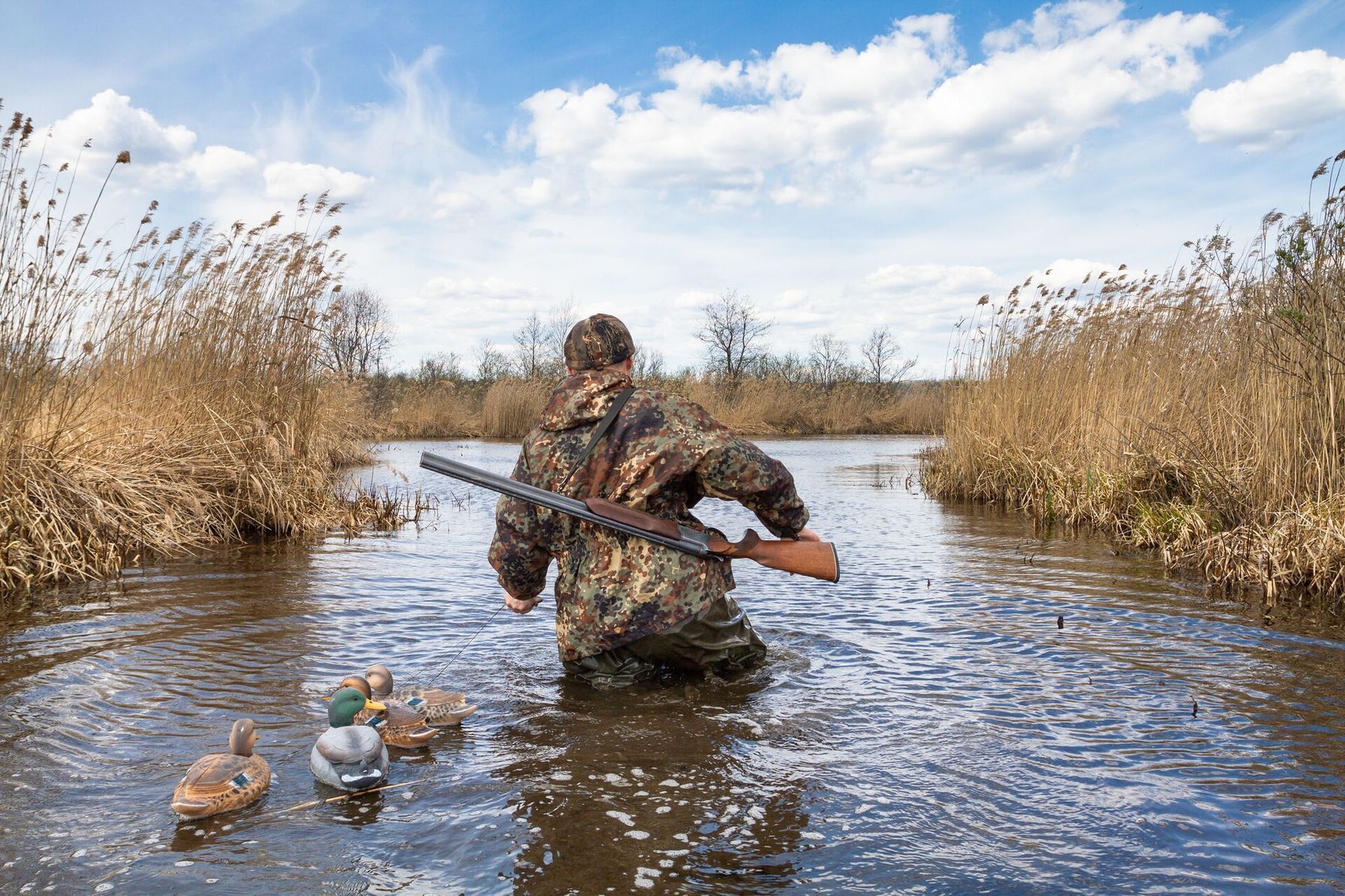
When is Duck Season in Arkansas for 2026-2027?
The Arkansas Game and Fish Commission (AGFC) allocates and administers the Arkansas duck hunting regulations, establishing seasons to manage the bird numbers and ecological balance.
The general duck season typically runs in three stages: late November, December, and late January. However, these are to serve as a guideline, and it’s essential to always check the current year’s dates to ensure compliance and legality when duck hunting.
The 2026–2027 dates are as follows:
Arkansas Duck Season Dates 2026–2027 | |
|---|---|
Duck, Coot, and Merganser
| Special Youth Waterfowl Hunts To encourage and promote the sport of hunting, a special youth hunt will take place February 6 – 7, 2027, in which youth hunters (ages 15 and younger) can harvest duck, goose, coot, and merganser. |
| Veteran Hunts Members of the active-duty military and military veterans may harvest ducks, geese, coots, and mergansers on February 6 – 7, 2027. | |
During the Youth Hunt, youth who have yet to complete a hunter education course must be accompanied by a mentor who is 21 or older. Mentors are not allowed to hunt during this time.
Regulations and Requirements
All hunters hunting during the Arkansas duck season must have a hunting license, which can be purchased at any Arkansas Game and Fish Commission office or online.
Hunters born on or after January 1, 1969, will also need a hunter education certificate before purchasing a license.
Additionally, hunters must provide proof of Arkansas Harvest Information Program (HIP) registration and a wildlife management area (WMA) use permit if hunting one of these zones. Some seasons may also require additional stamps, such as a state and federal duck stamp.
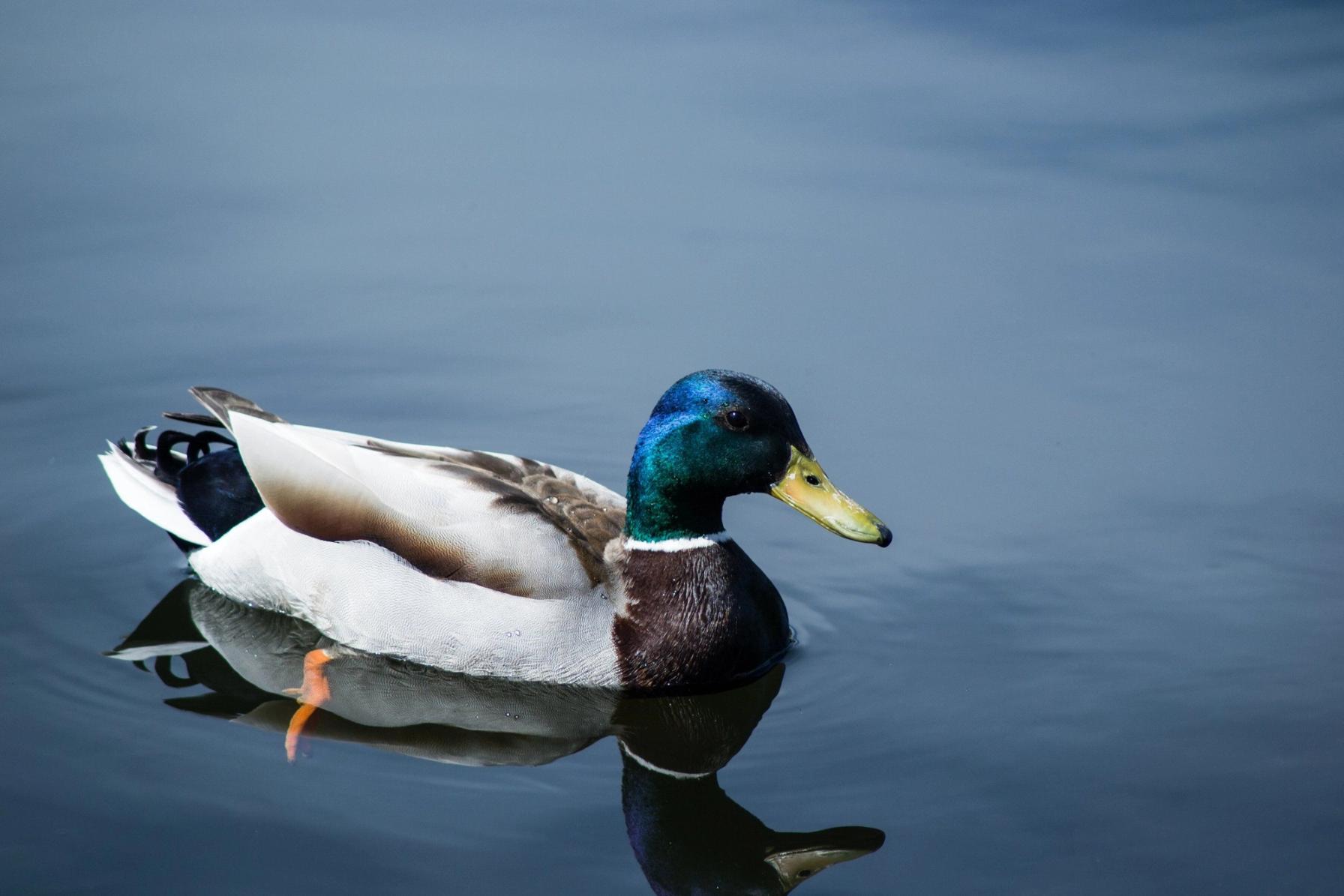
What Are the Bag Limits and Restrictions?
How many ducks can you harvest this season? While enjoying your hunt, pay close attention to bag and possession limits.
Bag Limits
The bag limits for 2026–2027 are:
- Duck: The daily bag limit is six, which may include no more than four mallards (two hens), one scaup, three wood ducks, three pintails, two redheads, two canvasbacks, two black ducks, and one mottled duck. If not listed, up to six ducks of a species (including teal) may be taken.
- Coot: 15
- Merganser: The daily bag limit is 5, which may include no more than two hooded mergansers.
Additionally, the possession limit for ducks, coots, and mergansers is three times the daily bag limit.
Shooting Hours
Shooting hours are generally an hour from sunrise to sunset.
For the 2026–27 season, shooting is permitted 30 minutes before sunrise and ends at noon during regular duck season (except when specified in WMA-specific regulations). Waterfowl hunting is allowed 30 minutes before sunrise until sunset on the last day of the regular season and during all WMAs' Youth, Active-Duty military, and Veteran Hunt days.
How to Prepare for a Successful Duck Hunt
With dates and bag limits in mind, you're ready to hunt! Here's what you can do while you wait for opening day.
- Confirm the season dates. Note the dates listed earlier in this guide, then confirm them with official AGFC resources. Mark all three segments on your calendar.
- Get licensed. You need a hunting license, an Arkansas waterfowl stamp, a federal duck stamp, and Harvest Information Program (HIP) registration. Hunters born on or after January 1, 1969, must also complete hunter education.
- Choose where you’ll hunt. Compare wildlife management areas (WMAs) and private land. Use the HuntWise map layers to see your options side by side. Each WMA has its own rules, so read them before you commit. Hunters on WMAs need a free WMA general use permit, and nonresidents need a nonresident WMA waterfowl permit.
- Scout from home with HuntWise. Look at vegetation, bodies of water, established migration routes, human activity, and terrain. Pre-season scouting matters more in popular areas, where hunting pressure runs high.
- Plot bird movement. Think about when ducks rest, roost, and feed throughout the day. Mark those zones on your HuntWise map, then use weather patterns and predictions to find the best times to hunt.
- Scout in the field. Visit your top spots before the season opens. Look for ducks using the water, and note how other hunters access the area.
- Build your gear kit. Start with decoys, calls, a boat, and your shotgun. Federally approved nontoxic shot is required for ducks, geese, and mergansers statewide. Use your HuntWise subscription and discount to save on quality gear.
- Learn the WMA rules. Shooting on WMAs (Wildlife Management Areas) ends at noon during the regular season unless the WMA’s rules say otherwise. Be off the water by 1 p.m. (noon at Dave Donaldson Black River and George H. Dunklin Jr. Bayou Meto WMAs). Do not leave decoys or dog stands overnight, and tear down any blind at the end of each day.
- Check the weather and wind. Before every hunt, use HuntWise wind and weather insights (including the new Live Wind feature) to choose your setup and plan your approach.
- Know your bag limits before you shoot. You can take six ducks per day, with no more than four mallards (two hens), one scaup, three wood ducks, three pintails, two redheads, two canvasbacks, two black ducks, and one mottled duck.
Good preparation puts you in the right place with the right gear, and keeps you legal once you get there. Work through these steps before opening day, and you improve your chances of filling your limit. Download HuntWise to scout, map, and plan your Arkansas duck hunt in one place.
Start Scouting
Pre-season scouting is essential to preparing for an Arkansas waterfowl hunt, mainly due to the region's popularity and subsequent hunting pressure in popular areas.
With the HuntWise app, go deep on high-value duck hunting areas focusing on:
- Local vegetation and high vegetative areas
- Bodies of water
- Established migration routes
- Human proximity and activity in the area
- Terrain and topography
Consider birds' movement throughout the day, mainly when they rest, roost, and feed, and plot these potential zones on your HuntWise map. To find the best times for hunting ducks, use insights such as weather patterning and predictions.
Gather Your Gear
Waterfowl hunting can be gear and accessory-intensive, but it's good to start with the basics and build from there.
Build a kit that includes decoys, calls, boats, your favorite shotgun, and any other essential gear you need.
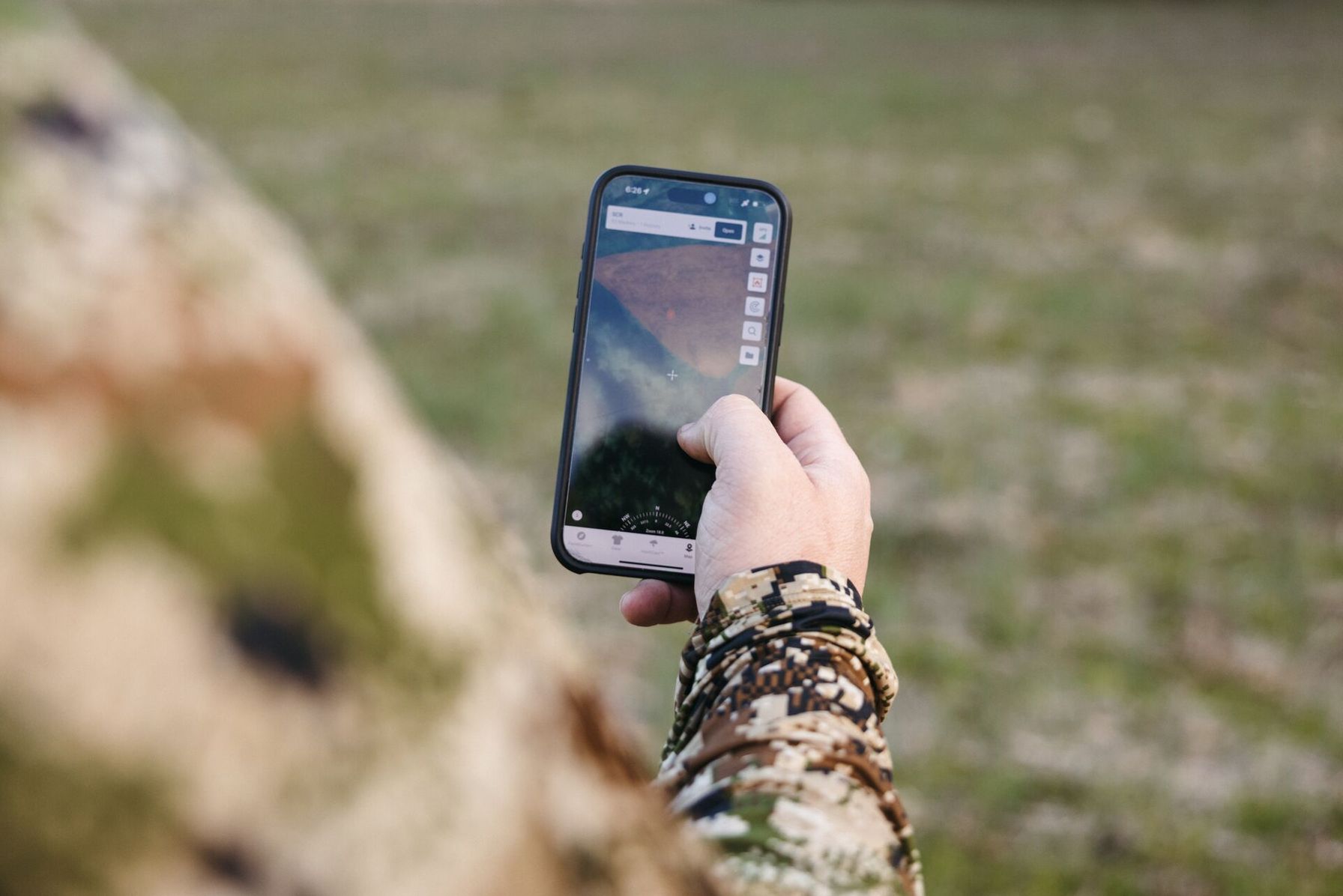
A Successful Arkansas Duck Season Starts With HuntWise
Staying on top of season dates, regulations, and licensing requirements is fundamental to a safe, legal, and fun hunt. To ensure you're prepared for the Arkansas duck season and ready to tag out on the water, download the HuntWise app.
With animal predictive technology, map layering, scouting, wind and weather insights, and more, you'll be prepared for whatever the season throws your way. It's the best hunting app to make the most of the Arkansas duck season this year.
Content most recently reviewed and updated for the latest season dates and details October 27, 2026.
Frequently Asked Questions (FAQs)
Q: When is duck season in Arkansas?
A: The 2026-27 regular duck, coot, and merganser season in Arkansas runs in three segments: November 21 to 29, December 10 to 23, and December 26, 2026, to January 31, 2027. The special early teal season ran September 19 to 27, 2026. The special youth, active duty military, and veteran hunts take place February 6 to 7, 2027.
Q: What are the daily bag limits for ducks in Arkansas?
A: In Arkansas, you can take up to six ducks per day. That limit may include no more than four mallards (two hens), three wood ducks, three pintails, two redheads, two canvasbacks, two black ducks, one scaup, and one mottled duck. Species not listed, including teal, can make up the full six. The possession limit is three times the daily limit.
Q: What are the bag limits for mergansers and coots in Arkansas?
A: When hunting in Arkansas, you can take 15 coots per day and have up to 45 in possession. The daily limit for mergansers is five, with no more than two hooded mergansers. Your possession limit for mergansers is three times the daily limit.
Q: Are there teal-specific rules for Arkansas?
A: Arkansas holds a special early teal season, and the 2026 season ran September 19 to 27. The daily limit was six teal combined (blue-winged, green-winged, and cinnamon), with a possession limit of 18. During the regular duck season, teal count toward your six-duck daily limit. Check the Arkansas Game and Fish Commission (AGFC) for next year’s early teal dates.
Q: Are there any special duck hunts for youth, veterans, or military in Arkansas?
A: Yes. The special youth waterfowl hunt and the special active duty military and veteran hunt both take place February 6 to 7, 2027. Youth hunters ages 15 and younger can take ducks, geese, coots, and mergansers. Youth who have not completed hunter education need a mentor who is 21 or older. Mentors may not hunt but can call waterfowl. Military and veteran hunters need an active hunting license, stamps, and proof of service.
Q: What do I need to hunt ducks in Arkansas?
A: Hunters 16 and older need an Arkansas hunting license, an Arkansas waterfowl stamp ($7 for residents or $50 for nonresidents), a federal duck stamp, and Harvest Information Program (HIP) registration. Anyone born on or after January 1, 1969, must also complete hunter education. To hunt in wildlife management areas (WMAs), you need a free WMA general use permit; nonresidents also need a 3-day ($40) or 30-day ($200) nonresident WMA waterfowl permit.
Q: What are the shooting hours for duck hunting in Arkansas?
A: On WMAs, shooting runs from 30 minutes before sunrise until noon during the regular duck season, unless the WMA’s specific rules say otherwise. On the last day of the regular season (January 31, 2027) and during the February 6 to 7 youth and veteran hunts, WMA shooting runs from 30 minutes before sunrise until sunset. Hunters must be off the water by 1 p.m. on most WMAs, and by noon at Dave Donaldson Black River and George H. Dunklin Jr. Bayou Meto WMAs.


