

With so many options to choose from, how can a hunter decide on the best duck hunting shotgun? Here are some of the best waterfowl shotguns on the market today, along with valuable tips for successful waterfowl hunts.
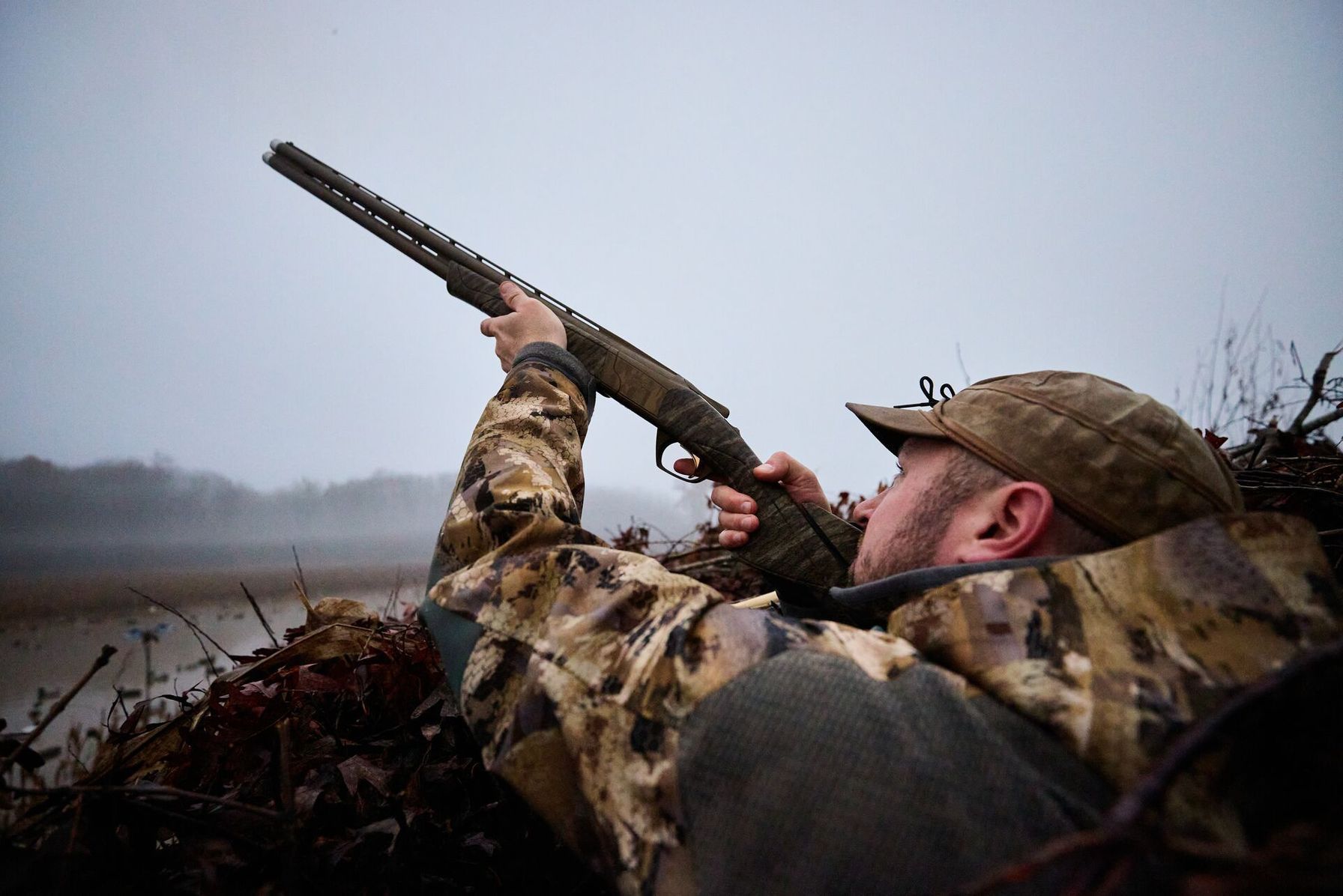
What are the Best Waterfowl Shotguns?
The word “best” is subjective for every hunter. Factors such as your budget, how the gun mounts to your shoulder, and where or how you hunt will affect your decision. Most serious waterfowlers choose a 12-gauge: it reliably cycles shells and is the most versatile choice for power, shot capacity, and heavy payloads.
Prioritize a gun that is reliable in cold and wet conditions, has a corrosion-resistant finish, a comfortable length of pull, and works with interchangeable chokes. Experienced hunters often choose the Benelli Super Black Eagle line, the Beretta A400 series, and the Browning A5 or Maxus lines. Hunters frequently give these semi-autos top marks for waterfowl use.
The 12 Gauge Shotgun for Waterfowl
The 12-gauge shell carries more pellets and more powder than smaller gauges, such as the 20, and delivers a higher velocity. The 12 gauge shotgun for waterfowl is also the most versatile, with the greatest variety in loads.
Most waterfowlers choose 3” shells, but I prefer a gun with a chamber length of 3 ½”, which allows for extended range or the use of larger loads, such as BB and BBB payloads, for geese, cranes, or swans.
Pump vs Semi Auto for Waterfowl
Semi-autos allow for faster follow-up shots and generally less recoil, as the gas or inertia systems use a portion of the expelled energy to cycle the next round. Many modern semi-automatics are highly reliable and designed for waterfowl hunting conditions.
When considering pump vs semi auto for waterfowl, remember that pump shotguns are usually cheaper, simpler to operate, and easier to clean and maintain. These guns are durable and can make the difference between getting another while hunting in dusty, sandy environments, such as dry, harvested fields.
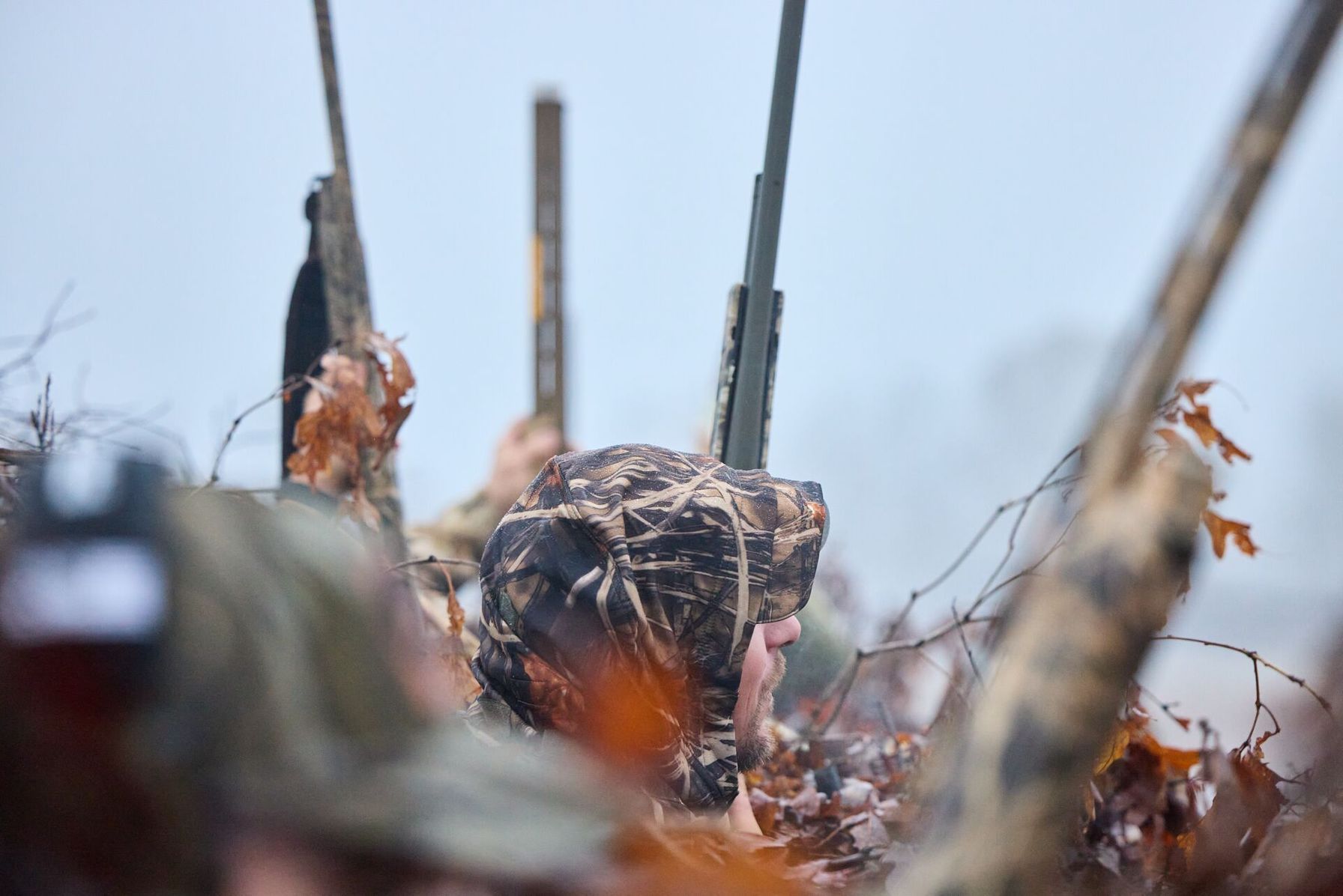
What is the Best Semi-Auto Shotgun for Waterfowl?
We found three semi-automatic models commonly recommended by reviews and popular with experienced waterfowlers. But again, the "best" one is the one that works best for you!
| The Benelli Super Black Eagle 3 (SBE3) uses an inertia-driven system that does not require adjusting when switching from light field loads to magnums. The SBE3 is equipped with an oversized bolt handle and safety, making this longtime favorite for waterfowl a great choice when shooting with gloves. |

photo c/o Benelli | | --- | --- | | The Beretta A400 Xtreme uses a gas system and is known for its reliability and soft recoil, lightweight design, and smooth handling. |
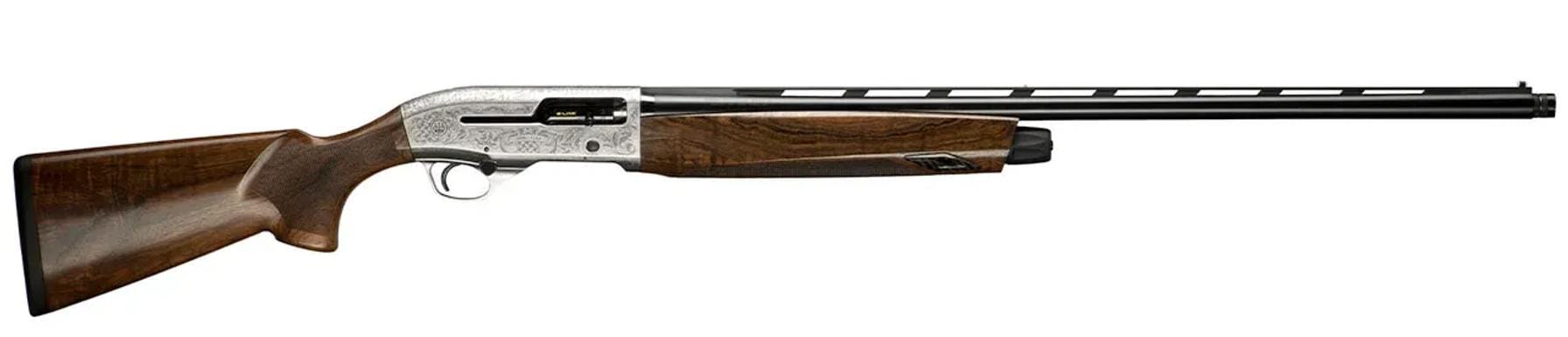
photo c/o Beretta | | Browning A5 Wicked Wing improves on their original humpback design with a 3-1/2” chamber length and a fully chrome bore for corrosion resistance. It easily handles magnum loads thanks to its recoil-operated system. |

photo c/o Browning |
What is the Best Pump Shotgun for Waterfowl?
Pumps such as the Remington 870 or Mossberg 500 are workhorse guns that have spawned multiple variations that many hunters trust.
If you are looking at one-and-done waterfowl shotguns, I recommend the Mossberg 835 Ulti-Mag for its extreme versatility. Because of its 3 ½” chamber length, I have used this shotgun to hunt everything from dove, turkey, ducks and geese, wild hogs, to sandhill cranes. The barrel is overbored to 10-gauge dimensions, reducing pellet deformation and yielding a very tight, uniform pattern.
When selecting a shotgun, test how each gun mounts to your shoulder and how steady it swings. Personal fit and how it feels will often be the deciding factor.
What Type of Shotgun Pellets are Allowed for Waterfowl Hunting?
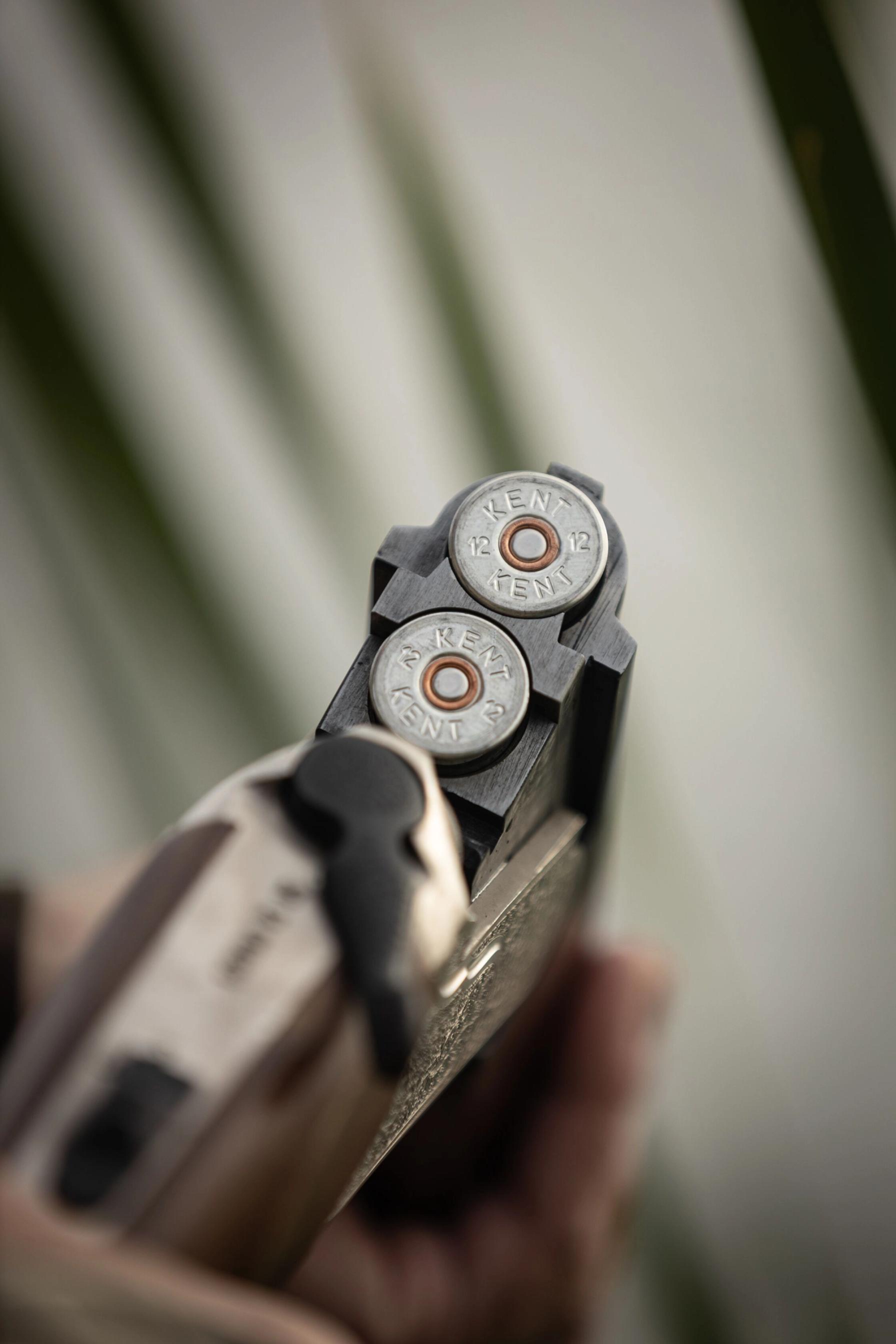
US federal law requires that you use non-toxic shot when hunting waterfowl.
Always confirm local state and refuge rules for any additional restrictions, as some areas may have special rules relating to shot type, size restrictions, or temporarily closed zones. Depending on your needs, you have several non-toxic load options for waterfowl.
Steel
Steel shot is the most common and widely available non-toxic option for waterfowl hunting. It’s more economical and easier to find than some other options, but it does have some drawbacks.
Because steel is lighter than lead, it loses energy faster and doesn’t hold to tight patterns at longer ranges. To make up for that, some hunters may go with a larger shot size and a higher velocity. Sizes such as #2 or #3 work well for ducks, and steel is most effective within 35 yards.
Bismuth
It’s a bit pricier than steel, but bismuth delivers better performance without the higher cost of more premium loads. It’s denser than steel, hits harder downrange, and costs less than tungsten. It’s also safe for older fixed-choke shotguns and performs a lot like traditional lead.
Bismuth patterns well and shines at close to mid-range distances. Many hunters use #4 or #5 shot over decoys or in thick timber.
Tungsten
Tungsten loads are the densest and most effective non-toxic options available, but they are expensive. Tungsten shot and their blends offer outstanding penetration and tight patterns, even at longer distances of 35–40 yards. Because of this, many hunters use smaller shot sizes, such as #7 or #8, to provide more pellets on target.
How to Pattern a Shotgun for Waterfowl Hunts
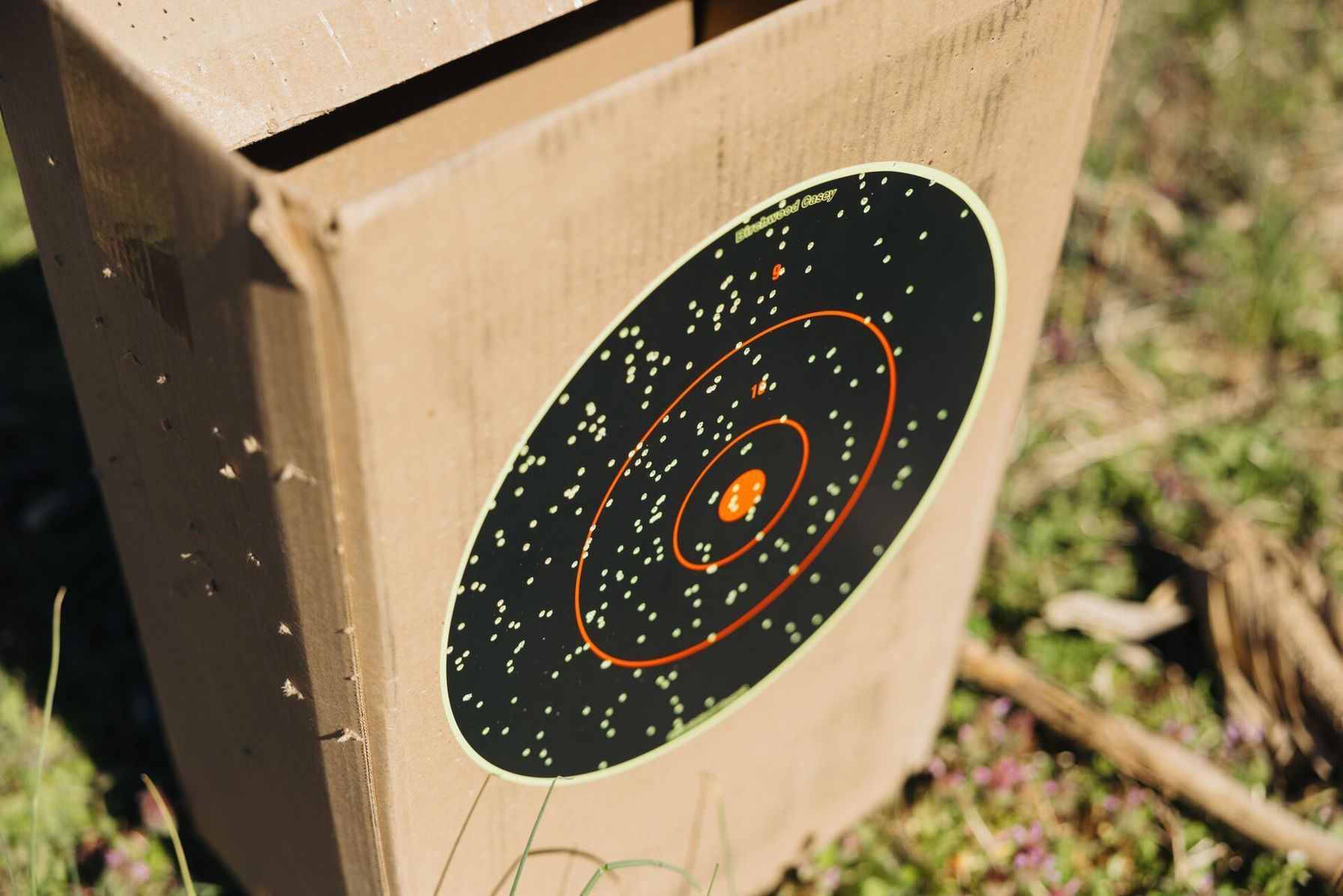
Pattern your shotgun before you hunt to verify how your gun, choke, and loads work together at the ranges you expect to shoot.
Using paper targets or commercial pattern sheets, draw a 30-inch circle, shoot from your typical hunting distance, and count how many pellets land inside the circle. As a general rule, ducks should have about 90–140 pellets in that circle: smaller teal or wood ducks need around 140, larger seaducks or canvasbacks need closer to 90. Large birds such as Greater Canada geese will need fewer, larger pellets (around 70).
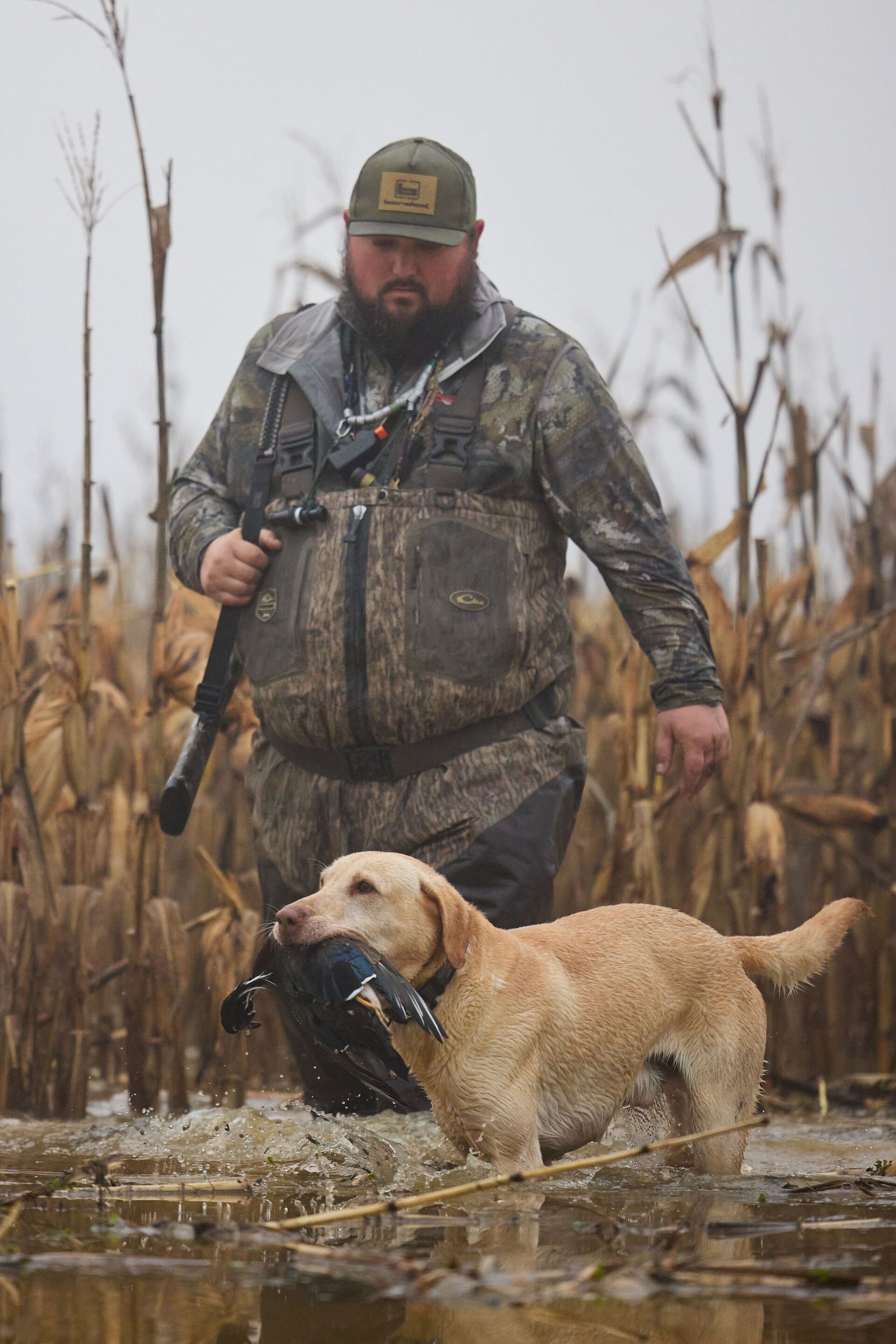
Test different chokes and loads at various distances, record the results, and choose the combination that gives the best pattern and density for your particular gun. The results might surprise you.
How to Find and Hunt Ducks and Geese
Use HuntWise’s mapping features to look for big-picture hunting factors such as roosting areas on lakes and rivers, feeding fields of waste grain or flooded agricultural fields, and flight corridors between them. Use binoculars or spotting scopes to watch waterfowl movement patterns and plan where to set up your decoy spreads and blinds.
Timing is everything: waterfowl are often most active when they feed in the early morning and return to their roosts or loafing areas later in the morning. Cold fronts and weather changes can help push birds s
outhward as they continue their migration, so keep an eye on the weather and plan to hunt when fresh birds arrive.
Decoy and Calling Tactics
Decoy spreads should be appropriate for the situation. Use larger spreads for open water or fields and smaller, more natural spreads for ponds, creeks, and rivers. Avoid overcalling—subtle, realistic calling almost always works to your advantage.
Concealment is key. Use natural vegetation to blend in and low-profile blinds to minimize shadows that may make you stand out.
Waterfowl use the wind to slow down as they make their final approach to land. Use HuntWise’s WindCast function to plan your setup so you can keep the wind at your back.
Run-and-Gun vs Blind Hunting
Decoy setups paired with blinds are most effective when birds follow consistent feeding or landing patterns. This approach takes a bit more preparation (both in scouting ahead of time and setting up before shooting light) but it can pay off when birds are well patterned.
Run-and-gun hunting offers hunters more flexibility in situations where birds are less predictable. Small, lightweight spreads work best for this mobile style, and portable options such as Texas rigs make it easier to pack up and move when you need to cover ground.
Choose the Best Waterfowl Shotguns and HuntWise for Successful Waterfowl Hunts
Whether you choose a fancy semi-auto that cycles flawlessly or a well-worn pump that’s been with you through every sunrise, confidence in your setup lets you focus on what matters most: the hunt.
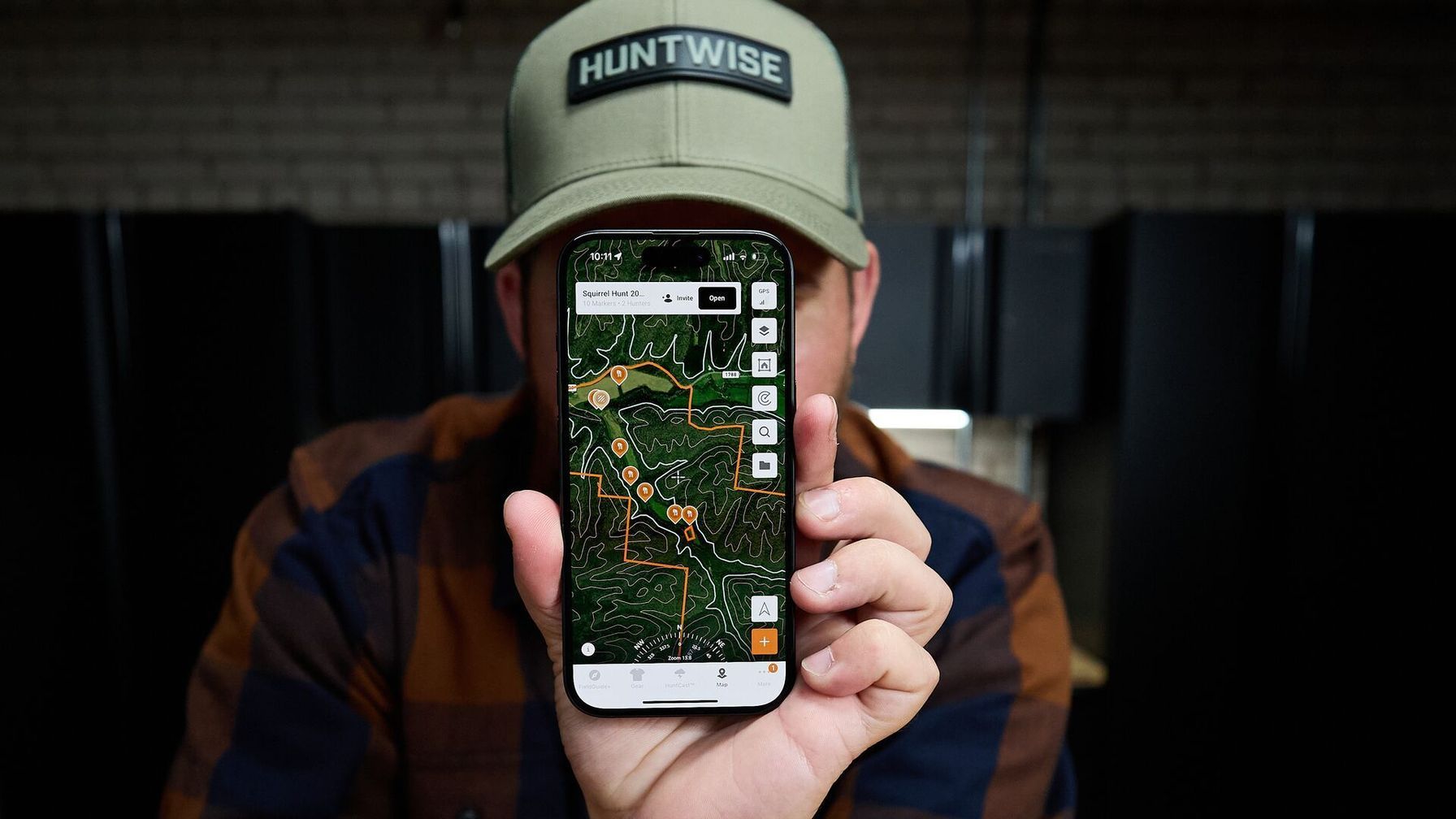
In the end, the best duck hunting shotgun is the one that feels right in your hands. No matter what waterfowl shotguns you choose, download HuntWise to help you find success on your next duck hunt. Use the mapping features to scout your hunt, then let HuntCast and WindCast help you set your decoys and blind in the best locations to bring the birds in.
Frequently Asked Questions (FAQs)
We have answers to questions about waterfowl shotguns!
Q: What type of shotgun pellets are allowed for waterfowl hunting?
A: Only non-toxic shot (e.g., steel, bismuth, tungsten) is allowed for waterfowl hunting. Lead shot is prohibited for waterfowl in the U.S.
Q: What is the best shotgun for waterfowl hunting?
A: There’s no single “best” shotgun for waterfowl hunting, but hunters often favor 12-gauge pump or semi-auto shotguns with synthetic stocks that handle mud, rain, and cold well.
Q: What is the best semi-auto shotgun for waterfowl?
A: Popular, well-proven semi-auto shotguns for waterfowl include the Benelli Super Black Eagle series, Beretta A400, and Browning Maxus. These shotguns are all known for reliability in rough, wet conditions.
| The Benelli Super Black Eagle 3 (SBE3) uses an inertia-driven system that does not require adjusting when switching from light field loads to magnums. The SBE3 is equipped with an oversized bolt handle and safety, making this longtime favorite for waterfowl a great choice when shooting with gloves. | |
| The Beretta A400 Xtreme uses a gas system and is known for its reliability and soft recoil, lightweight design, and smooth handling. | |
| Browning A5 Wicked Wing improves on their original humpback design with a 3-1/2” chamber length and a fully chrome bore for corrosion resistance. It easily handles magnum loads thanks to its recoil-operated system. | |


