

On national wildlife refuges (USFWS refuges), trapping is generally allowed on a permit basis, as there is no complete closure. National Park Service (NPS) areas are typically closed to trapping unless specially authorized.
Regulations also differ in strictness, as California, Colorado, and New Mexico typically have some of the tightest trapping regulations in the country. Within these states, regulations vary further: California and Colorado have statewide device bans, whereas New Mexico enforces only a public-land ban.
Issues arise when trapping land with blended management control, as a BLM parcel may be legal to trap while adjacent NWR or NPS boundaries a quarter-mile away may completely prohibit trapping and the parcels appear identical on the map.
The question then becomes: How can you trap on public land with so many different legal classifications? In this guide, we break down the HuntWise Public Land Layer and how this overview shows managing agencies on any parcel, how to find and trap public land, and must-know regulations and strategies for public land trapping.
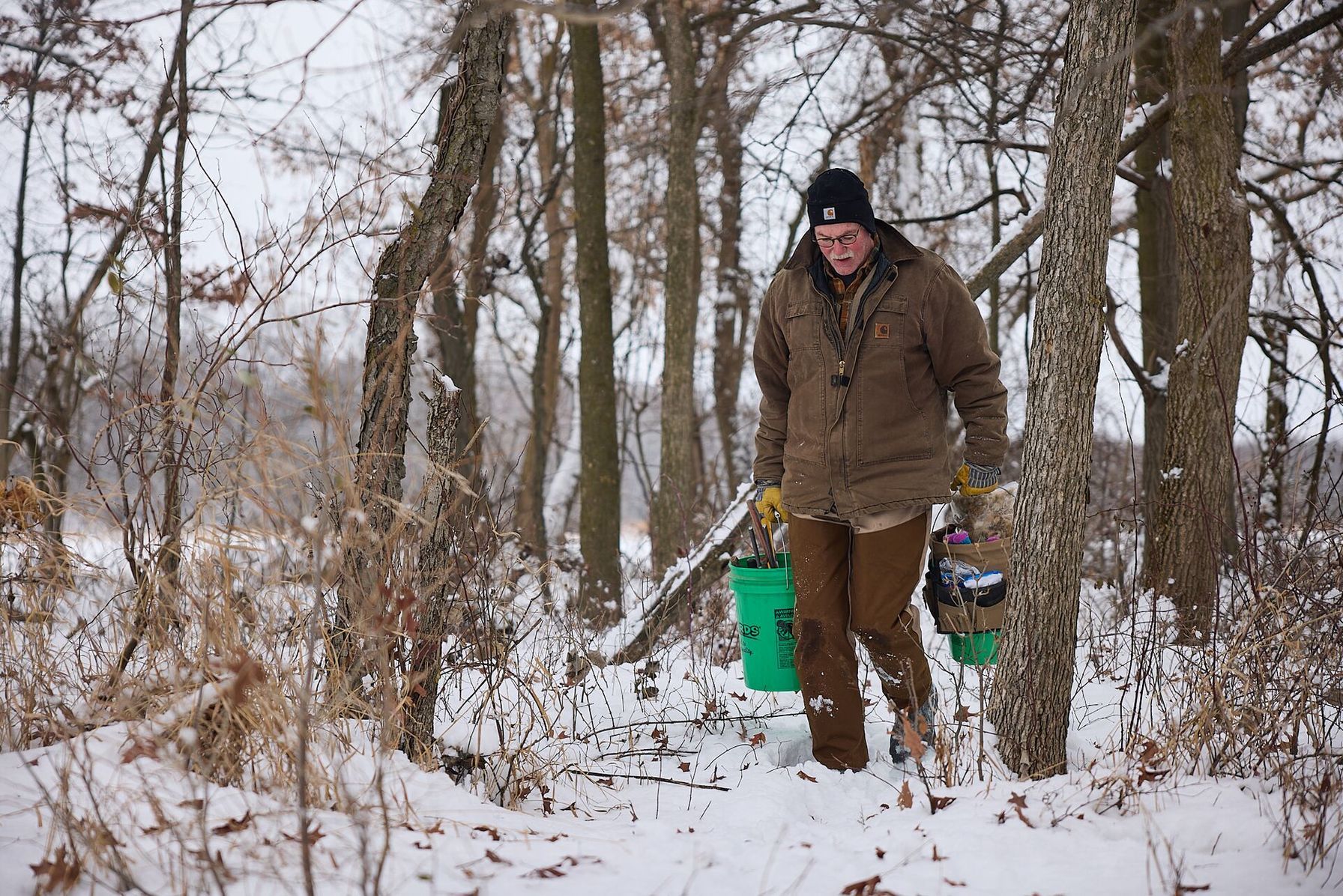
Federal Public Land and Trapping: What BLM, USFS, USFWS, and NPS Actually Allow
Trapping regulations can be confusing because federal and state laws overlap, and rules and restrictions vary across national parks, preserves, and other public lands managed by different agencies. Use the information below for a simple overview of the different federal public land agencies and what they allow regarding trapping.
- BLM: State law generally permits trapping on the approximately 245 million acres of Bureau of Land Management zones. A license may be required and will be issued via the relevant state wildlife agency.
- USFS: State law generally permits trapping on National Forests and Grasslands; however, some forests require a separate permit for fixed structures such as trapping cabins.
- USFWS: US Fish and Wildlife Service lands vary widely. Some refuges may run recreational trapping programs that require a Special Use Permit when a harvestable surplus of furbearers exists. Others may prohibit hunting or limit permits.
- NPS: Trapping is allowed only on National Park Service land when specifically mandated by Federal Statute. Otherwise, it is closed by default. For context, trapping is currently permitted in only 31 of over 400 units.
The four major land management agencies each have their own approaches, regulations, restrictions, and permit allocations for trapping. Know who manages the land before setting a trap. Use the table below as a reference for trapping public land access by federal agency.
Public Land Trapping Access by Trapping Status | ||
|---|---|---|
| Agency | Land Type | Trapping Status |
| BLM (Bureau of Land Management) | BLM land | Generally open, subject to state law and license |
| USFS (U.S. Forest Service) | National Forests and Grasslands | Generally open, subject to state law. Permit required for permanent structures. |
| USFWS (U.S. Fish & Wildlife Service) | National Wildlife Refuges | Varies by refuge. Recreational trapping often allowed by Special Use Permit where compatible with refuge purpose. |
| NPS (National Park Service) | National Parks and Preserves | Closed by default unless specifically authorized by the park's enabling legislation. Allowed in a minority of units. |
| State wildlife agency | WMAs, State Forests, State Game Lands | Varies by state; open, permit/lottery, or banned |
Agencies lay the foundation for the regulatory framework, while states may impose additional restrictions on seasons, species, trap types, licensing, and other requirements. Always confirm land management in a trusted app and with the relevant authority.
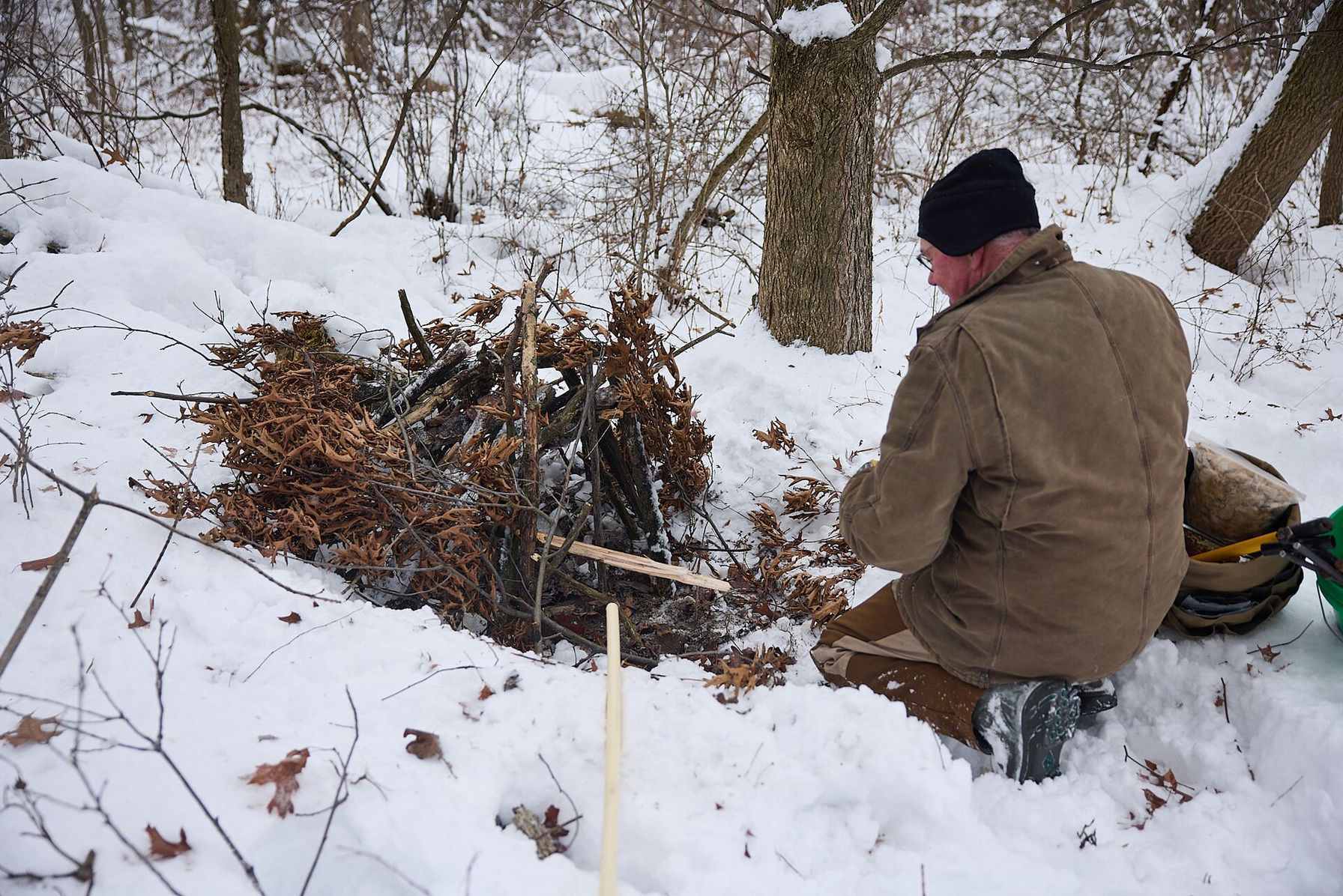
State Trapping Laws on Public Land: Where Bans and Restrictions Apply
Public land offers some of the best trapping opportunities, from furbearers like bobcats to water-trapping species like beavers and muskrats. While most states allow trapping on one or more public hunting lands, some states are more restrictive in how they administer and regulate trapping.
Explore the must-know states below to note the bans and restrictions that apply, so you don’t get caught out.
- California: Under Prop 4 (1998), body-gripping traps such as leghold, conibear, and snares are banned on both public and private land. Cage/box traps are legally permitted.
- Colorado: There’s a statewide ban (public and private) on leghold traps, instant-kill body-gripping traps, poison, and snares under Amendment 14 (1996). Exemptions of 30 days may be provided for confirmed crop or livestock damage. Cage/box traps are legally permitted.
- New Mexico: Roxy’s Law, first introduced in 2021 and enforced in 2022, prohibits traps (including cage traps), snares, and poison on public land. This law does not apply to private land. A federal appeals court upheld Roxy’s Law in 2026 after an appeal.
- Montana, Idaho, and Pennsylvania: Trapping is permitted across most public land allocations in these states (and similar states) under state fur-bearing regulation.
Specific regulations such as license costs, season dates, and exact device rules can also vary by state and change year to year. Always check the relevant wildlife agency, Department of Natural Resources (DNR), or fish and game commission website and reach out to the wardens if you're unsure.
State Wildlife Management Areas: Permits, Lotteries, and Unit-Specific Rules
If you plan to trap on state WMAs, you may need additional requirements, such as a separate permit in addition to the standard trapping license. Units may also differ in their approach to trapping allocations, with some using a lottery draw for limited slots, particularly for highly sought-after furbearers like bobcats.
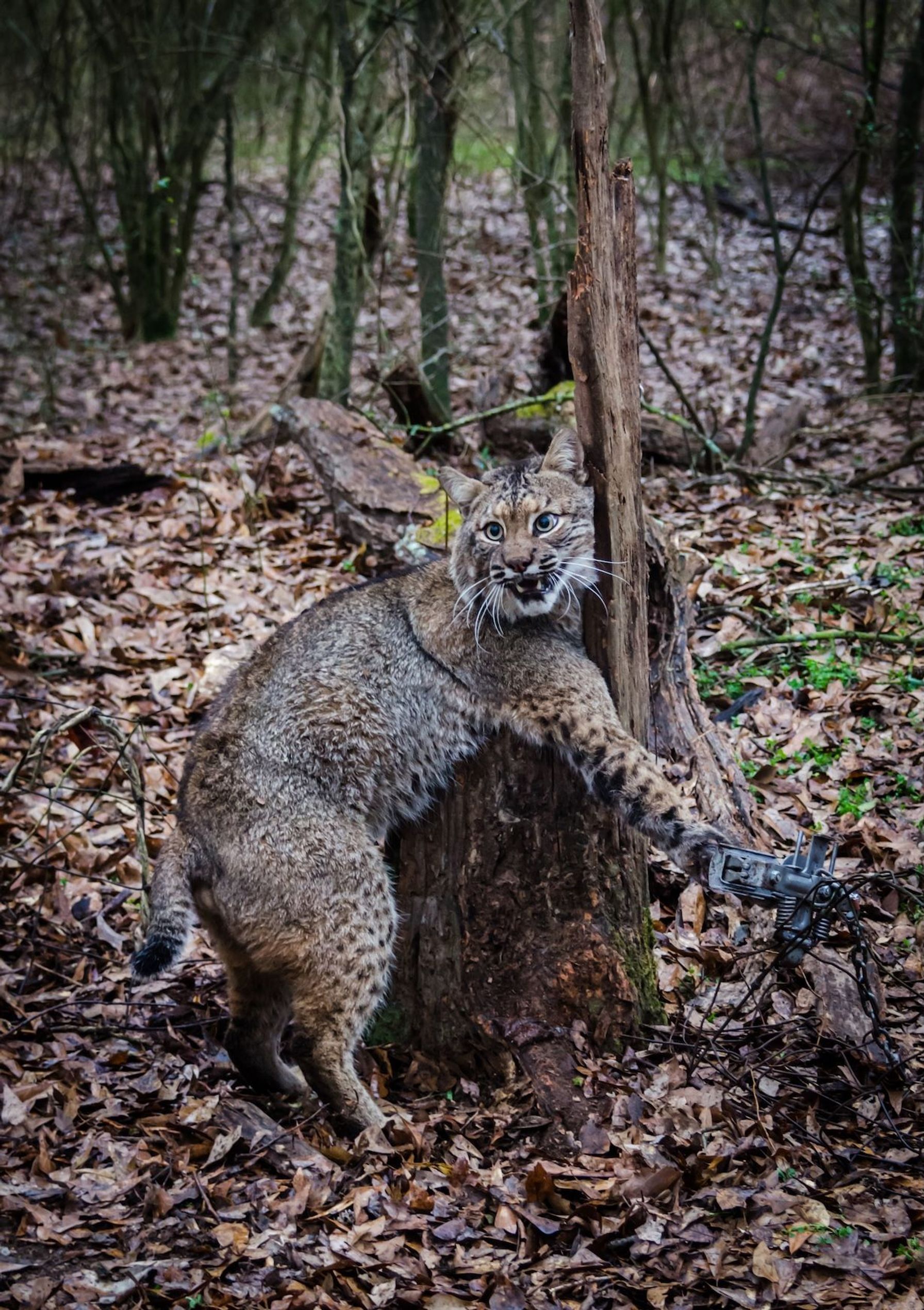
Regulations can also change from unit to unit within the same state. A statewide trapping license doesn’t necessarily grant you access to every WMA within that state. Always check the state rules with a trusted source like HuntWise and confirm with the agency if in doubt.
Can You Trap on Public Land? How to Confirm You Can Legally Trap on a Public Land Parcel
Agency boundaries aren’t always marked, and blended zones with multiple management patches can be confusing. Use the workflow below before heading out into the field to start laying traps.
- Open your HuntWise app and activate the Public Land layer to scout your intended trapping zone.
- View the managing agency for the intended parcel. Remember, BLM and USFS land is generally open for trapping; USFWS varies by refuge; and NPS is prohibited unless specifically permitted.
- Once confirmed, check state trapping regulations, especially for trap types. Recall California, Colorado, and New Mexico have the most prohibitive laws in the country, so review them thoroughly.
- If the intended parcel is a state WMA, confirm whether unit-specific permits or lottery draws are necessary to set traps.
- Check minimum setback distances from roads, trails, and campgrounds. Use the HuntWise satellite layer to set this up before you head out to the field by measuring your planned set.
- Tag every trap with a state-mandated permanent ID marker and log the required check-interval schedule before leaving the parcel.
By following this sequence, you’ll have an all-in-one action plan that clearly maps the different land management zones, helping you avoid guesswork and potential trespassing or legal issues.
Golden Rules for Trapping on Public Land
When you ask, “Can you trap on public land?” knowing whether trapping is permitted in a particular zone is only step one. Run through the following final tips before heading into the field to stay compliant and make the most of your trapping efforts.
- State road and trail setbacks generally range from 50 to 300 feet, but always confirm the state-specific requirement.
- Tag every trap with a weather-resistant, state-compliant ID tracker.
- Check traps within the required interval. This is typically 24 to 96 hours, depending on land and species, but confirm with the relevant state agency.
- If the state uses a lottery or requires a permit, make sure you have it before trapping.
- Download the current furbearer regulation guide from your state wildlife agency and read through it carefully.
Remember that rules can change from state to state and even from unit to unit within a state. Start with your intended trapping parcel, confirm the managing agency, and confirm the specific rules and regulations.
Public Land Trapping Success Starts With HuntWise
Legal trapping on public land comes down to three key considerations: the relevant agency, state law, and unit-specific rules. Without carefully addressing these administrative considerations and how they affect a trapping zone, you may risk trespassing or another infraction.
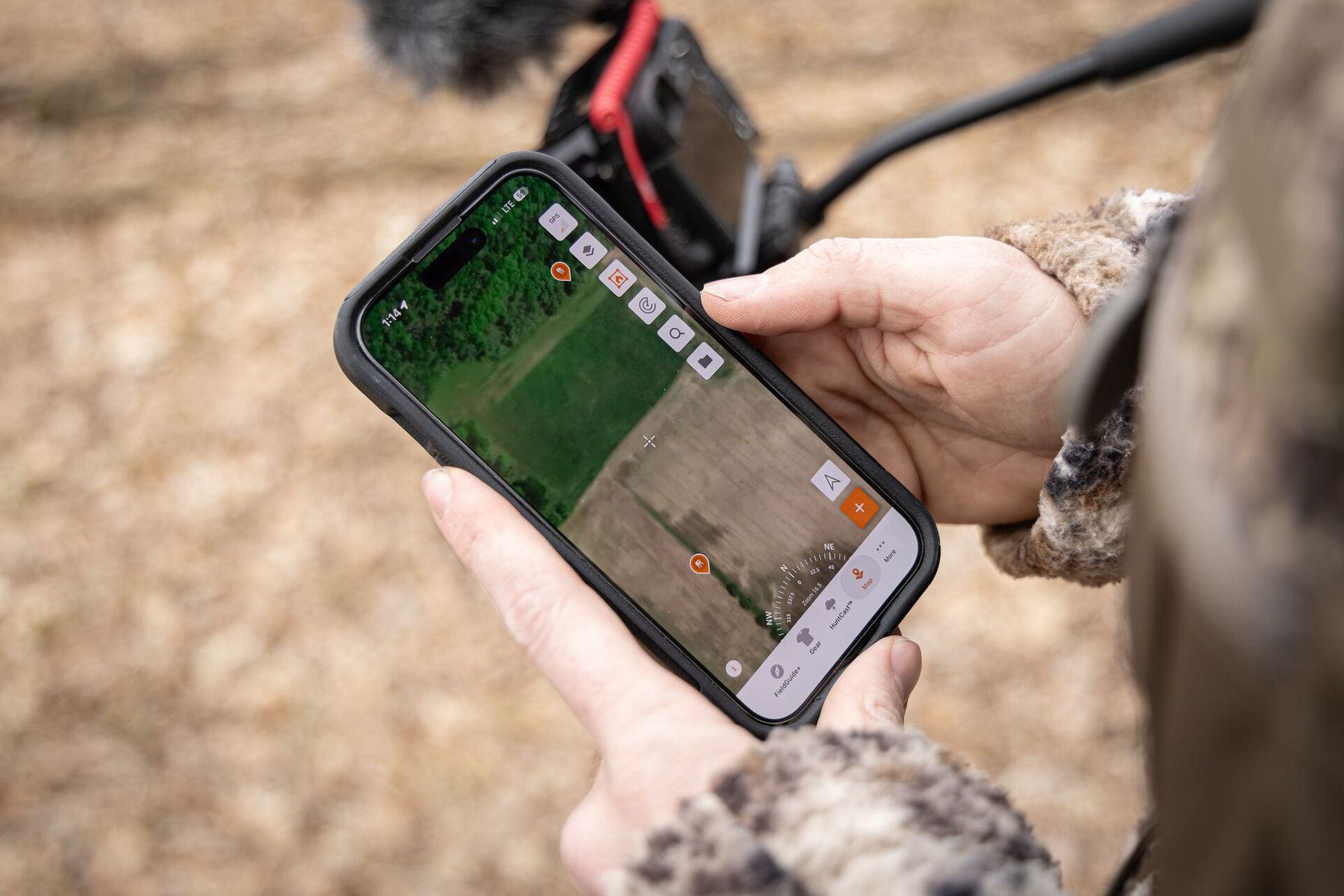
Boundary lines aren’t always visible in the field, so a mapping tool that clearly delineates different land management zones is essential. With the Public Land layer from HuntWise, you’ll see all land allocations in one layer, making it an essential first step before heading out to trap.
Start your HuntWise free trial today for better public land trapping success!
Frequently Asked Questions (FAQs)
Q: Can you trap on BLM land?
A: Generally, yes. Trapping is allowed on Bureau of Land Management (BLM) land under applicable state trapping regulations. You may need a state trapping license and must follow restrictions on trap types, seasons, setbacks, and species. Check for additional restrictions on the specific parcel before setting traps.
Q: Is trapping allowed on National Wildlife Refuges?
A: It depends on the refuge. Some National Wildlife Refuges (NWRs) allow recreational trapping through designated programs, while others restrict or prohibit it. Refuges that allow public trapping may require a federal Special Use Permit in addition to the applicable state trapping license. Contact the individual refuge office to confirm its rules.
Q: Which states have banned trapping on public land?
A: New Mexico has a broad prohibition on trapping, snaring, and using wildlife poison on public land under the Wildlife Conservation and Public Safety Act, also known as Roxy's Law. Limited exceptions apply. Check current state regulations for the specific restrictions that apply where you plan to trap.
Q: Do I need a permit to trap on a state Wildlife Management Area?
A: Possibly. A standard state trapping license may not authorize trapping on every Wildlife Management Area (WMA). Some units require additional permits, limit the number of trappers, or use lottery drawings for certain species. Check the specific WMA regulations and contact the managing state wildlife agency before setting traps.
Q: How do I know which agency manages a specific parcel of public land?
A: Use a public land map or mapping app to identify the agency responsible for the parcel. Federal lands may be managed by the BLM, U.S. Forest Service (USFS), U.S. Fish and Wildlife Service (USFWS), or National Park Service (NPS). Check the agency's official maps or contact its local office to verify the designation. Remember that adjacent parcels may have different managers and trapping rules.
Q: Is trapping allowed in national parks?
A: Generally, no. National Park Service regulations prohibit trapping unless federal law specifically authorizes it. Trapping is currently authorized in 31 of more than 400 NPS units, primarily where legislation provides for it. Even in those locations, additional federal and state regulations apply. Check the individual park's rules before bringing or setting traps.
Q: What happens if I set a trap on land I mistakenly believed was open to trapping?
A: You may still face legal consequences, even if the mistake was unintentional. Depending on the location and circumstances, violations can result in citations, fines, trap confiscation, license suspensions, or criminal charges. In New Mexico, for example, violating Roxy's Law is a misdemeanor, and each trap can count as a separate violation. If you discover a trap is on restricted land, contact the managing agency or a wildlife officer for instructions on how to address it.


