

While whitetails may still be the most sought-after game animal in the Buckeye State, upland hunters, both novice and experienced, are accessing exciting and productive pheasant hunts, mainly due to stocked birds. Additionally, pheasant hunting Ohio benefits from the blended landscape of plains, river valleys, and fertile farmland, including cornfields, which produce elite hunting locations.
If you’re ready to explore more about pheasant and upland hunting opportunities, then keep reading as we talk about key season dates and location insights below.
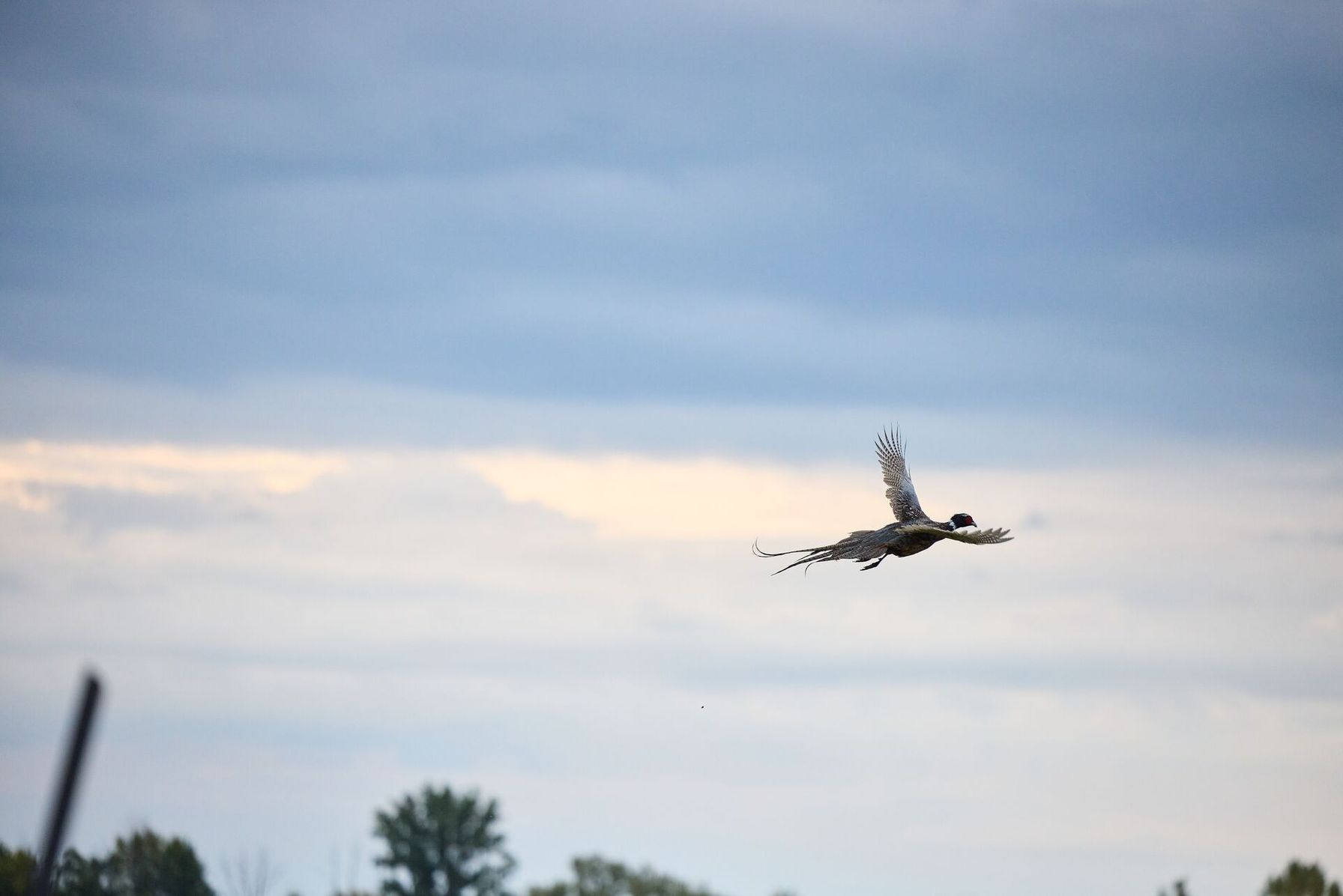
Where Can You Hunt Pheasants in Ohio?
The Ohio Department of Natural Resources (ODNR) stocks pheasants at select wildlife areas, including Kokosing, Pickerel Creek, Parkersburg, Funk Bottoms, East Fork, Pater, and Fallsville South, providing hunting opportunities across the state.
Additional prominent wildlife area locations include:
Where to Find Stocked Pheasant Hunting in Ohio | ||
|---|---|---|
| Charlemont Metro Park (Lorain County) | Fallsville | Spencer |
| Appalachian Hills | Grand River | Spring Valley |
| Berlin | Highlandtown | Tiffin River |
| Caesar Creek | Indian Creek | Tri-Valley |
| Camp Belden | Oxbow Lake | West Branch |
| Darke | Resthaven | Wyandot |
| Delaware | Rush Run | Zepernick |
From these locations, you can access decent public hunting opportunities and even private hunts if you secure written hunting permission from landowners.
How to Plan a Pheasant Hunt in Ohio
A little planning keeps you legal and puts you where the birds are. Follow these steps before opening day.
- Check your license and hunter education. Ohio requires a hunting license to hunt pheasants. First-time buyers must complete hunter education first, unless they buy an apprentice license. An apprentice license lets new hunters hunt with an experienced, licensed hunter before they take the course.
- Confirm the dates, limit, and hours. You can take two roosters a day, and hens are off limits. Legal hours run from sunrise to sunset. Ohio also holds two youth small game weekends before the opener, October 24–25 and October 31–November 1, 2026.
- Pick a stocked public area. ODNR releases roosters at designated wildlife areas on the youth weekends and throughout the season. Check ODNR’s 2026 release schedule to find the closest area and its release dates.
- Check each area’s access rules. Some areas are open to pheasant hunters only with a controlled access permit, including Urbana Wildlife Area, Mosquito Creek Wildlife Area, and Coldwater Creek Nature Corridor. Other areas require a permit on set days. Ringneck Ridge Wildlife Area requires a special permit from the Sandusky County Park District.
- Scout with HuntWise. Open the app to view public land boundaries, drop pins on parking spots and likely cover, and check wind and weather for your hunt day. Save your maps for offline use before you head out, since rural cell service can fade.
- Plan for hunter orange. Pheasant season overlaps Ohio’s deer gun and muzzleloader seasons. During the youth deer gun, deer gun, and muzzleloader seasons, anyone hunting any animal except waterfowl must wear a solid or camouflage hunter orange vest, coat, jacket, or coveralls. This rule applies statewide.
- Plan around the crowds. Release days and opening weekend draw the most hunters. Hunt on a weekday when you can, and pick a release day if you want the freshest birds.
- Pack your gear. Bring your shotgun, shells, license, water, and a first aid kit. A dog helps you find and recover birds, so bring one if you have one. Read each area’s posted rules before you start walking.
Pheasant hunting rewards the hunter who does the homework. Choose your area, confirm the access rules, and scout with HuntWise before you go. Then you can spend opening day hunting instead of sorting out where you’re allowed to be.
Private Preserves and Guided Hunts
For an introductory or more targeted approach to pheasant hunting Ohio, there are excellent opportunities to hunt private preserves and undertake guided hunts.
Some options include Cherrybend Pheasant Farm in Wilmington, a 640-acre guided preserve offering pheasant, quail, and chukar, and Federal Valley Hunting Preserve in Southeastern Ohio, which is a private upland experience with cover tailored for pheasant hunting. Buckeye Pheasant Hunting also offers quality guided pheasant and quail hunts in Southwest Ohio.
Much of the quality pheasant habitat in Ohio relies on the Conservation Reserve Program (CRP), which incentivizes landowners to own and maintain quality blocks of grassland habitat and acreage. Similarly, the Walk-in-access program offers public access to prime private hunting land.
Again, leverage the HuntWise special mapping features to find Walk-in Access areas. With the app, you'll gain an instant visual of public and private land boundaries in Ohio.
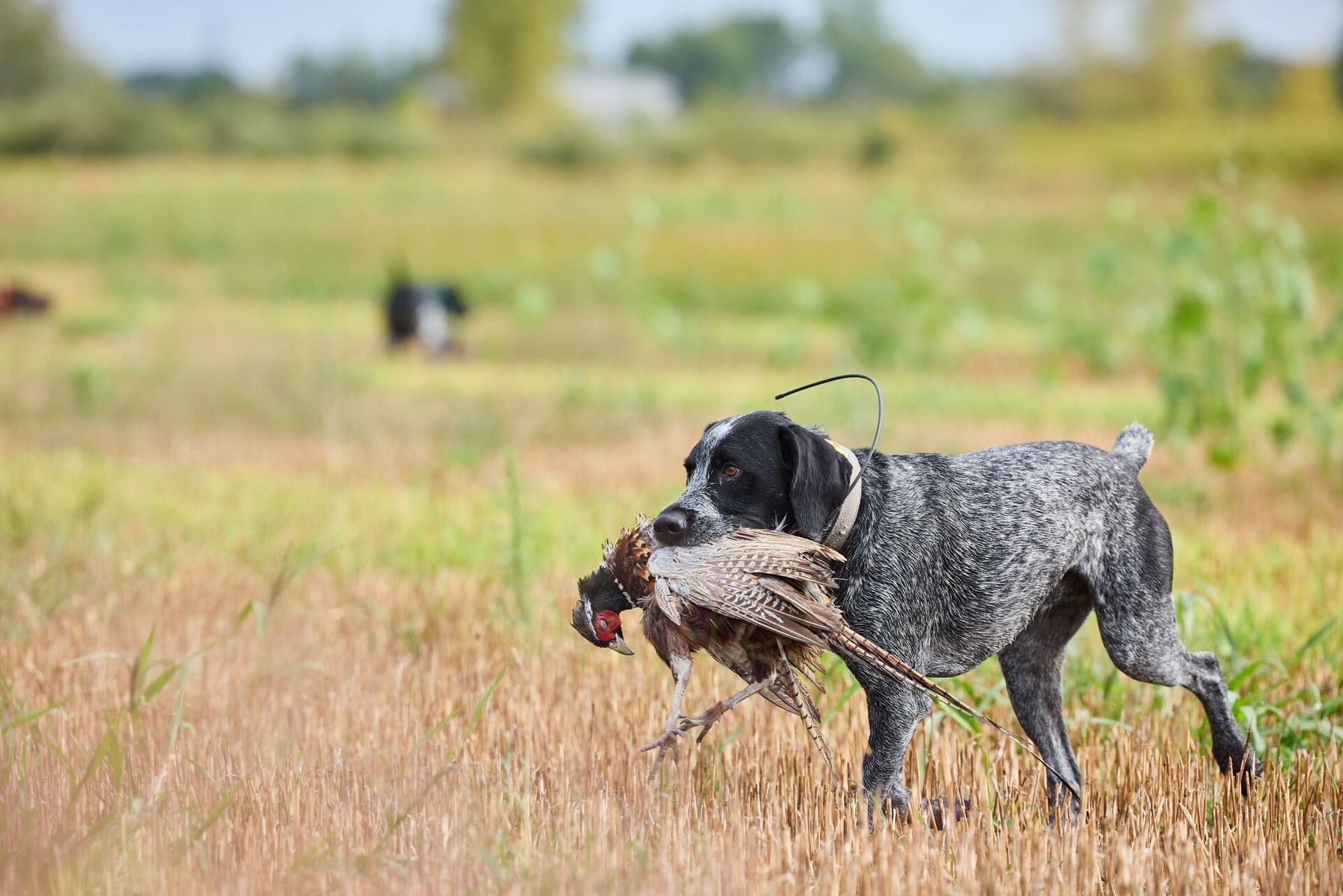
When Is Pheasant Season in Ohio?
The Ohio pheasant season usually begins in early November. The opening of this season is highly anticipated, which can lead to significant hunting pressure, especially on opening weekend.
Ohio Pheasant Hunting Season 2026–2027 | |
|---|---|
| The general season for the 2026-2027 roster for regular ring-necked pheasant hunting (roosters only) opens November 6, 2026, and closes January 10, 2027. | Additionally, the state offers special youth-only weekends, running from October 24–25 and October 31–November 1, 2026, for small game hunting (including pheasants). |
Do I Need a Special License for Pheasant Hunting Ohio?
All hunters, whether resident or non-resident, need a valid Ohio hunting license. All first-time hunting license buyers in Ohio will be required to complete hunter education training and obtain a safety certificate.
- A resident adult license (ages 18 to 64) costs $19. Youth licenses (17 and younger) cost $10, and resident senior licenses (65 and older) cost $10.
- A nonresident license costs $180.96. Nonresidents can also buy a 3-day license for $40.56. It is not valid for deer, turkey, or furbearers.
There is also the option to hunt under an apprentice license, which allows new hunters to hunt under the mentorship of a licensed adult. New hunters can also buy an apprentice license and hunt before they take hunter education. Apprentice hunters must hunt with a licensed hunter who is 21 or older.
While not obligatory, we also recommend keeping up to date with additional training, such as a relevant first aid certificate, for extra safety in the field.
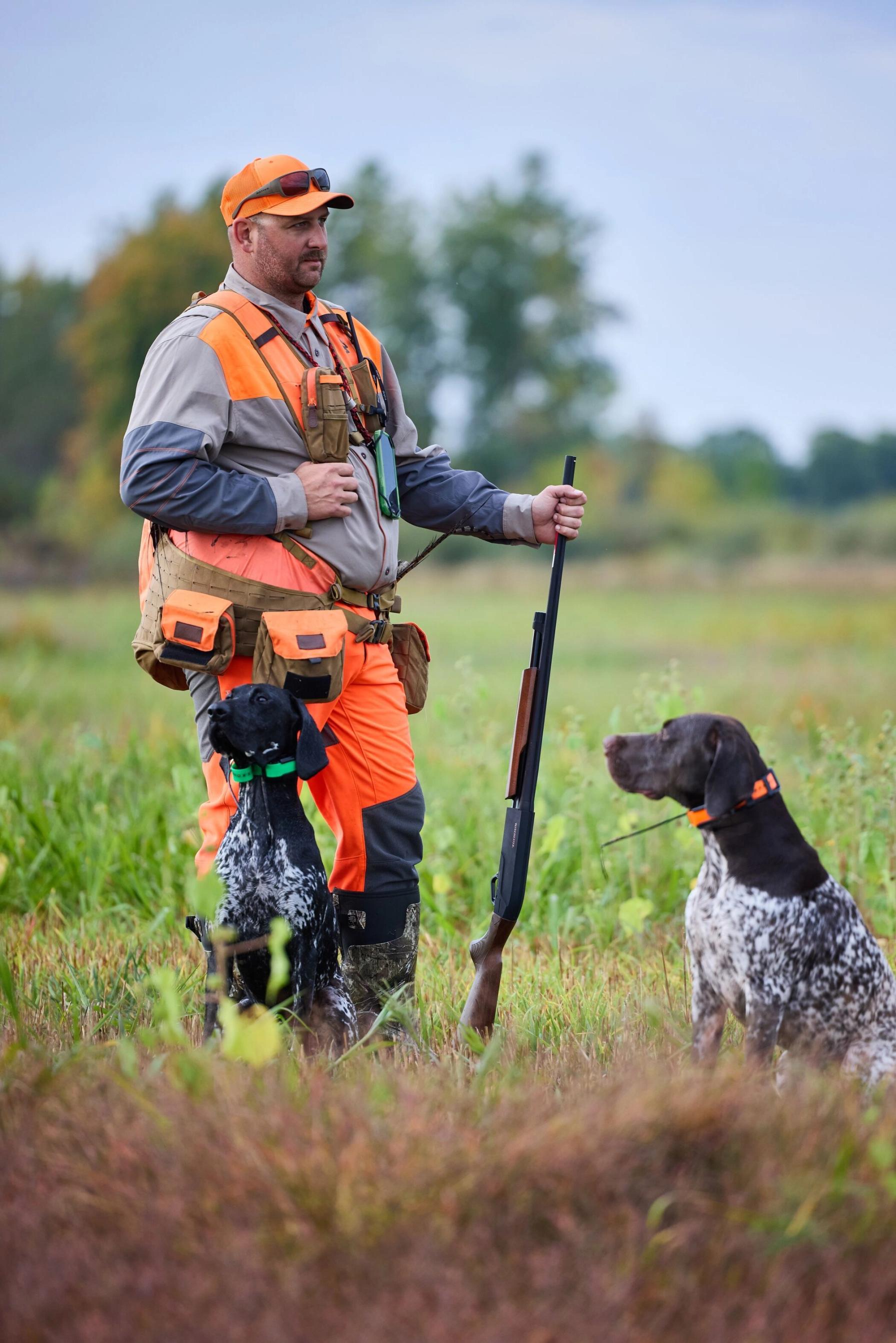
What Is the Daily Bag Limit for Pheasants in Ohio?
The daily limit for roosters is two ring-necked pheasants per day (males only). The possession limit is no more than two pheasants in the field while hunting or returning from hunting.
Note that when enjoying Ohio public land pheasant hunting, possessing, or transporting hen pheasants is strictly prohibited unless they are legally tagged from another lawful acquisition.
How Does the Weather Affect Pheasant Hunting?
Learning to read and understand weather patterns and movements is crucial to understanding pheasant behavior and movements.
In general, pheasants prefer mild weather with sufficient rain to maintain vegetation growth, which is essential for nesting, breeding, and eating. The mild winters and dry springs of Ohio are elite as they promote better overwinter survival and nesting success. ODNR biologists note stable-to-improving pheasant populations following such weather patterns.
Regarding day-to-day weather movements, cool, still mornings are often associated with higher pheasant activity as birds feed or move actively, providing stronger hunting opportunities. However, the impact of rain and wind on bird movements can vary.
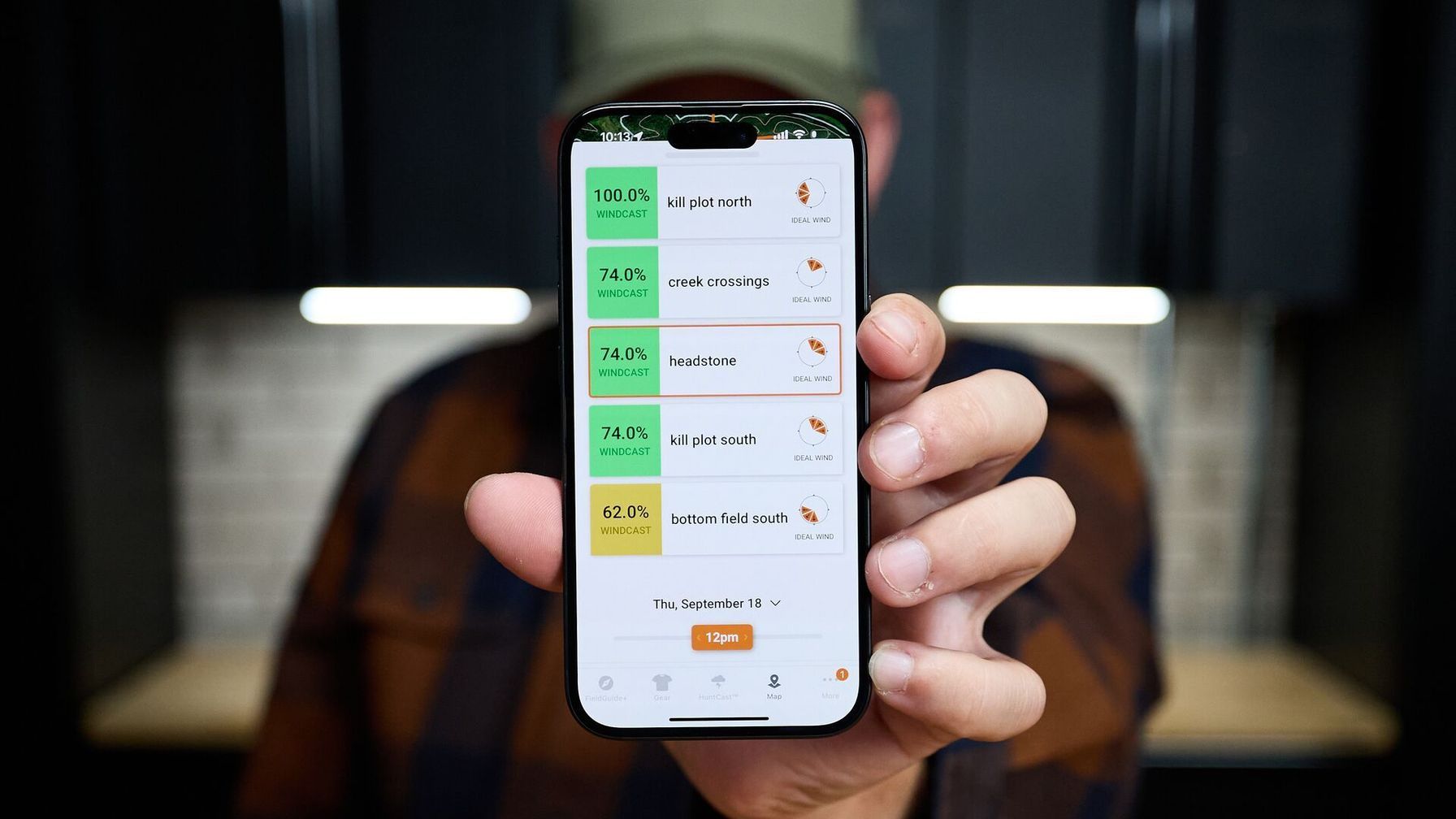
Some hunters report birds sitting tight during rainfall, allowing for a closer stalk and shot. Wind can spark erratic behavior or force birds to sit tight in cover. To stay on top of weather impacts and movements, use the HuntWise WindCast feature to track wind direction and predict pheasant movement to help you plan your hunt.
The Ohio Pheasant Season is Ready and Waiting With HuntWise
With expansive pheasant stocking, a range of different hunting land access opportunities, and a fairly straightforward licensing process, the Ohio pheasant season is the perfect option for beginners and experienced hunters alike.
If you're ready to start planning your next pheasant hunt in the stunning natural environments of Ohio, then get started today with HuntWise. With features such as mapping overlays, including public and private land lines, and weather insights, you'll be able to get away from the crowd and access less-pressured quality pheasant hunting in Ohio.
Frequently Asked Questions (FAQs)
We have answers to your questions about pheasant hunting in Ohio!
Q: When can you hunt pheasants in Ohio?
A: The 2026-27 Ohio pheasant season runs November 6, 2026, through January 10, 2027. You can take males only, and legal hours run from sunrise to sunset. Ohio also offers two youth small game weekends before the opener, October 24–25 and October 31–November 1, 2026.
Q: Are there any wild pheasants left in Ohio?
A: Yes, but wild populations are small. ODNR’s 2025 survey found wild pheasants most abundant in south-central and northwestern Ohio. The population has stayed stable over the past five years in the surveyed area. ODNR also releases more than 14,000 rooster pheasants at 41 public hunting areas.
Q: How much does pheasant hunting cost in Ohio?
A: Public land pheasant hunting costs the price of a hunting license. A resident license costs $19, and a nonresident license costs $180.96. Nonresidents can also buy a 3-day license for $40.56. Ohio does not require a separate permit or stamp for pheasants. Controlled access hunts carry a $3 nonrefundable application fee per hunt. Private preserve and guided hunt prices vary by operator, so confirm pricing before you book.
Q: Where is the best public land pheasant hunting in Ohio?
A: Killdeer Plains, Tri-Valley, and Delaware wildlife areas receive the largest 2026 releases open to public hunting. Killdeer Plains also offers permit-only fields. Check ODNR’s release table to match your hunt to an area and a release date.
Q: How difficult is pheasant hunting?
A: Pheasant hunting is moderately challenging. Pheasants run, flush fast, and often hold tight in thick cover. Good shooting, habitat knowledge, and a well-trained bird dog improve your odds.
Q: Do you have to wear hunter orange for pheasant hunting in Ohio?
A: Not all season, but you need it during the deer gun seasons. Anyone hunting any animal except waterfowl must wear a solid or camouflage hunter orange vest, coat, jacket, or coveralls during those seasons. The 2026-27 dates are November 21–22, November 30–December 6, December 19–20, and January 2–5, 2027. The rule applies to public and private land.
Q: Do you need a permit to hunt pheasants on Ohio public land?
A: Sometimes. Pheasant hunting at Urbana Wildlife Area, Mosquito Creek Wildlife Area, and Coldwater Creek Nature Corridor is open only to hunters with a controlled access permit. Select fields at other areas require a permit on Thursdays, Fridays, and Saturdays from October 15 to November 15, the Wednesday before Thanksgiving, and Thanksgiving Day. ODNR issues these permits through a lottery with applications each July. Ringneck Ridge Wildlife Area requires a special permit from the Sandusky County Park District.


