

While strategies and devices may have changed, the passion and dedication exhibited during the Missouri trapping season remain unmatched. Whether you're a seasoned trapper carrying the legacy of early tradespeople or you're interested in learning more about how trapping works in Missouri, this guide will give you everything you need to get started, including details about dates, species, and insider tips.
When Is Trapping Season in Missouri (And How Long Is It)?
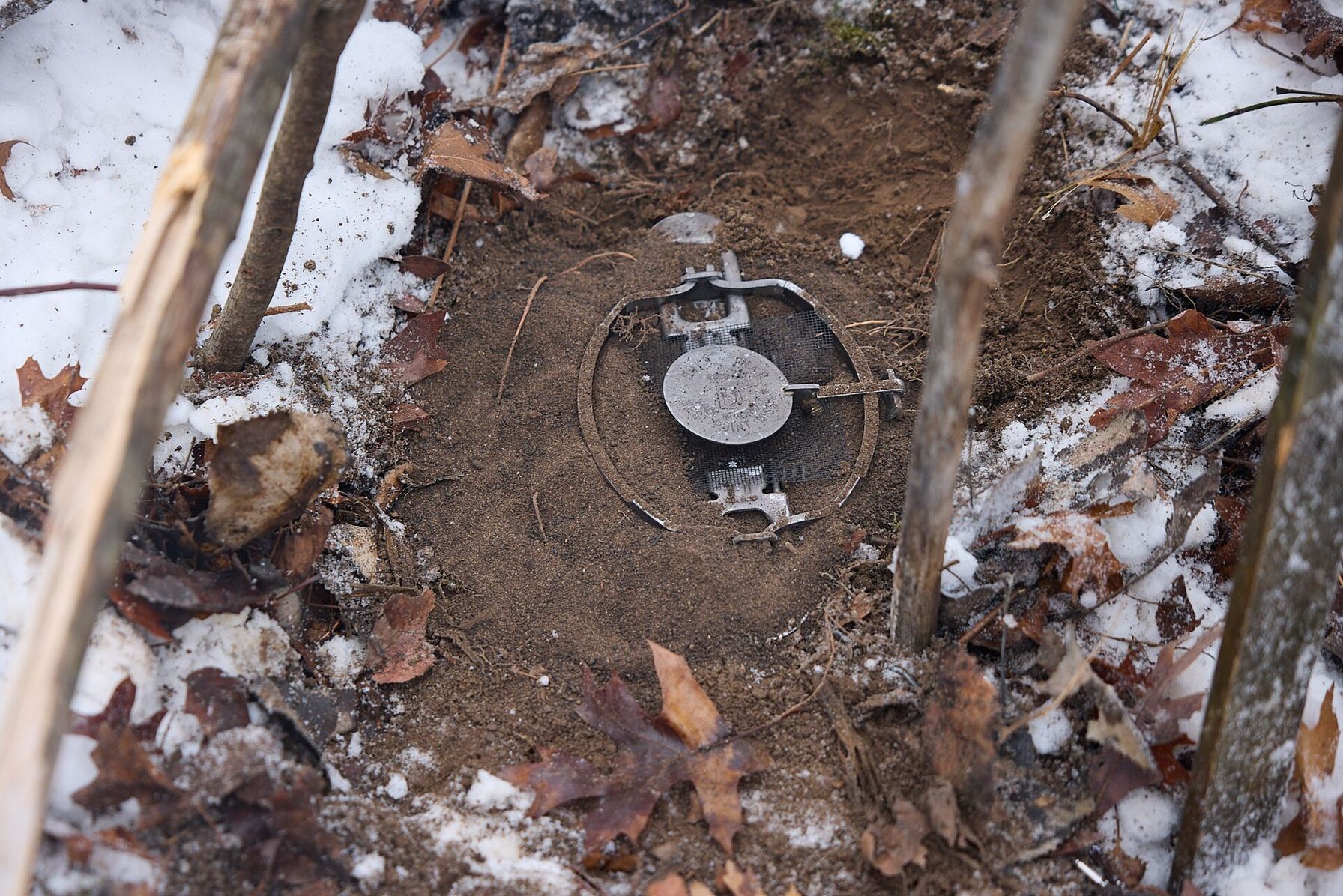
The Missouri trapping season generally begins in mid-November and runs through to late February or early March. However, these windows may change depending on your target species and may include earlier start dates or extended private-land seasons.
The general trapping season covers most furbearing creatures, including raccoon, beaver, coyote, and bobcat.
Main Furbearer Season
The Missouri furbearer season typically runs from November 15–February 28. Species covered by this season include coyote, fox, bobcat, mink, and muskrat. For aquatic furbearers such as beaver and nutria, Missouri often extends the season to March 31.
The Missouri Department of Conservation (MDC) sets season dates. Refer to the MDC webpage to double-check dates for your target species.
Early Furbearer Season
The MDC provides extended seasons for species such as raccoons and opossums due to population increases and nuisance incidents. The season runs from August 1–October 15, and only foot-enclosing traps and cage-type traps may be used during this time.
Extended Season (Private Land)
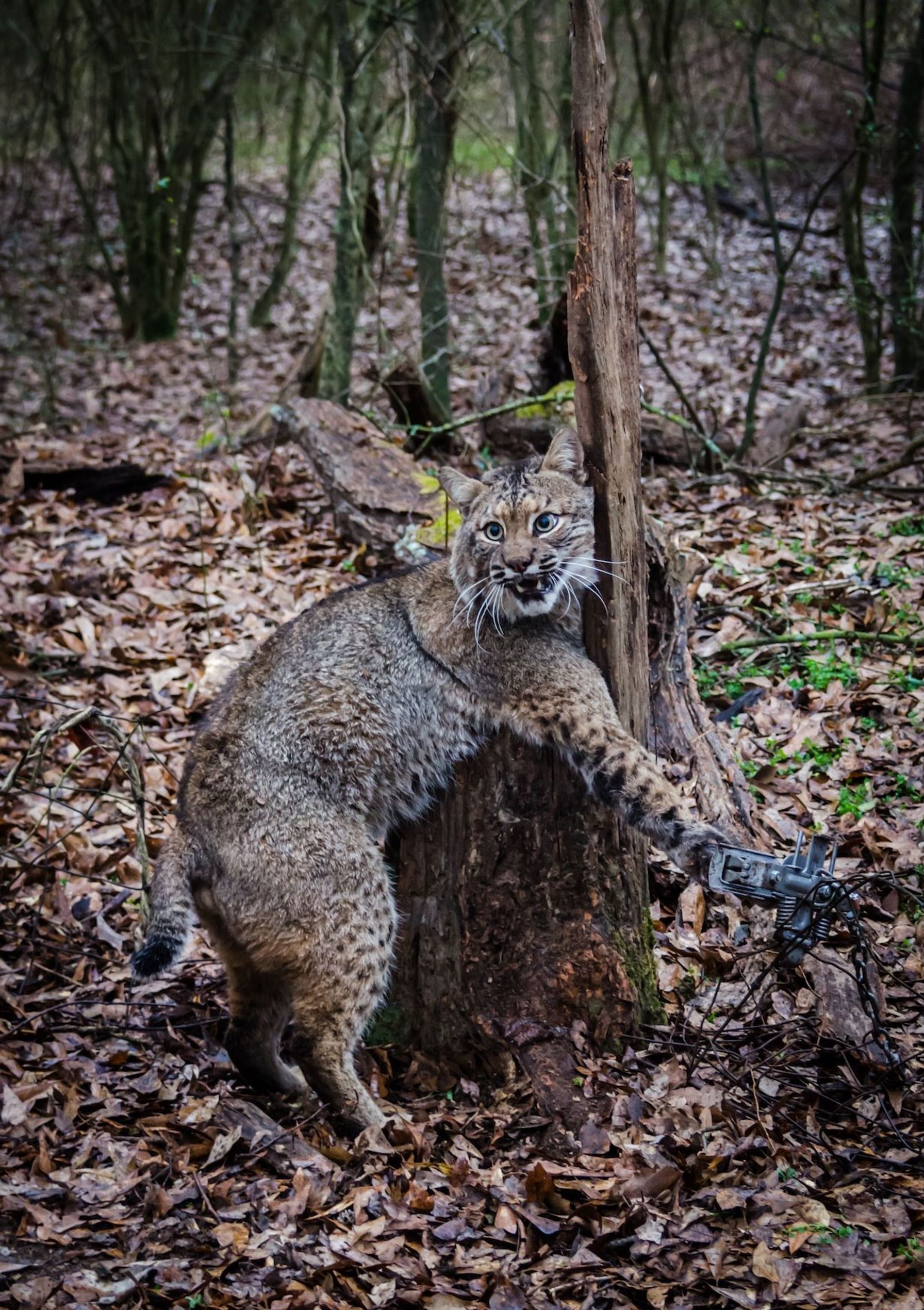
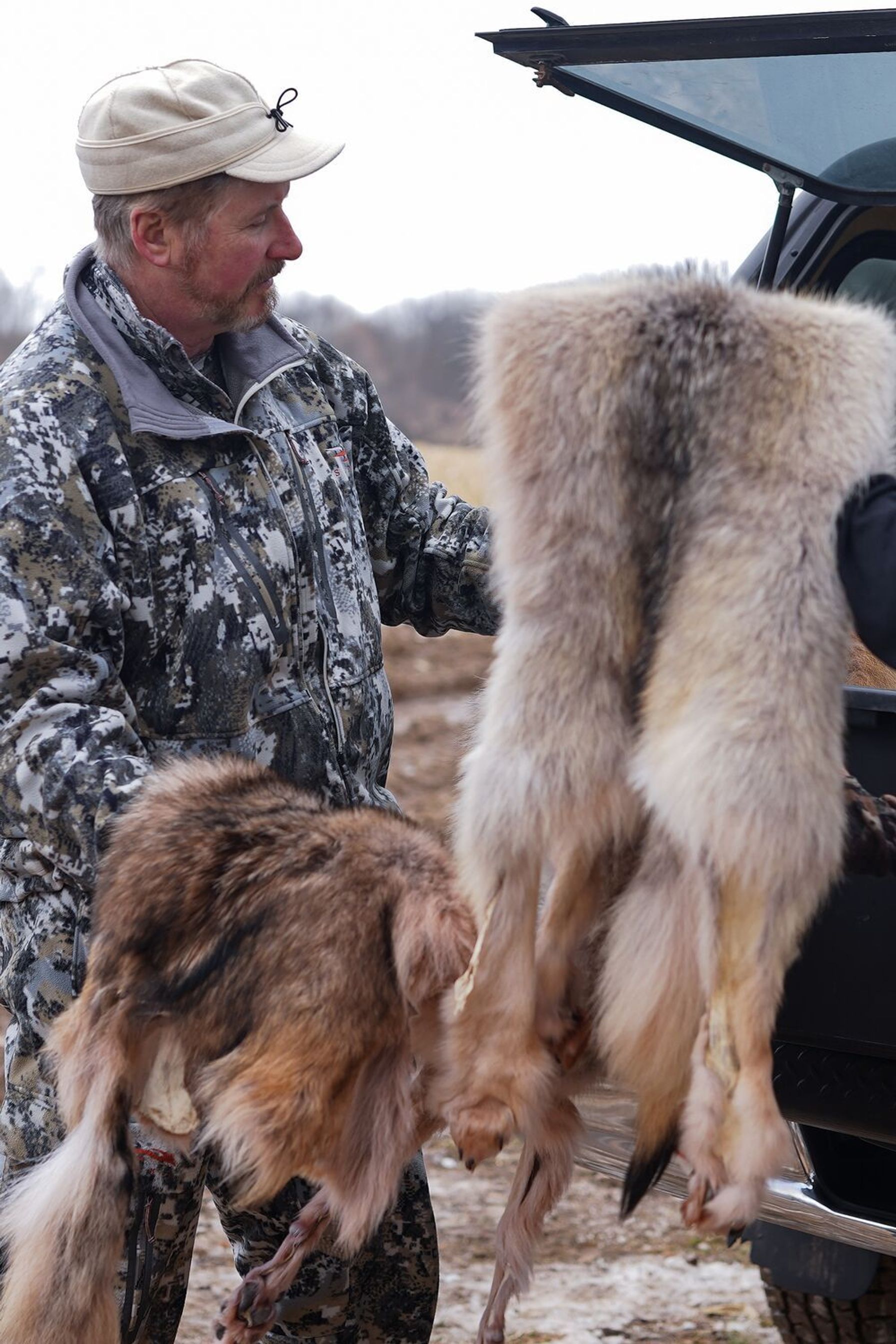
Private landowners can enjoy extended seasons for some designated high-population furbearing species (including raccoon, opossum, and coyote) from March 1–April 14. Coyote season is year-round statewide, with some areas subject to special method restrictions when there is overlap with other game seasons.
What Animals Can You Trap in Missouri?
Legally trappable species are typically furbearers, including raccoon, opossum, skunk, beaver, muskrat, mink, otter, bobcat, coyote, fox, badger, and nutria. This range of species offers trappers rich opportunities to develop in-depth knowledge of Missouri's ecosystems, traditions, and animal behavior.
Cage-type traps for rabbits are also allowed during the permitted season. Remember, each species may have its own season dates and trap-related rules.
Are There Limits on Trapping in Missouri?
There is typically no set bag limit on many furbearer species during the legal Missouri trapping season. This policy contrasts with other game species seasons, which feature strict bag and possession limits, as well as additional restrictions.
While there may not be any bag or possession limits, there may be limits regarding trapping strategies, devices, and the use of other tools such as night vision. Additionally, Missouri requires tagging and registration of pelts from species such as bobcats and otters before they are sold, transferred, tanned, or mounted.
Do You Need a Trapping License in Missouri?
While you will not need a trapping license, Missouri does require you to have a trapping permit.
- Trapping permits for residents cost $11.
- Nonresident furbearer hunting and trapping permits cost more ($208.50).
Note that trapping in conservation areas may require special use permits.
What Are the Rules for Trapping in Missouri?
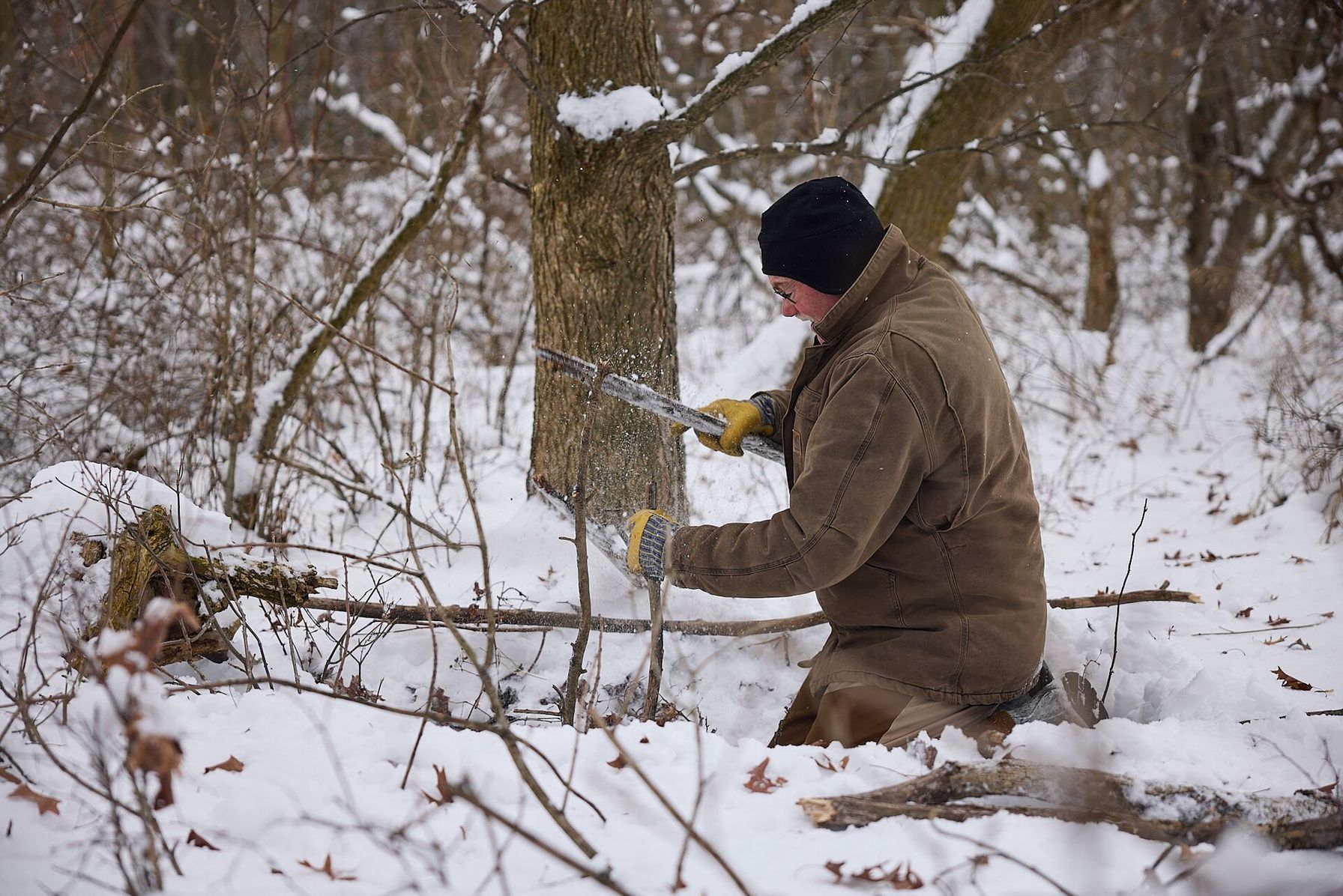
To comply with trapping regulations, Missouri trappers must understand state-specific rules regarding trap types, placement, and daily checks. This brief Missouri trapping guide will help you get started.
Trap Placement
Trappers must not place traps in paths used by people or domestic animals, and they may not put them on private land unless the landowner gives explicit permission. Killing-style traps are prohibited near public roads unless fully submerged in permanent water.
Traps in populated areas must be at least 150 feet from occupied buildings and limited to cage-type or foot-enclosing traps.
Labeling
When setting traps, you must label each trap with your full name and address or conservation number. The label must be plain and written on durable material.
Checking Traps
Check traps every 24 hours and remove wildlife from traps each day. Colony and killing-style traps should be checked every 48 hours.
Only the trapper may remove animals from their traps.
General Rules for Missouri Trapping Season
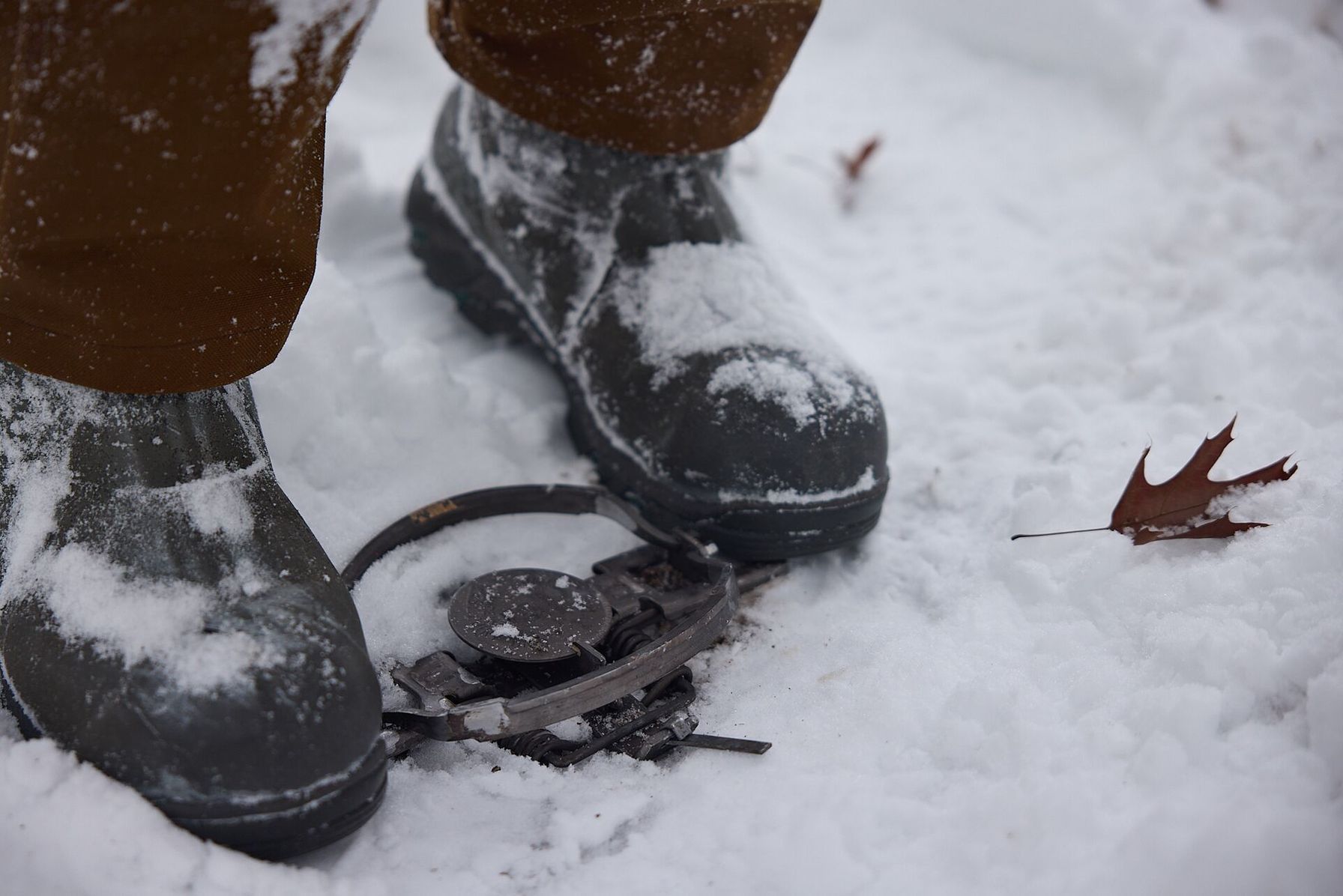
Traps must follow all guidelines, including restrictions on legal trap types such as foot-hold, cage-type, foot-enclosing, colony, or underwater snares. Traps must have smooth or rubber jaws only. Snares on dry land are generally prohibited, and trappers must set them below water.
Do not set traps on private land, or seek the landowner's permission before doing so. The HuntWise mapping feature can help you find trapping locations: it marks public and private land and provides contact information for private landowners.
Tips for Trapping Success
To kick off the Missouri trapping season, we recommend reaching out to local farmers to see whether they allow trapping on their land. These connections can give you access to high-quality trapping zones and insights into furbearer movement. Open the HuntWise app to find contact information and start sending inquiry messages (even in preseason).
Focus on small quality traps in travel corridors, water edges, or near prime food sources. Trapping is about persistence, patience, and how you maintain your equipment. Expert trappers learn to match traps to the right target species, keep them clean, wax and dye traps, and manage scents.
Ethics and legal compliance are critical to trapping, so be sure to check your traps on time. Consider checking them before and after work to ensure they're clear and undisturbed.
Finally, always stay up to date on regulations, which may change from year to year. If you're a beginner, heading out with a competent trapper or joining a trapping association can help you enjoy this pursuit while gaining valuable insights.
Enjoy a Successful Missouri Trapping Season With HuntWise
Responsible, legally compliant trapping is not only a fantastic way to target unique meat and pelts, but also a critical component in managing Missouri game population levels. Knowledgeable trappers can help mitigate adverse outcomes of overpopulation, such as the spread of disease.
To have a better trapping experience, download HuntWise. With tools for scouting new trapping locations, private-landowner contact information, and weather forecasting insights to help you set your traps on the best days, the HuntWise app can help you enjoy the Missouri trapping tradition this season.
Frequently Asked Questions (FAQs)
We have answers to common questions about the Missouri trapping season!
Q: When is trapping season in Missouri?
A: Trapping seasons in Missouri generally run mid-November through late February or March, depending on the species. Some animals (such as raccoons, opossums, and striped skunks) also have early seasons starting on August 1, and certain species may be trapped on private land through mid-April. Exact dates vary by species and year.
Q: What animals can you trap in Missouri?
A: Missouri allows trapping of several furbearers, including beaver, bobcat, coyote, fox (red and gray), mink, muskrat, nutria, otter, raccoon, opossum, striped skunk, badger, and rabbits. Each species has its own season and rules.
Q: Are there limits on trapping in Missouri?
A: Yes, there are limits for trapping live animals in Missouri. The state has rules covering season dates, legal trap types, tagging requirements, land-use restrictions, and harvest limits for certain species. Some areas, such as cities or conservation lands, have additional restrictions.
Q: Do you need a trapping license in Missouri?
A: Yes, a Missouri trapping (furbearer) permit is required to trap and to sell pelts. Requirements vary for residents and nonresidents, and special permits may be needed for conservation areas.


