

Hunting and trapping bobcat is a true test of bushcraft and hunting skills. Blending calling, strategy, trapping, concealment, stealth, and patience, it's the combination of these factors that makes predator hunting such an exciting and rewarding pursuit.
We're going to break down some critical insights, including why bobcat hunting is necessary, the legality of this practice, and tips, strategies, and meat preparation to make the most of the hunt.
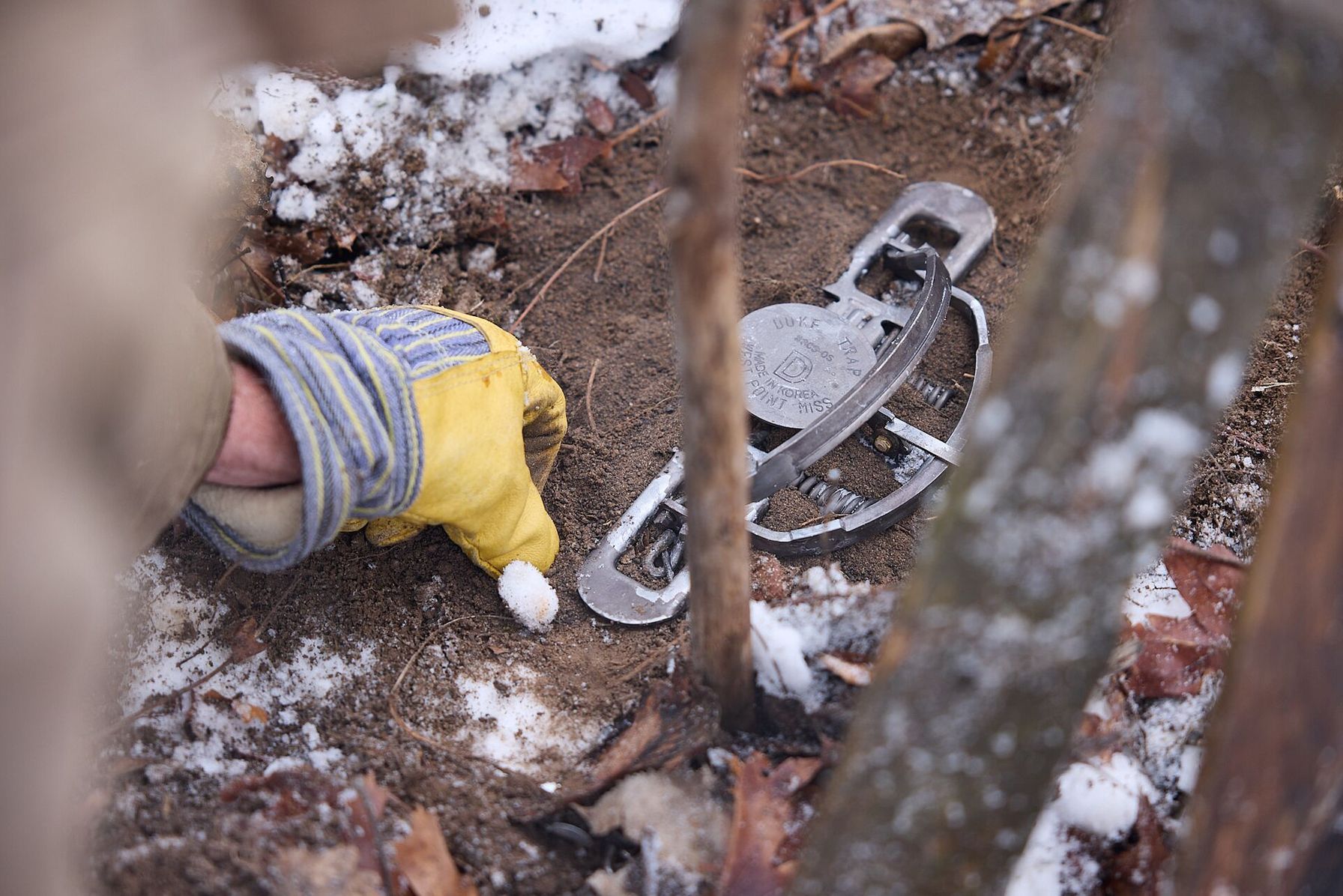
Benefits of Hunting and Trapping Bobcat
Hunting predator species, such as bobcats, is necessary to control their populations. It's essential to maintain predator–prey balance in ecosystems, especially when predators' numbers grow, and they put downward pressure on quail, turkey, and other game species. In areas near properties and urban zones, predators can pose a threat to pets, chickens, and ducks.
Hunting and trapping bobcat is a way to show respect to the animal, and in states such as Colorado, it's a time-honored tradition. Many hunters prize bobcats for their quality pelts, which are used in the fur trade, and meat, which is edible and can be prepared like other wild game (more on this below).
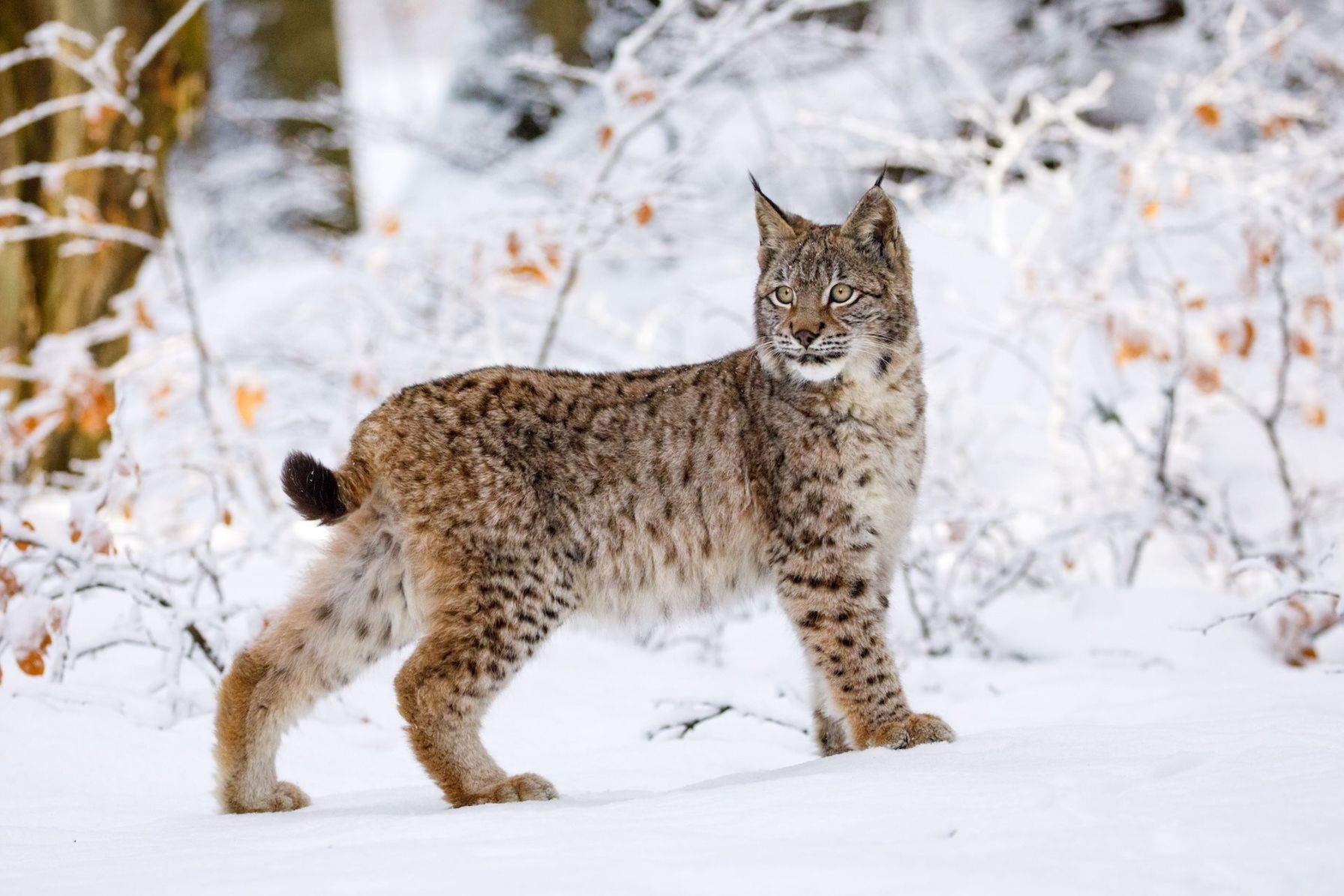
Even seeing a bobcat in the wild can be a thrill. Bobcats are elusive, and they have rightfully earned a reputation as the ghosts of the woods, seemingly disappearing into greyish tree lines in a matter of moments. Hunting them can help you learn more about how selective predators use the natural environment as you support ongoing wildlife management.
Is It Legal to Hunt Bobcats?
Federal law does not prohibit bobcat hunting, and hunting bobcats is legal in many U.S. states. However, states typically impose strict regulations within defined bobcat hunting seasons.
Regulations differ from state to state, with some requiring special permits, tags, and other licenses. Some states classify bobcats as furbearers, and others may protect them or restrict their harvest (for example, in New Jersey, bobcats are classified as an endangered and protected species).
Where Can You Hunt Bobcats Legally?
Most permissible bobcat hunting occurs in the Midwest, the West, and the South. States such as Texas, Arizona, New Mexico, and Colorado generally have open or extended seasons, and some Northeast and Midwest states allow hunting with limited quotas. Even if a state does not list bobcats as a protected species, they may still be subject to hunting restrictions.
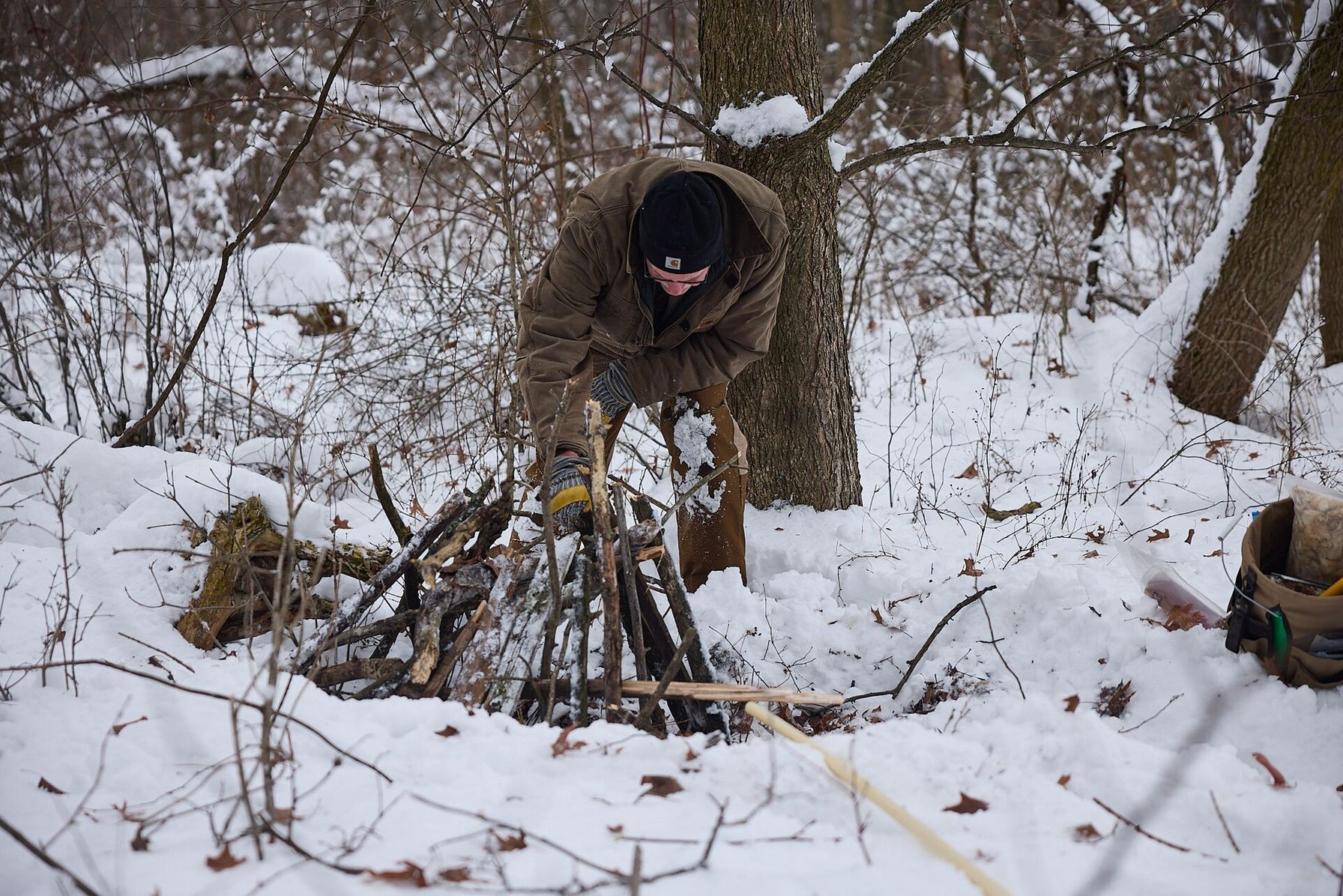
When Is Bobcat Season?
Bobcat season typically runs in the fall and winter months (late November through February or March). The season usually aligns with peak conditioning in bobcats, including well-developed fur in the winter months.
Exact hunting dates vary by state, with some states further dividing their seasons into specific trapping and bobcat-hunting seasons. Bag limits and reporting requirements are standard, and the limit is typically 1–5 bobcats per year.
What Is the Best Time to Hunt Bobcats?
Winter is the prime hunting window for bobcats, as they are easier to track in snow and more active during this time. Target their peak movement hours during early morning and dusk. If your region allows night hunting, consider using thermals and night vision; darkness gives bobcats a sense of protection.
When the mercury drops, bobcats fire up, especially in response to predator calls, as they're on the hunt for a meal. Hunting after fresh snow can help improve visibility and help you identify potential hunting areas.
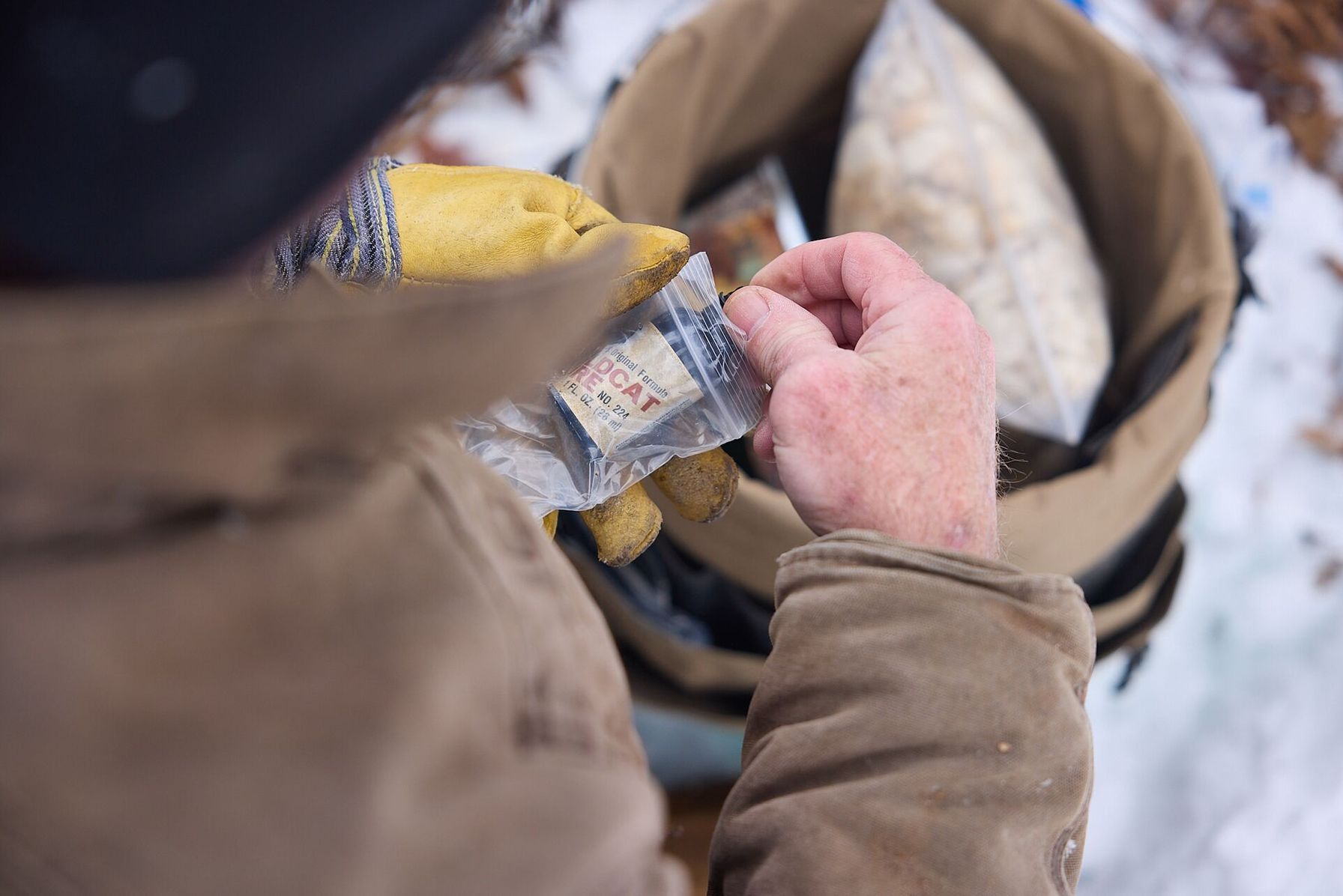
How Do You Trap a Bobcat?
A brief bobcat trapping guide can help you have a successful adventure. To get started, decide whether you will use a legal foothold trap or cage traps (where permitted). Revise the trapping system to ensure it is smooth, functional, and free of rust or other hindrances.
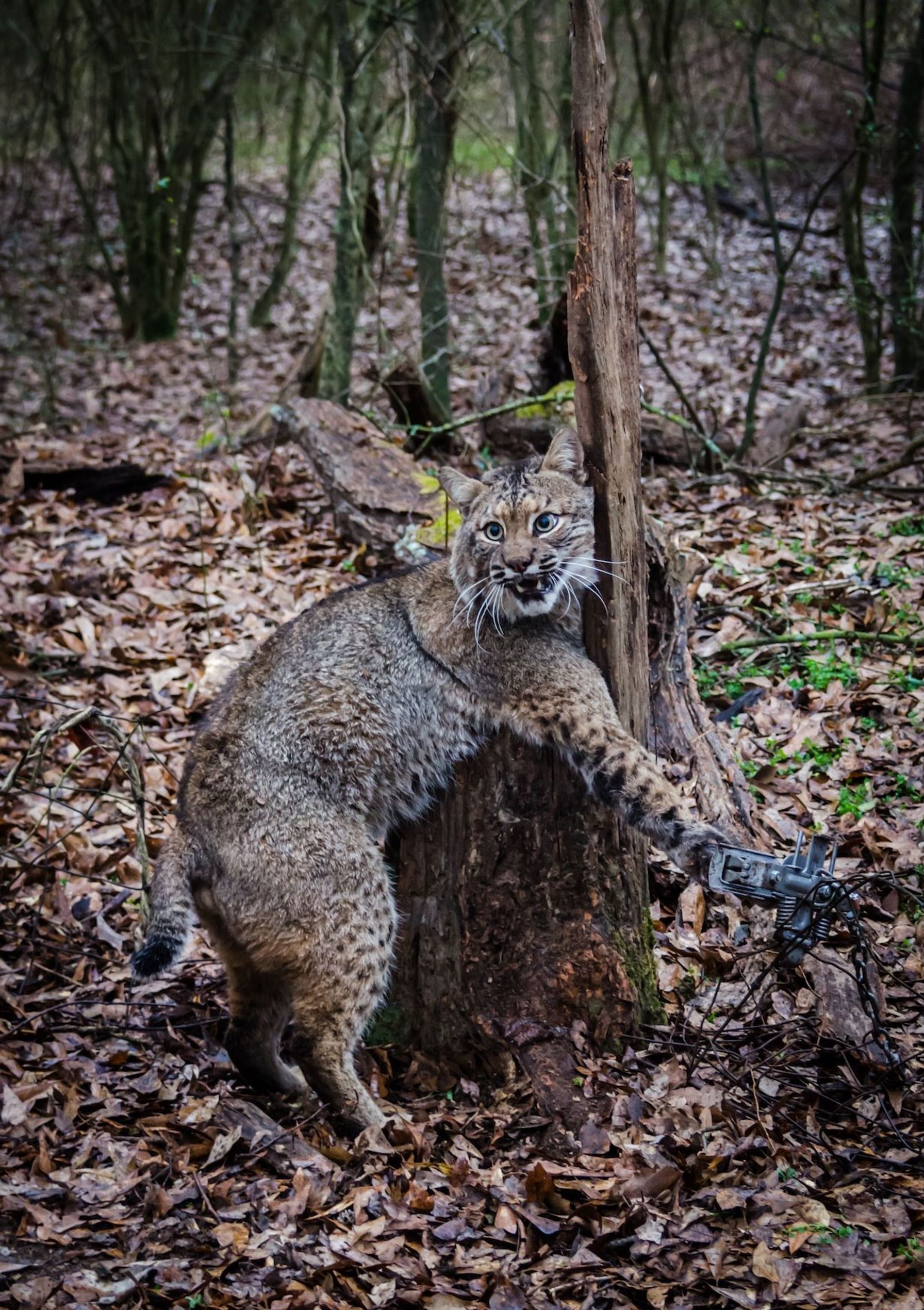
Place traps along travel routes (natural funnels), game trails, or near dens. Typically, areas with heavy cover (such as thickets, where bobcats can slip in and out) are likely to be productive. Once you've selected a site, set up the trap with plenty of natural cover so it blends with the natural environment.
For the best bobcat bait, choose fresh meat, feathers, or scent lures, and ensure the bait is at the far end of the trigger plate. Always follow state-specific trap-check laws (daily or every 24–48 hours).
Scent control is essential for a successful trapping project. Strategies such as using neutral-smelling gloves, wearing trapping clothes, and avoiding contaminants such as soap and shampoo before setting the trap can help reduce the impact of human scent on the scene. Ensure the trap is clean and completely free of any factory oil or residue.
Can You Eat Bobcat?
Bobcat meat is edible and safe to consume when legally harvested. However, you must cook it thoroughly to reduce the risk of trichinosis or other parasites.
People compare the flavor of bobcat to turkey and lean pork, and it works well in stews, roasts, and jerky. Like other lean game meats, it goes great in sausages, especially with added pork fat, which can be sourced from a local butcher.
Tips for Hunting or Trapping Bobcats
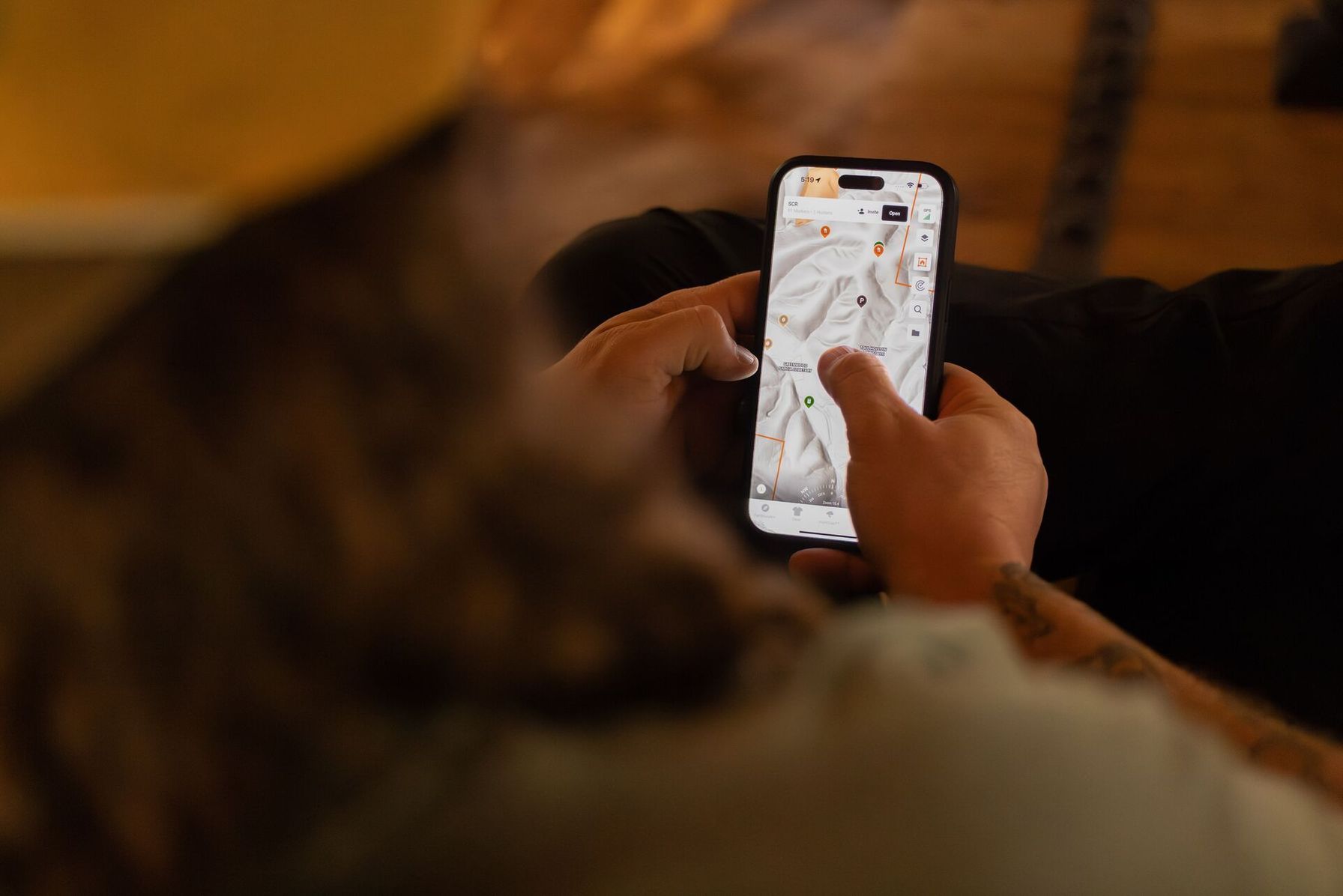
To get started with our list of bobcat hunting tips, jump on the HuntWise app and use the mapping feature to locate high-potential areas such as dens, forests along riverbanks, deep cover, and transition points. Switch to the LiDAR layter to take a deeper look through the forest canopy and develop critical insights into the lower vegetation and its density.
After you've confirmed potential zones, scout for signs such as tracks, scat, and scratch marks, and mark these locations on your HuntWise map.
If you're curious about how to call bobcats, your best bet is to use predator calls, such as rabbit and bird distress calls, as these typically signal an easy meal. Conceal yourself near thick cover, brush, or any rocky terrain that bobcats will leverage for their stalking strategy.
Remain patient, move slowly, and consistently scan edges and deep brush openings. For trapping, conceal traps with natural cover and refresh bait regularly. Finally, always check local regulations for tagging, reporting, and pelt handling requirements.
For More Predator Hunting Insights, Use HuntWise
Hunting and trapping bobcat takes skill, perseverance, and patience. If you're ready to put your hunting abilities to the test, help control the population, and bring home a stunning coat and meat, then get started with the HuntWise app today.
With pro tips, gear discounts, winding insights, and mapping overlays such as LiDAR, you can begin preparing for your hunt and trap setups whenever you're ready.
Download HuntWise and !
Frequently Asked Questions (FAQs)
We have answers to some of the top questions about hunting and trapping bobcat!
Q: Is it legal to hunt bobcats?
A: Depending on where you live, it's legal to hunt bobcats. Bobcat hunting and trapping are regulated at the state (and sometimes provincial) level. It's legal in some places under specific rules, and prohibited or tightly restricted in others. Always check local wildlife regulations.
Q: When is bobcat season?
A: Bobcat season dates vary by location and can change year to year. Where allowed, seasons are usually in the fall and winter to protect breeding cycles. Consult your state wildlife agency for exact dates.
Q: What is the best time to hunt bobcats?
A: Late fall through winter is generally considered the best time to hunt bobcats. This is when bobcats are more active during daylight, and tracks are easier to spot in snow. Legal season and local conditions matter most.
Q: Can you eat bobcat?
A: Yes, bobcat meat is edible, but opinions vary. If you do, it should be thoroughly cooked to reduce the risk of parasites and only harvested where it is legal.
Q: How do you trap a bobcat?
A: Bobcat trapping is highly regulated. Where legal, it typically requires specific trap types, permits, and regular trap checks. Methods and equipment are defined by law, so follow your local regulations closely and consider training or mentorship before attempting it.


