

Montana has a general non-resident license available, Wyoming offers the chance for non-residents to draw general elk tags, Idaho provides over-the-counter elk units for residents and non-residents in certain zones, and New Mexico offers excellent draw odds for non-resident bulls.
When it comes to where to hunt elk in 2026, your decision will likely come down to a consideration of essential factors including access type (OTC vs. draw vs. general license), public land availability, whether you plan to hunt via an outfitter, and your preparation time and long-term outlook. Elk hunts are often a culmination of at least a year or more of preparation.
In this guide, we’re breaking down the top states for elk hunts, how to align your hunting plan to access it, and the benefits of tools such as HuntWise for your pre-scouting and in-field approach.
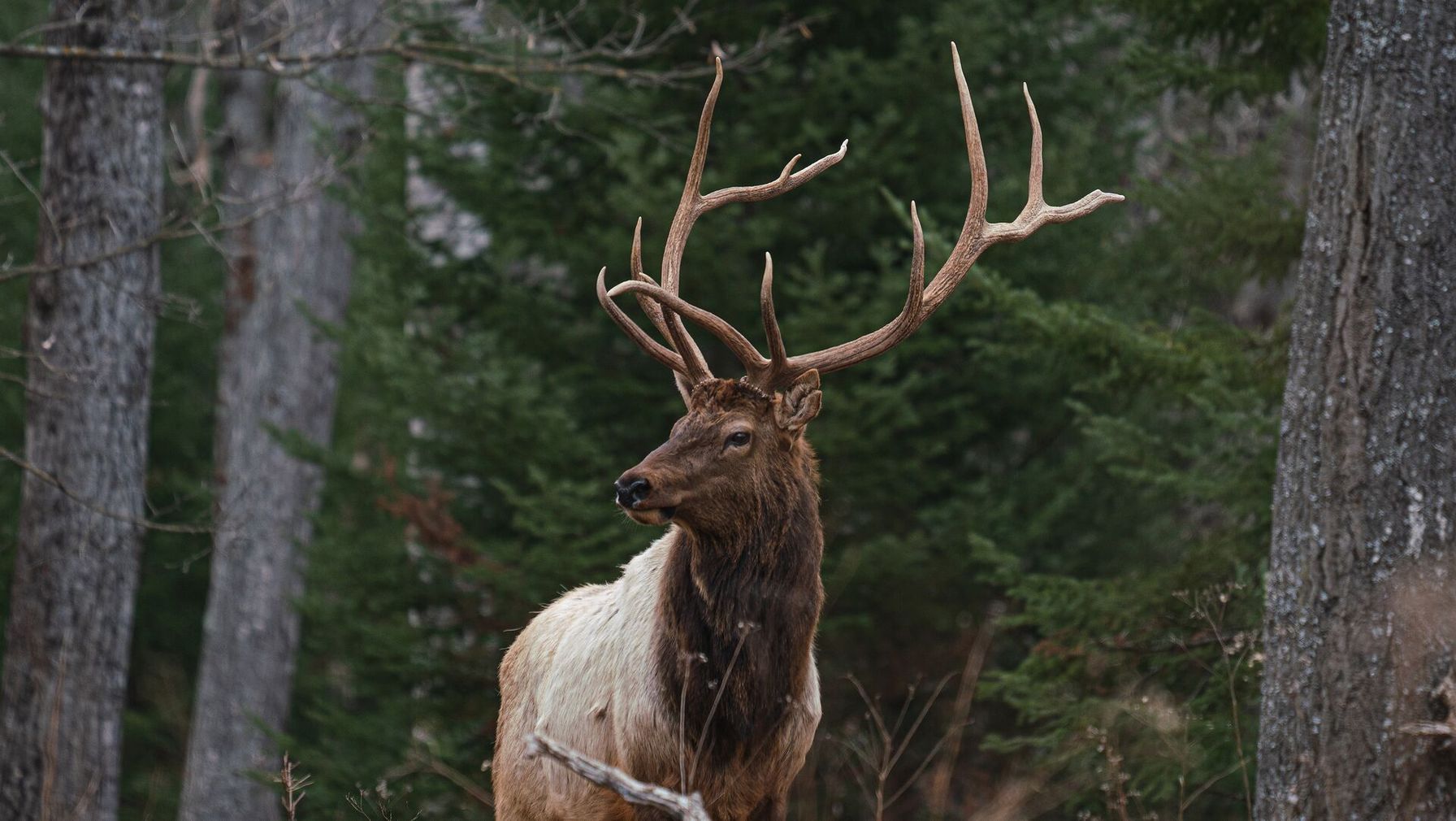
Why Choosing the Right State Matters for Elk Hunting
While you'll never regret a Western elk hunt, it's worth looking a little deeper before you start planning your dream hunt around a tag you haven’t secured. Access is the first consideration to tick off your list. While a state may have record-breaking bulls and beautifully conditioned herds, without the right tag it won’t mean a whole lot.
Herd size, tag availability, public land access, and hunting pressure vary significantly between states and can have a major impact on your chances of success.
Over-the-counter, known as OTC, means you buy a tag without entering a lottery and can head out in your allocated window. Limited entry draws require months of applications in advance, as well as most likely building up a base of preference points over multiple draws.
Also consider your timeline, budget, and trophy goals. For example, if you’re keen to get out there and can swing it, Colorado offers non-resident OTC rifle bull tags. Or, if you’re trophy hunting, you might want to consider a New Mexico hunt, which offers the best draw odds for non-residents chasing a bull.
Where to Hunt Elk in 2026: Top 5 States
Top Elk Hunting States | ||||
|---|---|---|---|---|
| State | Non-Resident Access | Public Land % | Avg Trophy Quality | Est. Cost (License + Tag) |
| Colorado | OTC bulls in many units (archery OTC for non-residents restricted as of 2026) | High | Mid | ~$680 |
| Montana | General license (draw required for some units) | High | Mid-High | ~$1,000 |
| Wyoming | Draw + general | Very High | High | ~$700–$1,200 |
| Idaho | Draw as of 2026 (previously OTC) | High | Mid | ~$590 |
| New Mexico | Draw only | High | High | ~$640 |
Colorado
For an early-season elk hunt, Colorado is hard to beat. It’s got the largest elk herd in North America with over 280,000 animals. While Colorado sees plenty of action from elk hunters, public land opportunities are plentiful with over 23 million acres to explore.
OTC bull tags are available in the second and third rifle seasons in many units, including many new valid units for the 2026 season. Non-resident archery OTC options are more restricted as of 2026.
Thanks to its huge elk population, Colorado stands out as a winner with more opportunity than any other state to put eyes on an elk and hopefully take a shot. You won’t be waiting on a draw, and while the hunting pressure is high in popular units, if your fitness is up and you don’t mind a pack-out hunt, you can push deeper for more opportunities.
Montana
Montana’s elk population sits at around 150,000–175,000 and boasts a rich history of trophy bull elk. As a non-resident, you’ll have to apply for a license via the draw by the April 1 deadline.
Archery hunters have a little more flexibility with general and limited-entry opportunities. The archery season is long and aligns with the peak rut in September.
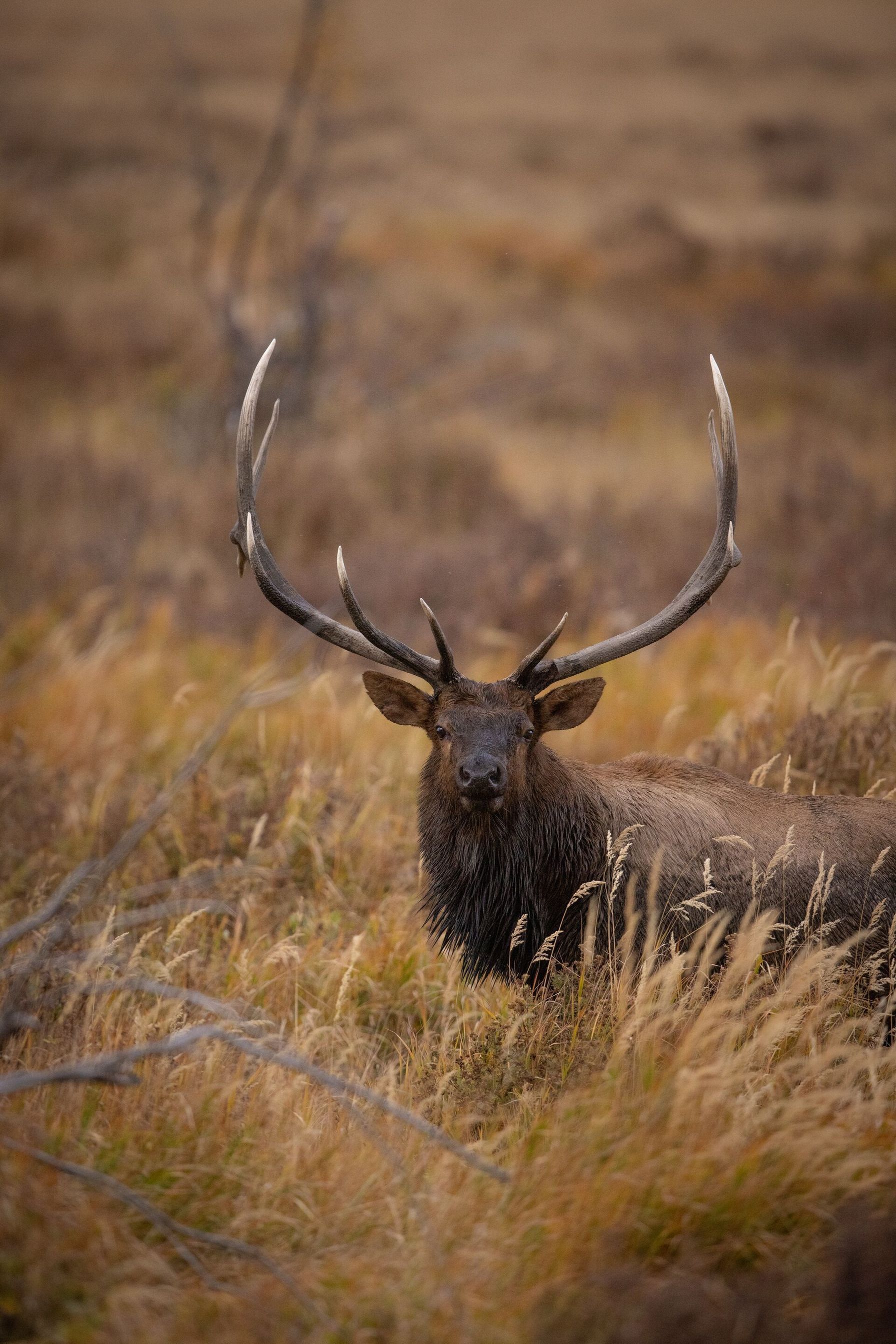
Montana is full of hardcore elk hunters, and the rugged environment and genuine wilderness demand determination and conditioning. If you missed out, keep at it, as the bonus point system regards applicants for premium units.
Wyoming
One of the major draw cards of Wyoming elk hunting is its non-resident draw system, which includes a special draw that allocates 40% of available non-resident licenses to applicants who pay the special license fee. Hunters can also review previous years' draw odds to gauge how many preference points or what level of demand was required for a particular hunt area before applying.
Wyoming has one of the highest guided success rates in the West, a high percentage of public land (BLM, national forests, and wilderness areas), and about 113,000 elk roaming. Due to the elevation differences and large expanses of public land, Wyoming escouting is essential for finding high-potential zones such as north-facing bedding and deep timber.
A non-resident license will run $707, while the special full-price elk license costs $1,965. These licenses include a fishing privilege. Wilderness areas require a licensed guide for non-resident hunters or for non-residents to be accompanied by a resident.
Idaho
Idaho has now moved to a random draw system for non-resident elk tags, replacing the previous first-come, first-served OTC approach. Unlike other states, points do not accumulate, meaning each year your odds reset.
Population numbers are estimated at around 120,000–125,000, and the diverse terrain, which includes 34 million acres of public land from sage flats to high alpine, offers some varied and unique hunting opportunities. It can be tough going, so best to get a few hikes in before the season opens.
The archery season runs most of September in most units; rifle season mid-to-late October.
New Mexico
New Mexico uses a pure lottery system that resets every year, meaning every hunter, whether resident or non-resident, starts with the same odds, making it one of the fairest draw systems for western elk hunting.
New Mexico is known for producing trophy-class bulls and consistently ranks as one of the top states in the country. Non-resident elk draw tag fees are $773 for a standard tag and $998 for a high-demand tag.
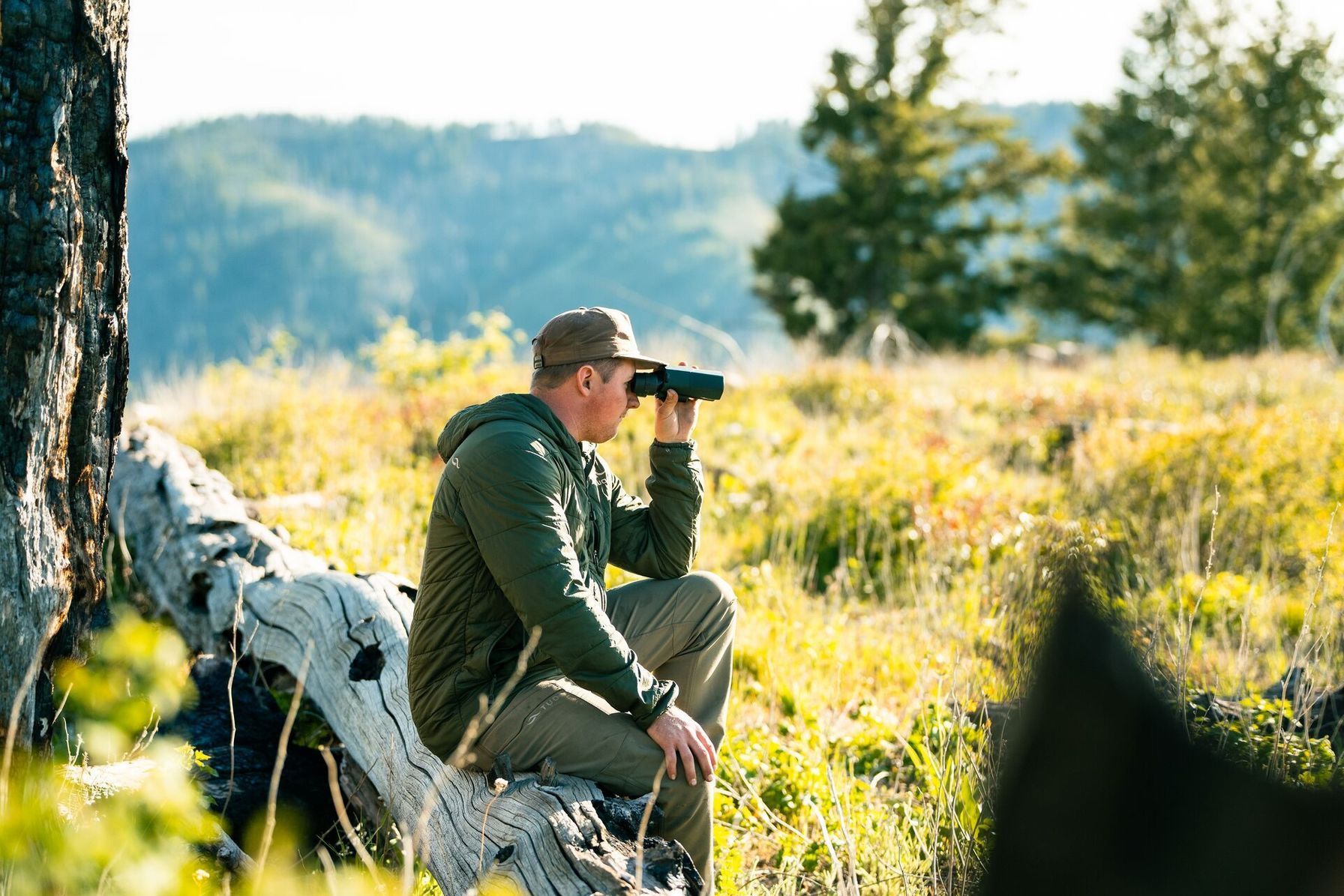
OTC vs. Draw: Matching Access Type to Your Goals
Each elk state has a unique offering. Tags and fees, as well as access opportunities and seasons, vary widely.
OTC options allow you to skip the lottery and purchase a tag to enter the field that season. Colorado (and previously Idaho) is the top OTC state for non-residents looking to hunt with a rifle. If you're looking for a true DIY hunt and an authentic western elk experience, Colorado is hard to beat. The tradeoff is that OTC units often see more hunting pressure.
Draw hunts are introduced when hunter demand exceeds sustainable harvest levels. Premium units in states such as Wyoming, New Mexico, and Montana operate this way. You'll have access to higher trophy potential, but you're not guaranteed a hunt and might have to wait a few years, especially when building preference points.
If you’ve got the means, it can be worthwhile to pursue OTC tags in low-pressure states to stay sharp or fill the freezer while accumulating points in draw states. This way, you can be planning your dream guided elk hunt while also putting in the time, gaining experience, and building points toward future opportunities.
How to Use HuntWise to Scout Elk Units Before You Go

A strong e-scouting process helps you narrow down the best states and units before you ever set foot in the field. Start by aligning your hunting goals to your intended state, ensuring they meet the access requirements and your planning timeframe.
Step-by-Step E-Scouting and Hunt Planning System
Follow this step-by-step process to identify promising units, secure the right tag, and build a plan before you head out.
- Choose your state based on access type. For example, a Colorado hunt for OTC opportunities, a draw hunt in Wyoming or New Mexico, a general license hunt in Montana, or a non-resident draw in Idaho.
- Research the draw odds and unit data on each state's wildlife agency site (CPW, MTFWP, WGFD, NMDGF, IDFG).
- Once you've narrowed down 3 to 5 potential units, use HuntWise to explore public land percentages and critical features, such as road access, elevation bands, and water sources, using mapping layers.
- Start applying for a draw by the application deadline, typically March through May, depending on the state.
- As results are released, confirm your results or buy your OTC tag, then start planning travel 6 to 8 weeks out from the opener.
- Set your HuntCust alerts for your intended unit during the optimal high-impact hunting window. Continue scouting with satellite and additional overlays to look for elk sign. Mark north-facing bedding cover and meadow feeding zones.
By the season opener, you'll have the right access and a clear picture of your intended hunting zone, including commonly overlooked and less-pressured areas.
What to Look For on the Map
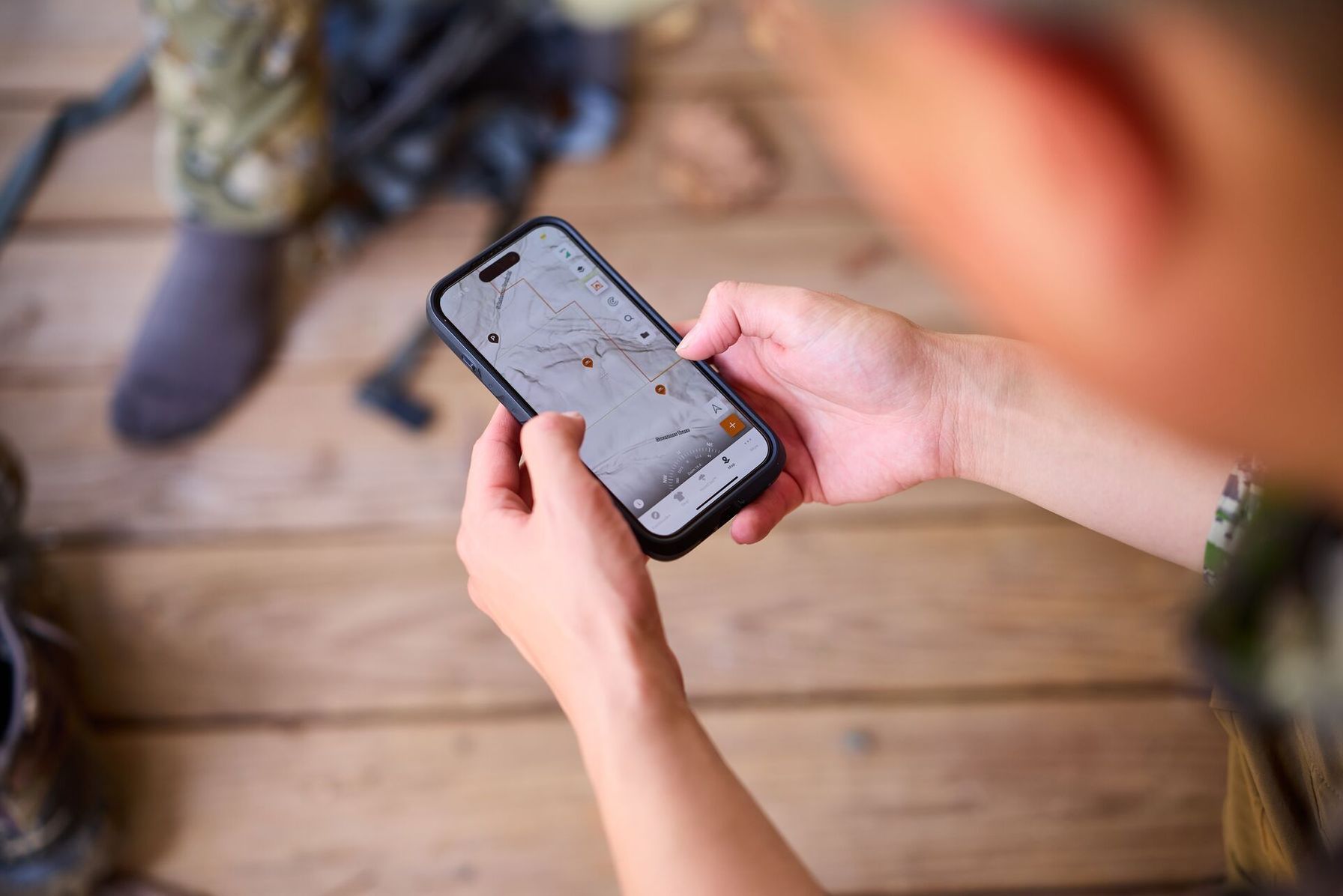
When using your digital mapping features, here are a few things to look for as you escout your elk hunt.
- In the early season, look for north-facing slopes with heavy timber, as elk like to hold up in these areas for the cool temperatures, security, and food access. On your HuntWise mapping, switch to topo or a hybrid, and look for steep, densely spaced lines to indicate hillsides and identify those facing north. Target gullies, benches, and ridges opposite that will work as glassing spots, and mark those on your map.
- To target feeding areas, look for grassy meadows (15 years and younger) as well as open benches where elk like to pop in and out to feed. Benches are flat spots on the hillside that will look like a wider space contoured within more tightly packed contours.
- Elk require a high water intake and will travel extensively to access water sources. Points such as streams, springs, and wallows are especially critical in early season. You can also target high-vegetation areas, ravines, and benches on steep slopes. Water sources beyond obvious river systems and lakes will yield stronger results, as elk often seek out water in more secluded, protected areas.
- Consider how the elk will use the landscape and move between different sections depending on their needs. Look for features such as saddles and drainages that connect bedding and feeding areas.
Certain states, especially those with OTC options, will often see higher hunting pressure, especially during peak times and in popular units. Due to this, early seasons, especially for bowhunters, are often considered among the best times to hunt elk in terms of pressure.
Use the HuntWise map to your advantage by identifying roadless areas and wilderness boundaries where this pressure drops off, and fewer hunters are likely to venture. You can also leverage tools such as the LiDAR feature to discover "hidden" terrain features such as saddles, benches, and funnels that won’t show on other maps without LiDAR capabilities.
Learn more about using HuntWise map layers in the video below.

Elk Hunting Strategies by Access Type
Are you planning to hunt guided or DIY? What about your physical condition and willingness to push deep into the backcountry? Access type will play a role in your hunting plan and approach.
OTC Public Land Elk Hunting Tips
Public OTC hunting offers a true DIY backcountry adventure. Hunting pressure can be high, especially in popular hunting states, so a strategic scouting plan and an in-field approach are required.
Start by targeting units that border wilderness areas or limited-entry zones. Hunting pressure drops near boundaries or in more demanding hunting zones that require a higher level of physical fitness and conditioning.
Dedicate the first couple of days to locating active signs before committing to a setup. Early September, which usually aligns with the archery season, is usually a less pressured time when bulls are vocal. Controlled and more passive cow and bugle calls will work well during this hunting window.
When rifle seasons roll around, such as the second and third seasons in Colorado (October into November), follow the weather patterns and forecasts, particularly with the HuntCast feature, to target bulls transitioning to lower elevations. Extreme cold fronts and large shifts in weather can trigger these movements.
Draw Hunt Planning
Before settling on a state, research the multi-year draw statistics and unit odds, as these can change dramatically from year to year. Many hunters apply across multiple states to increase the chances of drawing tags in any given year. It helps with annual draw opportunities and can improve odds each season.
Points can also be used strategically. Don’t burn your accumulated points on marginal units and consider saving them for hunts that offer better draw odds or stronger trophy potential if that’s what you’re chasing. Reach out to outfitters one to two years in advance for premium draw-unit opportunities, especially in highly sought-after states like Wyoming and New Mexico.
General License (Montana)
For a general license hunt in Montana, you’ll need to enter the lottery draw before the April 1 cutoff. Applicants can access combination licenses that include deer and elk hunts.
If you’re considering a Montana elk or deer hunt and wondering where to hunt elk in this state, start by scouting wilderness units along the Bob Marshall Wilderness corridor for lower-pressure opportunities.
For less pressure, consider taking part in the archery season, which usually runs September into mid-October.
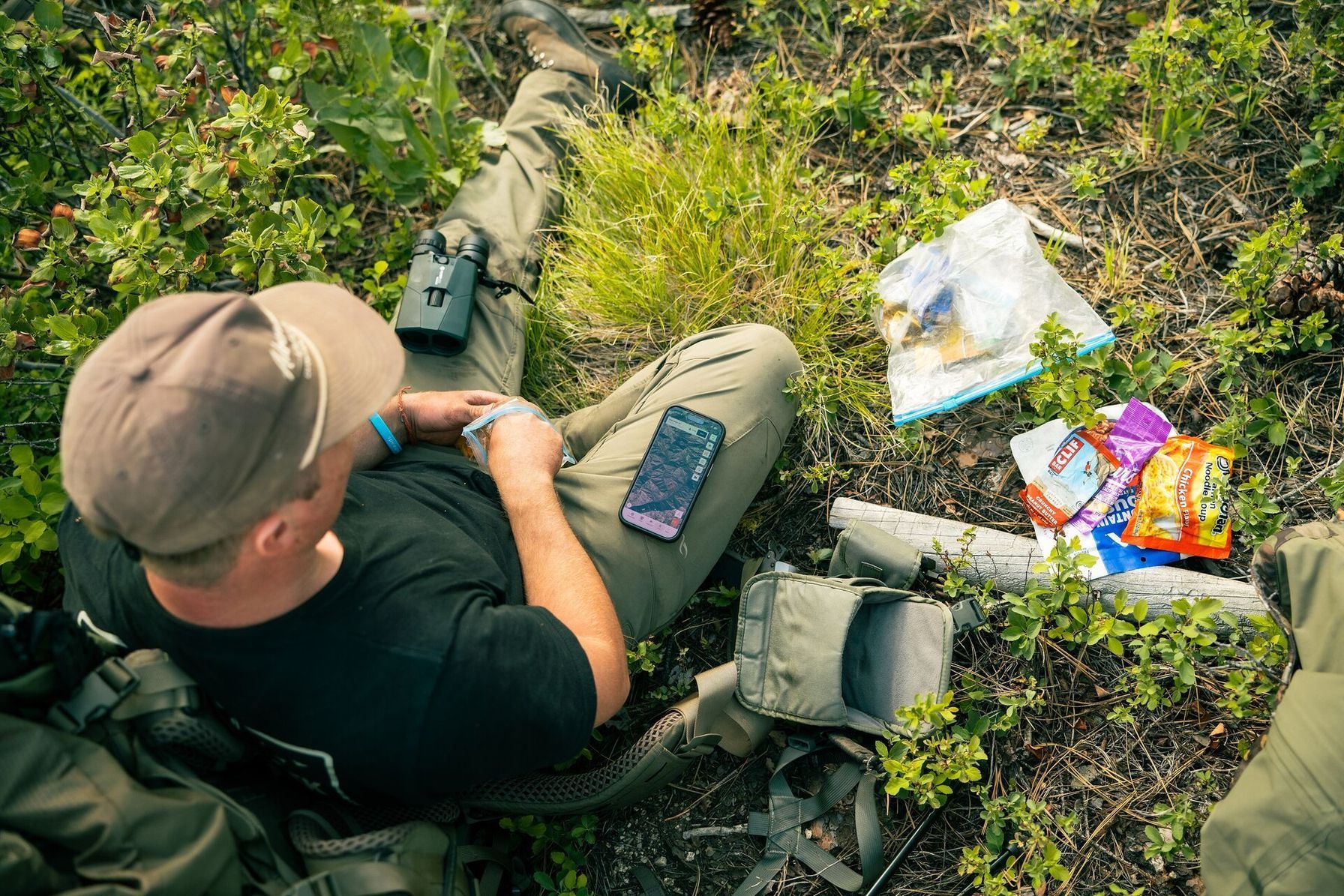
Start Scouting Now: Your 2026 Elk Hunt Begins Before Opening Day
Western elk hunts are often the culmination of years of planning, preparation, and research. To make the most of it, start with the fundamentals of access type, public land availability, and planning timeline to ensure you’re ready when opening day rolls around. Successful elk hunters start scouting early and build preference points with a longer-term vision for trophy hunting or with a specific state in mind.
HuntWise will assist you in every step of your elk hunting journey, from preseason research and insights from pros all the way to in-field execution with mapping overlays, HuntCast alerts, and private and public land data.
HuntWise is the tool that connects preseason research to in-field execution: mapping layers, HuntCast alerts, and public land data all in one app. Download the HuntWise app today to explore how the features can help level up your next elk hunt. HuntWise Pro and Elite features are free during your first week in the app!
Frequently Asked Questions (FAQs)
Q: Which state has the most accessible OTC elk hunting in 2026?
A: Colorado is the most accessible for OTC elk hunting. It's the only major western state that still sells OTC bull tags to non-residents, covering second rifle season (October 24–November 1, 2026) and third rifle season (November 7–15, 2026). License sales open August 6. Note that OTC non-resident archery elk is gone (moved to draw in 2025), and some GMUs, including 54 and 55 in the Gunnison Basin, shifted their OTC rifle bull tags to limited draw for 2026.
Q: Do I need an outfitter to hunt elk as a non-resident?
A: Not in most areas. The one exception is federally designated wilderness areas in Wyoming, where non-residents must be accompanied by a licensed guide or a qualifying resident companion to hunt big game, including elk. Outside wilderness boundaries, on national forest, BLM, and state land, non-residents can hunt elk on their own.
Q: How long does it take to draw an elk tag in good units?
A: It depends heavily on the state and unit. General or combination tags in states like Montana can draw in as little as 2–3 years with points. Trophy limited-entry units in states like Arizona, Utah, and Nevada can take 15–20 years or more. Wyoming and Colorado's better limited-draw units typically fall somewhere in between, depending on point totals and demand.
Q: How much public land is available for elk hunting in Colorado?
A: Roughly 23 million acres, about a third of the state, including close to 11 million acres of national forest and more than 8 million acres of BLM land, plus state trust and wildlife-area acreage. Public land percentage varies widely by unit, so checking a specific GMU's public-to-private ratio matters more than the statewide total.
Q: What is the best time of year to hunt elk?
A: It depends on the goal. Early archery season (September) coincides with the rut, when bulls are most vocal and responsive to calling. Late rifle seasons (October–November) benefit from cooler weather and migration, which push elk out of the high country and concentrate them in more predictable areas.
Q: What is the difference between a preference point and a bonus point system?
A: A preference point system awards tags strictly by seniority. The applicants with the most points get tags first, which makes draw timing predictable but shuts out zero-point applicants entirely for the best units. A bonus point system works more like extra raffle tickets; points (often squared) increase your odds each year, but even a zero-point, first-time applicant has a small chance of drawing. Wyoming and Colorado's older system uses preference points. Montana and Nevada use bonus points for limited-entry tags.
Q: Can non-residents hunt elk in Wyoming without a guide?
A: Yes, outside of federally designated wilderness areas. Wyoming law (W.S. 23-2-401) only requires a licensed guide or qualifying resident companion for non-residents hunting big game inside wilderness boundaries. National forest, BLM, and state land outside wilderness areas are open to unguided non-resident hunting.
Q: What does it cost to hunt elk as a non-resident in 2026?
A: Costs vary by state. Colorado runs about $845 total (license plus elk tag). Wyoming's regular non-resident license runs about $707 to $721 with fees, and the special (better-odds) license runs closer to $1,965. Montana's non-resident elk combination license is around $1,112. Idaho, now a draw state for non-residents, runs about $652 for the tag plus $185 for the hunting license. These figures should be verified against each state agency's current fee schedule before publication, since prices adjust year to year.


