

If you're ready to plan your guided elk hunt for 2027, we're here to help. Today, we're breaking down everything you need to know about the process, from outfitter selection to physical training, to make sure you're in top form so you make the most of the best times to hunt elk!
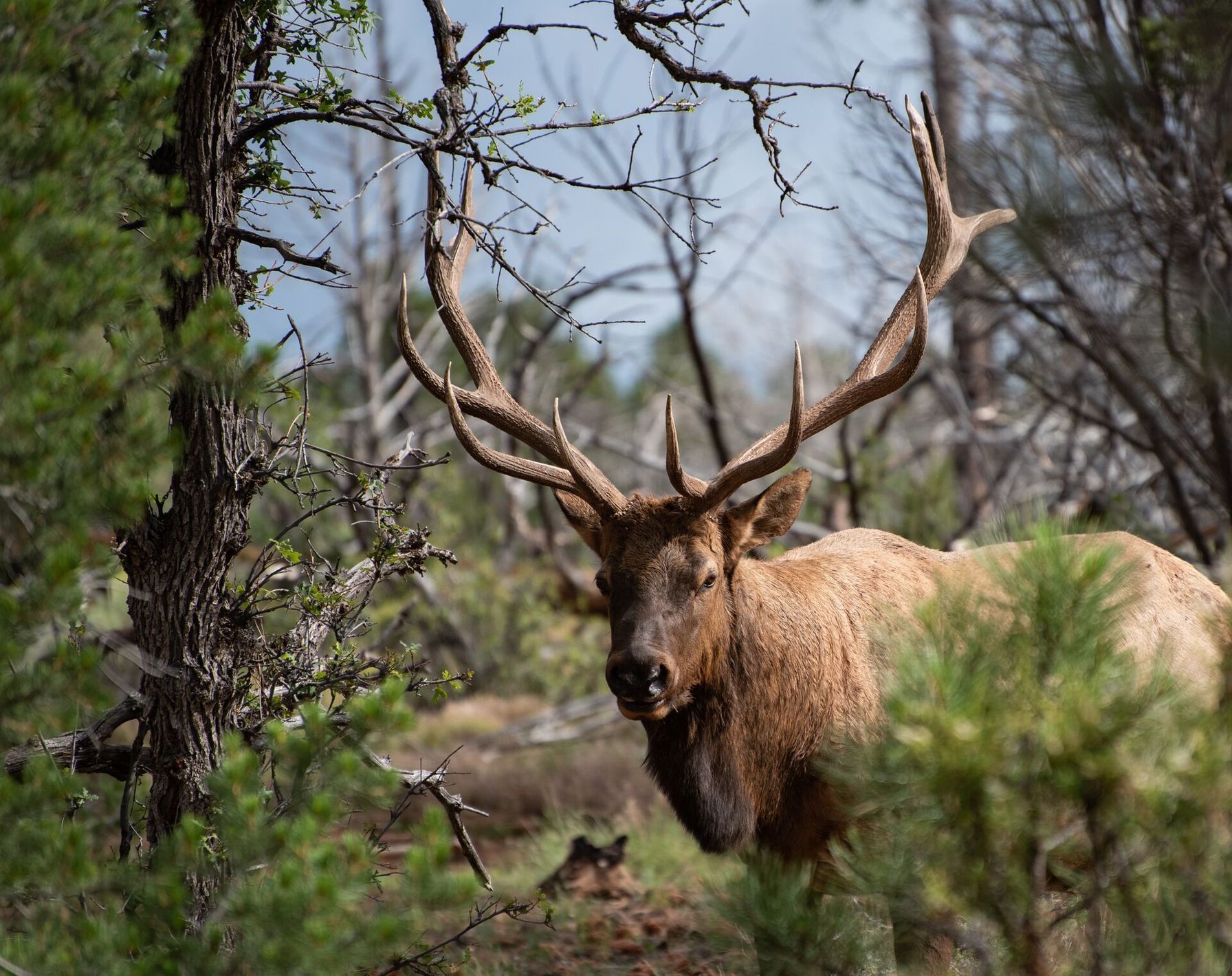
Why 2027 Elk Hunt Planning Starts Now
Scroll any top elk outfitter page, and you'll likely come across a heads-up to book for the next year or two in advance. Elk hunts aren't last-minute trips; they are typically the result of extensive preparation, logistical planning, and preference point gathering.
Interest in quality outfitters is high, and demand often outpaces availability, especially during peak-season trophy hunts in states such as Colorado and New Mexico. If you're serious about an elk hunt, preparing a year or two out is usually the timeline for success, unless you are very lucky with a cancellation, which rarely happens.
Define Your Hunt Style and Budget
Before exploring outfitters, determine which type of guided elk hunt best suits your hunting needs. This requires a consideration of your budget, fitness, experience level, goals, and other factors.
Outfitter Options
Options include fully guided, semi-guided, and complete DIY experiences, with some offering lodges, pack out assistance, and other extras. Backcountry horseback hunts and private-land lodge hunts are popular options.
You'll also want to determine the level of support the outfitter offers, from fully guided to 1-on-1 to 2-on-1. Some hunters prefer the flexibility and self-reliance of a more DIY-oriented outfitter experience, whereas others enjoy the structure and routine of a lodge and one-on-one guiding.
Budget Expectations
When planning your guided elk hunt, it's important to budget and allocate costs as accurately as possible, as costs can get up there.
For a baseline five- to six-day hunt in Colorado, Montana, or Wyoming, you will be looking at $4,000 - $4,500, excluding tags, travel, tips, gear, and other personal costs. The type of hunt, whether you are targeting a cow or a meat hunt, or chasing a premium bull, can also significantly impact costs.
When searching for outfitters, always check and, if necessary, reach out to determine exactly what's included and what's not in the package. Additional costs, such as meat processing, shipping, insurance, taxidermy, and other add-ons, are typically not included in the outfitter package.
Choose Your Weapon and Season
Archery season, which usually aligns with early-season hunting, means plenty of rut action, making calling a key component of hunting with a bow (or with a rifle, for that matter). It's a physically intensive hunt, but it can yield big payoffs, often with less-pressured elk and more isolated hunting opportunities.
In contrast, a rifle hunt will usually line up with the late season, meaning fewer calling opportunities unless you're hunting the first week. It's usually defined by long-distance scouting and shots. Each season has its pros and cons, and it usually comes down to your preferred hunting method and environment.
Physical ability is also a huge consideration in extremely rugged terrain or when hunting at higher elevations. You should prepare to be in peak physical condition, even as you enter your hunting window.
Vet and Choose a Reputable Outfitter
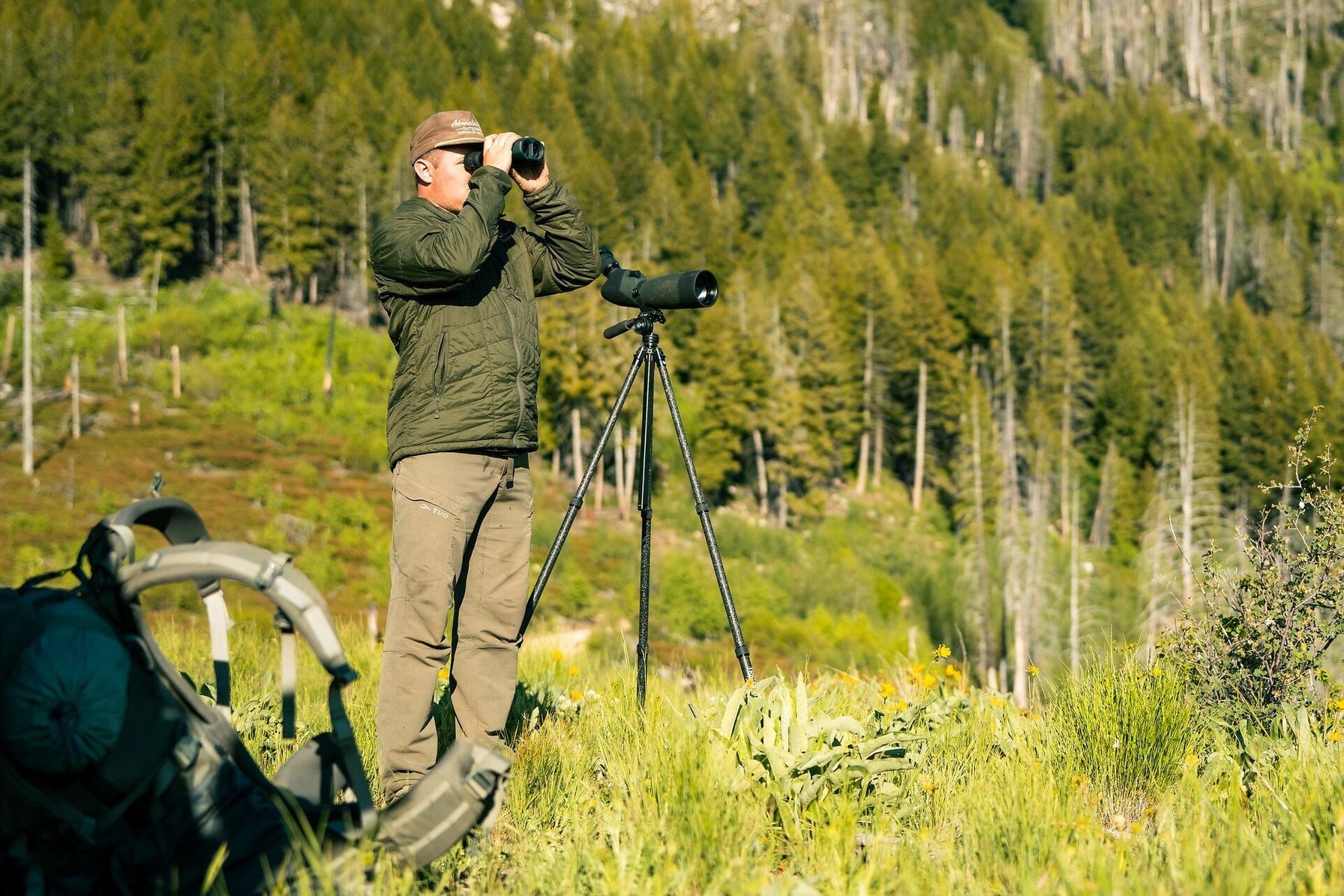
When planning a 2027 elk hunt, it's time (now) to start researching and reaching out to outfitters to check availability and the hunts they offer. When searching, check success rates and the overall experience, as success is not guaranteed. In your research, be sure to ask about private land access or exclusive public permits, as these areas typically hold more elk and receive less hunting pressure.
It's essential to vet thoroughly when researching outfitters and ask for references; the more, the better.
| To Vet an Elk Hunt Outfitter: |
|
Be wary of outfitters that make promises about trophy quality, are known for poor communication, or lack transparency about pricing. It should be clear what you are paying for and what you are expected to bring.
Understand Tag Allocation and Deadlines
Tags can often be the biggest hurdle to actually getting out and enjoying the hunt. Does your intended state offer OTC tags, or are they drawn? Learn the system in your intended state by researching the relevant state and wildlife page to determine whether they run OTC tags, lottery draws, preference points, and then make note of the application deadlines.
A decent outfitter can guide you through it. It's essential to mark application deadlines in your calendar; otherwise, you'll miss your hunt for another year.
E-Scout the Unit Before You Arrive
Even on a guided hunt, pre-scouting and understanding the intended hunting environment will give you more confidence, allowing you to make smarter choices and become a more active participant in the hunt.
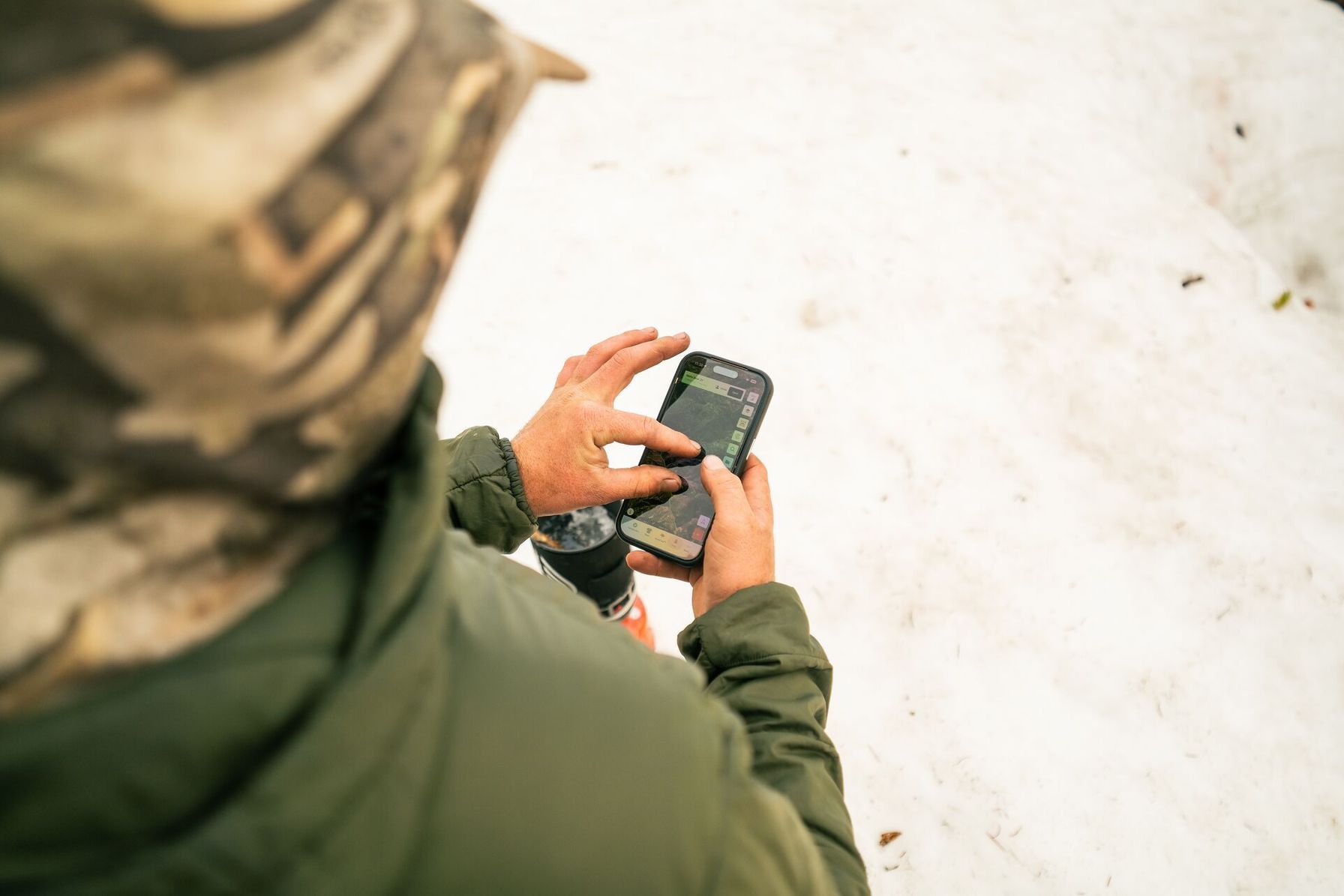
Use tools like HuntWise maps to study terrain and access points with a particular focus on northern and eastern slopes at 8,000 to 11,000 ft. You can also start marking bedding and feeding zones, as well as trails that connect with water sources, as high-potential hunting zones.
If you're capable and experienced, these skills will make for a better hunt, as your guide can work with you rather than guide you, especially in backcountry and high-elevation hunts.
Additionally, understanding elk behavior in your unit before boots hit the ground can also help with your pre-scout preparation. If you're planning an archery hunt, elk will be rutting, meaning calls are a highly effective strategy. If you're hunting late rifle season, packing out to more isolated hunting zones may be more beneficial.
Physical Conditioning: Don't Underestimate It
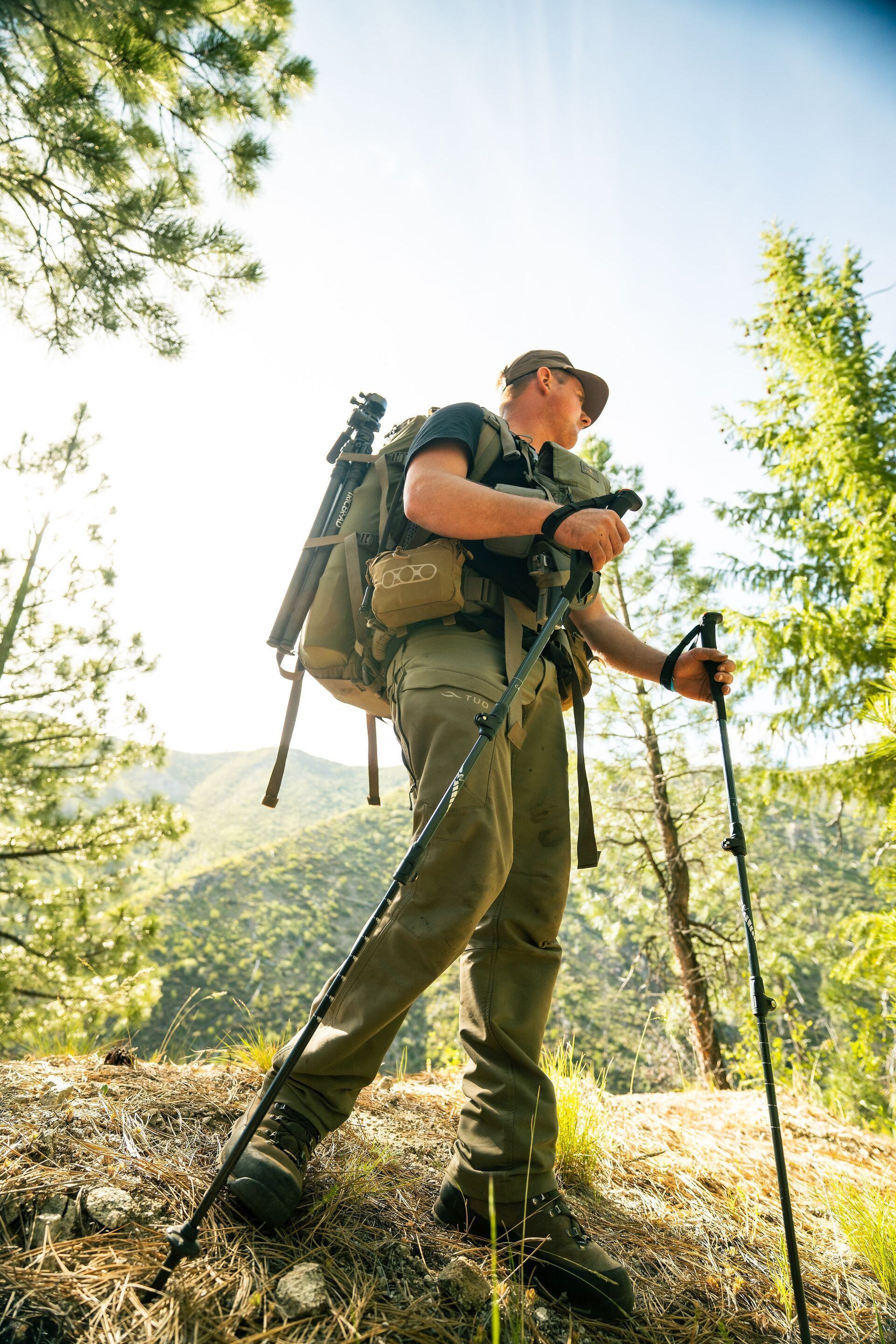
Elk hunting is physically demanding, often requiring intense physical preparation and form. To prepare, focus training on cardio endurance, such as hiking and stair climbing; leg strength and core stability exercises; and training with a weighted pack.
If you're in a state where you can get some high-altitude training, even a slight change in altitude can be a shock to the system if you're not used to it or out of practice. Plan some weekend hikes at elevation and stretch out the training for longer and longer periods to account for the full-day hunting requirements.
Physical preparation, even on a guided hunt, directly affects the likelihood of a successful hunt.
Gear Preparation: Dial It In Early
Getting your elk hunting gear prepped and ready is one less thing to worry about before the hunt.
| Elk Hunting Gear Should Include (at a minimum): |
|
Conduct some mock hunts over the course of a weekend to test comfort levels and gear performance. Avoid bringing any untested gear into the backcountry, and always reach out to the outfitter to confirm what is supplied, as you don't want to double up on gear.
Logistics: Lock in the Details
If you've settled on a potential outfitter, be sure to lock in the final details and clearly define all responsibilities and obligations.
- Confirm dates and travel plans: Start by confirming hunt dates and arrival/departure plans so that you can make appropriate travel arrangements, whether you need to fly interstate or drive.
- Double-check harvest details: Contact your outfitter regarding meat processing options, transport, trophy handling, and more, as these are not typically included in the price of a guided hunt.
- Gather documents. Make sure your licensing, paperwork, insurance, and other critical information are all up to date.
The easiest strategy is to build a checklist to make sure nothing slips through the cracks, and you're unable to make your hunt.
Understand the Hunt Strategy
Even when hunting with a guide, knowledge and understanding of the terrain and what's required will help you be more mentally prepared for what lies ahead. Elk hunting is a mental game, and you should be prepared for early mornings, long hunting days, and changes in conditions and plans.
It's essential to trust your guide; it's what they're paid for, and top guides do it very well. However, staying engaged in the process and demonstrating knowledge of tactics such as spot-and-stalk, calling, and ambushing near travel corridors shows a higher degree of participation and overall enjoyment.
Start Scouting With HuntWise Now for a Better 2027 Guided Elk Hunt
A successful elk hunt starts long before opening day. Early planning means better tags, stronger outfitters, and a higher chance of tagging out. Start researching now to put yourself in the best position for the 2027 season and beyond by reaching out to outfitters, accruing points, and training to be prepared for the high elevation and physically demanding environment.
With HuntWise, you can start scouting potential hunting zones, units, and terrain, as well as learn from experts, access gear discounts, and much more to make your future elk hunt a success.
Download HuntWise and start planning your 2027 guided elk hunt free during your first 7 days in the app!
Frequently Asked Questions (FAQs)
Q: What's the average cost of a guided elk hunt?
A: Guided elk hunts typically range from $5,000 to $15,000 or more, depending on the state, outfitter, style of hunt, and what's included in the package. Archery and rifle hunts on private land with full lodge accommodations tend to run higher, while semi-guided or group hunts can bring costs down. Before booking, use HuntWise to e-scout your target units, so you're having informed conversations with outfitters about terrain, access, and elk activity in specific areas.
Q: How much is a guided elk hunt in Wyoming?
A: A fully guided Wyoming elk hunt typically runs $6,500 to $10,000 or more for a 5- to 7-day hunt, not including your license and tag fees. Non-resident elk licenses add $707 for a regular draw tag or $1,965 for a special tag with better draw odds, plus a $14 base license fee. Wyoming's guided hunts often command a premium because outfitters can legally take clients into wilderness areas that are off-limits to non-resident DIY hunters, giving you access to some of the state's highest-quality bull country.
Q: Is a guided elk hunt worth it?
A: For most hunters, especially those new to elk country, a guided hunt is well worth the investment. Guides provide local knowledge, scouting, gear support, and field-dressing assistance that can mean the difference between a filled tag and a long trip home empty-handed. Guided hunters also tend to see significantly higher success rates than DIY hunters, making the added cost easier to justify when you factor in the time, travel, and tag money already on the line.
Q: What is the best state for guided elk hunts?
A: Colorado, Wyoming, and Montana consistently rank among the top states for guided elk hunting, each offering a different experience. Colorado holds the largest elk herd in the country, with over 280,000 animals and broad public land access, making it a strong choice for first-timers. Wyoming produces some of the highest guided success rates in the West, while Montana draws hunters who want big bulls, long seasons, and rugged wilderness terrain. HuntWise mapping layers can help you dig into each state's units before you commit to a booking.
Q: How much do you tip an elk guide?
A: The standard tip for an elk guide is 10-20% of the total hunt cost, which on a $7,000 hunt works out to $700 to $1,400. When calculating your tip, consider tipping camp support staff separately, including wranglers, cooks, and packers, since they put in significant work on your behalf. You should handle tips directly and personally with each person rather than routing the money through the outfitter.


