

The Grand Canyon State produces stunning mature elk conditioned in the spectacular Rocky Mountain regions. For many out-of-staters, it's a once-in-a-lifetime hunting destination, meaning preparation (both physical and legal), elite scouting, research, and a bit of luck in the tag draw all play a part in a successful hunt.
With an enviable land management program, elite genetics, and varied yet accessible terrain, Arizona is a premium elk-hunting destination with a reputation for producing trophy bulls time and time again.
Keep reading to get ready for your Arizona elk hunt!

Where to Find Elk in Arizona
The Arizona elk population is around 35,000. Finding trophy bulls will take careful planning around your intended hunting unit, perseverance, and deep scouting. After all, big trophy bulls don't get to that size by being careless!
Elk in Arizona can be found in various habitats throughout the state, from the dense high pine forests of the Mogollon Rim to the open plateaus, grassy meadows, and juniper woodlands. During the warmer months, they can be found at higher elevations, between 7,000 and 10,000 feet in mixed environments, before making their way down to lower elevations in the milder weather. This habitat variation is excellent as it allows you to factor in your physical capabilities, camp requirements, and cardiovascular health.
Focus on a unit offering elevated hunting opportunities for a challenging hunt, or choose a flatter hunting zone for something more manageable.
Where Are the Premier Elk Hunting Spots?
Units 1, 9, 10, 23, and 27 are generally renowned for large bulls, high elk bull numbers, and very forgiving terrain for scouting and packing out. Additionally, units 3A/3C and 5B offer good opportunities for rifle and archery hunters.
Remember that drawing a tag in these "premier" units can sometimes be challenging (but well worth it).

Regulations and Licensing
Arizona utilizes a draw lottery system to allocate elk hunting tags with each draw stage, known as a "pass."
- The first pass is assigned to bonus point holders as bonus points permit, with applicants with the most points awarded a tag (20% of tags are allocated for this draw).
- The second pass is the random draw, where 80% of tags are assigned. It's important to note that bonus points are also considered during this stage, so it is a numbers game that rewards repeat applicants.
However, you can still win a tag with no bonus points.
When Should You Apply for an Arizona Elk Tag?
Application entry is usually around early February, so mark that timeframe in your calendar for the upcoming season.
To apply for a hunting tag, you'll first need an Arizona hunting license, the price of which will vary depending on your age and resident status. Nonresidents have limited tag allocation, so competition is stiff.
When Is Elk Hunting Season in Arizona?
The Arizona Game and Fish Department manages elk populations and hunting through multiple seasons and hunt types, based on unit and weapon type.
Arizona Elk Season 2026 | |
| Archery bull | September 11 to 24, 2026, plus a late archery hunt November 13 to 26, 2026 |
| Early general bull | September 25 to October 1, 2026 |
| Youth-only antlerless | October 2 to 11, 2026 and October 9 to 15, 2026 |
| Late general bull | November 27 to December 3, 2026 |
| Antlerless | various hunts, the last ending December 31, 202V |

How to Prep for an Arizona Elk Hunt
You have a tag and the dates for your hunt. Here's what to do to get ready!
Start Scouting Early
Start early with some e-scouting to target high-potential zones where elk may congregate during the early season. You can do this even if you're traveling to Arizona from another area for your hunt.
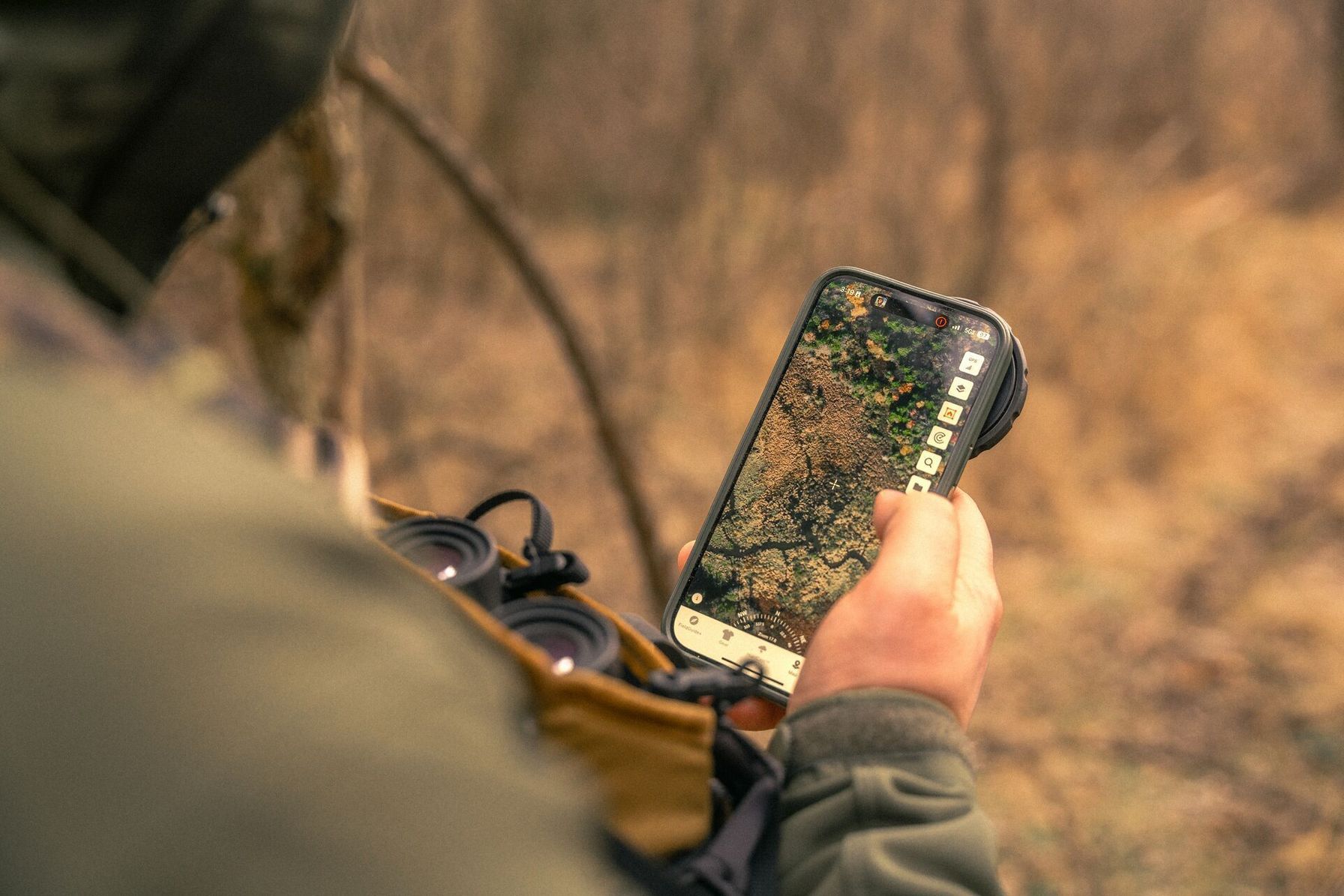
The HuntWise mapping features allow you to explore dense vegetation zones such as the Ponderosa pine forests and the Coconino National Forest. Pinpoint locations that offer water access, natural meadows, and bedding areas that are in thick vegetation where elk are likely to lie low.
Then, consider boots-on-the-ground scouting with binoculars or spotting scopes (the higher quality, the better). Get to your hunting destination a few days early or plan a pre-hunt scouting trip to get into the area. The elk may become less active as the weather cools, making scouting an essential step in this early season.
Get Physically Fit
Arizona terrain can be challenging in some units, and the high elevation and rugged environments can pose challenges to hunters who are ill-prepared for the physical demands. Cardiovascular training, combined with some weighted hikes and long-distance endurance workouts, may prove the difference for those chasing record bulls in a newly discovered secret spot.
Practice Elk Calls and Gather Gear
During your pre-season prep, you can also brush up on your elk calls, especially bugles, cow calls, and calf calls, and examine past rut behaviors and travel corridors.
Gear-wise, you'll need:
- Quality optics are essential, especially in the early stages, when you'll scout and get a feel for the terrain.
- The weather and patterning can shift, so bring layered clothing that will keep you dry and thermoregulate your body temperature.
- A must-have pair of sturdy hiking boots is also essential.
Practice Your Shot
Whether a rifle or archery hunter, spending time at the range and dialing in your shot placement is essential as part of your preparation, especially when hunting big game such as elk. The Arizona elk tag is hard to get, and you want to make sure your shooting is in top form.
How to Hunt Elk in Arizona: Tips for Success
Once you’ve crossed into your hunting unit and geared up, it’s time to plan your approach. Your best tactics change as the season moves along, so use these steps to match your strategy to the conditions.
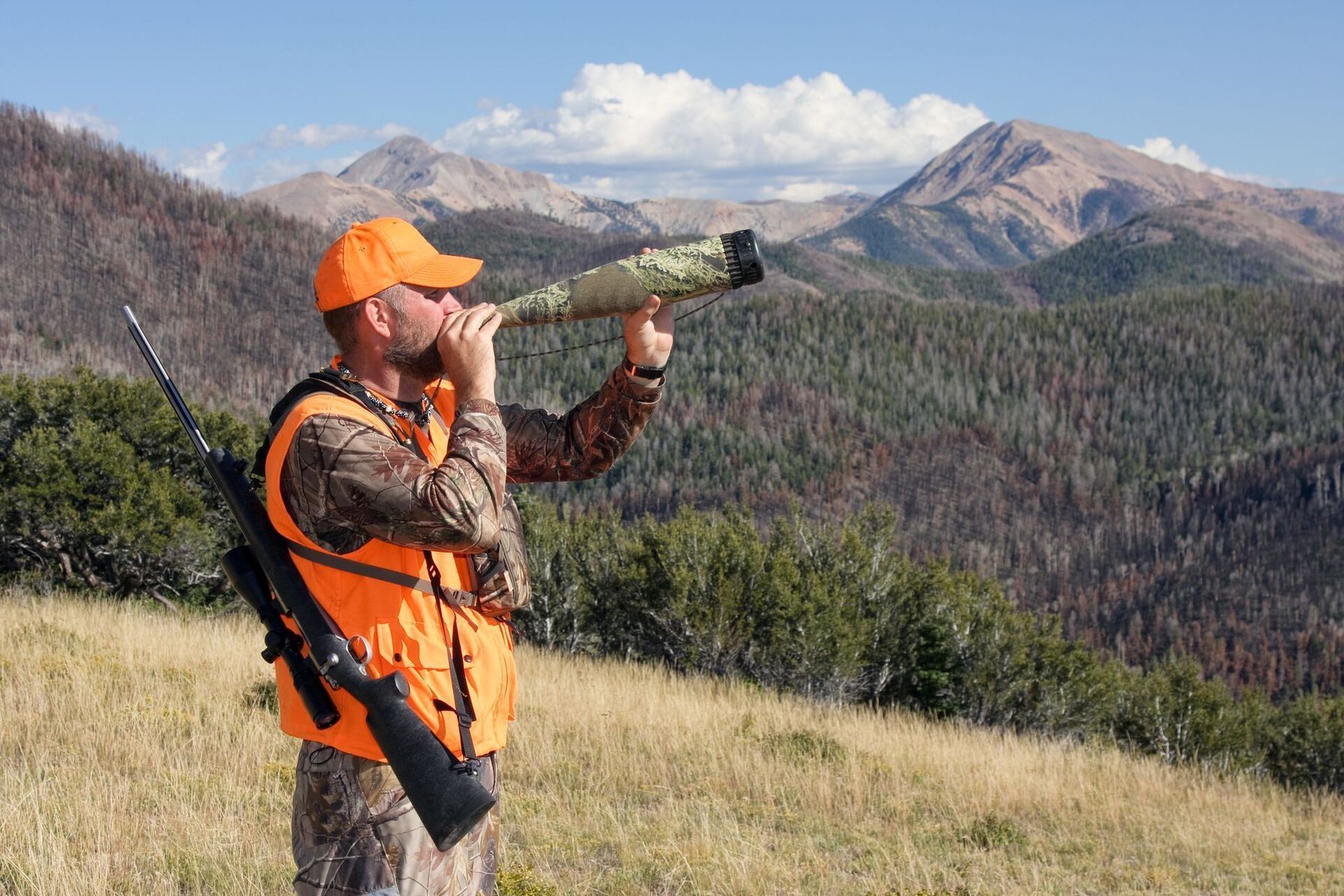
- Use bugles and cow calls in September. Bulls are most active and highly vocal during the rut, so calls help you locate them and draw them in.
- Set up downwind. Bulls often circle to scent check calls, so stay downwind of where you expect them to approach.
- Call in 10 to 20 minute intervals. Take short breaks between calling sessions.
- Focus on feeding and watering areas after the rut. As the season continues and the rut ends, bulls become harder to spot and spend less time in the open. They bed sooner, so you can pattern them by watching feeding and watering areas at dawn and dusk.
- Consider tree stands or ground blinds. These work well when elk travel established routes or in a dry year, especially during peak elk activity.
- Scout with HuntWise. Use the HuntWise app to study your unit before you go, then mark feeding areas, water sources, and travel routes you want to check in person. Scouting this way helps you narrow your search and spend your time where elk are most likely to be.
- Apply for a cow tag. A cow hunt builds your experience and puts some tasty game in your freezer.
- Plan a few hikes before your tag arrives. Time on the ground helps you learn the terrain and environment ahead of your hunt.
Pair these tactics with patience and a good read on the season, and you’ll put yourself in a strong position when your tag comes up.
Make Your Arizona Elk Hunting Experience a Success With HuntWise
Whether you've got points banked up or are just starting to think about your Arizona elk hunting adventure, it's never too early to start planning and exploring the opportunities ahead. Patience, persistence, and preparation are critical to Arizona elk success.
Ready to start scouting? Explore the Arizona elk units with elite mapping, access critical hunting guides and pro insights to help prepare for your hunt, and explore gear offers with the HuntWise app. It's the ultimate hunting toolset for elk hunters!
Content most recently reviewed and updated October 30, 2026.
Frequently Asked Questions (FAQs)
Q: Do I need to draw a permit to hunt elk in Arizona?
A: Yes, for most elk hunts. Arizona issues general, archery-only, muzzleloader, and youth-only elk permit tags through the Pronghorn and Elk draw. A few areas sell non-permit tags over the counter, including the Arizona Strip (Units 12A, 12B, 13A, and 13B), but elk numbers there are very low, and success is expected to be low.
Q: When are the 2026 Arizona elk seasons?
A: Early archery bull runs September 11 to 24, 2026. The early general bull hunt runs September 25 to October 1, 2026, and the late general bull hunt runs November 27 to December 3, 2026. Dates vary by unit and hunt number, so check the AZGFD 2026 Pronghorn and Elk booklet for your unit.
Q: When is the Arizona elk draw application deadline?
A: The 2026 deadline passed on February 3, 2026. AZGFD has not yet confirmed the 2027 deadline, though it is expected to fall on Tuesday, February 2, 2027. Watch AZGFD announcements in early January for the official date.
Q: How much does an Arizona elk tag cost?
A: The elk hunt permit-tag costs $148 for residents and $665 for nonresidents, and both prices include the application fee. You also need a valid hunting or combination license, which costs $37 for a resident general hunting license or $57 (resident) and $160 (nonresident) for a combination hunt and fish license. Youth-only elk permit tags cost $63 for residents and $65 for nonresidents.
Q: How do bonus points work for Arizona elk?
A: You earn one bonus point each time you apply and don’t draw, and you can also buy a point without applying. Each point adds one extra entry in the random draw, and up to 20 percent of each hunt’s tags go to the applicants with the most points. Drawing an elk tag resets your elk points to zero.
Q: Can kids hunt elk in Arizona?
A: Yes. Youth ages 10 to 17 can apply for youth-only elk hunts, and hunters under 10 cannot hunt big game. Youth ages 10 to 13 must complete an Arizona Hunter Education course first.
Q: When is the best time to hunt elk in Arizona?
A: September offers the best chance to call in a bull because the rut makes bulls highly vocal and active. After the rut, bulls get harder to find, so focus on feeding and watering areas at dawn and dusk. Your hunt dates depend on the tag you draw, so plan your tactics around your season.


