

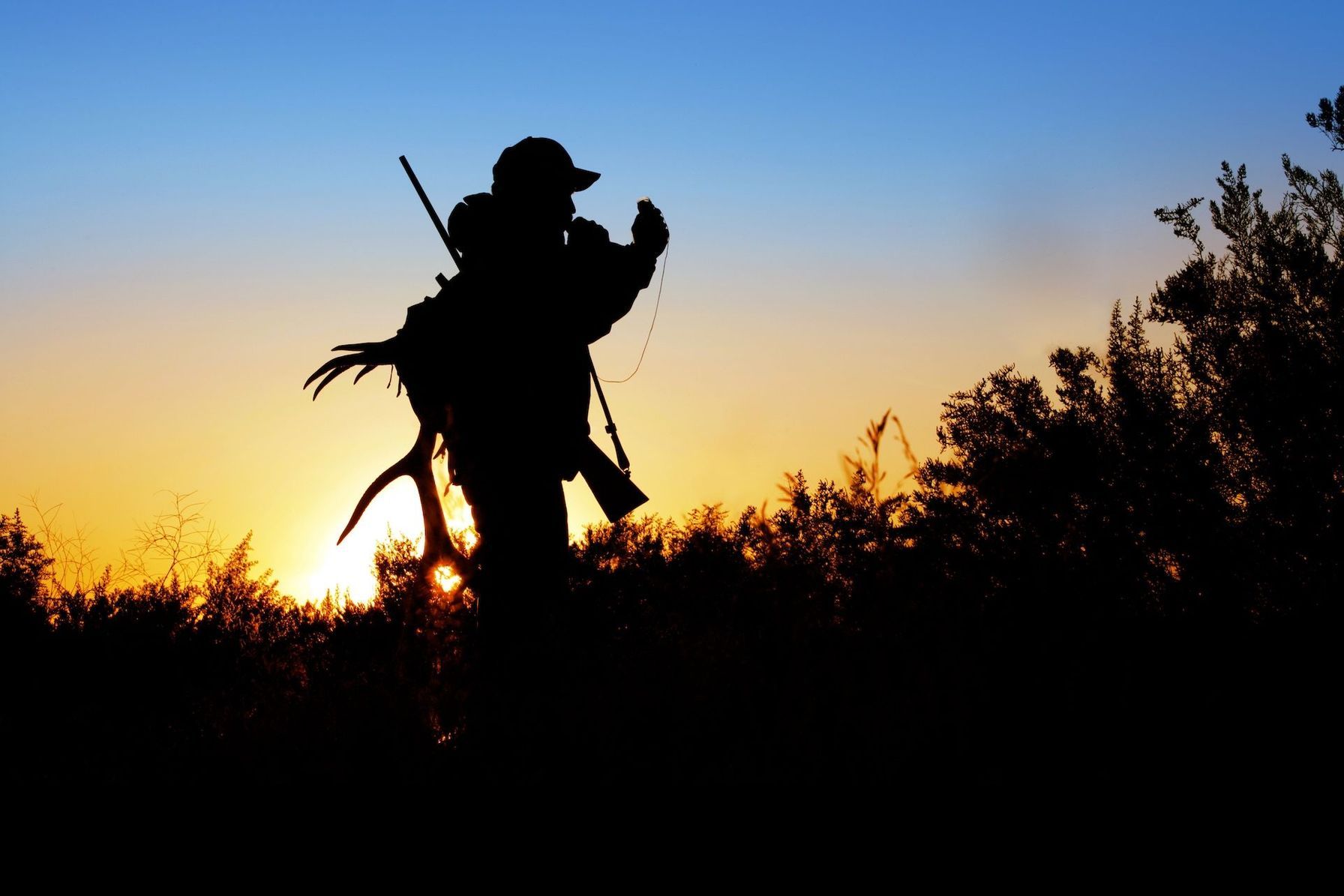
The opportunity to chase elk in the stunning regions of Montana is second to none. With record-breaking bulls, world-renowned natural environments, and diverse ecosystems, if you've the opportunity to hunt these creatures in the Big Sky State, then you will want to make the most of it.
Hunting in Montana is, for many, more than a pursuit; it's a way of life. While you may not come away with a record bull, you'll have a story to tell for years to come.
What should you know about hunting elk in Montana? This guide breaks down everything you need to know about the Montana elk season so you're prepared to take on the challenge.
Updated August 3, 2026.
An Overview of Montana Elk Hunting
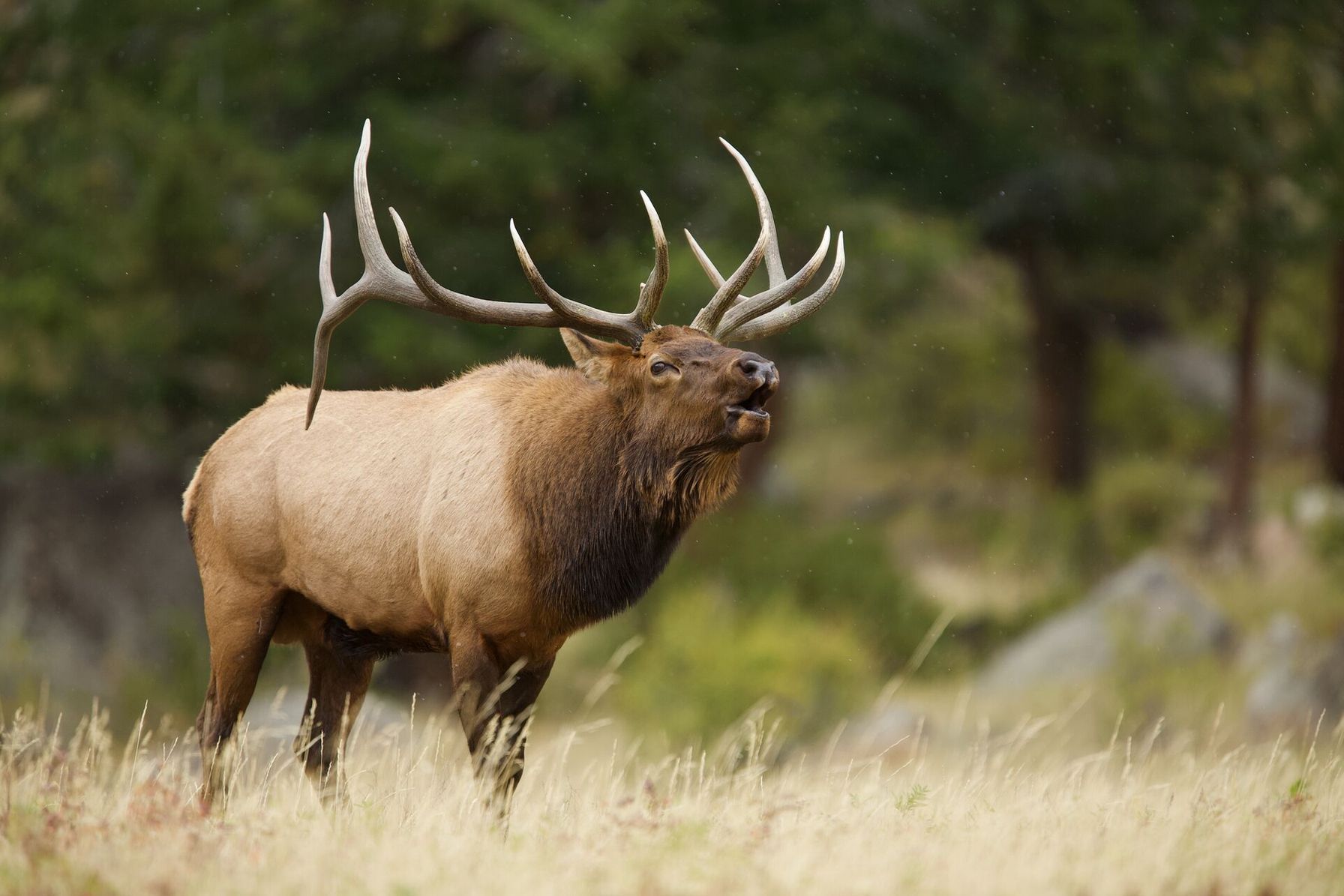
Due to targeted statewide elk management focused on access, population management, and landowner input, the Montana elk herd remains strong at around 175,000. Hunting access is relatively equitable with a mix of general and limited-entry opportunities.
Regarding the environment, the land is diverse and extreme, with varied terrain offering an authentic and challenging experience. For instance, backcountry pack trips through forested ridges take you deep into stunning valleys, where water access and broad areas regularly draw big elk.
Hunting seasons vary, offering options for both resident and non-resident hunters, ranging from deep archery hunts to more accessible rifle seasons.
When is Elk Season in Montana 2026?
So, when is elk season in Montana for 2026? Dates and regulations can change depending on management requirements, so it's essential to always confirm dates on the Montana Fish, Wildlife & Parks (FWP) website for specific Hunting Districts (HDs).
Montana Elk Season 2026 | |
|---|---|
| Archery | September 5 – October 18, 2026 |
| General | October 24 – November 29, 2026 |
| Muzzleloader | December 12 – 20, 2026 |
| Backcountry (HDs 150, 280, 316) |
|
The Montana elk season opens with an archery season, which typically runs from September to mid-October. This is an exciting time to be out in the Montana elk zones, as it aligns with the mating season and offers the opportunity to hear intense bugling, as elk are typically more vocal.
Then, the rifle season typically runs from October to early December. Note that the rifle season is divided into general and special permit hunts that are assigned to different hunting units. It's essential to check these regulations, as they will vary from unit to unit, including changes in weapons, tag requirements, access, and more.
What Are Shoulder Seasons?
Shoulder seasons are specially managed season extensions to manage the elk population. Often, they're focused on private land cow elk harvests.
The dates, zones, and regulations will change depending on the zone and management requirements, so it's best to check online for the most up-to-date information.
Tagging and Licensing for Montana Elk Hunts
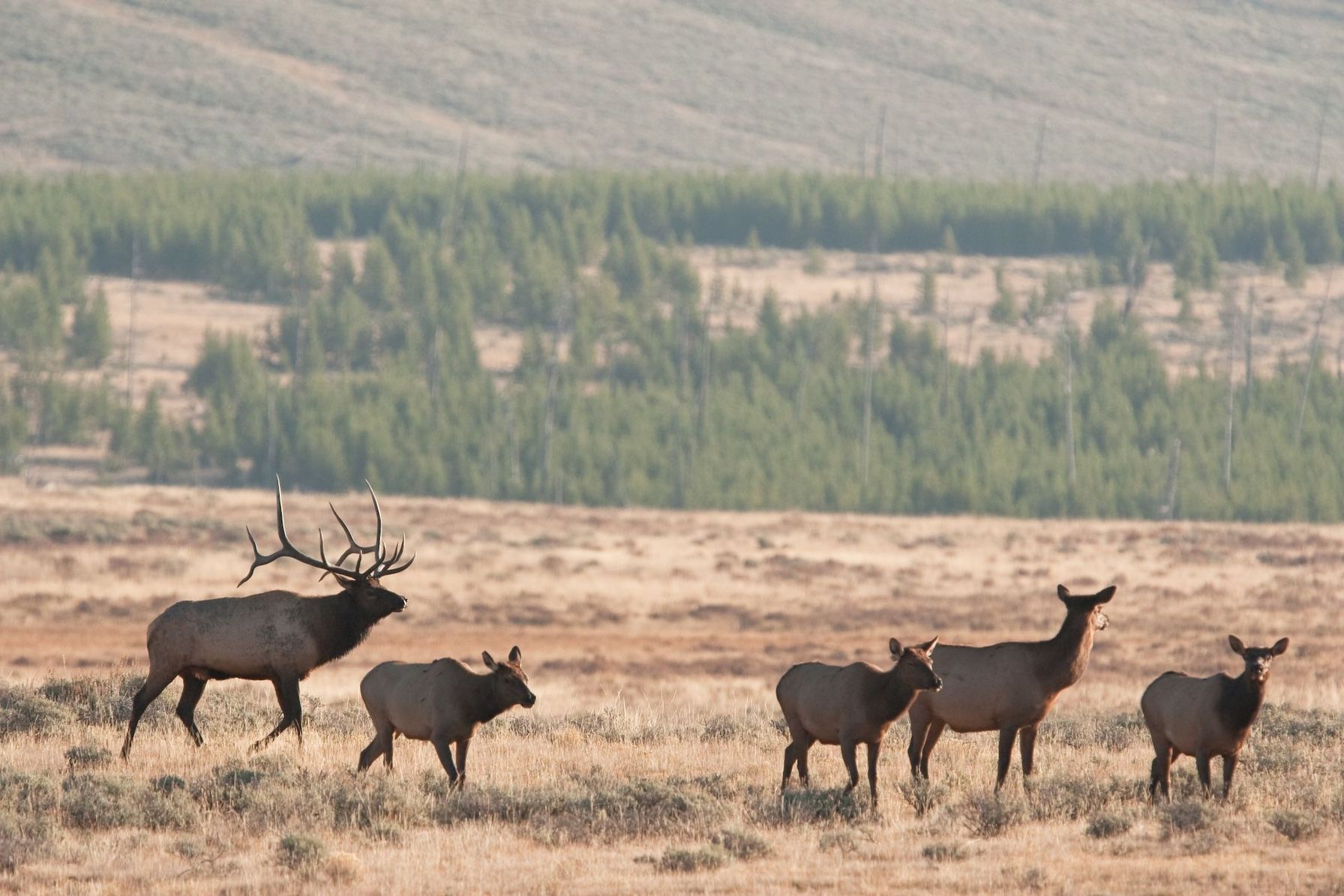
Montana residents can apply for a general elk license and may be eligible for a discount based on age or ability status. Non-residents must apply through a lottery draw; the cutoff for the draw is April 1.
There is an additional requirement for a limited-entry elk permit, which is required for special trophy bull units applied for during the March 15 deadline.
While on the more expensive side, there are opportunities to purchase a combination license which allows for big game, elk, deer, fishing, and some upland bird hunting opportunities. Non-residents must apply for these through a points-based drawing system. Due to the varied hunting options and excellent fishing opportunities, this one is worth considering.
Finally, surplus licenses can be picked up in limited quantities mid-summer. There may also be opportunities to pick up limited shoulder season permits, which often require a separate application and are focused on cow elk control.
Don't forget: To hunt in Montana, all hunters born after January 1, 1985, are required to complete approved hunter education training.
Terrain and Hunting Areas
Due to the diverse landscape, there are various hunting opportunities within the districts, catering to different skill levels, accessibility requirements, gear, and familiarity with the landscape.
Western Montana
Western Montana, which encompasses regions 1-3, is a heavily timbered, mountainous zone with diverse habitats that support robust elk populations. If you're after a trophy elk, then this is where you're likely to find one.
Spot-and-stalk or ambush hunting are standard options; ensure you get your fitness up if you plan to push to higher altitudes. Concentrate on valleys and mixed environments.
Central Montana
Central Montana (Regions 4–5) will be flatter, as these zones are typically characterized by open prairies, rolling hills, coulees, and some isolated mountainous spots. You may find elk to be more dispersed in these regions, meaning putting in some time behind the glass and using your HuntWise mapping features to target and pinpoint ideal hunting zones will likely yield the best results.
Then, heading east to regions 6–7, you'll be hunting vast open plains, grasslands, and river breaks. These regions are frequently restricted to private access. However, some Block Management Areas (BMAs) and public access points are available for use.
What to Know About Hunting Conditions and Land
Hunting conditions will vary greatly depending on your intended hunting window and environment.
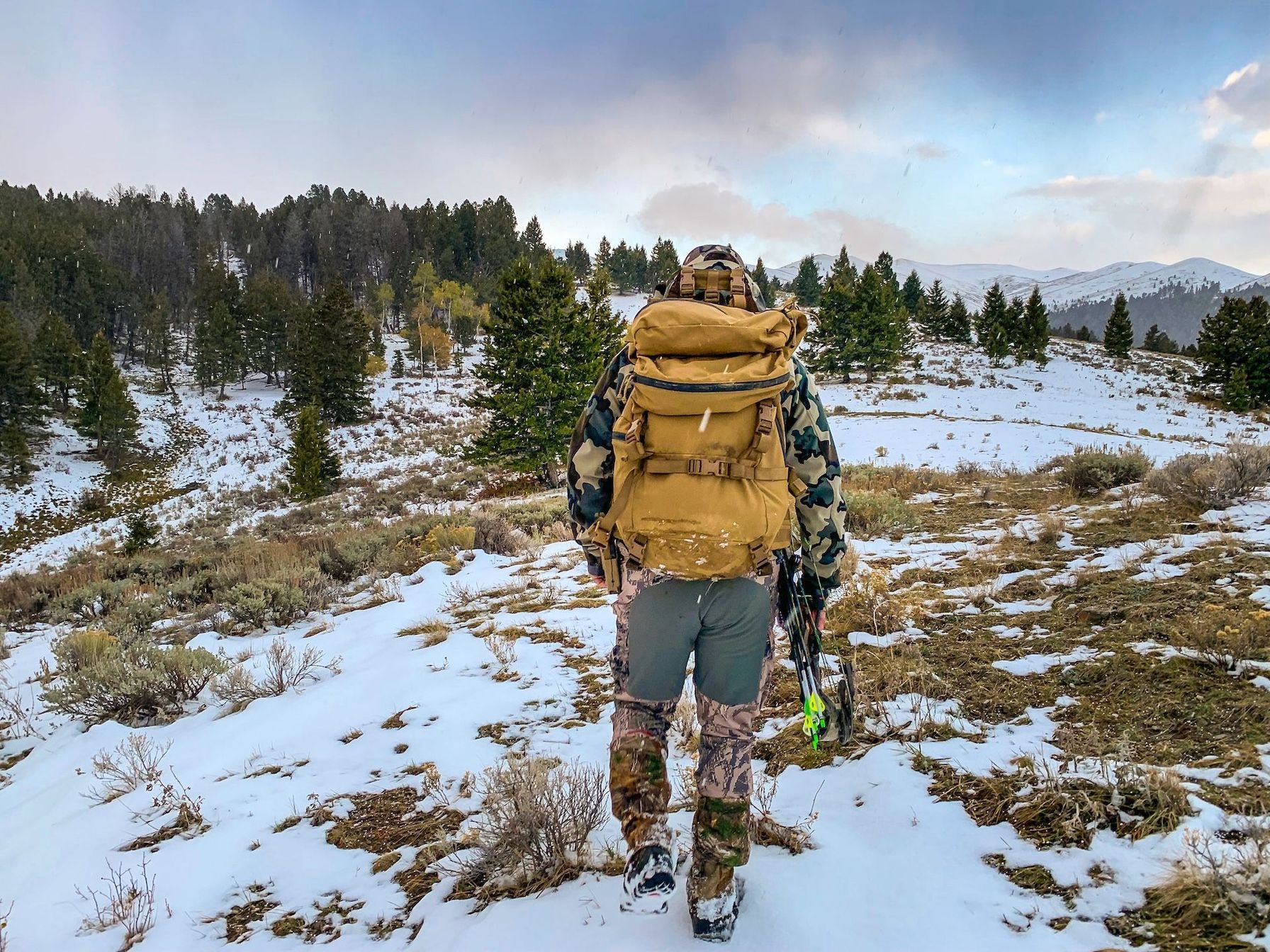
Typically, weather changes can be extreme across the elk season as the early season can be hot and dry, and snowfall is common in late October and November. As a precaution, layer clothing and prepare for sudden shifts in weather patterns, such as storms, temperature drops, and fierce winds, which are common in the open prairies.
Another consideration is elevation, as elk adjust their patterns according to temperature, weather, and food availability. Their elevation range can be anywhere from 2,500 to 10,000 feet or more, so it's best to prepare for both high and low options. During September and October, deer can be found at varying elevations, ranging from low agricultural fields to high country zones.
Public vs. Private Land
Determine whether you plan to hunt publicly, privately, or through a registered outfitter, as this will also impact your hunting conditions.
Montana offers numerous opportunities for public land hunts, with over 30 million acres of public land available, as well as Block Management Areas (BMAs) that allow access to private land. Some outfitters offer horse-packed hunts, which will enable you to go deep into the backcountry and chase elusive and beautifully conditioned elk.
Plan Your Strategy
Then, depending on your chosen hunt, such as archery or rifle, you will need to modify your approach to match the differing rut stages.
- For example, archery season intercepts the pre-rut, during which early archers can hunt elk while they're still in summer patterns, meaning they're out in more expansive spaces, and also during the rut.
- Rifle season falls toward the later end of the rut, meaning bulls may be harder to pattern and spot.
How to Hunt Elk in Montana
Montana's elk herds range across vast public land, from timbered mountain slopes to open prairie breaks, so success depends on matching your tactics to the terrain and the season. Follow these steps to build an effective elk hunting strategy for the state.
- Scout your unit before the season opens. Study maps, glass open slopes at dawn and dusk, and identify feeding areas, water sources, and bedding cover.
- Time your hunt around the rut. Bulls respond to calling and bugling most aggressively in mid-September through early October, so plan your trip around peak rut activity when possible.
- Hunt high early, then move lower as the season progresses. Elk hold in high-elevation basins during warm weather and drop into lower timber and drainages as temperatures fall.
- Use calls strategically. Bugle to locate bulls from a distance, then switch to cow calls to draw a bull in close once you've pinpointed his location.
- Still-hunt through thick timber when elk go quiet. Move slowly, stop often, and use the wind to your advantage to close the distance without spooking a bedded herd.
- Glass open country at first and last light. Prairie and foothill units reward hunters who spot elk from a distance and plan a stalk based on terrain and wind direction.
- Check wind direction constantly. Elk rely heavily on their nose, so approach from downwind and adjust your route as thermals shift throughout the day. The HuntWise WindCast feature can help you with real-time wind and weather forecasting.
- Pack for elevation and weather changes. Layer clothing, carry extra water, and prepare for sudden temperature swings common in Montana's mountains.
- Have a field-dressing and pack-out plan ready before you pull the trigger. Elk are large animals, and a solid plan for quartering and hauling meat saves time and prevents spoilage.
Elk hunting in Montana rewards patience, physical preparation, and a willingness to adapt as the season unfolds. The HuntWise app can help you scout terrain, track weather patterns, and mark key locations before and during your hunt.
Pro Tips For Success
Success is far from guaranteed on a Montana elk hunt. The success rate for elk hunting in Montana typically sits around 10-12% for archery hunters and 12-25% for rifle hunters.
However, just the opportunity to be out hunting in such stunning natural environments is often rewarding in itself.
Download HuntWise
Before heading out into the field, download the HuntWise app and explore its various map functions to uncover high-potential zones, such as travel corridors, bedding areas, and feeding areas. With the LiDAR (Hillshade) layer, you can detect subtle changes, such as elevation changes or hidden corridors, that other mapping functions may miss.
For a fall hunt, consider visiting Montana in the summer to explore potential hunting zones and travel corridors that you can mark on your map.
Practice Elk Calls
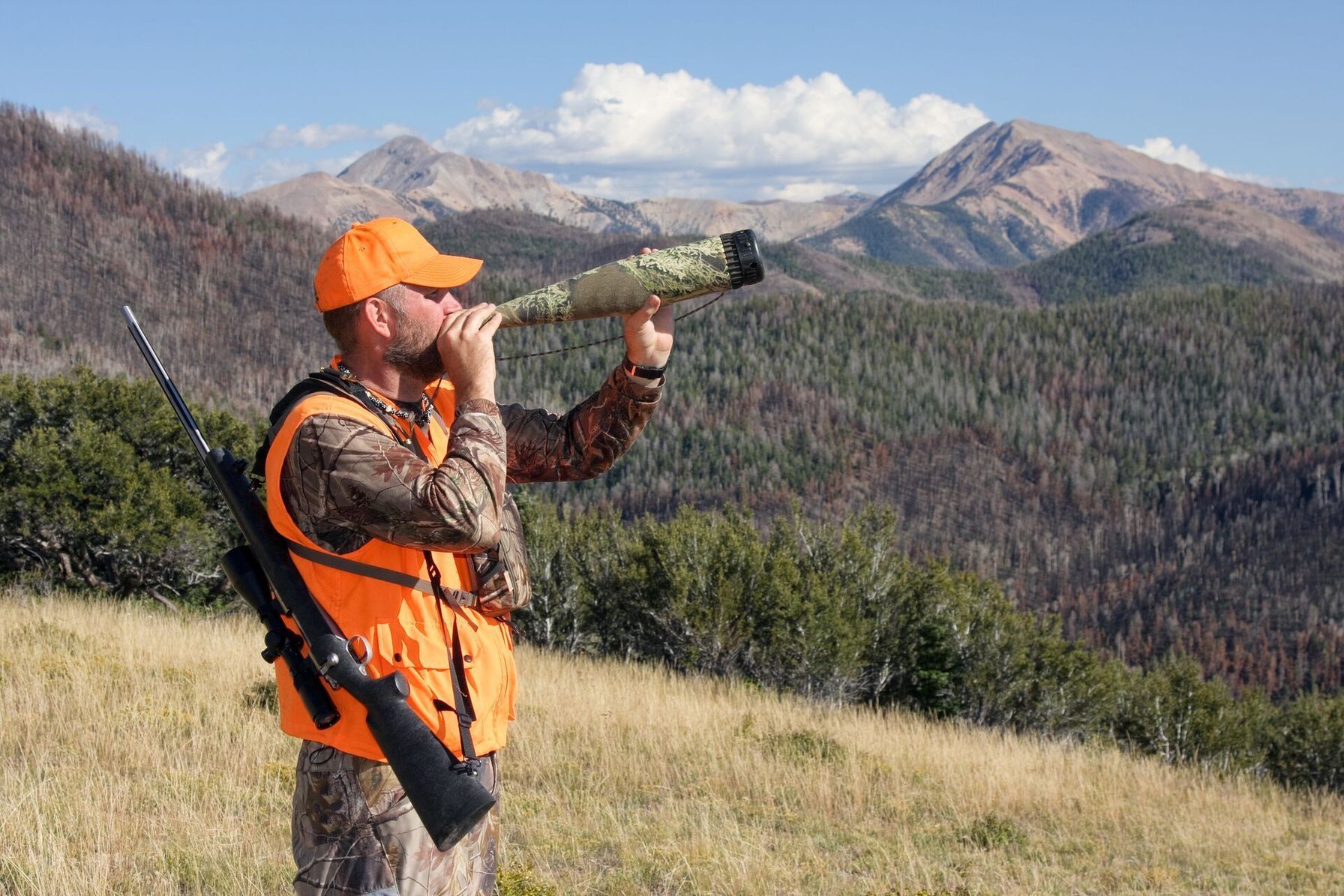
You'll want to practice bugling to bring in big bulls, especially if you're on an archery hunt. This is a skill that can be practiced whenever (so long as it doesn't annoy any family or friends).
Prepare for Success
Regarding preparation, make sure you're in reasonable physical shape to tackle the steep, rugged terrain. This includes cardiovascular training for lung health and plyometric exercise for leg strength and endurance.
You'll also want to prepare for meat care, especially if you're successful during the early season. This includes having a cooler ready with your truck, packing out with appropriate game bags, and utilizing natural shade to help control the temperature.
Calm rivers and creeks can serve as a quick cooling strategy for large quantities of meat. However, it's essential to minimize moisture when they're taken out, as this can exacerbate bacterial growth.
Regulations to Know Before You Go
There are specific regulations related to elk hunting in Montana, so it's best to always check with Montana Fish, Wildlife, and Parks for information regarding the season and your intended hunting unit.
Most units will have an antler restriction known as a brow-tine rule, in which bulls must have at least a brow-tine line on an antler. Additionally, there are firearm and bow stipulations. For example, a muzzleloader must be a minimum of .45 caliber, so it's best to check thoroughly to ensure you're hunting efficiently and effectively.
Finally, check mandatory reporting laws, as this is a fairly common practice in Montana. Be aware of Chronic Wasting Disease management zones and carcass transport rules.
Plan a Successful Montana Elk Season with HuntWise
Chasing a Montana elk, especially during the rut, is one of the most exciting opportunities to experience these creatures in peak form. The sounds of bugling, stunning views, and the opportunity to hunt in one of the most traditional and pro-hunting regions are a privilege.
If you've secured a tag or are thinking about planning a hunt during the Montana elk season, it's never too early to start poring over maps and reading up on pro-hunt insights. With HuntWise, you can access elite mapping overlays, including LiDAR, hunting guides, weather features, and much more.
Content most recently reviewed and updated August 3, 2026.
Frequently Asked Questions (FAQs)
Q: How much does it cost to hunt elk in Montana?
A: Costs depend on residency. Montana residents can purchase a General Elk License for $20, plus a Conservation License and Base Hunting License. Non-residents must apply for an Elk Combination License, which costs $1,018, or a General Big Game (Deer & Elk) Combination License, which costs $1,312. Non-residents also pay a $50 base hunting license fee, a Conservation License fee, an Aquatic Invasive Species Prevention Pass, and a nonrefundable $5 application fee, all purchased separately from the combination license.
Q: Is it hard to get an elk tag in Montana?
A: It depends on the license type. Residents can buy a General Elk License over the counter every year with no draw required. Non-residents must apply for and draw a Combination License, and demand consistently outpaces the number of tags available. Montana allocates 75% of non-resident combination licenses to applicants with the highest number of preference points and the remaining 25% through a random drawing, so first-time applicants can still draw a tag, though building preference points improves the odds over time.
Q: Can a non-resident hunt elk in Montana?
A: Yes. Non-residents can hunt elk in Montana, but they must first draw either an Elk Combination License or a General Big Game (Deer & Elk) Combination License through Montana FWP's annual application process. Non-residents cannot buy an elk license over the counter. Once drawn, the license allows elk hunting under the general season structure, though some hunting districts require an additional limited-entry permit.
Q: What part of Montana is best for elk hunting?
A: Montana's elk populations are strongest across its mountainous regions, including the areas in and around the Bitterroot, Gallatin, and Bob Marshall wilderness complexes, as well as public land in northwest Montana's Region 1. These areas combine high elk densities with large blocks of accessible public land, though hunting pressure and difficulty of access vary by hunting district. Hunters should check current district-specific harvest statistics on the FWP website before choosing an area.
Q: What are the odds of drawing a Montana elk tag?
A: A General Elk License requires no draw for residents. For non-residents, the odds of drawing a Combination License depend on preference points: FWP awards 75% of combination licenses to the applicants with the most preference points and randomly draws the remaining 25% among all applicants. Odds for limited-entry elk permits within specific hunting districts vary widely by district and can run as low as roughly 1 in 1,000 for the most sought-after units. Hunters should check FWP's published draw statistics for exact odds by hunting district.
Q: Can I buy elk tags over the counter in Montana?
A: Residents can buy a General Elk License over the counter with no draw required. Non-residents cannot buy an elk tag over the counter; they must apply for and draw an Elk Combination License or General Big Game (Deer & Elk) Combination License before they can hunt elk in Montana.


