Colorado is a top destination for turkey enthusiasts, offering opportunities to hunt Merriam and Rio Grande turkeys. During the spring hunt, hunters may only pursue gobblers and bearded turkeys. To ensure you know what you can hunt and when, let's explore everything you need to know about the 2026 spring turkey hunting season in Colorado.
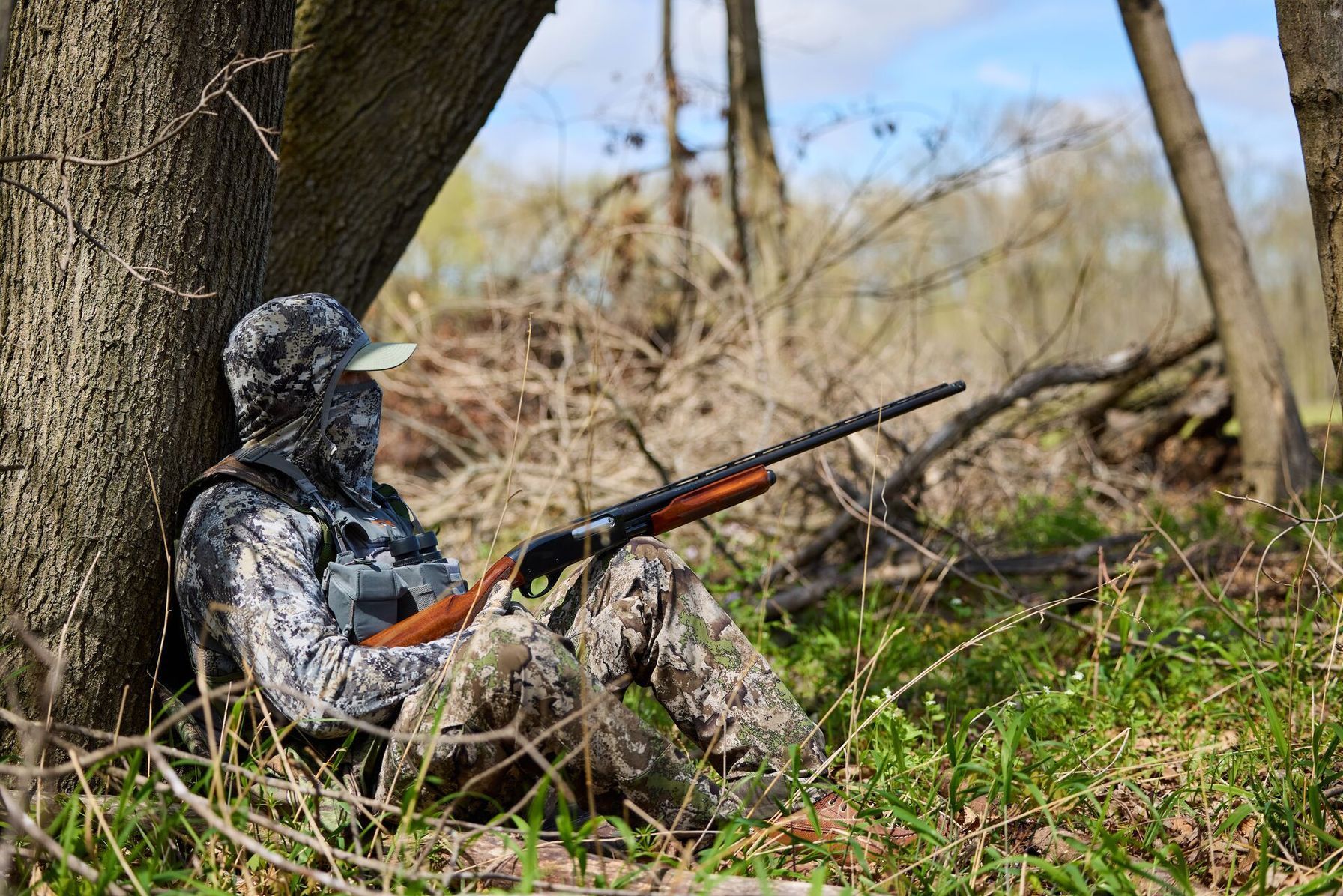
Colorado Spring Turkey Season 2026: What Hunters Need to Know
Colorado uses a draw system for turkey tags with some limited over-the-counter tag availability. As in many states, hunters can accrue points in a preference system, which improves their chances in future draws. Preparation and patience are key to successful Colorado turkey hunting seasons and to making the Colorado turkey draw deadline.
Season Overview
Whether you're chasing Merriams through the pines and meadows or trying your luck in the eastern plains to harvest a stunning Rio Grande on the river bottoms, nothing beats that first day of listening to the spring gobblers echoing through mountain timber.
It's a special experience to call and respond to birds in the early season when they're highly vocal.
Key Colorado Turkey Hunting Dates for 2026
Mark this year's important Colorado turkey hunting dates on your calendar, and verify them with Colorado Parks and Wildlife (CPW); regulations, availability, and other rules can vary by unit and season.
The general Colorado spring turkey season 2026 will run April 11–May 31, with an application period of January 2–February 3. Expect the draw results to be posted by February 11. Successful applicants must make payments by February 25.
If you missed the draw or were unsuccessful, set a reminder in your calendar for over-the-counter opportunities, which begin March 1 at 9.00 a.m. MST. Popular units can fill up quickly, so if you're counting on an OTC tag, log in early on March 1.
License & Bag Limits: Know Before You Go
Your bag limit depends on your license allocation and type. While the limit is technically two, hunters are restricted to one bird per license (see below).
What Is the Spring Bag Limit?
The spring bag limit is two bearded turkeys per license. To reach this limit, you must harvest one bird with a limited (draw) license and the second with an OTC license.
This is the only way to take two turkeys in the spring legally. You cannot use two OTC licenses to harvest both birds.
What Are the 2026 License Fees?
Colorado turkey hunting is open to residents and nonresidents, and nonresidents pay a higher fee. With two rare subspecies of turkey, Colorado is popular with out-of-state hunters looking to complete their turkey grand slam. Here's a breakdown of the turkey license fees.
- Resident: $38.49
- Nonresident: $194.21
- Youth (under 18): $20.62
- Habitat Stamp: $12.76
To claim a resident license, you must live in Colorado for a minimum of six consecutive months immediately before applying. You must also have your primary residence in Colorado and not have applied for or purchased a resident license outside of Colorado within the six months.
What Is the Habitat Stamp Requirement?
Colorado requires one habitat stamp per person (ages 18–64) who buys or applies for a license. In 2026, the annual cost of a habitat stamp is $12.76.
Colorado supports a diverse range of environments and turkey species, and habitat stamps go towards environmental improvement and wildlife conservation across the state. When you buy a stamp, you're contributing to the Colorado Wildlife Habitat Program (CWHP), which works with private landowners, local government organizations, and conservation groups.
Where to Hunt Turkeys in Colorado
Depending on your target subspecies, you'll need to adjust your hunting plan and preparation to align with changes in the environment and bid patterns. Let's break down two Colorado turkey hunting opportunities and how you might want to approach these hunts.
|
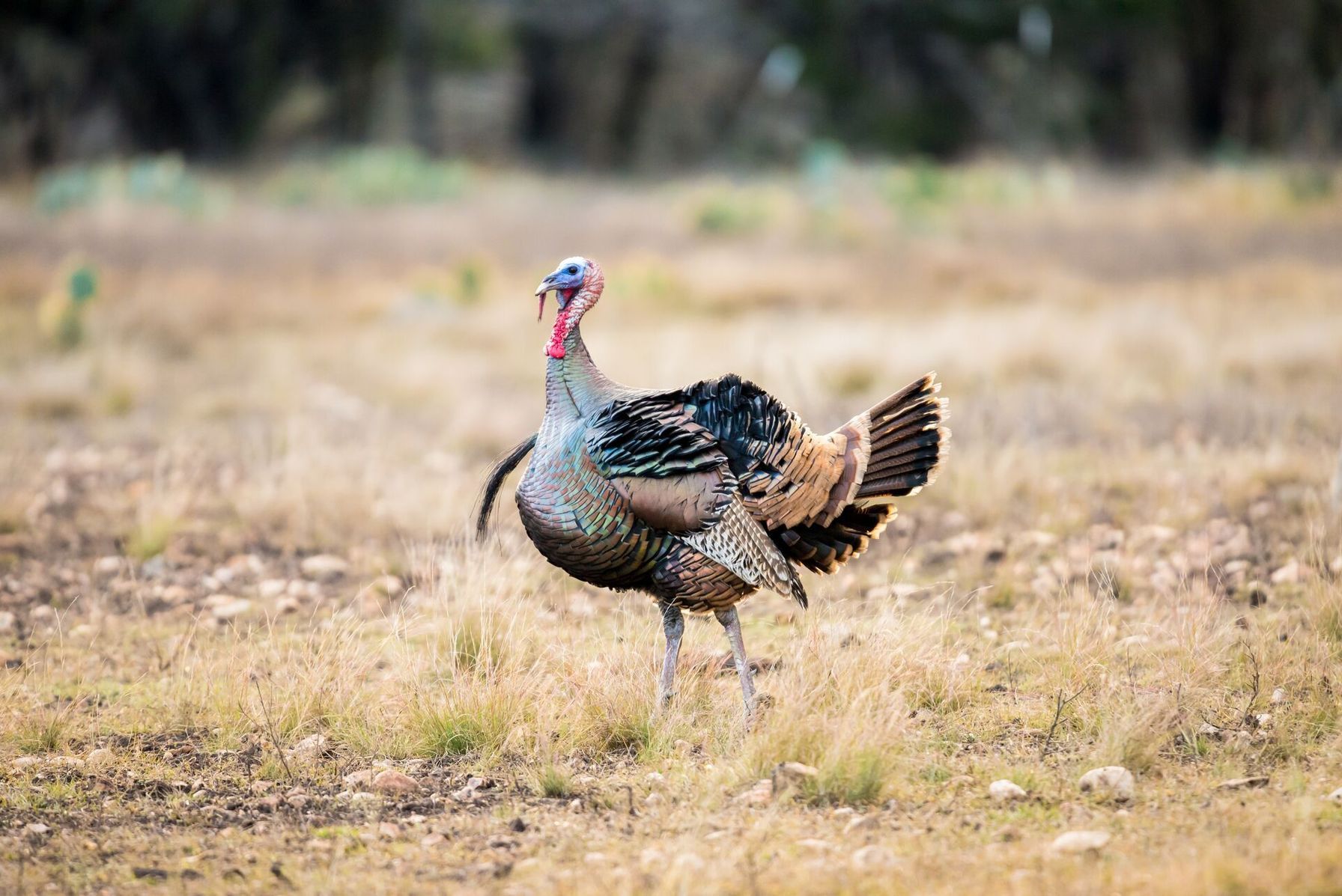
Rio Grande turkey |
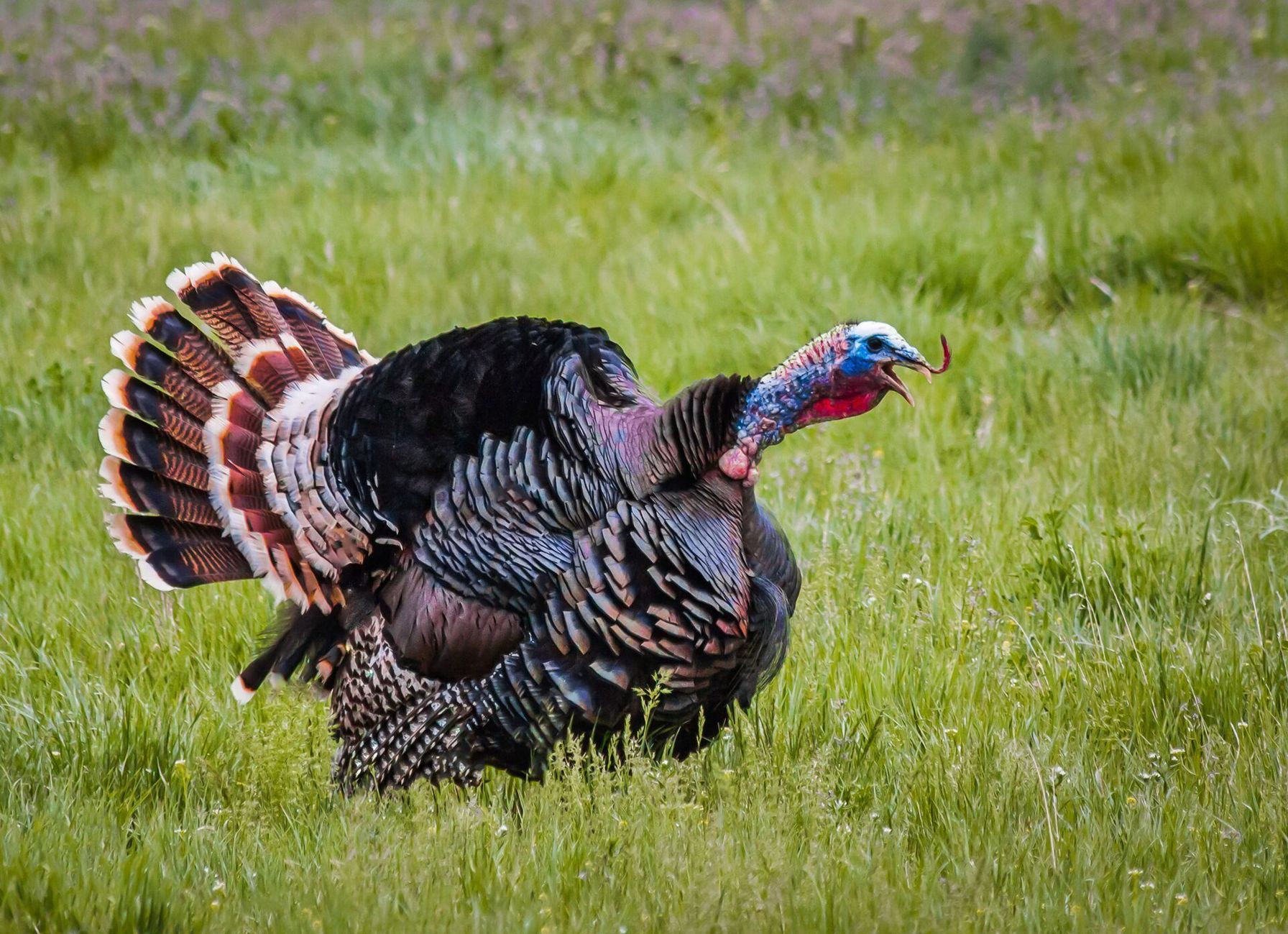
Merriam's turkey | | --- | --- |
Merriam Turkeys
Merriams are native to the mountainous regions of the west and are mostly found at higher altitudes and in foothills, among pine, oak, and ponderosa country. They're strong gobblers, marked by a stunning white, frosted-tipped fan.
Merriam turkeys are highly vocal and responsive, so you can be more aggressive with calls, especially locator calls. They move slowly through the forest, and practicing your calling and pre-scouting these environments (especially transition points and edged areas such as open meadows) will improve your chances.
To hunt Merriams, you'll need a quality pair of boots and layered clothing. This gear will help you prepare for the cooler weather patterns that can shift in mountainous environments.
Rio Grande Turkey
Concentrated in the eastern regions of Colorado, past I-25, you'll encounter the mighty Rio Grande turkey. These birds prefer river bottoms, cottonwoods, and agricultural edges with brush and scrub oak.
Rio Grandes tend to congregate in flocks. To assist your scouting, focus on waterways, particularly zones in open landscape.
Special Opportunity: Fishers Peak State Park
During the 2026 spring season, CPW will conduct a random draw for five hunting opportunities at Fishers Peak State Park, with draws held in nine-day windows. This special draw is a fantastic chance to hunt a less pressured and unique turkey environment.
The entry deadline is March 6, 2026, so mark your calendar and apply early. Entries are limited to one per person.
What Are the Legal Shooting Hours?
Legal shooting hours are from one-half hour before sunrise until sunset. Always check the most up-to-date sunrise and sunset times for your specific location, and get set up nice and early, as most gobbler action happens right at fly-down.
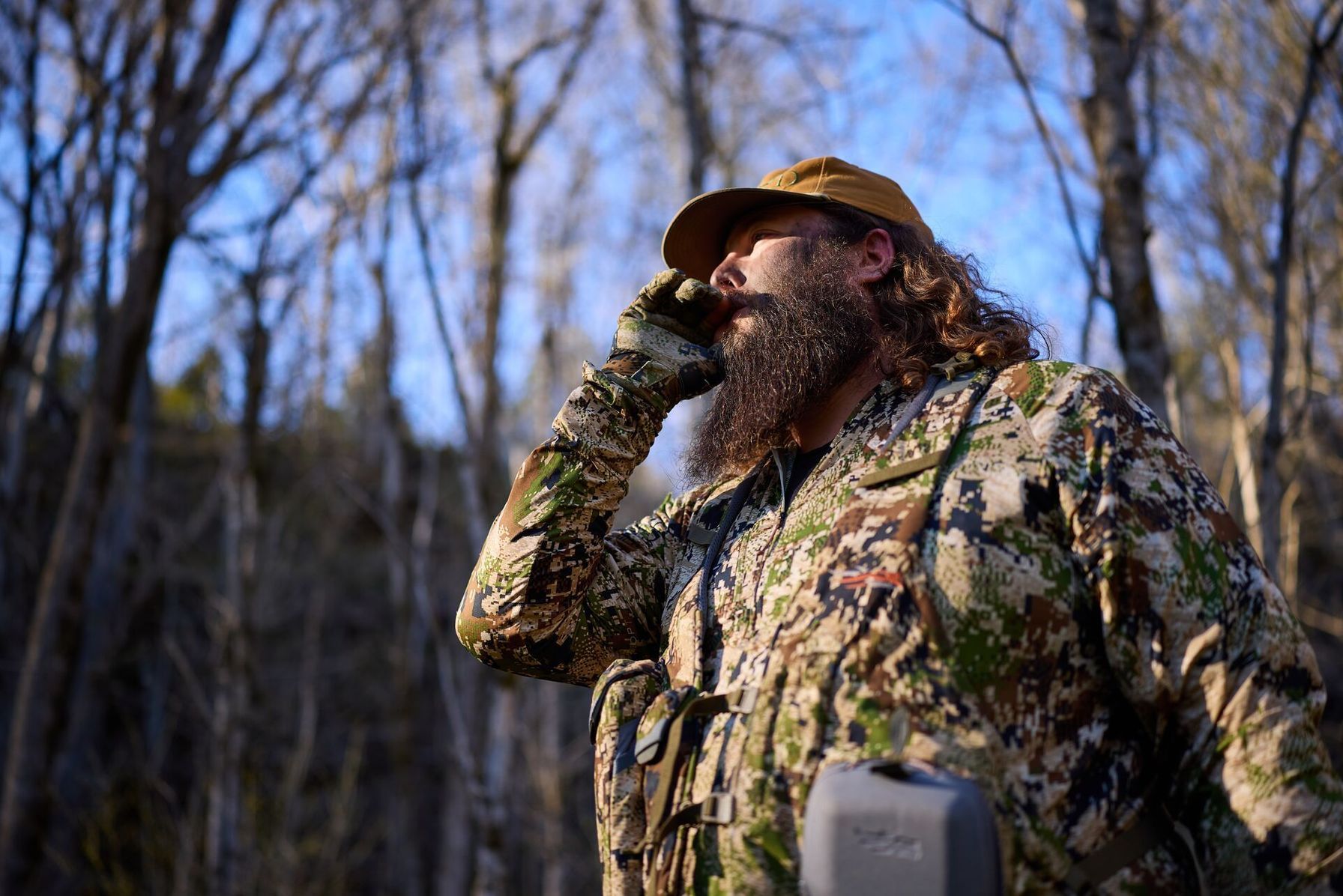
Ben Cole of RootedTV
Colorado Turkey Hunting Strategy Tips for 2026
Due to strong turkey reproduction rates over the last few years, the 2026 season is shaping up to be a strong one. Still, you'll need to put in some quality scouting and season prep, and understanding the terrain and breeding season will help you position your hunt on prime grounds.
Use the tips below to get ahead of the curve.
What To Look For When Scouting
To kickstart your Colorado turkey hunt, explore the maps on HuntWise and start marking high-potential zones that you'll be able to explore on foot. Focus your initial scouting on roost trees, agricultural fields, oak flats, and access points to creek crossings and springs.
Leverage the contoured feature and LiDAR to uncover saddles and narrow strips of cover and creek bottoms. Once marked, explore dusting areas, fresh scratchings, especially in the open pines, and potential travel corridors on foot to establish a potential shooting zone.
Understand Turkey Behavior
During early and midseason breeding, the forest will come alive with dawn gobbles from toms. Flocks of turkeys will begin to fragment, and smaller, more isolated social grouping patterns will emerge.
By midseason, the mating period is in full swing. Toms become highly responsive to calls and increasingly territorial and dominant.
Towards the end of the season, gobblers may quiet down as toms pair up. However, there are still callable loners in the field, and gobblers can fire up again once hens start nesting.
Keep in mind the impact of lingering cooler weather and snowpack as you plan when to hunt, especially in mountainous regions. Deep snow can affect mobility and feeding, leading to reduced movement and vocalizations, so you may spot birds in treetops or at lower elevations in these conditions. As snow melts, turkeys will seek out territory at higher elevations.
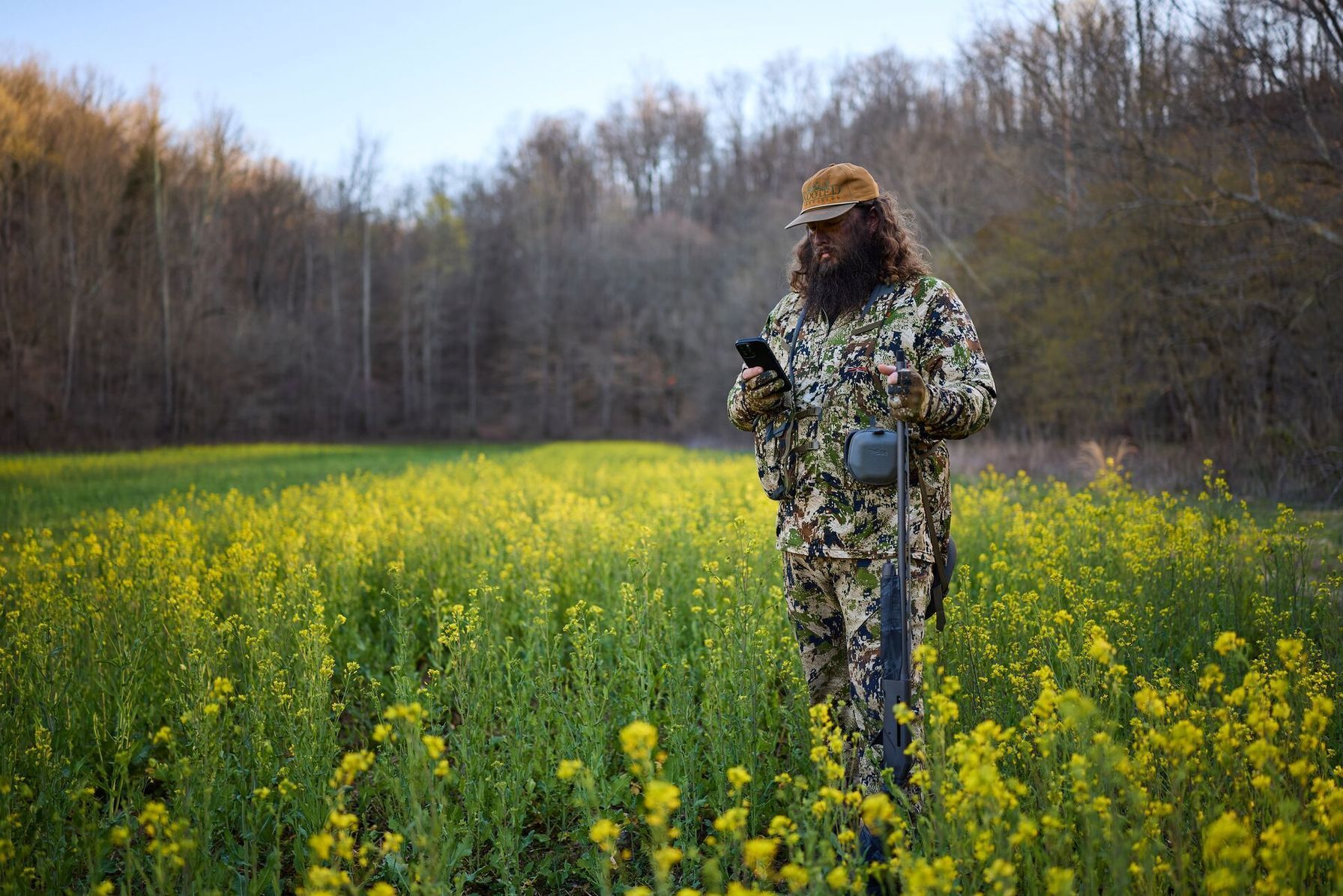
Ben Cole of RootedTV uses HuntWise to hunt turkeys.
Use HuntWise to Plan a Better Colorado Spring Turkey Season
Colorado spring turkey season 2026 offers hunters unique opportunities to pursue two prized subspecies, but a successful hunt requires planning. Before you head into the field, double-check and verify CPW regulations regarding your intended hunting zone and times. Start scouting early to identify high-potential zones near agricultural areas and water sources, and be sure to dress in layers for Colorado's sometimes unpredictable spring weather.
HuntWise can help you prepare and make the most of your Colorado turkey hunting experience! You'll be able to take the guesswork out of the hunt with insights on wind, environmental, temperature, and precipitation factors. With the right information and scouting strategy, you'll be well-prepared for a fun, responsible turkey hunt.
Don't have HuntWise yet? Now is the time to download it and explore Pro and Elite Features free for 7 days.
Frequently Asked Questions (FAQs)
Check out these answers to some of the top questions about Colorado turkey hunting!
Q: Is there a turkey hunting season in Colorado?
A: Colorado has both spring and fall turkey hunting seasons. Hunters must have a valid turkey license and follow the season dates listed in Colorado Parks and Wildlife's annual regulations.
Q: How much is a spring turkey tag in Colorado?
A: For the 2026 season, a resident spring turkey license costs about $38.49, while a nonresident tag is about $194.21. Hunters ages 18–64 must also buy an annual habitat stamp ($12.76) the first time they purchase a license each year.
Q: What are the changes in Colorado hunting in 2028?
A: Starting in 2028, Colorado will update its license draw system for big game and turkey. Licenses will be split 50% through the preference-point draw and 50% through a random draw, and many species will follow a 75% resident / 25% nonresident allocation.
| |