

Merriam turkeys would have to be among the most challenging turkeys to hunt. Hunting them requires an intimate knowledge of the subspecies, how they behave and interact with the natural environment, maintaining peak physical condition, and preparation to push yourself further than expected on other turkey hunts.
However, the rewards are not just limited to the trophy. The journey to hunt a Merriam turkey takes you to some of the country's most untamed and picturesque locations. It's not just a hunt; it's an exhilarating adventure.
If you're ready to take on the challenge and take your turkey hunting to the next level, then read the following information on everything you need to know about Merriam turkey hunting.
Updated March 30, 2026
What is the Merriam Turkey?
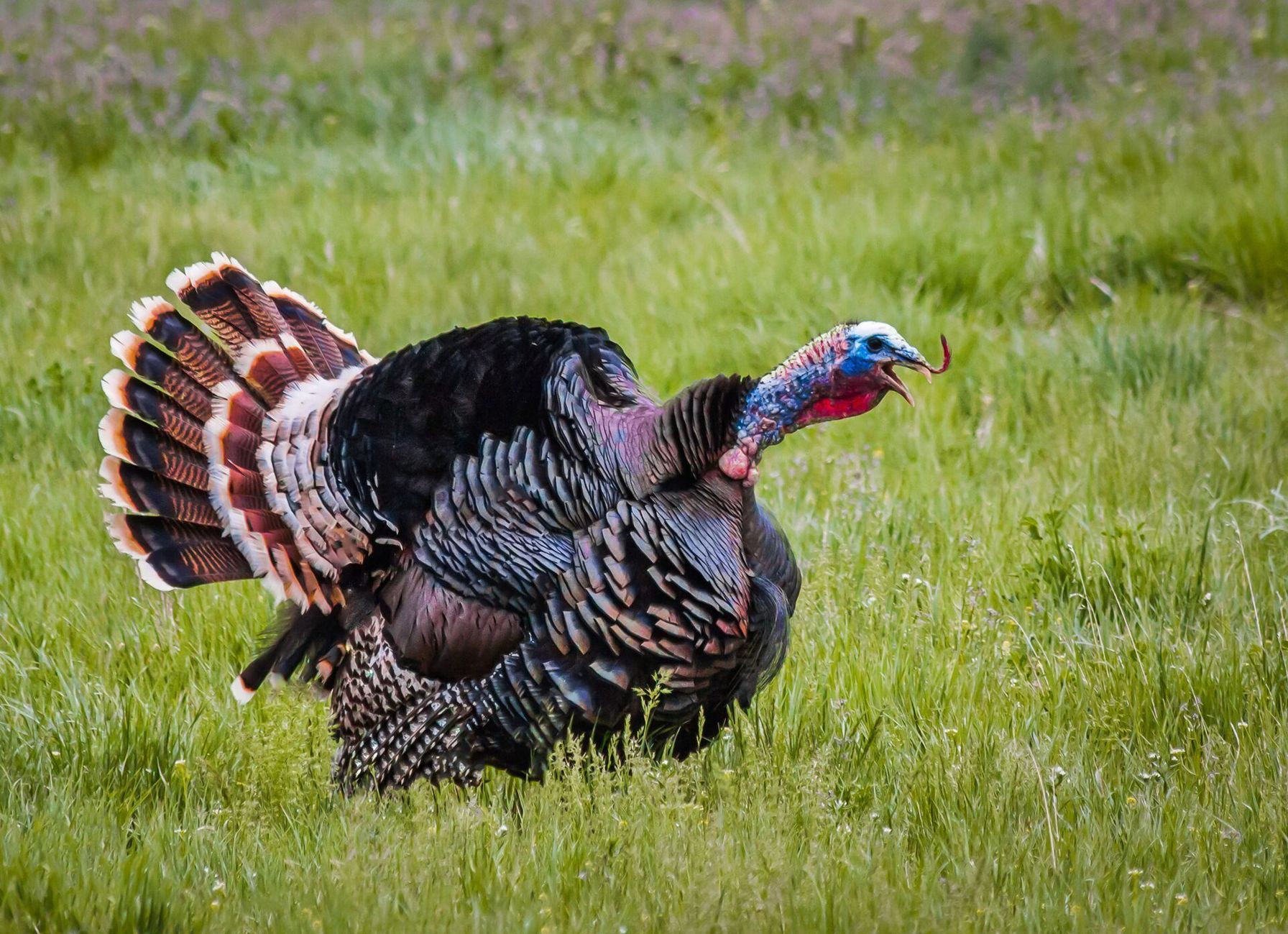
Merriam turkeys are known for their unique white-tipped tail, lower back feathers, and light plumage.
Adult males (toms) display iridescent bronze and dark feathering, showcasing this large fan-tail in mating rituals and a short beard protruding from the bread. Female plumage is highly adapted to the environments in which they inhabit, functioning as a type of camouflage and featuring a mix of brown, gray, and white.
Additionally, adult males can weigh anywhere from 18 to 30 pounds, and females from around 8 to 12 pounds.
Merriams are native to the mountainous regions of Western States, preferring habitats of open forests, mixed environments where forests meet grassland, or zones of oak or mixed conifer environments. Like all turkey subspecies, they thrive in environments that provide sufficient nesting, roosting, and foraging opportunities, as well as water access and cover for survival from predation.
5 Best States For Merriam Turkeys and Hunts
Many states have excellent turkey hunting, but not all of them are home to the Merriam turkey. While previously limited to a handful of states, Meriams have been successfully introduced to various states, including Idaho, Washington, California, and more.
Explore (in no particular order) five of the top Merriam turkey states, plus a brief overview to help you prep your hunt.
1. Colorado
Merriam hunting in Colorado offers a mix of public and private lands with ample opportunities in the Rocky Mountain region. You'll find that these mountain-dwelling birds are nomadic, opportunistic feeders with a surprising range.
2. Montana
Montana is one of the states that enjoyed a transplanted population of Merriams, as the bird is not native to this state.
The state is known for vast public lands and a healthy population of Merriam turkeys in the western part of the state. There are plenty of habitats for the birds to thrive, including the mountainous regions in the center to center-west and even some challenging birds out in the canyons further east.
3. South Dakota
The Black Hills are a prime location for Merriam turkey hunting. There is good access to public land; three-quarters of the 2.3 million acres are open and carefully managed by the forestry service.
4. New Mexico
For an authentic Merriam turkey hunt, it's hard to look past New Mexico, which offers a unique hunting experience in the high desert and mountain terrains. Make sure you pack your boots, as a solid hike may be necessary to hit some Merriam pockets in the elevated mountains or valley regions.
5. Wyoming
The Bighorn Mountains and surrounding areas are prime spots for Merriam Turkey. This is especially true when targeting river systems and mixed agriculture zones.
When to Hunt These Birds
For an easier hunt, targeting Merriams during the Spring season is recommended. As this aligns with the breeding season, the birds will be more vocal and responsive to calls and decoys.
They will also be slightly less apprehensive as the breeding brain takes over, and birds become more straightforward to locate as they showcase their mating rituals and move out into the open.
Fall can also deliver a Merriam for your Thanksgiving table. However, this will require a much more targeted approach involving in-depth e-scouting to locate flocks, using effective calls, and packing out to harder-to-reach zones.
What Are the Best Hunting Strategies for Western Turkey Hunting Success?
To improve the odds of tagging a Merriam turkey, hunters must prepare for tough terrain, scout thoroughly, call strategically, and apply a well-executed spot-and-stalk strategy.
Prepare for Tough Terrain
Hunting turkeys in the mountains means you need to be conditioned for tough terrain. A Merriam turkey hunt is very different than a turkey hunt in flatter locations, like Texas or Florida (if you're after the Osceola).
As you would prepare for a western elk hunt, you should consider the same fitness goals for a Merriam turkey hunt. You can expect steep, high-elevation terrain when tracking these turkeys. Make sure you're in good shape and move carefully as you track.
Watch for hazards, like fallen or loose rock and steep drops.
Scouting
Pre-season scouting is an invaluable process for uncovering these elusive birds. While they can inhabit a wide range of spaces, open up the HuntWise map layers and zone in on coniferous hills, elevated areas, river bottoms, and agricultural areas that meet forests. Look for meadows, canyons, and water sources before heading out for boots-on-the-ground scouting.
After determining a high-potential area, grab your favorite optics and glass during the day and look for signs of flocks. You can also head out on foot to confirm bird signs with tracks, droppings, and feathers. Listen for gobbling while you're glassing and look for roost sites. You won't want to set up directly in those spots, but knowing where turkeys roost and listening to where they travel can help you pick the best spot for your setup nearby.
Mark what you hear and see in the HuntWise app!
Calling
Merriams are vocal birds that employ loud vocalizations to ensure they're heard in the wide-open country spaces that they inhabit. This means they're also super responsive, especially in more remote locations.
Use a variety of calls, such as clucks, purrs, and yelps, to attract gobblers and take the lead of the hens as to what calls are working at that time.
Decoy Setup
If hunting open plains, consider a standard hen and jake decoy spread to help close the distance and provide a visual incentive. However, using decoys isn't always necessary when hunting Merriams in a mountain turkey habitat. You may have better luck with the next strategy of spot and stalk hunting.
Spot and Stalk
Merriams are wanderers and will move far from their roosting locations, making tracking routines and movement patterns hard. Don't expect to see them holed up in one spot all day.
That being said, this is part of what makes Merriam's such an exciting hunt: you can hike out, cover large distances, and listen intently for the loud open rip of a Merriam's call. Once you've spotted a flock or lone bird, you can move on and take your shot.
Call and ambush is an excellent strategy for hunting these birds. Set up with a clear view of the turkey's anticipated path (using HuntWise to help you scout the best spot), hide in some good cover, and call them in. You'll be ready to fire as they make their way into your sights.
Wherever possible, target clear, mild days, as these tend to be when Merriam turkeys are more active and vocal. Remember that Merriam turkeys reward patience and adaptability, so enjoy the process and keep pushing.
What are the Gear Essentials Hunters Need for Merriam Turkey Hunts?
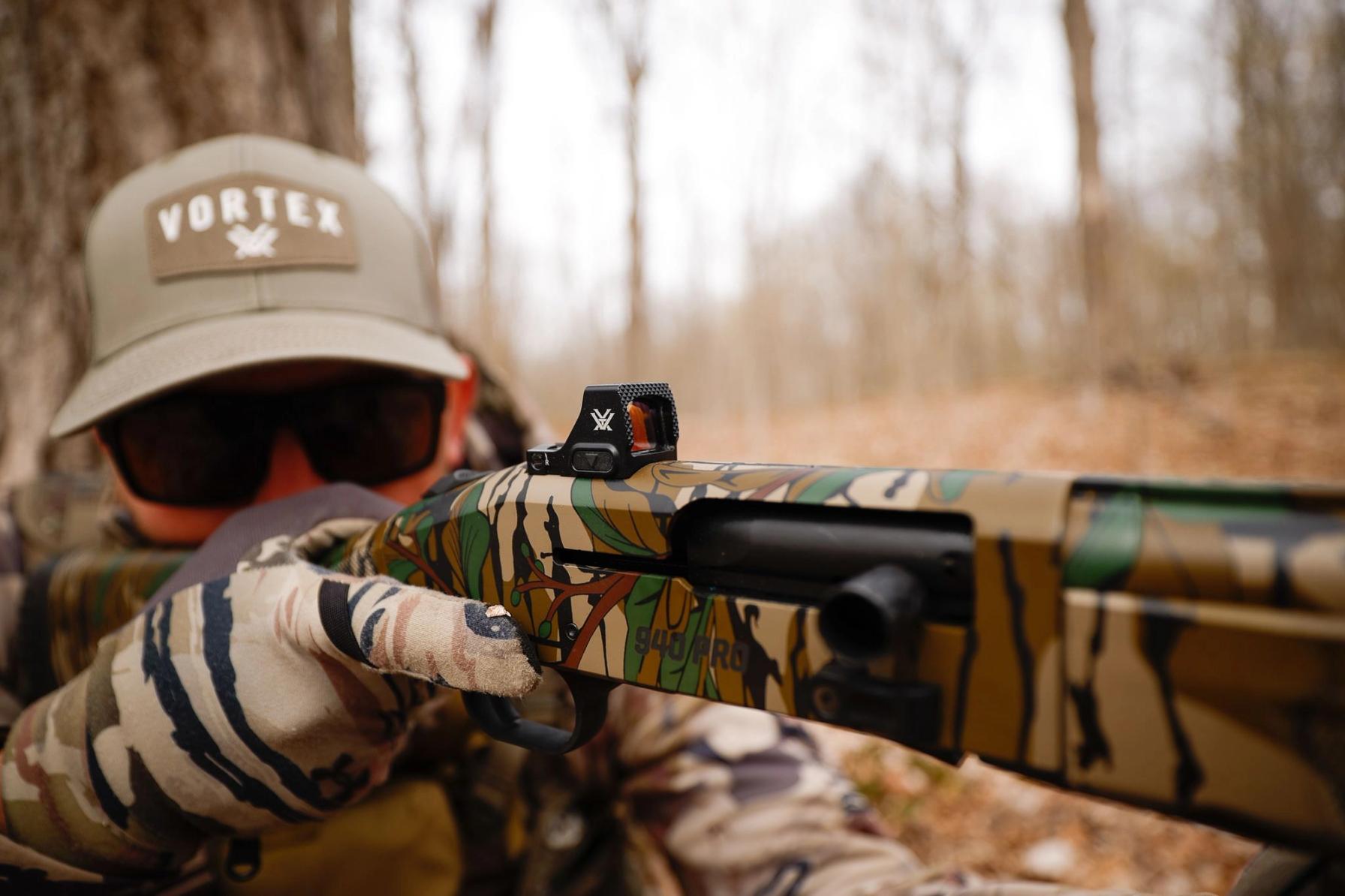
Hunters need good camo that matches the terrain, the right shotgun, a turkey vest, and other essential turkey gear items for a successful hunt. Being prepared means you're ready for any challenge these turkeys throw your way.
Camouflage
Selecting the proper camouflage is critical for a successful Merriam turkey hunt, so purchasing specialist gear is highly recommended.
Choose lightweight pants, shirts, jackets, and headgear to stay comfortable during warmer temperatures. Ensure your camouflage pattern matches your hunting environment — go for brown and gray with touches of green in wooded areas, or choose sandier tones if you're hunting in arid regions.
Shotgun
A 10 or 12-gauge shotgun with a full choke and turkey ammunition is a standard choice. For improved accuracy, consider using a red dot sight.
Before heading out for your hunt, make sure you've patterned your shotgun for accuracy. Test the choke and shot set-up you plan to use in the field so you know what to expect every time you pull the trigger.
Turkey Vest
Turkey hunting can involve long moments of silence followed by everything happening simultaneously. If you're planning a Merriam hunt, consider a specialized turkey vest with pockets for all your essential gear, including box calls, strikers, tags, first aid kits, and other goodies.
Conservation and Ethics
By tagging and reporting your harvest, you support and actively assist the state wildlife agencies with their conservation and management goals.
Respecting private land boundaries is fundamental to ethical and legal hunting practices. The HuntWise app provides clear boundary lines and private landowner contact information if you need clarification on any distinctions.
Finally, spend some time on the range practicing ethical shot placement. Never overcall or shoot without first identifying the bird.
Make It Merriam Turkey Success With Huntwise
Are you up for the challenge? For a successful Merriam turkey hunt, everything from your e-scouting to physical conditioning will come into play if you're planning to bag one of these stunning birds, not to mention selecting the right gear and choosing prime hunting locations.
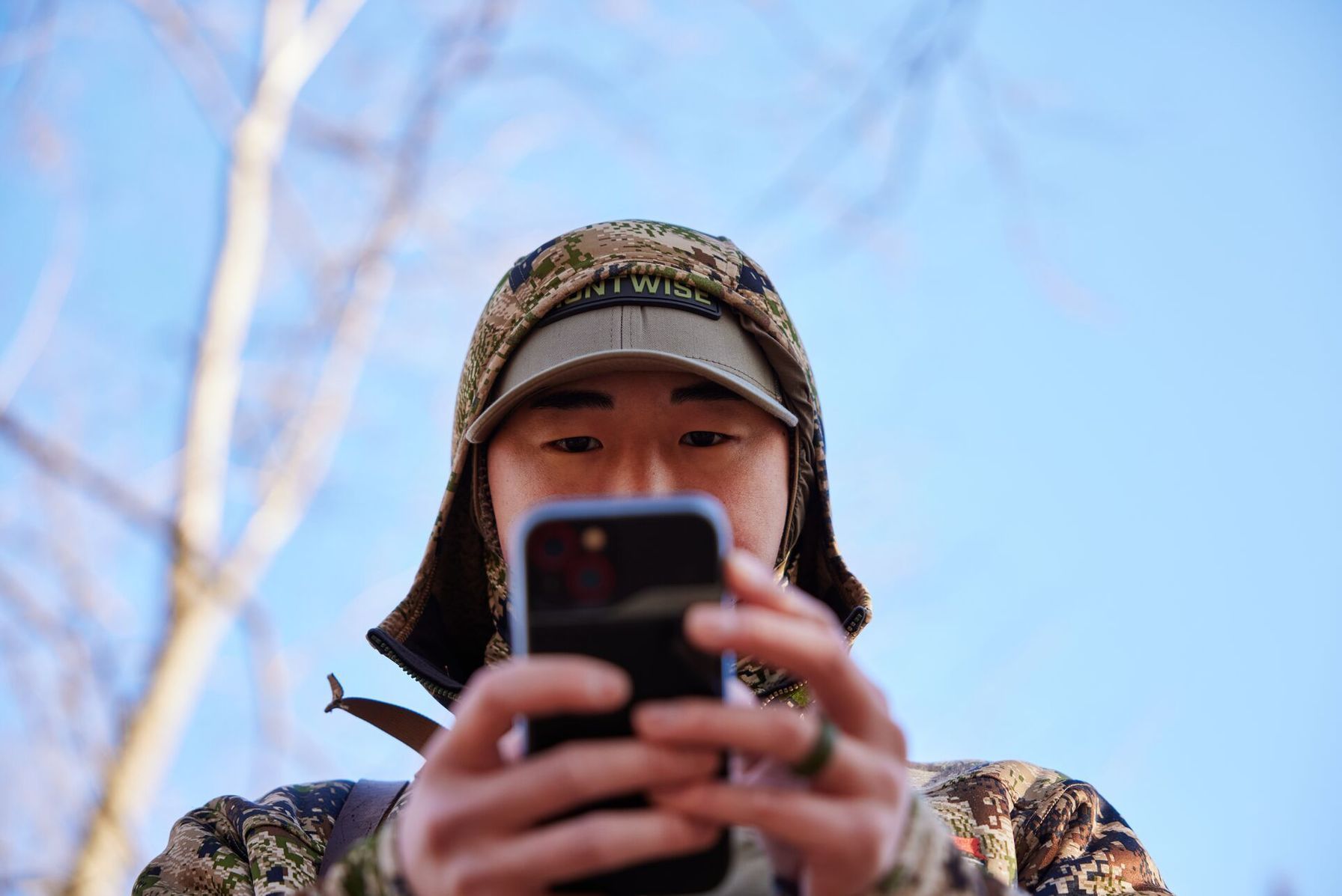
Check out the HuntWise app for help with everything from e-scouting with a range of map overlays to insightful tips and gear recommendations. As a subscriber, you'll also save — potentially hundreds — on the gear you need from our partners. Plus, using HuntCast for animal and weather forecasting and planning can be a game-changer when hunting Merriam turkeys.
Start planning now! Download HuntWise and try Pro and Elite features for free for a week.
Content most recently reviewed and updated March 30, 2026.
Frequently Asked Questions (FAQs)
We have answers to your questions about Merriam turkey hunting!
Q: Where is the best place to hunt Merriam turkey?
A: Many hunters agree that the best places to hunt Merriam turkeys are the Black Hills region (South Dakota/Wyoming), as well as parts of Montana and northern Nebraska, where habitat and populations are strong.
Q: What state has the best Merriam turkey hunting?
A: South Dakota is widely considered the top state for Merriam turkey hunting, especially in the Black Hills, due to high bird numbers and good public access.
Q: Where can I find Merriam Turkey?
A: Merriam’s turkeys are found in the western U.S., primarily in states like Colorado, Wyoming, Montana, South Dakota, Nebraska, and parts of New Mexico and Arizona, typically in mountainous or pine forest areas.
Q: Do Merriams gobble all day?
A: Generally, yes, Merriam turkeys gobble all day. Merriams are known for being more vocal than other subspecies and may gobble throughout the day, not just at dawn, especially in less pressured areas.


