

South Carolina offers some of the most diverse environments for turkey hunting, from stunning longleaf pine forests to low-country coastal zones with swampy hardwood bottoms and flats. To take advantage of these opportunities, you'll need to know when you can hunt.
Curious about South Carolina season dates, restrictions, and other considerations as you plan to hunt turkey this year? Let's review everything you need to know for your 2026 turkey hunt in the Palmetto State.
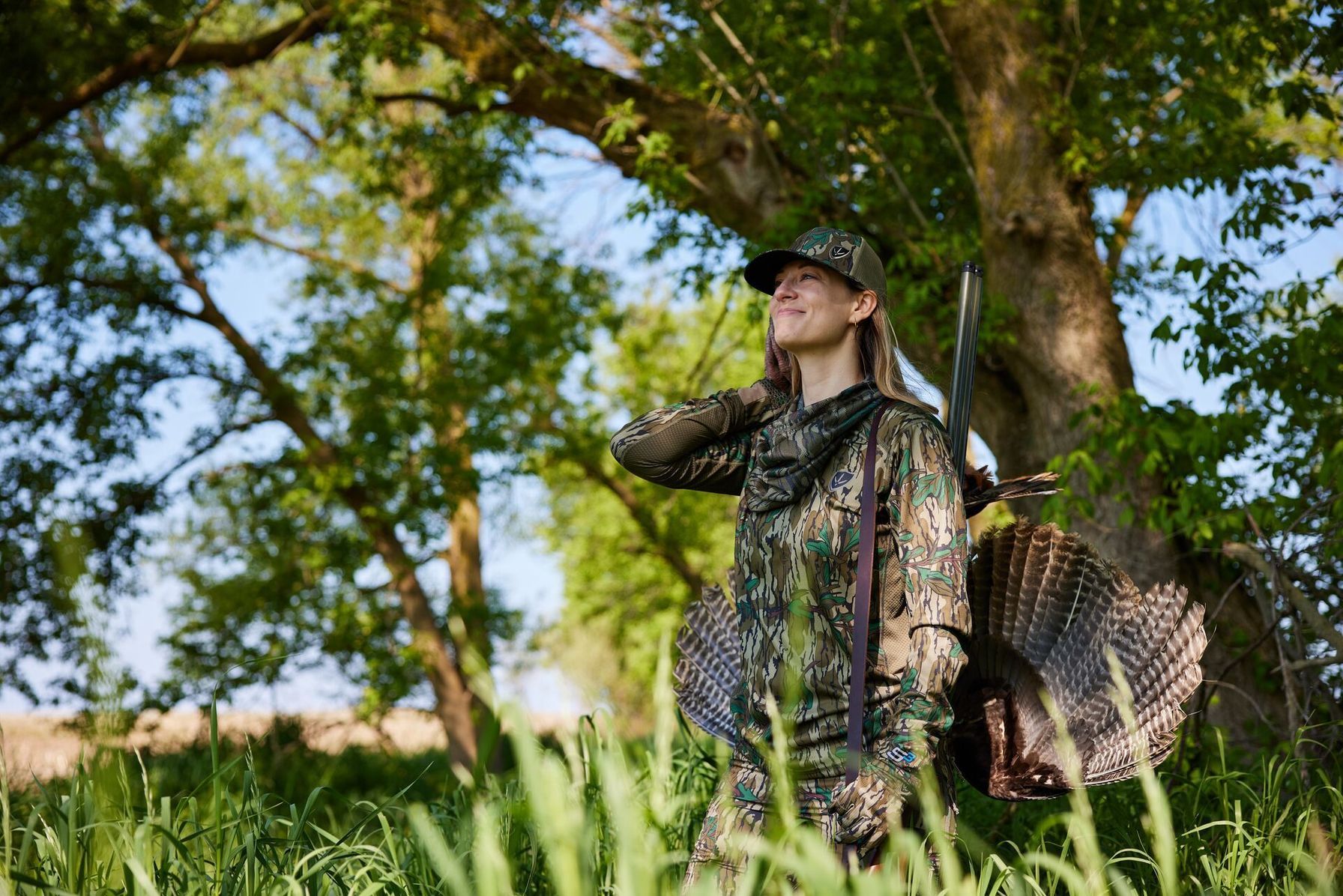
2026 Season Dates for Turkey Season South Carolina
Knowing the clearly defined South Carolina turkey season dates is essential for an ethical and legally compliant hunt. Explore, plan, and mark the following dates in your calendar, whether you are hunting public or private land or mentoring a youth hunter on a specially allocated hunt.
Statewide Private Lands
Private land hunts for the 2026 season will run April 3–May 3. If you're planning to hunt private land, always seek written permission from landowners or hunt through a reputable outfitter.
Statewide WMA Lands
Public land hunts for the 2026 season will run April 3–May 2. Always check regulations when hunting public lands, as some Wildlife Management Areas (WMAs) may require additional permits or offer quota hunts that require early application.
Youth Hunting Days
For youth hunters (17 and under), there are two dedicated turkey seasons: the first runs March 28–29, and the second is May 9–10. Youth birds count toward the regular season limit. Turkeys harvested during a youth hunt on private land do not need to be tagged.
Bag Limits & Key Restrictions
Respecting bag limits and following all restrictions will help protect and ensure the ongoing legacy of turkey hunting in South Carolina. Always check the South Carolina Department of Natural Resources (SCDNR) for any changes to regulations or bag limits or to clarify questions about your upcoming hunt.
| South Carolina Turkey Hunting Bag Limits | |
|---|---|
| Season Limits | 2 gobblers per hunter (residents and non-residents) |
| Daily Limit | 1 per day |
| Youth Limit | 1 gobbler across both youth weekends (2 per season) |
Early Season Cap
Please note that you are also limited to one gobbler before April 10. Due to this early-season restriction, you'll need to be selective with your shooting, as breeding activity can make turkeys harder to pattern. Pace yourself early, especially if you plan on spending a long time on a hunt.
Are There Any Restrictions?
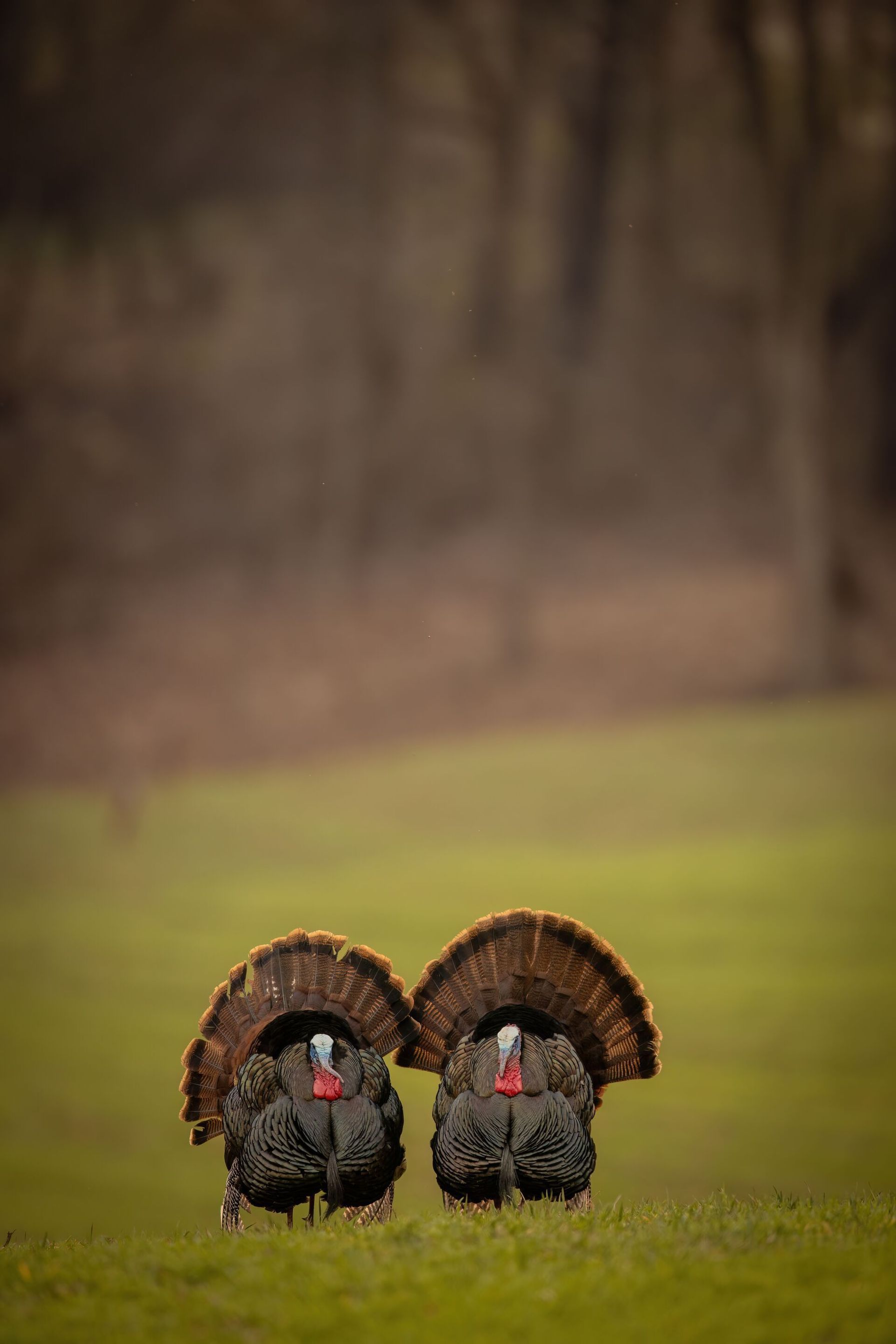
During the spring season, hunters may only take bearded birds. It's illegal to hunt a "jake" with a beard of less than six inches.
It's also illegal to reap or fan (in other words, stalk behind a decoy fan) when hunting private land. Reaping is banned regardless of the decoy's material.
With clearly defined limits on harvestable birds, it's essential to practice ethical hunting and to identify birds carefully. Look for both beard thickness and length, as these are strong indicators of age. A jake's beard will stand upright, whereas a tom's beard will fall lower.
Required Licenses & Tags
South Carolina requires hunter education for any hunter born after June 30, 1979. Once you have your hunter safety certification, South Carolina turkey licensing is a simple process and generally more affordable than in surrounding states, including licensing and tags for non-resident hunters.
- Residents: In addition to a license and education, resident hunters will also need to obtain a big game permit and turkey tags.
- Non-Residents: Out-of-state hunters need a non-resident hunting license, a big game permit, and turkey tags.
Also note that turkey tags are no longer free. For residents, two tags cost $25. Non-residents pay $125 for two turkey tags. Proceeds support turkey research, habitat management, and data collection.
WMA Permit
South Carolina requires WMA permits for hunting on any Wildlife Management Area. The state requires this in addition to a hunting license.
Harvest Reporting Requirements
Harvesting data is essential for ongoing management efforts regarding population numbers and bird movement. Turkey harvesting is mandatory in South Carolina, and hunters must use the SC Game Check portal to report all harvested birds.
While some states require immediate reporting upon harvest, in South Carolina, you have until midnight on the day of harvest to report. However, the bird must be tagged immediately upon harvest before you move it.
How to Plan Your 2026 South Carolina Turkey Hunt
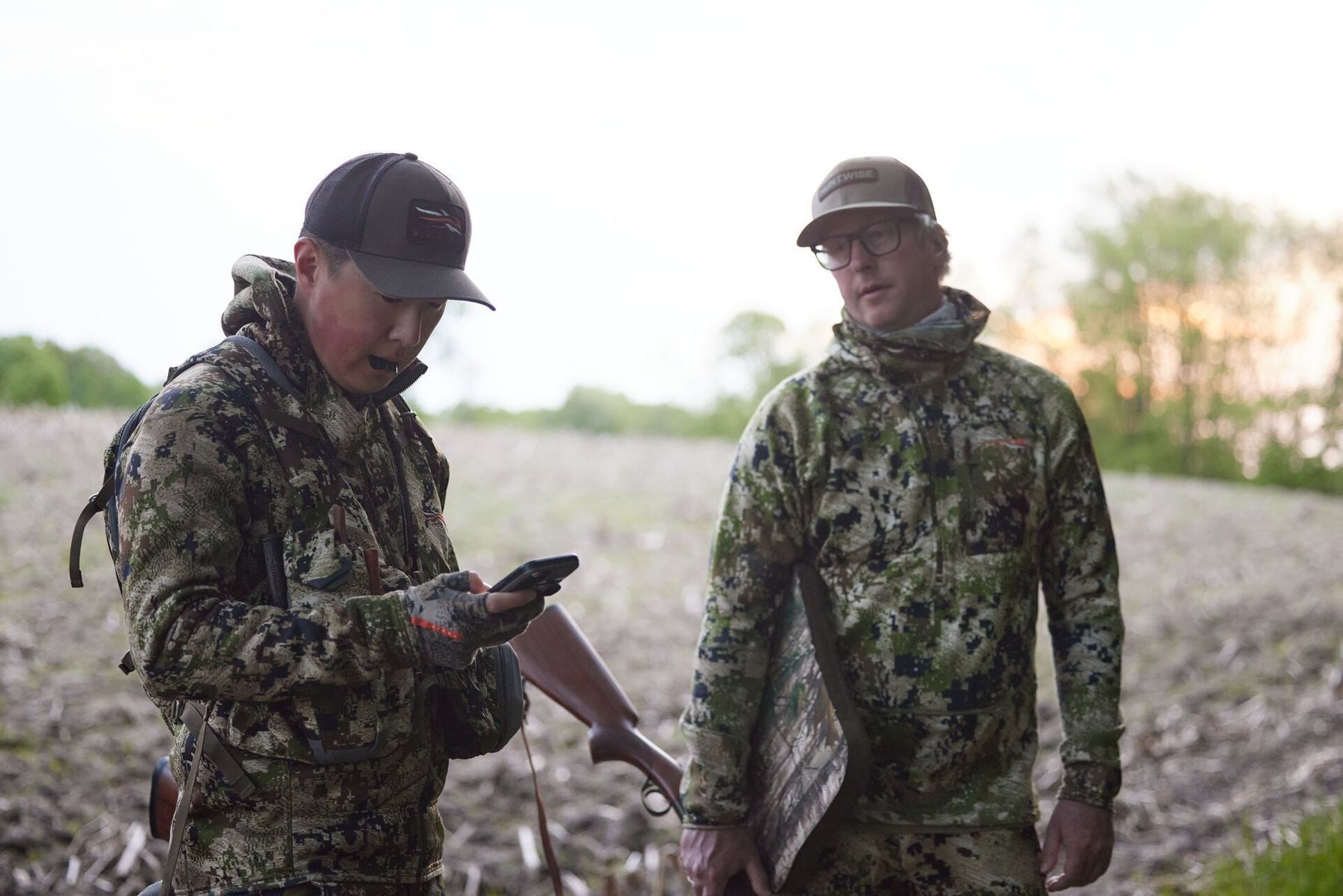
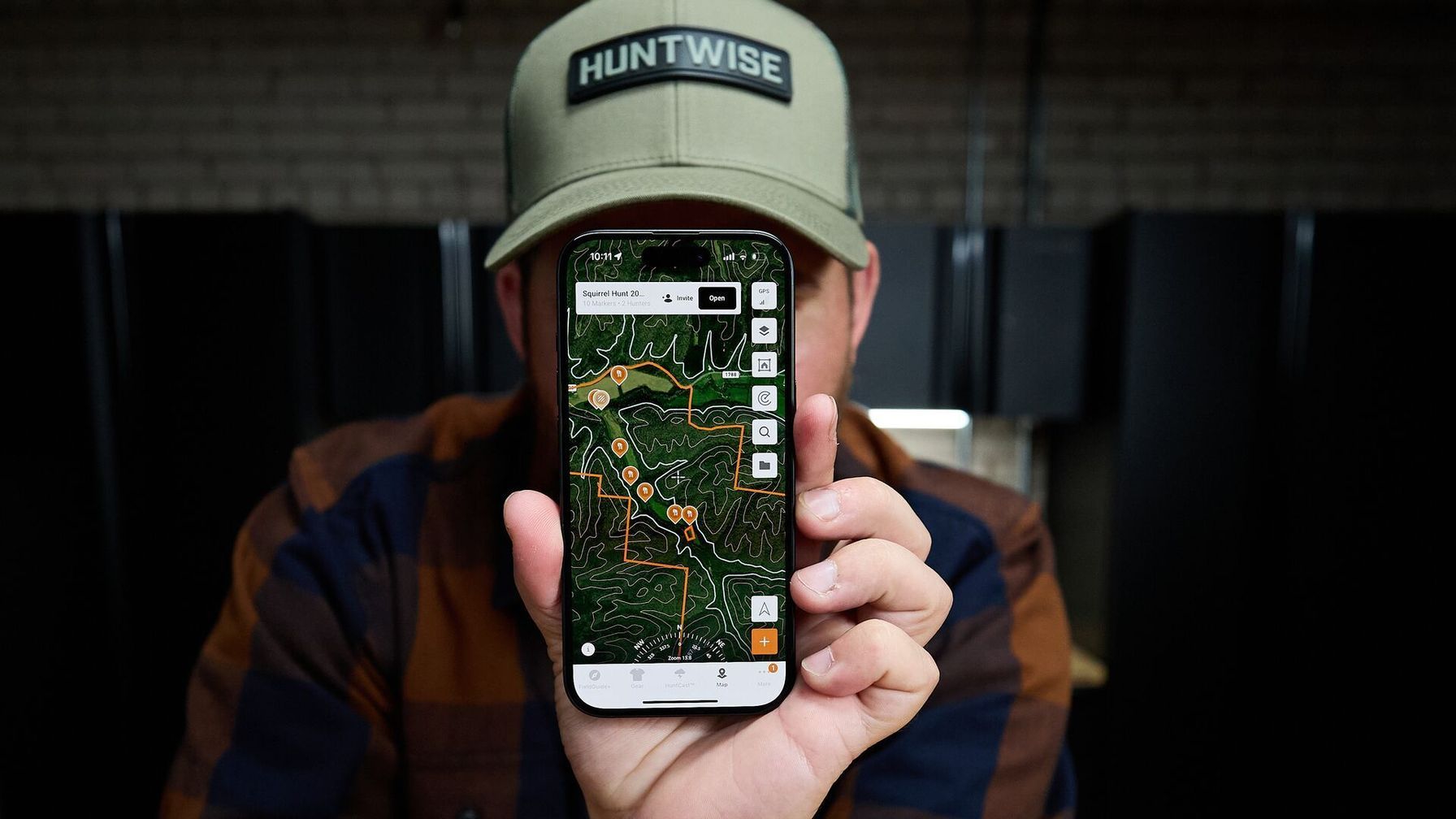
For a successful turkey season, South Carolina locations matter. Scout early with the HuntWise app, making special notes and marking property boundaries to ensure success. Use topographical and LiDAR features to pinpoint key turkey habitats and mark roost sites, such as forested areas with tall, dense tree cover near water sources.
Your hunting zone will come down to personal preference, with options to hunt swamps, creek bottoms, mountains, or more open fields near agricultural areas. Agricultural field edges and food plots near dense timbered areas are great places to start e-scouting before heading out on foot to look for droppings, feathers, and other bird signs. If you're willing to hike beyond popular locations, you'll find elite, secluded spots on South Carolina public land.
Weather and rain are persistent during the spring hunt and can contribute to fog, cold snaps, and challenging hunting conditions. The HuntCast feature in the HuntWise app can help by providing reliable data-backed insights on the best time to head out into the field based on weather, wind, and other environmental factors.
Don't forget to scout and explore early to establish strong hunting zones before the April 10 restrictions take effect. If you're unlucky during this period, you can increase your calls and hunting pressure to reach the limit after this date.
Finally, double-check beard length when you're onto a gobbler, and only pull the trigger when confident that the bird will align with the six-inch beard length requirement. Keep your tags accessible, and follow reporting procedures to document your birds as soon as possible after a harvest.
Use HuntWise for Better South Carolina Turkey Hunting
With the South Carolina turkey season right around the corner, it's time to start putting together your plan. Mentorship helps hunters take an active role in turkey conservation and support the sport's future. If possible, participate in the youth season with a young hunter. Accurate reporting and responsible harvest are also essential to the ongoing conservation and management of turkeys, so be sure to learn regulations before heading out into the field.
HuntWise has everything you need to plan and enjoy a successful, compliant turkey hunt. With HuntWise, you'll have access to a real-time hunting forecast, detailed mapping overlays with contour and LiDAR, contacts to explore potential private land opportunities, and expert tips.
A South Carolina turkey hunt is one of the top ways to enjoy the 2026 spring hunting season, so enjoy all the state has to offer, and best of luck getting onto that prime gobbler!
Download HuntWise and to plan your turkey hunt!
Frequently Asked Questions (FAQs)
We have answers to questions about turkey hunting season South Carolina!
Q: When is turkey season in South Carolina?
A: Turkey season in South Carolina runs from April 3 to early May. Youth hunters have two dedicated seasons: March 28–29 and May 9–10.
Q: How much is a turkey tag in South Carolina?
A: A set of two turkey tags in South Carolina is $25 for residents and $125 for non-residents.
Q: Are turkey tags free in South Carolina?
A: No, turkey tags are no longer free in South Carolina. Hunters must purchase them in addition to a hunting license and a big game permit.


