

For many, the dove season signals the start of fall hunting. Unlike more solitary hunts, such as big game pursuits, dove hunting is a social affair. Usually, it's a time for friends to come together to enjoy one another's company and share stories.
If you're a newbie, it’s a chance to join the sport and make some new hunting pals. Whether you’re searching “dove hunting near me” for the first time or keen on changing it up this year with a new field, follow our guide for everything you need to know about finding fields, including public and private options, season dates and openers, tips, and more.

Why Dove Hunting Is One of the Best Ways to Start the Fall Season
When it’s on, dove hunting is a social, fast-paced affair and a chance to sharpen your shooting skills before the deer and waterfowl seasons kick off.
It’s the perfect option for young and new hunters, thanks to its low barrier to entry. You don’t need much gear compared to big game hunts, and the shotgun is more forgiving, especially since dove hunting sessions usually involve high-volume shooting. Just make sure to shoot straight, be safe, and bring plenty of shells.
Beyond time spent with family and friends, many dove hunters in the Southern and Southwestern states point to something much deeper. There’s a shared community tradition, especially on opening day, and a strong desire to share the sport and pass it on to other hunters.
Whether you’re a first-time hunter or a seasoned wing shooter, there’s plenty of action waiting.
Where to Find Dove Hunting Near You
Fields where birds are coming in to feed are your top spots. These can be private or public land holdings. Explore a breakdown of the different land types below to discover how to find dove hunting near me options that will suit your intended hunt.
Managed Public Dove Fields
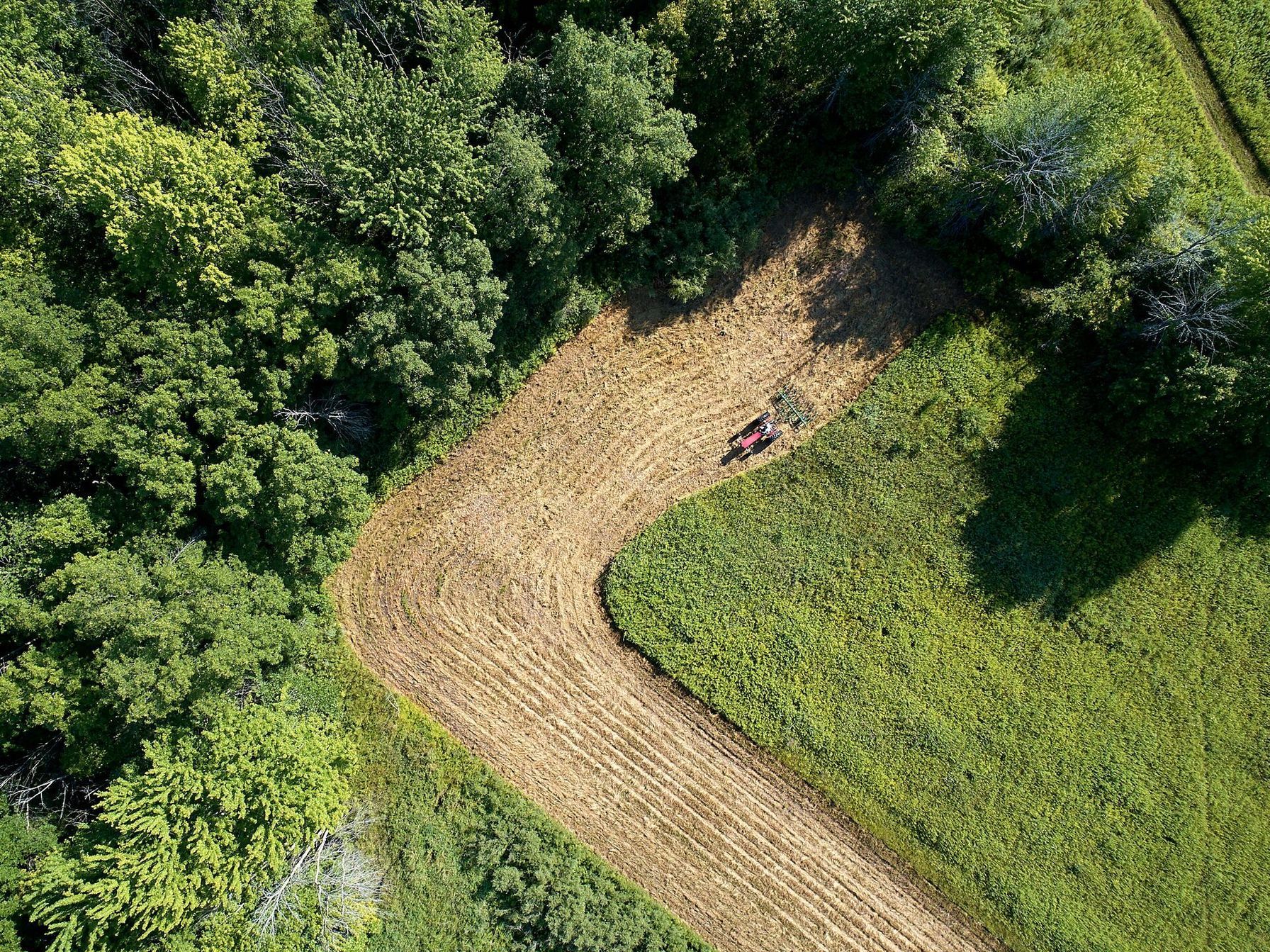
Public dove fields refer to a range of fields managed by state agencies, including WMAs, Bureau of Land Management fields, SOAs, and DNR-managed fields. These fields are specially planted with millet, milo, corn, or sunflower and prepared for the season. Other preparations include practices such as harvesting, mowing, or preparing crops in ways that make seeds available to feeding doves while remaining within hunting regulations.
Access will vary depending on the management strategy and state. Some zones are first-come, first-served, while others require a draw, a WMA permit, or advance registration. Always double-check with your state agency before the opening date to confirm the requirements.
With the public land layers on the HuntWise mapping feature, you can uncover fields near you quickly without having to sift through multiple agency websites. Check the app in the pre-season, as popular dove fields can become pressured quickly.
Private Agricultural Land
If you’re scouting private land, check for producers of sunflower, milo, wheat stubble, and harvested corn fields. Doves like to hang around power lines or adjacent fields and will be highly active at fields with active crop rotation and harvesting schedules.
The easiest way to access private land hunting opportunities, aside from word of mouth and contacts, is to reach out to private landowners and request permission directly via the HuntWise landowner contact feature. Farmers dealing with heavy bird traffic may be looking for someone to help manage their numbers.
After a couple of hot days or in drier conditions, check around stock tanks, ponds, and other high-value water sources on private land if you have access.
BLM and USFS Public Land
Open land hunting opportunities, such as BLM and USFS lands in dove states, offer accessible public options with fewer options than the managed fields. Focus your attention on grasslands, water sources, and fencelines that back onto agricultural parcels, which can attract large numbers of birds and provide some of the best dove hunting near you.
Use the HuntWise mapping layers to uncover BLM and USFS parcels and access points before you head out for in-person scouting. There are millions of acres of access, so if you’re worried about pressure and willing to put in some extra time scouting, there are plenty of opportunities to be found. Early morning and late afternoon are the highest-impact hunting windows in these zones.
2026 Dove Opener Dates and Bag Limits
With the season right around the corner, it's time to start planning your dove hunt now. Take a look at the dates and access rules below for your intended hunting state for a successful dove season.
2026 Dove Hunting Season Opening Dates by State | ||||
|---|---|---|---|---|
| State | 2026 Opener | Daily Bag Limit | Public Fields Available? | Notes/Agency |
| Alabama | September 5 (North Zone) September 12 (South Zone) | 15 aggregate | Yes — WMAs and SOAs (some fields require draw) | 3-segment season North/South zone structure Verify with ADCNR |
| Alaska | No season | n/a | n/a | Mourning dove rare/accidental species (no open season) |
| Arizona | September 1 (early season) | 15 | Yes — AZGFD public lands | Early season typically runs Sept. 1–15 Late season November–January Strong white-winged dove hunting Verify with AZGFD |
| Arkansas | September 5 | 15 | Yes — WMAs | 3-segment season through January Verify with AGFC |
| California | September 1 | 15 (lead-free shot required) | Yes — CDFW WMAs | 2-segment season Verify with CDFW |
| Colorado | September 1 | 15 | Yes — BLM/USFS public land | Season runs Sept. 1–Nov. 29 No managed dove field program Verify with CPW |
| Connecticut | No season | n/a | n/a | No dove hunting season |
| Delaware | September 1 | 15 | Limited | Season runs September 1–January Verify with DNREC |
| Florida | September 26 | 15 | Yes — FWC WMAs | Later opener than most states (season runs through Jan. 31, 2027) Verify with FWC |
| Georgia | September 5 | 15 | Yes — GDNR managed fields (WMAs and VPAs) | 3-segment season Migratory bird license required for hunters 16+ Verify with GDNR |
| Hawaii | Early November | Dates pending | ||
| Idaho | September 1 | 15 | Yes — BLM/USFS (no managed dove field program) | Verify with IDFG |
| Illinois | September 1 | 15 | Yes — IDNR public areas | Season runs September 1–November 14 Verify with IDNR |
| Indiana | September 1 | 15 | Yes — DNR public lands | Season runs September 1–October 18 Verify with IDNR |
| Iowa | September 1 | 15 | Yes — public area | Season runs September 1–November 29 Verify with Iowa DNR |
| Kansas | September 1 | 15 | Yes — WIHA Walk-In Hunting Access program | Season runs September 1–November 29 Strong sunflower field hunting Verify with KDWP |
| Kentucky | September 1 | 15 | Yes — KDFWR WMAs | Season runs September 1–Oct. 26 Verify with KDFWR |
| Louisiana | September 5 (North and South Zones) | 15 | Yes — LDWF WMAs | 3-segment season through January 2027 Verify with LDWF |
| Maine | No season | n/a | n/a | No dove hunting season |
| Maryland | September 1 | 15 | Yes — DNR public lands | Season runs September 1–October 17 Verify with Maryland DNR |
| Massachusetts | No season | n/a | n/a | No dove hunting season |
| Michigan | No season | n/a | n/a | Season reinstated in 2004, repealed by referendum 2006 (no open season) |
| Minnesota | September 1 | 15 | Yes | MN Department of Natural Resources confirming 2026 dates August 1 |
| Mississippi | September 5 (North and South Zones) | 15 | Yes — MDWFP WMAs | 3-segment season through January Verify with MDWFP |
| Missouri | September 1 | 15 | Yes — MDC public areas | Season runs September 1–November 29 Verify with MDC |
| Montana | September 1 | 15 | Yes — BLM/USFS; FWP WMAs | Season runs September 1–October 30. Verify with Montana FWP |
| Nebraska | September 1 | 15 | Yes — NGPC public areas | Season runs September 1–October 30 Verify with Nebraska Game & Parks |
| Nevada | September 1 | 15 | Yes — BLM/NDOW public lands | Season runs September 1–October 30 Verify with NDOW |
| New Hampshire | No season | n/a | n/a | No dove hunting season |
| New Jersey | No season | n/a | n/a | No dove hunting season |
| New Mexico | September 1 (North and South Zones | 15 | Yes — NMDGF public lands | Season runs September 1–November 29 Strong white-winged dove in southern NM Verify with NMDGF |
| New York | No season | n/a | n/a | No mourning dove hunting seaso (multiple reinstatement bills have stalled) |
| North Carolina | September 5 | 15 | Yes — NCWRC game lands | 3-segment season 2026-2027 approved by NCWRC with most dates unchanged from 2025-2026 No hunting migratory birds on Sundays in NC Verify with NCWRC |
| North Dakota | September 1 | 15 | Yes — GFD WMAs; PLOTS public access | Season runs September 1–October 30 Verify with ND Game and Fish |
| Ohio | September 1 | 15 | Yes — ODNR public area | Season runs September 1–November 8 Verify with Ohio DNR |
| Oklahoma | September 1 | 15 | Yes — ODWC WMAs | Season runs September 1–October 31 Verify with ODWC |
| Oregon | September 1 (Zones 1 and 2) | 15 | Yes — ODFW public lands and limited managed fields | Season runs September 1–30 Verify with ODFW |
| Pennsylvania | September 1 | 15 | Yes — PGC game lands | Season runs September 1–November 27 and December 18-January 2 Verify with PA Game Commission |
| Rhode Island | September 1 | 15 | Yes | Season runs September 1-30 Verify with Rhode Island Department of Environmental Management |
| South Carolina | September 5 | 15 | Yes — SCDNR managed fields (WMA permit required) | 3-segment season through January 31 Some fields first-come, first-served, others require registration Verify with SCDNR |
| South Dakota | September 1 | 15 | Yes — GFP public lands; SDHA public access | Season runs September 1–November 9 Verify with SD Game, Fish & Parks |
| Tennessee | September 1 | 15 | Yes — TWRA WMAs | Season runs September 1–28 Verify with TWRA |
| Texas | September 1 (North, Central, and South Zones) | 15 aggregate (max 2 white-tipped) | Yes — TPWD managed fields | North Zone: September 1–November 8 & December 18–January 7, 2027 Central: September 1–October 25 & December 11–January 14, 2027 South: September 1–October 25 & December 18–January 21, 2027 No Special White-winged Dove Days in 2026-27 Verify with TPWD |
| Utah | September 1 | 15 | Yes — BLM/USFS; DWR WMAs | Season runs September 1–30 and December 1-February 28 Verify with Utah DWR |
| Vermont | No season | n/a | n/a | No dove hunting season |
| Virginia | September 5 | 15 | Yes — VDWR WMAs | Season runs September 1–October 24 Verify with VDWR |
| Washington | September 1 | 15 | Yes — WDFW public lands; Private Lands Access Program | Season runs September 1–October 30 Eastern WA has the strongest populations Verify with WDFW |
| West Virginia | September 1 | 15 | Yes — WVDNR WMAs | 3-split season runs September 1–October 13, November 4-17, and December 17-January 17 Verify with WV DNR |
| Wisconsin | September 1 | 15 | Yes | Season runs September 1 – November 29 Confirm with the Wisconsin Department of Natural Resources |
| Wyoming | September 1 | 15 | Yes — BLM/USFS; WGFD public lands | Season runs September 1–November 29 Verify with WGFD |
How to Scout Dove Fields with HuntWise
The key to bagging out on doves and how to find dove hunting is to start scouting early and mark several potential locations in your HuntWise app, so you’re not scrambling for a new field if the first isn’t as productive as you thought.
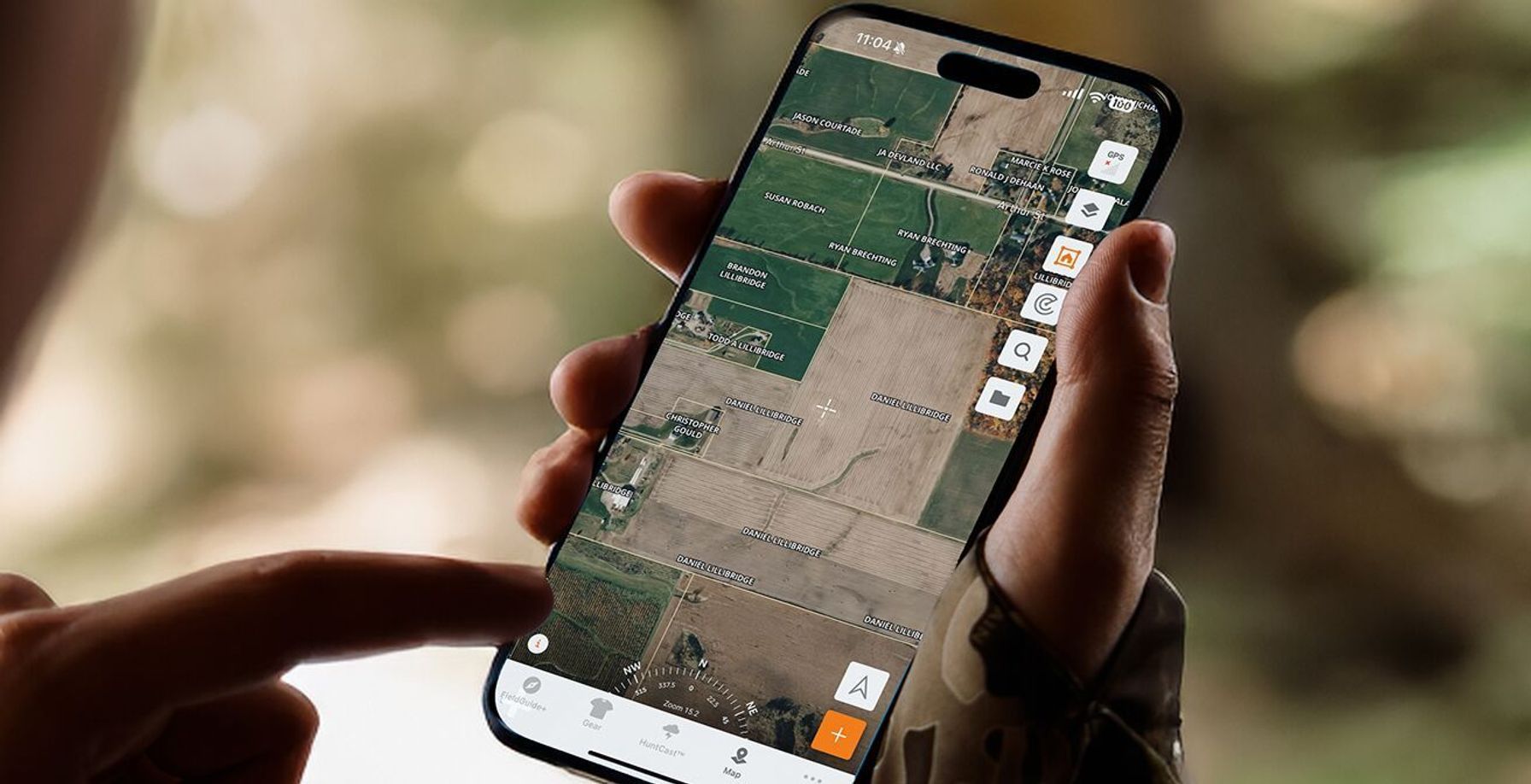
Follow the steps below to start putting together your dove opener hunt.
- Check the exact dates for the dove opener, structure, and any additional requirements, such as a public field draw or registration deadlines.
- Use the HuntWise public land filter to view managed dove fields and BLM/USFS ground in your area, or toggle to the private land overlay if you want to start reaching out to farmers before the season opens.
- You can also toggle on the property lines for landowner boundaries and contact information.
- Identify and mark your exit and entry routes that won’t bust roosting flocks on adjacent trees or power lines.
- Time your run around the morning shoot, which usually falls within the first 90 minutes of legal shooting time, when dove activity is highest. Doves like to head for water first thing in the morning.
- Use the HuntWise WindCast feature to position yourself roughly 30 degrees off the main flight line so that birds stay in range longer.
Ideally, you’ll want to start patterning doves mid- to late-August with a consistent focus on food sources and water access. Remember to focus on food sources and water, and consider both public and private options, as well as less-pressured areas, after the first few days of the season pass.
Dove Hunting Tips for Opening Day
Dove hunting is a volume game, but that doesn’t mean you have to take your chances. Just like any other hunt, your gear, position, and weapon of choice can support a successful day in the field.
- Pack enough shells: You can always take shells home. It’s generally recommended that you pack more shells than you need, especially on opening day while you’re swinging back into form. If you can, get in some clay shooting at the range before the season opens, even better.
- Position yourself strategically: Aim for the intersection of food, water, and flyways rather than the middle of an open field. You’re more likely to see a stream of birds rather than birds that happen to fly overhead. Features such as fencelines, tree lines, and hedges can help naturally funnel birds.
- Use decoys: Doves have great eyesight, and decoys can help draw doves in and make them more comfortable around your shooting line. They’re particularly effective for drawing the attention of birds that may be out of shooting range. Midday lulls are normal in dove hunting, with most action taking place in early morning and late afternoon, particularly around water sources.
- Choose the right weapon: Make sure you’re comfortable with your shotgun choice; doves are hard to hit and easy to down. An improved cylinder choke can help your patterning and compensate for some of the erratic movements doves make. However, you may need to change choke as the season progresses, depending on bird distance. Small shot, such as #7.5, can get the job done.
- Time your hunt: Arrive early or target mid-week hunts for lighter pressure, as opening day can be packed with hunters. While you’ll likely take fewer birds, it can be a great environment and an awesome way to meet new hunters.
What You Need Before You Go (Licenses and Permits)
Before you head out for opening day, make sure your paperwork is in order.
- Every dove hunter needs a valid state hunting license.
- You'll also need free HIP (Harvest Information Program) certification. This is a federal requirement for anyone hunting migratory birds, and it only takes a few minutes to complete through your state wildlife agency.
- Beyond HIP, many states require an additional state migratory bird permit or endorsement. Requirements vary by state, so check with your state wildlife agency before you go to confirm what's needed where you'll be hunting.
- If you're planning to hunt public land, you'll likely need a WMA (Wildlife Management Area) permit. Most states require this for access, and some fill up fast, so plan ahead and secure yours early.
One thing dove hunters don't need to worry about is the Federal Duck Stamp. That requirement applies to waterfowl hunters, not dove hunters, so you can skip that step.
Note: Don't assume opening day works the same everywhere. Some states limit shooting hours to afternoons only on opening day, so confirm your state's specific hours before you load up the truck.

Your Next Dove Hunt Starts in the HuntWise App
Dove hunting opportunities near you could include public fields, private ag land, and BLM/USFS ground. To make sense of these options and start scouting, use the HuntWise app to plan your dove hunt from home.
Pre-season scouting is foundational to a successful dove hunt, and with HuntWise you’ll have access to scouting tools such as public land layers, landowner contact, and HuntCast, giving you a field advantage over hunters who may rely on word of mouth alone.
Start with a free trial ahead of the September opener to explore just how HuntWise can level up your next dove hunt.
Frequently Asked Questions (FAQs)
Q: Where can I find dove hunting near me on opening day?
A: Opening-day dove hunting is commonly available on managed public dove fields, wildlife management areas (WMAs), private agricultural land with permission, and some BLM or US Forest Service properties in states with dove seasons. Check your state wildlife agency for field locations, access rules, and any registration or draw requirements before opening day.
Q: Do I need a special dove permit?
A: It depends on your state. In addition to a valid hunting license, some states require a migratory bird endorsement, WMA permit, public land access permit, or reservation for certain dove fields. Review your state's hunting regulations before the season opens to make sure you have the required licenses and permits.
Q: How early should I scout dove fields before opening day?
A: Start scouting two to three weeks before opening day, then revisit promising fields as the season approaches. Watch for active food sources, nearby water, power lines, and consistent flight patterns, since dove activity can change quickly as crops are harvested.
Q: What gun choke is best for dove hunting?
A: An improved cylinder choke is a common choice for early-season dove hunting because it produces a wider pattern for the close, fast shots that are typical on opening day. As birds become more wary and shots get longer later in the season, some hunters switch to a modified choke.
Q: What crops attract the most doves?
A: Doves are commonly drawn to fields with sunflower, milo (grain sorghum), millet, wheat stubble, and harvested corn. They also spend time around nearby water sources, power lines, and fencelines where they can feed and perch throughout the day.
Q: Can I hunt doves on public land without a draw?
A: Sometimes. Many public dove fields are first-come, first-served, while others require a draw, reservation, or special permit. Requirements vary by state and even by individual hunting area, so check the rules for the property you plan to hunt before opening day.
Q: What is HIP certification, and do I need it to hunt doves?
A: Harvest Information Program (HIP) certification is a free registration used to help wildlife agencies track migratory bird harvests. In most states, dove hunters must complete HIP certification each season before hunting migratory game birds, even if they already have a hunting license. Check your state's regulations to confirm the requirement.


