

Dove hunting season always promises a great time. With fast-paced shooting, accessible opportunities, and welcoming communities across the top dove hunting states, it's hard to beat in terms of satisfaction and social networking.
Dove hunters come from all walks of life, often with a shared passion and a story or two about days spent in the field learning how to hunt these stunning birds.
Where should you hunt doves? There are a few factors that go into finding the best "dove hunting near me" opportunity. HuntWise is here to help!
Keep reading to learn about the features that make a great dove hunting location and some strategies you can use to maximize your chances of bagging out this dove season.

How to Find Dove Hunting Near Me
Finding a productive dove field doesn't have to take all season. Follow these steps to narrow down your search and put yourself in the right spot before opening day.
- Identify food and water sources. Doves feed on seeds and grain, so start by locating harvested crop fields, sunflower patches, millet plots, or wheat stubble. Add nearby ponds or stock tanks to your list since doves need water daily and will fly predictable routes between the two.
- Check your state wildlife agency's public land maps. Most states publish WMA or public dove field listings online, often with the planting details included. These maps are the fastest way to confirm which public fields are managed specifically for dove season.
- Scout with the HuntWise app. Pull up crop layers, water sources, and land boundaries to shortlist fields worth a closer look before you ever set foot on the property.
- Ask around locally. Feed stores, shooting clubs, and hunting groups often know which fields are holding birds this year. A quick conversation can save you hours of guesswork.
- Watch for early activity in the days before season. Glass fields for doves perched on power lines or fence posts, and note flight paths between feeding and roosting areas. Fresh droppings or feathers near a fence line are a good sign you've found an active route.
- Don't rule out urban edges. Suburban crop fields and land behind commercial farms can hold just as many birds as rural ground, and they're often less pressured. Just check local ordinances first, since some urban counties restrict hunting zones.
Work through these steps in the weeks leading up to opening day, and you'll have a shortlist of fields worth hunting instead of a guessing game once season arrives.
What Makes a Great Dove Hunting Spot?
Almost all dove hunting is going to take place in an area that provides for one of their survival or pairing needs. Focus your scouting efforts on:
- Open fields
- Crop edges
- Watering holes
- Roosting trees
Open fields, especially those that are recently harvested, are great at attracting doves.
Their diet consists mainly of seeds and grains, so anywhere with sunflowers, millet, wheat stubble, harvested corn, hemp, and sesame will naturally attract doves. Additionally, areas that offer water access, as well as roosting areas such as tall tree lines and even power lines, can also provide elite hunting opportunities.
Hunting over water, such as stock tanks and ponds, will yield great results, especially in drier hunting states like Oklahoma.
Start with Land for Public Dove Hunting Near Me
Public land fields are a popular choice for dove hunts, with many state wildlife agencies offering access via wildlife management areas (WMAs) or other public access land schemes.
Fields are often planted with dove-friendly crops, such as millet, milo, or corn, and harvested or moved before the opening dove season to attract incoming birds. Check your relevant wildlife agency website to access game maps and dove fields, like this information put together by the North Carolina Wildlife Resources Commission.
Remember: Dove hunting on public land is a first-come, first-served so make sure you arrive early or hunt mid-week for less pressure opportunities. It's always a great idea to access additional mapping insights from HuntWise to identify overlooked hunting zones that may be less pressured.
Use the HuntWise App to Scout Smarter
You've found public dove hunting near me. Now what?
Public land access is only one piece of the puzzle, and knowing how to work and pre-scout this zone is essential to a successful hunt. To get started, make sure you have the HuntWise app, a powerful digital scouting tool with mapping features that help you find dove hunting opportunities near you in just a few taps.
You'll be able to determine critical insights, such as potential feeding or perching locations, land contours, and flight paths, as well as hunting land layers. You can view dove-friendly zones, such as crop fields, water sources, and flyways, and gain insights into wind and weather conditions, as well as identify land boundaries.
To avoid overcrowded fields and hunting-stressed birds, consider utilizing the landowner contact information feature, which enables you to request permission for private dove hunting access.

Ask Around Locally
Finding "dove hunting near me" doesn't have to be a guessing game.
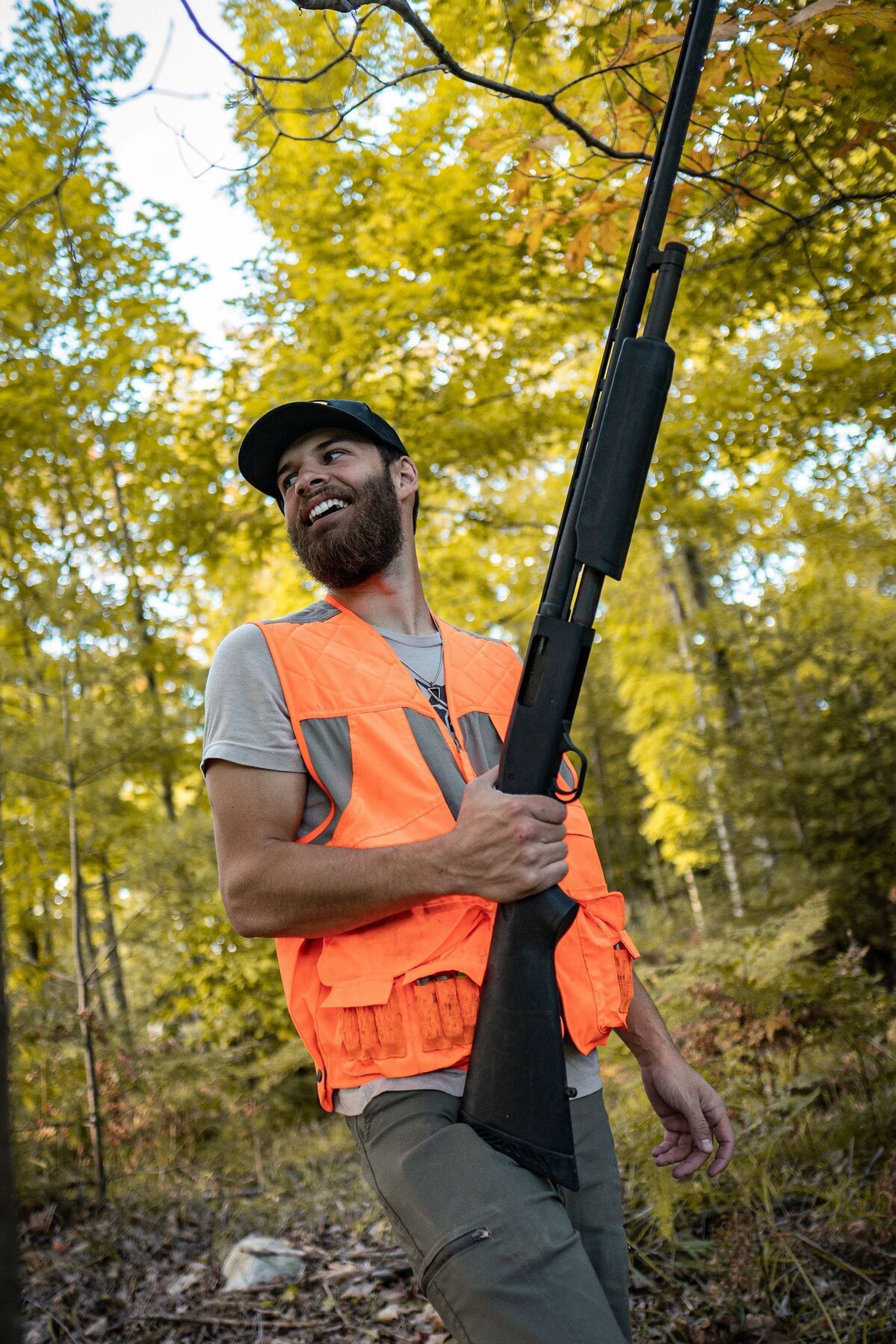
In addition to using HuntWise, local hunting groups, shooting clubs, dove organizations, and feed stores often have access to information on productive dove spots. If you never ask, you'll never know.
Local knowledge should not be underestimated, and local farmers or landowners can offer a wealth of knowledge, as well as access to hunting rights, in exchange for some hands-on farm work. Others may permit it with nothing more than a sincere request.
If your local fields are looking congested, consider opting for an outfitter. Some outfitters run affordable day hunts on managed private dove fields.
Look for Early Signs of Dove Activity
Before opening season, spend a couple of afternoons scouting out your intended hunting field. With a decent set of binoculars or strategically placed trail cameras, look for birds on power lines or fences in the morning and potential flying routes, especially those that link feeding and roosting sites. When scouting in person, move carefully to avoid alarming the doves, and keep an eye out for feathers and droppings near potential flying routes.
Don't Overlook Urban Edges and Agricultural Zones
Don't feel pressured to push out further and further into rural centres when hunting doves. Often, blended areas, especially suburban crop fields or those behind commercial farms, are high-potential areas.
Be aware that some urban counties have regulated public hunting zones. Check your local ordinances using HuntWise or contact your state game agency for the most up-to-date information.
Find Where to Dove Hunt Near Me with HuntWise
Sometimes the old ways are best. Other times, technology is the answer. Often, blending both old and new strategies for scouting and finding where to dove hunt near me can lead you to the best spots and hunts.
By leveraging boots on the ground insights from local departments and the cutting-edge features of the HuntWise app, you'll land some of the best dove hunting spots around. So, give yourself the best chance of bagging out on dove this season with the HuntWise mapping, winding, and private landowner detail features!
Content most recently reviewed and updated August 26, 2026.
Frequently Asked Questions (FAQs)
We have answers to common questions about where to dove hunt near me (and more)!
Q: How do I find a good dove hunting spot?
A: Scout early in the morning or late afternoon to see where birds are flying in and out (note what you see in your HuntWise app). Look for areas with a reliable food source, such as freshly cut grain fields, sunflower patches, or millet plots. Doves also need water daily, so ponds and stock tanks are prime spots. Also, pay attention to power lines, tree lines, and fence posts since doves like to perch before feeding.
Q: How can I attract doves quickly?
A: Hunting over millet, sunflowers, or wheat stubble will naturally draw doves. Use spinning-wing or motion decoys to catch their attention and bring them into shooting range faster.
Q: Where should I sit when dove hunting?
A: Avoid sitting in wide open spaces when dove hunting. Instead, position yourself near a food or water source, ideally along a natural flyway. Sit on the edge of a field, near a tree line, or close to a fence row for cover.
Q: Should you use a choke when dove hunting?
A: Yes, you should use a choke when dove hunting. Which choke is best depends on your shooting style and bird range. For most situations, an improved cylinder choke is ideal.
Q: What are the secrets to successful dove hunting?
A: The secrets to successful dove hunting start with scouting ahead of time. Then, hunt during the right times of day (sunrise and sunset), and stay still and concealed.


