

While it's true Pennsylvania has a healthy and abundant whitetail population, there's a lot more on offer than just this deer subspecies for the skilled bowhunter looking to try their luck at one of the best hunting locations on the East Coast.
With everything from black bears to turkeys, archery hunters headed to the Keystone State can fill their freezers with a variety of game meat.
To preserve, promote, and maintain the ecological balance and animal numbers, the Pennsylvania Game Commission (PGC) establishes season dates and limits, such as bag and time limits, to ensure fairness. In this guide, we'll look at everything you need to know about the Pennsylvania archery seasons, including some scouting and preparation tips to help you make the most of your PA archery season hunt.
Updated May 22, 2026
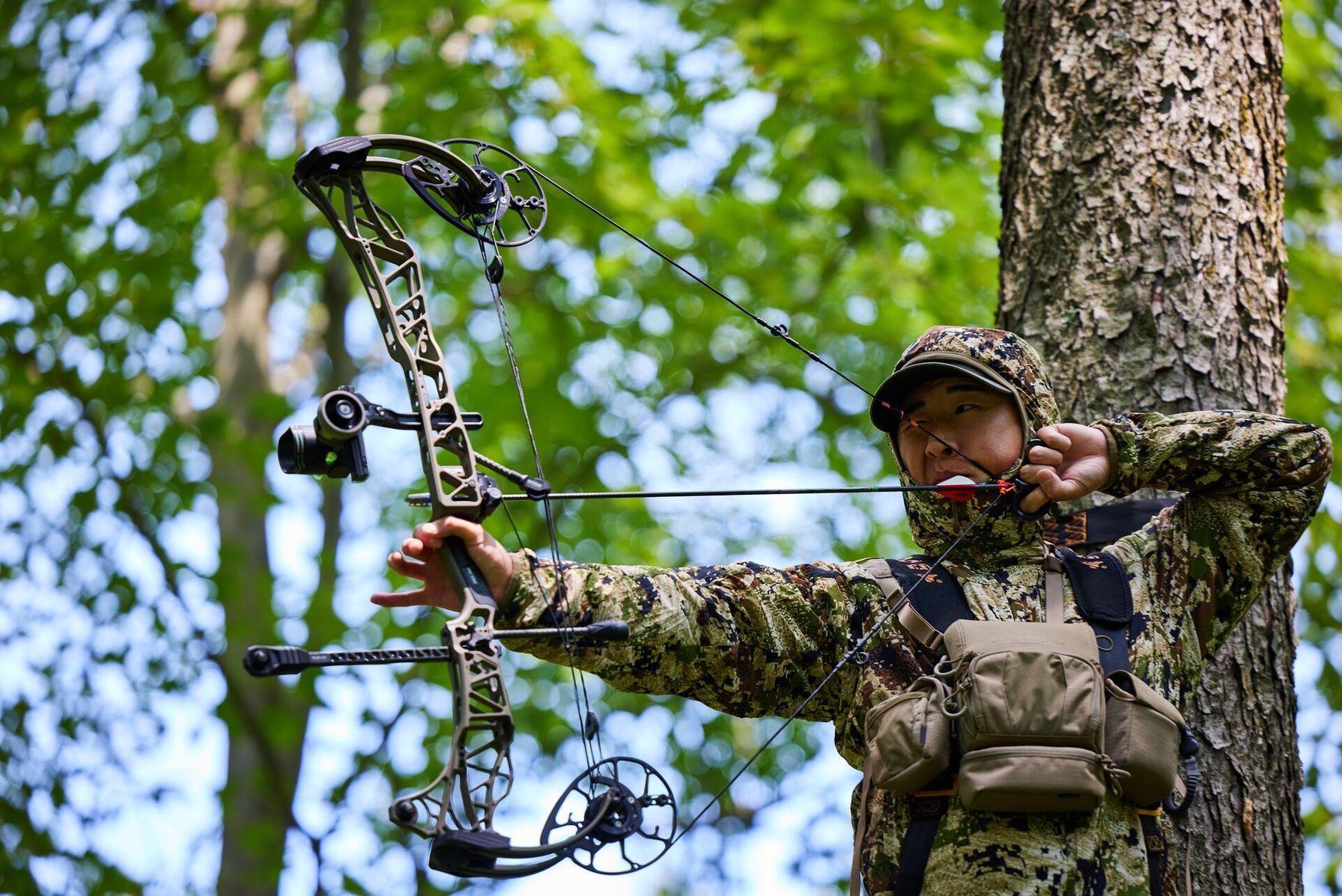
An Overview of the 2026 Archery Seasons
So, when is archery season in PA? The typical archery seasons in Pennsylvania span from early October to mid-November, allowing hunters to hunt various species, including elk, bear, turkey, and deer.
To help administer and regulate hunting, the PGC has divided the hunting zones (known as Wildlife Management Units) based on various factors, including habitat and human characteristics, population density, private and public land considerations, physical features, agricultural spread, and more.
You'll notice that some hunting seasons are further divided by these zoning requirements. So, it's essential that you check the specific dates and regulations allocated to that WMU.
The 2026 Pennsylvania archery seasons are as follows:
PA Archery Seasons 2026: Black Bear, Elk, & Deer | ||
|---|---|---|
Black Bear Archery
| Elk Archery
| Deer Archery
|
While many hunters will head to Pennsylvania for the deer archery season, elk, bear, and turkey species should not be overlooked. For turkey hunting, hunters can use bows during any open season.
Licensing and Regulations
Both local and interstate hunters in Pennsylvania will need a resident or non-resident hunting license. A resident is considered any individual who has lived in Pennsylvania for at least 30 days before purchasing the license.
First-time hunters and trappers must complete a hunter education safety course before purchasing their hunting license. Hunters who wish to hunt during the archery season must buy an additional resident or non-resident license as an add-on.
As the elk season works through a drawing system, hunters who want to hunt the archery elk season must also purchase drawings into the elk season allocations. Hunters can be awarded only one elk license per license year.
Bag Limits
To comply with all Pennsylvania hunting regulations and restrictions, you must be aware of all bag limits and specific limitations, such as antlerless deer hunting opportunities.
| PA Archery Seasons Bag Limits 2026: Black Bear, Elk, & Deer | ||
|---|---|---|
| Black Bear Archery 1 bear per license year | Elk Archery 1 elk per license year with elk permit | Deer Archery 1 antlered and 1 antlerless with antlerless license |
Review and follow the Pennsylvania Game Commission's hunting regulations booklet to keep up to date.
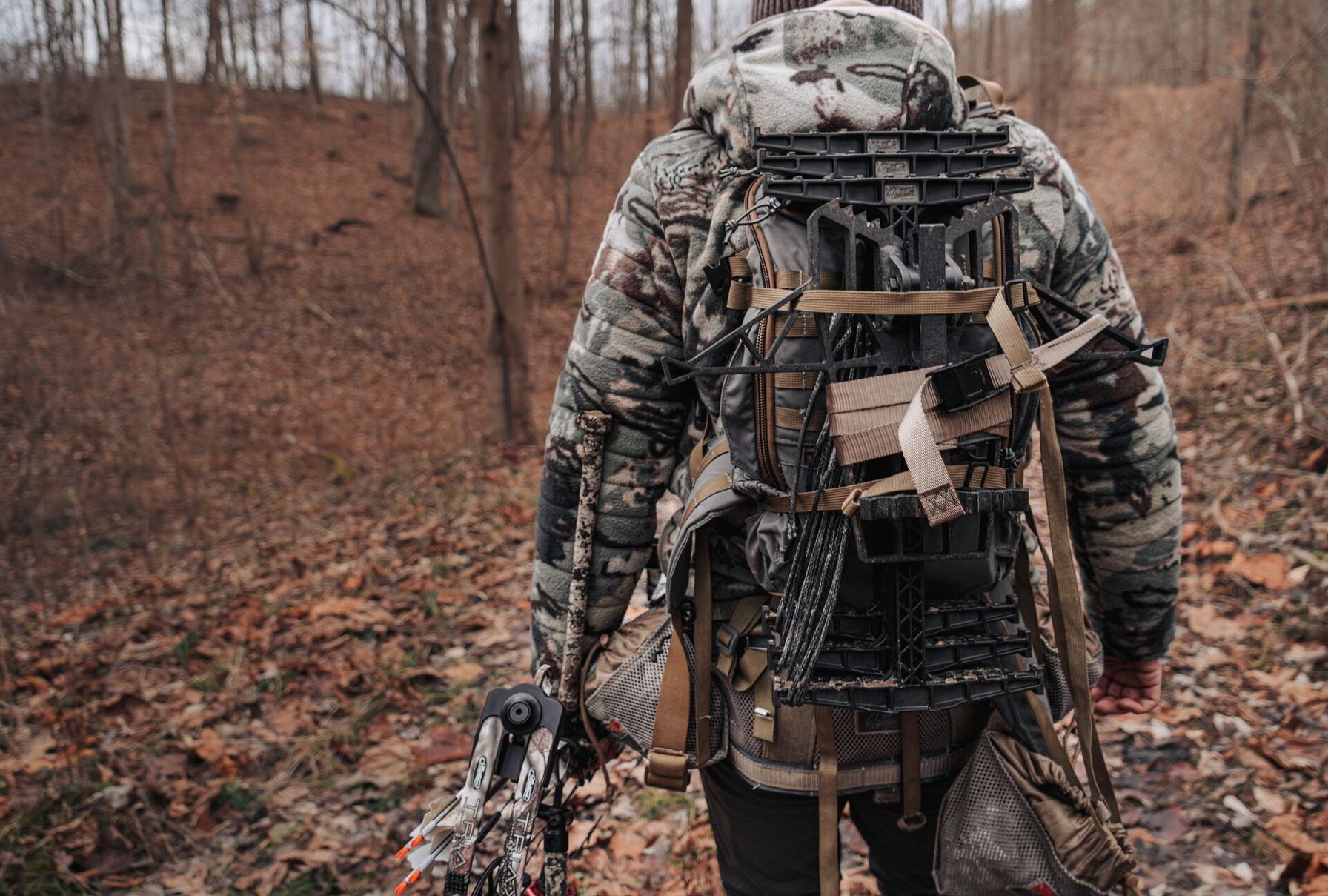
How to Plan Your Pennsylvania Archery Season Hunt
Planning a successful Pennsylvania archery hunt starts with knowing the rules for where and when you'll be hunting. Follow these steps to get organized before the season opens.
| How to Plan Your PA Archery Season Hunt: |
|
Equipment and Preparation
Before you pack your bow and gear, ensure you meet all requirements and minimum standards the PGC sets.
Additional regulations govern the use of bow and arrow types when hunting during the Pennsylvania archery seasons. Long, recurve, and compound bows with a minimum draw weight of 35 pounds are permitted. Crossbows can be used with broadheads of a cutting-edge design, and all arrows and crossbow bolts must be equipped with a broadhead.
Meeting these regulations is not just a question of ethical hunting but also a legal requirement. Failure to abide by these minimum requirements may result in punishment.
Practice With Your Bow
When it comes to archery hunting, especially when hunting big game, shot placement is everything. The best way to hone your shot is to practice consistently leading up to the season. "Practice" can include participating in events and clubs to share knowledge, develop skills, and maybe even learn about a couple of secret hunting spots.
As always, focus on physical conditioning, stamina, and weight training, as drawing those bows can get tiresome, especially after a long day of packing out to a remote location.
Scouting and Planning
Finding the best locations starts with understanding deer movement, patterns, and requirements.
Setting up near food sources during feeding times can be a successful strategy, whereas targeting bedding areas and travel corridors during different times of the day can be more fruitful.
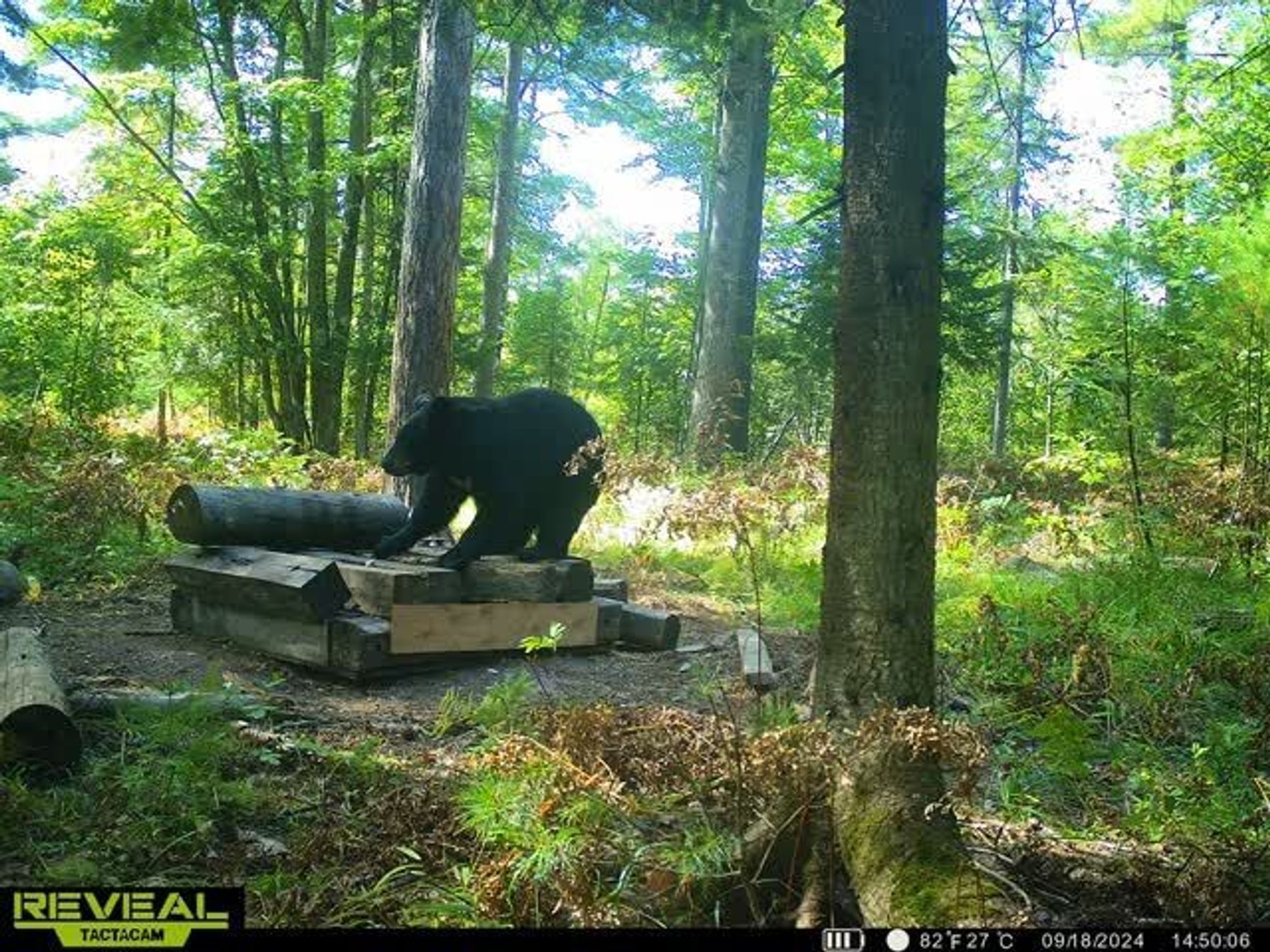
Additionally, setting up trail cameras (where allowed) can help you scout and provide physical confirmation that animals are in your intended hunting zone, how they behave, and their movement.
Scouting and understanding animal movement patterns can help you plan the best time to hunt deer, bear, and elk.
Learn the Terrain
Pennsylvania encompasses various geographical zones, including the Piedmont region in the east, the Appalachians in central and western Pennsylvania, the Allegheny Plateau in southwestern Pennsylvania, and the Great Lakes Lowland in northwestern Pennsylvania.
Each zone requires a distinctive plan detailed enough to account for changes in the geographic and natural environment. To begin your scouting, use the HuntWise maps and topographical features to get a feel for elevation and the challenge a potential hunt may pose. Then, you can check boundary lines and private land holdings — in the app — to ensure you are hunting legally.
You can also utilize the GPS feature and market capabilities to avoid getting lost and ensure you stick to your pre-determined critical locations when out in the field.

Make the Most of the PA Archery Season With HuntWise
Pennsylvania offers plenty of opportunity for archery hunters looking to take advantage of the whitetail or other game species seasons.
To make sure you're always hunting in the correct zone and following all regulations, download the HuntWise app for up-to-date insights on regulations, licensing, weather, rutting, mapping, and a whole lot more.
Start exploring the app now by downloading HuntWise. Enjoy your first week free!
Content most recently reviewed and updated for recency and the latest season dates May 22, 2026.
Frequently Asked Questions About PA Archery Season (FAQs)
Q: When can I archery hunt in Pennsylvania?
A: Statewide archery deer season runs October 3 through November 20, 2026, with a late season segment from December 26, 2026, through January 24, 2027. Archery bear season runs October 17-25, 2026, in most WMUs, with an earlier start in WMUs 2B, 5C, and 5D. Archery elk season runs September 12-27, 2026, and requires a separate elk license won through the annual lottery.
Q: Can I shoot a deer in my backyard with a bow?
A: It depends on where you live and the size of your property. Pennsylvania requires a 50-yard safety zone for archery hunters, meaning you cannot shoot within 50 yards of occupied buildings, public roads, or other restricted areas without permission. Always check your local ordinances as well, since many municipalities have additional restrictions on discharging any weapon within city or borough limits.
Q: Can you shoot a bear during archery season in Pennsylvania?
A: Yes. Pennsylvania has a separate archery bear season that runs October 17-25, 2026, in most WMUs. Hunters in WMUs 2B, 5C, and 5D have an extended archery bear season that begins earlier and overlaps with the first segment of the archery deer season. You are limited to one bear per license year.
Q: Do you have to wear orange during archery season in Pennsylvania?
A: No. Pennsylvania does not require fluorescent orange for archery hunters during archery deer, bear, or elk seasons. Orange is required when hunting during firearms seasons, and if you carry a muzzleloader during muzzleloader season, orange requirements for that season apply. Always confirm the specific requirements if your archery season overlaps with any concurrent firearms season.
Q: What county in Pennsylvania has the most elk?
A: Elk and Cameron counties are the heart of Pennsylvania's elk country and hold the highest concentrations of the herd. The statewide population is estimated at approximately 1,400 animals spread across 10 counties in the north-central part of the state. The elk range runs roughly from north of Interstate 80 to south of Route 6.
Q: Can you shoot elk in Pennsylvania?
A: Yes, but elk licenses are awarded through a lottery and are highly limited. The 2026-27 archery elk season runs September 12-27, with additional firearms segments in October, November, and January. A valid Pennsylvania general hunting license is required to apply, and beginning in 2026, antlered elk tags are a once-in-a-lifetime opportunity.
Q: How many elk tags do they give out in Pennsylvania?
A: The number varies year to year based on population data and management goals. In recent years, roughly 140 total elk licenses have been awarded across all seasons, covering both antlered and antlerless elk. Tags are split across the archery, first regular firearms, second regular firearms, and late firearms seasons, with allocations set by zone across the elk range.


