

Essential strategies include using high-quality optics (glassing) at dawn and dusk to spot feeding groups and zeroing in on edge habitat where timbered zones meet open forage areas.
E-scouting mule deer is a central feature of a successful hunting plan. Allowing you to do a deep dive on the Colorado game management units, explore the terrain, uncover private land, expose hidden features with advanced land sensing technology, and more.
Today, we’re exploring everything you need to know about e-scouting for the perfect mule deer hunting experience in Colorado.
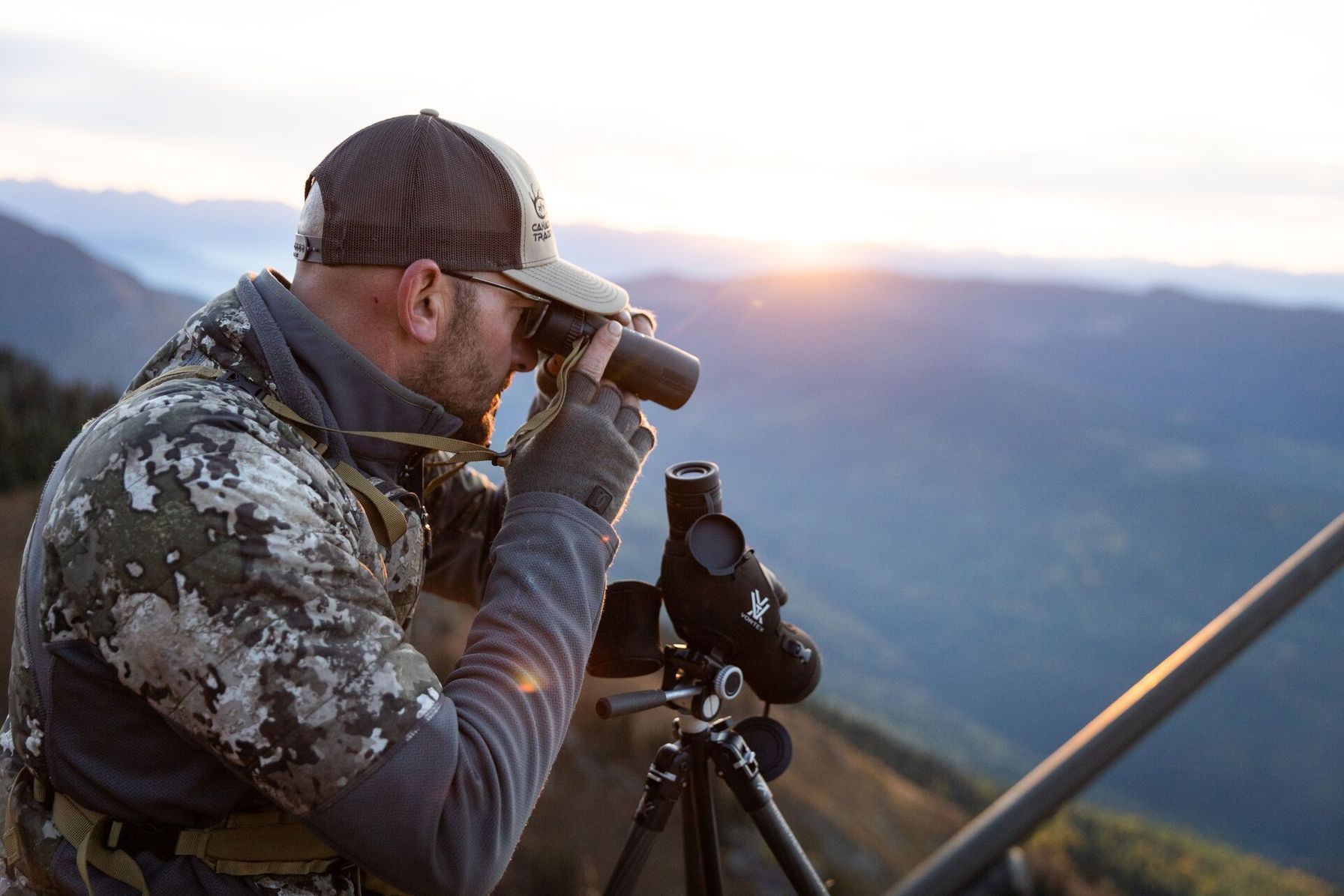
Why Colorado Mule Deer Hunting Is Unique
There's no doubt Colorado is a premier mule deer destination. With a population of around 400,000 spread across a truly diverse landscape, from high-altitude aspens to low-country sagebrush and shrublands, there's something for everyone to come and have a go at a classic western muley hunt.
There are some big bucks in there, too. With over 200 entries in the Boone and Crockett club in the last century, the Centennial State draws plenty of out-of-towners.
With this diverse landscape comes the increased importance of e-scouting. The landscape can be overwhelming, and it's best to break it down into your intended unit, focusing on markers such as food, water, bedding, and other critical environmental features that will point you towards deer mule deer territory.
This guide will help you target these essential geographic areas based on migration and habitat preferences, and dial in your e-scouting so you'll know how to find mule deer before the Colorado season even opens.
Understanding Mule Deer Seasonal Movement
Food availability and weather will trigger mule deer movement, prompting them to migrate between summer and winter ranges. Understanding these patterns, as well as the food sources muleys favor during these distinct periods, is critical to your e-scouting approach and the intended hunting season.
Mule Deer Seasonal Movement | |
|---|---|
| Summer Patterns (July–August) | Summer in Colorado means plenty of sunshine and typically milder temperatures. During this period, bucks usually form pre-rut bachelor groups and feast on high-elevation greenery, particularly in water-rich environments. This feeding pattern is fairly consistent, and while they’re comfortable at these higher alpine elevations, they’re still easily spooked. These summer patterns usually align with the start of the archery season, which is one of the best times to hunt mule deer, given the lower pressure. |
| Early Season (September–Early October) | During the early season, muleys will still inhabit high elevations (around 9,000 to 11,500 ft) above the timberline. Still, they will become more reclusive, opting to bed down in deep timber under pressure. They’ll feed early in the morning and late in the evening, often opting for open basins during these low-light windows. |
| Transition Phase (October–November) | This is where patterns will start to shift with the cooler temperatures as the first snow triggers deer movement. During this period, they’ll shift to mid-elevation habitat, as the principal migration isn’t quite in full swing. You may notice an increase in daylight activity, particularly in the mornings near aspen edges. |
| Late Season/Rut (November–December) | As storms and cooler weather roll on in, muleys will start their migration to winter ranges. This time also aligns with the rut, meaning bucks will be out seeking does. As food sources become scarce, the snow helps concentrate deer in predictable zones. |
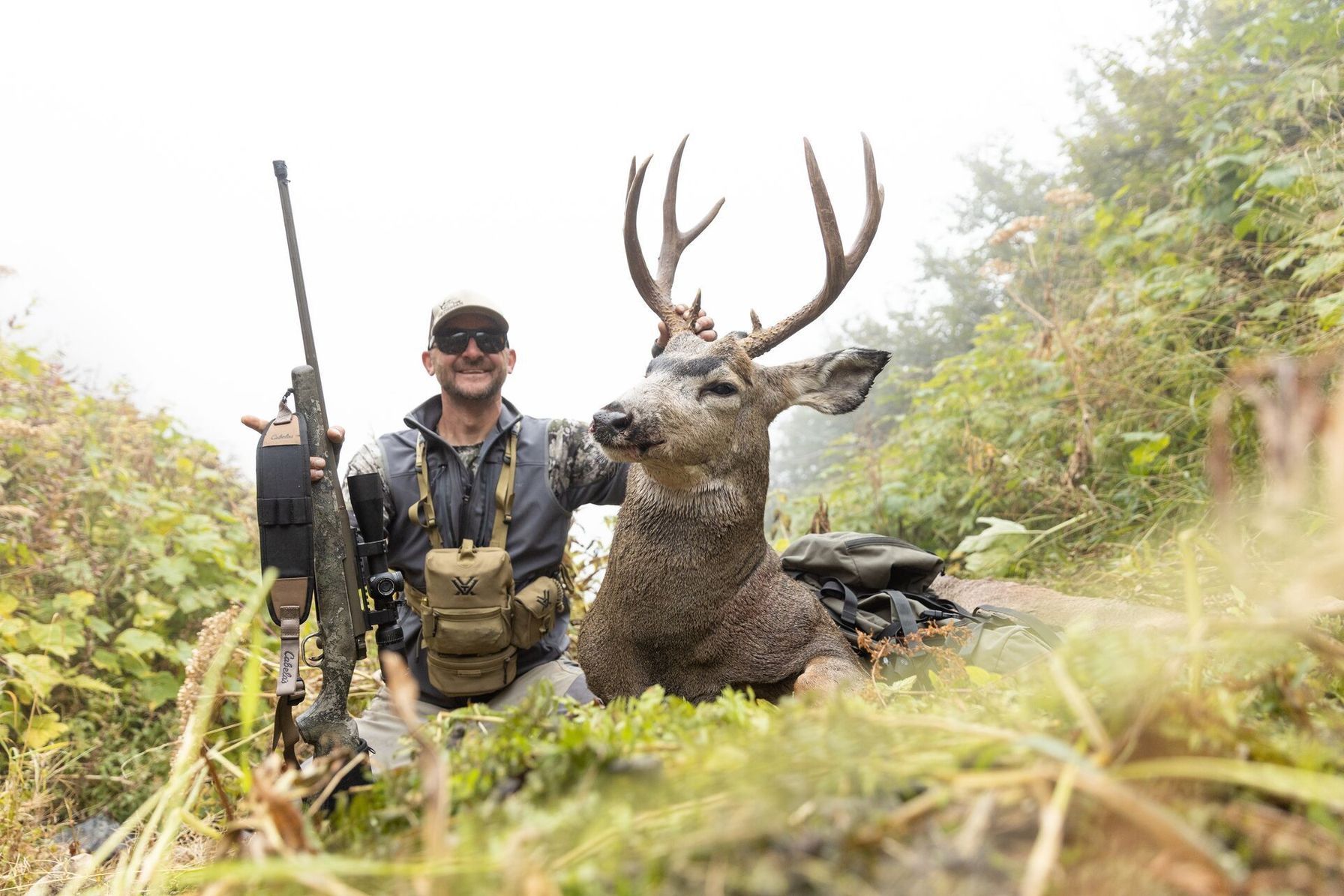
What Are the Best Locations and Habitats by Season?
After examining seasonal movements, let’s look at what this means for your e-scouting and which habitat features to look for.
High Country (September-Early October)
During the warm weather, your attention should focus on higher-elevation zones. Some hunters use the ⅓ elevation rule, focusing on the top third of the elevation when scouting. While it's a general rule, it provides a strong starting point.
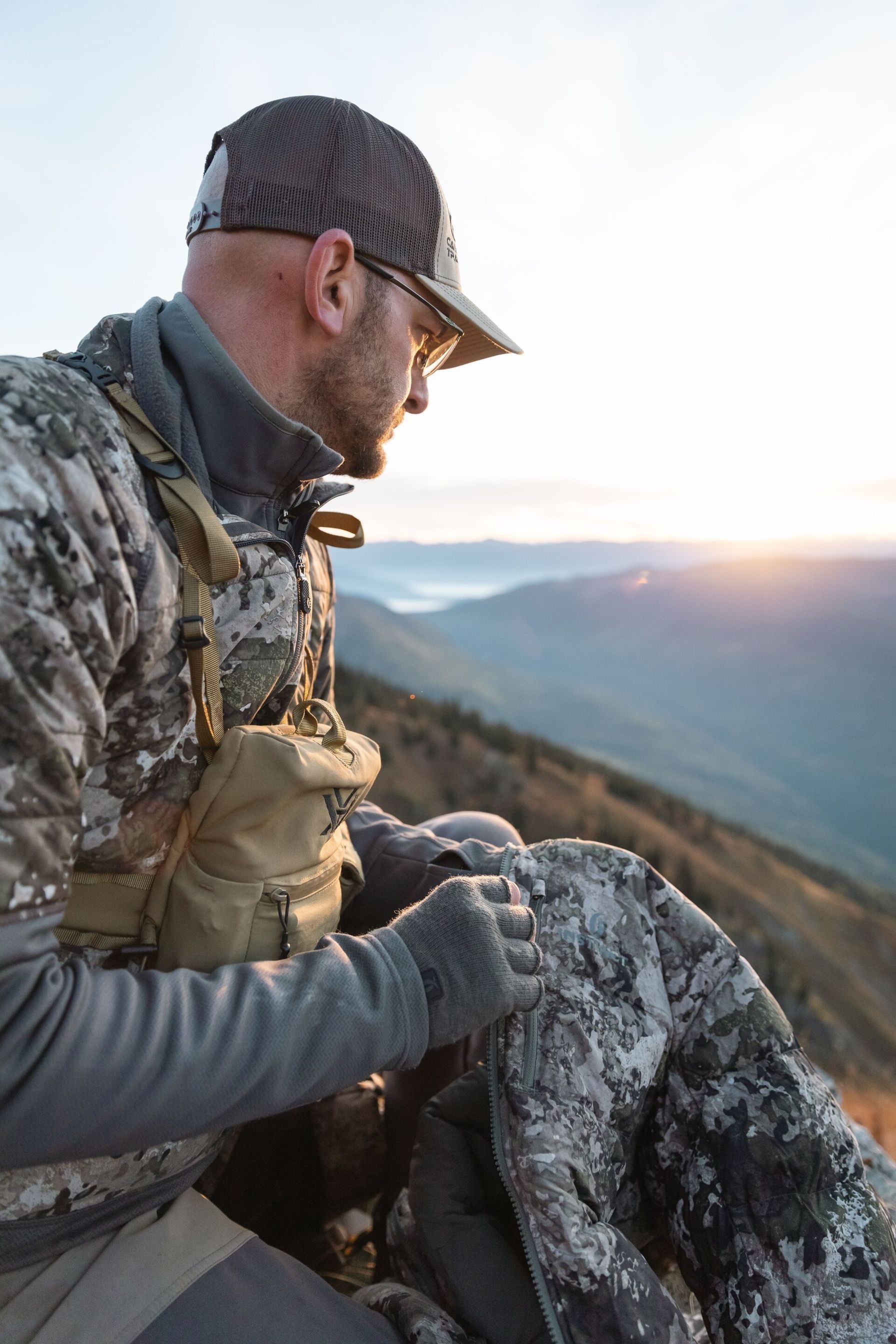
Start by scouting the upper regions, focusing on timberline basins and subalpine meadows. You'll find deer bedding up on north-facing slopes due to the cooler temperatures and feeding on south-facing slopes.
Transition Zones (October-November)
During this transition period, focus on feeding zones, particularly aspen groves and oak brush hillsides. Focus on steep, sunny slopes and migration corridors between elevations such as ridges, benches, drainage, and saddles.
Elevation changes will become more frequent leading up to the “major” winter migration.
Winter Range (Late November-December)
As the deer shift into their full winter range, focus on small, highly concentrated pockets of agricultural and feed pockets.
Zone in on sagebrush flats, agricultural edges, and pinyon-juniper benches. It’s these sage-covered areas that will be critical during this winter period, particularly near south or west-facing bedding spots.
What Are the Best Colorado Regions to Focus On?
Colorado uses a preference point system, so you may have to wait a little while for popular units. However, there are opportunities all over if you don’t want to bank up your points for a future hunt.
It’s a combination of habitat diversity, winter range availability, and limited tag options that make these hunting regions so productive. With a mixed terrain of sage, oakbrush, aspen, and conifers, and the accompanying altitude diversity, deer in the following regions have everything they need to develop.
Gunnison Basin (GMU 54, 55, 551)
Western Colorado is typically regarded as a premier mule deer hunting destination. With prime habitat, strong genetics, and limited and highly competitive tags, the regions surrounding Gunnison Basin are well known for producing trophy bucks.
These regions call for high-elevation glassing of open basins, thick timber, and extensive physical preparation.
Units around 67
Unit 67 and surrounding zones are adjacent to the Gunnison River, with a mix of meadows, hayfields, and river bottoms at an average elevation of 10,000 ft, offering hunting opportunities. This zone is home to an extensive river and stream system worth exploring when e-scouting.
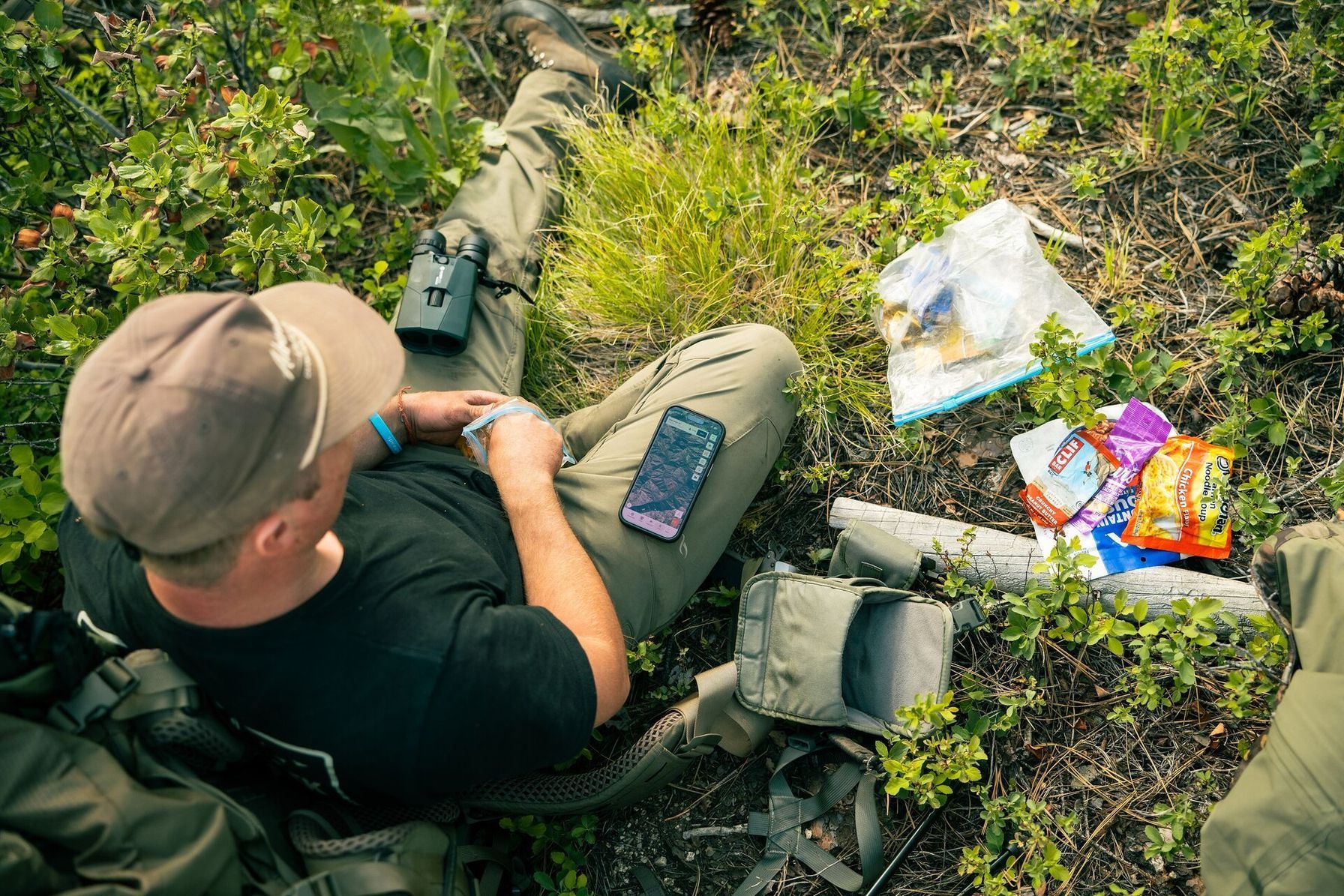
E-Scouting: Finding Mule Deer Before You Hunt
Sometimes the biggest hurdle to e-scouting is knowing where to start. Either terrain features or water sources are usually a strong starting point; however, this depends on your intended season.
Map Scouting Tools
Kickstart your e-scouting with HuntWise. If it’s an unfamiliar unit, it can help to start with a general 3D or topo overview to get a feel for the terrain and possible scouting or vantage points. You need to consider not only where the deer will likely be, but also how and where you will glass them.
HuntWise can help you uncover potentially overlooked or hidden features, such as remote basins or small pockets of public land tucked against private land, thanks to its LiDAR capabilities and public/private mapping overlay.
You can also explore roadless areas and elevation changes, such as pockets and long-running faces.
What to Look for Digitally
Regarding specific terrain features, mark south-facing slopes as prime feeding locations, north-facing slopes for bedding, and edge habitats where mule deer like to pop in and out of to feed before heading back into cover. The easiest way to see these is to use the topographic mapping feature, then switch to LiDAR (hillshade).
Edges that connect with basins are prime habitat and water sources, particularly in the early season, and are especially productive.
Glassing: The #1 Skill for Finding Mule Deer
Effective mule deer hunting is about 90% glassing, which is why it's essential to mark potential vantage and glassing locations. Always mark a primary spot and a backup so you're not wasting hours traversing ridges to find another spot if the first proves unproductive.
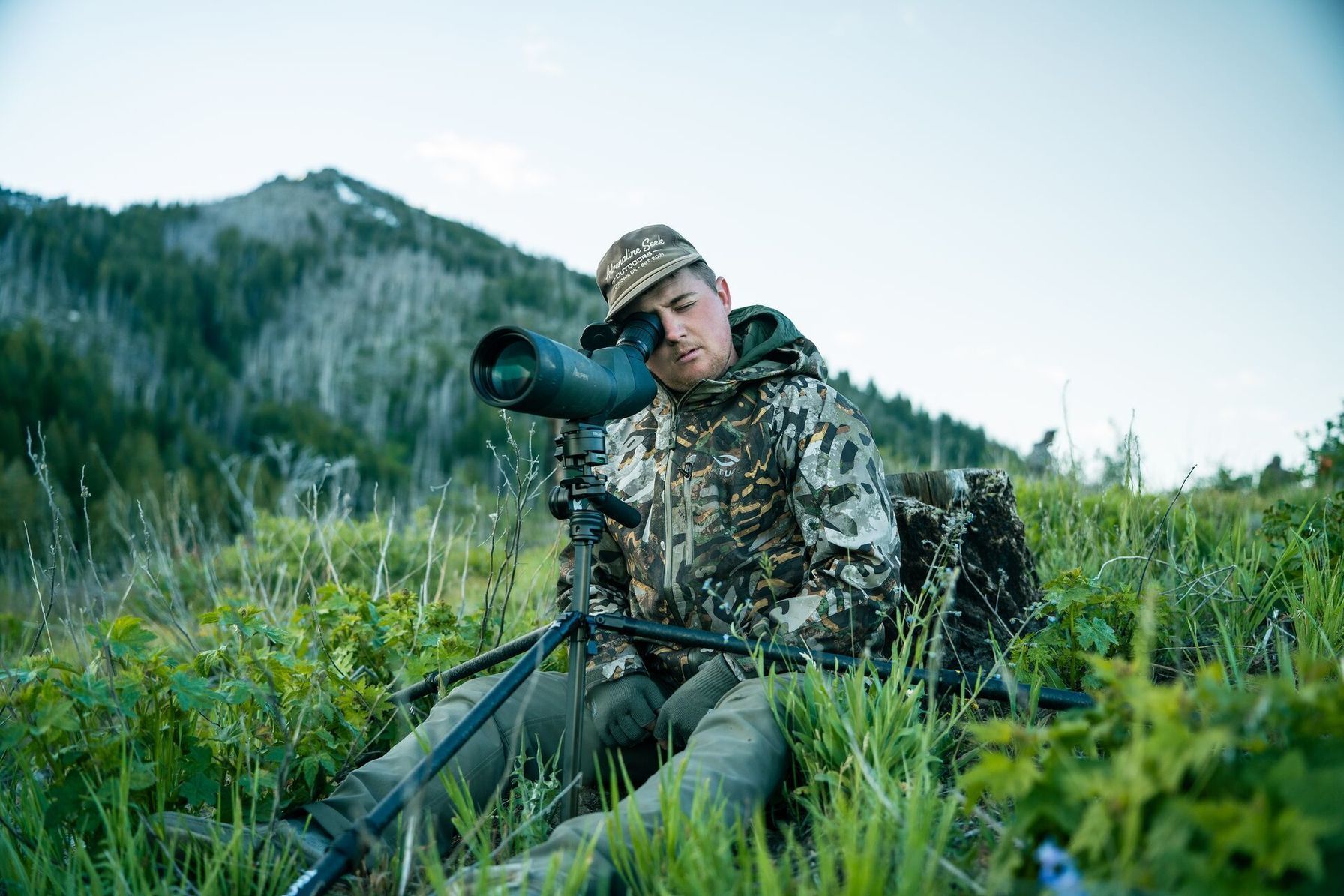
The best times for glassing are dawn and dusk, when muleys are feeding. During midday glassing, shift your attention to sunny slopes where deer bed in winter with a particular focus on bedding benches and thick timber pockets.
Glassing during this time is challenging but not impossible. Look for small flickers in movement, like the twitch of an antler.
Optics Setup
Quality optics are non-negotiable for a western mule deer hunt. To start, you’ll need 10x42 binoculars and a scope with at least 20x magnification and crisp images.
A decent tripod is equally important, helping stabilize the image while you analyze the terrain (or muley) and reducing overall fatigue. When scouting, use a systematic scene-breaking approach that divides the landscape into smaller grids.
Find the Does, Find the Bucks
During a late-season rut hunt (November), bucks will be cruising doe bedding areas and feeding zones. During this time, bucks will change ranges, start moving outside their regular, more cautious movement patterns, and head into more open areas such as meadows.
Focus your scouting on groups of does, rather than individual deer. Mark south-facing slopes and sage flats, particularly those that have been busy with does throughout the season, as they will likely head back to the same spots to feed.
Bucks will cover some serious ground during the rut, so focus mostly on glassing from elevation (try to stay above the action) and stick to these feed lines.
Focus on Edge Habitat
Muleys love to edge habitats because it's a win-win. They can access high-quality feet and duck in and out of security cover. To focus hunting on these areas, start by e-scouting regions where timber meets meadows, sagebrush, and brush hillsides.
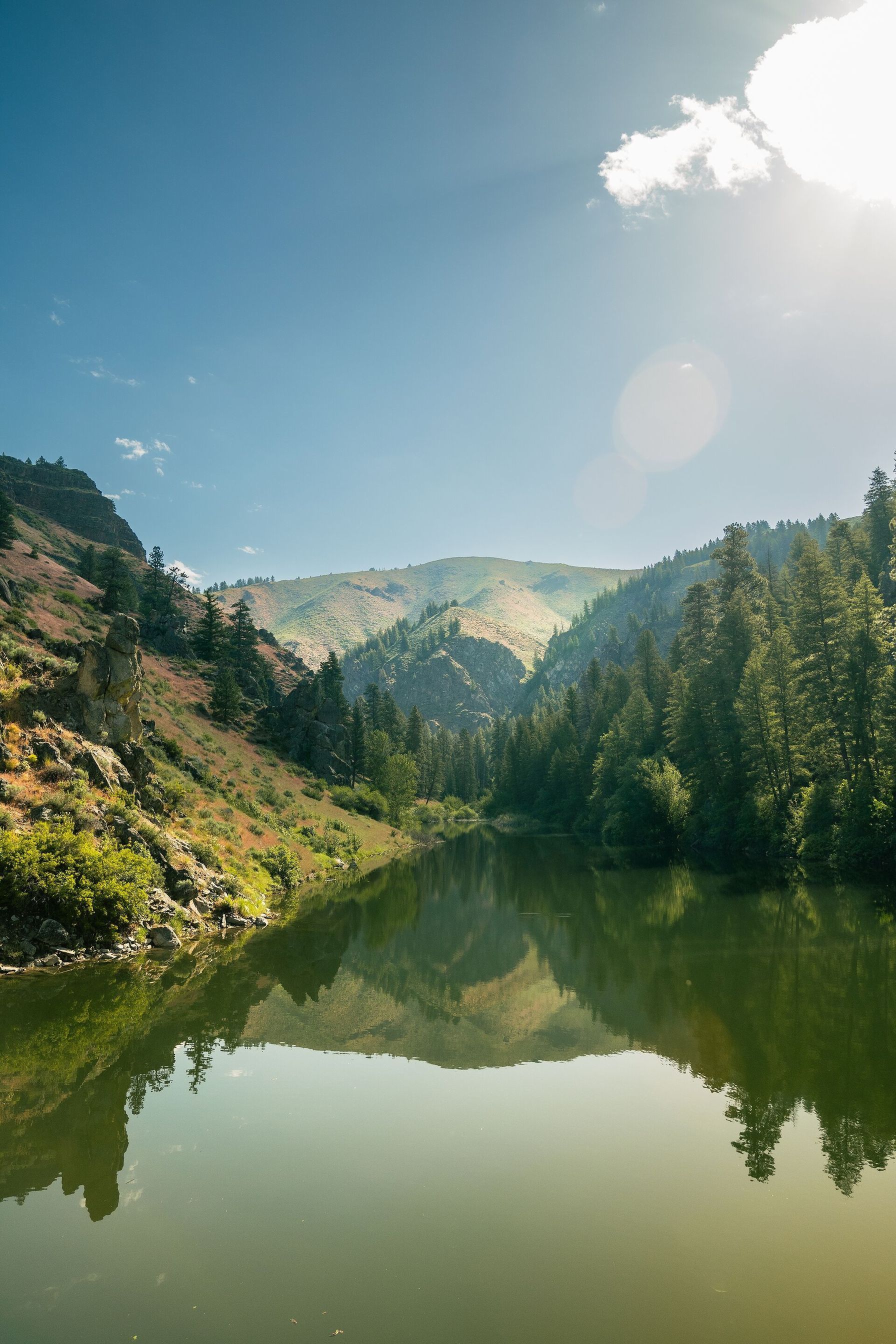
Start with the satellite feature, noting vegetation changes, waterway edges, and bush transitions. Sometimes the difference is clearer, such as with dark and light fields, and other times, you may need to use topo or LiDAR to uncover benches or hidden terrain features, like breaks that may be covered by canopy.
Don’t Overlook Water (Early Season Advantage)
Mule deer will cover surprising distances to get a drink of water, particularly in the early season when hunting pressure is lower. These transition zones between bedding and water can form a predictable, potentially productive movement pattern.
Water sources don’t necessarily need to be extensive systems. Features such as high-country streams, small seeps, springs, and man-made guzzlers can all be productive areas to mark on your HuntWise app.
As the weather becomes hotter and drier, these movement patterns become even more predictable, as deer are forced to seek water from limited sources or travel shorter distances.
Access = Opportunity
With over 23 million acres of public land, there's plenty of opportunity to harvest some incredible bucks in Colorado. However, it may require careful e-scouting and pushing out further to uncover less popular opportunities.
Explore beyond the main road systems and plan for long pack-outs past the first ridge, focusing on steep terrain and overlooked pockets.
As the season progresses, hunting pressure pushes mature bucks into harder-to-reach areas as they favor security, especially during the rut, when they are energy-deprived. They'll turn to thick, inaccessible cover to bed up, minimize movement, and switch to nocturnal patterns.
Use a Simple E-Scouting System
For simple e-scouting, break your approach into sequential, manageable steps to create a clear, productive picture of your intended hunting zone.
| E-Scouting Mule Deer in Colorado Using HuntWise: |
|
Final Tips for Success
Follow the mule deer scouting tips above for your best chance of a successful mule deer hunt, and adjust your approach based on weather and seasonal movement.
E-scout intelligently, not randomly. Spend 90% of your time behind glass. Mule deer is a spot-and-stalk hunt, and while not easy to spot, trust your instincts and follow mule deer patterns, as these form the basis of their behavior.
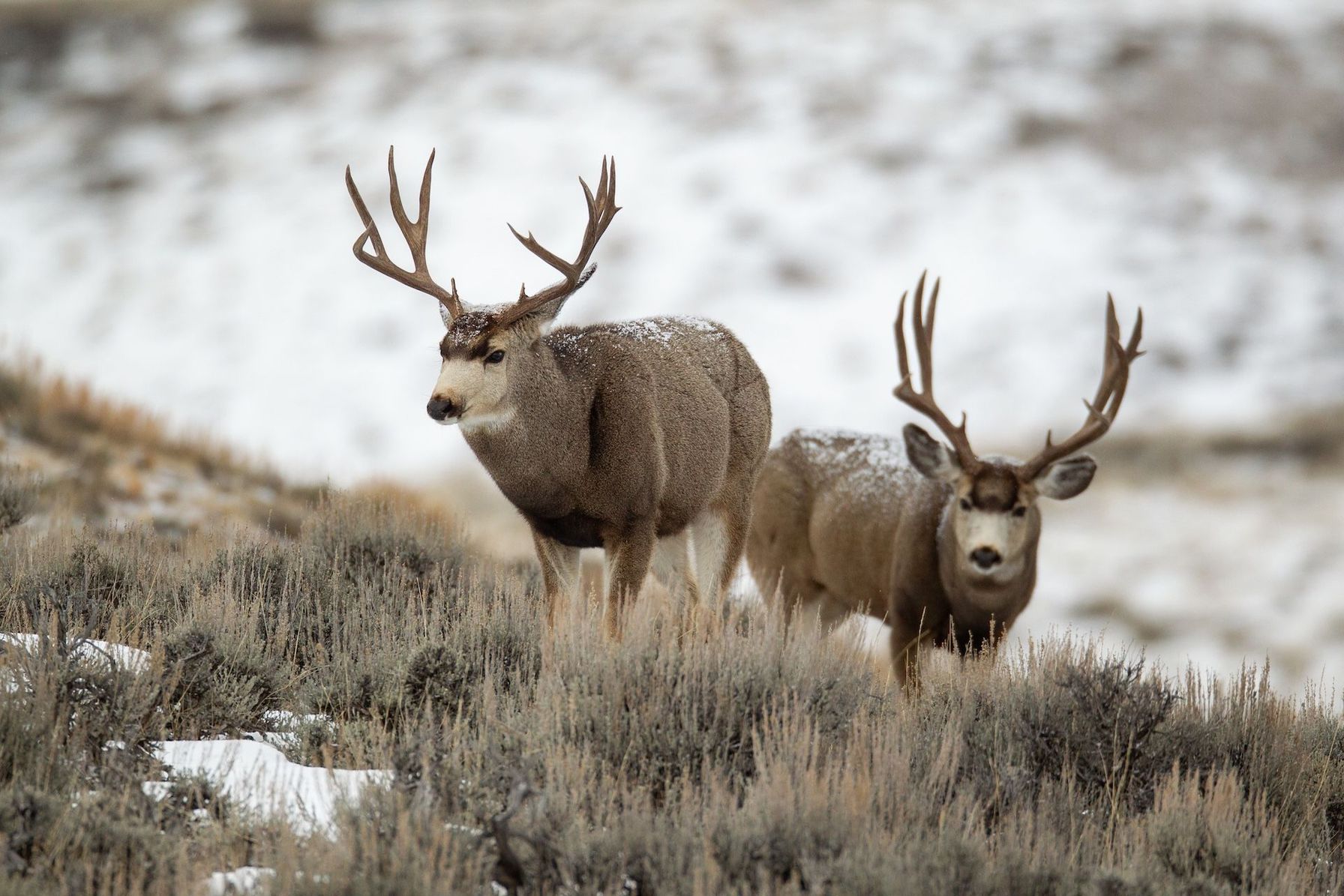
Use HuntWise to E-Scout Better Mule Deer Hunts in Colorado This Season
By following the key principles of e-scouting, you’ll be much better positioned to take on the Colorado mule deer season.
When e-scouting, factor in seasonal elevation shifts, habitat edges with blended environments, and other transition zones. While e-scouting can be done from anywhere, pre-season hiking, glassing, and in-person exploring for mule deer signs will help you confirm deer presence.
To start e-scouting today, download HuntWise to explore cutting-edge mapping overlays and essential insights, including private and public land boundaries, to help you hunt high-impact when the season opens. Try Pro and Elite features free during your first week in the HuntWise app!
Frequently Asked Questions (FAQs)
We’ve got answers to some common questions about mule deer hunting in Colorado.
Q: Where are the most mule deer in Colorado?
A: Colorado's largest mule deer concentrations are generally found on the Western Slope, particularly in areas like the Gunnison Basin and surrounding western Colorado units. The state manages an estimated mule deer population of around 400,000 animals across a wide range of habitats.
Q: How much does it cost to mule deer hunt in Colorado?
A: Costs vary depending on residency status, license type, and whether you draw a limited deer tag. In addition to the deer license, hunters may need a qualifying license, habitat stamp, and application fees. Check current Colorado Parks and Wildlife fee schedules before applying.
Q: Can non-residents hunt mule deer in Colorado?
A: Yes. Non-residents can apply for Colorado mule deer licenses through the state's draw system. A portion of deer licenses is reserved for non-resident hunters each year.
Q: How to locate mule deer?
A: Focus on seasonal habitat, food sources, water, and bedding cover. During early seasons, glass high-elevation basins, meadows, and south-facing slopes are visited at dawn and dusk. As temperatures drop, look for deer moving through migration corridors toward lower-elevation winter range.
Q: What is the best mule deer unit in Colorado?
A: There is no single "best" unit for every hunter. Units in and around the Gunnison Basin, including GMUs 54, 55, and 551, are widely known for quality mule deer habitat and mature bucks, but draw odds, hunting pressure, and season timing can make other units a better fit for your goals.


