

To get started, research outfitter success rates, determine the physical demands, and explore unit-specific terrain with the guide to ensure it matches your hunt expectations.
Bagging a mature muley is a high priority for any deer hunter. With the increase in hunting pressure, not to mention the challenging landscape and notoriously elusive nature of muleys, mule deer guided hunts are a great way to get onto some trophy bucks, especially if hunting an unfamiliar area or state.
This guide will walk you through everything you need to know about planning a guided mule deer hunt for the 2027 season.

Why Plan Now for 2027?
Demand for quality mule deer hunts is higher than ever, driven by a surge of growth thanks to stronger herd numbers. This boost, due to strong doe recovery and fawn production, has led states such as Utah to request an increase in hunting permits. Top outfitters are booking out one to three years in advance. With limited tags and draws, it's never been more important to get in early.
If you’re serious about a mule deer hunt, you’ll need to start planning now to not miss out on a guided mule deer hunt and for the highest chance of success in the 2027 season.
Start with a Plan: Define Your Hunt Goals
The first step for any guided hunt is to determine your goals, intended hunting strategy, and experience level.
What kind of hunt do you want? This is an essential question because mule deer are found in more than 15 western states. Both across and within these states, the terrain and natural environment vary widely from sagebrush flats to high mountain meadows.
As a hunter, this is good news: you can target a high-country archery adventure, a rut-focused rifle hunt, or a trophy-class mule deer pursuit depending on your intended approach. Once you’ve determined your goals, you’ll need to align them with hunting opportunities and locations.
For example:
- A trophy-sized animal will most likely lead you to Colorado or Idaho
- Whereas an early-season velvet hunt might point you more towards Wyoming or Utah
Due to variations in terrain and state offerings, you can be selective about factors such as physical difficulty level or the DIY vs. full-service guide experience. Once you’ve laid it all out, it's time to start taking action.
Reach out to outfitters, start exploring tag options, and have a backup plan, whether that be a Wyoming elk hunt or something else.
How to Research and Select the Right Outfitter
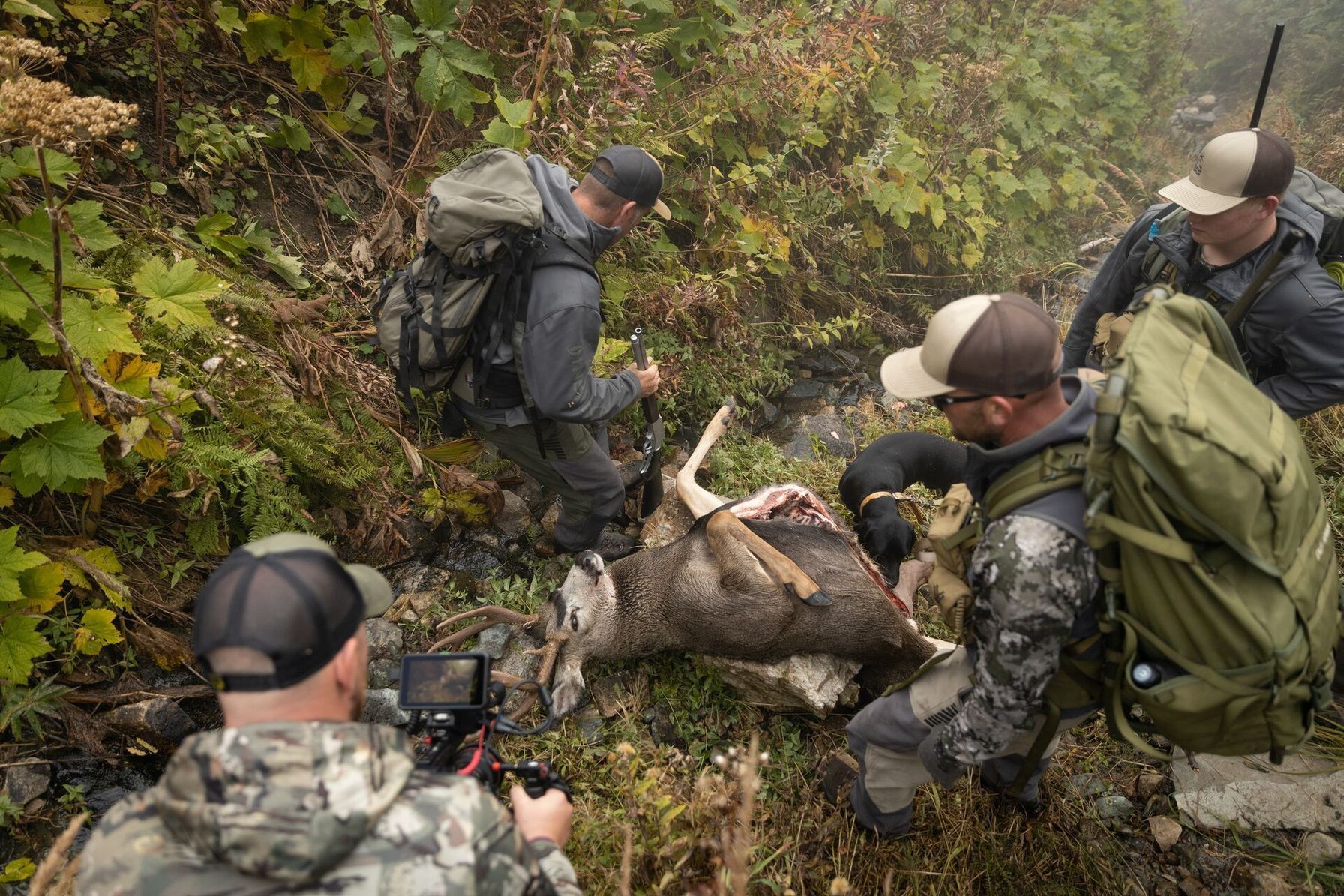
Once you’ve got your ideal hunt lined up its time to put it all together with research.
1. Vet Outfitters Carefully
Going through an outfitter can be costly, so you want to make sure your hard-earned money is spent wisely. First, look for proven success rates and consistent harvest history. This can be on the website. However, we always recommend asking for references and speaking with past clients (the more, the better; aim for at least 8).
Don't be afraid to ask about their experience, how the hunt could have been better, and if they were return clients.
We all know filling out a tag is far from guaranteed, but knowledgeable guides, good food, great camaraderie, and culture can more than make up for it. Be wary of outfitters that make promises; if something seems too good to be true, it usually is.
2. Do Your Homework
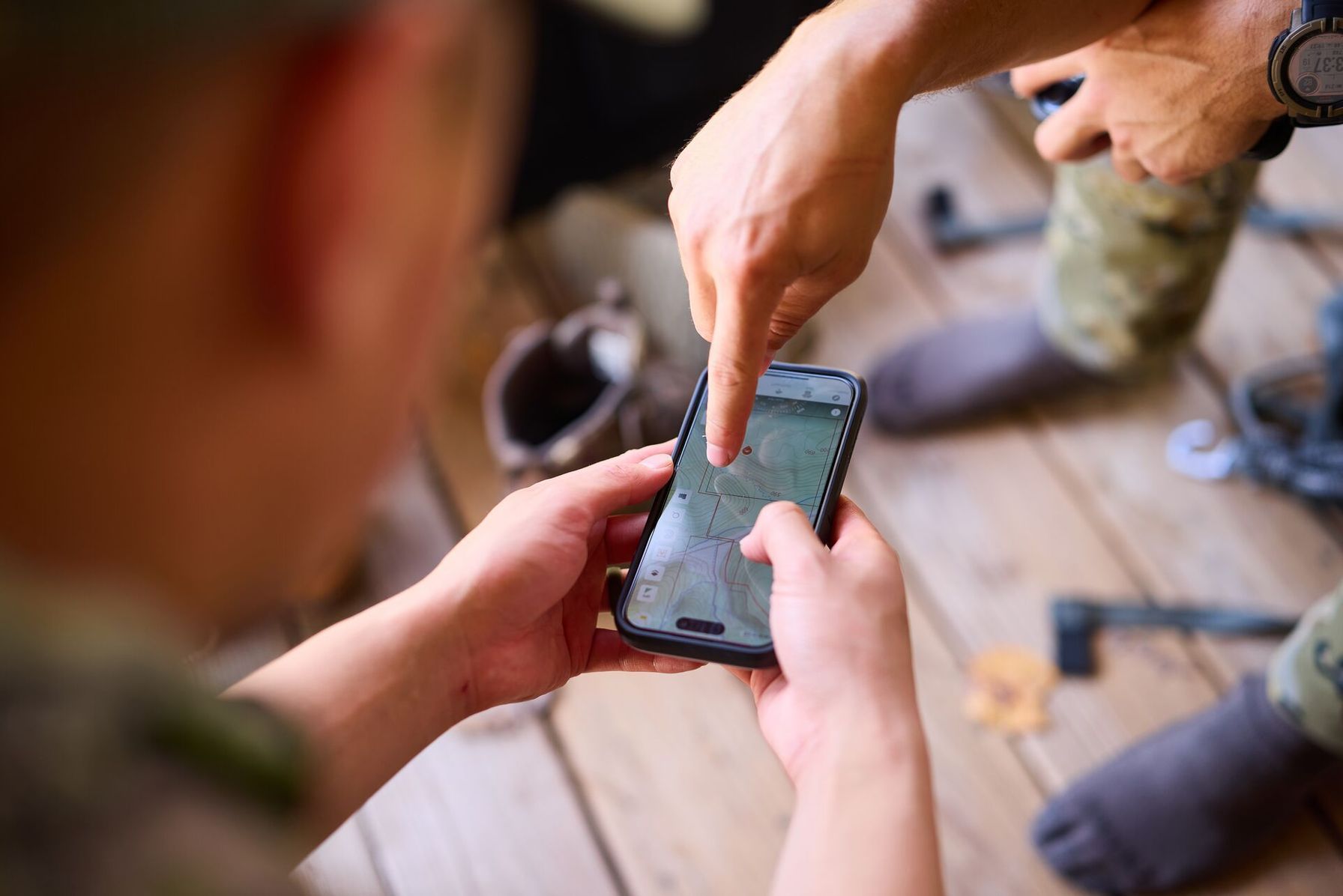
Jump on HuntWise and start exploring the terrain with the mapping feature, including access, vegetation, private and public land division, hunting units, and elevation. This will help you determine whether the terrain type and your intended hunting environment align with your hunting style.
3. Ask the Right Questions
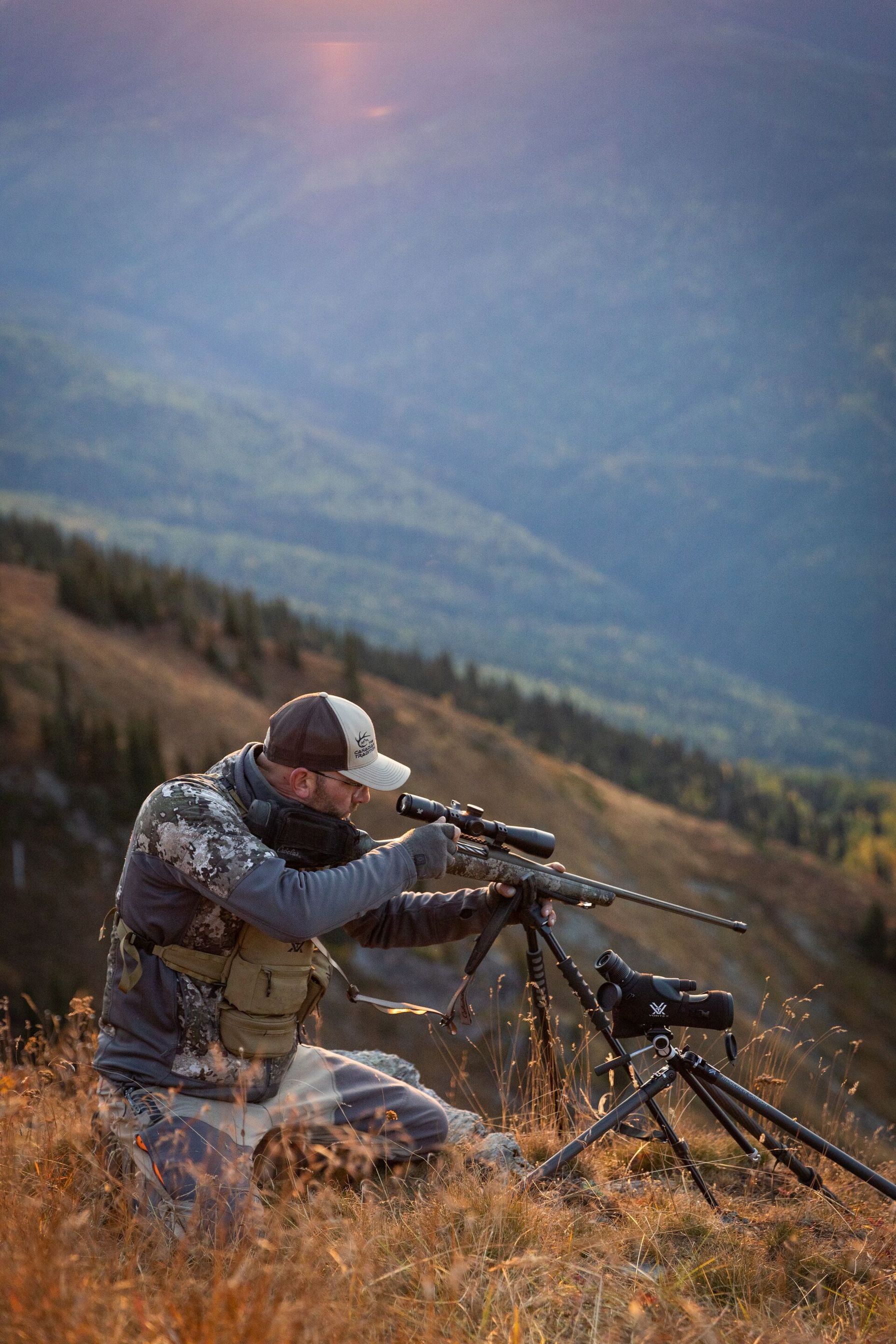
Ask a lot of questions and keep a record of everything so you can compare. To get started, we recommend asking what units they hunt, questions about the terrain (basins, ridges, timber, elevation), whether the hunt is public or private, and clarifying any additional costs, such as trophy fees.
Consider keeping a spreadsheet of potential outfitters before making your final decision.
4. Book Early
Once you’ve settled on an outfitter, make sure you book nice and early. Plan on at least one to three years in advance, as top outfitters book out early.
Understand Licensing and Tag Draws
Popular states often use lottery systems, including preference, bonus, and hybrid systems. Understanding how these draws work will help you get ahead, determine how each state operates, and align your goals with your hunting unit.
Know the Draw Systems
States like Wyoming, Montana, and Colorado require applications months in advance and will help dictate where your mule deer hunt should take place.
For example, Colorado uses a true preference point system, meaning the majority of tags go to applicants with the highest points. If you want to hunt in Colorado, it's best to start applying now to earn some points on the board and plan your long-term hunt.
In contrast, Wyoming and Montana offer general and limited-entry tags that operate more as a hybrid.
Plan Ahead
Either way, the points matter, and even if your hunt may seem out of reach, with the right plan and a dedicated approach, you’ll get there eventually. Preference points and draw odds are essential if you’re planning to take a high-country buck, as tags are a legal requirement along with licenses.
Leverage Your Outfitter
Don’t be afraid to reach out to the outfitter for assistance regarding your application. It’s fairly commonplace for trusted outfitters to help with the processing, and some even offer landowner tags and guided draw strategies to help get you out there.
Prepare Physically and Mentally
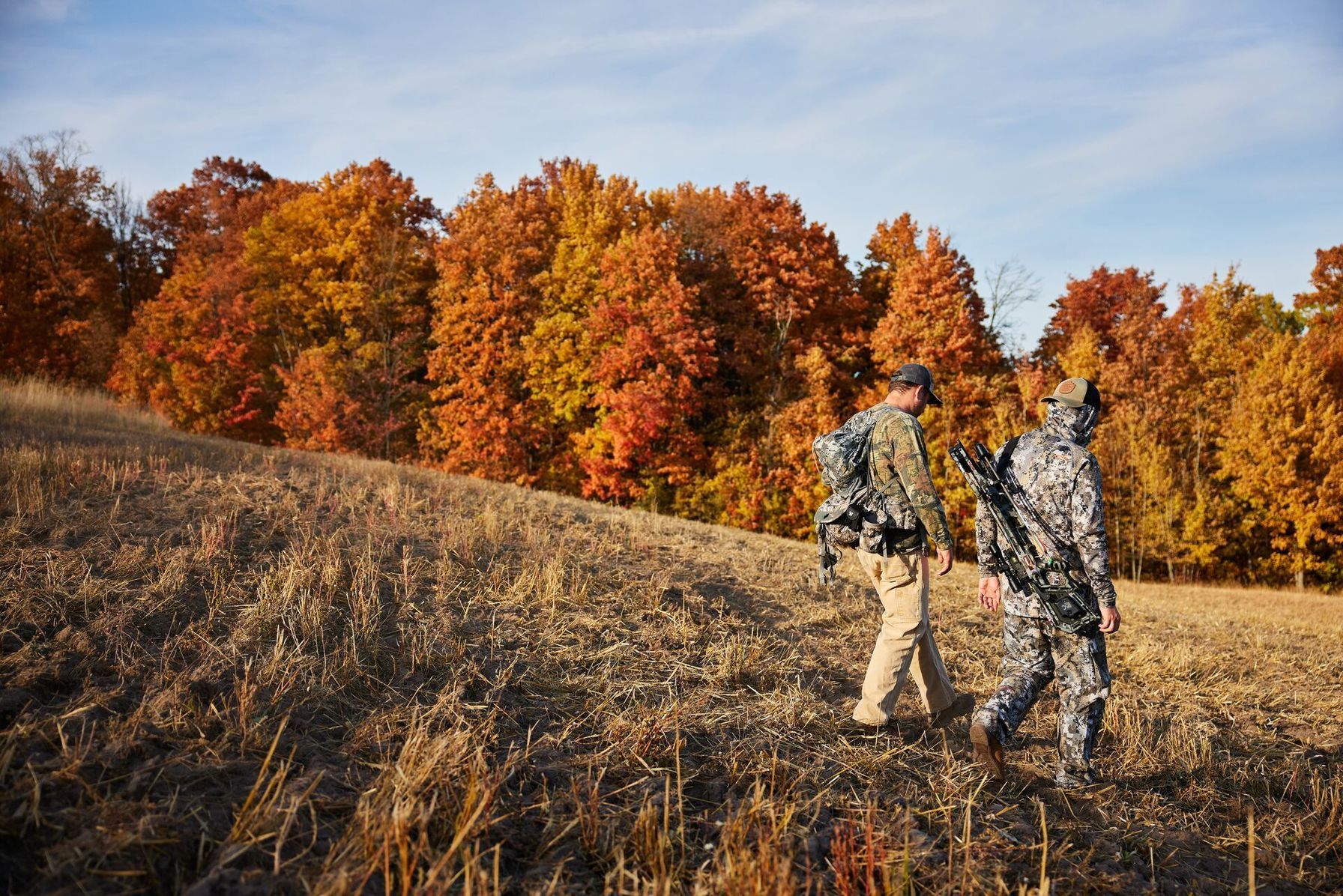
Mule deer hunts can be physically draining, typically requiring a high tolerance for working at elevation and stamina.
Physical Conditioning
For a mule deer hunt, especially at high elevations in states such as Colorado, Utah, and Montana, physical conditioning is essential.
Train with weighted packs and focus on endurance, particularly cardio. Leg strength training and developing your core will help you push out further and to the right elevation do glass a muley.
Shooting Preparation
While waiting for your guided hunt, spend some time at the range, focusing on shooting in a variety of environments, including wind, uneven terrain, long distances, and awkward shooting positions. Real-world training will ensure you’re prepared for the challenging environment and shifting conditions that are so common on a mule deer hunt.
Gear Matters
Pre-season is also a great time to check your gear and upgrade any equipment that might be required. One of the most essential pieces of kit is going to be quality optics (binoculars, spotting scopes).
It’s also important to break in boots well before the hunt, especially when weighted and hiking at elevation.
Pre-Hunt Scouting and Knowledge
Even when going through an outfitter, pre-scouting and preparation are still essential components of your hunt. You want to have as much knowledge about the terrain and environment as possible. In this way, you’re an active participant in the hunt, showing the guide that you’re capable and willing to go all the way to tag out on a mature buck.

E-Scouting is Essential
When e-scouting, mark study basins, bedding areas, and travel corridors in your HuntWise app. By doing this, you won’t be coming into the hunt completely blind but will have a mental map of the terrain and how to navigate it effectively.
Focus efforts on where mule deer will be at the time of your intended hunt, as this location will shift depending on the season and time of year.
Understand Mule Deer Behavior
By learning more about mule deer behavior, you’ll understand why and how your guide is choosing a particular hunting approach or location. For example, their preference for north-facing slopes will impact glassing positioning, seasonal movement patterns, and how this affects elevation and the change in summer-fall habitat with a shift in temperature and food availability.
In this way, you can align your expectations with what your guide is seeing on the ground.
Finalize the Details Before the Hunt
Always read the agreement carefully and clarify any points regarding guide fees, tag costs, trophy or additional fees, and gratuities. It’s also worthwhile reaching out to double-check gear requirements, clarifying what’s provided, whether this be tents, food, or sometimes even firearms.
Pack layered clothing and be prepared for a range of weather patterns, especially during a high-elevation hunt.
Next, create a checklist of personal gear and essentials, including:
- Medication
- A first-aid kit (always pack a small one, even though the guide should carry first-aid gear)
- Emergency items
- Anything you need for sleeping if you’re doing a few nights out
Finally, communicate with your guide to ensure your expectations align with the hunt plan.
Use HuntWise to Plan for 2027 Guided Mule Deer Hunt Success
The best mule deer hunting experience requires extensive planning, preparation, and strategy. Early planning gives you a leg up on uncovering the top outfitter options, achieving higher tag success rates, and getting a jump-start on any points you may need for a competitive state or unit. With a goal in mind, you’ll have more time to prepare physically and mentally.
Now is the time to start researching and applying for the 2027 mule deer hunt, as these hunts book out fast. With HuntWise, you can start exploring terrain, scouting top locations, and building your knowledge of mule deer and western hunting experiences before you step out into the field.
Download HuntWise and start scouting and planning your mule deer hunt free during your first week in the app!
Frequently Asked Questions (FAQs)
Q: How much does a guided mule deer hunt cost?
A: Guided mule deer hunts typically range from $4,000–$7,500, though trophy hunts on private land with high success rates can run $10,000 or more. Most packages include lodging, meals, and on-the-ground guiding, but tags, licenses, and travel are usually not included in the base price. Budget hunters can find semi-guided or drop-camp options at the lower end of that range, while fully guided trophy hunts on premier private ground push costs significantly higher.
Q: What is the best state for guided mule deer hunts?
A: Colorado consistently leads the country for trophy mule deer, with more Boone and Crockett entries than any other state over the past decade and a deer population approaching half a million. Wyoming and Utah round out the top tier, offering strong deer numbers, quality public land access, and a range of guided hunt options across different terrain types. If you're planning a guided trip, researching specific units within these states is worth the time, and tools like HuntWise can help you identify and compare hunting areas before you commit to an outfitter.
Q: Are guided mule deer hunts worth it?
A: For hunters who are new to Western terrain, unfamiliar with a specific region, or chasing a trophy-class buck, a guided hunt can offer real advantages, including local knowledge, scouted access, and logistical support that's hard to replicate on a first DIY trip. The tradeoff is cost, since a fully guided hunt represents a significant investment compared to a self-guided public land hunt. Whether it's worth it depends on your goals, experience level, and how much time you have to put into pre-season scouting and planning on your own.
Q: What is the easiest state to draw a mule deer tag?
A: Colorado offers some of the most accessible draw odds in the West, with many general units available at low or no preference points and a large overall tag allocation. New Mexico uses a pure lottery with no preference point system, giving every applicant equal odds each year. Idaho has historically been a go-to for accessible tags, though starting with the 2026 season, nonresident general tags moved to a draw system, so hunters should check current draw odds and application deadlines before planning a trip.


