

In this guide, we'll look at what makes hogs an invasive species and how to hunt them effectively and ethically. I'll also share some of my own experiences chasing hogs across Florida, Georgia, and Texas, and I'll show how HuntWise can help you plan your next wild hog adventure.
What Is an Invasive Species?
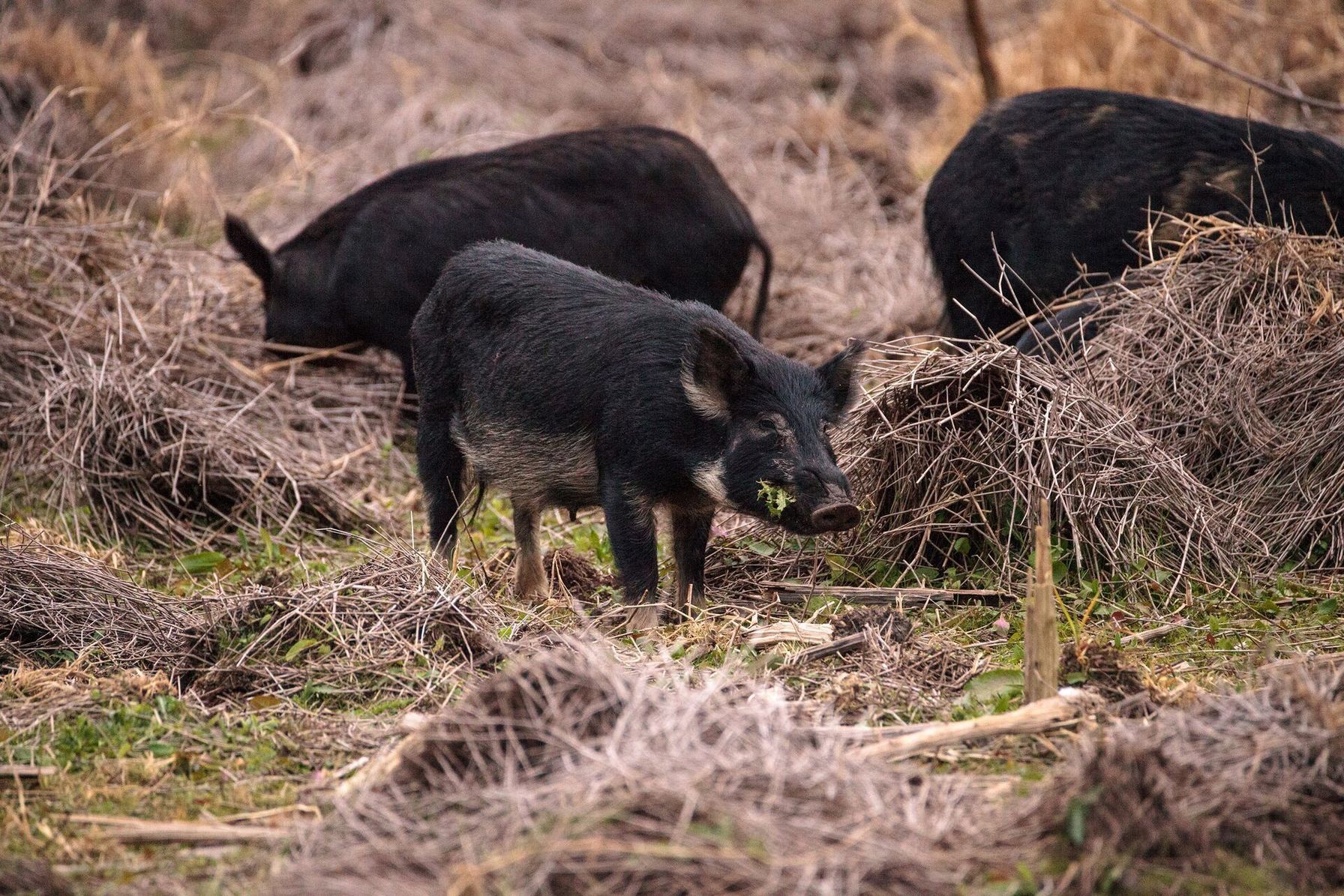
An invasive species is any non-native animal or plant introduced to an ecosystem where it doesn't naturally belong. These species often harm native wildlife and devastate the land.
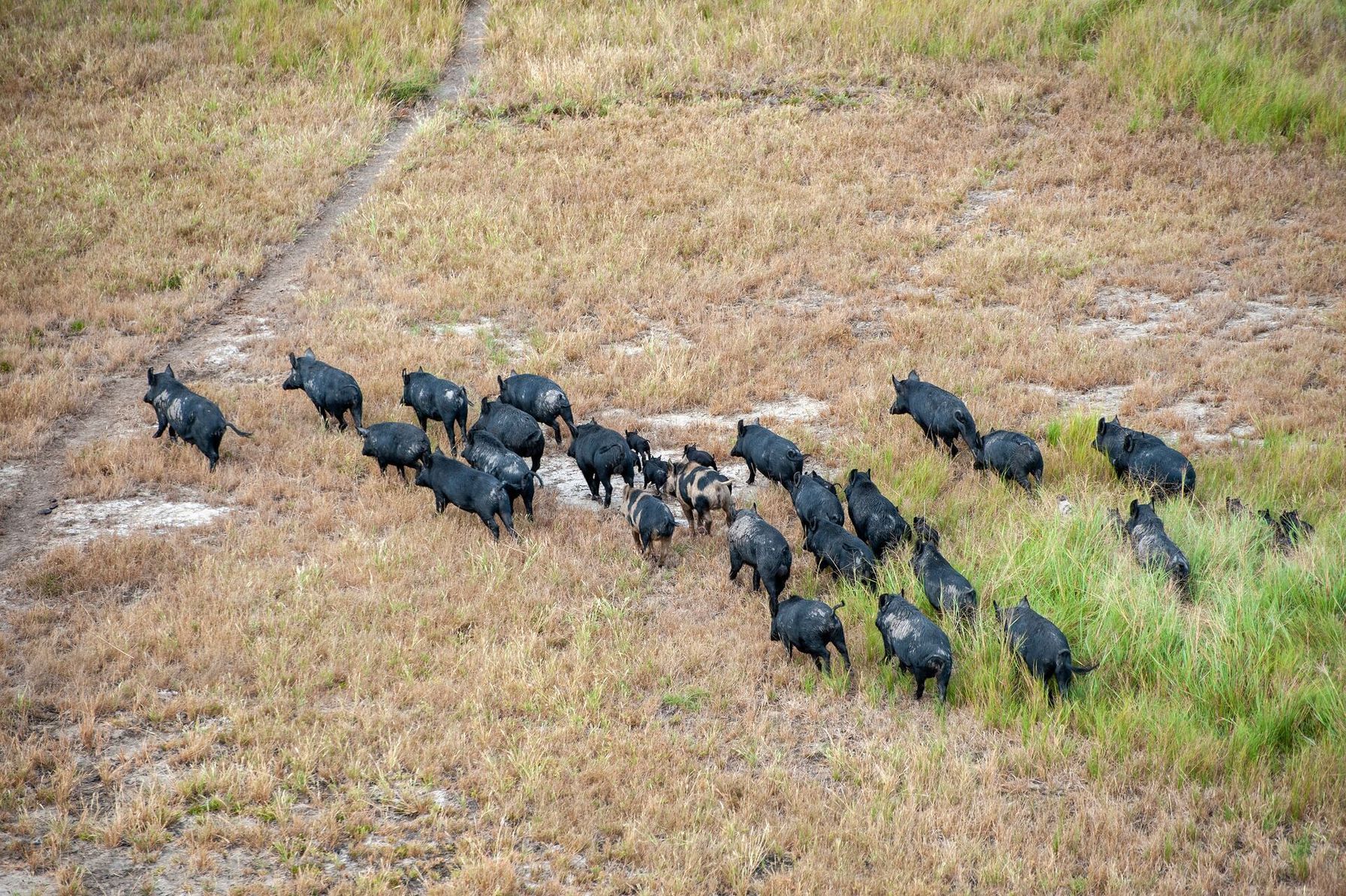
I've seen the destruction firsthand. On our lease in north-central Florida, one food plot looked like someone had taken a rototiller to it overnight. Dozens of hogs had torn through our well-planned food plot in search of mast and grubs.
Their rapid growth and constant movement make them among the most difficult invasive species to manage—and prime targets for responsible hunters.
Why Do We Hunt Invasive Species?
Hunting invasive species such as feral hogs restores balance to the land. Feral hogs damage crops, destroy turkey and quail nests, and compete with deer and other wildlife for resources. They can also carry diseases that affect domestic animals and people.
Does Hog Population Control Hunting Work?
Through hog population control hunting, hunters and landowners can work together to reduce this pressure and protect native habitats.
In my experience, the most satisfying hunts are the ones that help someone else. One Georgia landowner lets me join him to hunt in the corner of his pecan orchard as evening settles in. Being there always reminds me that every hog removed makes a difference for the land and the people who live on it.
What's the Most Effective Method for Hunting Feral Hogs?
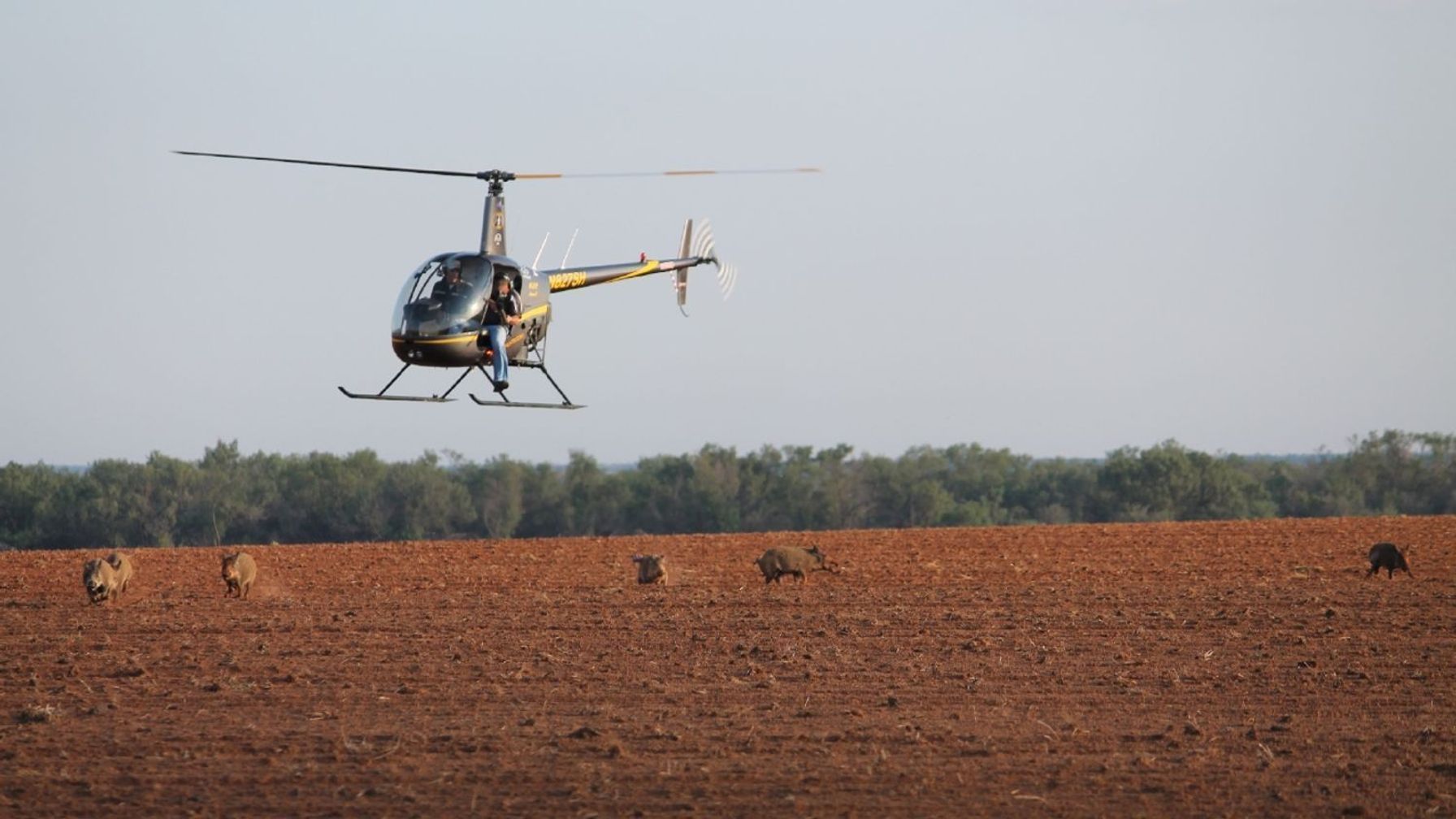
Specific wild boar hunting methods work better in different situations.
- Aerial gunning: Shooting from above is highly effective for large-scale control, especially in open farmland or river-bottom areas.
- Trapping: Corral traps can catch entire sounders at once and are essential for long-term population reduction.
- Ground hunting: Rifles or bows offer the most common and accessible method for feral hog hunting.
- Using dogs: Popular across the South for thick cover hunts, this strategy uses trained dogs to locate and hold hogs until hunters arrive.
Though there's no single way to control wild hogs, one of the above methods may work perfectly for you.
My Usual Wild Boar Hunting Methods
When I hunt hogs in Georgia, I typically start with still hunts at dawn or dusk in known travel corridors. In Florida, I usually run dogs through swampy timber with friends who've been chasing hogs their whole lives. There's nothing quite like hearing the dogs let loose, knowing a big boar has broken from cover.
Ethical Hunting Habits
**Ethics matter—**even when hunting invasive species.
Always take responsible shots that ensure a quick, humane kill. Respect property boundaries, follow local regulations, and never waste an animal. Try to use the hogs you take: they make fine sausages, pulled pork, and roasts.
Practical Hog Hunting Tips
Here are a few hog hunting tips from a friend who is a professional hog hunter.
- Know your backdrop: Hogs move in highly active groups, so make sure you have a safe shooting lane before pulling the trigger.
- Watch the wind: Pigs can't see well, but they will definitely detect you if you are on the ground or the wind is blowing at them.
- Hog hunting with thermal scopes: According to hog-hunting expert Ed Dickey, nothing is more effective than legal thermal scopes when it comes to finding hogs after dark—prime hours for feral hog hunting.
- Use a good round: Ed's favorite is .308, and he recommends that or another round with some stopping power and velocity.
Following these guidelines can help you simplify feral hog hunting and achieve greater success in the field.
Do Feral Hogs Have a Hunting Season?
In most states, feral hogs are classified as invasive or non-game animals, which allows them to be hunted year-round. Done right, hog hunting can be one of the most fun ways to protect land and fill your freezer throughout the year.
Is There a Best Time To Hunt Feral Hogs?
There's no set "season," but some months are optimal.
The best time to hunt feral hogs is often in cooler months, when they feed more. In hot weather, hogs move less, staying in thick cover or wallowing in mud during the day.
Private land usually offers the most flexibility for wild hog hunting; public lands may have restrictions. Always check the latest local regulations, and follow property boundaries with the HuntWise app and map layers.
Regulations For Hunting Wild Hogs
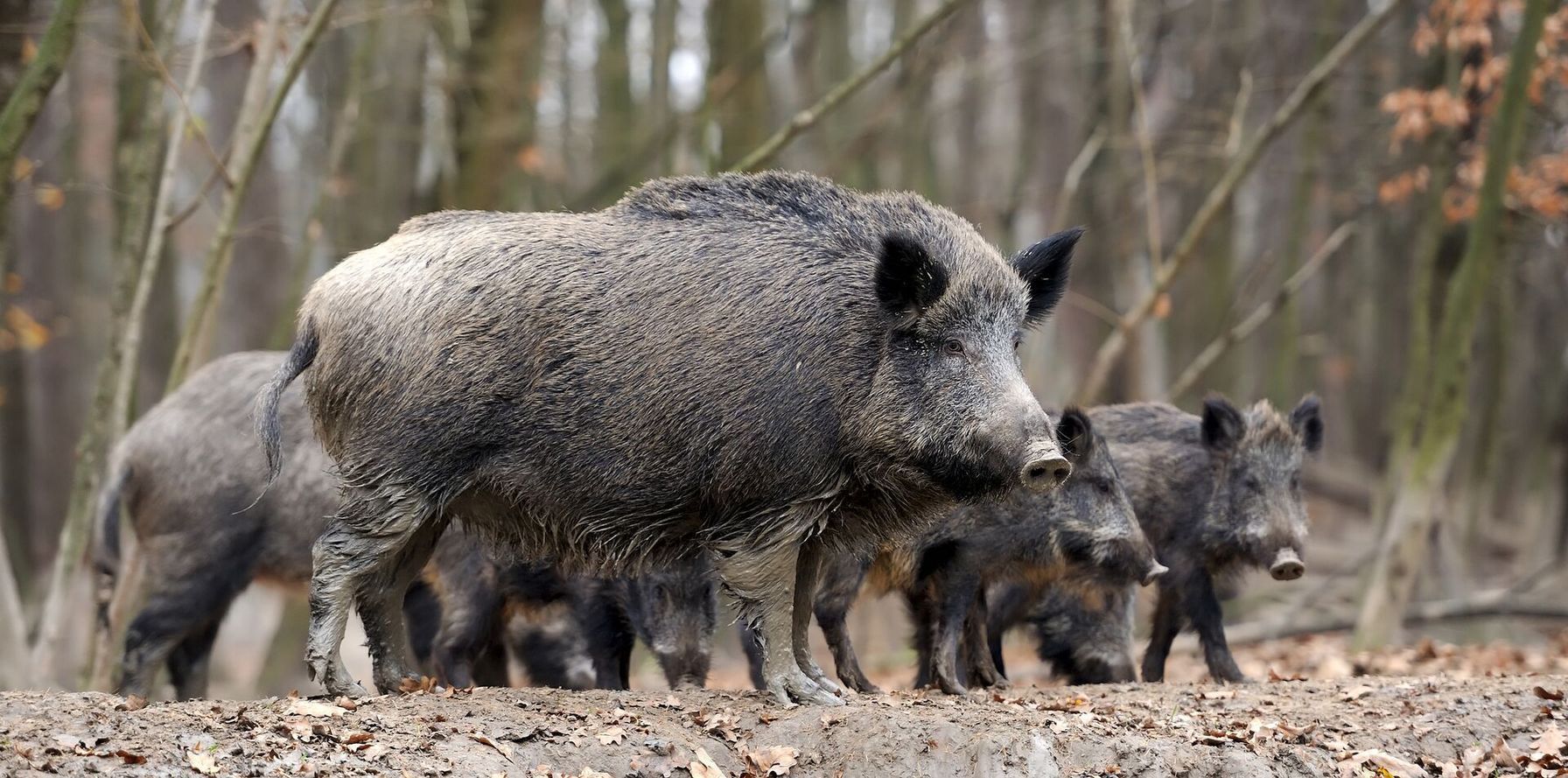
Rules for hunting feral hogs vary widely by state and county. Most states require a valid hunting license or landowner permission.
It's illegal in many areas to transport live hogs, because that's how invasive species spread. Some states, including Florida, require hunters to report their harvests for management tracking.
I've had to sign in at some Wildlife Management Areas before hog hunts. Be sure to confirm your state's laws, legal hunting zones, and public access boundaries before you begin.
Is It Legal To Hunt Hogs at Night?
In many states, it's legal to hunt hogs at night, particularly on private property with landowner permission. Night hunting is a highly effective tool for controlling hog populations, especially in agricultural regions. Hog hunting with thermal scopes and night vision equipment allows hunters to detect hogs feeding in fields after dark.
I remember my first thermal hunt: the heat signatures glowing white against a flat black backdrop made spotting hogs almost too easy. Within minutes, we had circled upwind to 80 yards, and with a 3-2-1 count, I learned how powerful responsible night hunting can be for population control.
Before heading out for a nighttime hunt, check state-specific rules regarding night optics, lighting, and land access.
What Caliber Is Best For Hog Hunting?
Hogs are tough animals, so you'll need a caliber that provides reliable penetration and stopping power. Popular options include .308, .30–06, .270, 6.5 Creedmoor, and .300 Blackout.
For AR platforms, both .223 and 5.56 can work with precise shot placement, though heavier bullets are ideal for mature boars. Shotguns loaded with slugs are also effective at close range.
I use a .270 for open-country hunts and a shotgun for hunts in swamps and thick brush. Match your caliber to your terrain and comfort level to ensure your shot hits the vitals.
Can You Safely Eat Feral Hog Meat?
You absolutely can, but it requires care.
Feral hogs can carry diseases such as brucellosis and trichinosis. Always wear gloves when field dressing, and cook meat to an internal temperature of at least 160°F.
Handled correctly, wild pork is some of the best-tasting game you can put on the table. I've slow-cooked hog shoulders in a pellet smoker for smoky, tender meat that guests love.
Respect for the harvest goes hand in hand with ethical hunting. In reality, you won't be able to use every invasive hog. But if you can use the animal, do.
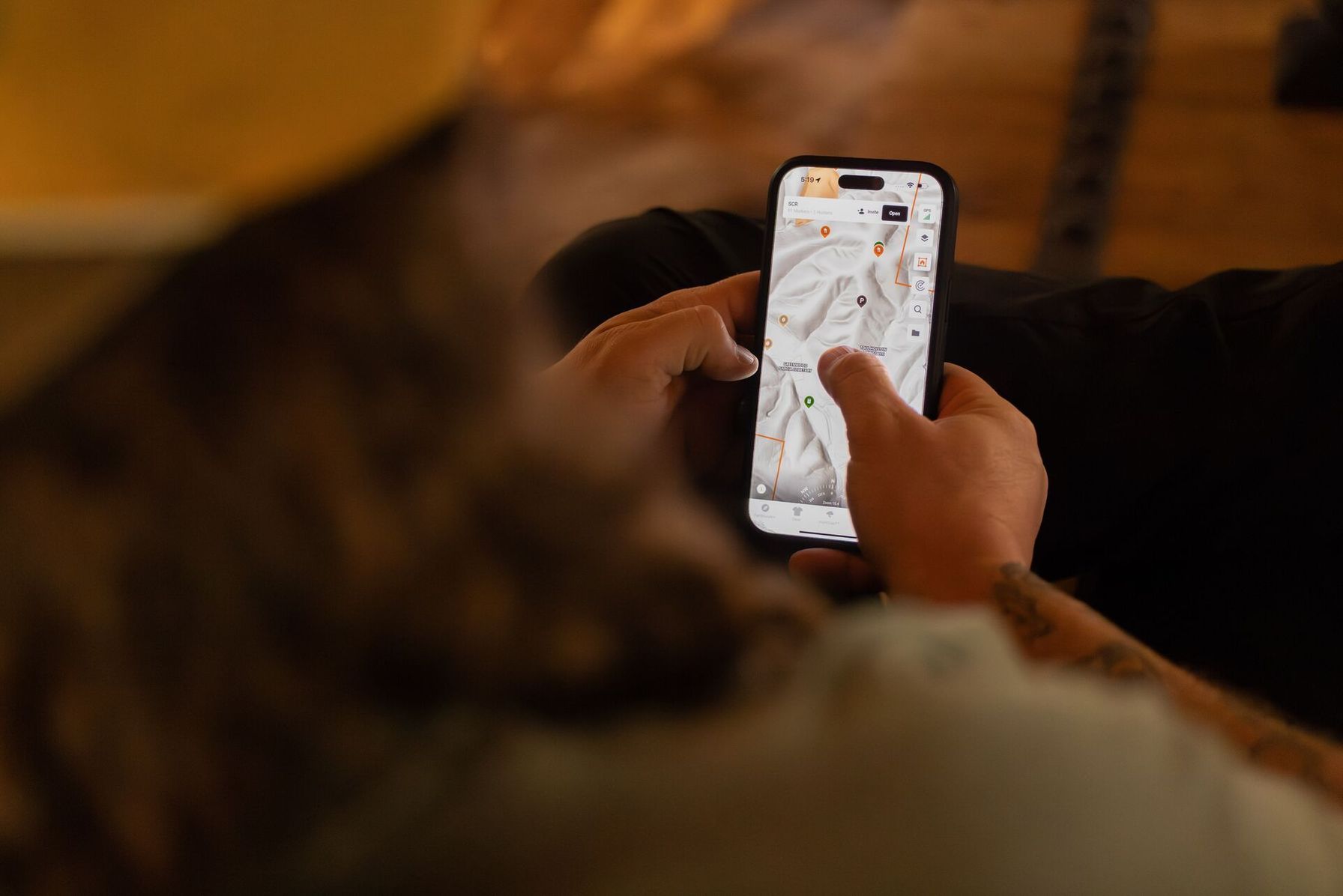
Hunting Invasive Species is Easier with HuntWise
Hunting feral hogs and other invasive species helps protect farmland, wildlife, and natural habitats. Whether you're running dogs through Georgia swamps, glassing Florida pastures at dawn, or logging hog activity on your app, you're part of a much larger conservation effort.
These hunts are essential to the stewardship of our land. Every shot you take contributes to a healthier ecosystem for future hunters.
Plan your hunt free during your first seven days in the app!
Frequently Asked Questions (FAQs)
We have answers to some top questions about hunting feral hogs!
Q: What’s the most effective method for hunting feral hogs?
A: The most effective hunting methods for feral hogs include spot-and-stalk, stand hunting over bait, and using trained dogs are common methods. Trapping is often the most effective for population control, though not a “hunt.”
Q: Is it legal to hunt hogs at night?
A: In many places, yes, it is legal to hunt hogs at night because they are invasive, but rules vary by state or country. Always check local regulations regarding night hunting and required permissions or equipment.
Q: Do feral hogs have a hunting season?
A: In many states, no, feral hogs do not have a specific hunting season. Most jurisdictions allow year-round take because hogs are considered invasive pests, but landowner permission and licensing rules may still apply.
Q: What caliber is best for hog hunting?
A: The best caliber for hog hunting is Anything that provides adequate penetration and energy, such as .308 Win, .30-06, 6.5 Creedmoor, or heavier .223/5.56 loads at closer ranges. Choose a caliber you can shoot accurately and ethically.
Q: Can you safely eat feral hog meat?
A: Yes, you can safely eat wild hog meat if it’s properly handled and thoroughly cooked. Wild hogs can carry parasites and diseases, so safe field dressing, clean processing, and cooking to a safe internal temperature are essential.


