

With premium hunting locations (it's not called the Land of 10,000 Lakes for nothing) and a strong hunting tradition, geese and duck hunting are a bread-and-butter hunt for this great state. Pristine habitats including wetlands, rivers, marshes, and lakes, as well as a wide array of hunting opportunities across the Mississippi flyway should have you wanting to get in early to start planning your hunt and establishing critical hunting locations for the duck season.
When are the MN duck opener 2026 dates? Keep reading to learn hunting season dates, plus learn about Minnesota's strong tradition of hunting. We'll also provide tips and regulatory information to help you make the most of your hunt.
Updated July 29, 2026
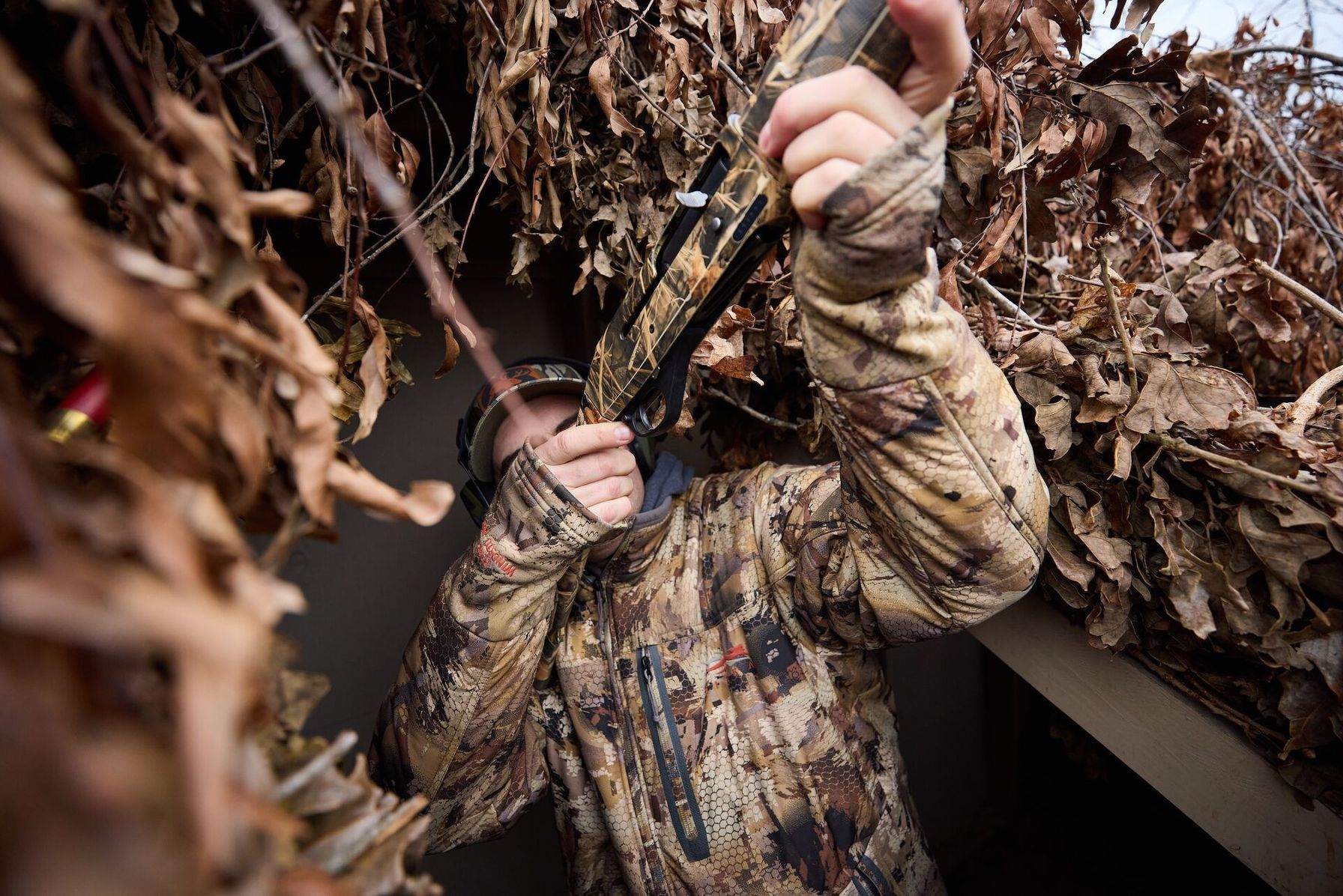
When is Duck Season in Minnesota?
So, what are the 2026 duck season dates in Minnesota? The Minnesota Department of Natural Resources establishes hunting dates and seasons, which are carefully structured by zones and species to align with the migration patterns and conservation requirements.
Minnesota Duck Season Dates 2026 | |
|---|---|
| Early Teal Season: September 5 – 9, 2026 |
|
| Youth Waterfowl Hunting Weekend: September 12 – 13, 2026 | |
Minnesota is divided into North, Central, and South hunting zones to match hunting opportunities with regional migration patterns and habitat diversity in the state.
Licensing and Regulations
To hunt ducks in Minnesota, you'll need:
- A small game license (residents and non-residents)
- A state waterfowl stamp (residents aged 18-64 and non-residents aged 16 and over)
- A federal duck stamp, which is required by all hunters 16 and over (can be issued electronically), a Harvest Information Program (HIP) certification
- A valid state hunting license.
Note that hunter education is mandatory for individuals born after December 31, 1979, before purchasing a license.
Are You Ready For The MN Duck Opener 2026?
The Minnesota duck opener marks an exciting time in the hunting calendar. It represents more than just a hunting window. It's a cherished tradition that marks the return of crisp mornings, the sound of wings overhead, and time spent in the blind with friends or family.
Once nearly lost due to market hunting and excessive yields, the Migratory Bird Treaty Act of 1918, coupled with subsequent acts and environmental programs, has transformed Minnesota duck hunting into a regulated and sustainable activity that is enjoyed by many, both locally and interstate, today.
The duck opener marks the beginning of the fall hunting season, which offers hunters the opportunity to target a diverse range of species, including turkey, deer, upland birds, and more. For many, it's the opportunity to put months of practice, preparation, and training into the hunt and open the season with a bag of tasty duck.
Establishing season dates is not only essential for following hunting regulations. It also allows you to focus on migration patterns, utilize weather insights to plan your hunt further, and locate birds before heavy migration sets in.
Note that as season dates may change, so too do regulations, public land access updates, and even advancements in strategies. Starting the season from the get-go and being informed is the most critical strategy for bagging out of waterfowl.
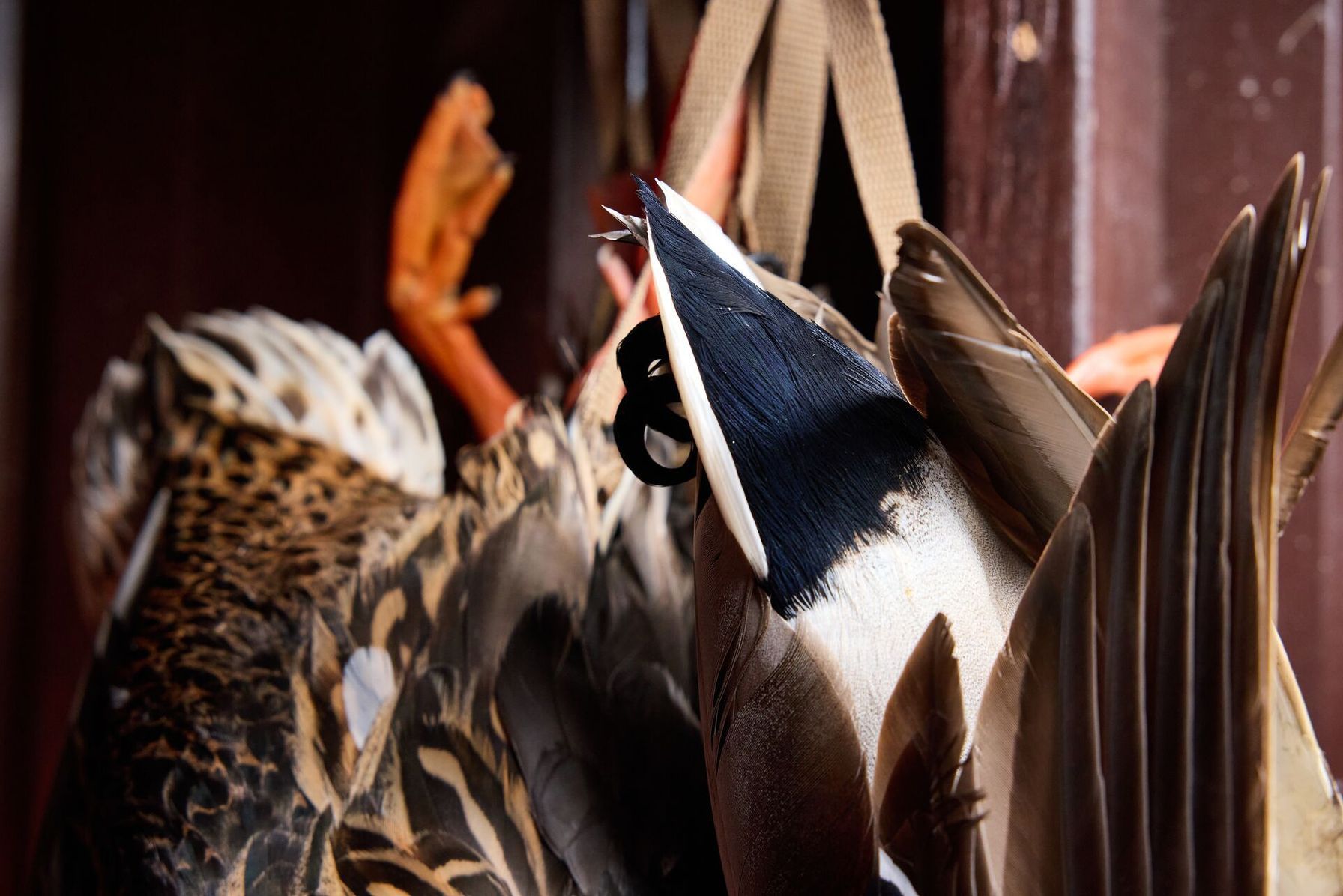
How to Hunt Ducks in Minnesota
Ready to head out for opening day? Follow these steps to plan a successful duck hunt from scouting to trigger time.
- Get licensed. Before you hit the water, pick up the right MN hunting license, a state waterfowl stamp, a federal duck stamp, and HIP certification. Hunters born after December 31, 1979, also need to complete hunter education.
- Check your zone's dates and limits. Minnesota splits duck season into North, Central, and South zones, each with its own opener and split dates. Confirm your zone's dates and the current bag limits on the Minnesota DNR website before you head out.
- Scout your location early. Use the HuntWise app mapping features to mark feeding and resting areas and track flight paths hunters have used in past seasons. Ducks tend to follow the same routes between roosting sites, feeding grounds, and nesting areas, so identifying those patterns early puts you ahead of opening day.
- Build the right decoy spread. Match your decoys to the species you're targeting and the size of the water you're hunting. Go bigger on open lakes and lighter on small marshes and waterways, where a natural look works better than a large spread.
- Practice your calls. Work on the basics, like the quack and greeting call, well before the season opens. Confident, natural-sounding calls make a real difference once birds start working your spread.
- Set up cover and stay flexible. Use natural vegetation, a blind, or a layout boat to stay concealed, especially early in the season when birds are wary. Mark a few backup spots too, since ducks change patterns as migration and pressure build through the season.
Once you've got your license, location, and gear dialed in, download the HuntWise app to track weather, mark your spots, and stay ready for opening day.
Duck Hunting Tips For Success in Minnesota
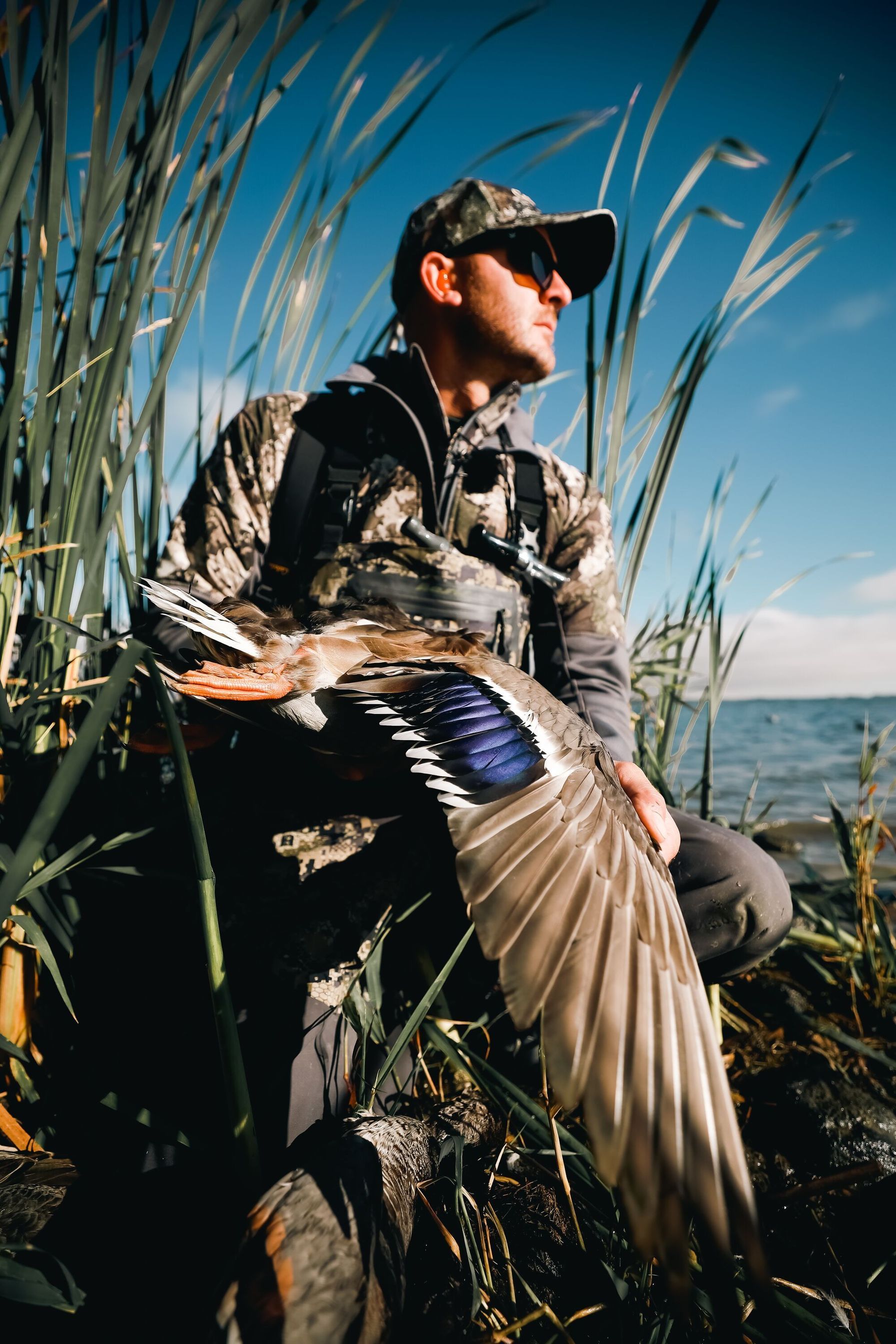
Duck hunting opportunities in Minnesota are rich and varied, as key species such as mallards, wood ducks, and teal thrive in a diverse range of environments, from expansive lakes to smaller wetlands and everything in between.
Your hunting plans will take shape based on your intended hunting zone and species, making pre-season planning for the 2025 MN duck opener all the more critical.
To get started, download the HuntWise app and begin marking feeding and resting areas, observing waterfowl movements from previous systems, as well as gathering information from the Minnesota DNR. Ducks typically follow established flight paths they've used in the past. These pathways connect roosting sites, feeding areas, and nesting grounds.
If you can pinpoint these deviations from the migratory flyway, then you're likely to catch some birds. Always mark a few backup locations, and be flexible in your approach.
Use Decoys
Effective decoy spreads are one of the most significant factors in whether you bag out or not. Tailor your decoys to the species that you're targeting, as well as the size of the hunting location.
For example, vast open lakes will require a larger spread, whereas smaller marshes and waterways will appear more natural with a lighter spread.
Additionally, natural cover, blinds, or layout boats will help keep you concealed, especially during the early season when birds are more wary and actively searching for safe locations to rest.
Practice Calls Ahead of Time
Any pre-season practice you put into calling is going to pay massive dividends when luring birds into range out on the wetlands. Use online videos to help with technique and practice basic calls, such as the quack and greeting, before moving on to more advanced options.
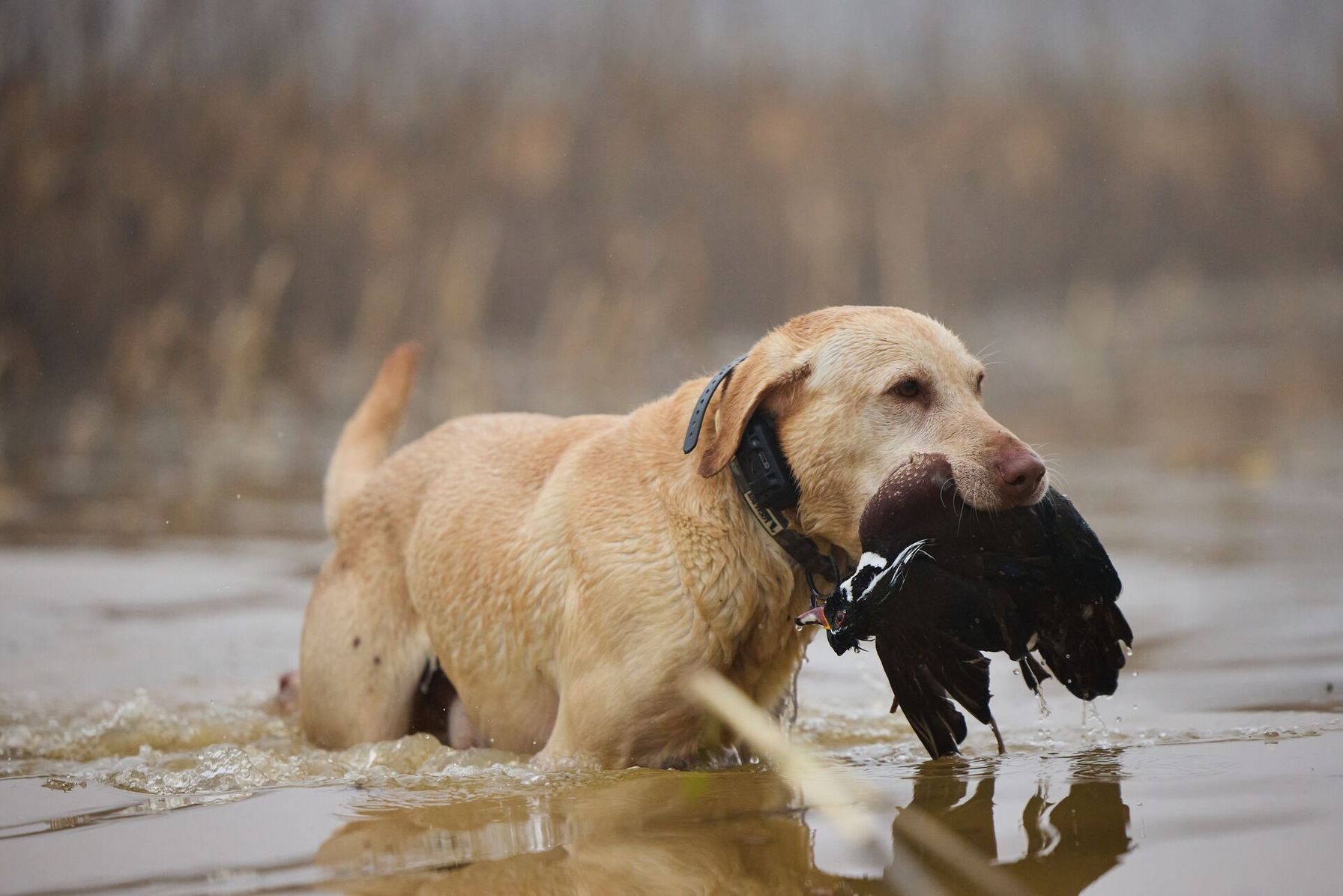
Get Prepared for the Minnesota Duck Opener 2026 With HuntWise
The vast expanses of waterways and ideal placement along the Mississippi Flyway make Minnesota one of the top waterfowl hunting states in the Midwest.
If you're counting down the days until the opening date or are interested in taking part in a historic and memorable waterfowl hunting opportunity, then Minnesota is the place to be. To help with your preparation and identify some high-potential locations, download the HuntWise app.
With cutting-edge mapping overlays, weather forecasting insights from pro hunters, and much more, you'll be able to position yourself for success long before opening day rolls around.
Content most recently reviewed and updated July 29, 2026.
Frequently Asked Questions (FAQs)
What should you know about the MN duck opener? Here are answers to some of the most common questions!
Q: What day does duck hunting open in Minnesota?
A: Minnesota's regular duck season opens September 26, 2026, statewide. Early teal season and the youth waterfowl weekend both fall before the regular opener, so check the full breakdown of dates by zone before you head out.
Q: What is the rarest duck in Minnesota?
A: The Garganey, Tufted Duck, Common Eider, and Smew are considered the rarest ducks in Minnesota. All four are rare vagrants, meaning they show up in the state only occasionally and aren't part of Minnesota's regular breeding or migratory duck population.
Q: What is the most common duck in Minnesota?
A: The Mallard is the most common duck in Minnesota. It's found statewide year-round, adapts well to almost any wetland habitat, and is the duck most hunters and birdwatchers encounter first.
Q: Do I need a duck stamp to hunt ducks in Minnesota?
A: Yes. Every duck hunter 16 and older needs a federal duck stamp, and residents ages 18 to 64 and non-residents 16 and older also need a state waterfowl stamp. You'll need a small game license and HIP certification too.
Q: What is the daily bag limit for ducks in Minnesota?
A: The combined daily limit for all duck species is 6, but individual species have their own caps within that total. For example, the daily limit is 4 mallards (no more than 2 hens), 3 wood ducks, and 2 each of redhead, canvasback, black duck, and pintail.
Q: What time can I start hunting ducks on opening day?
A: Shooting hours run from a half hour before sunrise to sunset for the regular season. The one exception is early teal season, when shooting can't begin until sunrise.
Q: What are the regular duck season dates in Minnesota for 2026?
A: Regular duck season is broken down by zone: North Zone: September 26 – November 24, 2026, Central Zone: September 26 – October 4, 2026, and October 10 – November 29, 2026, South Zone: September 26 – October 4, 2026, and October 17 – December 6, 2026


