Some things just go together: whitetail deer and treestands, elk bugles and aspens, and of course, turkey gobbles and box calls.
In this guide, you'll learn how to use a turkey box call and tips for success in the field. We'll cover how to make different types of turkey vocalizations, how to locate turkeys, and how to care for your box call during and after the hunting season.
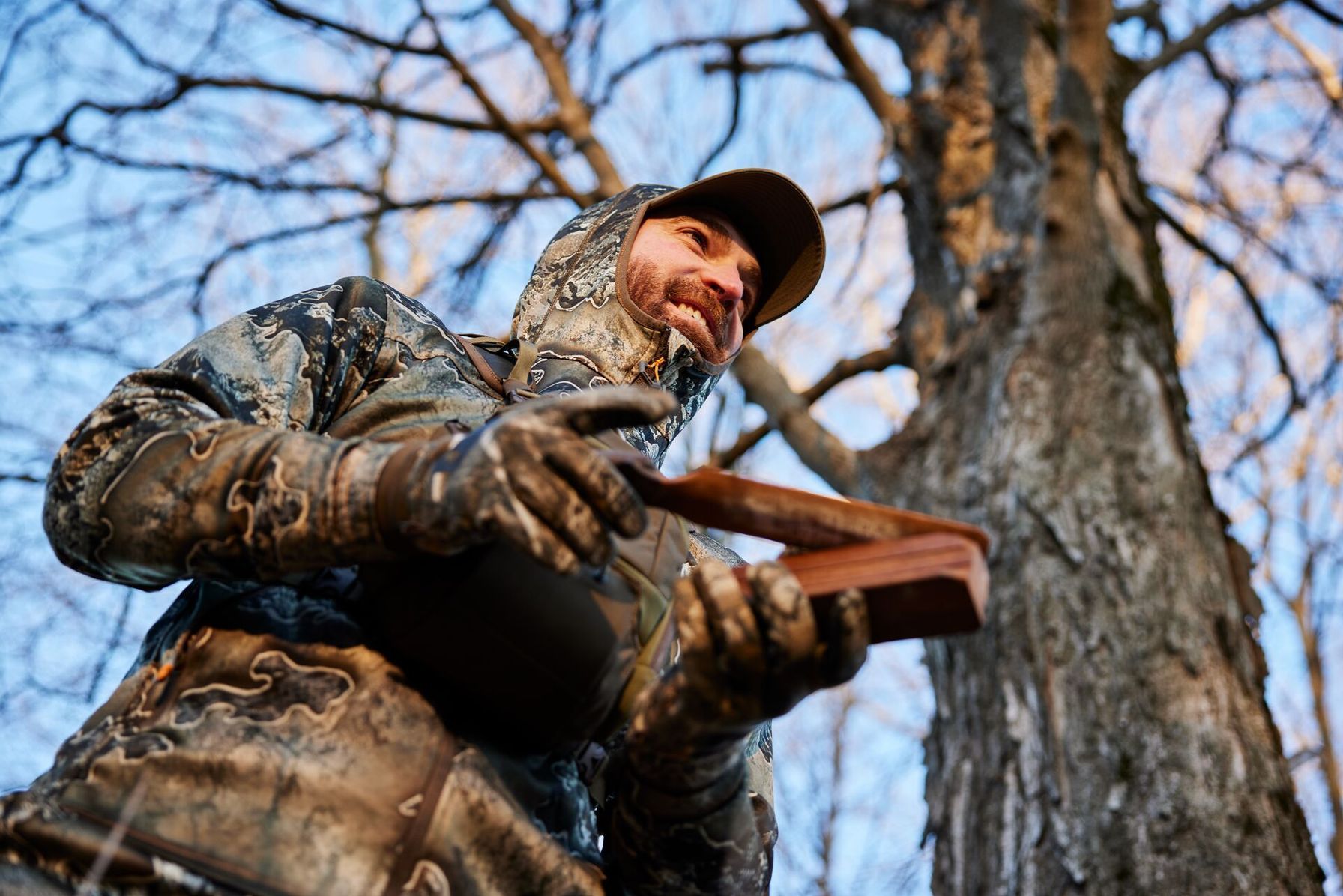
Why the Box Call Still Rules the Spring Woods
I like a box call for its consistency. When using a diaphragm call or a pot call, some variables can contribute to "mistakes" in your calling sequence. A box call has very little room for error because the pieces creating friction are attached.
In the spring turkey woods, I like to use a box call to really get the toms, or male turkeys, fired up. Many seasoned hunters feel the same way, and because of that, box calls attract a lot of turkeys every spring.
What Is a Box Call?
A box call uses a basic design—a wooden box with a hinged paddle—and friction to create sounds that mimic turkey vocalizations. You might think this traditional turkey call is one-dimensional, as most people make the popular "cluck" sound repeatedly. However, a box call lends itself to other turkey calling basics, such as yelps, purrs, and cuts.
To make the call work, slide the paddle across the top of the box. Because of their effectiveness, turkey box calls are great for beginners and veteran hunters.
How to Use a Turkey Box Call
Before you learn how to make each type of turkey call, it's important to understand how to prepare and hold the box call.
1. Preparation & Grip
Begin by preparing your box call. It needs to be dry and chalked to make the proper sounds to trick the turkeys you're trying to call in.
Chalking
Wax-free carpenters' chalk or billiards chalk works great for box calls. Make sure the underside of the paddle and the top edges of the box have a good coating of chalk: those are the contact points that will create the turkey sounds you're looking for.
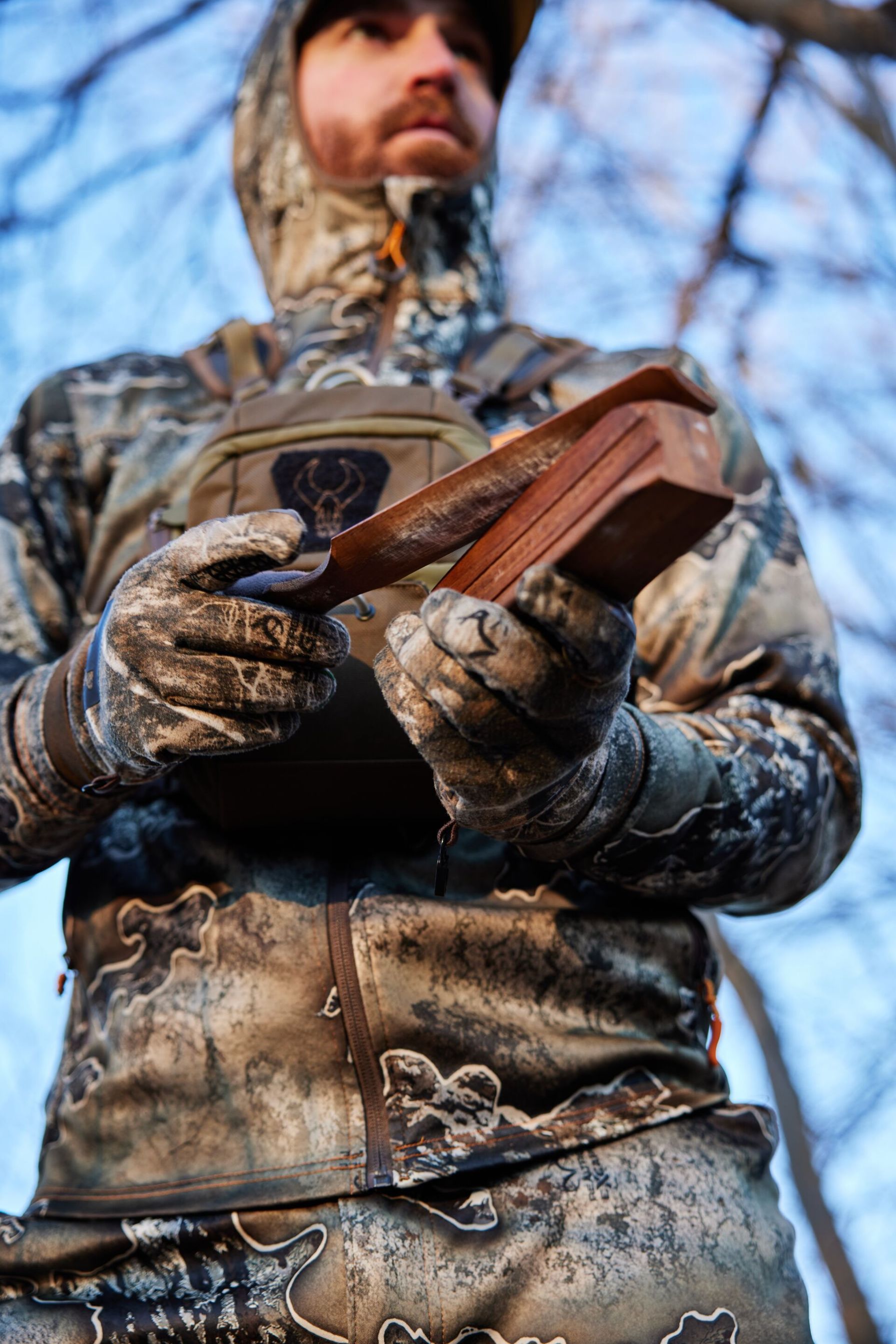
Proper chalking will allow you to produce a clear sound from your box call. Without proper chalking, you're likely to get much less vibration in your calls and some squeaks as well, almost like a rusted door hinge.
Holding the Box
Once you've chalked your box call, you need to know the best way to hold it. If you use an improper technique here, your call is more likely to sound muffled and inauthentic.
Hold the box call in your non-dominant hand and the paddle in your dominant hand. Holding the call this way lets you use your dominant hand to make all the movements needed to produce the desired turkey sounds.
Holding the Paddle
Be sure to keep your fingers off the sounding boards on the box call. Then, using your thumb and index finger on your dominant hand, grip the paddle gently and apply even pressure to the box as you strike it to make sounds.
2. Making Basic Turkey Sounds
Now that you know how to chalk and hold your box call properly, it's time to learn how to make the best turkey box calls. As I mentioned earlier, the main sounds you can make with a box call are: yelps, clucks, purrs, and cuts.
The Yelp (Your Go-To Call)
The yelp is a very common turkey vocalization and one that will always be useful for you in the turkey woods. To make a yelp sound, use your paddle to make long, smooth strokes across the surface of your box call. Try to achieve a two-note call with a "yawk-yawk-yawk" cadence.
The Cluck
Next, you should know how to cluck. Think of a cluck as a yelp that a turkey didn't follow through on. It's one sharp note, more like a "hi" than a "hello".
You can make this sound by quickly and lightly tapping the top of your box call with your paddle. Clucks are good for subtle communication and for birds that are shy, tired, or unsure about your setup.
The Purr
The third turkey call you should know how to do with your box call is a purr. Purrs are great for attracting toms: think of the purr as a hen flirting with the tom and asking him what's taking him so long to get to her.
To make a purr with your box call, apply light, steady pressure with your paddle, and slowly drag it across the top of the box. Due to the light pressure, don't expect the sound to project as well as on other calls.
The Cut
Finally, you'll need to learn how to cut with your box call. Make this sound by striking your box call with fast, sharp strokes.
Cutting is a good way to attract a gobbler in the distance or really get one fired up as he's coming in. It's the equivalent of a hen telling a tom that she's sick of trying to find him, so he needs to get to her as quickly as he can.
The sound from cutting can carry great distances, and it's my go-to call for gobblers in the spring.
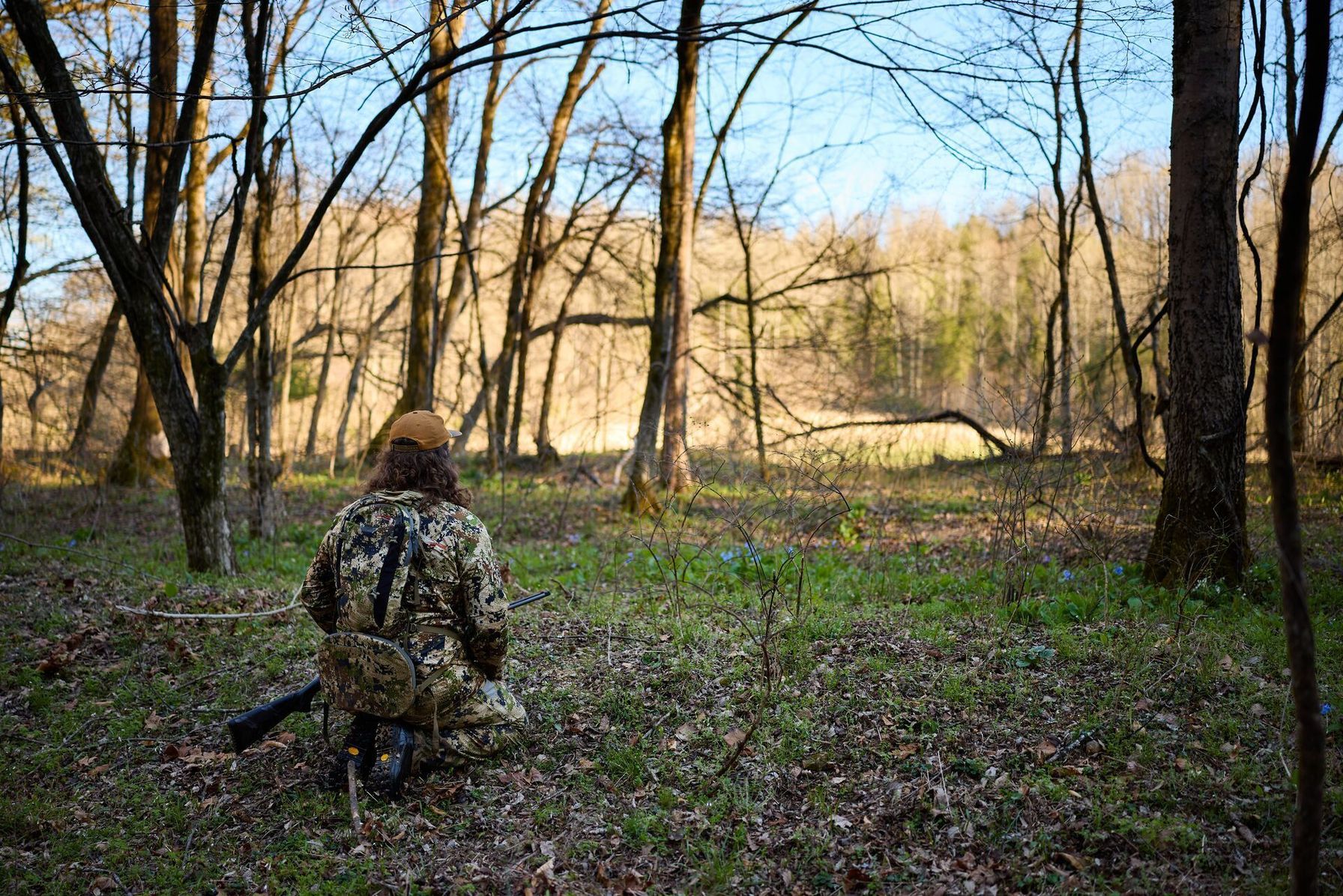
When to Use a Box Call
Knowing when to use a box call is as important as knowing how to use a turkey box call. Although you can use a box call anytime when turkey hunting, I reach for mine in four specific situations.
Locating Birds (Loud & Clear)
Box calls are great for locating birds when prospecting throughout the day and in windy conditions that require strong projection. When using your box call to locate turkeys, make loud, crisp calls, then quietly wait for about five minutes before moving and try again.
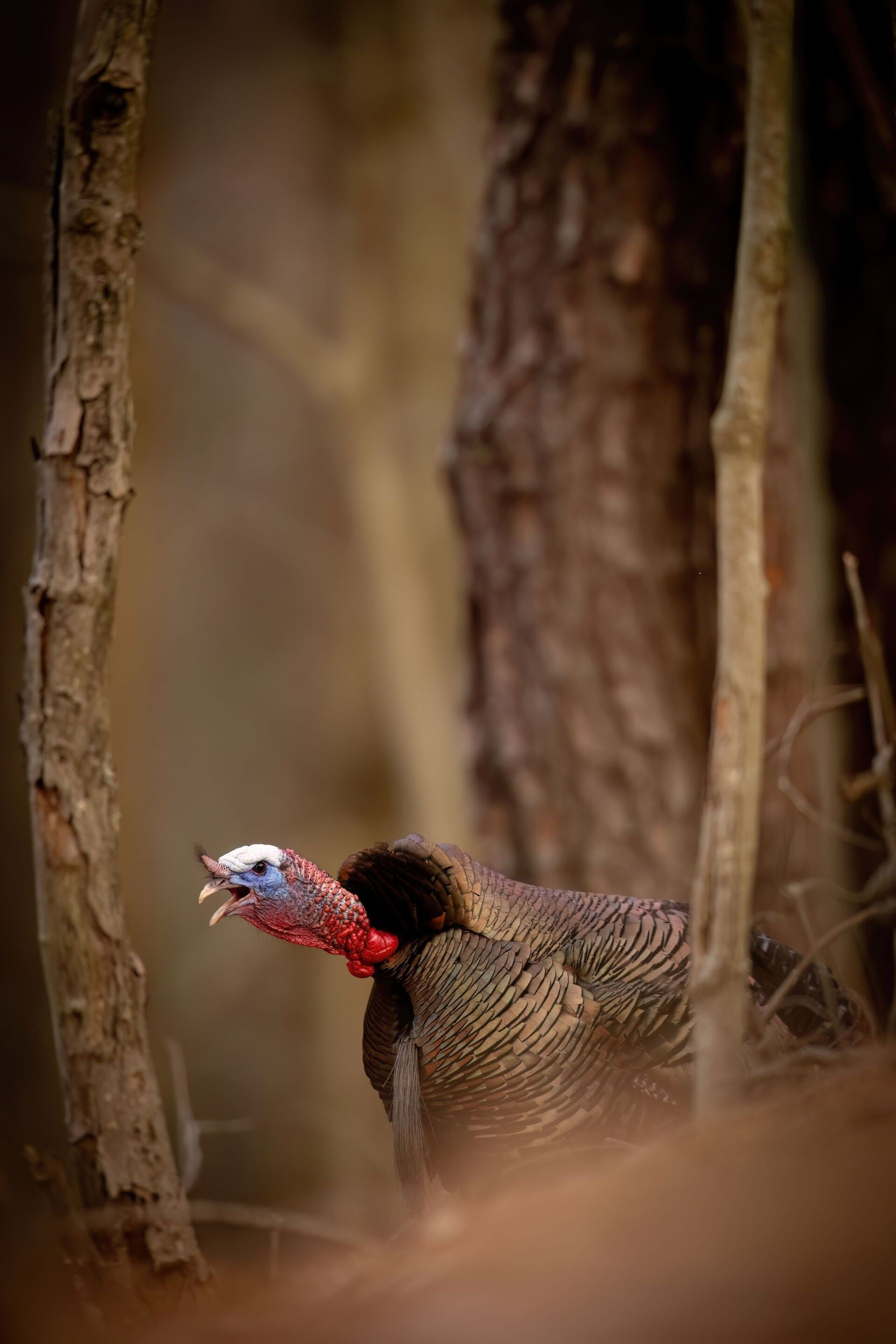
My movement when using box calls depends on the terrain, but when I move, I always walk slowly with my eyes up. Sometimes, toms will respond to your calls simply by walking to the sound without gobbling back at you.
Early Morning Roost Setups
I use a turkey box call in the morning when birds are still roosted. It's easy to make really soft yelps, sometimes known as "tree yelps", with a box call. These yelps are a great way to let birds that you have already located know where they can find you.
Mid-Morning Prospecting
When using your turkey box call in mid-morning, be patient and strategic. As you cover ground, call, wait, and listen for turkey movement.
Windy Conditions
Box calls are ideal for windy conditions. They cut through the wind better than diaphragm calls.
When Not to Use a Turkey Box Call
Though box calls are ideal in many circumstances, they don't work in every hunting environment. Close-range finishing situations may require softer calls.
Turkey Box Call Maintenance Tips
When you're not using your box call, maintenance is critical. These tips can help you keep your turkey box call in working order.
- Keep It Dry: A dry turkey box call works best. Avoid exposing your call to moisture.
- Avoid Oils: Never use oils to treat the wood, and never touch the chalked surfaces. The oils from your fingers can reduce the friction needed to make calls.
- Silence for Transport: During travel, use a rubber band to keep the paddle firmly on the box. If you do this, the box won't snap open or damage the wood.
Take good care of your turkey box call, and it will take good care of you in the field!
Practice Makes Perfect
Before heading out to the turkey woods this spring, take some time to familiarize yourself with your box call by practicing.
I practice my turkey calls in the offseason before I head out. Not only does it hone your skills, but it also provides a boost of confidence in your ability to make the sounds that you're trying to make.
How to Find Turkeys for Hunts
Calling turkeys really only works if there are turkeys for you to call. Here's how I find turkeys for spring hunts.
1. Scout Before the Season
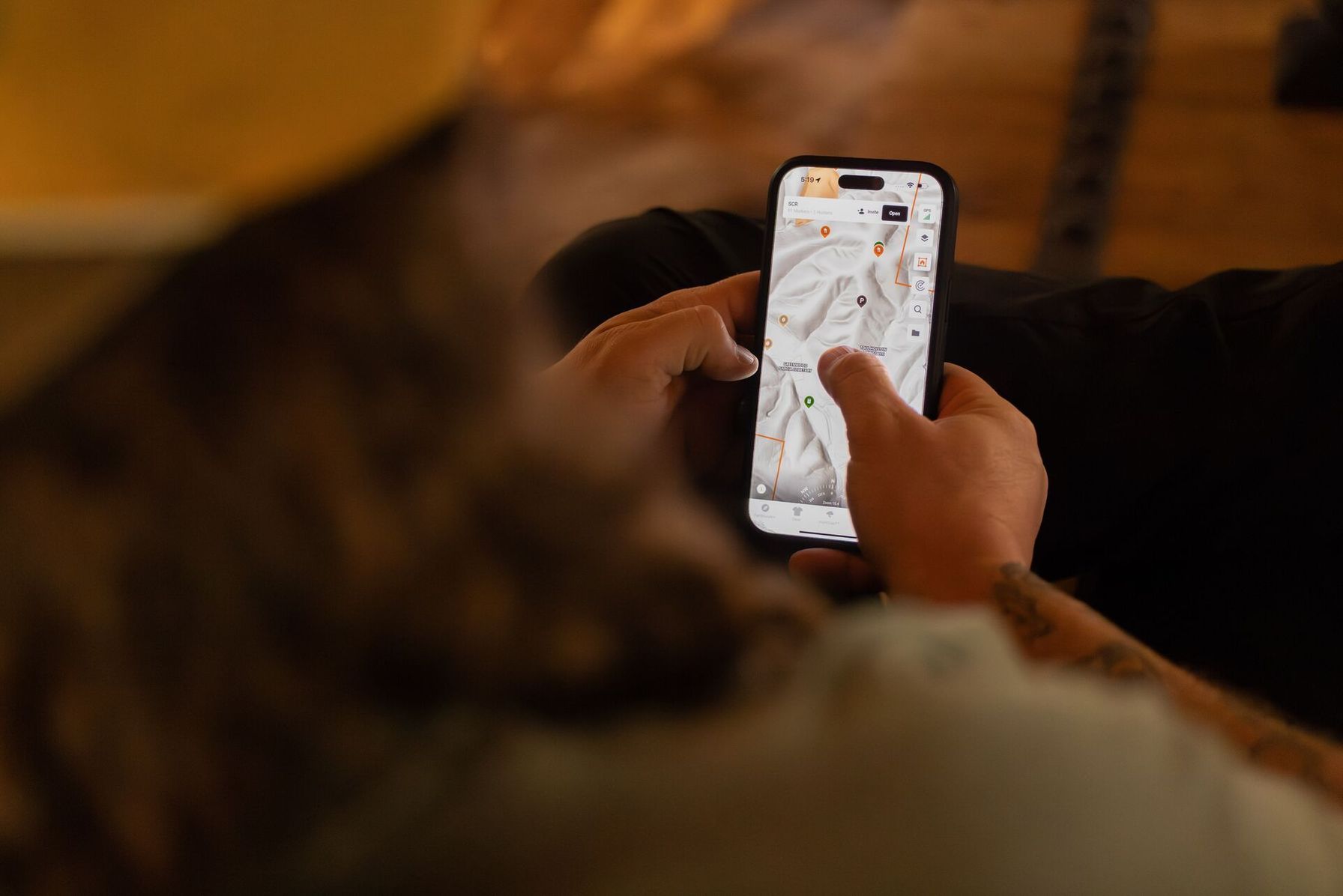
Before the season, I spend lots of time scouting. I use HuntWise maps to identify terrain features such as open fields, ridges, water sources, and open hardwoods where I know turkeys will want to spend time. Then, I get boots on the ground and look for physical turkey sign like tracks and droppings.
2. Look for Roosting Birds
Once I've found signs of turkeys, I like to go to those areas at dusk to listen and watch for turkeys as they roost. Before toms roost at night, they will usually let out some gobbles. Even if they don't, you can often hear the sound of their wings flapping as they fly up high into the trees.
When I head out to hunt at dawn, I'll use owl hoots or crow calls to illicit a shock gobble. A shock gobble occurs when turkeys gobble at a loud sound, sometimes even a car horn or door slamming. Using more natural sounds is less alarming to turkeys; it doesn't disturb the silence of a spring morning the way artificial sounds do.
3. Use the Box Call to Locate
Once I confirm that birds have roosted, I use my box call to yelp or cut. I try to provoke a response from the toms that I found on the roost.
If they call back, great: the dance is on. If they don't, I wait about five minutes before moving, then I slowly and deliberately go to the next calling spot and try again.
4. Read the Terrain
When using turkey box call techniques, consider the habitats turkeys prefer. Focus on ridges, field edges, creek bottoms, and open hardwoods.
Use HuntWise and These Turkey Box Call Techniques for Success This Season
Along with practicing your calling sequences and understanding how to make turkey sounds, it's even more important to understand the quarry you're targeting. Luckily, HuntWise has plenty of resources for helping you with scouting, turkey calls, and turkey habitats.
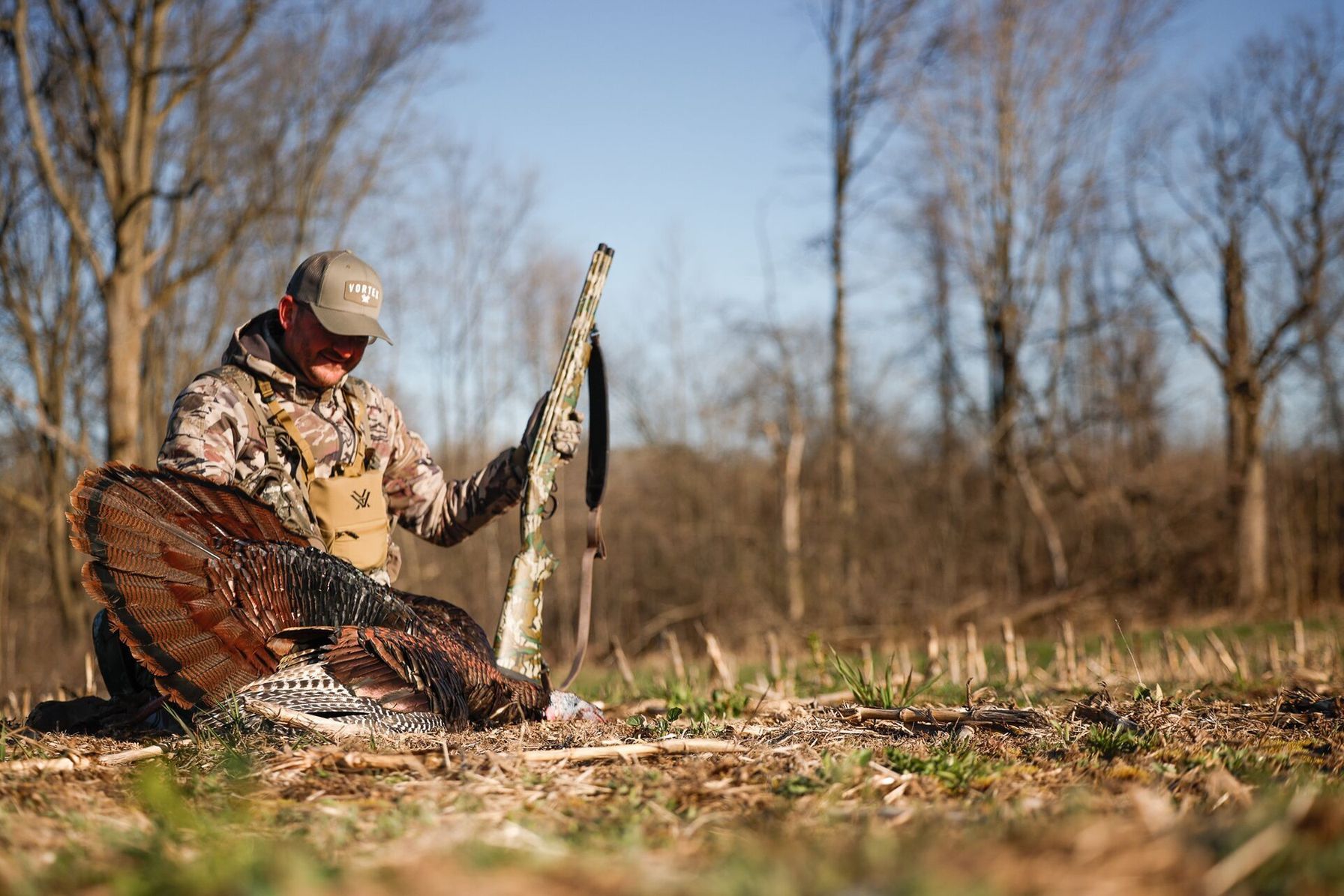
In addition to reading the other turkey hunting blogs in the HuntWise Field Guide, you can use the mapping features within the app to scout turkeys. HuntWise has been a critical tool for me in harvesting several birds, and I know it will be for you as well.
Don't have HuntWise yet? Download it and try Pro and Elite features free during your first week in the app.
Frequently Asked Questions (FAQs)
We have answers to your questions about how to use a turkey box call!
Q: How to use the box turkey call?
A: To use a turkey box call, hold the box in one hand and the lid (paddle) in the other. Lightly drag the lid across the box's edge to make sounds, and keep your strokes smooth and controlled.
Q: How to gobble with a box call?
A: To gobble with a box call, hold the box loosely and rapidly shake or flutter the lid across the edges, creating a broken, rolling sound.
Q: Are turkey box calls good?
A: Turkey box calls are good because they're loud, easy to use, and ideal for beginners. They produce realistic turkey sounds and carry well over long distances, though they can be harder to use in wet weather than other call types.