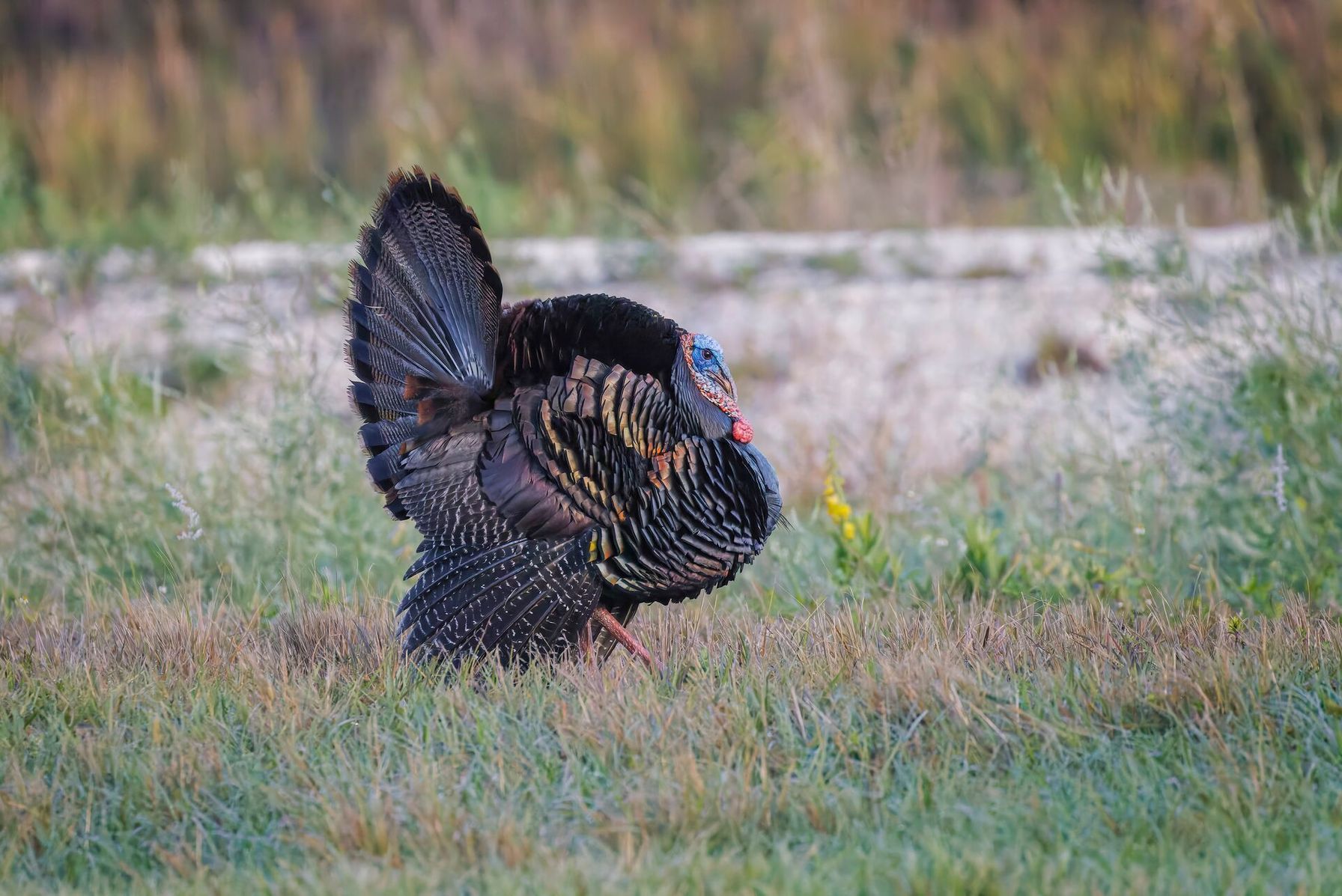
Its elusive character, stunning appearance, high hunting pressure, and limited range make it a challenging and highly prized bird on the turkey calendar.
Is an Osceola on your list this season? This blog looks at the prime locations for Osceola hunting in the Florida region, where to find these birds, and how best to hunt them (or give yourself the best chance at taking one home).
Updated March 26, 2026
Where to Hunt the Osceola Turkey
The good news is that the Osceola doesn't roam very far outside of where you'll find it in Florida. The Osceola turkey range is minimal. The bad news is that if you're not in Florida, you'll have to travel there to knock this bird off your list.
The Bird's Geographic Range
Osceola turkeys are found only in Florida and predominantly inhabit the central and southern parts of the state. Florida is also home to a population of the Eastern subspecies.
Public Hunting Lands
Suppose you're a hunter who prefers the challenge of a self-prepared hunt without the help of private outfitters or private land access. In that case, a couple of solid hunting zones in wildlife management areas are big enough to put less hunting pressure on these birds.
Just remember your permits, licenses, and tags. Here are a few places that land on an Osceola range map:
- Kissimmee River Public area: This zone, scattered with lakes, prairies, marshes, and flatwoods, provides a decent habitat for turkey and other game species to thrive. The region opens during the Spring turkey season.
- Big Cypress National Preserve: With over 729,000 acres of tropical and temperate zones and swamps, the Big Cypress National Preserve supports a range of flora and fauna, including the sought-after Osceola. The environment varies, including pinelands, hardwood hammocks, and many marshes.
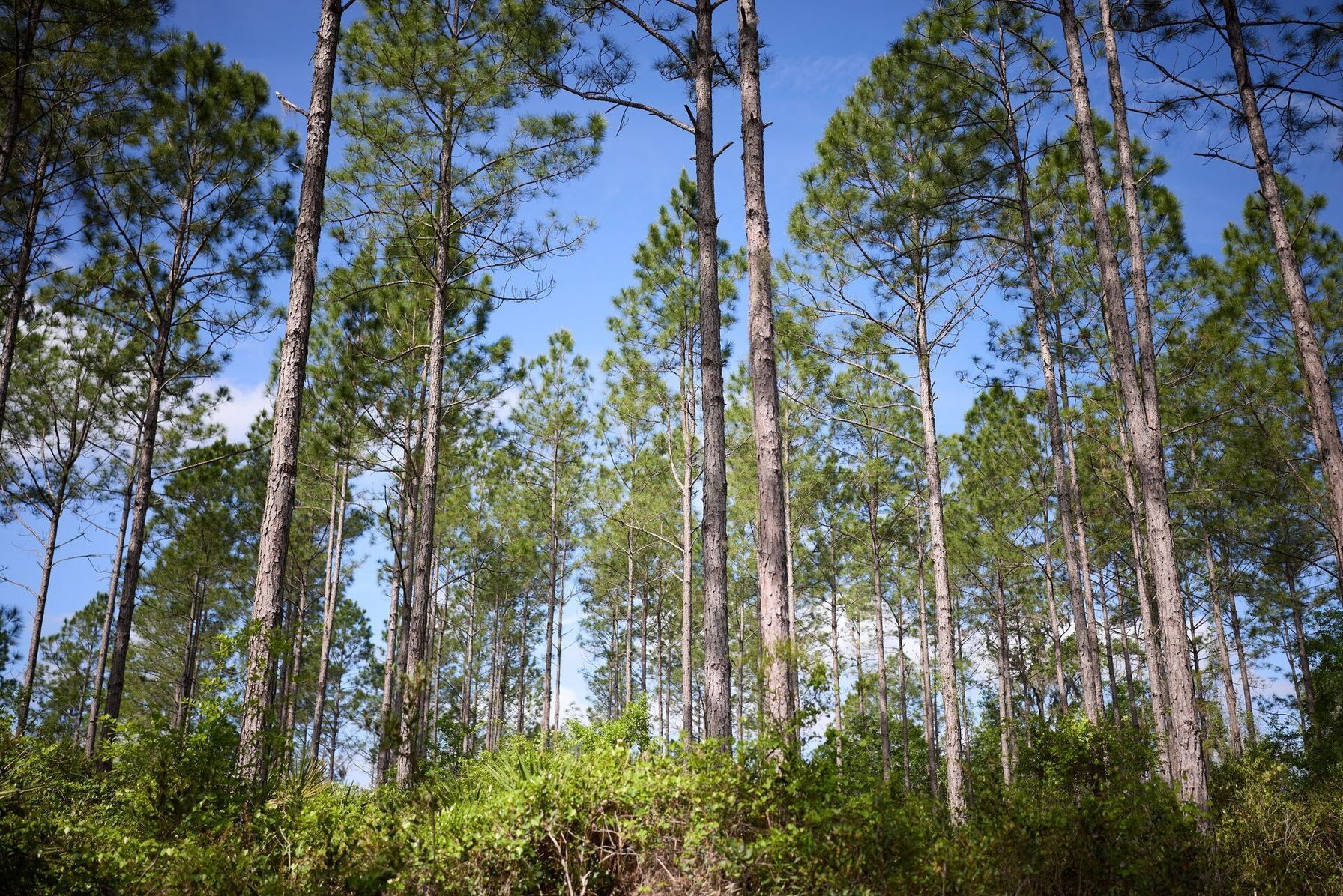
- Green Swamp WMA: The Green Swamp WMA comprises mixed environments, including flat pinewoods, cypress domes, and hardwood swamps, all spread across 50,692 acres of wildlife-managed areas.
- The Three Lakes WMA: Known for its wet, open terrain, it's also known for pressured birds.
These are just a few prime locations with good potential for harvesting an Osceola bird. Use HuntWise and official Florida resources to locate more public hunting areas for this bird!
Private Land Opportunities
Due to the popularity of the species and the unfamiliar environment that out-of-staters may face when entering the Florida turkey hunting zone, you may have better luck with a private outfitter operating on leased land. Or, if you have friends in Florida with private land access, reach out and ask permission to hunt their land and boost your odds.
What's Its Habitat?
Understanding the habitat of Osceola turkeys is crucial for anyone interested in these fascinating birds.
Like all turkey species, their habitat is often determined by basic needs. These needs include water, cover from predators, and food. Generally, mixed environments that offer access to these requirements will provide the most outstanding results.
Some habitats to scout and hunt include:
- Swamps and marshes: Osceola turkeys thrive in swampy areas, cypress ponds, and wetlands. They use the moss-laden cypress trees as their roosting areas, and they prefer roosting over or close to water, using the dense swamp and marshland to hide from predators.
- Flatwoods: Flatwoods are another common habitat area alongside oak hammocks and scrubby regions that offer roosting and feeding opportunities.
- Agricultural fields: The mixed environment, steady flow of crops, and natural vegetation make zones around the edges of agricultural fields productive hunting zones.
Again, HuntWise is your best hunting app resource for e-scouting turkey habitats ahead of your hunt, especially if you are traveling to the Osceola turkey range from out of state. With map layers and the latest LiDAR (aka Hillshade) addition to the app, you can find hidden bedding areas, hills, ridges, and more from an elevated terrain perspective.
How to Hunt Osceola Turkey
Due to its elusive nature, popularity as a game species, and highly adapted nature to the Florida environment, pre-season scouting and the appropriate hunting techniques are necessary for Osceola turkey hunting success.
Before the season launches, use the HuntWise mapping features to determine high-potential zones. Scout for areas with roost trees, potential travel routes for food and water, or dense regions that open up for potential mating displays during the appropriate seasons, and mark these on your HuntWise map.
Once you've determined a potential hunting zone, head in for a closer look. Where allowed, use trail cameras to snap shots of bird movement and patterns that will help you confirm active birds in the area.
Finally, take a walk through your intended hunting zone, noting bird signs such as tracks, droppings, and feathers, which can indicate a roosting area. Keep your ears open for any early morning gobbles, as this is when toms are most vocal and can give away their location.
Brush Up on Your Calling Techniques
Osceola are deeply cautious and slower to respond to calls than other turkey subspecies.
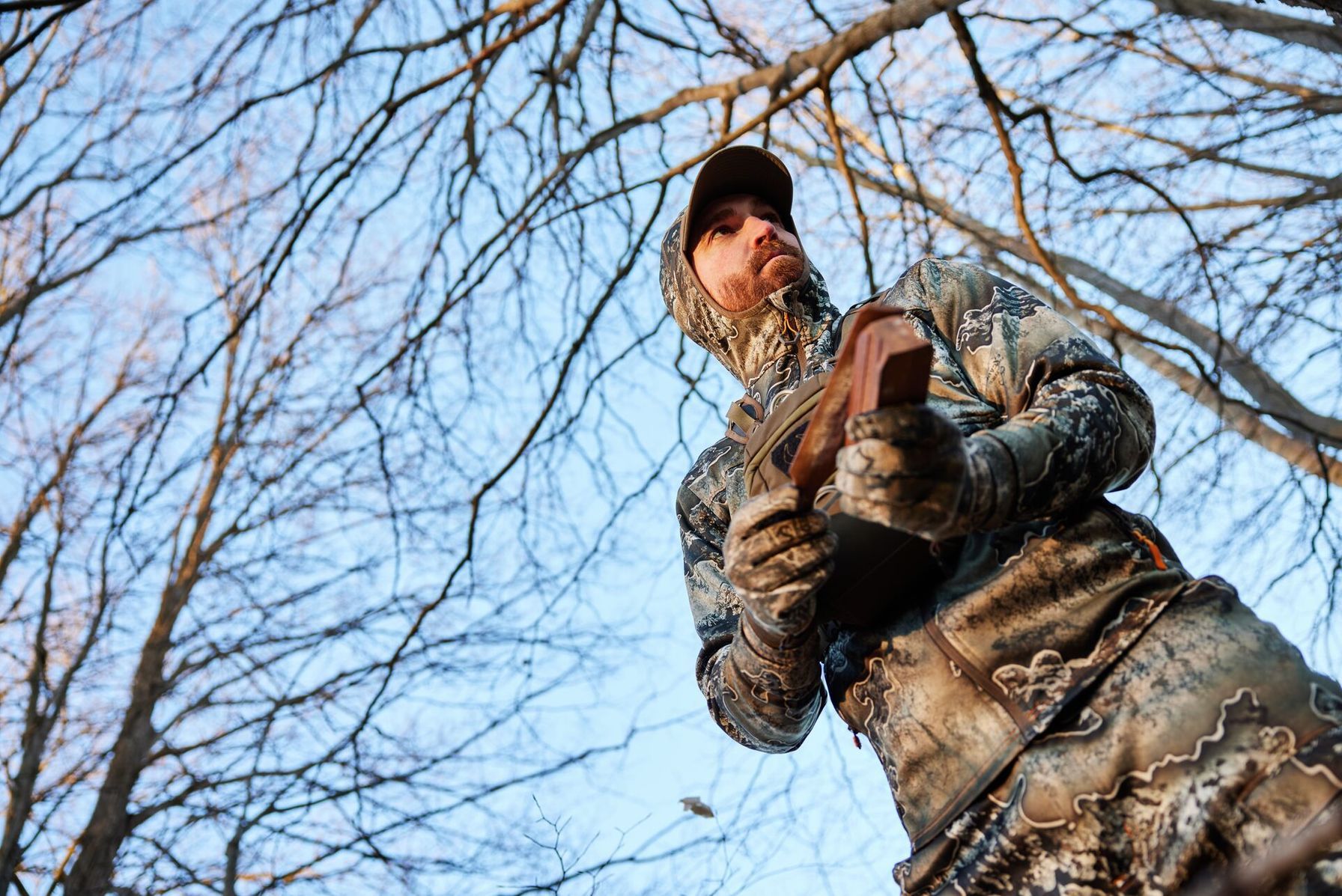
To begin, target a variety of calls, such as yelps, clucks, purrs, and gobbles. Box calls, slate calls, and diaphragm calls can all be effective, and it's important to practice before heading out into the field. Keep the calls brief and start aggressively before dialing back the intensity.
Remember to be patient and let the birds come to you. To increase the realism, stake a pair of hen decoys and throw in a jake if you want to add an extra touch of jealousy to the scene.
Osceola turkey hunting requires great patience. A fruitful strategy is to set up an early morning blind and target the gobblers' morning path, drawing them in with the occasional call wherever necessary.
Bring the Right Equipment
Gear up with these must-carry items on a Florida turkey hunt.
Camouflage
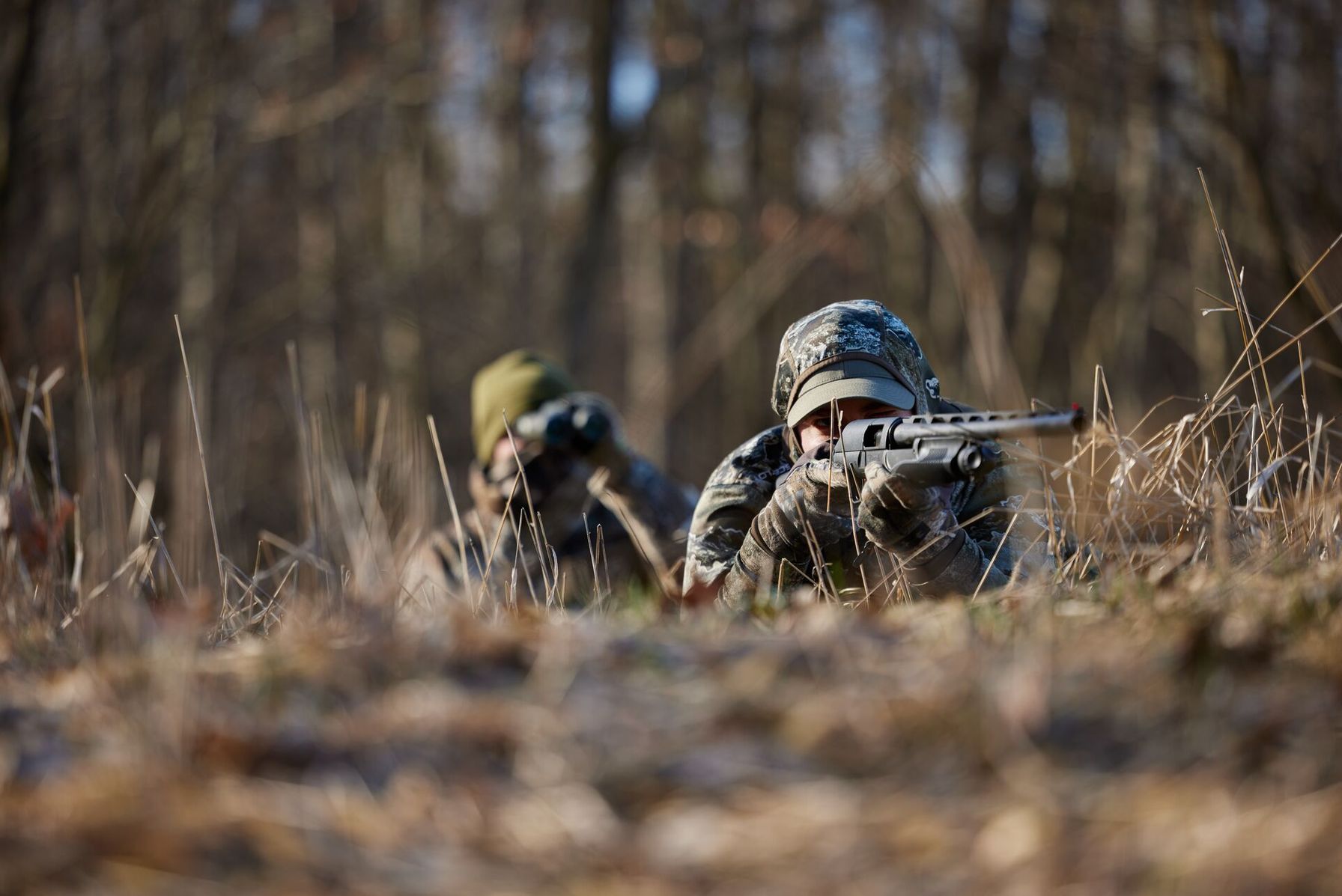
Turkey hunting camo, including a full-body kit, face masks, and gloves, is not just a suggestion; it's a necessity to avoid detection by the Osceola's keen eyesight.
Modern camo designs mean you can find something tailored to the unique Florida habitat, ensuring you're fully prepared and confident in your hunting expedition.
Firearms
What firearm should you bring to shoot a turkey? Many hunters prefer a 12-gauge or 20-gauge shotgun with a full choke to take down an Osceola.
For a significant boost in performance, consider using turkey-specific loads. This choice will give you better accuracy and a higher chance of a successful hunt.
Bows and Broadheads
A compound or crossbow with broadhead arrows is the most robust option for archery hunters. Be sure to practice with your bow before the season for an efficient and ethical shot when that bird makes it into your sights.
When choosing your broadheads, wide-cutting options can be best for better recovery of your bird.
Decoys
Make sure you're familiar with the rules around using decoys during Florida turkey season. However, using the right turkey decoys effectively can help you lure in one of these birds for a clean shot.
Insect Control
Florida can be hot and humid during turkey season! It's prime conditions for bugs that can be bothersome as you sit and wait patiently for that Osceola to come into range. Insects like ticks can also carry diseases that can be very serious if you're bitten.
Break out a Thermacell to keep the bugs away. It's also a great time to get out your permethrin-treated clothing for extra protection against tick bites.
Try These Osceola Turkey Hunting Techniques
Osceola can roll over to your line of sight or blind when you least expect it, so always be prepared, focused, and give it time.
Patience and stealth are not just skills but the very essence of a successful Osceola hunt. The Osceola moves slowly, quietly, and with intention. The slightest shift in movement or flash of color can send a skittish Osceola back where it came from or into the brush, never to be seen again.
To overcome this challenge, establish well-camouflaged blinds near feeding areas or passageways where birds will likely cross and blend natural coverage into your portable blind for additional realism.
As always, only take a shot if you're sure what you're aiming at, and focus on the head or neck area for a clean, ethical kill. Get some practice before you head out, especially from different angles, as when turkey hunting, you may have to move awkwardly to guarantee a successful shot.

Aim for Osceola and Florida Turkey Hunting Success With HuntWise
Hunting Osceola requires extreme adaptability, in-depth research, and highly developed patience. While it can be challenging, it is an equally rewarding and exciting pursuit that benefits those willing to put in the prep.
For more hunting insights (about turkeys or any game species), advanced mapping features, and access to private landowner contact information, grab the HuntWise app.
If you've never downloaded it before, we'll give you your first week free to try Pro and Elite features!
Content most recently reviewed and updated March 26, 2026.
Frequently Asked Questions (FAQs)
We have answers to your questions about Osceola turkey hunting!
Q: Where can you hunt Osceola turkey?
A: Osceola turkeys are hunted primarily in Florida, especially on private lands, wildlife management areas (WMAs), and guided ranch hunts.
Q: How much does it cost to hunt Osceola turkey?
A: Costs to hunt Osceola vary widely—from about $100–$300 for public land permits to $2,000–$4,000+ for guided hunts on private ranches.
Q: Where are true Osceola turkeys located?
A: True Osceola turkeys (also called Meleagris gallopavo osceola) are found only in peninsular Florida.
Q: Why are Osceola turkeys hard to hunt?
A: Osceola turkeys are challenging to hunt due to dense habitat (swamps, palmettos), high hunting pressure, sharp eyesight/hearing, and unpredictable behavior.

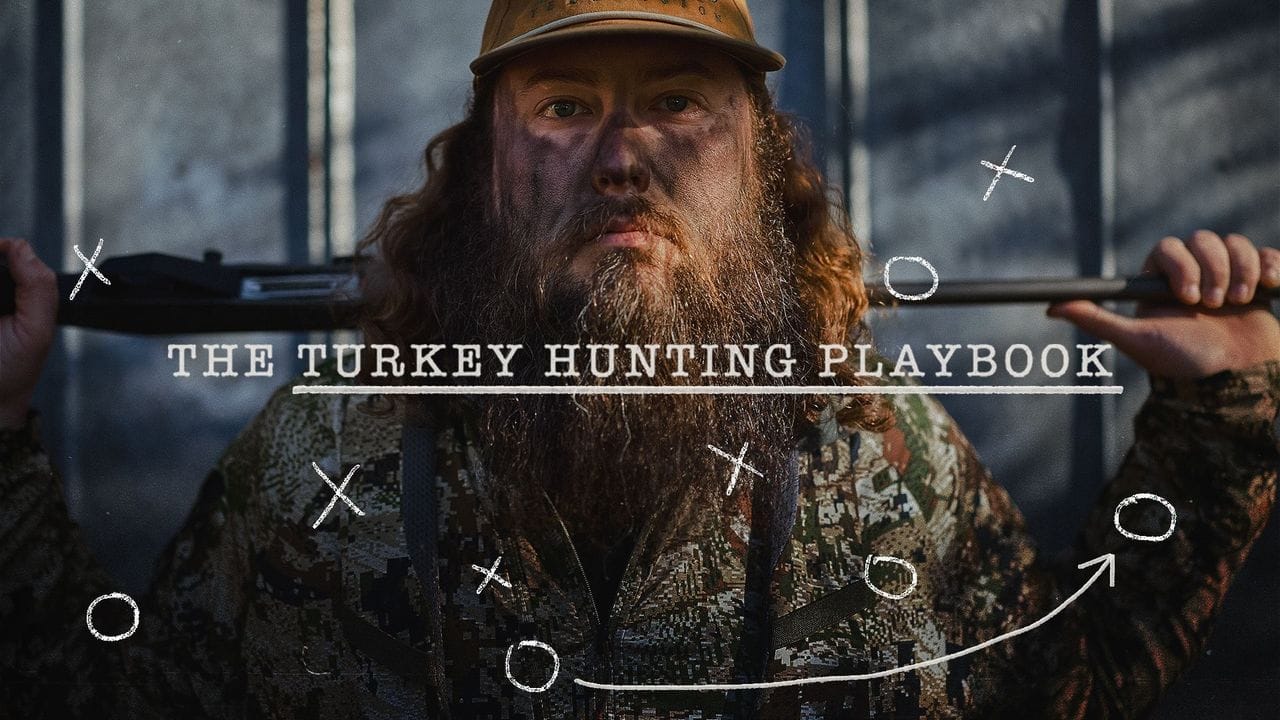
Get ready for your next turkey hunt with insights from pro hunter Ben Cole of RootedTV! Our exclusive Field Guide**+** video series, the "Turkey Hunting Playbook," delivers his insights into scouting and finding turkeys, getting your gear and shotgun ready for a hunt, gaining access to land, and more.
Watch the preview below, then start watching the series as a HuntWise Elite subscriber!