

For hunters who plan a year full of hunting, you'll also find plenty of opportunities to hunt turkey, waterfowl, antelope, and elk.
So, what do you need to know to plan your Kansas hunting seasons? Use this guide to learn about season dates, hunting licenses, bag limits, and more. We'll also help you find the best public or private land for a successful hunt.
Updated March 30, 2026
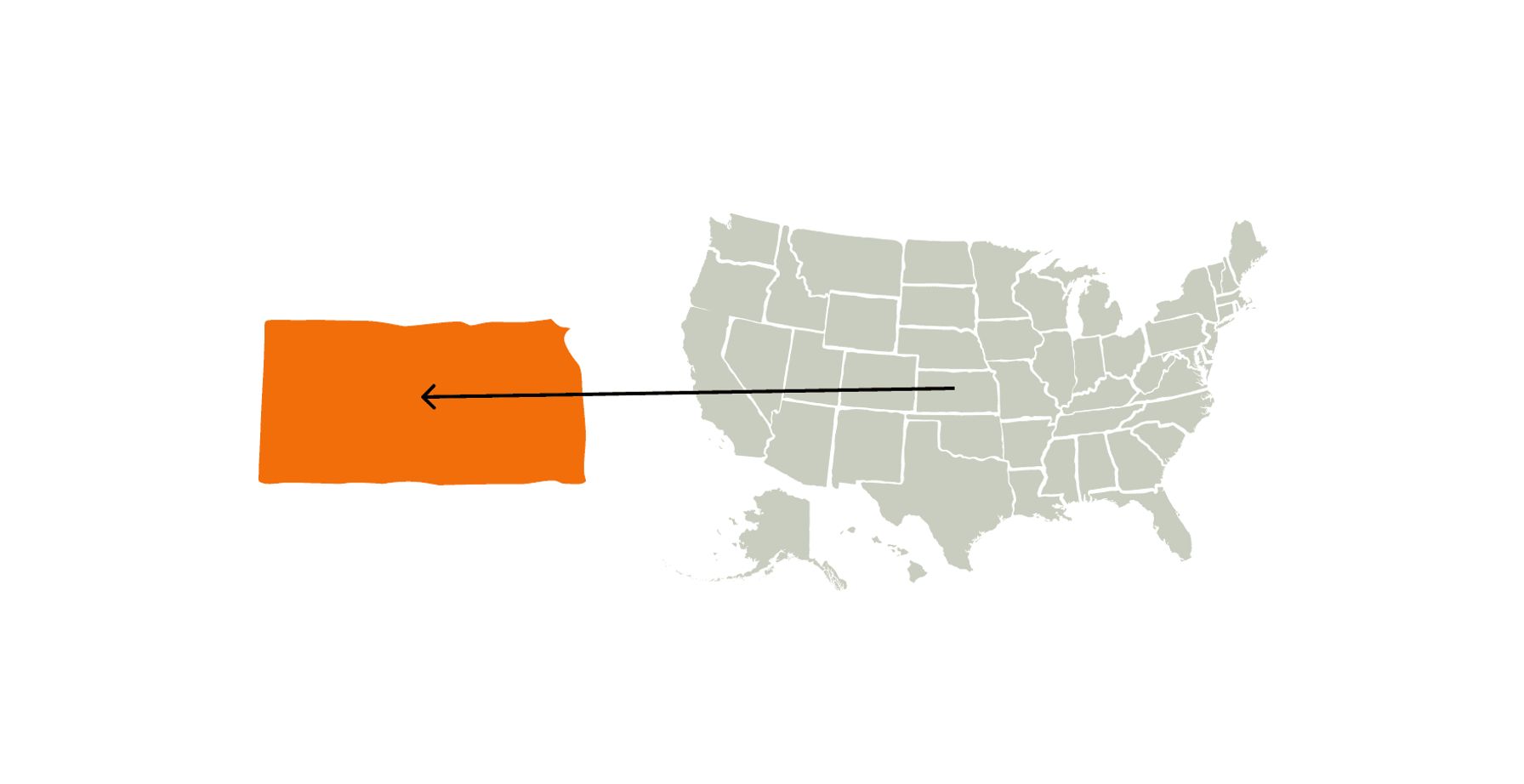
When Can I Hunt in Kansas?
The Kansas hunting seasons are fairly simple to navigate, so planning your year is less of a challenge than actually bringing down the game you're after.
Please note that the season information we provide here is the latest available from the Kansas Department of Wildlife & Parks (KDWP). We'll update this guide with new season information as it becomes available.
We also recommend revisiting official resources for the latest hunting season dates to catch any information that may have changed.
Kanasas Hunting Season Dates | |
|---|---|
Kansas Deer Hunting Season 2026
Military Base Deer Seasons
| AntelopeDraw Application Deadline: June 12, 2026
|
ElkDraw Application Deadline: June 12, 2026 Unit 2A (on Fort Riley)
Units 2 and 3 (outside Fort Riley)
| TurkeySpring 2026
|
Game Birds
| Small Game
|
Migratory Game Birds
Youth, Veteran, Active Military (Duck, Coot, Merganser, Dark & Light Geese):
| Furbearers
As you plan your hunt, make sure you understand the rules and regulations for hunting vs. trapping and how to use live traps properly in Kansas. |
Visit the KDWP website for more information about season dates for hunting and trapping.
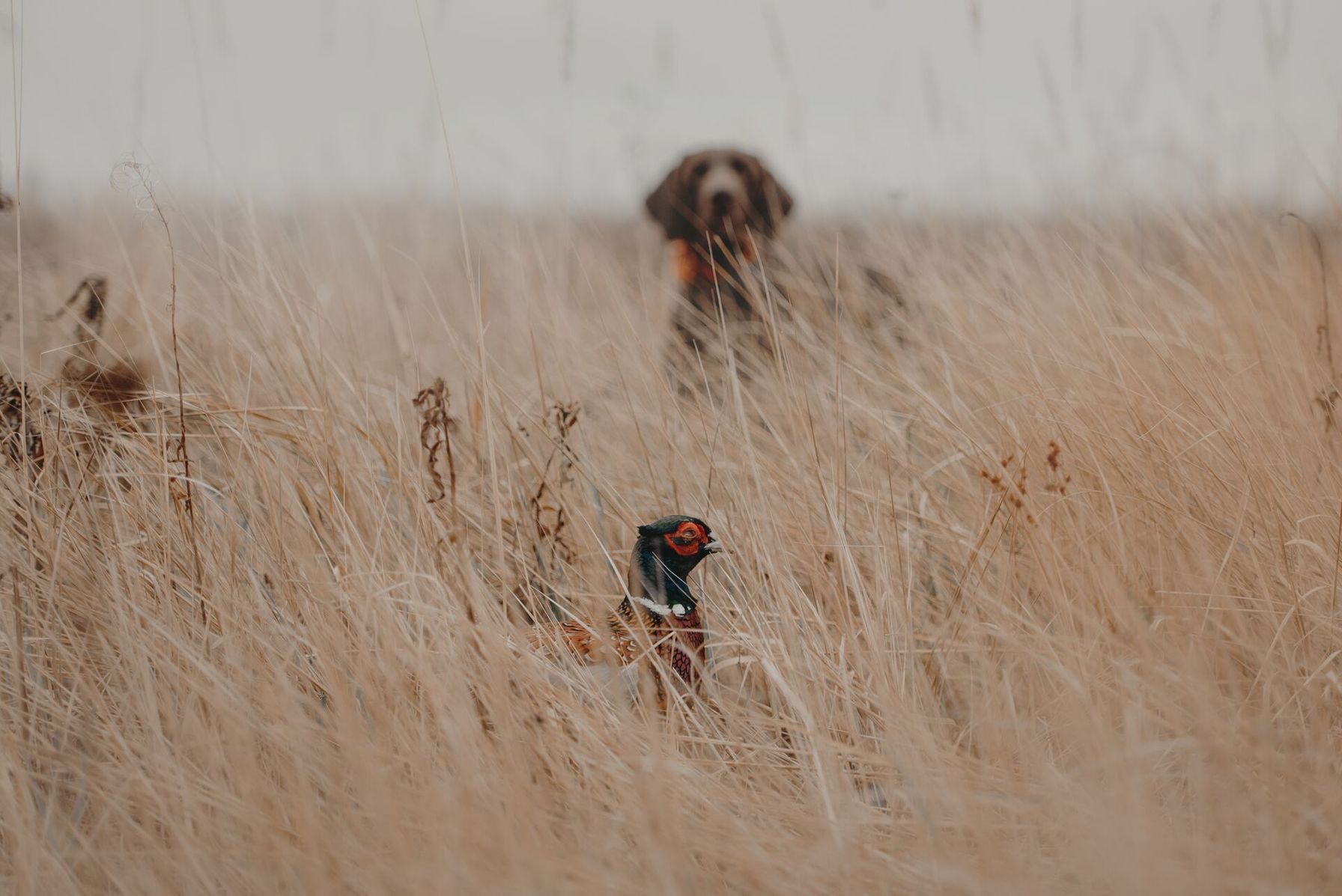
What are the Bag Limits for the Kansas Hunting Seasons?
To comply with the laws for the Kansas hunting seasons, make sure you know the bag limits for every pheasant, deer, or turkey on your list to hunt.
Here's a brief overview of the Kansas hunting bag limits.
Kansas Hunting Season Bag Limits | |||
|---|---|---|---|
| Deer | Permit based | Dark Geese | 6 per day (3x the daily limit in possession) |
| Antelope | 1 antelope either-sex | Light Geese | 50 per day (no possession limit) |
| Elk | 1 bull, spike, cow, or calf (depending on the permit) | Spring Conservation Order | No limits |
| Turkey | 1 turkey with visible beard per permit | Dove (Migratory) | 15 per day (3x the daily limit in possession) |
| Greater Prairie Chicken | 2 per day (4x daily limit in possession) | Dove (Exotic) | No limits |
| Pheasant | 4 cocks per day (4x daily limit in possession) | Rail | 25 per day (3x the daily limit in possession) |
| Quail | 8 per day (4x daily limit in possession) | Snipe | 8 per day (3x the daily limit in possession) |
| Squirrel | 5 per day (20 in possession) | Woodcock | 3 per day (3x the daily limit in possession) |
| Rabbit/Hare | 10 per day (40 in possession) | Crow | No limits |
| September Teal | 6 per day (3x the daily limit in possession) | Sandhill Crane | 3 per day (3x the daily limit in possession) |
| Duck and Merganser | 6 per day (3x the daily limit in possession) | Bullfrog | 8 per day (24 in possession) |
| Coot | 15 per day (3x the daily limit in possession) | Coyote | No limits |
What Do I Need to Know About Kansas Hunting Regulations?
All hunters born on or after July 1, 1957, who are 16 years old or older, must pass a hunter education course before getting a hunting license. Then, you can purchase the license for the game you plan to hunt.
Choose the license that applies to your hunt and whether you are a resident or non-resident. Purchase licenses online through the KSOutdoors website.
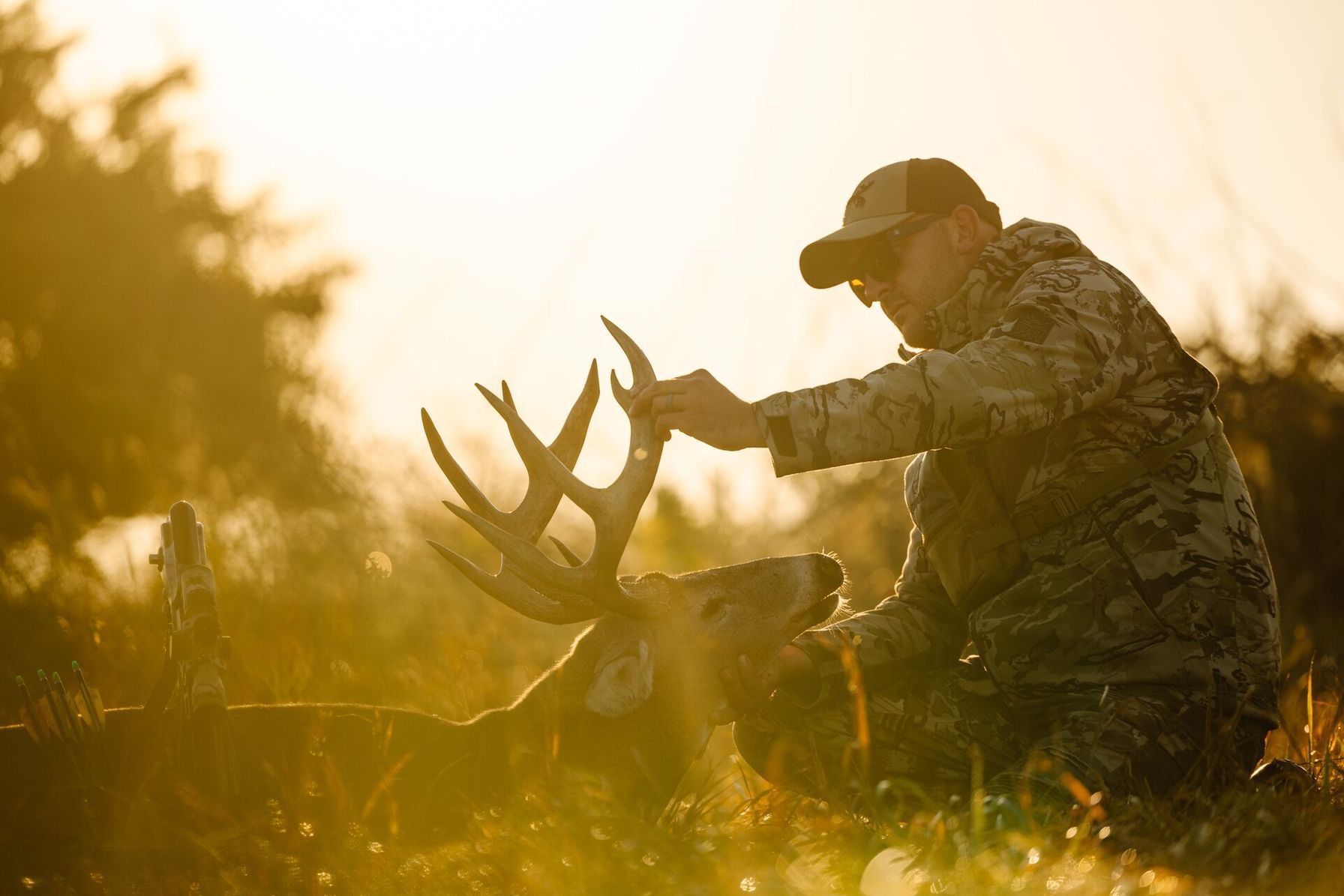
Why Do Hunters Hunt in Kansas?
You'll find a wide variety of game to hunt and plenty of land to hunt it on in Kansas. The state offers 300,000 acres of public land, plus landowners make another million acres available to hunters throughout the year.
Pheasant season in Kansas brings out local and out-of-state hunters for the experience, as it's some of the best bird hunting in the U.S. However, if your focus is big game, it's a great state for an antelope, elk, or deer hunt.
Where Should I Hunt?
Kansas divides the state into five regions. Season dates can vary throughout each region and the Kansas hunting units.
The state is relatively flat, except for some low rolling hills. Depending on what you hunt, you'll navigate agricultural fields, plains, trees, creeks, and lakes.
With HuntWise, you can scout the land to find the best places (and permissions) for your hunt. The app's map layers, 3-D maps, and public/private boundary lines help you visualize various hunt areas so you're prepared for any hunt, any season.
What Else Do I Need Before I Can Hunt?
Whether you're excited about pheasant hunting season in Kansas or you're planning your annual whitetail hunt with your buddies this season, you need the right gear!
Successful hunts require the right clothing (whether you're looking for new early-season clothing or thinking ahead to late-season hunts), a sharp hunting knife, good binoculars, and a good rifle for firearm seasons.
Get Ready for the Kansas Hunting Seasons with HuntWise
We hope this guide helps you plan your hunts in Kansas this year — but don't forget to check official resources for the latest details.
Do you have everything you need for success? Make sure you have the HuntWise hunting app! Our maps, layers, and forecasting features give you an advantage over other hunters while increasing your chances of a successful day in the field.
Plus, Elite subscribers enjoy access to more tools in the app, including up to 15 days of weather and animal activity forecasting.
Download the app and to get ahead of the game (and other hunters) before opening day! Try Pro and Elite features free during your first week.
Content most recently reviewed and updated for the latest season dates and details March 30, 2026.
Frequently Asked Questions (FAQs)
We have answers to your questions about hunting in Kansas!
Q: Can I shoot a deer in my backyard out of season?
A: No, you can't shoot a deer in your backyard out of season. In most states, including Kansas, killing a deer outside of legal hunting seasons is illegal unless you have a special permit (e.g., for nuisance or depredation situations).
Q: How many deer can you shoot in one day in Kansas?
A: The number of deer you can shoot in one day in Kansas depends on your permits. But generally, you can only harvest one antlered deer per year and additional antlerless deer if you have valid tags. Daily limits are effectively controlled by how many permits you hold.
Q: Is it illegal to put corn out for deer in Kansas?
A: Yes, it is illegal to put corn out for deer in Kansas for hunting purposes. Baiting deer (including placing corn) is illegal in Kansas while hunting, though feeding wildlife outside of hunting activity may be allowed.
Q: How many acres do you have to own in Kansas to get a deer tag?
A: In Kansas, there’s no minimum acreage required to buy a deer tag. However, landowner/tenant permits require at least 80 acres of farm or ranch land.
Q: Are there big bucks in Kansas?
A: Yes, there are big bucks in Kansas. The state is well known for producing large white-tailed deer, including trophy-class bucks, thanks to good habitat and management practices.
Try Pro and Elite features free during your first week.


