

Living in North Carolina means you have easy access to plenty of excellent hunting opportunities. It’s also a popular destination for traveling hunters to plan a trip and enjoy an adventure and challenge. So, no matter if you’re local or visiting the state, make sure you know when the season starts for the game you’re after.
You’ll also need to know about hunting licenses and bag limits to hunt legally in North Carolina.
We’re here to help! In this resource, you’ll find details you need to hunt in North Carolina, whether you’re after a big buck, a turkey, or waterfowl. We also recommend downloading the HuntWise app to find the best spots to hunt and help you get the most out of your days in the field!
Here’s what hunters need to know about North Carolina hunting seasons.
Updated March 31, 2026
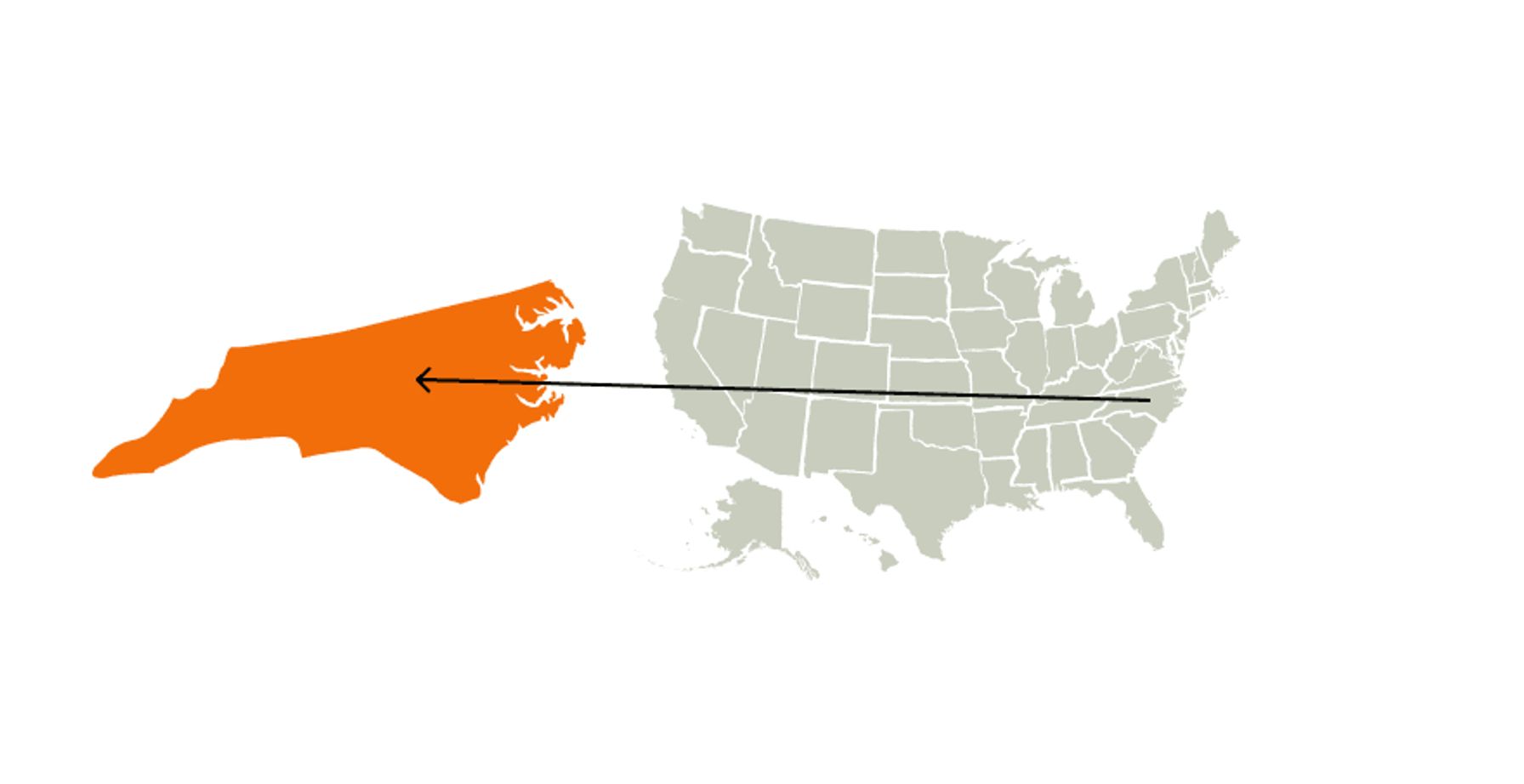
When Can I Hunt in North Carolina?
Knowing when and where to hunt in North Carolina starts with thorough research, especially if you hunt different species year-round. We’ve compiled the latest information to help you get out in the field faster (and more often) this year.
However, because information can always change, we also recommend conducting your own research as you plan your hunts. Check with state agencies to confirm the latest information about bag limits, regulations, and open season dates.
Note that some of the 2026-2027 season dates below may be tentative. Final details will be in the "2026-2027 Regulations Digest" by August 1, 2026.
North Carolina Hunting Season Dates | |
|---|---|
NC Deer SeasonNorth Carolina manages deer hunts by zones and hunting methods (archery, gun, and blackpowder). Northeastern and Southeastern
Southeastern CWD Management Area
Central
Northwestern
Northwestern CWD Management Area
Western
| NC Turkey SeasonSpring 2026
Spring 2027
|
Bear | Waterfowl
Youth, Veterans, & Military Waterfowl: December 6, 2025 and February 7, 2026 |
Migratory Birds
| Small Game
|
Feral Hog and CoyoteNo closed season | TrappingStatewide Trapping Season: October 1, 2026 – February 28, 2027 Make sure you understand how to trap live animals and follow all state regulations for trapping. They can be different than hunting regulations. |
For more details, visit the North Carolina Wildlife Resource Commission website.
You can also find more details about all species, regulations, and season dates through eRegulations.
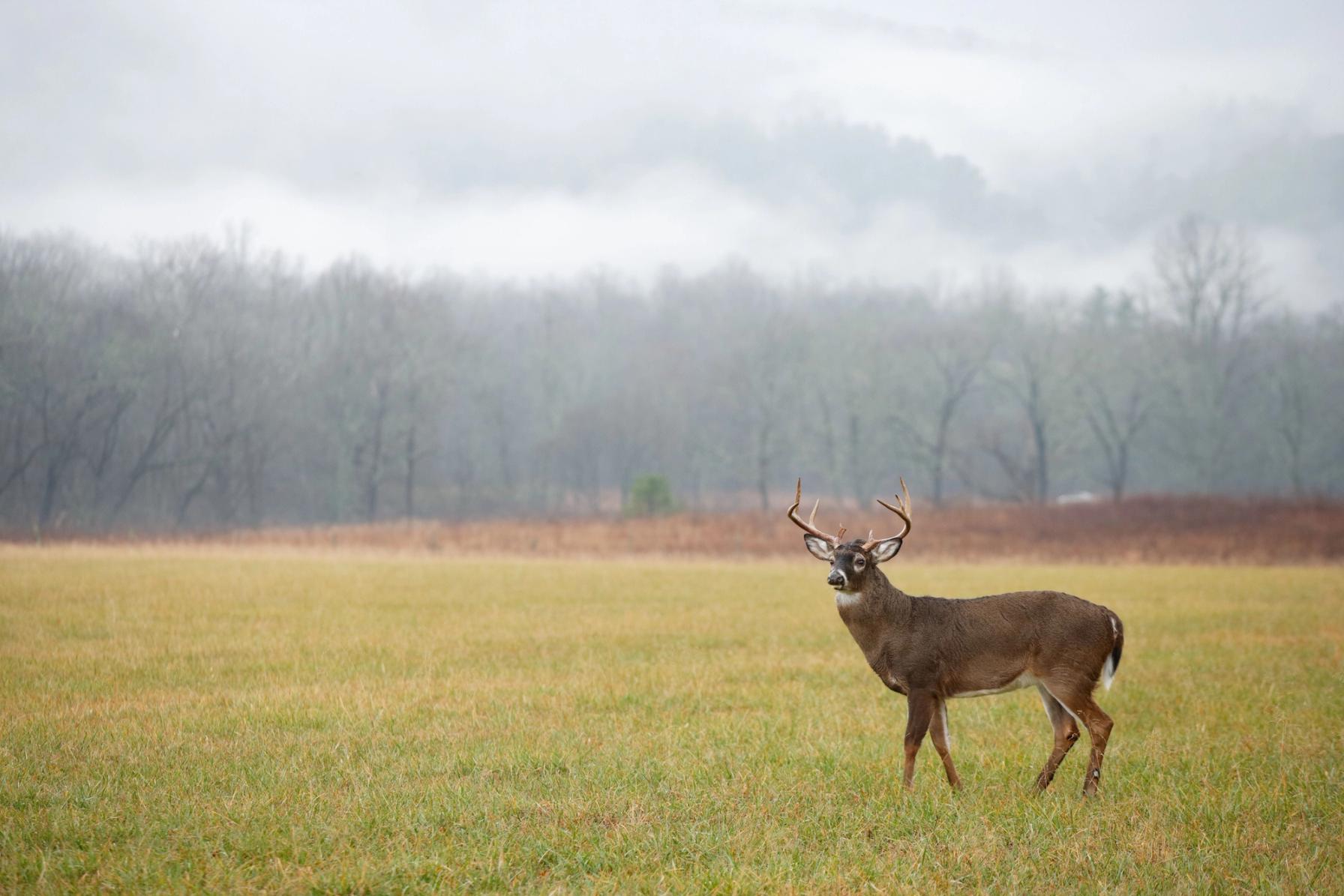
What Are the Bag Limits for Hunting in North Carolina?
To comply with hunting regulations in North Carolina, follow the bag limits for everything you plan to hunt.
North Carolina Hunting Bag Limits | |||
|---|---|---|---|
| Deer | 6 per season (2 antlered, 4 antlerless) | Grouse | 3 per day (6 in possession) |
| Turkey | 1 per day (2 in possession per season) | Duck | 6 per day |
| Rabbit | 5 per day (no possession limit) | Coot | 15 per day (3x daily in possession) |
| Squirrel | 8 per day (Gray and Red) 1 per day (Fox squirrel) | Merganser | 5 per day (3x daily in possession) |
| Pheasant | 3 per day (6 in possession, 30 for the season) | Canada Goose | 15 per day (September hunt), (3x daily in possession) 5 (Resident Population zone), 1 (Northeast zone), (3x daily in possession) |
| Bear | 1 per day and season | Light Geese | 25 (no possession limit) |
| Tundra Swan | 1 per season | Brant | 1 per day (3x daily in possession) |
| Dove | 15 per day | Teal | 6 per day (3x daily in possession) |
| Rails (King & Clapper) | 15 per day (3x daily in possession) | Sea Duck | 4 per day |
| Rails (Sora & Virginia) | 25 per day (3x daily in possession) | Woodcock | 3 per day (3x daily in possession) |
| Gallinule & Moorhen | 15 per day (3x daily in possession) | Snipe | 8 per day (3x daily in possession) |
| Quail | 6 per day (12 in possession) | Feral Hog | No limits |
| Coyote | No limits | ||
What Do I Need to Know About North Carolina Hunting Regulations and Licenses?
All hunters in North Carolina need a license, either as a resident or a non-resident. You can purchase a license for hunting, trapping, or combination hunting and fishing online. Hunters can also visit a wildlife service agent in person to get the necessary licenses for hunting.
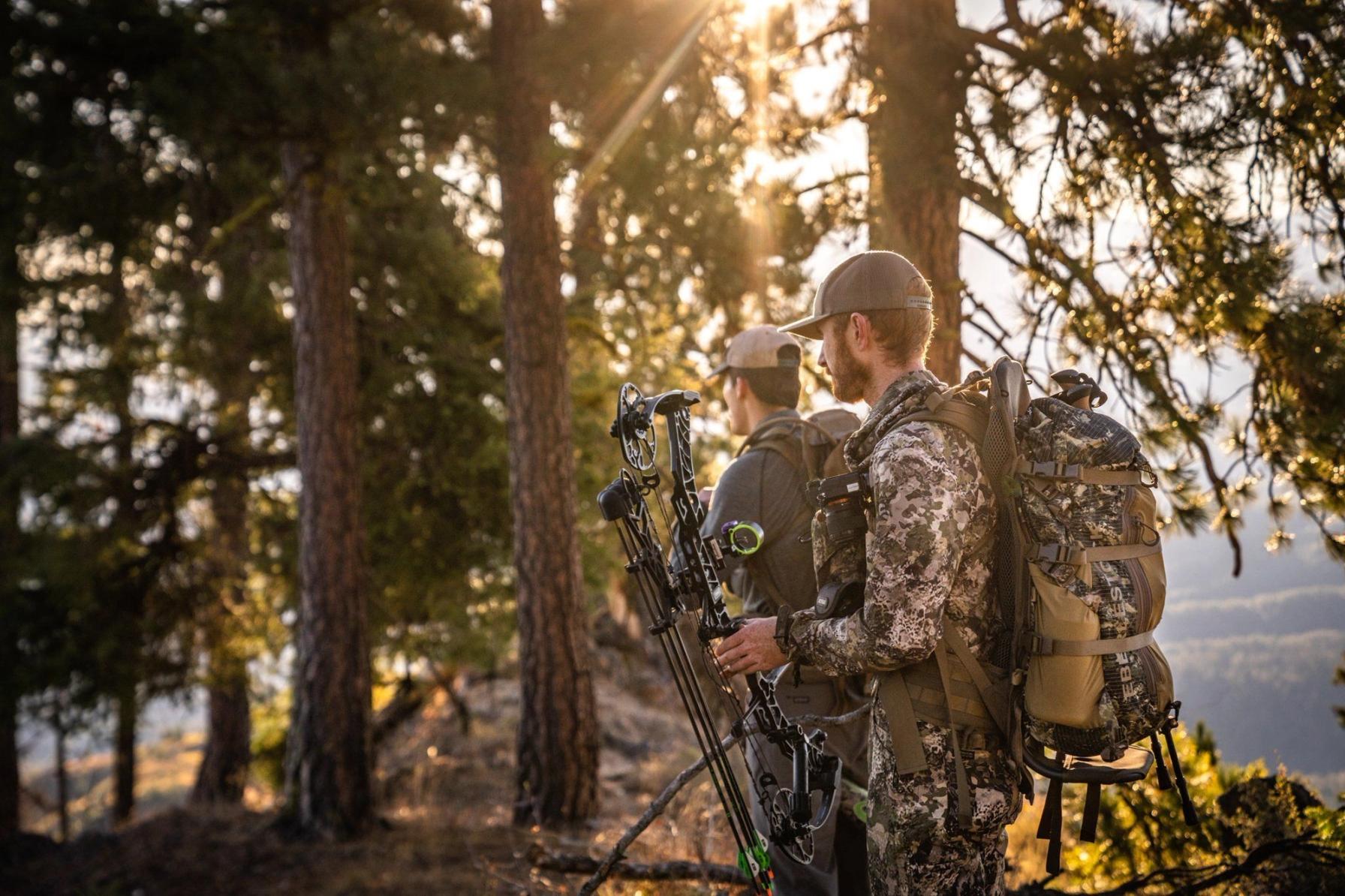
Why Do Hunters Hunt in North Carolina?
We already mentioned that North Carolina is an exceptional place to hunt deer. It could also be your destination for a successful bear hunt.
Many hunters also enjoy hunting in North Carolina because of the abundance of small game, such as rabbits and raccoons, turkeys, and waterfowl. With a range of different types of game, there’s something for almost every hunter here.
Where Should I Hunt?
From plains to plateaus, there is plenty of land to hunt in North Carolina. It’s a large state covering more than 53,000 miles.
With that much space, you’ll need to pinpoint specific hunting areas to improve your chances of a successful hunt. HuntWise can help! With the app, you can find areas that are ideal for the game you plan to hunt. Then, use map layers and markers to plan specific hunting areas (public and private) to help you tag out.
What Else Do I Need Before I Can Hunt?
In North Carolina, all hunters need a hunter safety certification before purchasing a license and hunting.
Along with the right safety education and license, hunters also need the right gear! As a HuntWise subscriber, you’ll enjoy discounts on gear from our partners with the potential to save hundreds on gear like binoculars, calls, clothing, scopes, hunting knives, and more.
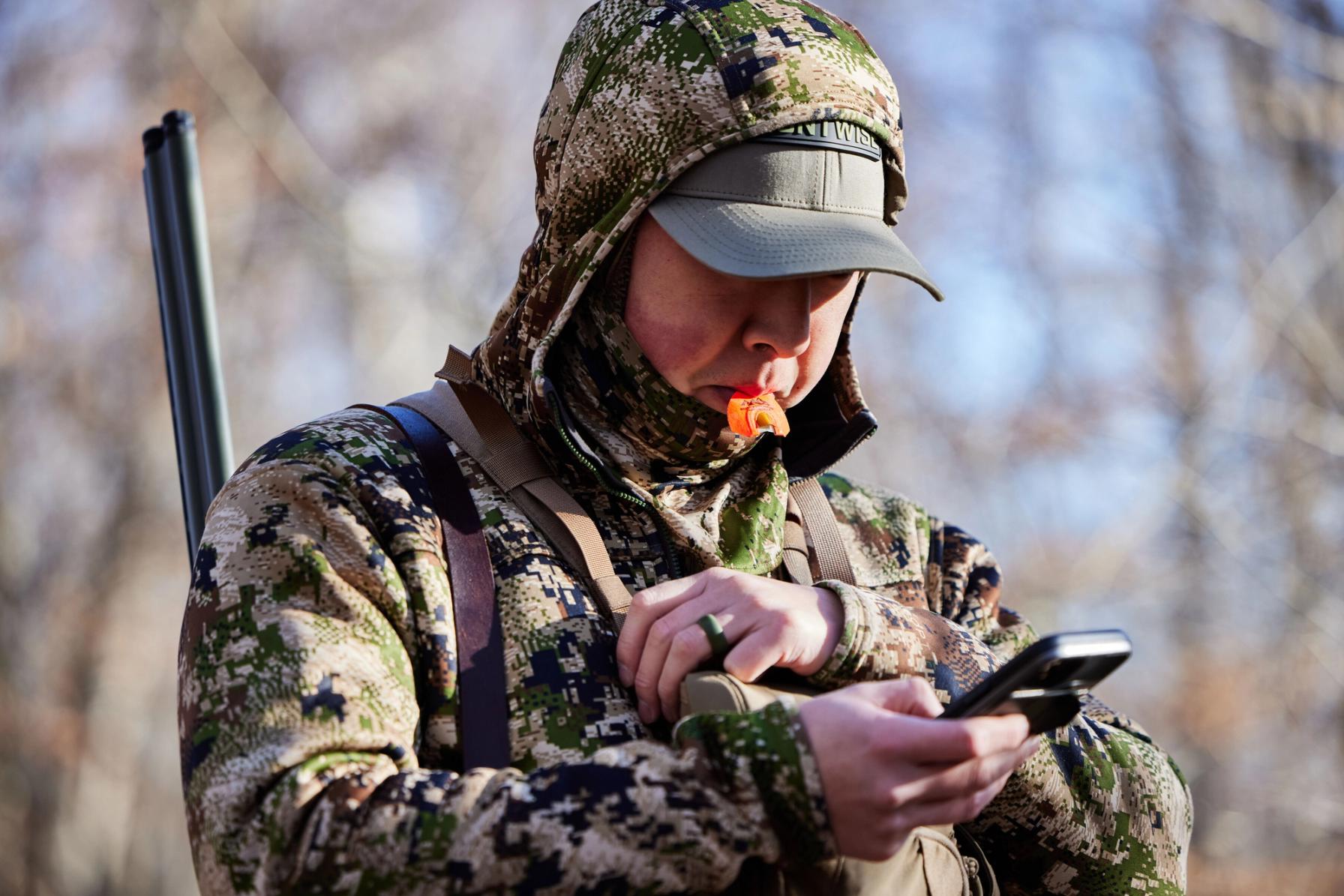
Make Your North Carolina Hunting Season a Success with HuntWise
We hope the information in this guide helps you plan your hunts throughout the year! We want every hunter to bring home the game they’re after every season.
While the details we provided today should help you get out in the field, you’ll also want to take the best tool for hunting any species this season. Download the HuntWise app for immediate access to current information on hunting in North Carolina, including season dates and regulations.
The app gives you access to hundreds of map layers, landowner boundaries and contact information, wind and weather forecasting, real-time animal behavior predictors, and more.
Content and season dates reviewed and updated March 31 2026
Frequently Asked Questions (FAQs)
We have answers to some of the top questions about the North Carolina hunting seasons.
Q: Can I hunt on my own land without a license in NC?
A: Yes, a landowner (and their spouse and dependents under 18 living with them) in North Carolina can hunt on their own property without purchasing a hunting license, but must still follow all season dates, bag limits, tagging, and weapon rules.
Q: What day does deer season start in North Carolina in 2026?
A: For the 2025-26 season, deer season starts in mid- to late-September for archery season (depending on your zone) and runs through January 1, 2027, for gun season.
Q: Can I shoot a deer in my backyard in NC?
A: Legally, if it’s your property and deer season is open in NC, you can take a deer in your yard. However, you must still comply with hunting hours, safety, and local firearm discharge laws (e.g., distance from dwellings and roads).
Q: Can you drink beer while hunting in NC?
A: State and local laws in North Carolina prohibit hunting while under the influence of alcohol or any impairing substance. Even if you drink legally before or after the hunt, being impaired while hunting can lead to violations.
Q: Can you bait deer in NC?
A: Yes. In North Carolina, baiting deer (e.g., corn or other natural food attractants) is generally allowed for deer hunting during the legal deer seasons, though baiting restrictions may apply in certain disease surveillance areas or on public lands without authorization.
Q: Can you shoot deer on Sunday in NC?
A: Yes. In North Carolina, hunting on Sunday is allowed, including with firearms on private land, but there are statutory restrictions (e.g., between ~9:30 a.m.–12:30 p.m., near places of worship or residences not owned by the landowner, and for specific methods such as hunting deer with dogs).


