

There's a deep tradition of hunting and fishing in this state, established even before the founding of the country. This tradition is tied to the pursuit of ethically sourcing healthier food for families and connecting with the outdoors.
What do you need to know to plan your seasons for hunting in Vermont? Keep reading for an overview of season dates, regulations, bag limits, license information, and more to help you plan your hunting year.
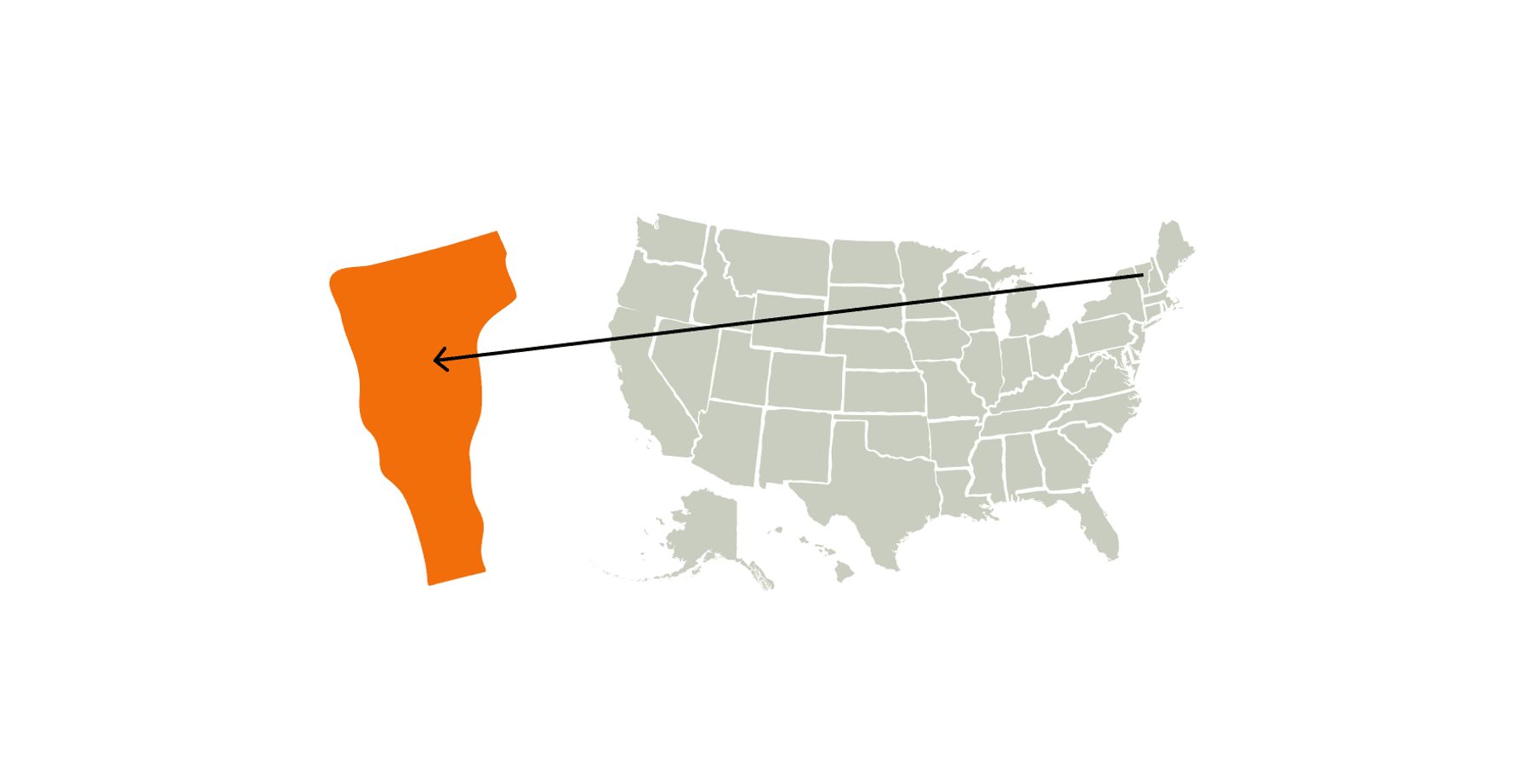
When Can I Hunt in Vermont?
When is duck hunting season, Vermont hunters? Whether you're after deer, ducks, or other creatures this year, it's time to start planning your hunts.
Note that the season information we provide here is the latest available from the Vermont Fish & Wildlife Department (VFWD). We'll make updates to this page with the latest information and dates as the information becomes available.
We also recommend checking the state's website for the latest season dates, bag limits, and other details to make sure you have the latest details.
Vermont Hunting Season Dates 2026–2027 | |
|---|---|
Vermont Deer Hunting
| Turkey
|
Black Bear
| MooseThe state manages moose hunting through a lottery system by WMU.
|
Small Game
| Waterfowl
|
Upland Birds
| FurbearersHunting
Trapping
When planning your furbearer season, make sure you understand the differences in regulations between trapping live animals vs. hunting them. |
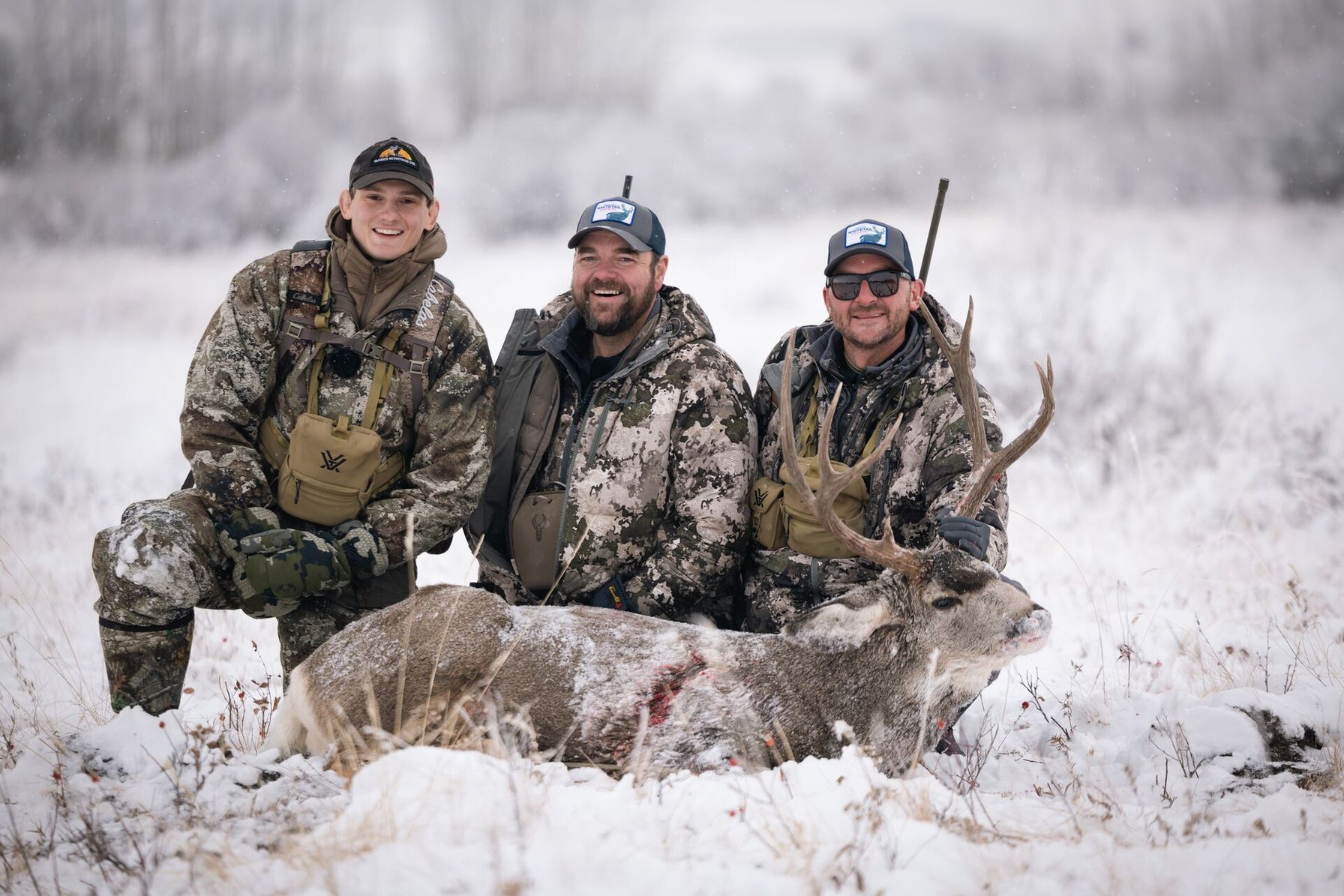
What are the Bag Limits in Vermont?
To comply with the rules for hunting in Vermont, make sure you know the bag limits for any wild game you plan to hunt!
Vermont Hunting Season Bag Limits | |||
|---|---|---|---|
| Deer | No more than 4 deer per year (only one can be a legal buck) | Turkey | 1 bearded (Youth & Novice Weekend) 2 bearded (spring) 1 either-sex (fall) |
| Black Bear | 1 per calendar year | Scaup | 1 per day, 3 in possession (Lake Champlain Zone October 10 – November 1 and November 21 – December 7, Interior Vermont Zone October 10 – November 18, and Connecticut River Zone all season) 2 per day, 6 in possession (Lake Champlain Zone December 8 – 27 and Interior Vermont Zone November 19 – December 8) |
| Moose | 1 per permit | Snow Geese | 25 per day (no possession limit) |
| Rabbit and Hare | 3 per day (6 in possession) | Brant | 1 per day (3 in possession) |
| Gray Squirrel | 4 per day (8 in possession) | Snipe | 8 per day (24 in possession) |
| Ruffed Grouse | 4 per day (8 in possession) | Coots | 15 per day (45 in possession) |
| Woodcock | 3 per day (9 in possession) | Mergansers | 5 per day (15 in possession) |
| Ducks | 6 per day (18 in possession) | Canada Geese | 8 per day, 24 in possession (September Season Lake Champlain Zone and Interior Vermont Zone) 5 per day, 15 in possession (September Season Connecticut River Zone) 3 per day, 9 in possession (Oct-Nov Season Lake Champlain Zone and Interior Vermont Zone) 2 per day, 6 in possession (Oct-Nov Season Connecticut River Zone) 5 per day, 15 in possession (Dec-Jan Season All Zones) |
What Do I Need to Know About Regulations for Hunting in Vermont?
All first-time hunters in Vermont must pass a hunter education course before getting a hunting license — unless you can show proof of a hunter education card or license from another state. Additionally, hunters under the age of 18 must take the online course and then complete an in-person class to fulfill the hunter education requirements.
With your hunter education taken care of, you can buy the licenses you'll need for the game you plan to hunt. License fees vary based on the type of license you need (youth, archery, turkey, deer, permanent licenses, and more).
Why Do Hunters Hunt in Vermont?
For many in the Green Mountain State, the joy of getting outdoors and hunting is passed down to young generations to continue a "field-to-freezer" way of life. The state was the first to include constitutional language protecting the rights of citizens to hunt.
You'll find a wide range of animals to hunt and seasons for hunting year-round, including white-tailed deer, moose, turkey, black bear, and many species of small game and waterfowl — plenty of wild game to fill your freezer and feed friends and family each season.
Where Should I Hunt?
Not only are there plenty of public lands to hunt in Vermont, but all private land in the state is open to hunters unless the landowner posts against hunting. We still recommend getting permission before a day of hunting on a landowner's property.
So, with more than 800,000 acres of state and federal land available to hunt, along with state forests, National Wildlife Refuges, and state parks (plus private land), you're not likely to run out of good hunting areas as you scout, track, and hunt wild game.
No matter what, where, or when you hunt, HuntWise helps you scout to find the best hunt areas for your days in the field. Our hunting app gives you land boundary lines and multiple map layers and 3-D views to help you visualize the terrain before you head out for a hunt.
What Else Do I Need to Hunt?
Whether you're excited about deer hunting in Vermont or planning your first black bear hunt, you need the right gear!
Make sure you have the right stuff for an early-season or cold-weather hunt, including good binoculars, the right tree saddle, a sharp hunting knife, and your trusty rifle or bow.
Use HuntWise and Plan for Success When Hunting in Vermont
We hope this information in this guide helps you enjoy many successful hunts when hunting in Vermont this year! Just be sure to also confirm regulations, season dates, and bag limits with official state resources before heading out.
Ready to hunt? Start planning with HuntWise! Use the hunting app's map layers, 3-D views, and forecasting features for animal movement and weather for an advantage that can help you tag out every season.
Try a Pro or Elite subscription to access more app tools, including up to 15 days of animal activity and weather forecasting.
Content most recently reviewed and updated for recency and the latest season dates October 14, 2026.
Frequently Asked Questions (FAQs)
We have answers to your questions about hunting in Vermont!
Q: Does Vermont have good hunting?
A: Yes, Vermont has good hunting. The state is known for solid big-game and small-game hunting, especially during the white-tailed deer season in the fall. There’s also bear, turkey, waterfowl, and upland bird hunting. It’s not a high-density, trophy-focused state like some in the Midwest, but it offers a classic Northeast woods hunting experience.
Q: What animals can you hunt in Vermont?
A: Legal game species you can hunt in Vermont include white-tailed deer, black bear, wild turkey, moose (by limited permit only), coyote, bobcat (regulated season), snowshoe hare, ruffed grouse, waterfowl (ducks and geese), and various small game species. Seasons and regulations vary each year.
Q: Can non-residents hunt in Vermont?
A: Yes. Non-residents can hunt in Vermont, but they must purchase non-resident hunting licenses and follow all state regulations. Some species (like moose) require entering a lottery drawing.
Q: Can you shoot a moose in Vermont?
A: Yes, you can shoot a moose in Vermont, but only if you draw a special permit. Vermont runs a highly limited moose hunt each year, and permits are awarded through a lottery system. It’s competitive.
Q: Does VT have grizzly bears?
A: No, Vermont does not have grizzly bears. The state only has black bears. Grizzly bears are found in parts of the western U.S., not in the Northeast.


