

Rabbit habitat locations are diverse, though with a few tips, knowing where to find rabbits is easy. Here's everything you need to know to pursue these critters, including how to find them, when to search, and the rabbit hunting tips to help you have a fun time (and maybe an exceptional meal!)
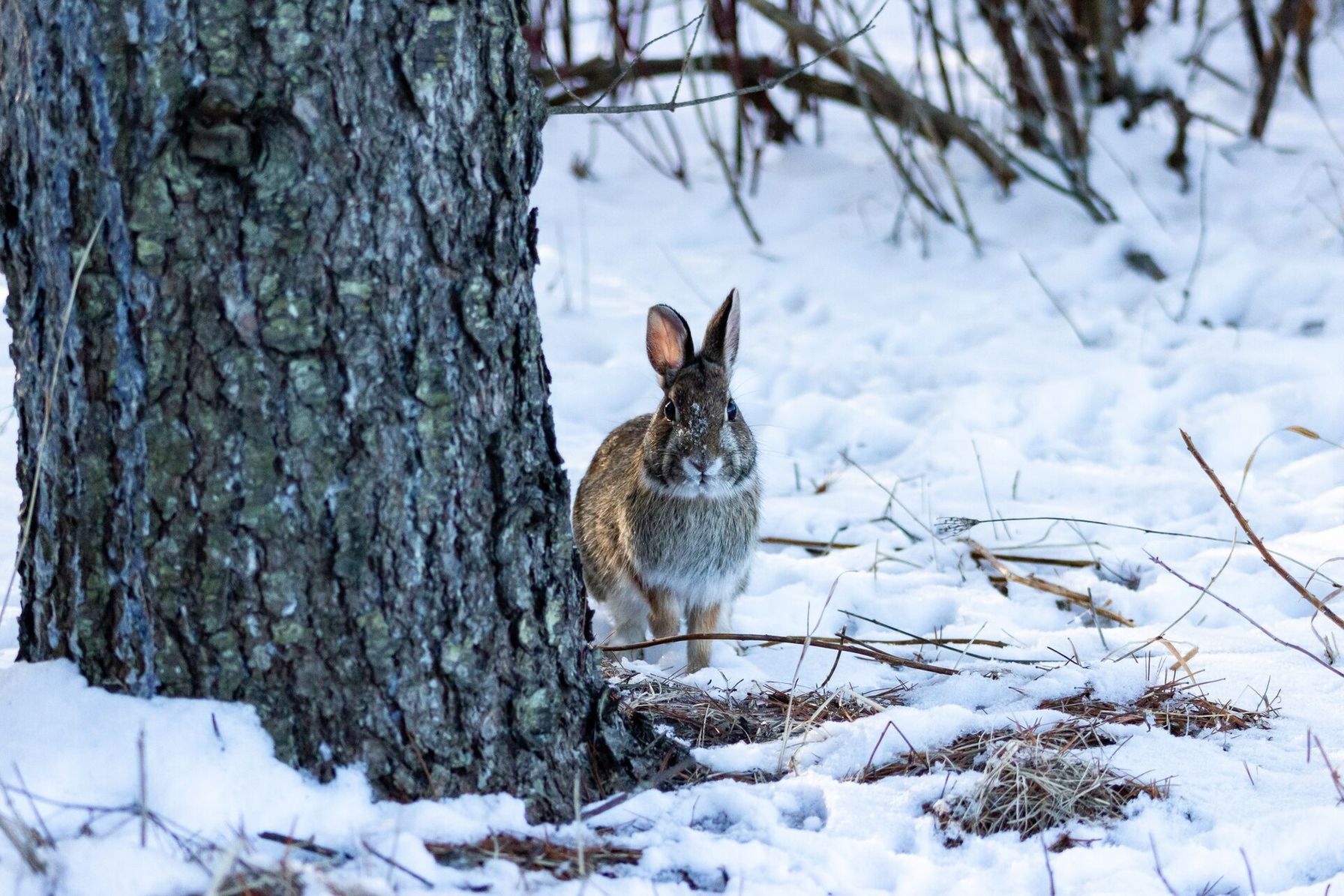
What Is the Best Way to Find Rabbits?
The basics of rabbit hunting begin with knowing where to search. Generally, when starting to look for rabbit holes, I look for brushy piles of fallen tree branches and debris, or piles I have personally made from doing cleanup of leaves and sticks around my property. These piles create wonderful bedding and nesting areas for rabbits, providing shelter from the elements and ample opportunities for escape.
Other great options to look for are old farm equipment, vehicles, or trailers, as these will provide lots of shelter from the elements, safe places to build nests in the summer, and protection from predators. If your property has any of these features, you are almost for sure going to have rabbits nearby.
However, if your property does not have these types of cover and safety spots, you can still find rabbits in other areas in the woods. Look for key features around your property where rabbits can hide and get protection, as well as easily accessible food sources in your area, and you will most likely have a successful small game hunt.
How to Find Rabbits in the Woods
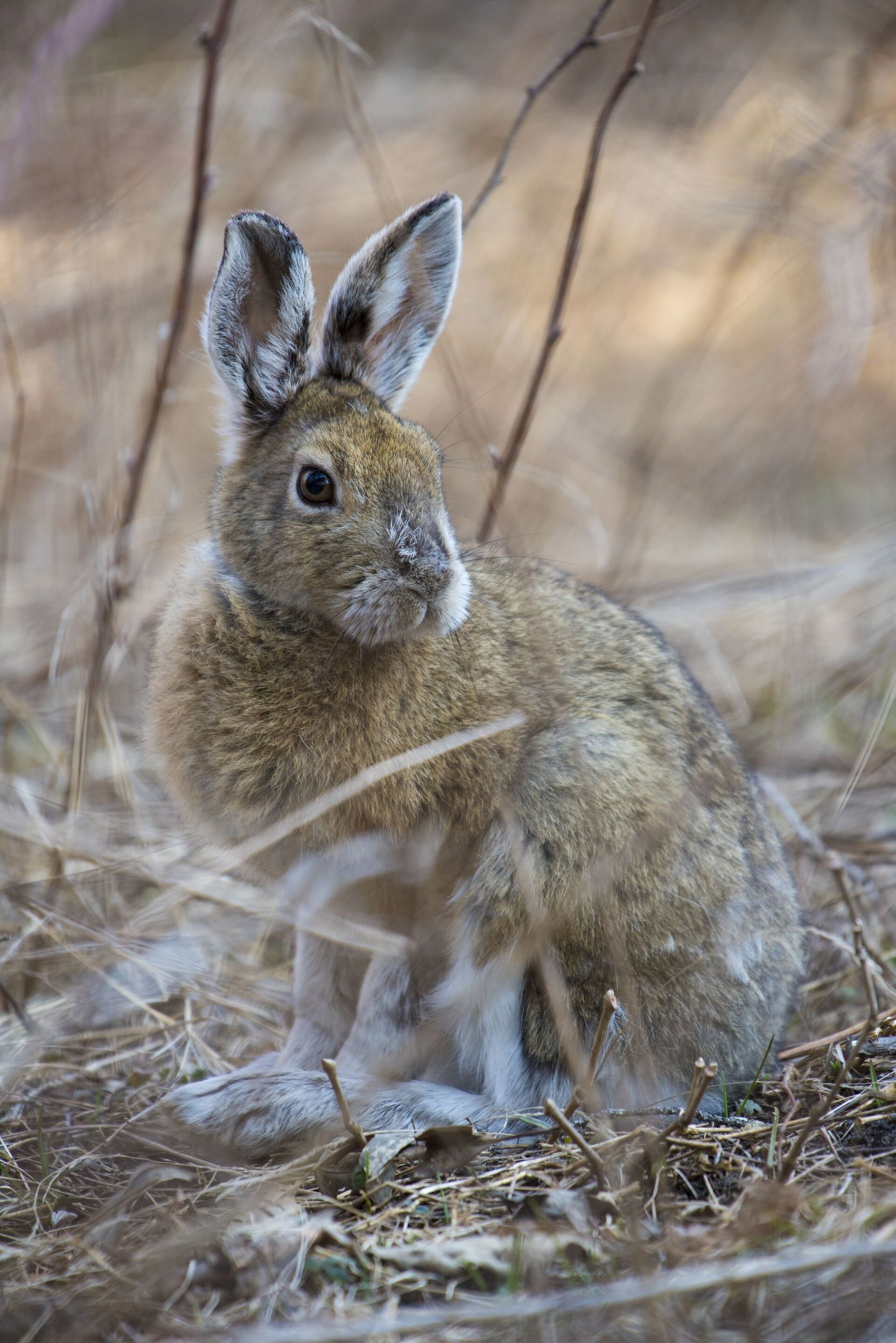
When searching for wooded rabbits, look for similar cover they can access easily and spots that allow them to avoid predators and get protection from the elements. While these spots will look different from the areas mentioned above, they are still out there.
Look for trees that have fallen over completely or branches that have blown out of trees after windstorms. Both will provide great cover for rabbits to hide in and under. Also, look for thick brushy cover such as wild blackberry bushes or dogwood, which will provide hiding spots and a food source.
Other good places to look are transition areas between thick wooded cover and more open field-style habitat. These spots will be key for good hunting, as rabbits move between the two areas for feeding and bedding.
Fruit trees and shrubs are also great places to look for rabbits in the woods. If you have clover or alfalfa food plots on your property, these will be wonderful food sources for rabbits and great places to hunt.
How Do You Find Rabbits in Thick Cover?
Thick cover provides a comfortable rabbit habitat, so move slowly in a zigzag pattern as you approach their bedding or feeding areas. Listen for rustling or quick thumps, and kick or tap brush piles to flush out rabbits.
You don't want to make a lot of noise: rabbits are fast, and they stay close to cover. If they hear you before you are ready for your shot, they may bolt into a thicket, never to be seen again. Keep an eye on escape routes in case they circle back.
How Do You Locate Rabbit Trails?
Here's a tip for how to find rabbits in the woods: look for narrow, well-worn game trails. Rabbits and other small game make narrow paths, whereas larger animals such as deer, elk, and turkey make wider trails. By following narrow trails and looking for entry points in thickets, you'll develop a better sense of a rabbit's travels.
Fresh droppings also indicate recent rabbit activity, as do gnaw marks on trees and shrubs. As the seasons change and food becomes scarce, rabbits will start to feed on the twigs and bark of low-growing shrubs. If you notice this, there are most likely rabbits nearby.
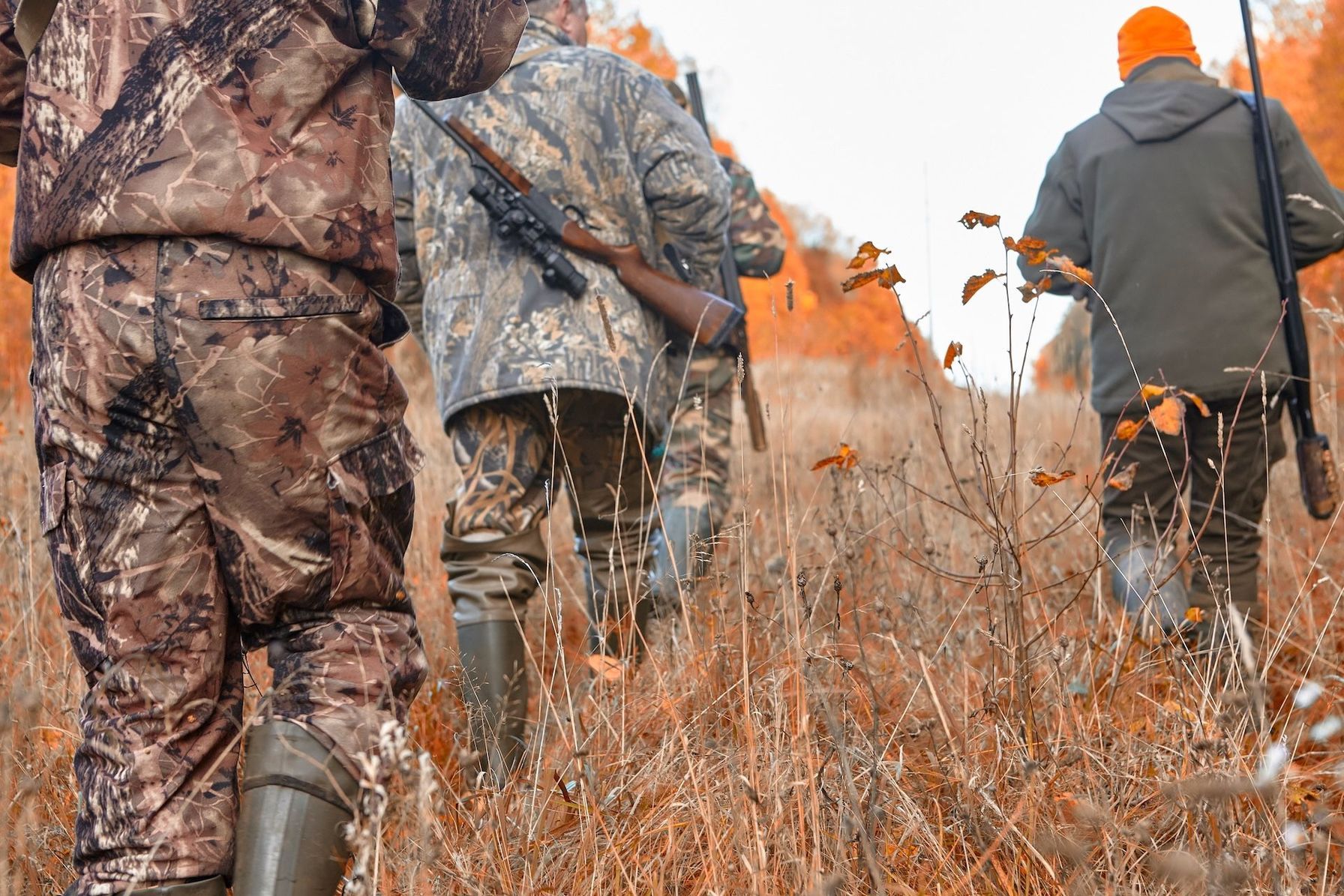
What Time of Day is Best for Rabbit Hunting?
If you want to know how to find rabbits in the woods, you'll need to know when to look for them. Rabbits feed and move at dawn and dusk (crepuscular hours), so plan your hunts at those times.
On slightly overcast days, you can extend your hunt to midmorning. Fresh snowfall also helps with late-morning hunts, as rabbits often come out to feed in these wintery conditions.
How to Use HuntWise to Find Rabbits
Whenever you want to know where to find rabbits, be sure to keep track of good sign using the HuntWise app. Mark down where you found trails, food sources, and thick brush or cover.
Mapping these areas will help you come back in the future and keep track of new areas where you may find sign. You'll have ample places to check out as the season progresses, and you'll be able to predict your hunts better as animals change their routines. HuntWise makes it easy to keep this information in one spot!

HuntWise Helps You Hunt More Rabbits in the Woods
Whatever your reason for wanting to get out and hunt rabbits, to introduce a youngster, to extend your season, or keep your skills sharp, they are ultimately a very tasty meal, and a really fun game animal to pursue.
Using HuntWise can help you make the most of your rabbit hunts, giving you a better sense of where to find rabbits and how to track rabbit habitat locations to help you plan better hunts (and bring home more rabbits). Have fun, and enjoy small game hunting!
Download HuntWise and (and your next rabbit hunt).
Frequently Asked Questions (FAQs)
We have answers to your questions about how to hunt rabbits in the woods!
Q: What is the best way to find rabbits?
A: The best way to find rabbits is to look where food meets cover. Rabbits hang out near brush piles, hedgerows, overgrown fence lines, briar patches, and field edges. Early scouting helps. Search for droppings, tracks, and chewed vegetation. If you're hunting species like the Eastern cottontail, focus on thick edge habitat near farmland or suburban woodlots.
Q: What time of day is best for rabbit hunting?
A: Early morning and late afternoon are the best times for rabbit hunting. Rabbits are most active at dawn and dusk when they feed. Midday can still work, especially in cooler weather, but they’re more likely to be tucked tight in cover.
Q: How do you find rabbits in thick cover?
A: To find rabbits in thick cover, move slowly and deliberately. Kick brush piles, step into briars, and zigzag through dense patches to encourage rabbits to flush. Watch for slight movement: a flick of an ear or a sudden burst of motion. In heavy cover, patience and sharp eyes matter more than speed.
Q: How do you locate rabbit trails?
A: To locate rabbit trails, look for narrow, well-worn paths through grass or brush—often just a few inches wide. You’ll also spot small round droppings and clipped vegetation nearby. In winter, fresh tracks in snow make trails easy to follow and reveal where rabbits are traveling between feeding and bedding areas.


