

There are more than 30 species of rabbits worldwide, and despite their varied environments, they share many similarities. These social creatures live in large groups called colonies and have no problem populating, as they can reproduce up to five times a year.
Originally from Europe and Africa, rabbits can now be found in most parts of the world. Rabbits have also been introduced to parts of South America, Australia, New Zealand, and Java.
However, for today's purpose, we'll focus on rabbits found in the U.S. and the best times to hunt rabbit.
Updated January 16, 2026

Why Hunt Rabbit?
Arguably one of the cutest animals in nature, why would you hunt rabbits?
People hunt these small creatures for several good reasons. One really good reason is that they are tasty! From rabbit stew to this recipe for beer-braised rabbit, there are many ways to prepare rabbit meat for your family.
Hunting rabbits also helps control the rabbit population. As we mentioned, these animals reproduce several times a year. The number of rabbits in an area grows exponentially – seemingly overnight. Too many of these animals in the area can cause damage to gardens, crops, and trees.
Need another good reason? Rabbit hunting is an excellent "beginner" hunt for kids or new hunters of any age. It's fun and challenging and doesn't require large firearms for a hunter to be successful.
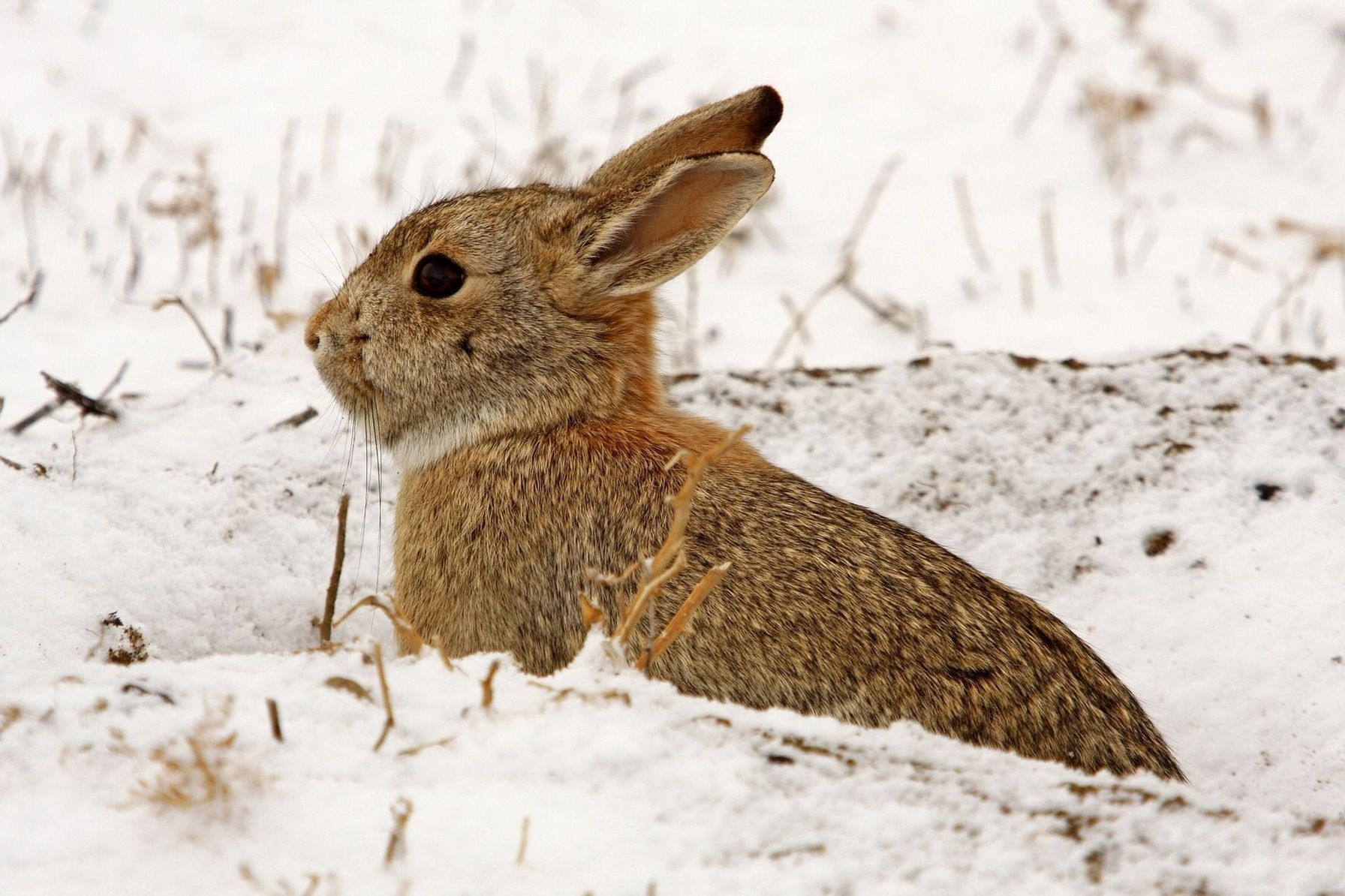
What to Consider When Hunting Rabbits
You might see rabbits out and about throughout the year. However, it's not always rabbit hunting season (depending on where you live), and there are better times of year for a successful hunt than others.
Here's what to consider when planning your hunt for these small creatures.
The Location
Finding a rabbit hotspot is fairly simple because they live and regularly breed in most parts of the world.
To locate a rabbit colony, search for places with good ground cover near areas with plentiful food, such as grass, soybeans, wheat, alfalfa, clover, broadleaf weeds, or garden crops.
The Solunar Calendar
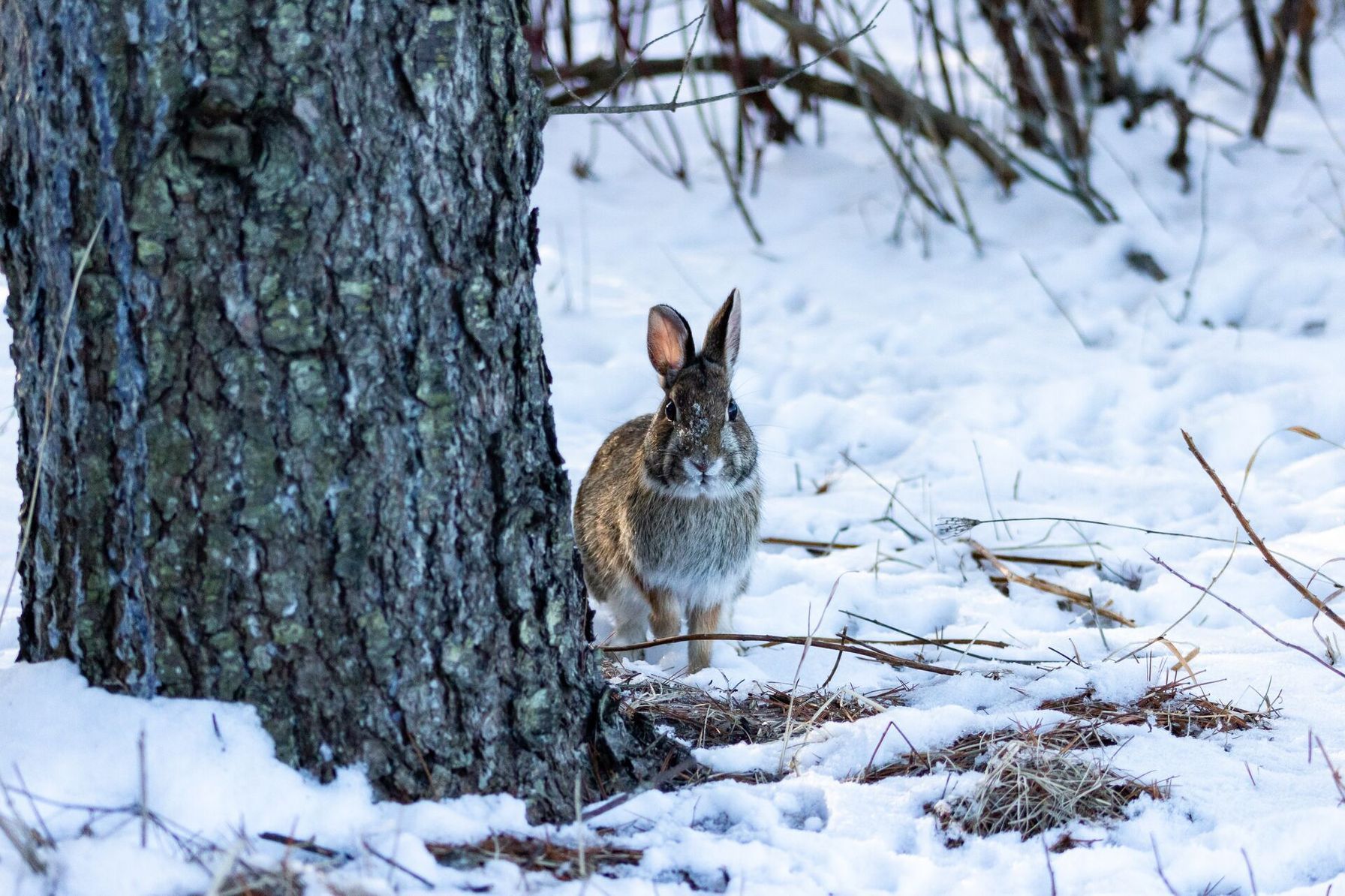
Do moon phases impact rabbit movements? In a way, yes.
Because rabbits are easy prey for animals like owls, hawks, eagles, falcons, and wild dogs, they tend to be less active during times when the moon is more full, providing light for predators to spot them easily. They're most active on nights without a full moon.
The Time of Year
Again, rabbit season typically runs from early November to late February. While rabbit hunting in fall may provide plentiful rabbits, many hunters wait until the first good snow cover, making it easier to follow their tracks.
If you don't have snow in your area, look for rabbit droppings and evidence of nibbling on vegetation near the ground.
The Time of Day
Rabbits are the most active at dawn and dusk. The low light just before morning and evening protects them from predators as they venture out in search of food.
However, if you're hunting with dogs, you can likely find rabbits throughout the day. Late afternoons can also be effective as rabbits begin to move again before evening, but visibility drops quickly. Your dogs will rustle them out of hiding for a fun chase.
The Temperature
Rabbits, like humans, don't like being cold and wet.
Because their fur doesn't provide much insulation when temperatures drop below freezing, you can likely find them taking shelter under bushes or in heavily wooded areas during the winter.
Barometric Pressure
Rabbit movement tends to parallel that of the whitetail. As the barometric pressure falls rapidly, signaling an oncoming cold front, rabbit movement decreases with it.
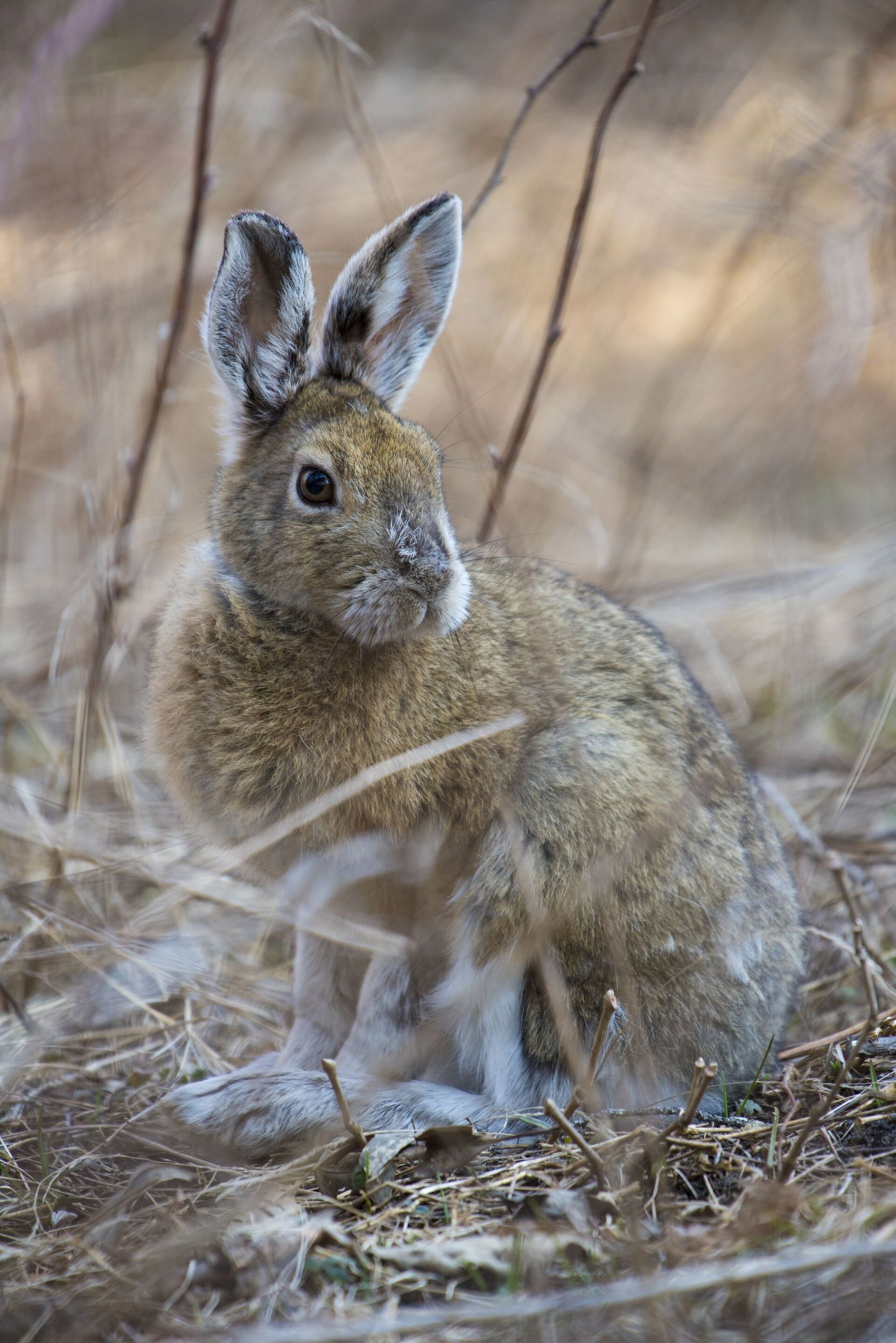
However, like whitetails, their activity increases before severe weather as they frantically search for food and shelter before the storm. Head out (safely) before a storm if you want to see plenty of rabbit activity.
General Weather Conditions
If you are looking for the perfect weather conditions to hunt rabbits, overcast skies and light fog or drizzle send rabbits wild as they hastily search for food so they can return to their safe hideouts before the weather takes a turn for the worst.
However, quickly declining temperatures, heavy rains, and high winds will send them scurrying to the safety of their dens.
The Wind
Wind can have a dramatic effect on the movement of rabbits.
While not ideal for rabbit hunting, strong winds force rabbits to seek shelter in ditches or under shrubs and bushes, making their location more predictable.
Key Strategies for Hunting Rabbits
When you’re on foot, focus on working the cover. Move slowly through thick areas such as briar patches, brush piles, fencerows, and the overgrown edges of fields.
Pause often. Rabbits rely on staying still, and a sudden stop can make them break cover and flush.
No matter the time of day, safety comes first. Always wear blaze orange, especially during low-light conditions in the morning or evening, to make sure you’re clearly visible to other hunters.
Patience, slow movement, and smart timing make all the difference when hunting rabbits.
Use HuntWise
HuntWise is the best tool to help you track rabbit movement patterns and target the best locations for a rabbit hunt! Just like you use it for deer and turkey hunts, HuntWise helps you plan around the weather, scout for rabbit hiding spots using the mapping features, and mark rabbit sign as you see it in the field.

HuntWise Helps You Target the Best Times for a Rabbit Hunt
While it might seem like you see rabbits outside all the time, when it's open season for these animals, and you have your air rifle in hand, it can seem like they disappear!
Take the guesswork out of filling your freezer with rabbit meat and creating memories with your kids as they learn to hunt. Use HuntWise to plan hunting times based on the app's real-time animal movement and wind algorithms. You can also mark maps in the app to note where you consistently see rabbit activity and the days and times you see them jumping about.
Download HuntWise today and give it a during rabbit season!
Content most recently reviewed and updated January 16, 2025.
Frequently Asked Questions (FAQs)
We have answers to the most asked questions about the best times to hunt rabbit!
Q: What time of day is best for rabbit hunting?
A: Early morning and late afternoon are the best times of day for rabbit hunting. Rabbits are most active then, and cooler temperatures help dogs track scent.
Q: What are the best months to hunt rabbits?
A: Late fall through winter months (November through February) are the best months to hunt rabbits. Cooler weather, thinner cover, and the legal season in most states make rabbits easier to find.
Q: What time of day are wild rabbits most active?
A: Rabbits are most active at dawn and dusk, when they leave cover to feed and move along edges.
Q: When not to hunt rabbits?
A: Times to avoid hunting rabbits include warm midday hours, especially early in the season, when rabbits stay tight in cover and dogs struggle with scent. Also, avoid hunting outside of legal seasons or during poor visibility without proper safety gear.


