

Many hunters are willing (and anxious) to travel to conquer game on their hunting bucket lists — but what about hunting closer to home? Chances are, hunting nearby is where you learned to hunt and hunt most often.
However, nearby hunting land isn’t always obvious. Whether you’ve overlooked some public land that’s great for hunting deer or turkey, or private landowners keep their hidden gem of hunting lands tucked away, the best place to hunt in your area can be elusive if you don’t know how to look for it.
So, how can you find “where to hunt near me?” Applying several strategies can help you plan and hunt the best land in your area.
Updated May 6, 2026
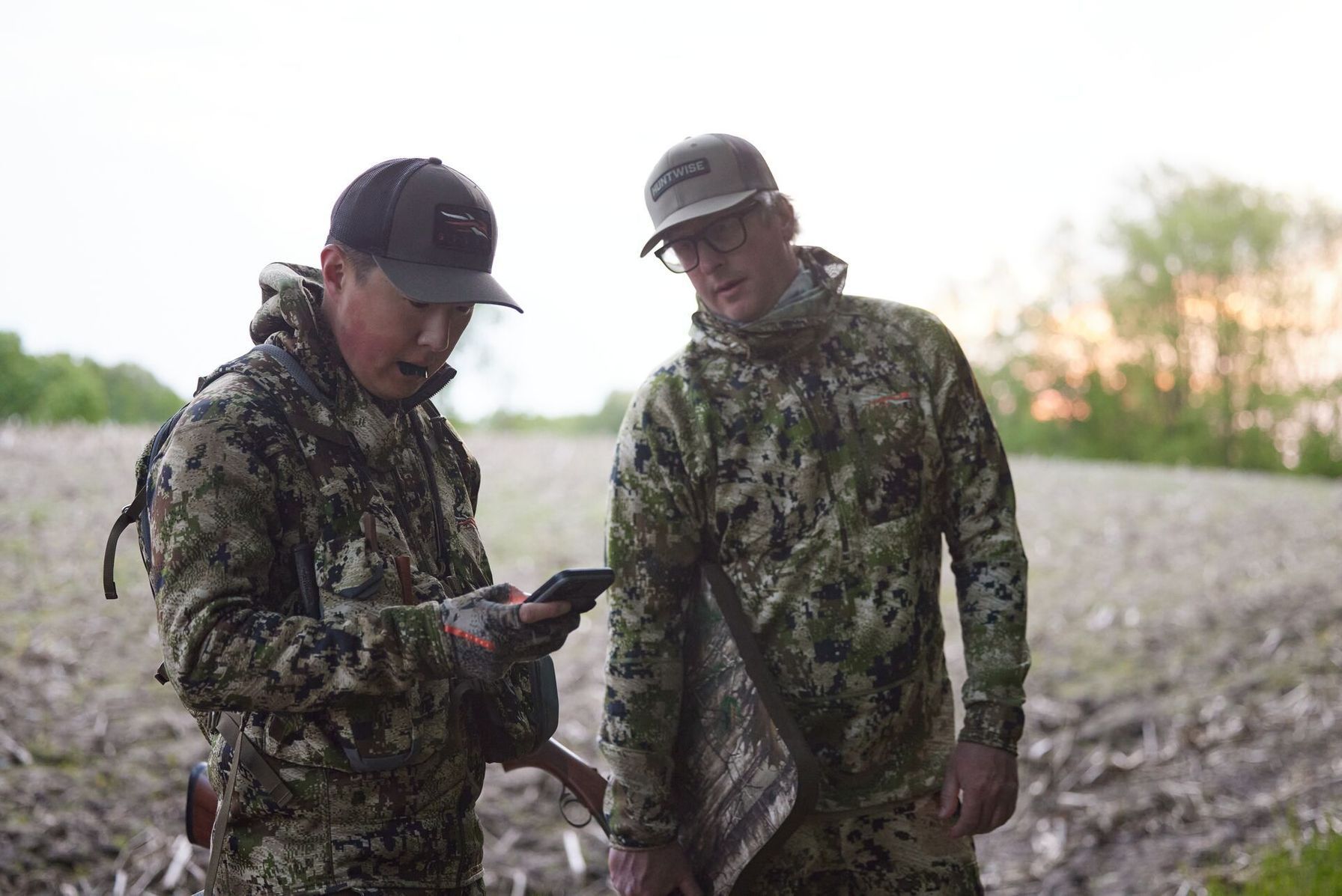
How to Find Where to Hunt Near Me
Where can I hunt near me? Let's break down two key steps to help you find those sweet spots of land nearby for better hunts!
1. Use HuntWise
We’ll start with what we know to be the best way to find hunting land, public or private. It’s not (entirely) because we’re biased toward our own app – our team and thousands of hunters use it and prefer it over other apps because it works.
How HuntWise Helps You Find “the” Best Hunting Spot
You can hunt successfully in lots of places, so maybe “the” best spot isn’t what you’re after.
However, if you have limited time to hunt or only get out for a few days each season, you want to optimize your time without wasting it in a location that doesn’t deliver any game within your rifle's sights.
Whether it’s “the” spot or you have several really excellent hunting areas to choose from (which is not a bad problem to have), HuntWise is the best resource to make sure you’re in a field that will deliver game.
Maps and Layers Help You Scout Year-Round
Avid hunters can often pick up and go directly to a great hunting spot when they have a free morning or Saturday to get in the field during the season. They’ve likely already used HuntWise and spent several seasons finding hunting land they return to every time.
However, if you’re not able to get out as often as you’d like, you’re new to hunting, or you’re trying to find better hunting locations closer to home, having an app for e-scouting becomes one of the most valuable tools in your gear bag.
E-scouting with HuntWise using the app's maps and map layers gives you the opportunity to look at land based on different terrain. You can see land using different layers of satellite imagery or topography maps to really get a lay of the land — anytime from your home. So, you can start narrowing down your search for “where to hunt near me” without ever leaving the couch.
Hunt Area and Custom Markers Help You Mark Your Spot
Finding some land in the app that looks like a good candidate for your next hunt? Use the Hunt Area and Custom Marker features to plot them in the app. You’ll know exactly where to go for in-person scouting.
You can use hundreds of unique markers to note different things about an area, including landmarks, structures, animal activity, and more. So, when it’s time to get off the couch and start exploring the land you’ve found nearby as potential places for your next hunt, the app offers plenty of customization to add detailed notes informing your day in the field.
Share Hunt Areas With Your Friends
Want to ask a buddy or a fellow hunter about a specific area? Share it with them through the app and get their thoughts.
They’ll see exactly what you marked (an exact copy) of the hunt area, so you can ask them how the land works for hunting and if it’s a good spot.
Contact Private Landowners
If your in-person scouting takes you to a privately owned piece of land, you’ll need permission to access it for scouting and hunting. It’s better to ask permission ahead of time than get caught on someone’s land without it!
HuntWise can help! The app provides access to publicly available landowner phone number information, and you can reach out to landowners through the app. Give them a call to discuss the possibility of hunting their land and start building a relationship that should benefit them while you bring home the game you’re after.
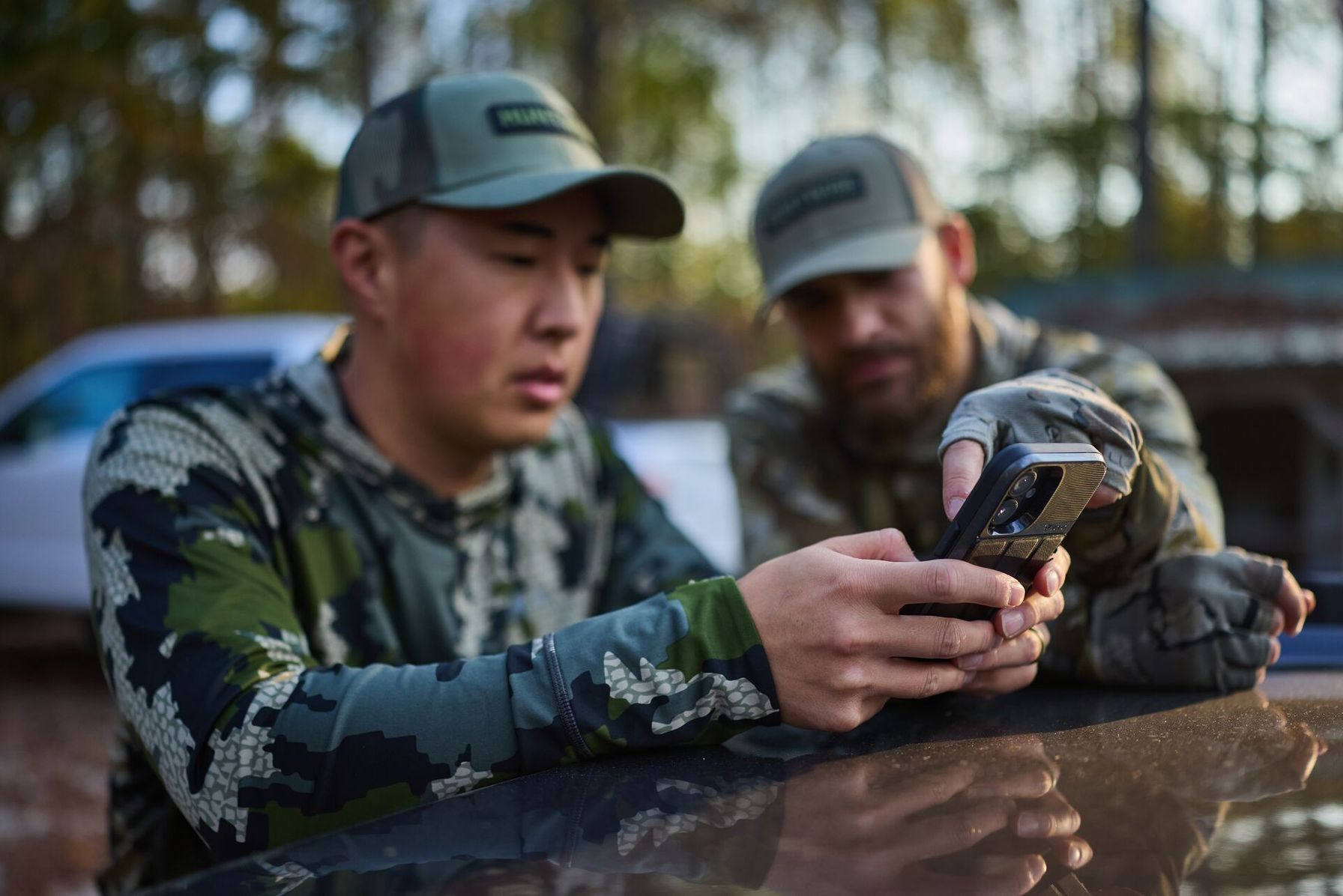
2. Connect Outside of the HuntWise App
Aside from everything HuntWise can do to help you find nearby land to hunt, experienced hunters know that finding that perfect spot (or even just a really, really good spot) requires more than relying on technology.
You have to get boots on the ground and talk to people.
Ask Other Hunters
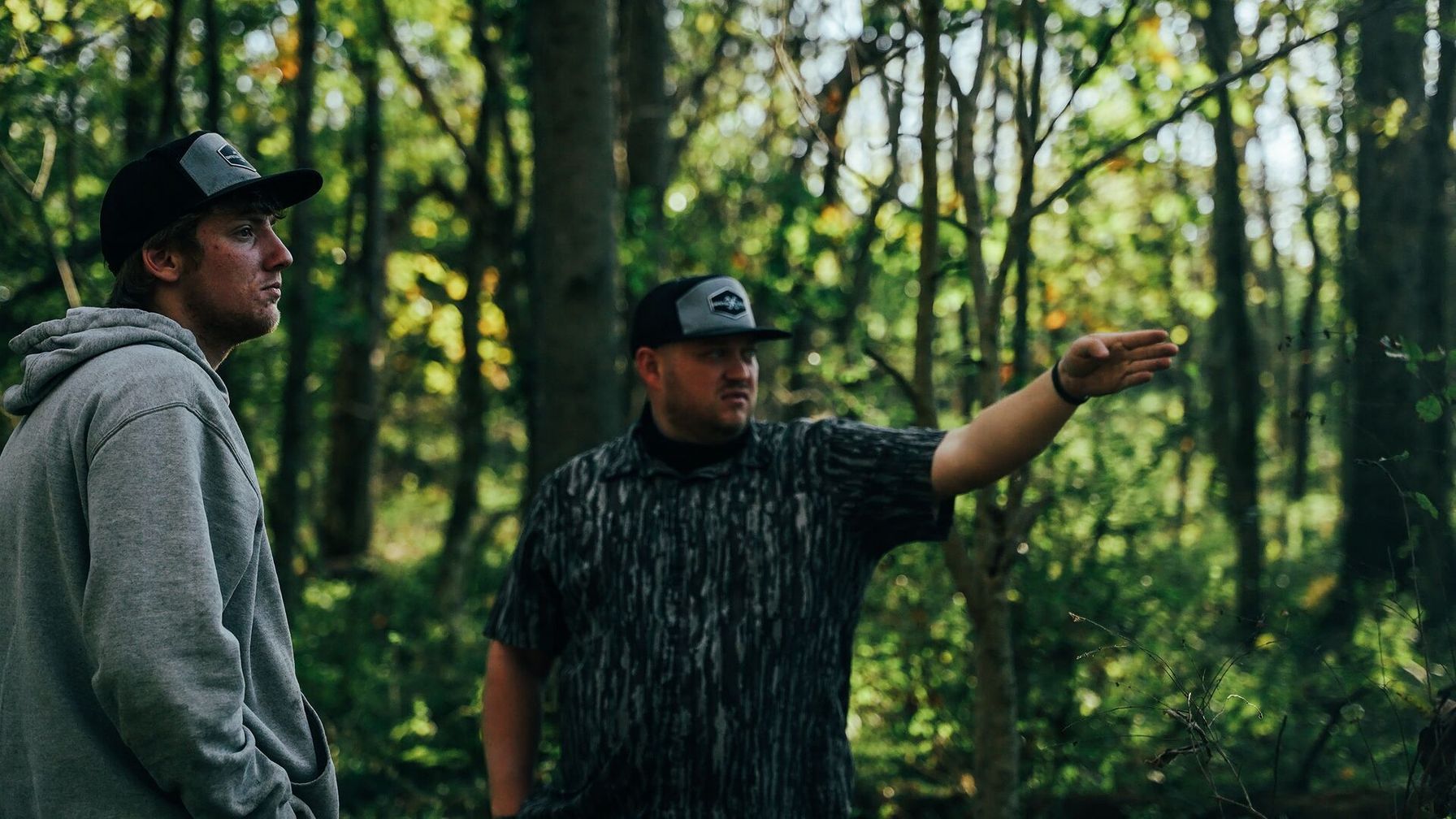
Do you have hunting buddies? Does your uncle hunt? Do you work with people who hunt?
At HuntWise, we do happen to work with a bunch of hunters — so it’s easy to ask each other about where they hunt.
However, if you know anyone who hunts, it can’t hurt to talk to them about where they hunt locally. You’ll find most hunters are happy to talk about something they love to do and are willing to talk about great places to hunt. They might even invite you to go to the deer lease with them next season.
Search State Websites
The websites of the organizations that govern hunting in your area can also be good resources when looking for land to hunt. For example, the Oregon Department of Fish and Wildlife offers a statewide hunting access map.
While you won’t be able to do much scouting through a state website, their listings of federal and state land or wildlife-managed land can give you some ideas to look into using your HuntWise app. You can also ask others if they’ve hunted any of the areas on these sites that are near you.
Connect With Local Hunting Groups
Whether it’s a hunting club or a shooting or archery club, you can probably find some local groups that either focus on hunting or include some hunters. Connecting with other hunters locally can be a good source of information — not only about where to hunt but when to go and how to hunt more successfully.
Use Social Media
If showing up cold turkey to a local hunting group isn’t your style, start online. You can probably find at least a few Facebook groups for hunting in your area.
Join a group or two, scroll through old posts, and post questions in the group to learn about hunting in your area.
HuntWise users have access to our HuntWise Community, where hunters share stories, tips, and more. It’s an excellent resource that comes with your app subscription.
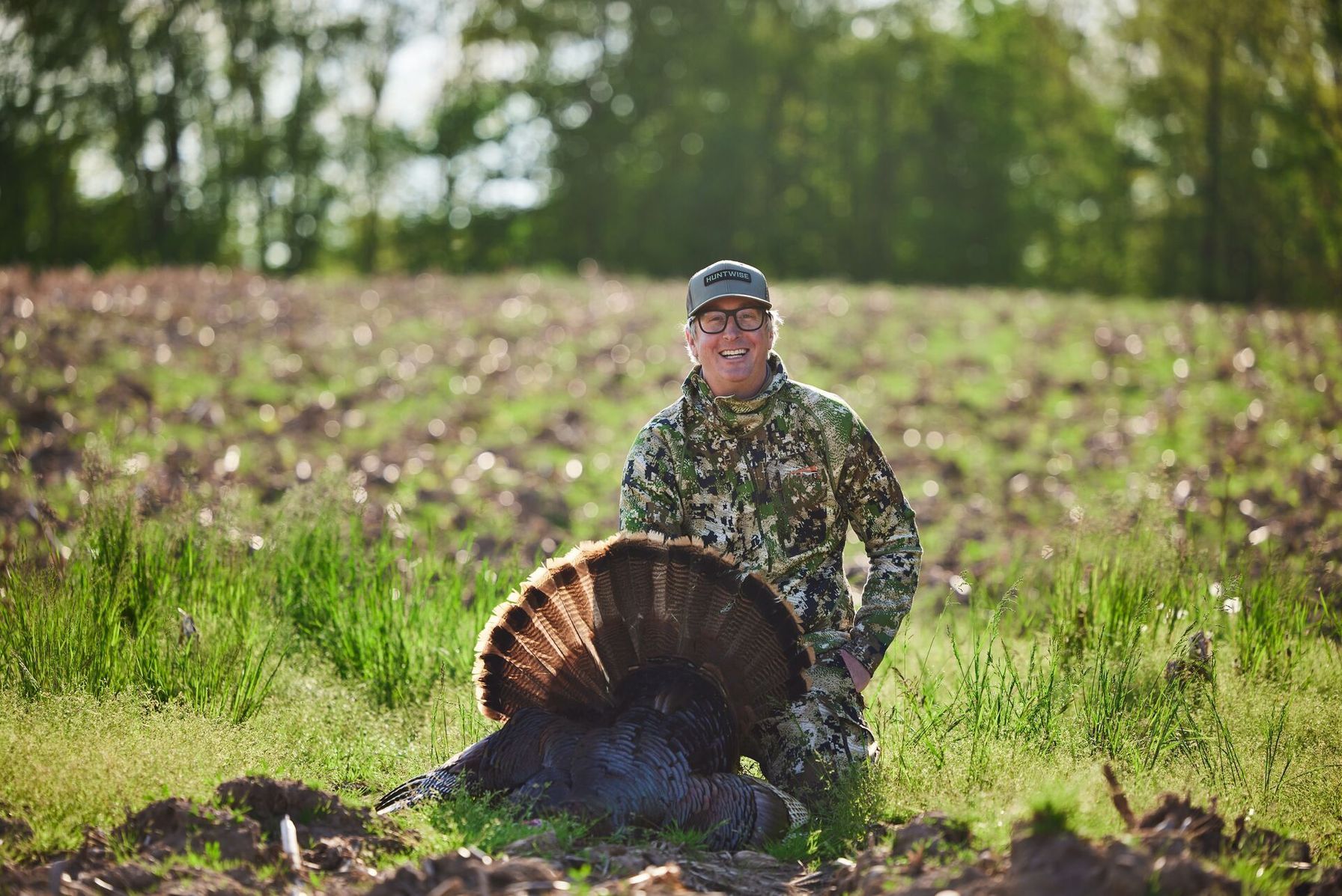
Where Can I Hunt Near Me? Use HuntWise to Find Out!
You might be surprised at just how close you are to some great hunting land. Whether it’s public or private land, using the right tools, exploring, and talking to people can help you land that big buck on your hunting bucket list!
If you don’t have HuntWise yet, it’s time to give it a try — and it’s completely free to use and test out all of the features (including everything we highlighted today) during your first week. It’s the best all-in-one app for finding information about hunting seasons and regulations, identifying land to hunt, marking animal activity, and planning hunts based on wind and real-time animal movements.
Download HuntWise and start hunting for nearby hunting land today. We’ll give you free access to Pro and Elite features for a week!
Content most recently reviewed and updated May 6, 2026.
Frequently Asked Questions About Where Can I Hunt Near Me
Q: How to find public hunting areas?
A: The best starting point to find public hunting areas is your state's fish and wildlife agency website, which typically has interactive maps showing all public hunting lands, including state forests, wildlife management areas, and game lands. Apps like HuntWise also display public land boundaries with GPS accuracy. The U.S. Forest Service and Bureau of Land Management (BLM) websites also list millions of acres of federally managed land open to hunting.
Q: How do I find private land to hunt?
A: The most effective approach is simply knocking on doors and introducing yourself politely to landowners, as many are open to granting permission when asked respectfully in person. You can also use tools like HuntWise, which show parcel ownership data so you know exactly whose land you're approaching. Some states also have formal landowner access programs that connect hunters with willing private landowners, often in exchange for helping with land stewardship tasks.
Q: Can deer hear human voices?
A: Yes, deer have excellent hearing and can detect human voices, though they respond more to unnatural sounds and tones than to the specific nature of the sound. Deer are particularly alert to sounds that are inconsistent with their environment, and a human voice in the woods will almost certainly put them on high alert. When you find a spot to hunt, keep conversation minimal and speak in low whispers, if at all.
Q: What is the best way to find hunting land?
A: Combining digital tools with personal outreach gives you the best results for finding hunting land. Use mapping apps like HuntWise to identify both public and private parcels, then follow up with landowner contact where needed. Networking with local hunting clubs, feed stores, and sporting goods shops can also open doors to private land opportunities through word of mouth. Diversifying between public land research and building relationships with private landowners gives you the most access over time.
Q: What is the 7 day rule for deer?
A: The 7 day rule is a scouting strategy that suggests you should not enter or disturb a deer's core area within 7 days of a planned hunt to avoid alerting them to human presence. The idea is that it takes approximately a week for deer to settle back into their natural routines after detecting human scent or disturbance. Many experienced hunters use this rule, especially during the rut and late season, when mature bucks are particularly sensitive to hunting pressure.


