

Food plotting is a great way to maintain healthy deer populations, rack growth, and overall herd resilience. With strategic food plots, hunters can support local deer populations during seasonal shortages. Here's a close look at the science behind antler growth, how to build the best spring food plot for antler growth, and some tips to help you get started on food plotting.

5 Top Spring Food Plot Varieties for Antler Growth
When providing a food plot, consider the natural availability of forage and its nutrient density. Food plotting serves as a supplement, never a replacement. Seasonality is important, as is consideration of what is already in the local environment.
With variety, you can make your plot popular among wandering bucks. Here are five food sources to consider.
|

Best Spring Food Plot Varieties for Antler Growth |
| --- | | #### 1. Clover: The King of Spring Plots
Clover is hard to beat for green, high-protein spring deer feed. Many nutrient-rich clover varieties provide high protein levels (25–30%)—deer love to munch on them.
Clover crops are low-maintenance and highly durable; perennials such as Ladino and White Dutch last up to five years. Clover is highly digestible, browse-tolerant, and works well with other crops. It will keep running into the winter months. |

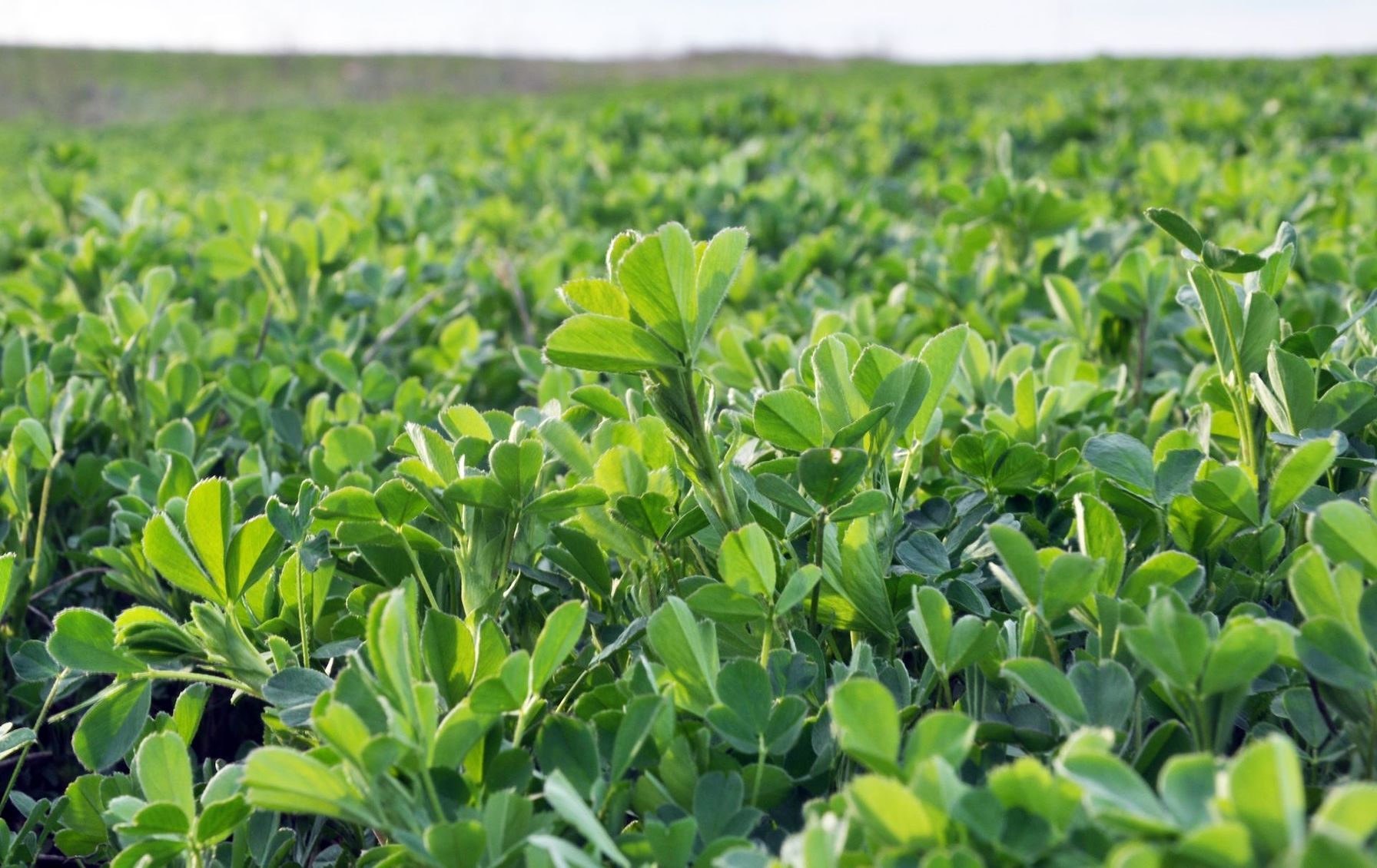
| | #### 2. Alfalfa: High Output, High Reward
Alfalfa is also resilient and provides up to 30% protein. It's a long-term planting option with deep taproots, making it drought- and flood-resistant. It produces heavy tonnage and plants well with nurse crops such as oats.
You'll need to do pH testing and some soil prep by using lime, fertilizer, or firming up the seedbed. Alfalfa grows especially well in soil that has already experienced a couple of seasons of rotational planting.
It can last around five seasons, and if you're willing to put in the time and effort, alfalfa can pay great dividends come hunting season. |
| | #### 3. Soybeans: The Summer Protein Engine
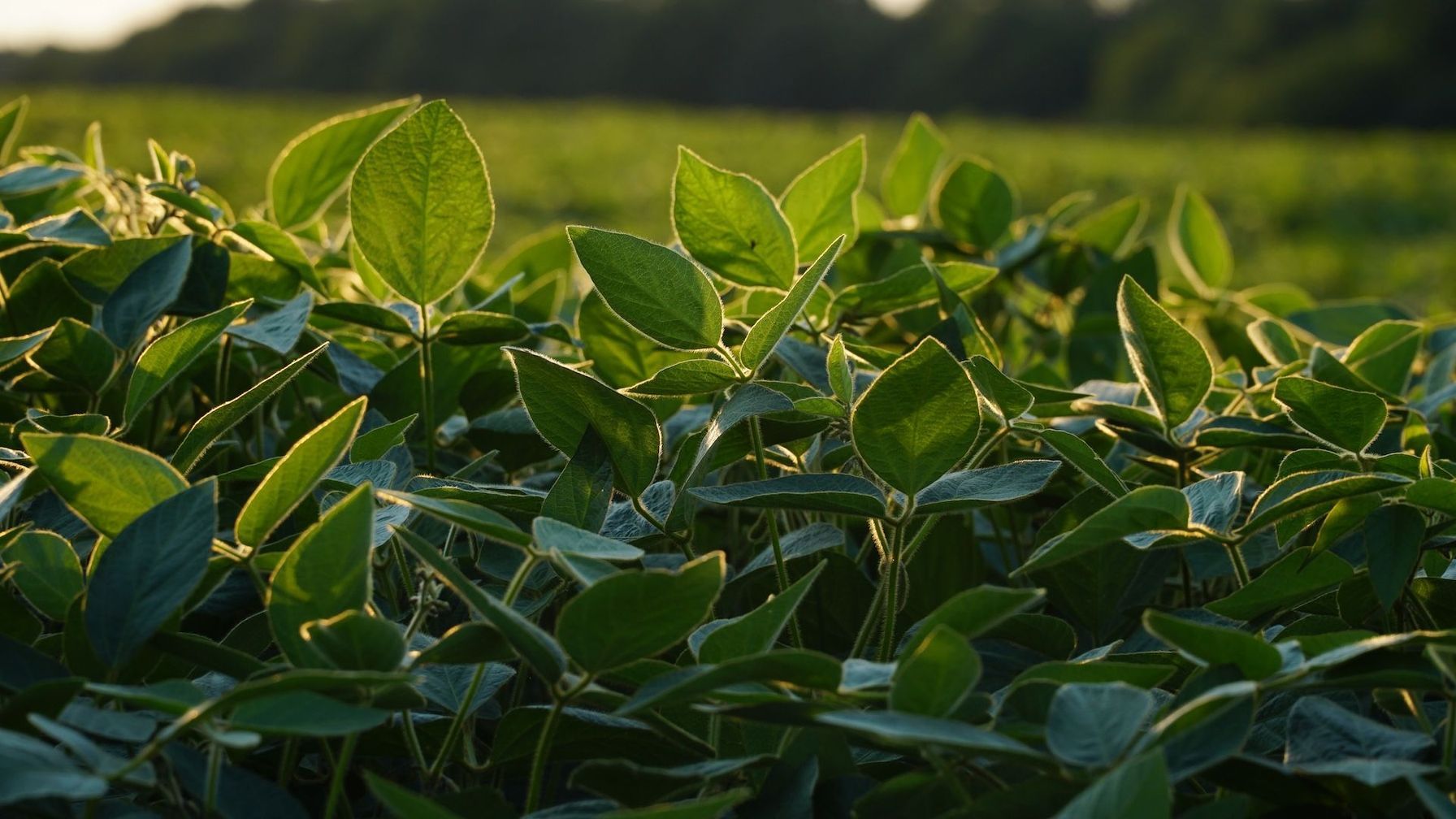
Soybeans are a protein powerhouse and utterly irresistible to deer. They're ideal for sustained antler growth throughout the summer.
Soybeans are popular, but if you plant them in zones with limited crops or in small plots, deer may overbrowse. Forage soybean for deer work best in properties with enough acreage to support pressure. |
| | #### 4. Chicory: The Mineral Miner
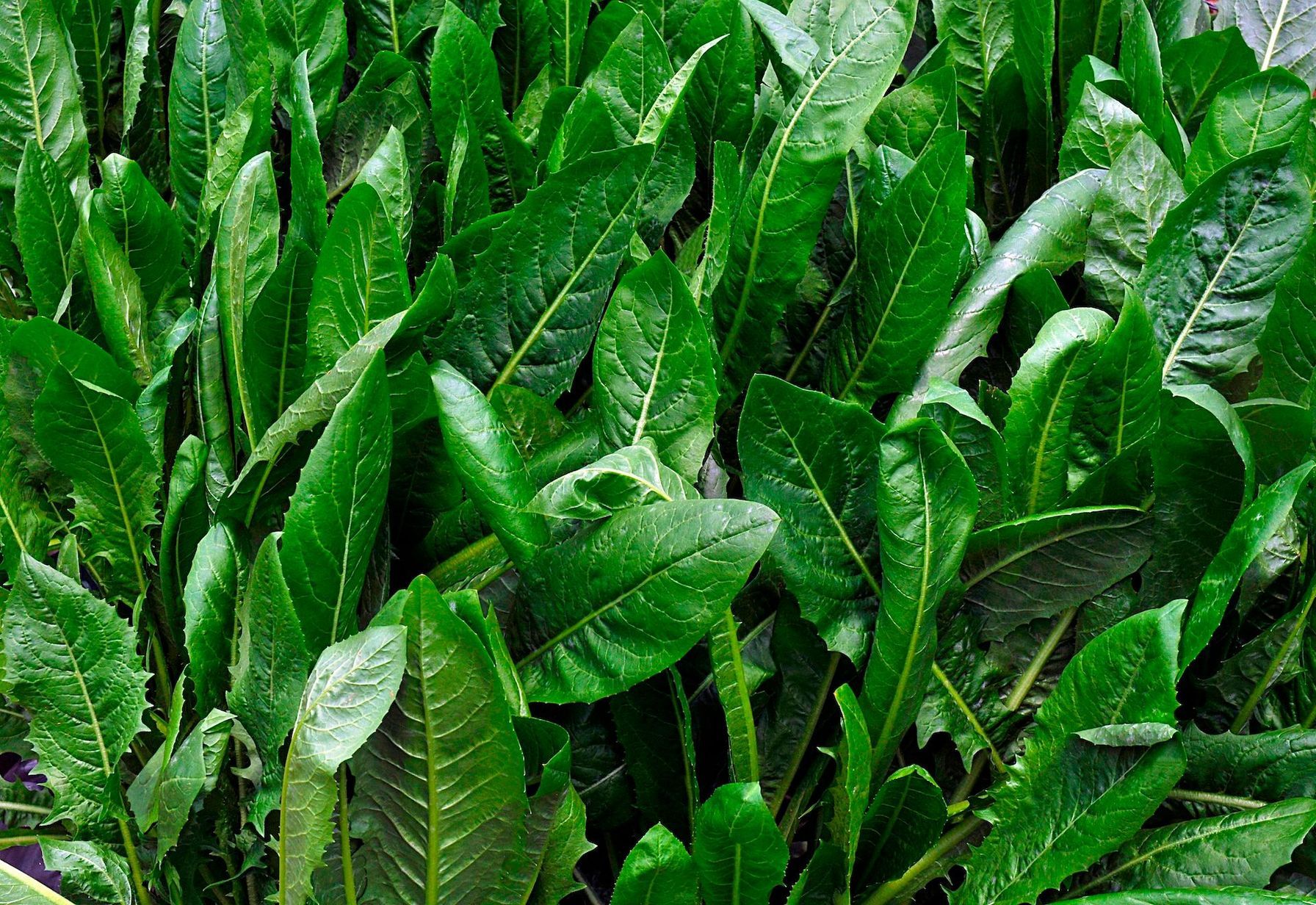
Chicory has deep roots that can pull nutrients up, and it's highly tolerant of acidic soils. It's drought-resistant and can continue producing during the mid-summer slump. Chicory leaves contain up to 30% protein and, when mixed with clover, they can be a powerful fuel for antler development.
If you want to add resilience and mineral diversity to your food plot, chicory is a great choice. |
| | #### 5. Spring Peas: Fast-Start Option
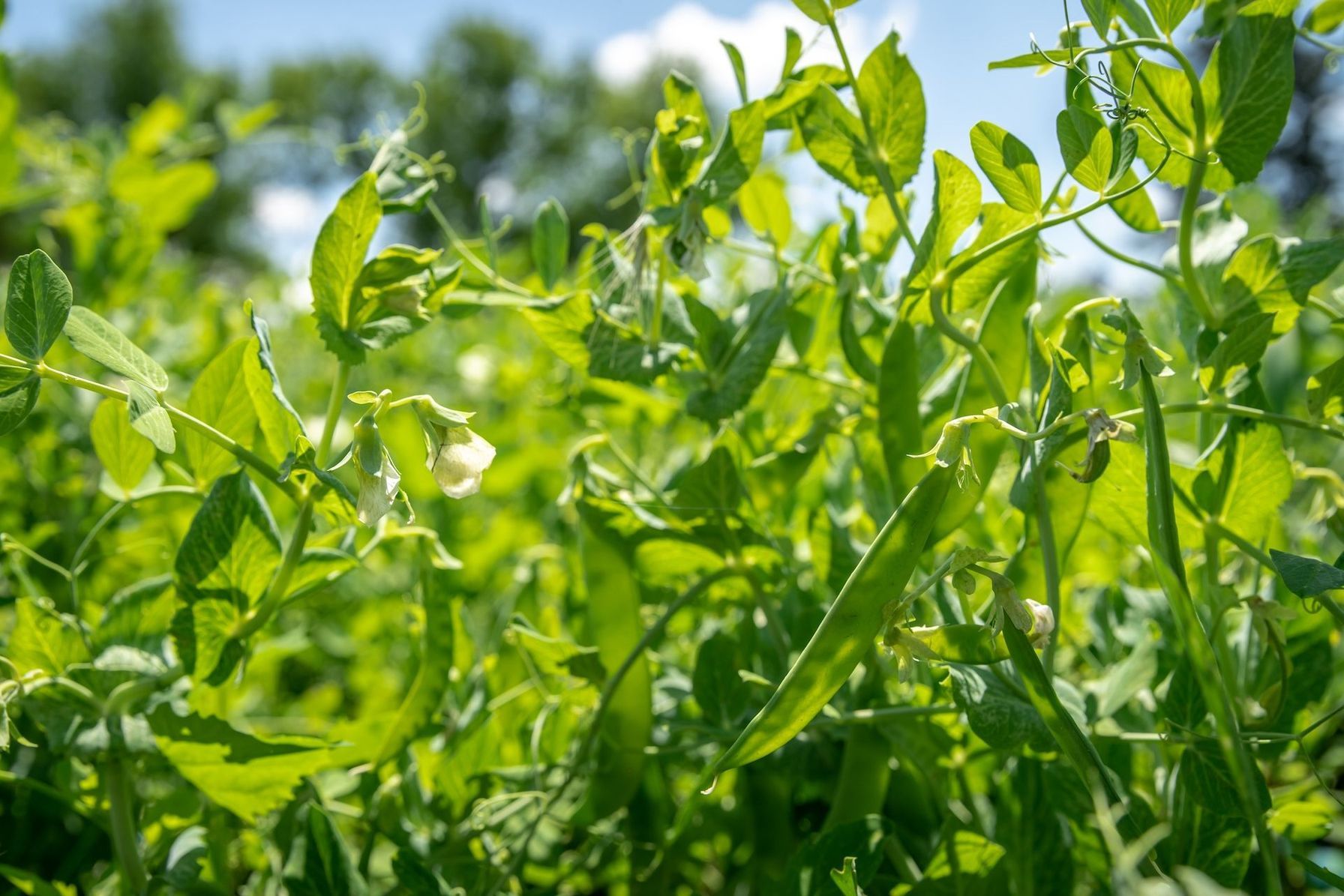
Peas are protein-rich, irresistible to deer, and highly browse- and drought-tolerant. Spring peas are vulnerable to overgrazing and may need extra care during early growth stages. They're ideal for larger plots or protected planting. |
|
What Is the Best Spring Food Plot for Antler Growth?
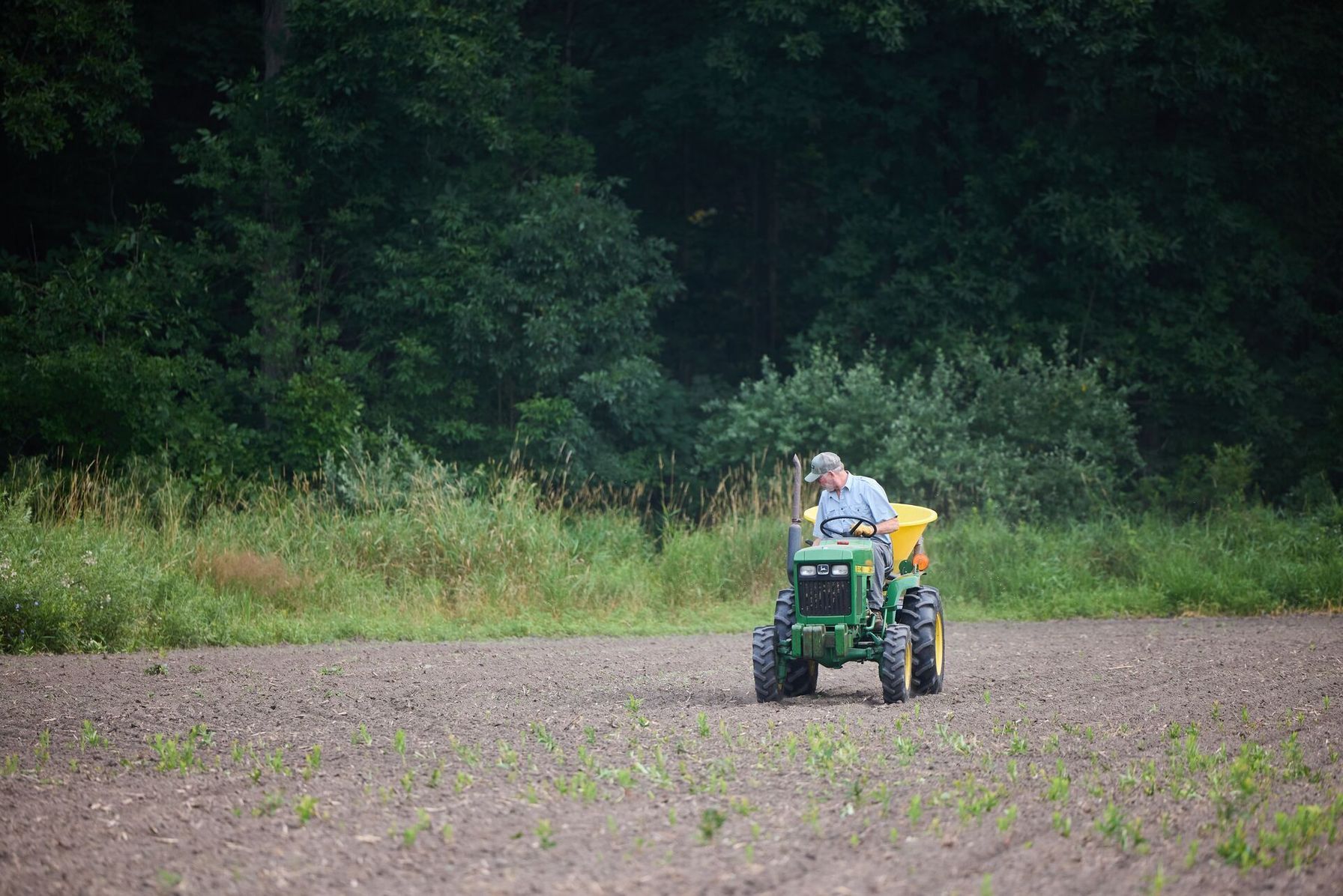
When planning your plot mix, consider crop longevity, resistance to pressure, manageability, and the balance between nitrogen and carbon in the soil. Generally, I also like the mix to be inexpensive and to help reduce weed spread.
While there's a lot to think about, the insights below can help you get started, regardless of the plot size you'd like to manage.
|
What to Plant for Various Food Plot Sizes |
| --- | | Small Plot (Under One Acre) | For a small plot, opt for a clover-chicory blend. This mix will provide year-round cover, a high-protein food source for deer, and drought resistance. | | Medium Plot (1–3 Acres) | Follow the same strategy as above, but consider mixing in some reliable oats or wheat as a nurse crop. These crops help establish the early-stage growth of legumes and chicory. | | Large Plot (3+ Acres) | Row crops such as soybeans are irresistible to deer. With a clover/chicory perimeter for diversity and to spread out feeding pressure, you'll be onto a winning setup. |
Strategic Tips for Food Plot Success
Well-planted, versatile, and protein-rich food sources are key to keeping your deer conditioned and healthy during the antler-growth period. Whether you've got a small space or are looking to build out a more extensive plot, these tips will keep the deer coming back.
Soil Testing is Critical
Soil testing is essential to optimize growth and yield. Ideally, target a pH of 6.0–7.0 (towards 7.0 is ideal). Without the right pH level, plants will not absorb nutrients, and if your soil is already high in certain nutrients, you won't need to pay for costly fertilizers. It all starts in the soil, and healthier soil means better plant quality, a better year, and stronger antlers.
Use Companion and Nurse Crops
Companion crops, also known as nurse crops, are crops planted with another crop to encourage growth or provide protection. For example, a farmer may plant beans with wheat, as beans help fix nitrogen in the soil, which strengthens wheat growth.
For your food plot, a classic combination of clover or alfalfa with oats or wheat will help with weed suppression, immediate forage, and stronger perennial establishment. Consider taking a diverse approach to achieve the best spring food plot for antler growth.
Manage Browse Pressure
Smaller plots of less than an acre are at higher risk of browse pressure, and ungerminated or poorly planted seeds may be eaten by pests, wiping out your entire crop.
Early-growth soybeans and peas are especially appealing to deer. Plot protectors, such as temporary fencing, can help keep deer out while crops develop. Strategic plantings, such as clover and alfalfa, can divert deer from your main food plot until it's ready.
Diversity Wins
Diverse planting, such as a mix of legumes and chicory, is great for soil health and fertility. A blended approach helps extend the nutrition window, is more drought-resistant, and improves mineral availability.
With this combination, you can help maintain the deer herd during the summer stress.
Common Mistakes to Avoid
Mistakes can leave you with a food plot that doesn't help you or the deer in your area. Avoid the following mistakes to make sure your plant selection and hard work aren't wasted!
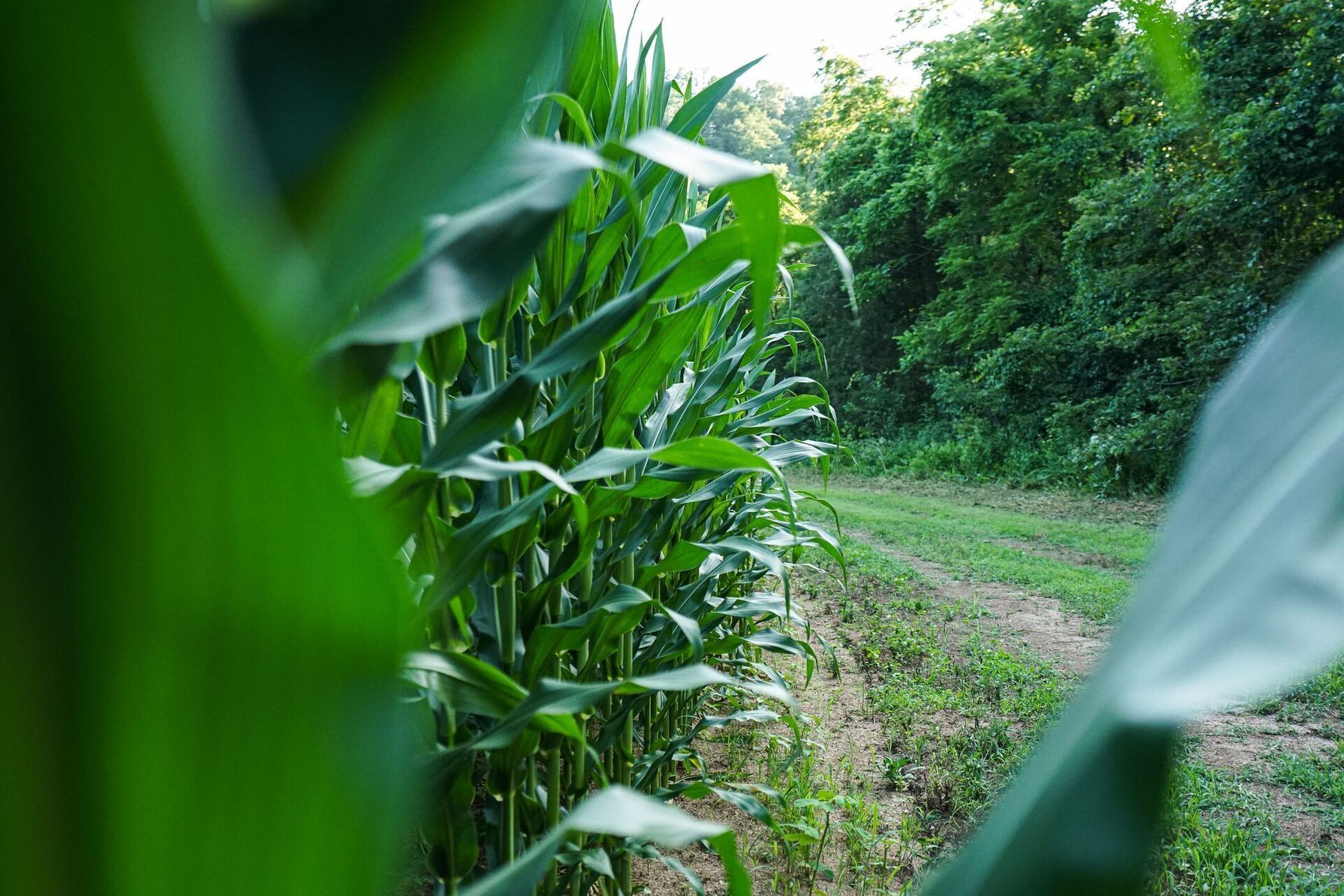
- Not choosing the right location is one of the top mistakes in plot planning. Your food plot must be in an area that gets adequate moisture and sunlight. Consider the availability of nearby food and the impact of extreme heat on your intended zone. In areas prone to drought, focus on drought-resistant crops to maintain year-round appeal.
- Consider animal access, including nearby trails, and whether you will be shooting over the food plot. To help with this, jump on the HuntWise app for a bird's-eye view, leverage LiDAR to check for nearby bedding areas, and determine what would make a good hunting environment. A 3D land model will also reveal runoff areas and help you monitor erosion.
- To avoid soil health issues in your plot, conduct a soil test. This analysis will help you assess acidity (pH) and nutrient levels, ensure soil longevity, and promote growth.
- Misjudging the size of your plot and what you should plant. Closely match the plant to the size and zone. For example, beans require a larger plot to develop properly. Include diversity in this mix for maximum growth and nurse cropping, and always test and retest your soil every year.
A successful food plot is a bit more complicated than clearing some land and throwing down some seed. Location, access, good soil, and the right plant-to-size ratio are critical!
Why Spring Food Plots Matter
Dietary mineral balance is essential for antler growth and density, as essential compounds such as copper and zinc support rack development. Along with age and genetics, nutrition is critical to the growth of antlers—especially during antler genesis, a post-winter period in which male deer begin regrowing their antlers. During this time, deer recover from winter bodyweight loss as their antlers grow.
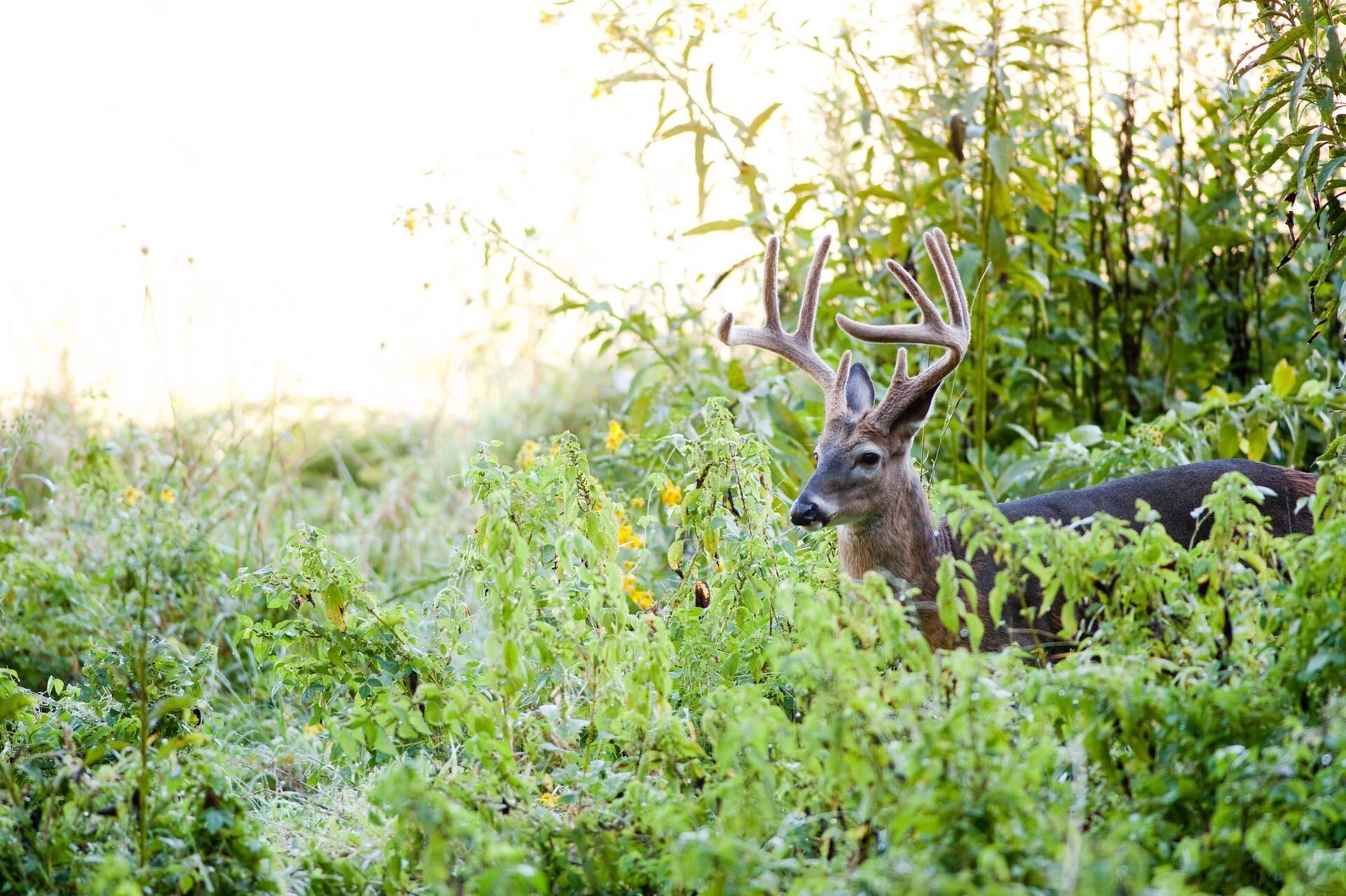
These processes require substantial minerals and nutrients; deer at this stage need 6–8% of their body weight in browse and green forage. Bucks require high-protein deer feed and minerals after winter, but protein in natural forage is often insufficient for antler growth.
High protein deer food plots with the right minerals can improve antler growth, thickness, and overall structure.
The Science Behind Antler Growth
Antlers grow from permanent bumps on the deer's head known as pedicles. They're composed of protein, calcium, and phosphorus, very similar to the composition of skeletal bone. The right calcium-to-phosphorus ratio is essential, as calcium helps develop bone hardness and phosphorus helps mineralize bone tissue.
Deer need adequate protein and minerals during the early stages of antler growth, which determine antler shape and structure. They require 20–30% protein or more during the rapid growth phase, especially during periods of rapid development and immediate post-winter depletion.
Providing the right nutrition in spring jumpstarts these physiological processes and ensures sufficient mineral synthesis, which is critical for strong, healthy antlers. In other words, antlers "start in the soil" with quality nutrition.
Use HuntWise to Place and Plan Clover Food Plots for Deer This Season
Spring nutrition is the key to antler growth and strong conditioning of the deer herd. Winter pressure, spring antler growth, and summer stress call for a protein-rich diet with essential vitamins and minerals.
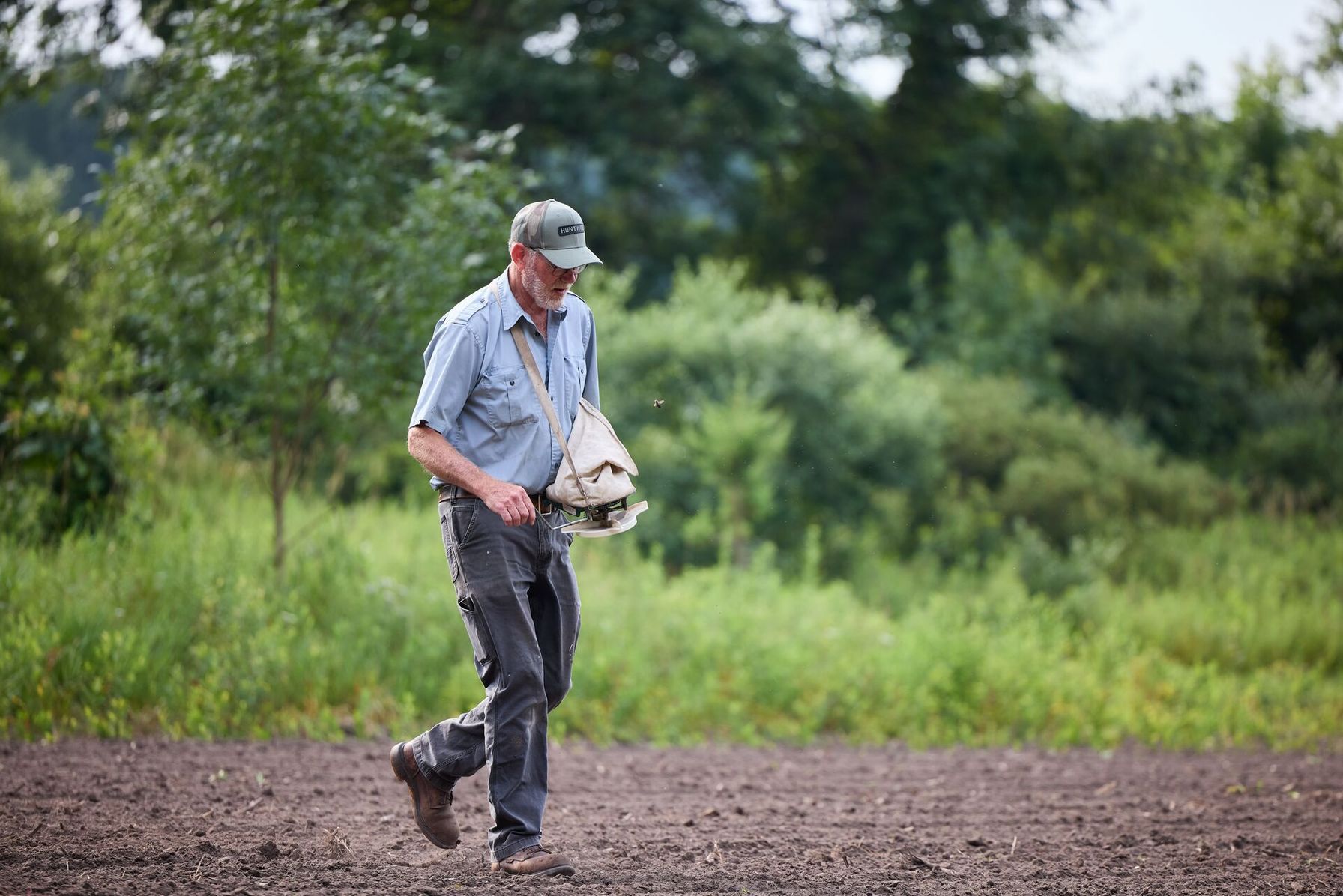
Your food plot can help deliver antler growth while attracting deer to your property. By using the HuntWise mapping feature, you can build the ultimate plot of any size. With soil testing, plant diversity, and consistency, you'll be on your way to building an attractive, bioavailable food plot for deer.
Download HuntWise and try Pro and Elite features free during your first week! Use it to plant your food plots this season.
Frequently Asked Questions
Q: What is the best food plot for deer in spring?
A: A mix of fast-growing, high-protein forages works best for spring deer food plots. Popular choices include clover, alfalfa, and chicory. Many hunters also plant blends with oats or peas for quick early growth.
Q: What is the best thing to feed deer for antler growth?
A: For antler growth, deer need a diet rich in protein, minerals, and energy. Natural forage is best, and minerals—especially calcium and phosphorus—are also essential, along with access to clean water.
Q: What plants are good for antler growth?
A: Plants high in protein and digestibility are ideal for antler growth. Top options include clover, alfalfa, soybeans, chicory, and peas.
Best Spring Food Plot Varieties for Antler Growth | |
|---|---|
1. Clover: The King of Spring PlotsClover is hard to beat for green, high-protein spring deer feed. Many nutrient-rich clover varieties provide high protein levels (25–30%)—deer love to munch on them. Clover crops are low-maintenance and highly durable; perennials such as Ladino and White Dutch last up to five years. Clover is highly digestible, browse-tolerant, and works well with other crops. It will keep running into the winter months. | |
2. Alfalfa: High Output, High RewardAlfalfa is also resilient and provides up to 30% protein. It's a long-term planting option with deep taproots, making it drought- and flood-resistant. It produces heavy tonnage and plants well with nurse crops such as oats. You'll need to do pH testing and some soil prep by using lime, fertilizer, or firming up the seedbed. Alfalfa grows especially well in soil that has already experienced a couple of seasons of rotational planting. It can last around five seasons, and if you're willing to put in the time and effort, alfalfa can pay great dividends come hunting season. | |
3. Soybeans: The Summer Protein EngineSoybeans are a protein powerhouse and utterly irresistible to deer. They're ideal for sustained antler growth throughout the summer. Soybeans are popular, but if you plant them in zones with limited crops or in small plots, deer may overbrowse. Forage soybean for deer work best in properties with enough acreage to support pressure. | |
4. Chicory: The Mineral MinerChicory has deep roots that can pull nutrients up, and it's highly tolerant of acidic soils. It's drought-resistant and can continue producing during the mid-summer slump. Chicory leaves contain up to 30% protein and, when mixed with clover, they can be a powerful fuel for antler development. If you want to add resilience and mineral diversity to your food plot, chicory is a great choice. | |
5. Spring Peas: Fast-Start OptionPeas are protein-rich, irresistible to deer, and highly browse- and drought-tolerant. Spring peas are vulnerable to overgrazing and may need extra care during early growth stages. They're ideal for larger plots or protected planting. | |
What to Plant for Various Food Plot Sizes | |
|---|---|
| Small Plot (Under One Acre) | For a small plot, opt for a clover-chicory blend. This mix will provide year-round cover, a high-protein food source for deer, and drought resistance. |
| Medium Plot (1–3 Acres) | Follow the same strategy as above, but consider mixing in some reliable oats or wheat as a nurse crop. These crops help establish the early-stage growth of legumes and chicory. |
| Large Plot (3+ Acres) | Row crops such as soybeans are irresistible to deer. With a clover/chicory perimeter for diversity and to spread out feeding pressure, you'll be onto a winning setup. |


