

Let's take a look at some critical strategies you can add to your rifle care routine to ensure optimal shooting and storage, whether it's a brand-new firearm or a trusty standby.
From the HuntWise Field Guide+ series Rifles 101: Rifle Hunting Basics
What Should I Do With My Rifle After Hunting Season?
To start, unload the rifle and double-, triple-, and quadruple-check the chamber and magazine. Assume any rifle is loaded until proven otherwise.
Give the rifle a good cleaning (more on this below) and oil the metal parts to remove fouling and stop corrosion. Next, give the firearm a once-over, checking for damage and wear in target areas, including the barrel, stock, scope, mounts, and screws. Once you're happy with the rifle's condition, remove any optics and batteries and store them separately.
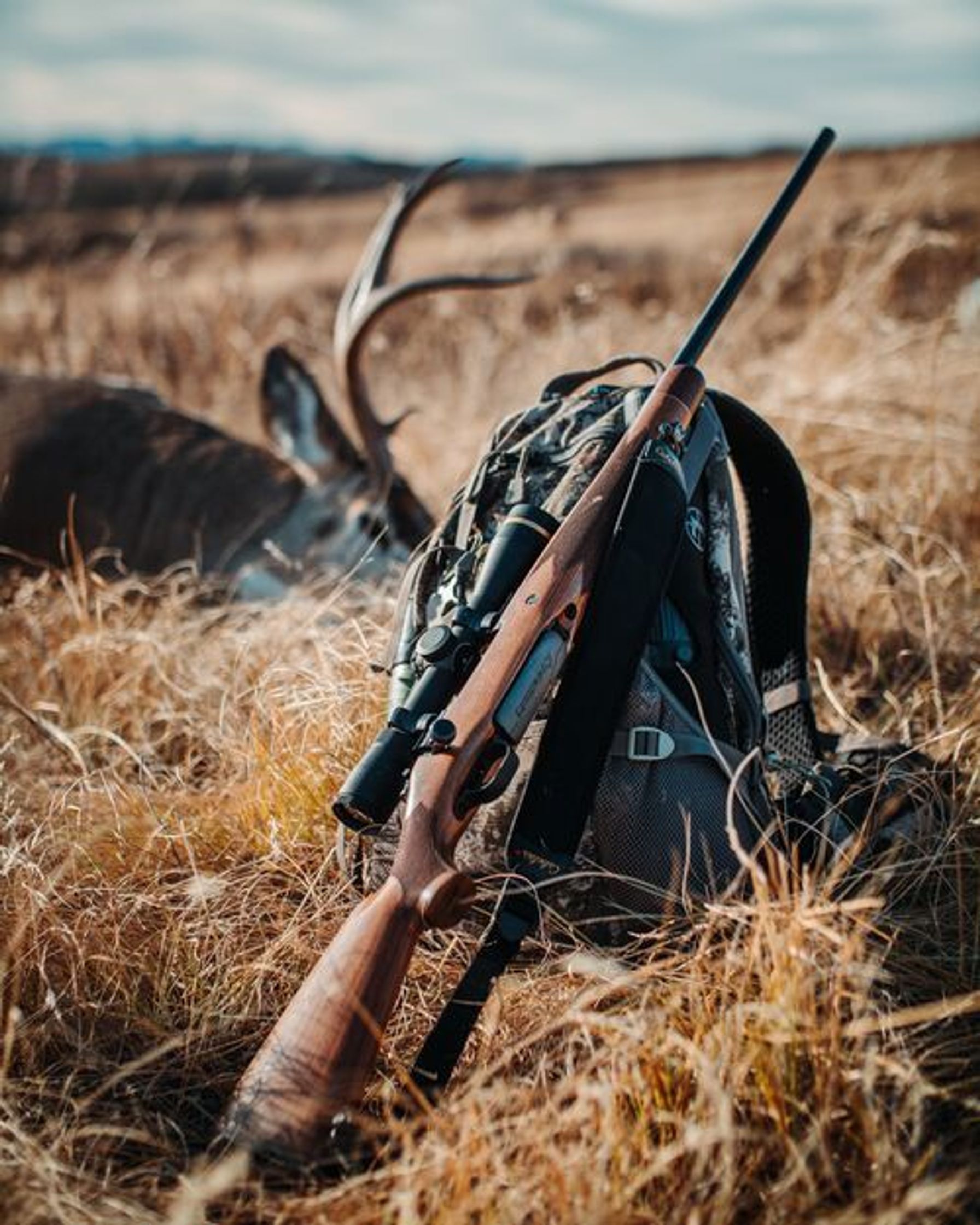
Always store an unloaded gun in a secure, locked box separate from the ammunition. Record any repairs or parts you'll need for next season, and follow any additional manufacturer rifle storage tips. Book an appointment with a gunsmith or order parts if necessary.
How Do You Clean a Hunting Rifle?
Never work on a loaded rifle: open the action, remove the bolt and magazine, or drop the floorplate to ensure the gun is fully unloaded and safe before cleaning. You may need to double-check the manufacturer's instructions. Avoid forcing any parts, as cleaning approaches may vary by firearm type (e.g., lever-action, bolt-action, or muzzleloader).
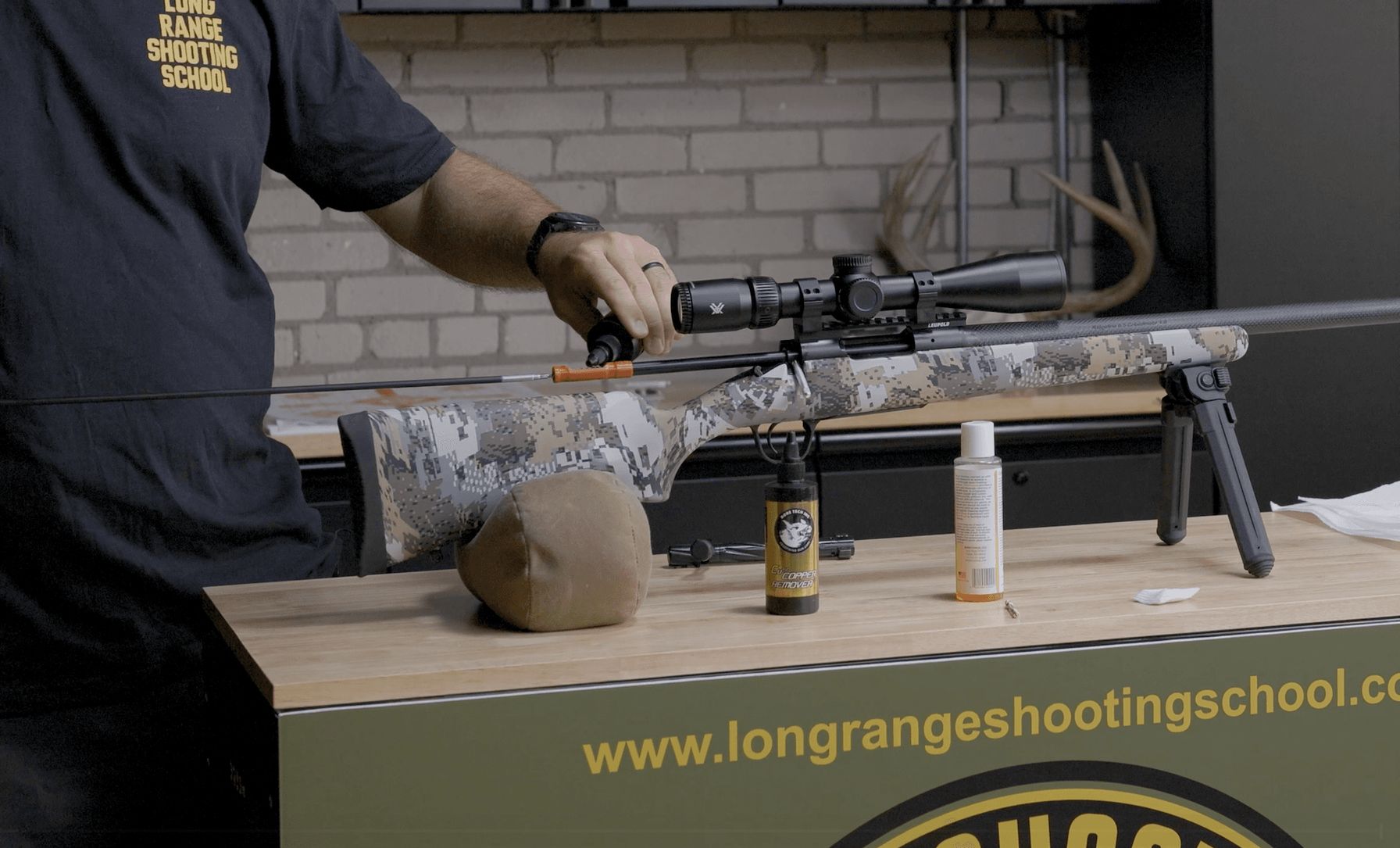
Always point the muzzle in a safe direction and rest the rifle on a cradle or well-structured support to help keep it in place while you clean it. Tilt the muzzle end slightly lower than the breech to prevent solvent or other liquids from flowing back into the receiver. Wipe the rifle's exterior surfaces with a clean cloth to remove dirt and moisture, and use a second wipe with a touch of gun oil if necessary.
Next, run a bore brush attached to a brass jag and solvent through the barrel to loosen fouling, then run patches until they come out clean (you may need to cut them to size). Expect some resistance as they pass down the bore, but do not force them through. If your firearm's manual recommends a light preservative, lubricate the moving parts, run a patch down the bore, and do a final wipe-down to remove any solvent.
To finish, reassemble, function-check (without live ammo), and wipe the exterior with a lightly oiled cloth to protect the finish. Your firearm should now be ready for long term rifle storage. Generally, the best gun maintenance tips involve following the manufacturer's guidelines and using high-quality cleaning products.
How Often Should You Clean a Hunting Rifle?
Your cleaning frequency may vary depending on whether the gun has been exposed to rain, snow, or debris. After exposure to heavy rain and moisture, you might need to take the gun out of its stock and clean and oil the action screws and the internal mag. For most contemporary firearms, a good internal cleaning, a light oiling of the gun and bolt, and a silicone cloth wipe-down will be sufficient following light use.
Consider doing a light cleaning after every time you fire a rifle (even a few rounds), especially if it gets wet or muddy. A good rule of thumb is to clean your rifle at least once a season, even if you've been storing it in a gun safe for an extended period of time. You'd be surprised by the blockages that can find their way into the barrel.
Your hunting environment will heavily dictate cleaning frequency, as salt, rain, and dust can affect your rifle's performance and longevity. To keep your rifle in top working condition, be sure to perform an overall check and spot-clean if you notice rust, sticky action, or loose parts.
What Cleaning Supplies Do I Need for Post Season Rifle Care?
Optimal post season rifle care requires the following cleaning supplies:
- A single-piece cleaning rod of a caliber-matched diameter (or a bore snake for quick field use)
- Cleaning patches
- A jag/patch holder and a patch mop
- Solvent for carbon/lead fouling
- A quality gun oil/lubricant and bolt lubricant
- Small nylon or brass brushes and cotton swabs for tight spots
- Clean rags, a soft toothbrush, and a non-abrasive cleaning mat
Optional supplies include a bore guide, a chamber brush, cotton swabs, and a safe storage case or gun sock. I'm a fan of a gun cradle, which makes figuring out how to clean a hunting rifle so much easier.
From the HuntWise Field Guide+ series Rifles 101: Rifle Hunting Basics
What Is The Best Way to Store a Rifle?
Firearm storage requirements differ from state to state. For example, New York gun safety guidelines require firearms to be locked up, unloaded, and inaccessible to children (this is a good approach to storage in general).
To get started, ensure you've unloaded your firearm with the action open. For a lever-action, close the action and wrap the cable around the stock and lever. Always store your firearm away from ammunition; keep your rifle in a locked gun safe, cabinet, or lockable case; and consider adding a trigger or cable lock for extra safety.
For long term rifle storage, humidity and other factors might come into play; add desiccant packs or a dehumidifier to the safe to control moisture and prevent rust. Pillow cases, pads, or a gun sock are all great ways to protect the finish and stock from scratches.

For additional gear, such as optics, remove batteries and keep all records, serial numbers, and paperwork in a safe and accessible place.
How to Make Sure Your Rifle is Ready for Next Season
Even if you deep-clean as part of your rifle care after hunting season, it's essential to perform a full inspection of the firearm.
Clean and inspect the gun for rust, sticky action, or loose mounts, and check the bore for any obstructions. Next, check and tighten the scope rings and screws to the torque specified by the owner's manual, and replace any worn parts (e.g., extractor springs, the recoil pad, or mount screws).
Check the action's function and dry-fire as per the manufacturer's instructions, using snap caps if recommended. As the hunting season approaches, verify zero for optics with a controlled-range session, note any inconsistencies, and bring the firearm to the gunsmith if needed.
Go through a thorough restock, buy cleaning supplies and spare parts, and check the expiration dates on any products. Start putting together a plan with HuntWise to explore elite locations, get pro tips, and gain wind and rutting insights to prepare for the new season.

Use HuntWise for Every Rifle Hunting Season
Being a firearm owner is a powerful responsibility. Quality cleaning and maintenance are essential components of rifle safety, helping to prevent malfunctions, ensure reliability, and reduce general damage associated with use, inclement weather, and storage.
When you're ready to dust off your boots and work a few shells, open the HuntWise app to plan the perfect hunt of the season. Whether you want to hunt new locations using LiDAR and GPS mapping insights, explore private land opportunities with landowner contact information, or do both, HuntWise can give you the tools for success.
Frequently Asked Questions (FAQs)
We have answers to your questions about how to clean a hunting rifle!
Q: What should I do with my rifle after hunting season?
A: After the hunting season, unload your rifle, give it a thorough cleaning, lightly oil the metal parts, and store it in a cool, dry, secure place until next season.
Q: How do you clean a hunting rifle?
A: To clean a rifle, clear it, clean the barrel and action to remove fouling, wipe down exterior surfaces, and apply a light protective oil to prevent rust.
Q: What is the best way to store a rifle?
A: Store a rifle unloaded in a locked cabinet or safe, ideally with a dehumidifier or desiccant to control moisture.
Q: How often should you clean a hunting rifle?
A: Clean your hunting rifle after each hunting trip or range session, and always before long-term storage.
Q: What cleaning supplies do I need for my rifle?
A: Basic supplies to clean a rifle include a cleaning rod or bore snake, caliber-appropriate brushes and patches, gun cleaning solvent, gun oil, and a soft cloth.

Learn more about rifles and hunting, including optics, ammo, sighting in your rifle, and a how-to on rifle care and maintenance! HuntWise Elite Subscribers gain access to our 4-part series of videos, Rifles 101: Rifle Hunting Basics.
Not Elite yet? Upgrade your HuntWise subscription and enjoy exclusive content!


