

What is a muzzleloader? In this full breakdown, you'll learn what a muzzleloader is, when you can hunt with one, and how to make the most of this modernized version of a traditional firearm. We'll also share a few tips to help you plan your next muzzleloader hunt.
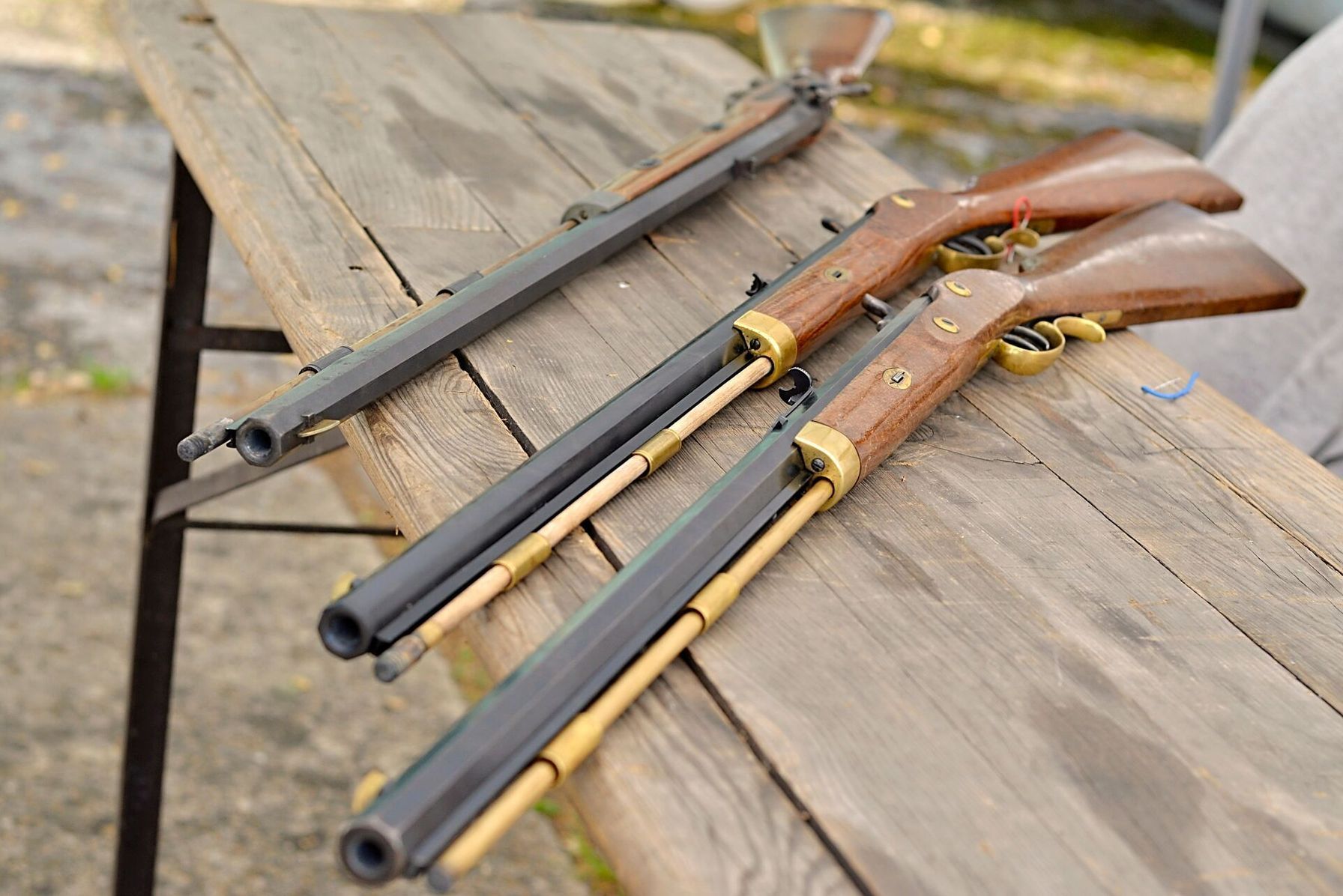
What Is a Muzzleloader?
A muzzleloader is a firearm loaded from the top, or muzzle, rather than from the breech. Hunters pour in a measured amount of powder—or, more commonly, use pre-formed pellets—then insert a bullet or ball, and finally charge it with a primer or ignition source.
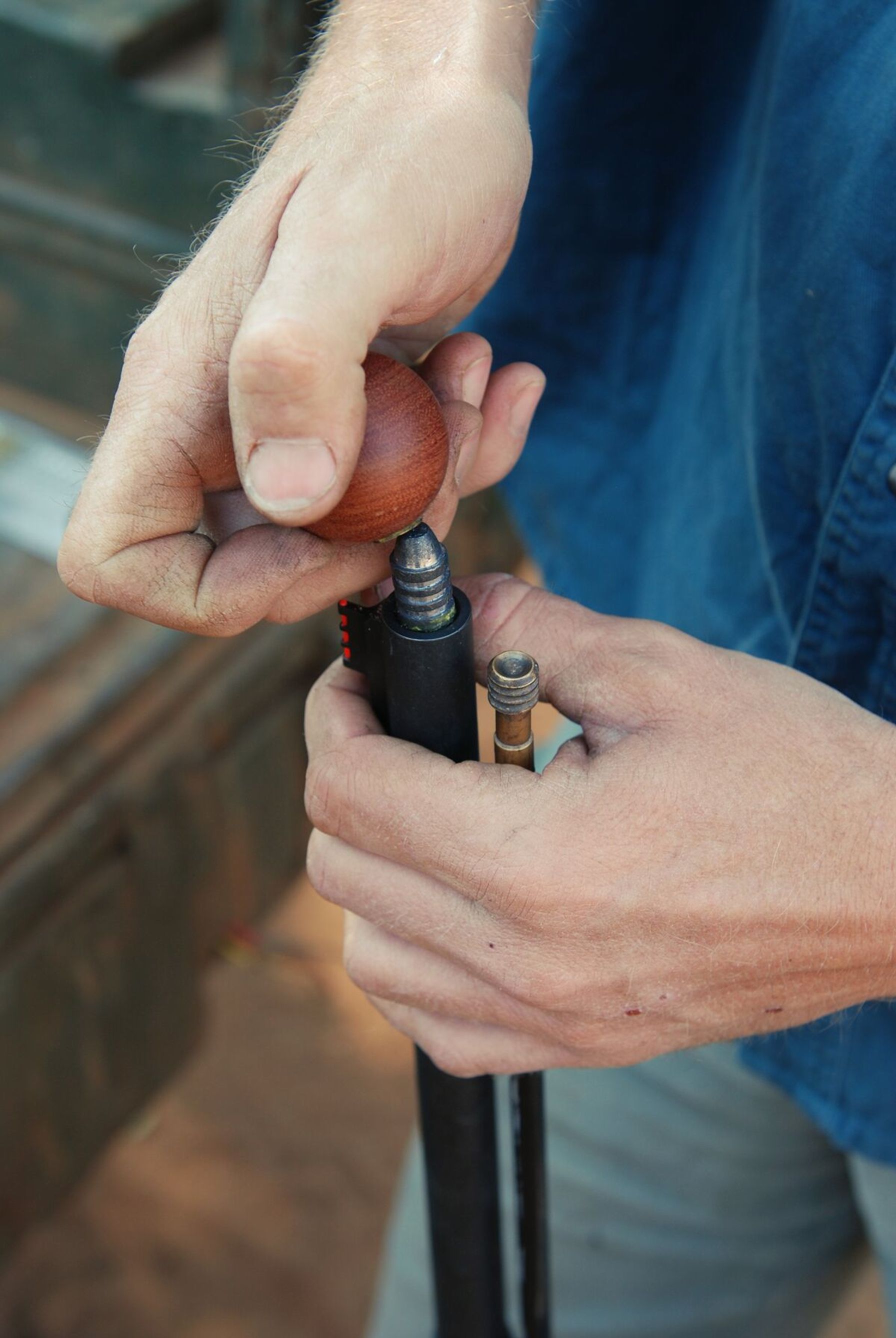
Muzzleloaders were the dominant firearm long before cartridge rifles. While they may seem old-fashioned, they're still widely used by hunters who enjoy the challenge of a single, well-placed shot.
With speedloaders and modern equipment, I can get a follow-up shot with a muzzleloader in about 10 seconds. That's still slow, so every decision counts; proper shot placement is critical, and patience can make or break your hunt.
Loading and the One-Shot Challenge
The defining aspect of muzzleloader hunting is the one-shot nature of the firearm. Each reload takes time and requires careful consideration of safety.
Loading involves placing a measured powder charge, seating the projectile, and adding a primer or cap to ignite the powder. Most modern muzzleloaders simplify this process with pre-measured pellets or specialized loading gear designed for consistency and safety.
Modern muzzleloaders are much safer and more reliable than their historical counterparts. They use better materials, improved sealing systems, and consistent ignition sources.
Whether you're using a reproduction flintlock or an inline model with a scope, the golden rule never changes: treat every muzzleloader as if it's loaded, use protective gear, and follow the manufacturer's safety instructions.
What Are The Types of Muzzleloaders?
There are several types of muzzleloaders, each with its own style and purpose.
- Flintlock: This original spark-ignited design uses flint striking steel to ignite the powder. The flintlock is mainly used by historical reenactors and traditionalists.
- Percussion Cap (Caplock): This style is common in 19th-century replicas and uses a small percussion cap struck by the hammer to ignite the charge.
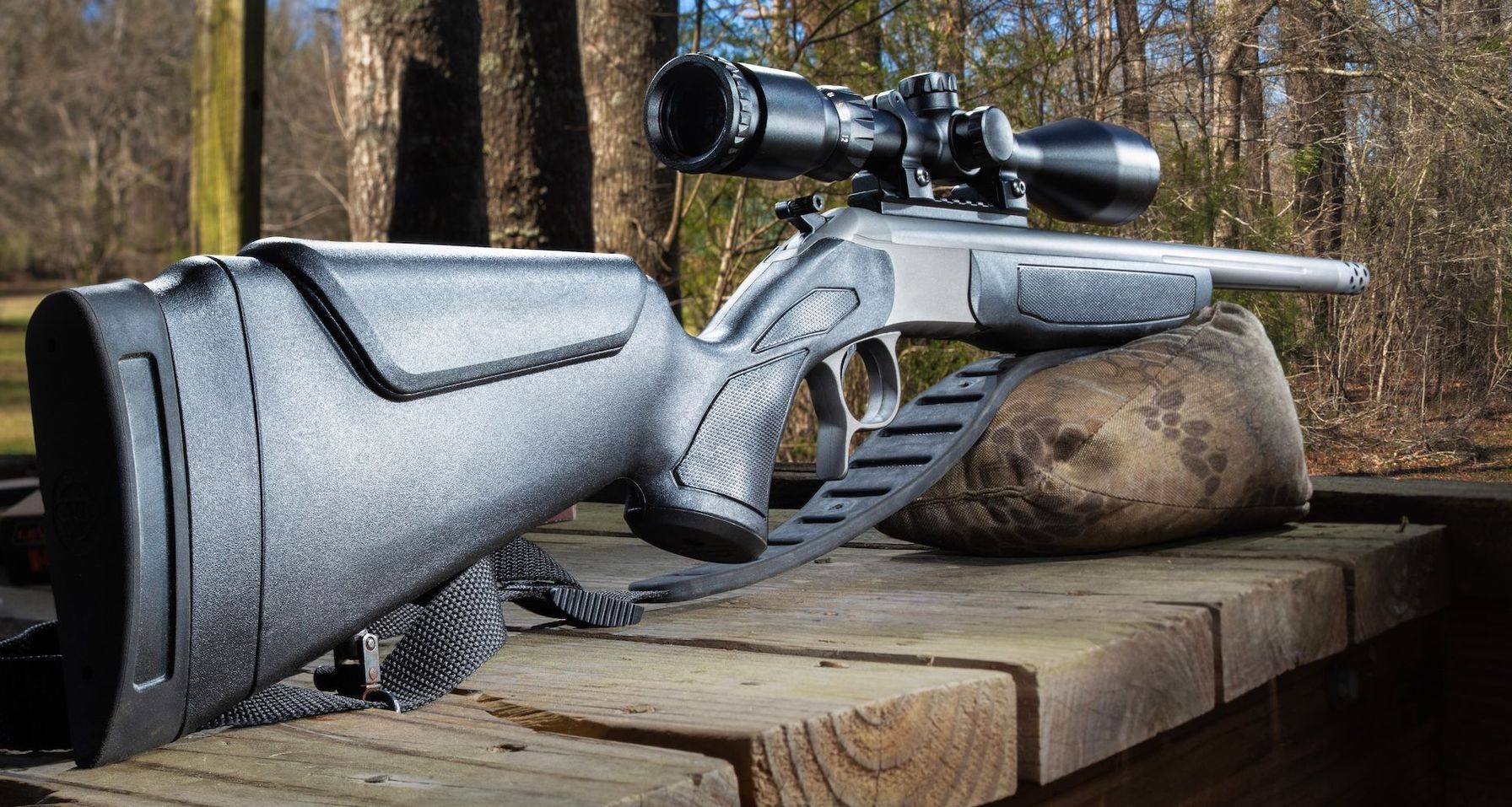
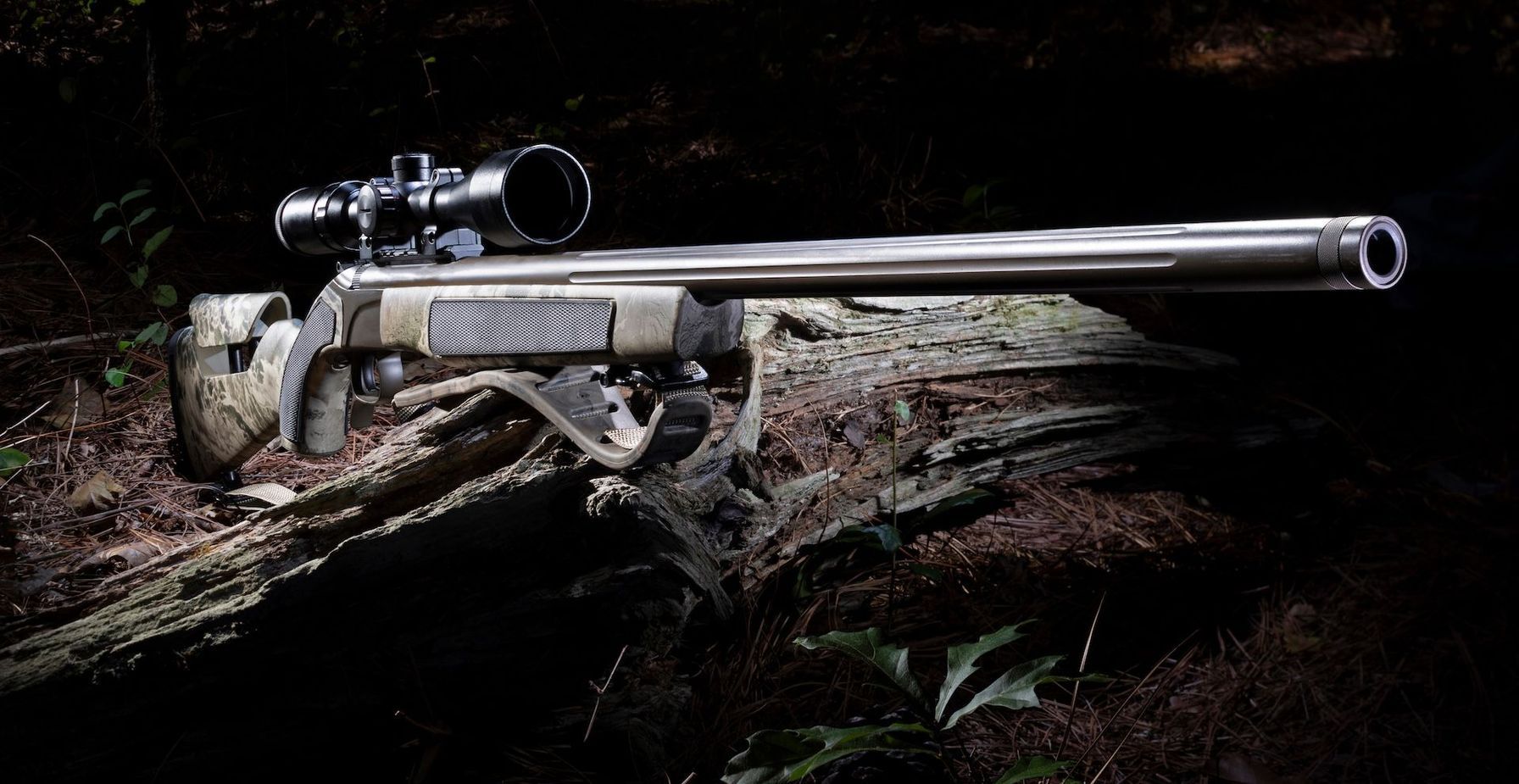
- Inline: Modern muzzleloaders are inline, meaning the ignition source is directly behind the powder. These are easier to clean, more weather-resistant, and accurate enough for ethical big-game shots.
Hunters can choose from round balls, conical bullets, or saboted bullets, depending on accuracy needs and regulations. Modern inline designs often use sabots for tighter grouping and extended range, making them the most popular choice for today's hunters.
Modern vs. Traditional Muzzleloaders
When comparing muzzleloader vs modern rifle performance, today's inlines have come a long way. Traditional muzzleloaders such as flintlocks and caplocks rely on open sights and short ranges. Modern versions have higher-quality barrels, improved primers, and scope mounts for greater accuracy.
Muzzleloader vs Modern Rifle: How They Compare
Even the most advanced muzzleloader can't match a modern rifle. Rifles offer quick follow-up shots, whereas muzzleloaders reward patience, careful range estimation, and precision shooting. Many smokepole hunters want a real connection to the animal and the history of hunting it.
What Can You Hunt with a Muzzleloader?
Muzzleloaders are versatile firearms used to ethically harvest many big-game species, including deer, elk, moose, bear, and hogs. Some states even allow smaller-caliber muzzleloaders for small game or waterfowl.
The right choice of bullet and powder charge depends on what you're hunting. Larger game demands higher calibers and stronger powder loads for ethical shots. Always check your state's regulations for legal caliber and projectile requirements.
Why is There a Separate Muzzleloader Season?
Muzzleloading season gives management agencies a chance to catch up on their harvest quotas. Many hunters use muzzleloaders to access special seasons with lower hunting pressure than peak rifle seasons.
When Is Muzzleloader Hunting Season?
Muzzleloader hunting season varies across the country, but most states schedule it in late fall or winter, often between archery and general firearm seasons. The week or so of muzzleloading season after archery is the best time to kill a rutting buck, particularly in many areas of the South.
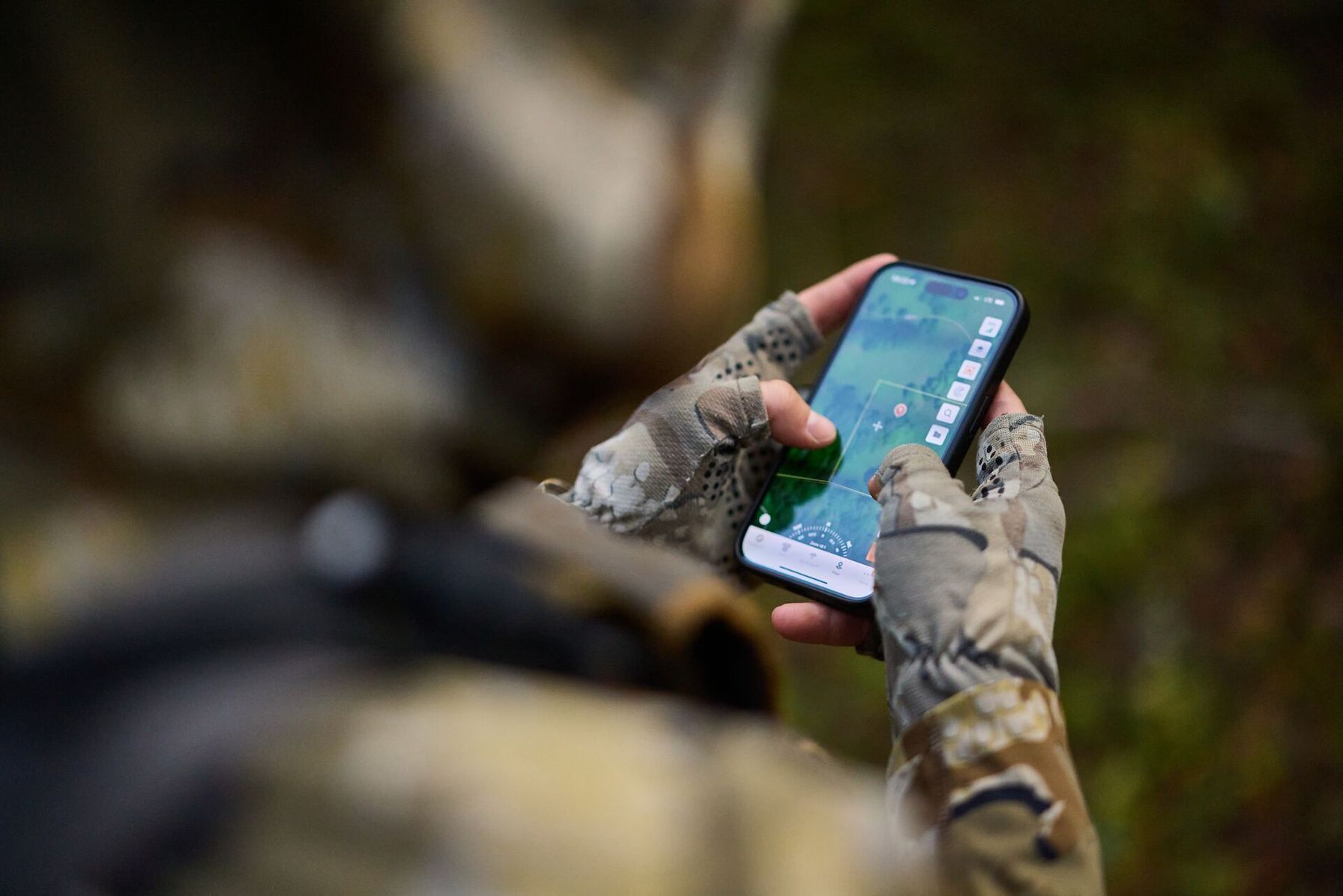
Some states run short weekend hunts, and others offer several weeks of muzzleloader-only opportunities. Use the HuntWise app to help plan your hunts accordingly by checking your state's exact season dates and blaze-orange and tagging requirements. HuntWise's season maps and RutCast features help you identify ideal days to head out with your muzzleloader.
Muzzleloader Hunting Tips
Here are some reliable muzzleloader hunting tips:
- Keep the powder dry: Moisture causes misfires. Use waterproof containers and protect your ignition source in bad weather.
- Pre-measure charges: Organize powder ahead of time to minimize movement and noise in the field.
- Practice at the range: Learn your firearm's drop, ignition delay, and effective distance.
- Clean after every hunt: Residue buildup can affect accuracy and reliability.
- Be patient: With a one-shot firearm, timing and precision matter more than speed.
With these guidelines, you can make the most of your muzzleloading season.
Do You Need a Special License to Hunt With a Muzzleloader?
Every state defines its own muzzleloader rules. Some require a dedicated muzzleloader tag or endorsement, but others allow standard deer tags during muzzleloader season. Laws also vary on the permissibility of inline ignition or scopes.
Most states require hunters to load from the muzzle using approved black powder or substitutes. Always verify your local laws and take a certified hunter or firearm safety course if you're new to muzzleloaders.
Muzzleloaders and HuntWise Make for a Great Hunt
What is a muzzleloader? It's a weapon that opens up new hunting opportunities and helps you appreciate the abilities of hunters who came before us. Whether you're loading a traditional flintlock or a scoped inline rifle, muzzleloaders require patience, precision, and a healthy respect for the process.
When you're ready to plan your next muzzleloader hunt, HuntWise can help you scout locations, plan around the weather, and help you choose the best times to be in the field. Your muzzleloader hunt could end with a single, perfectly placed smokepole shot. Be ready for it!
Frequently Asked Questions (FAQs)
We have answers to common questions about muzzleloader hunting tips.
Q: What can you hunt with a muzzleloader?
A: Most game animals can be hunted with a muzzleloader, including deer, elk, bear, and some small game, depending on local regulations.
Q: Why is there a separate muzzleloader season?
A: Muzzleloader seasons exist because the weapons are traditionally slower to load and have shorter effective range, making the hunt more challenging and creating additional opportunities without overcrowding the main seasons.
Q: When is muzzleloader hunting season?
A: Muzzleloader season dates vary by state or region. However, muzzleloader seasons typically fall in late fall or early winter, often separate from modern firearm and archery seasons.
Q: Do you need a special license to hunt with a muzzleloader?
A: Some states require a muzzleloader permit in addition to a standard hunting license, while others don’t. Always check your local regulations.


