

A bolt-action rifle can handle calibers like .308, .30-06, and 6.5 Creedmoor for open-country hunts; lever actions favor .30-30, .45-70, and pistol-caliber rifles for brush and woods work.
I absolutely love hunting (which probably seems obvious if I'm writing a blog for HuntWise), but it truly is one of the great passions of my life. The adventure, challenge, scenery, and solitude all speak to me on a very deep level.
I was born and raised in the Upper Peninsula of Michigan, a sportsman's paradise, so I have been engrossed in the world of pursuing game from day one.
Within that world, the debate between lever action v bolt action rifles has persisted for a long time. Each one has its own set of advantages and loyal enthusiasts. Whether you're a seasoned hunter, a target shooter, or a simply a firearms enthusiast, choosing between these two iconic designs can be a tough decision.
Let's dig into this further and explore their differences, strengths, and the scenarios where each shines.
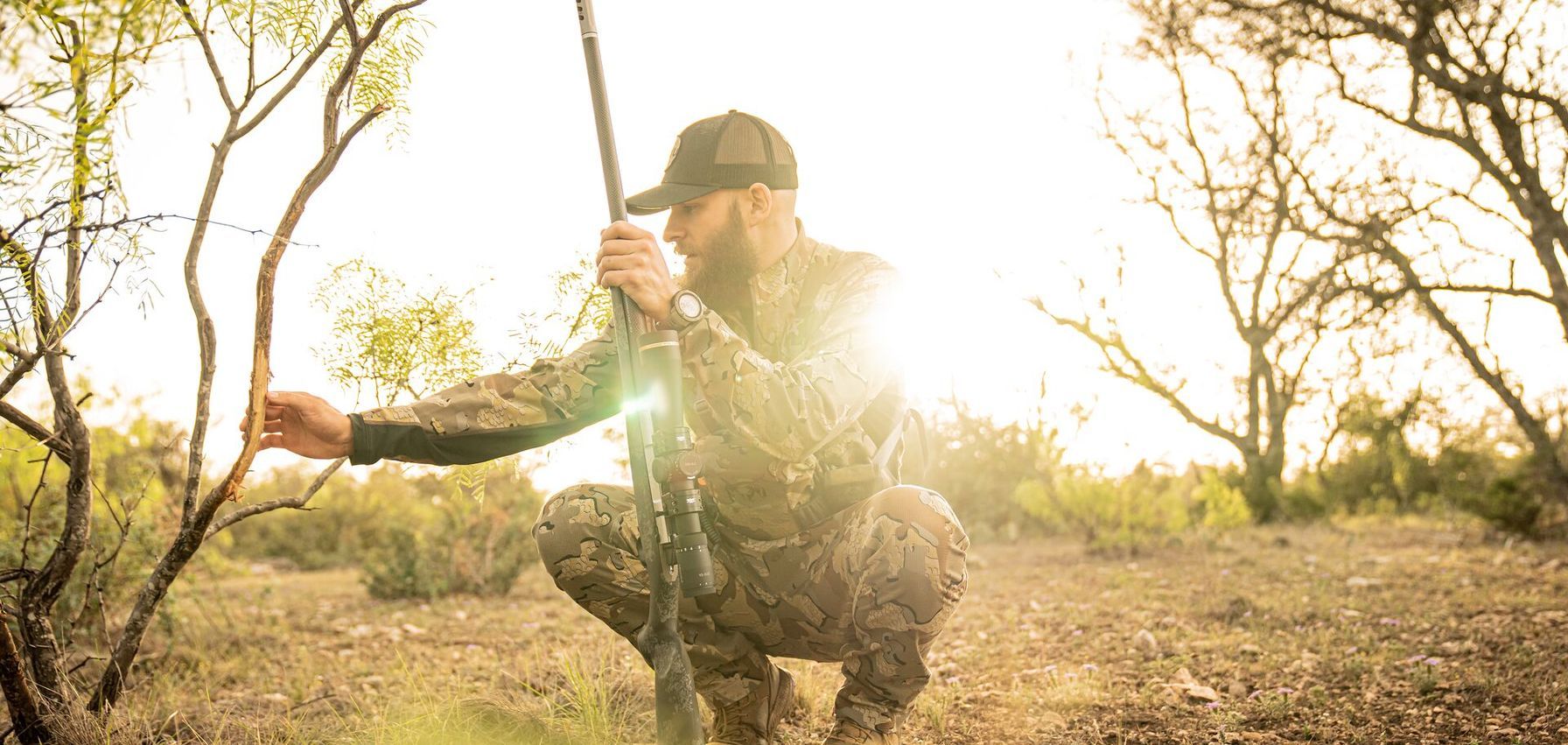
Lever Action Rifles: Classic Charm and Speed
Lever action rifles evoke a sense of nostalgia, often associated with the Wild West and iconic figures like John Wayne. Characterized by their lever-operated loading mechanism, these rifles offer a unique blend of style, functionality, and speed.
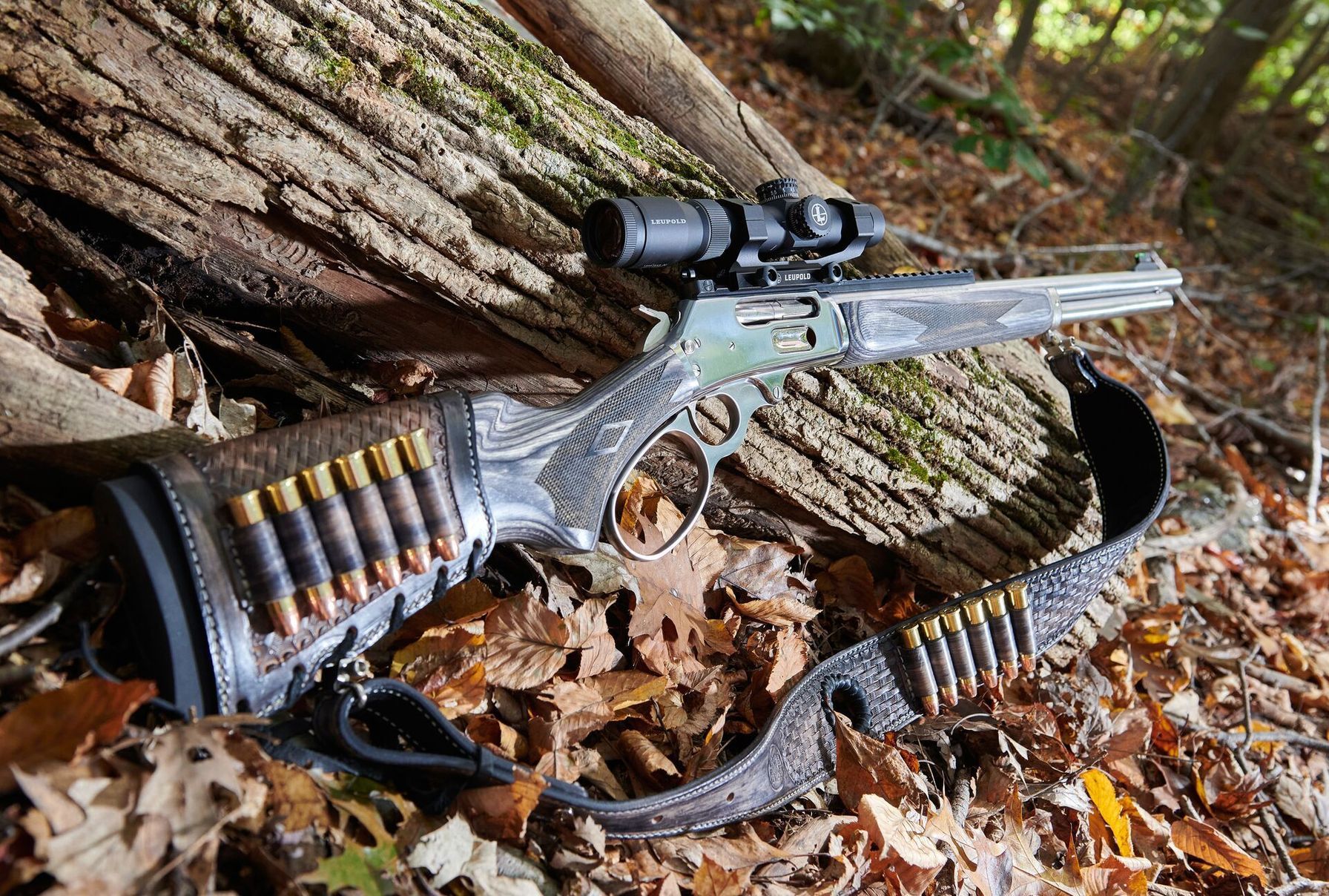
One of the most significant advantages of lever-action rifles is their rapid-fire capability. With practice, shooters can cycle through cartridges quickly, making them suitable for fast-paced shooting scenarios such as hunting game in dense brush or chasing a rabbit on the run.
Additionally, lever-action rifles tend to have shorter overall lengths compared to bolt-action rifles, making them more maneuverable in tight spaces. This feature can be especially advantageous for hunters navigating through the ol' cedar swamp or shooters competing in dynamic competitions.
These reasons contribute to the lever action rifle's ease of use and make them appealing to shooters of all experience levels. The intuitive nature of the lever mechanism allows for rapid follow-up shots with minimal disruption to sight alignment.
Bolt Action Rifles: Precision and Versatility
Bolt action rifles are renowned for their precision, reliability, and versatility, making them a favorite among hunters, long-range shooters, and military snipers. Characterized by their manually operated bolt mechanism, these rifles deliver accurate shots over long distances.
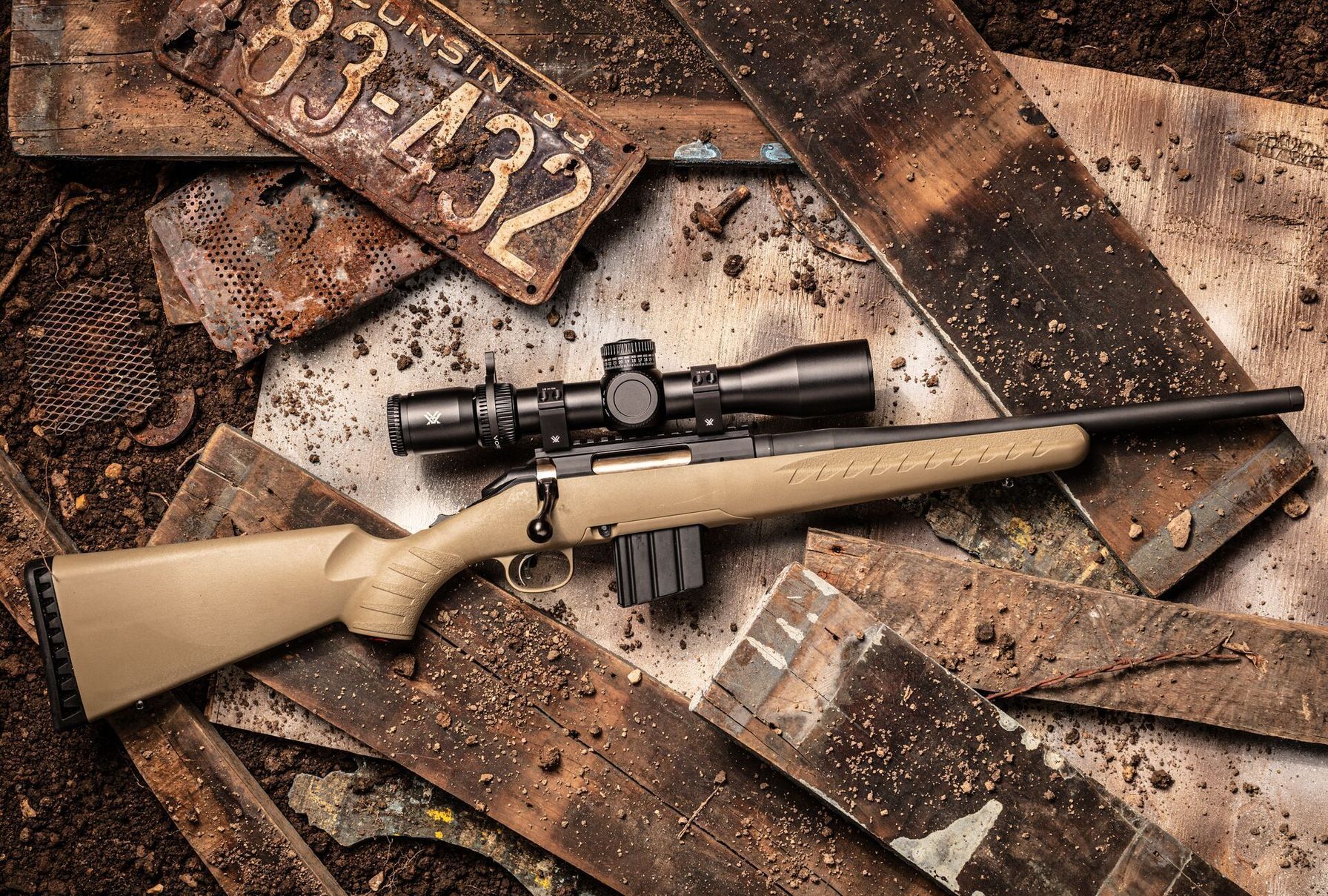
One of the primary advantages of bolt-action rifles is their inherent accuracy. The bolt-locking mechanism ensures consistent alignment of the cartridge with the barrel, resulting in precise shot placement even at extended ranges. This level of accuracy makes bolt-action rifles the preferred choice for precision shooting competitions and long-range hunting.
Bolt-action rifles typically feature a durable design capable of withstanding harsh environmental conditions. Whether you're trekking over the next ridge or you get caught in a snowstorm, you can rely on the rugged construction to endure the elements and maintain peak performance.
Additionally, bolt-action rifles offer versatility in terms of caliber selection and customization options. From hunting small games with lighter calibers to taking down large games with magnum cartridges, there's a bolt-action rifle configuration to suit every shooter's preference and need.
Lever Action vs. Bolt Action Rifles: Quick Comparison | ||
|---|---|---|
| Accuracy | Accurate at typical woods distances of 100-150 yards. Tube magazines and lighter barrels can limit tight groups at longer range. | Often shoots tighter groups, especially past 200 yards. The bolt locks the cartridge firmly in place, and many models use heavier barrels. |
| Speed | Cycles quickly for follow-up shots without breaking your cheek weld. Tube-fed models reload one round at a time. | Cycles more slowly. Models with detachable magazines reload quickly, while internal-magazine models load round by round. |
| Caliber range | Traditionally chambered in .30-30, .35 Remington, and .45-70. Some box-magazine models offer .308 Win, .30-06, and magnum cartridges. | Available in a very wide range, from small-game and varmint cartridges to .30-06-class, magnum, and long-range cartridges. |
| Weight | Typically lighter and shorter, which makes it easy to carry and handle in thick cover. | Weight varies widely. Lightweight mountain models exist, but many hunting models run heavier than comparable lever actions. |
| Cost | Entry-level prices are often comparable to bolt actions, while classic and premium models can cost more. | Wide range of price points, including many entry-level options. Quality scopes and upgrades raise the total cost for either action. |
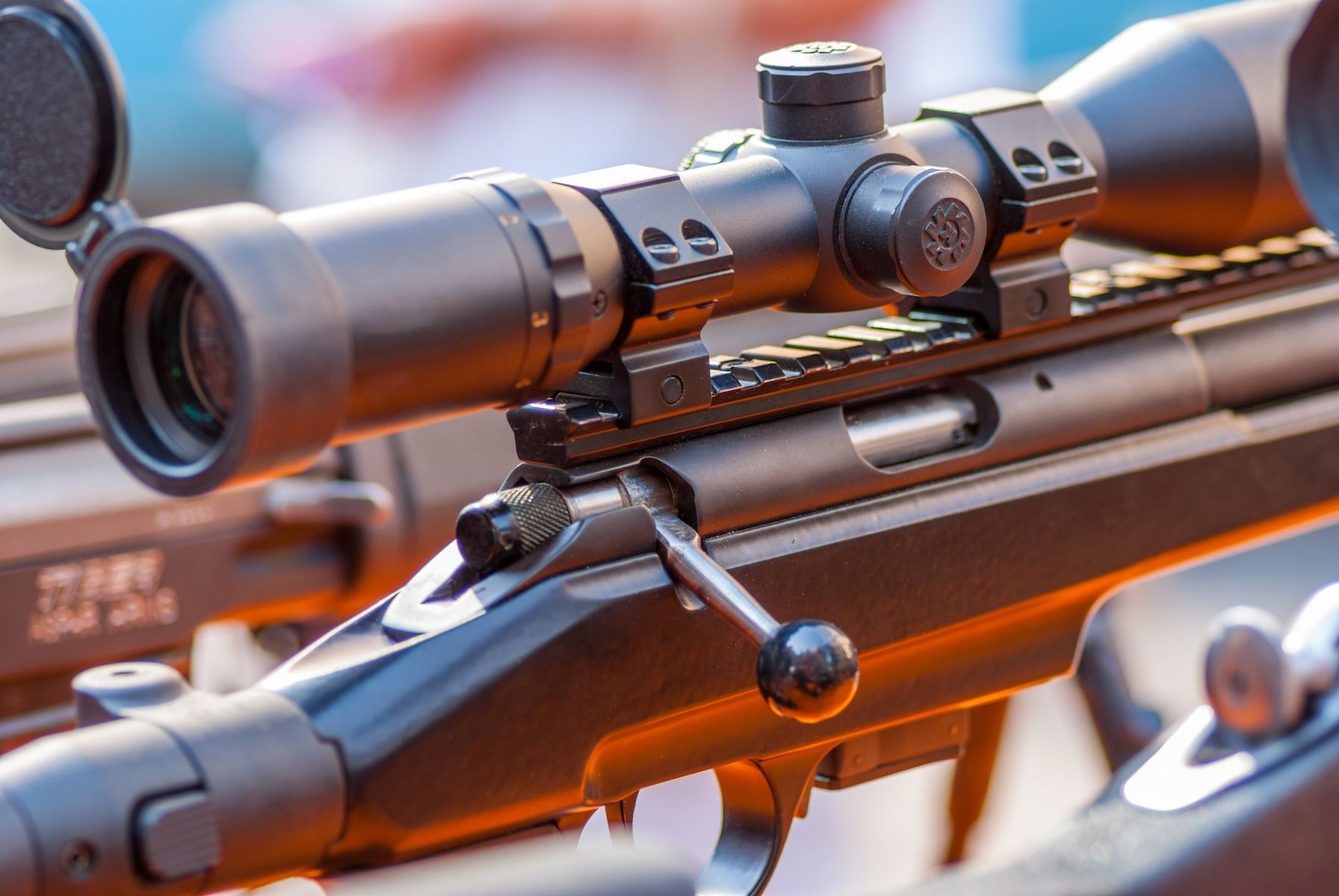
Choosing the Right Rifle for You
When selecting between lever action vs. bolt action rifles, the choice ultimately depends on your intended application, shooting style, and personal preferences. Your rifle choice can also depend on the land you plan to hunt.
If you prioritize speed, maneuverability, and a classic aesthetic, a lever action rifle may be the ideal choice for you. On the other hand, if precision shooting, long-range accuracy, and versatility are paramount, a bolt action rifle may be more suited to your needs.
Personally, I use both types of rifles, but I have a real soft spot for the lever action. A lever action 30-30 is the first rifle I ever owned, which I still hunt with to this day. I vividly remember going with my father down to the sporting goods store to pick it out; that nostalgic feeling is palpable.
Its compact design and short barrel have made it super easy to climb into and out of the box blinds that are common for deer hunting in my neck of the woods. I also like to hike out to my spot instead of using an ATV, so its smaller size has fit my needs well in northern hardwoods.
That being said, there are times when I leave the lever action in the safe and opt for a bolt action. Just last year, I went on a whitetail deer hunt with my uncle, which was much more wide-open terrain than I'm used to at my hunting property. Instead of my usual 75 to 95-yard shot, I knew I was facing 150 yards and beyond.
I opted for a bolt action .300 win mag, and that got the job done beautifully on a nice 8-point buck.
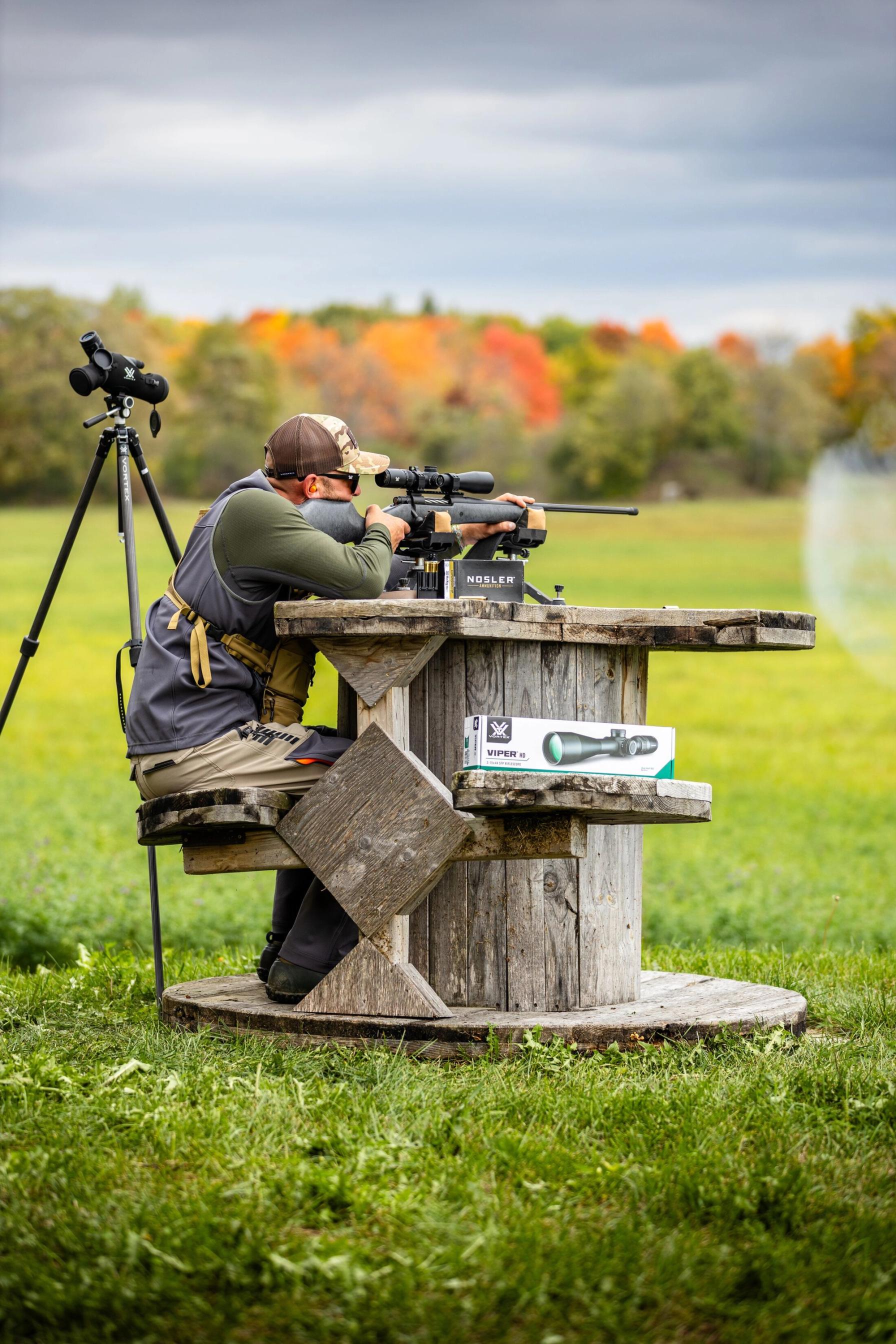
How to Choose Between Lever Action vs. Bolt Action Rifles for Your Hunt
Ready to put the lever action vs. bolt action rifles debate to work for your own hunt? These six steps help you match your rifle to your terrain, your typical shot distance, and your state’s rules.
- Match the rifle to your typical shot distance. If most of your shots come at 150 yards or less in thick cover, a traditional lever action rifle is right at home. However, if you expect shots past 200 yards, a bolt action rifle in a flatter-shooting cartridge gives you more margin for error. In between, either action can work, and your cartridge and your skill matter more than how the rifle cycles.
- Choose your cartridge by terrain. Open country favors flatter-shooting cartridges in the .30-06 class, which carry more energy and drop less at longer distances. In timber and brush, where shots stay close, the .30-30 and .45-70 have proven themselves on deer for generations. Keep in mind that no cartridge reliably shoots through brush, so look for a clear shooting lane every time.
- Shoot both actions at the range before you decide. Trigger feel and cheek weld often matter as much as the action type. Check the length of pull, look for a comb height that gives you a solid cheek weld, and notice how cleanly the trigger breaks. Try each rifle from the positions you’ll hunt from, wearing the layers you’ll wear.
- Practice cycling and reloading your rifle. Most hunters cycle a lever action faster than a bolt action, which helps with quick follow-up shots. Reloading is a different skill. Many lever actions load one round at a time through a side gate, while many bolt actions use a detachable magazine you can swap quickly. Practice both skills with the rifle you plan to hunt with.
- Check your state’s regulations before every season. Firearm rules vary by state, zone, and season. Some states don’t allow semi-automatic rifles for big game, but they allow both lever and bolt actions. Others require straight-wall cartridges, single-shot rifles, limited magazine capacity, or minimum calibers. Review your state wildlife agency’s current regulations each year, because these rules change.
- Sight in for your cartridge and your hunting distance. Your zero depends on your cartridge’s trajectory and how far you expect to shoot, not on the action type. A 100-yard zero suits short-range cartridges like the .30-30 for woods hunting. With flatter cartridges, many hunters sight in an inch or two high at 100 yards so the bullet lands near center at 200 yards. Always confirm your zero with the exact ammunition you plan to hunt with.
There’s no single right answer in the lever action vs. bolt action rifle debate. The right rifle is the one you shoot well at the distances you hunt, chambered in a legal cartridge you trust. Put in the range time, confirm your zero, and you’ll head into the field ready for the shot.
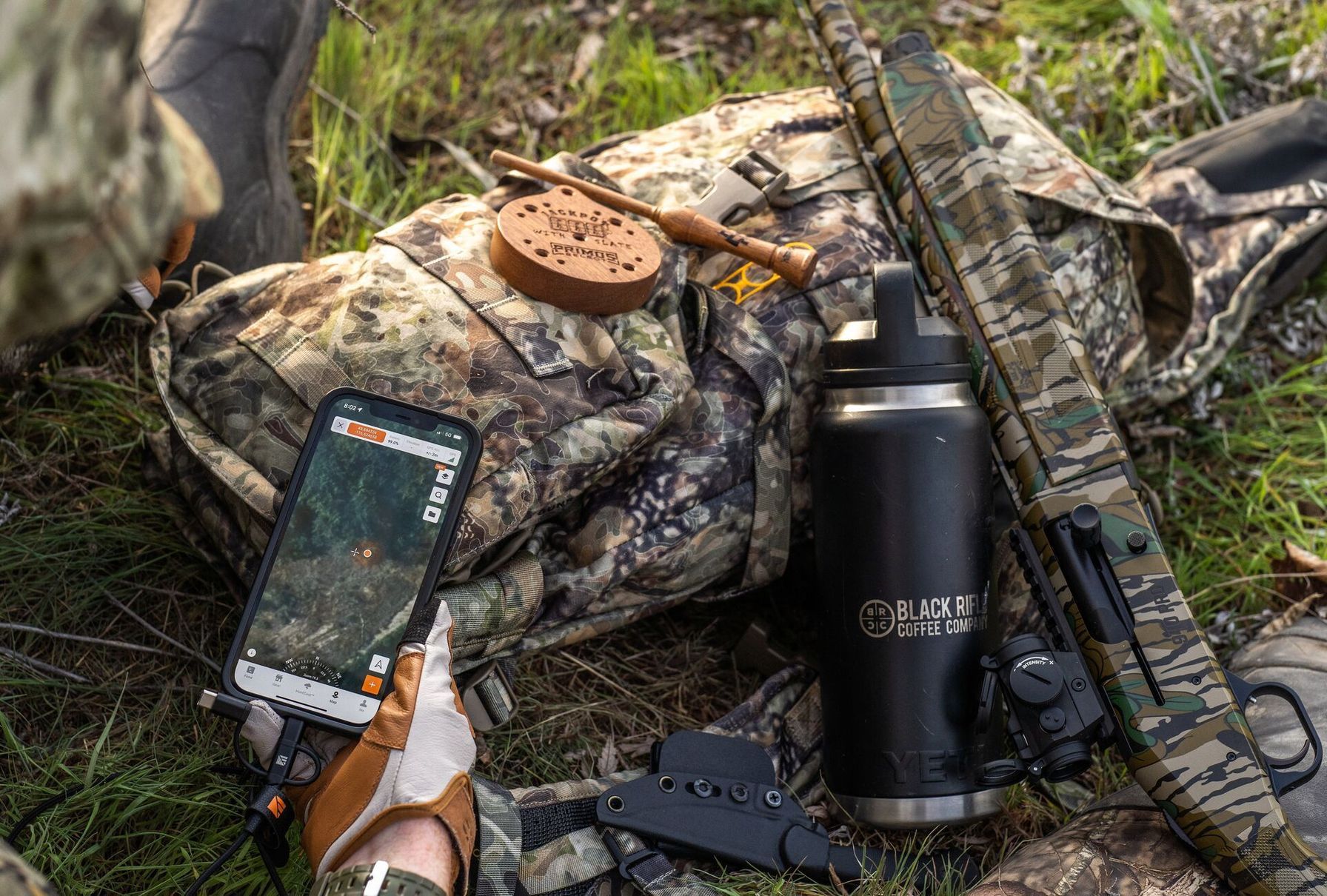
Lever Action vs Bolt Action: Grab the Best Rifle and HuntWise for Your Hunt
The debate between lever action vs. bolt action rifles will likely continue for years, with proponents of each side championing the merits of their chosen firearm. I recommend using the HuntWise app and scouting out your spot to help you make your decision.
While the app won't flat-out tell you the specific firearm to bring into the field, the different map layers and 3D view can help you get a feel for the terrain, conditions, and game you're after. Then, you can choose the rifle that checks off enough boxes to help you accomplish your goal. You'll be tagged out in no time!
Download HuntWise and start scouting for your next hunt. Your first week in the app is free!
Content most recently reviewed and updated November 19, 2026.
Frequently Asked Questions (FAQs)
Q: Is a lever action accurate enough for deer hunting?
A: Yes, a lever action is accurate enough for deer hunting at the distances it’s designed for. Most lever actions perform well at 100-150 yards, and many hunters take deer at those distances every season. Note that your skill, your cartridge, and your sights or scope matter as much as the action itself.
Q: What’s the maximum effective range of a lever action?
A: It depends on the cartridge more than the action. Traditional lever action cartridges like the .30-30 and .45-70 are commonly considered effective on deer out to about 150-200 yards. Lever actions chambered in flatter-shooting cartridges can reach farther, but your own shooting ability should set your limit.
Q: Why do bolt actions outshoot lever actions?
A: Bolt actions often shoot tighter groups, but the action isn’t the only reason. The bolt locks the cartridge firmly in place, and many bolt actions come chambered in flatter-shooting cartridges built for longer shots. A well-made lever action still delivers hunting accuracy at typical woods distances.
Q: Can I use a lever action for elk hunting?
A: Yes, where regulations allow it, as long as you choose a cartridge with enough energy for elk. Heavier loads like the .45-70, or lever actions chambered in .30-06-class cartridges, give you more power than lighter options like the .30-30. Shot placement and a close, clear shot matter most, so check your state’s minimum caliber rules before you hunt.
Q: Are lever actions legal for all big game in all states?
A: No, rules vary by state, zone, and species. Some states set minimum calibers, require certain cartridge types, or limit magazine capacity, and those rules can apply to lever actions. Check your state wildlife agency’s current regulations before every season.
Q: What’s the fastest action for hunting?
A: Speed depends on what you’re measuring. Lever actions usually cycle quickly for follow-up shots, while bolt actions with detachable magazines often reload quickly. Most hunters take one well-placed shot, so practice with your own rifle matters more than the action’s speed.
Q: Which is better for first-time hunters: lever or bolt?
A: Either one works well for a first-time hunter. Bolt actions offer a wide choice of cartridges and are easy to scope, while lever actions are light, quick to handle, and comfortable at short range. Try both at the range, then choose the one you shoot most confidently and can legally use in your state.


