

Coyotes are usually most active around dawn, dusk, and at night, and seasonal considerations also come into play when determining the best time to hunt coyotes. Here are a few ways to find optimal coyote activity times, understand their movements and behaviors, and plan your hunt.
How Does Coyote Movement Inform a Hunt?
Knowing when coyotes are most active and how they travel lets you hunt more effectively. Successful coyote hunts are about more than timing: they require an understanding of how coyotes react to humans, resource availability, and the environment.
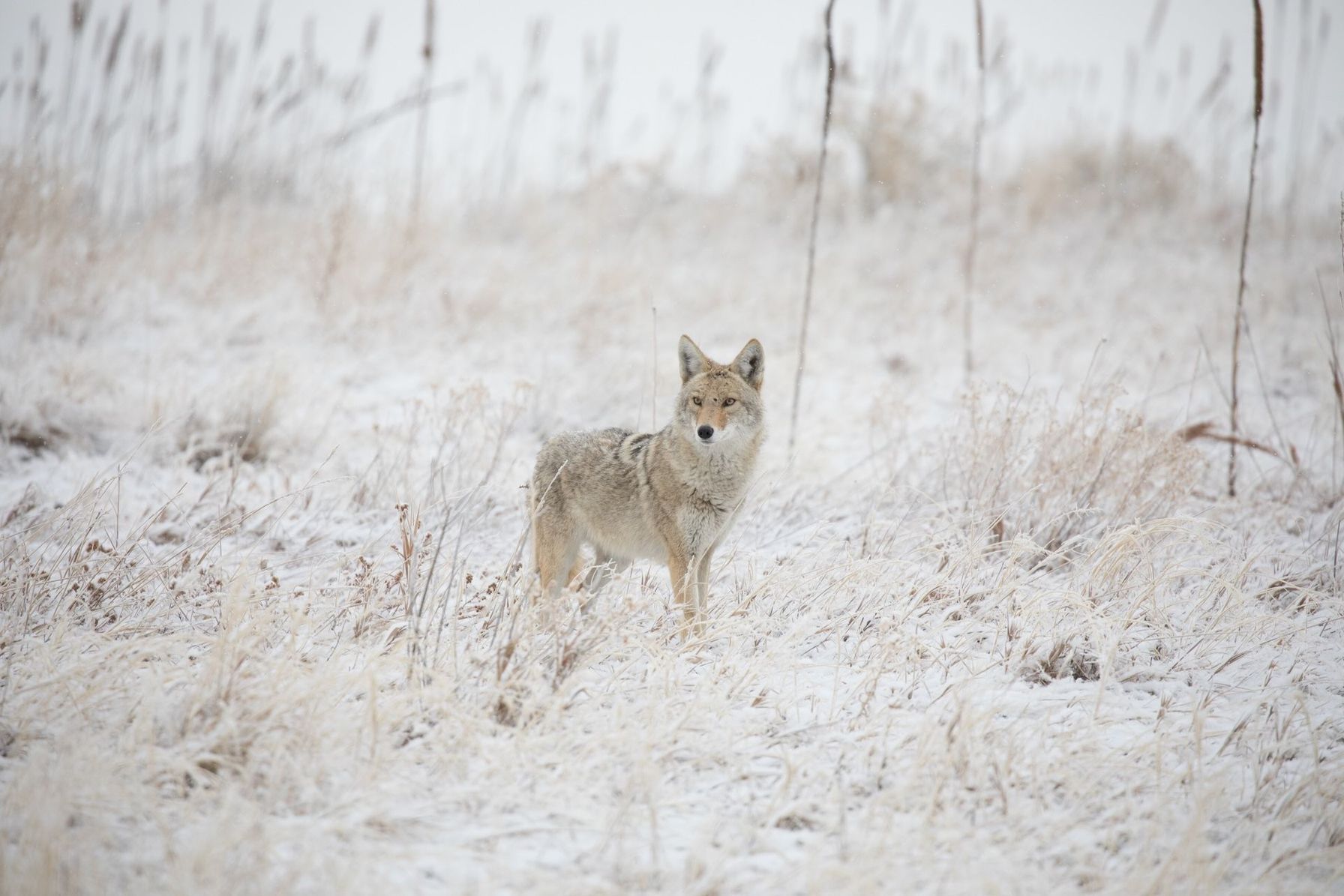
In addition to targeting coyotes at peak times by tracking coyote activity at night, dusk, and dawn, seasoned hunters as well as beginners should be mindful of shifts in movement throughout the year. Winter conditions often push coyotes to travel more in the daylight, which changes the best time of day to sit in a stand.
Coyotes often use predictable travel routes that connect bedding cover, feeding areas, and den sites. Tracks, scat, and vocalizations can reveal these corridors and help you determine a well-placed location for your stand.
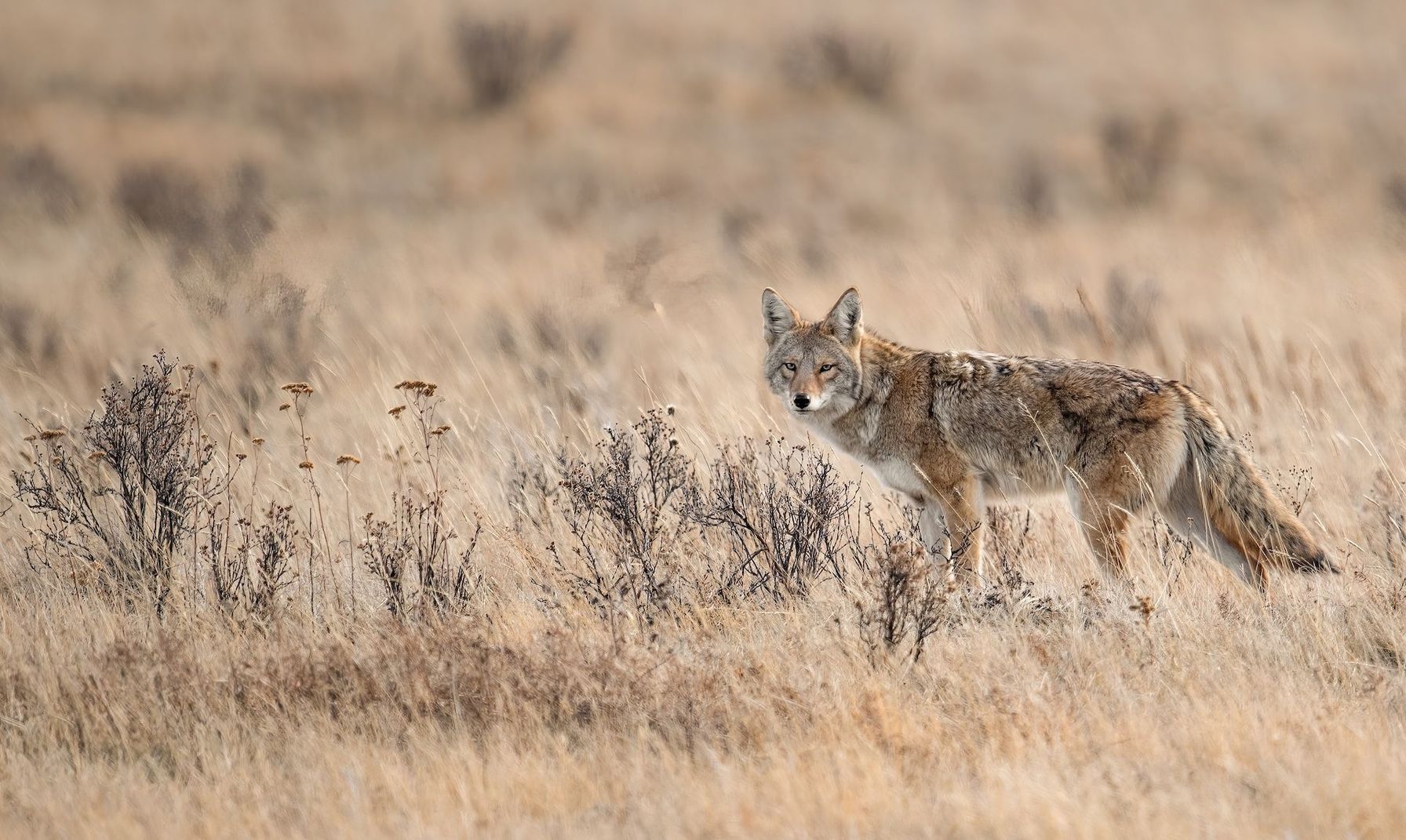
Calling strategies follow the same logic. During mating season, from January through March, coyotes respond aggressively to howls and challenge barks. While coyotes are raising pups in spring and summer, they often respond to distress sounds.
Movement Triggers
Wind and scent are constant factors in the coyote hunt, as coyotes tend to approach from downwind of anything that catches their interest. Setting up into the wind or in a crosswind will help you avoid detection before taking a shot.
Human pressure also shapes movement patterns. In heavily hunted areas, coyotes tend to be more nocturnal, making night hunts or first-light setups more productive. In more remote areas with little pressure, midday action is possible.
Calm, overcast days or the quiet stretch after a storm will often trigger movement, and coyotes favor woodlot edges and other cover transitions when they travel. Brush lines, creek bottoms, and field margins provide both security and easy paths of escape as they travel through the landscape.
Food availability is the main driver for a coyote's day-to-day activity; when looking for coyotes, pay attention to rabbit, rodent, and deer activity. I like to create bait sites for coyotes anytime we have deceased livestock at our ranch or a skeletal carcass after a successful deer hunt. Placing a trail camera above those areas can also help reveal coyote activity.
What Time of Day Are Coyotes Most Active?
Coyotes are typically crepuscular, meaning they favor low-light conditions when their prey is most active. Coyotes move the most at dawn and dusk, though in places where human activity keeps them cautious, their activity stretches well into the night.
Check local regulations and wear the right clothing for nighttime coyote hunts.
Daytime movement is less common but frequent enough to make daytime hunts worthwhile occasionally. Cold weather can push coyotes to hunt throughout the day to keep their energy levels up, and in remote areas, they can move more freely during the day. However, early morning and late evening are generally the most reliable coyote movement times.

Understanding Coyote Movement Times and Patterns
To make the most of peak coyote activity times and find the best time to hunt coyotes, hunters should be aware of the complex factors that influence coyote movement.
Daily Activity
Coyotes are most active at dusk, dawn, and at night, so time your hunts accordingly. Due to their crepuscular nature, they're most active during times when other animals (and hunters) have limited visibility.
Although coyotes are typically less active during the day, you may be able to hunt them during daytime hours when it's cold or in areas with minimal human presence.
Seasonal Activity Shifts
Just as the weather and the color of the leaves change with the seasons, coyotes change their habits throughout the year. As coyotes increase daytime activity from November through March, look for their tracks in fresh snow to learn about their routes and develop a coyote movement chart.
From January through March, during the breeding season, territorial wandering, vocalizations, and marking increase, making calling especially effective. In March through September, coyotes raising pups may hunt around the clock to keep up with the increased demand of new hungry mouths to feed. Denning areas become hubs for activity—and hunting opportunities—as young coyotes begin to leave their parents' territory.
Factors Influencing Activity
Human presence, food availability, and even the phases of the moon affect coyote movement.
Coyotes living near towns or suburbs tend to shift heavily toward nighttime movement to avoid people and pets, while those in rural areas often travel more confidently during the day.
When prey is scarce in midwinter, coyotes stretch their hunting efforts into daylight. As rodents and rabbits become plentiful, their activity returns to the dependable rhythms of dawn and dusk.
Overcast nights or a dark new moon provide coyotes with better concealment and can coincide with increased movement. Harsh weather may pause coyote activity as they take refuge, followed by a burst of activity once the storm clears.
How to Track Coyote Movement to Plan Your Hunt
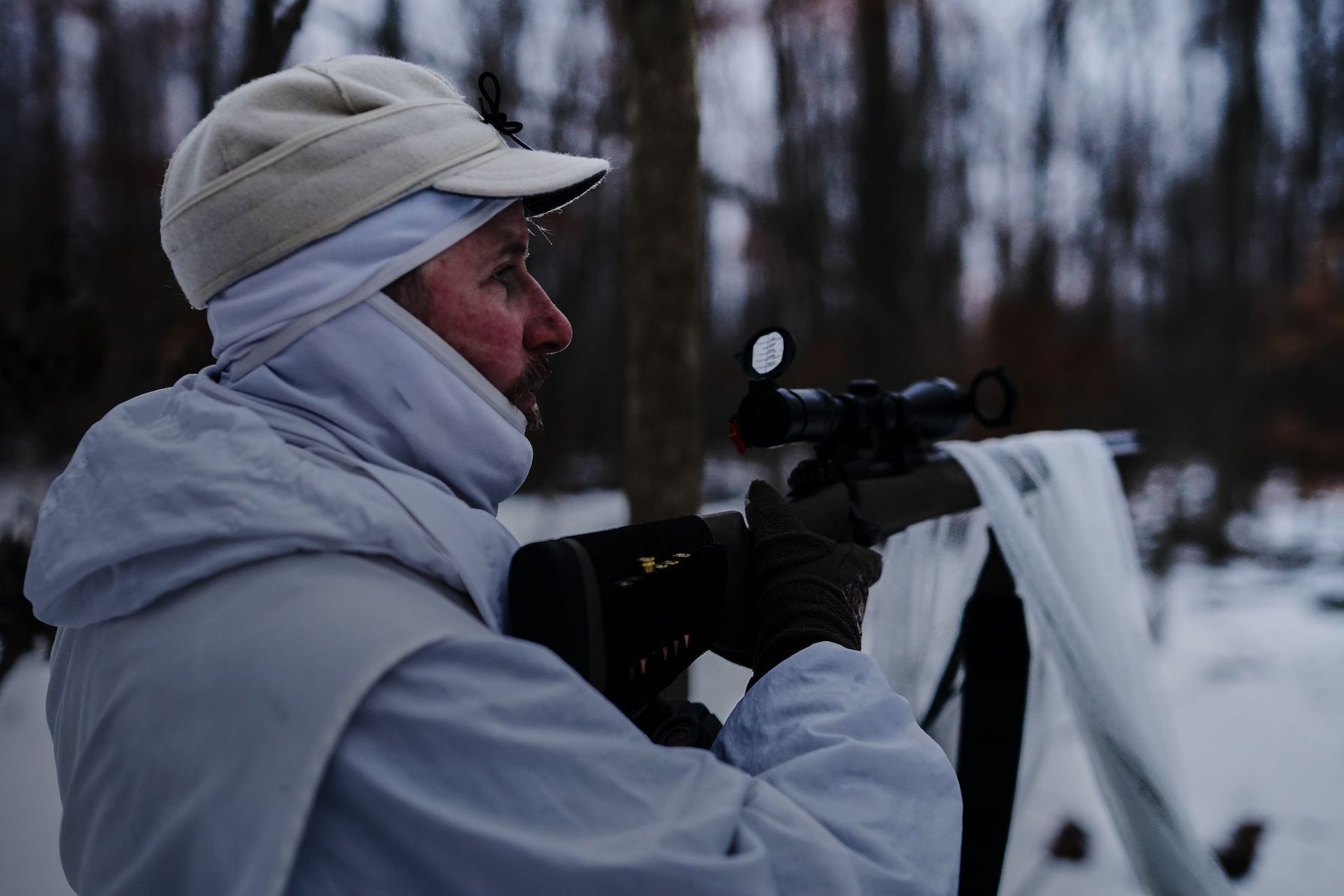
By scouting and spending time in the field at dawn and dusk, you can see where coyotes travel, hunt, or howl.
Signs and Sounds of Coyote Movement
While you're out hunting deer or other game, take note of coyote sign to better track their movements. Trail cameras can help by narrowing down consistent patterns and active time frames, so consider including them as part of your coyote hunting gear.
When looking for coyote tracks along trails, field edges, or near creek beds, focus on distinct, oval prints with four toes and clear claw marks. Snow, mud, or frost provide ideal tracking conditions, as fresh impressions in soft ground or new snow can reveal recent movement and the direction of coyote travel.
Scat is usually dark, twisted, and consists mainly of fur. Spotting it can help you map boundaries related to coyotes' diet and territory. Feathers, tufts of hair, or partially eaten prey can indicate hunting zones or areas near a den.
Coyotes howl, bark, and yip to communicate territory, coordinate with packmates, and locate potential mates. Early morning and evening howls, usually at first and last light, often reveal the location of packs and where they are going next.
Use the Environment to Your Advantage
Coyotes rely on natural corridors such as fence lines, dry creek beds, ridges, and the edges of fields or timber. They also travel into the wind to smell prey and danger, and you can observe the direction of their movement as you plan your hunt.
Consider seasonal shifts as well. Winter tracking often leads to livestock areas or small game trails, while spring coyote scouting should primarily focus on denning sites and increased movement around thicker cover. In summer and fall, crop fields, pastures, and water sources become reliable areas of consistent activity.
Blending traditional field scouting with technology can sharpen your understanding of coyote movement times. With apps like HuntWise, you can make a coyote movement chart by marking sightings, howls, and tracks. Using trail cameras and timestamps can also give you real-time insights into coyote behavior.
The HuntCast function in HuntWise can reveal peak coyote movement probabilities based on the weather, helping you make the most of your time in the field. With WindCast, you can determine an ideal stand location based on current and projected wind direction.
Find the Best Coyote Activity Times with HuntWise
For new hunters, coyote behavior can be hard to predict. Understanding coyote movement times requires attention to the weather, seasons, feeding habits, daylight, and more.
For more successful coyote hunts, take the tips we shared today and combine those with the best movement planning tool for hunters: the HuntWise app.
With HuntWise, you can gain insights into the factors influencing coyote activity, along with tools to track this clever species and enjoy successful hunts. From HuntCast's movement tracking insights to the mapping overlays and wind and weather insights to plan your day (or night) in the field, HuntWise helps you pinpoint the right times to hunt coyotes.
Frequently Asked Questions (FAQs)
We have answers to your questions about finding the best coyote movement times for hunts!
Q: What time are coyotes most active?
A: Coyotes are primarily crepuscular, meaning they’re most active at dawn and dusk. In areas with people, they often shift to being more nocturnal, moving mostly at night to avoid humans.
Q: How can you tell if a coyote is near?
A: Common signs of a coyote being near include high-pitched howls, yips, or yapping, fresh tracks (dog-like but narrower), scat with fur or bones, and pets acting alert or uneasy. You may also hear rustling or quick movement in the brush.
Q: How close are coyotes if you can hear them?
A: Coyotes’ calls travel far and can be misleading. If you hear them clearly, they might be anywhere from a few hundred yards to over a mile away. Their howls often sound closer than they really are.
Q: What do coyotes hate the most at night?
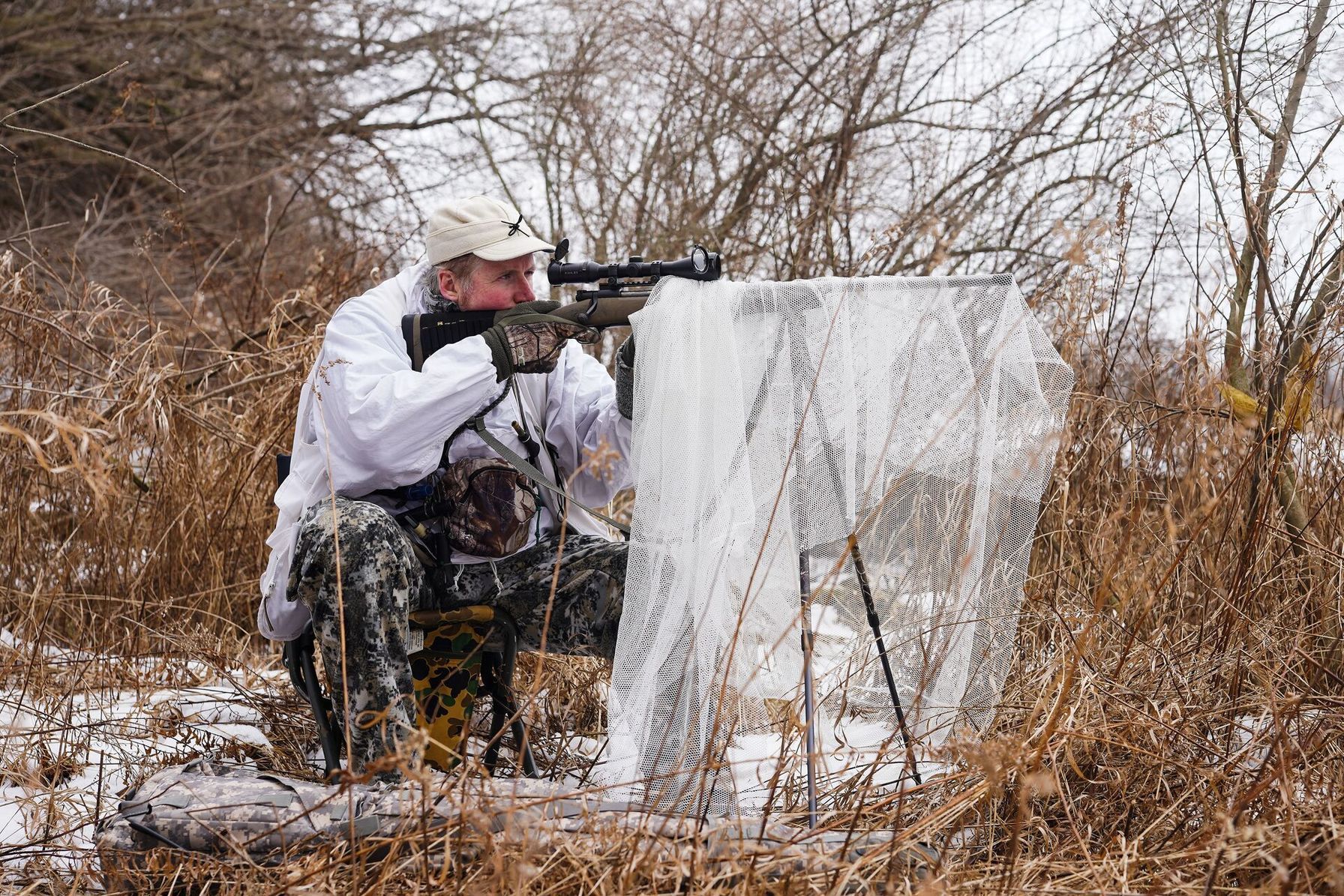
A: Coyotes dislike sudden bright lights, loud unexpected noises (yelling, clapping, banging pots, air horns), and human activity. Stay quiet when set up for a coyote hunt.


