

Within the Minnesota hunting community, you'll encounter a group of waterfowl hunters who are deeply passionate about the goose hunting season and all that it offers. Goose hunting takes you to some stunning locations and allows you to maintain a connection to the past, sharpen up hunting skills, and access a sustainable and deeply nutrient-dense food source.
Minnesota, also known as the land of 10,000 lakes, supports one of the country's strongest environments for waterfowl hunting. Let's look at the early season open dates, licensing requirements, and some preparation tips to help you make the most of this early season access to goose hunting.
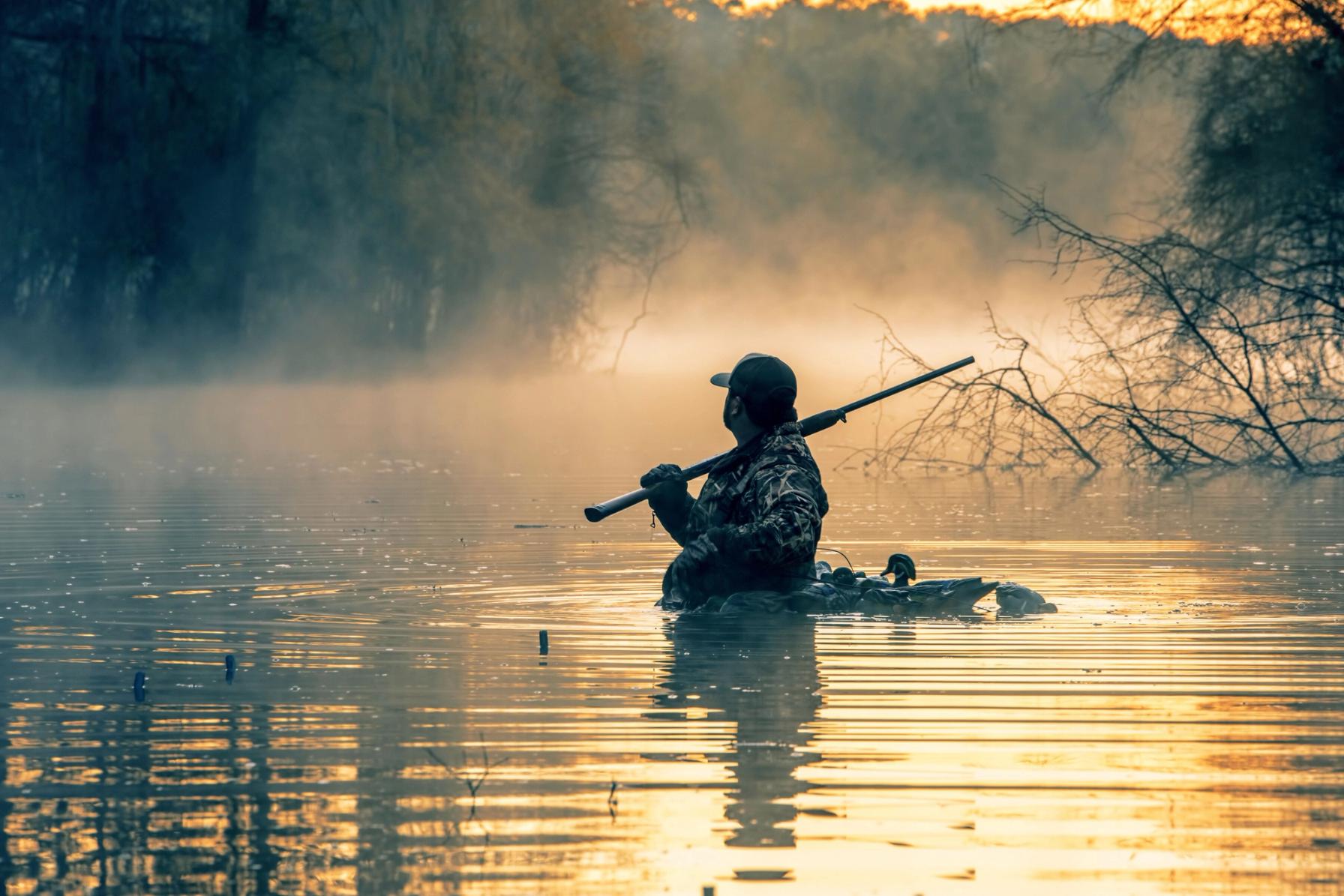
When is Early Goose Season in MN?
The Minnesota Department of Natural Resources administers the goose seasons to help maintain population numbers and allow equal access to hunting opportunities, as geese are a migratory species.
The goose season typically lasts a few weeks and begins in early September. For 2026, the early goose season runs from September 5 to September 20, 2026, a statewide season.
The early season is designed to control the population of resident geese, which can be abundant, with numbers remaining high across the state. This abundance can lead to crop damage or wider geese spread in urban and built-up areas.
By establishing an early season, the MDNR can manage the resident geese population before the big influx of migratory geese that come down from the north.
When Can You Hunt Geese in Minnesota After the Early Season?
While the early season is statewide, the regular goose seasons are divided based on zoning, with the dates as follows:
Minnesota Regular Goose Season 2026 |
|
These dates change year by year, so checking the Minnesota DNR webpage for the most up-to-date information regarding season allocations is essential.
The bag limit for all three zones is the same, with 5 for Canada, white-fronted, brant (combined), and 20 for snow, blue snow, and Ross's. Again, these may change, so always check the latest updates before heading out on the water.
Licensing and Permits
To hunt during the early goose season, you'll need a small game license, a state waterfowl stamp, and a federal migratory bird hunting and conservation stamp. A special goose permit (residents aged 16-64 and all nonresidents) is also required for the early season.
A harvest information program (HIP) certification is required for waterfowl hunting and will be allocated when purchasing your license. This is free and will only take a few extra minutes when you apply online. It involves answering some questions about your migratory bird hunting experience in the previous year.
Finally, all hunters born after December 31, 1979, must undertake firearms/hunter safety education to purchase a Minnesota hunting license.
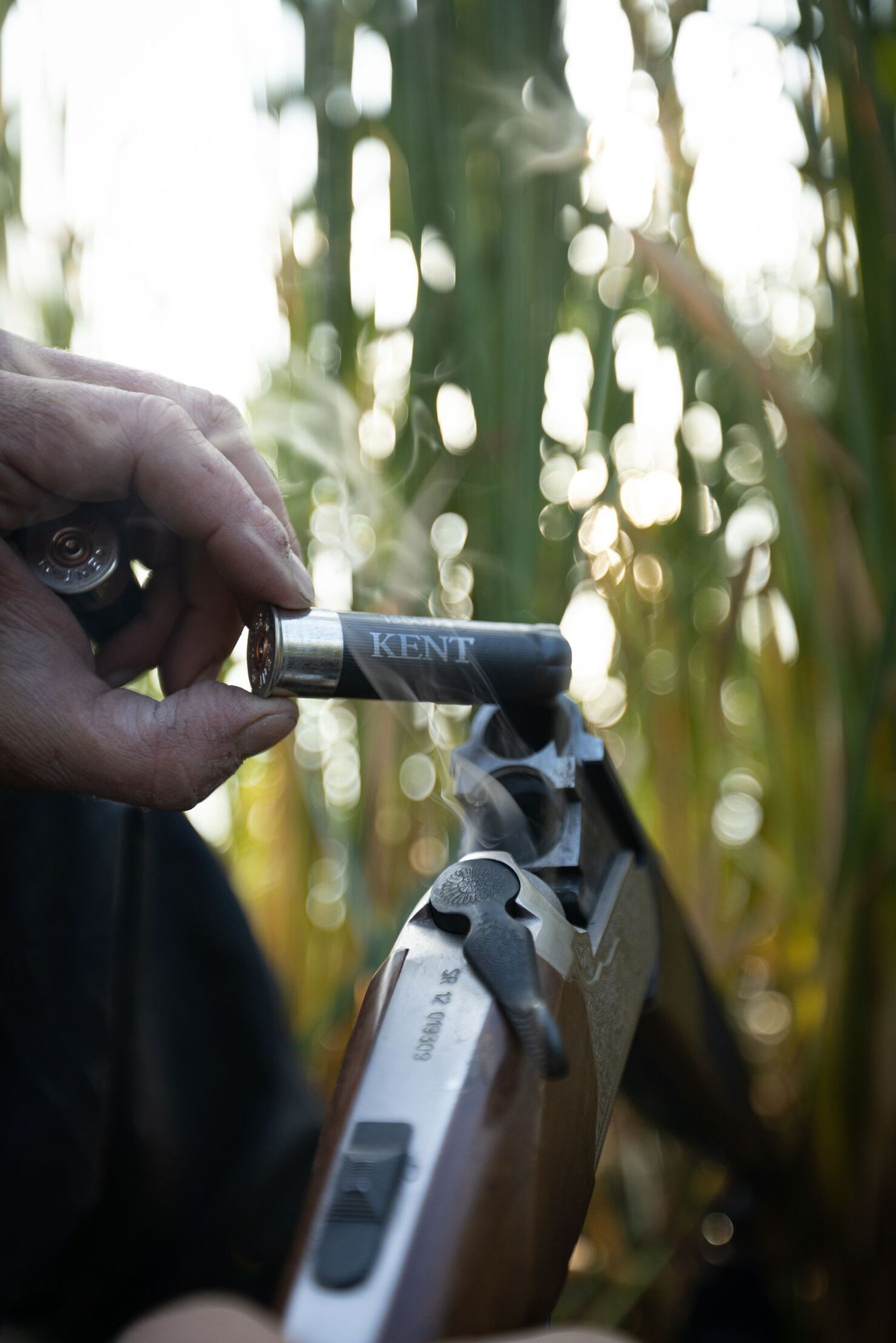
How to Plan a Minnesota Goose Hunt
Planning a Minnesota goose hunt takes more than picking a date and heading to a field. Work through these steps in order so your licenses, gear, and access are ready before opening day.
- Pick your season and zone: Choose between the statewide early season and the regular season.
- Complete firearms safety certification: Minnesota requires certification to buy a hunting license if you were born after December 31, 1979. Classes fill up as fall approaches, so sign up early.
- Buy your license, stamps, and HIP certification: You need a small game license, a federal duck stamp if you are 16 or older, and a state waterfowl stamp. The state stamp applies to residents ages 18 to 64 and to nonresidents age 16 and older. You also need Harvest Information Program (HIP) certification, which you complete when you buy your license.
- Know the limits and shooting hours: Again, the daily limit is five Canada, white-fronted, and brant geese combined, plus 20 snow, blue snow, and Ross’s geese. Your possession limit is three times the daily limit. Legal shooting hours run from one half hour before sunrise to sunset.
- Load nontoxic shot only: Minnesota prohibits lead shot for hunting geese, and you cannot even carry it in the field. Use only shot approved by the U.S. Fish and Wildlife Service.
- Secure your hunting access: Decide where you will hunt well before the season opens. Public options include Wildlife Management Areas, and private land requires the landowner’s permission.
- Scout with HuntWise: Open the HuntWise app to study fields, water, and likely roost areas from home. Drop pins on your best spots, check wind and weather conditions for your hunt dates, and use the private land contact details feature to reach landowners for permission.
- Follow the decoy rules: On public lands and waters, you cannot set decoys more than two hours before legal shooting hours. You also cannot leave them unattended for more than three consecutive hours or on public waters overnight. Motorized spinning-wing decoys are legal statewide throughout the waterfowl season.
- Plan your retrieval: Make a reasonable effort to retrieve every bird you shoot, and count each one toward your daily limit. Keep your birds in your possession in the field, because you cannot hand them to another hunter.
With these eight planning steps taken care of, you can spend opening day hunting instead of sorting out paperwork or rules. Review the zone dates and regulations once more before you go, since the DNR can correct its published information.
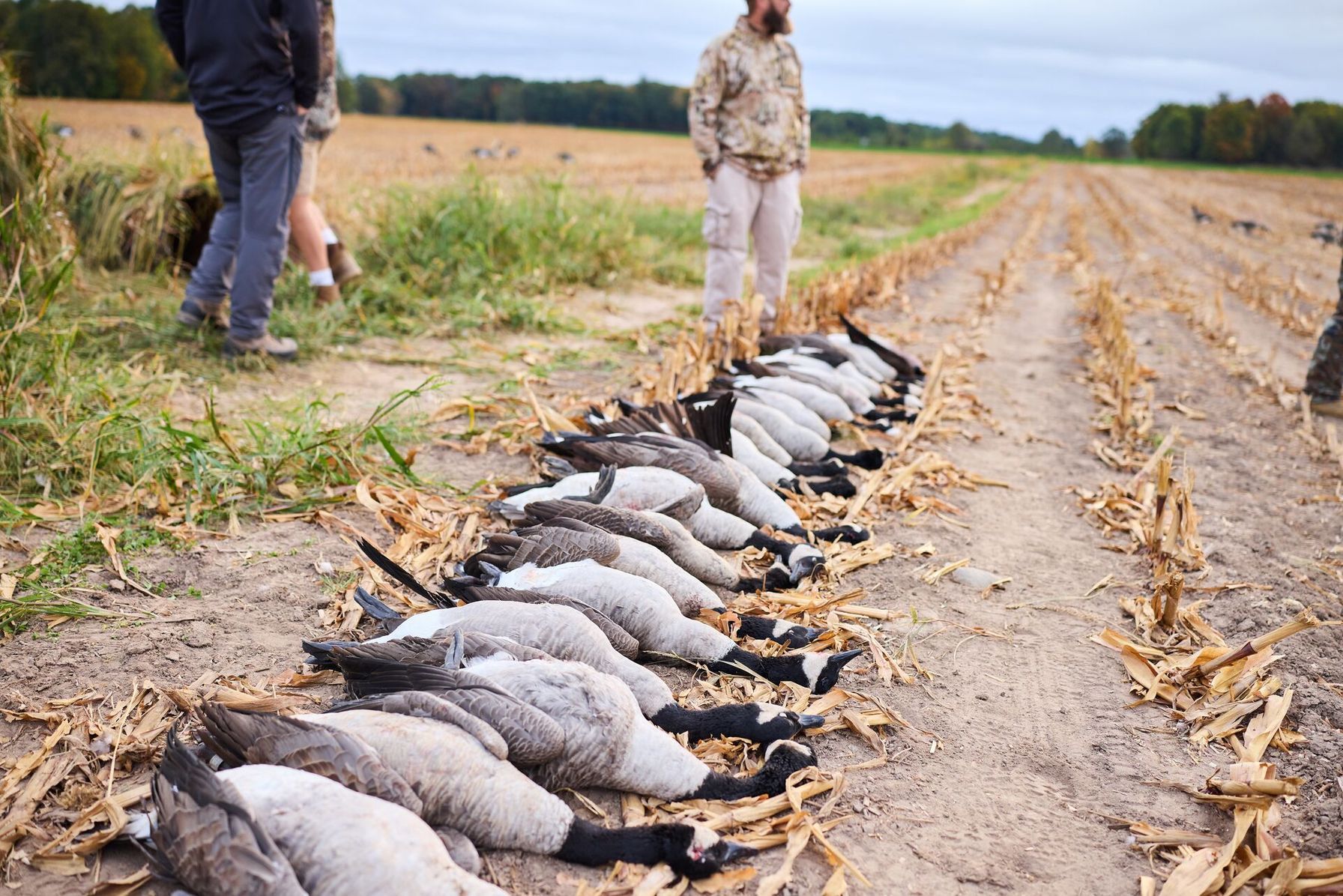
Preparation Tips for Early Goose Season
There are several hunting opportunities on public waters, including Wildlife Management Areas, federal Waterfowl Production Areas, county, state, and national forests, and private land opportunities (pending permission from the landowner).
Start Scouting
The best way to get started is to download the HuntWise app and start e-scouting high-potential zones. In addition to waterways such as lakes, ponds, marshes, wetlands, and rivers, large agricultural and grain fields are considered, as this is where goose hunting is commonly done. More likely than not, this will be private hunting land, so use the HuntWise private land contact details feature to contact landowners requesting permission to hunt their land.
Additionally, consider their diet of grains, weeds, berries, and grasses and where they will roost up and travel to these feeding zones.
Once you've marked a few potential spots on your map, spend some time with boots on the ground in these areas, noting the flight patterns of the birds, where they are, at what time of day, and consider how the food, roosting, and flight paths interact to predict movement patterns.
Consider Decoys
Decoy choice and placement are important to the success of your hunt.
Place high-quality decoys replicating geese in several positions with some mechanical and a spread of differing species to set a realistic scene. Always align these into the wind, creating a curve or U-shape to build a visual landing zone for geese.
Practice Calling
Pre-season is also a great time to start improving your calls. Start with simple and natural calls such as greeting, feeding, and comeback using real sounds to replicate and practice at home.
Check Your Firearm
As a final point, ensure your shotgun complies with all regulations, use nontoxic shots, and spend some time at the range and hitting clay targets to get the eye in. When you're ready to head out, run through your gear checklist, double-check all regulations, and most importantly, have fun.
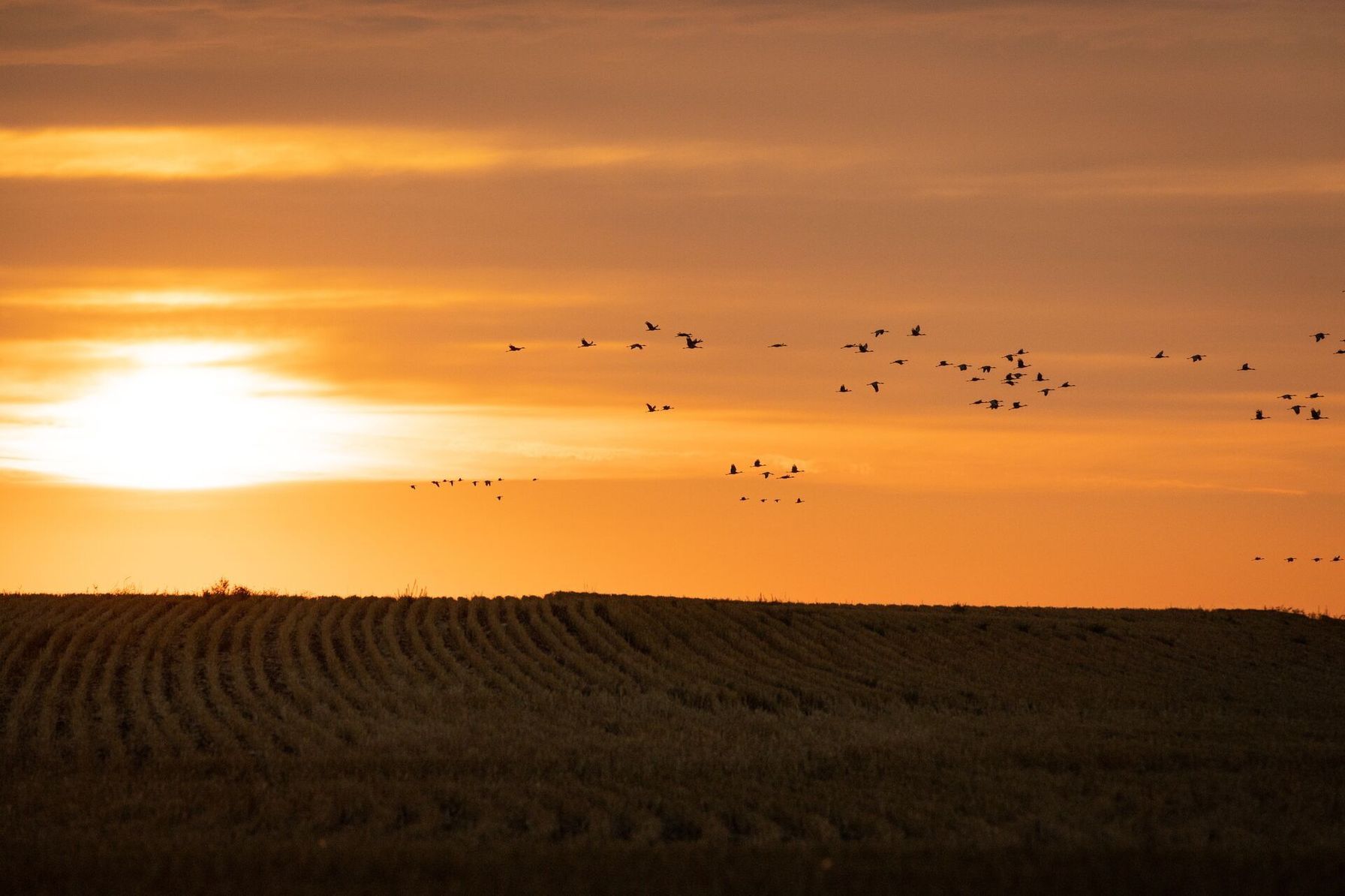
Don't Miss the Early Goose, MN Season With HuntWise
The early goose is an excellent opportunity for locals to target geese and kick off the season with some success. While early-season hunting can sometimes be a feast or famine, with the tips above and the insights from the HuntWise app, you can kickstart your waterfowl hunting season with a bounty of stunning geese.
Whether you want to hunt on public or private land, grab the HuntWise app to gain valuable insights into everything from weather patterns to mapping insights and more.
HuntWise subscribers also have access to discounts on top-tier gear from our partners. So, if you need to update or add to your gear, HuntWise helps you do it for less.
Content most recently reviewed and updated for the latest season dates and details October 29, 2026.
Frequently Asked Questions (FAQs)
Here's what you need to know about the hunting season for early goose, MN!
Q: When is early goose season in Minnesota?
A: The statewide early goose season runs September 5 to September 20, 2026. Dates change each year, so check the Minnesota DNR regulations before you hunt.
Q: What is the daily bag limit for early goose season?
A: The daily limit for early goose season in Minnesota is five Canada, white-fronted, and brant geese combined. For snow, blue snow, and Ross’s geese, the daily limit is 20.
Q: Are special licenses or stamps required?
A: You need a Minnesota small game license, a state waterfowl stamp, and Harvest Information Program (HIP) certification. You also need a federal duck stamp if you are 16 or older. The state waterfowl stamp applies to residents ages 18 to 64 and to nonresidents age 16 and older. Minnesota no longer requires a special goose permit for the early season.
Q: Where can I hunt geese during the early season?
A: The early season is statewide, so you can hunt on public land such as Wildlife Management Areas and on private land with the landowner’s permission. Check local ordinances and posted signs, because rules on discharging firearms near cities and developed areas vary. Some state refuges also stay closed to goose hunting, so confirm your location in the DNR regulations.
Q: What are the legal shooting hours for early goose season?
A: For Minnesota goose hunts, legal shooting hours run from one half hour before sunrise to sunset. Check sunrise and sunset times for your hunting location, because they shift through September.
Q: What is the possession limit for geese in Minnesota?
A: The possession limit is three times the daily limit. That equals 15 Canada, white-fronted, and brant geese combined, and 60 snow, blue snow, and Ross’s geese. On opening day, you cannot possess more freshly killed birds than the daily limit allows.
Q: Can I use lead shot for goose hunting in Minnesota?
A: No. Minnesota prohibits taking geese with lead shot or carrying any lead shot while you hunt them. Use only nontoxic shot approved by the U.S. Fish and Wildlife Service.


