

In North America, the diversity of migratory waterfowl species is among the most extensive in the world. In the U.S., the U.S. Fish and Wildlife Service (USFWS) is the leading agency responsible for their management and conservation. To provide essential breeding grounds and habitats for these species, the USFWS has established waterfowl production areas (WPAs).
So, can hunters hunt these areas? Keep reading as we dive a little deeper into the rules for hunting these wetlands to ensure your waterfowl hunting adventures are legal, no matter the state.
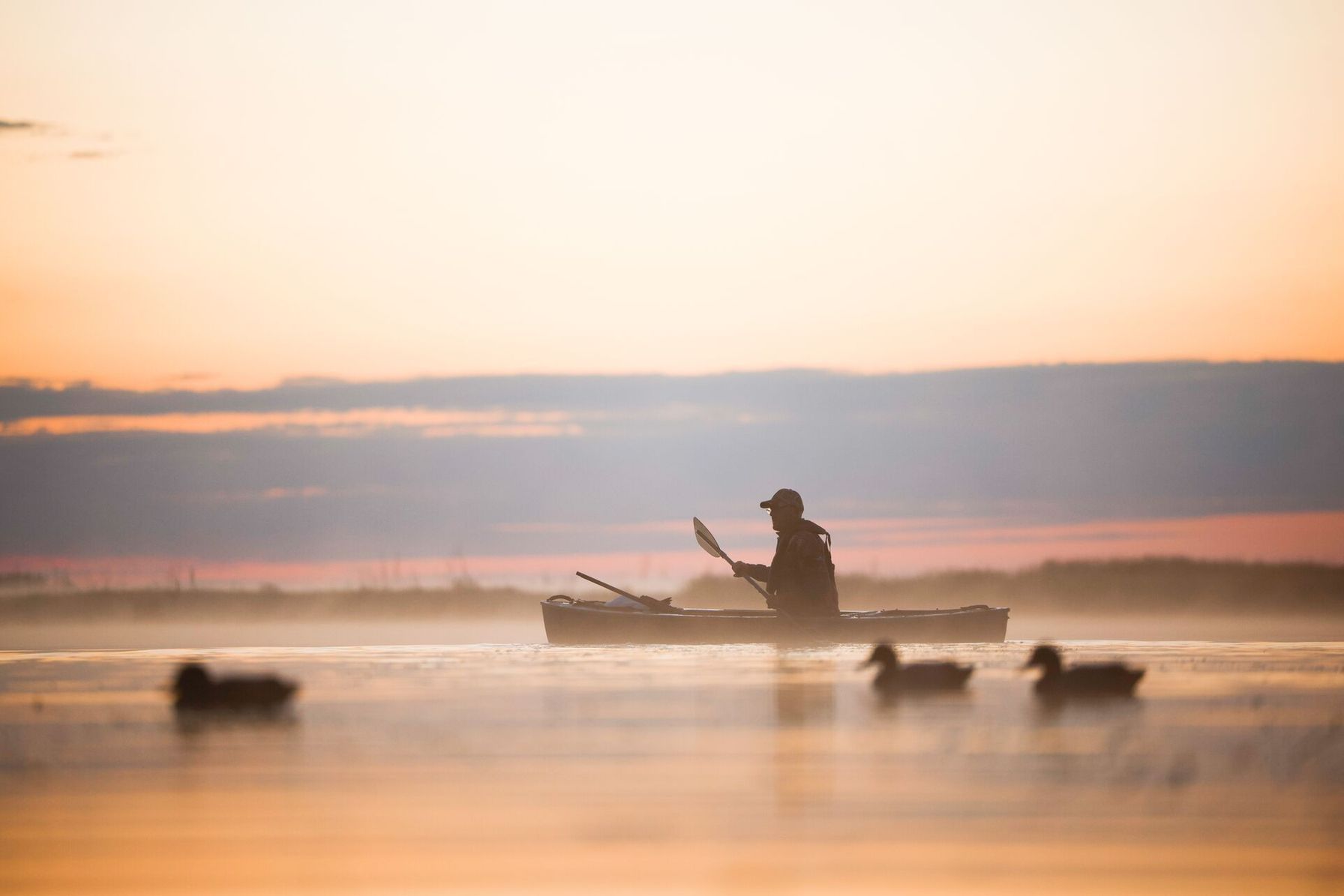
What is a Waterfowl Production Area (WPA)?
WPAs are public lands managed by the USFWS and designed to conserve wetlands and grassland for waterfowl nesting and migration. These zones are often small—but collectively, they conserve more than three million acres of habitat administered by 38 management districts.
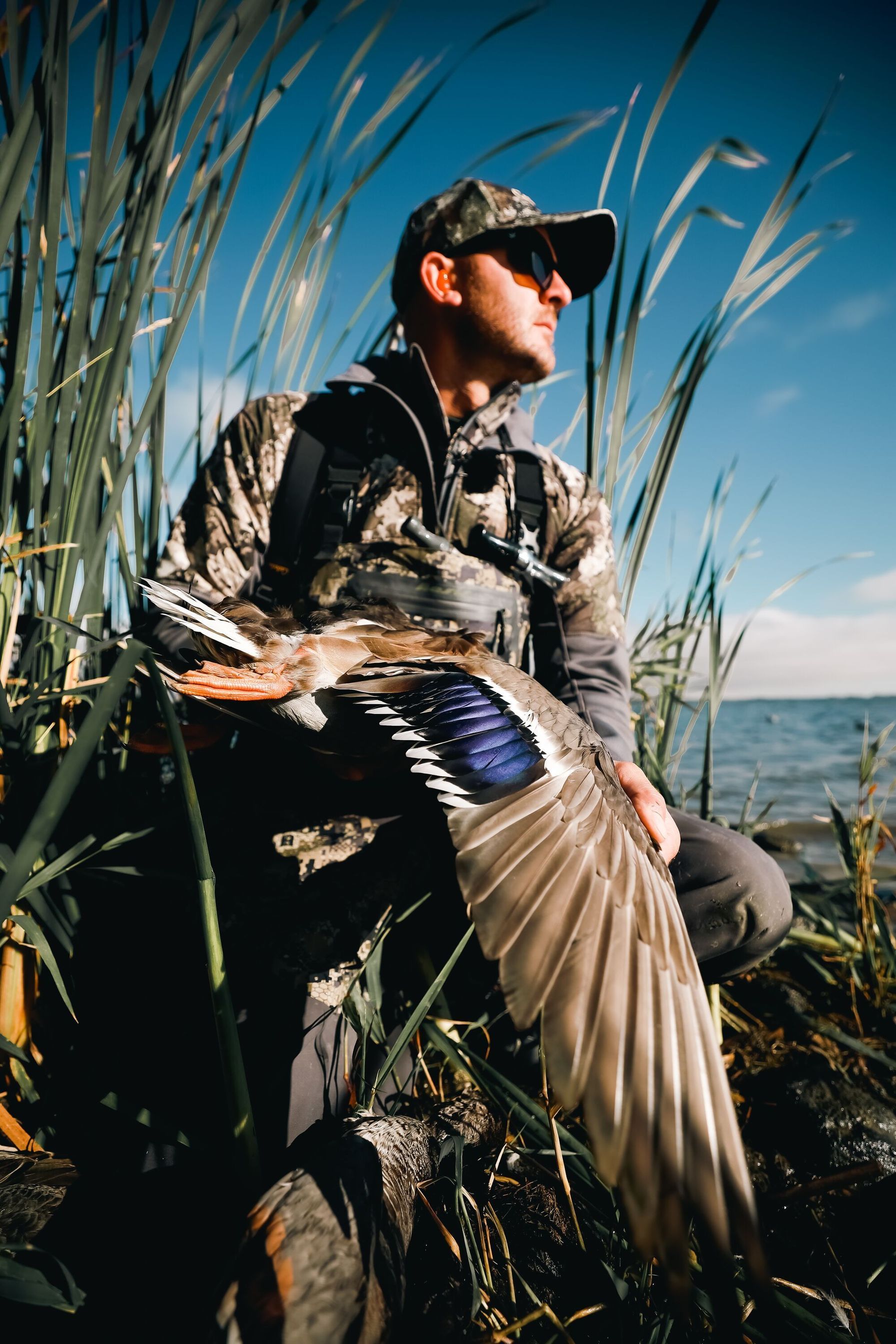
With funds from duck stamps, the National Wildlife Refuge System has been able to buy, manage, and preserve these lands. In contrast to wildlife refuges, WPAs are open to the public for hunting, fishing, and other recreation.
Can You Hunt Waterfowl Production Areas and (What Are the Rules)?
Waterfowl production area hunting regulations typically follow federal and state hunting legislation, and only particular game species are legal to hunt. WPA rules include non-toxic shot requirements, and motorized vehicles and boats are typically restricted. It's best to follow posted signs and seasonal closures.
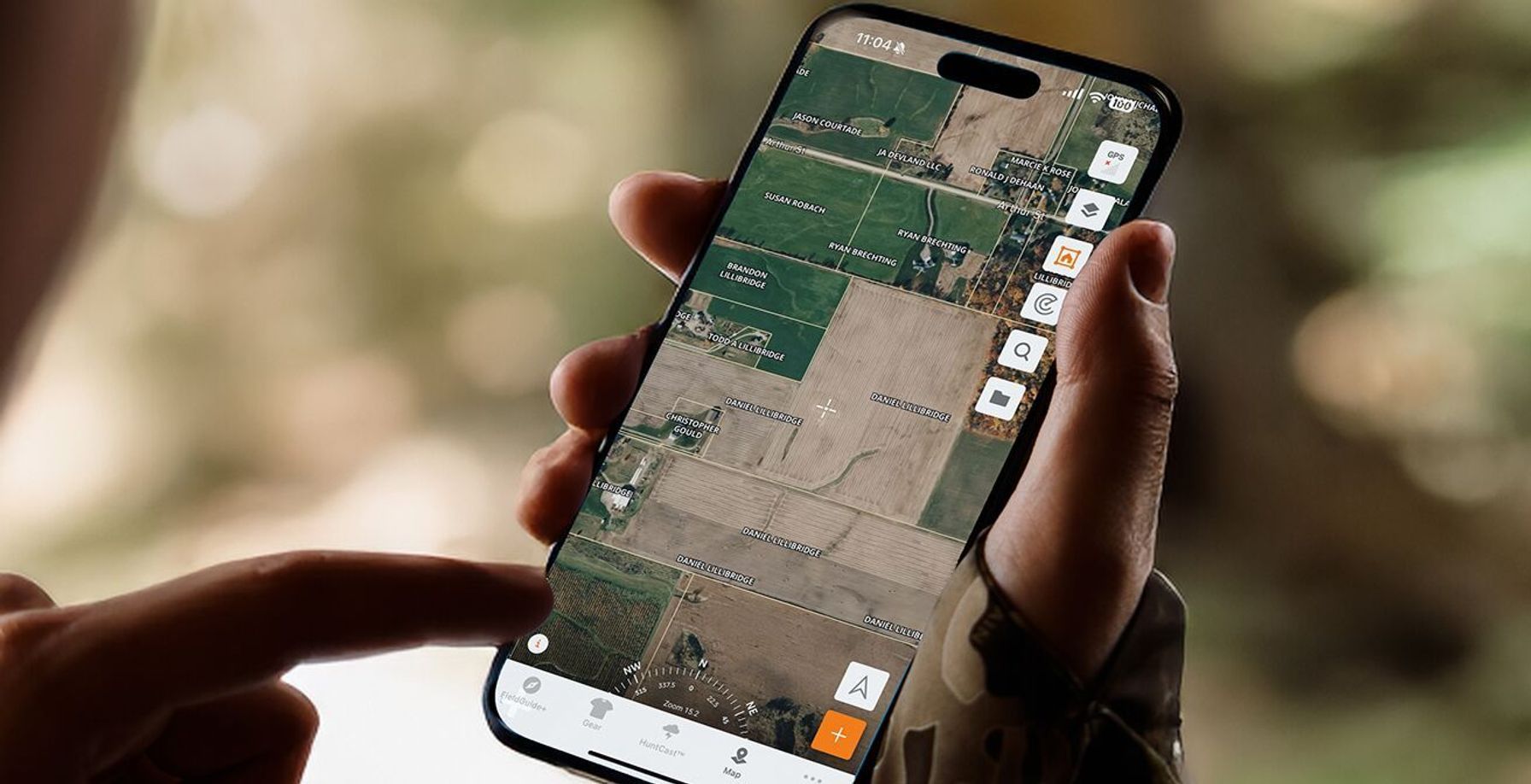
Federal wetlands include hundreds of parcels of private land, which may complicate access and lead to public/private land disputes. Download the HuntWise app to view private and public land demarcations so you can carefully plan and enjoy a legal hunt on a WPA.
Do You Need a Permit or License Specifically for WPAs?
There are no special WPA permit requirements. However, hunters must have valid state hunting licenses and federal or state waterfowl stamps, as well as any additional certifications (such as hunter education courses) to ensure legal hunting.
So, can you hunt waterfowl production areas near you? When in doubt, always check with the relevant state agency.
Are WPAs Open for Duck Hunting Year-Round?
No. WPAs are not open year-round for duck hunting and will follow the established state and federal seasons.
Hunting is just one component of WPA recreation. Outside hunting seasons, WPAs remain open for birdwatching, viewing, and other recreation.
The offseason can be a great time to explore potential hunting areas and landing zones or enjoy some time outdoors with your family.
Is a Non-Toxic Shot Required When Hunting on Federal Production Areas?
Yes. You must follow non-toxic shot requirements for waterfowl at all times.
Lead shot is prohibited. Make sure you're using approved non-toxic shot, such as steel, bismuth, or tungsten, to comply with federal requirements.
How Can a Hunting App Help You Find, Plan, and Hunt on WPAs?
With HuntWise, you can access interactive maps showing WPA boundaries, public and private land designations, and more in-depth mapping, including topography and LiDAR features. Once out in the field, the GPS navigation offers offline access and critical insights, such as season dates and rules and regulations.
If you're worried about bag or carry limits (or if you want to note a highly productive zone for future reference) you can also use the app to track harvests and take scouting notes.
Pro Tips for Hunting Waterfowl This Season
Whether you're hunting a WPA or a private spot, apply the right strategies to make sure you bring home plenty of birds. Check out these tips for a better hunt!
Scout First
The first of our public land waterfowl hunting tips is to scout high-potential hunting locations. These typically align with where birds feed and roost. High-potential locations include any blended areas with active feeding zones, such as agricultural fields of corn, rice, barley, and natural wetland resources, such as a WPA.
Use HuntWise to map your intended hunting zone along the most common flight paths and adjacent to high-traffic corridors.
Strategically Place Decoys and Blinds
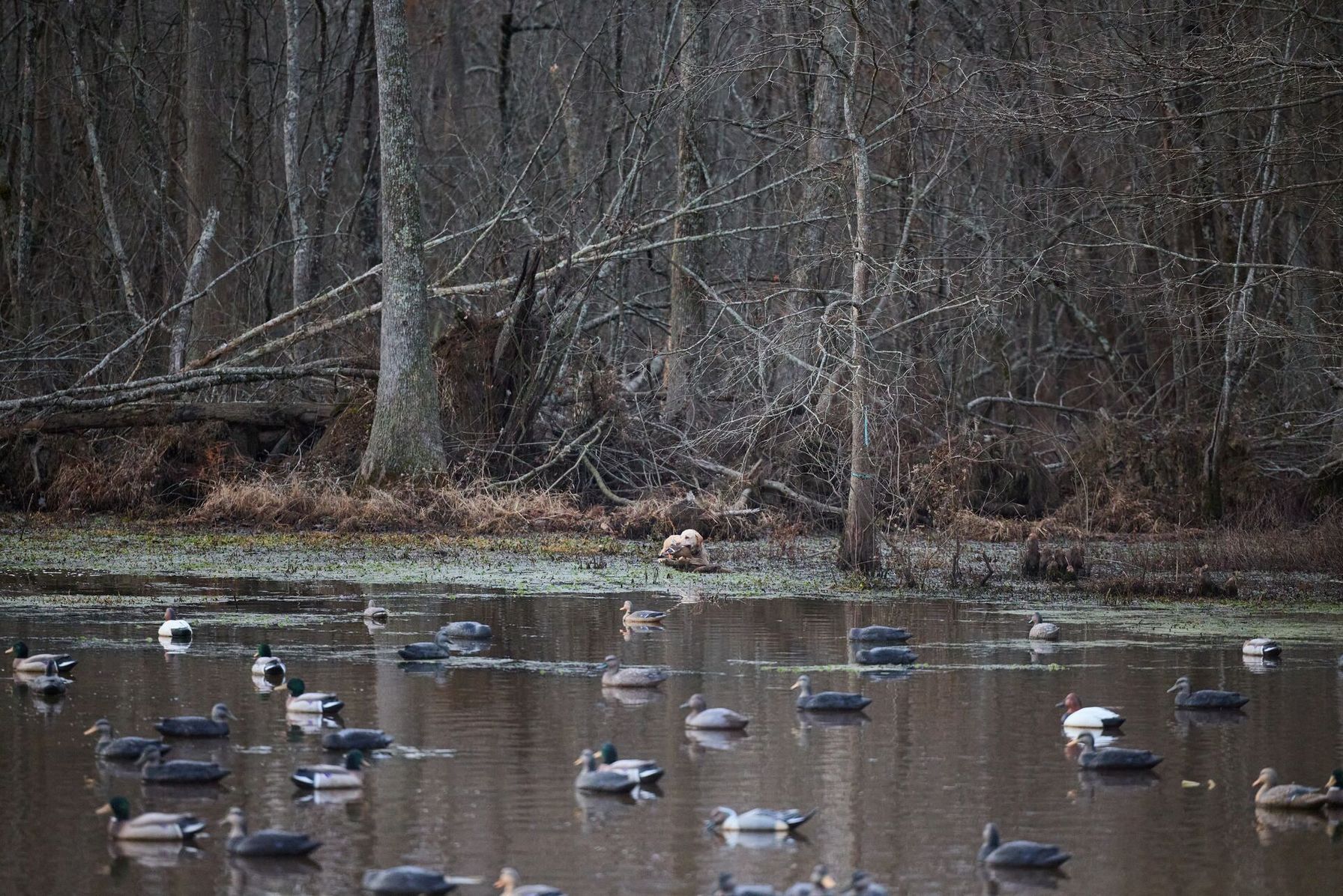
Next, plan your decoy spread, including placement, quantity, and a blend of different decoy styles. Spread patterns will change depending on local flocks. Always use the HuntWise app and WindCast to adjust for wind direction.
Consider the placement of your blind and how you can leverage the natural landscape for optimal concealment. Always position the blind against existing natural cover, such as cattails, tree lines, ditches, and fence lines, while offering a clear view of the landing zone.
Before setting up your blind, jump on HuntWise to check real-time wind updates and historical patterns for optical placement. Birds tend to land into the wind, so you must establish your shooting window with this in mind.
Remember: Waterfowl can often spot blinds from above, especially if there is shiny gear or excessive movement inside. Take concealment seriously (and stay still when you're in the blind).
Call Sparingly
Once in your blind, use natural, convincing calls sparingly. One masterful call can usually be more potent than several unconvincing quacks. Waterfowl, especially ducks, tend to use short, distinctive vocalizations.
Double Check Non-Toxic Shot and Gear
Always double-check that you're packing non-toxic shot and that you've got enough waterproof, insulated gear to keep warm in wet environments. If you're anything like our HuntWise pros, a comfortable chair is non-negotiable.
Comply With All Regulations
Finally, comply with all federal and state bag limits, WPA hunting rules, and safe and ethical shooting practices. Ensure your first aid and CPR training are up to date, and confirm your local waterfowl hunting season public land dates.
Make the Most of a WPA Waterfowl Hunt With HuntWise
WPAs can be dynamic and highly productive hunting locations when approached correctly. Though you can generally hunt on these federal areas, it's essential to know where a WPA starts and ends, and to be familiar with any limits or rules that may be in place.
One of the best things you can do is use HuntWise to plan your waterfowl hunt! Use the app's advanced mapping features, private land demarcations, wind forecasting, pro hunting tips (FieldGuide+), and more to plan the best days, times, and locations to hunt.
Download HuntWise today and using the app!
Frequently Asked Questions (FAQs)
Can you hunt waterfowl production areas? We have answers to the most common questions about it!
Q: What are the rules for hunting on Waterfowl Production Areas (WPAs)?
A: WPAs generally allow public hunting, but you must follow all state hunting laws plus any site-specific rules. These include as no motor vehicles, no camping, no baiting, and no permanent blinds.
Q: Do you need a permit or license specifically for WPAs?
A: No, a WPA-specific permit is not required for hunting waterfowl. You just need the regular state hunting licenses and stamps, plus federal requirements for migratory birds.
Q: Are WPAs open for duck hunting year-round?
A: No, WPAs are not open for duck hunting year-round. Duck hunting is only allowed during the established federal and state waterfowl seasons.
Q: Is non-toxic shot required on WPAs?
A: Yes, non-toxic shot is required when hunting WPAs. Lead shot is prohibited. Only approved non-toxic shot may be used for shotgun hunting.
Q: How can a hunting app help with WPAs?
A: A hunting app like HuntWise can show WPA boundaries, access points, regulations, season dates, and help you navigate, plan hunts around wind and weather, and avoid restricted areas.


