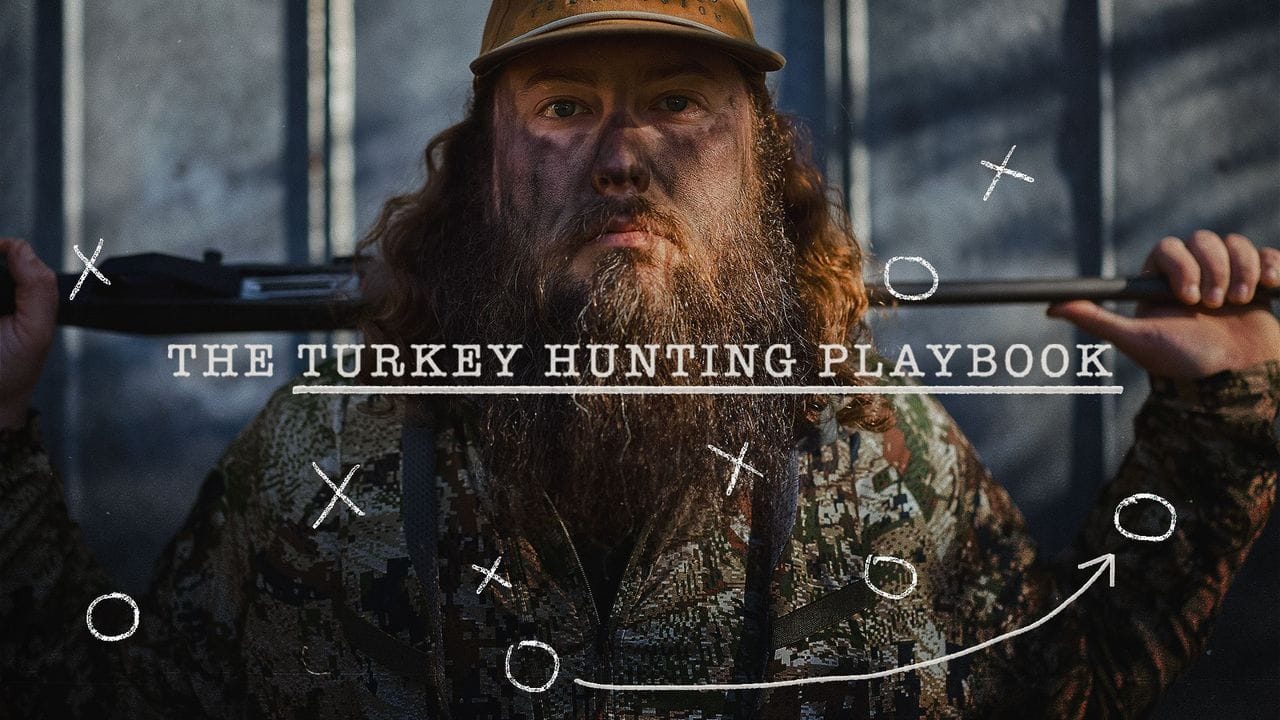
It's time to toss out your faded turkey decoys and get ready for the first gobble of the season. We're going to share our top picks for everything you need, from new apparel and optics to realistic calls and everything in between.
What Gear Do You Need for Turkey Hunting?
Turkey hunting is an excellent introduction to the world of hunting, and you don't need a lot of gear to get started. Here are some essential pieces of turkey hunting gear.
The HuntWise Turkey Hunting Gear List | |
|---|---|
| 12- or 20-Gauge Shotgun and Full Choke | Concentrate shot placement around the head or neck of the bird for a cleaner kill and less meat spoilage. A well-patterned 12-gauge shotgun with a full choke will deliver the appropriate grouping and force to take a bird cleanly. A 20-gauge will also get the job done, and it can be an excellent option for younger hunters; ensure it's on the medium-to-heavy side. |
| Turkey Loads | These are high-density loads designed for tight patterns, long-range performance, and deeper penetration. No. 5 and no. 6 are usually the go-tos, and whether you want a traditional lead or a more modern tungsten is up to you. |
| Turkey Calls | Turkeys are cautious, and calls allow you to produce natural-sounding vocalizations, drawing them into your shotgun range. You'll have to be very lucky or highly experienced to harvest turkeys without at least one kind of call. Choose from box, pot/friction, diaphragms, and locator calls; we'll cover them in greater depth below. |
| Turkey Vest | A decent turkey vest is essential gear, allowing you to sort and access calls, shells, decoys, water, and other items while on the go or waiting patiently in the field. |
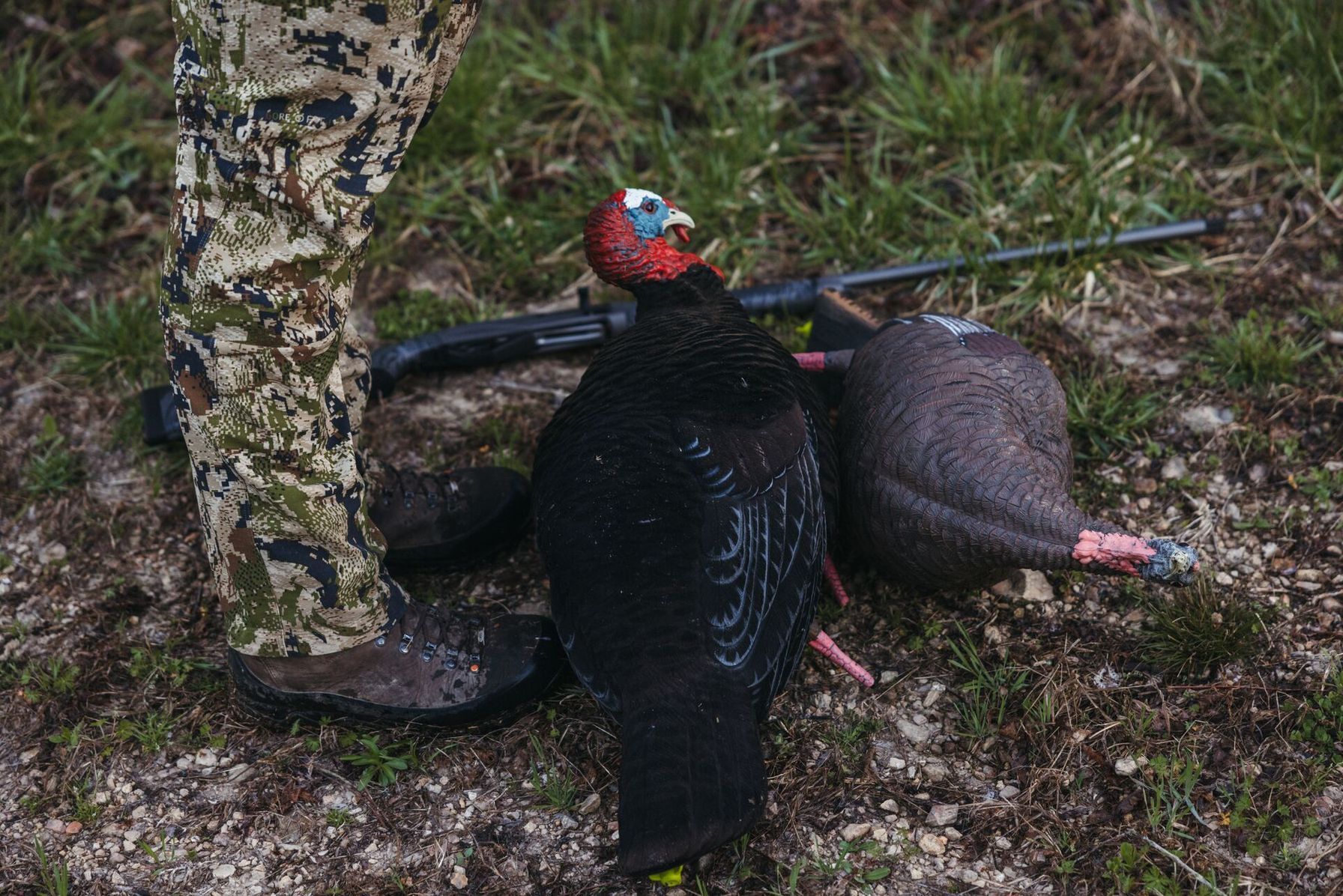
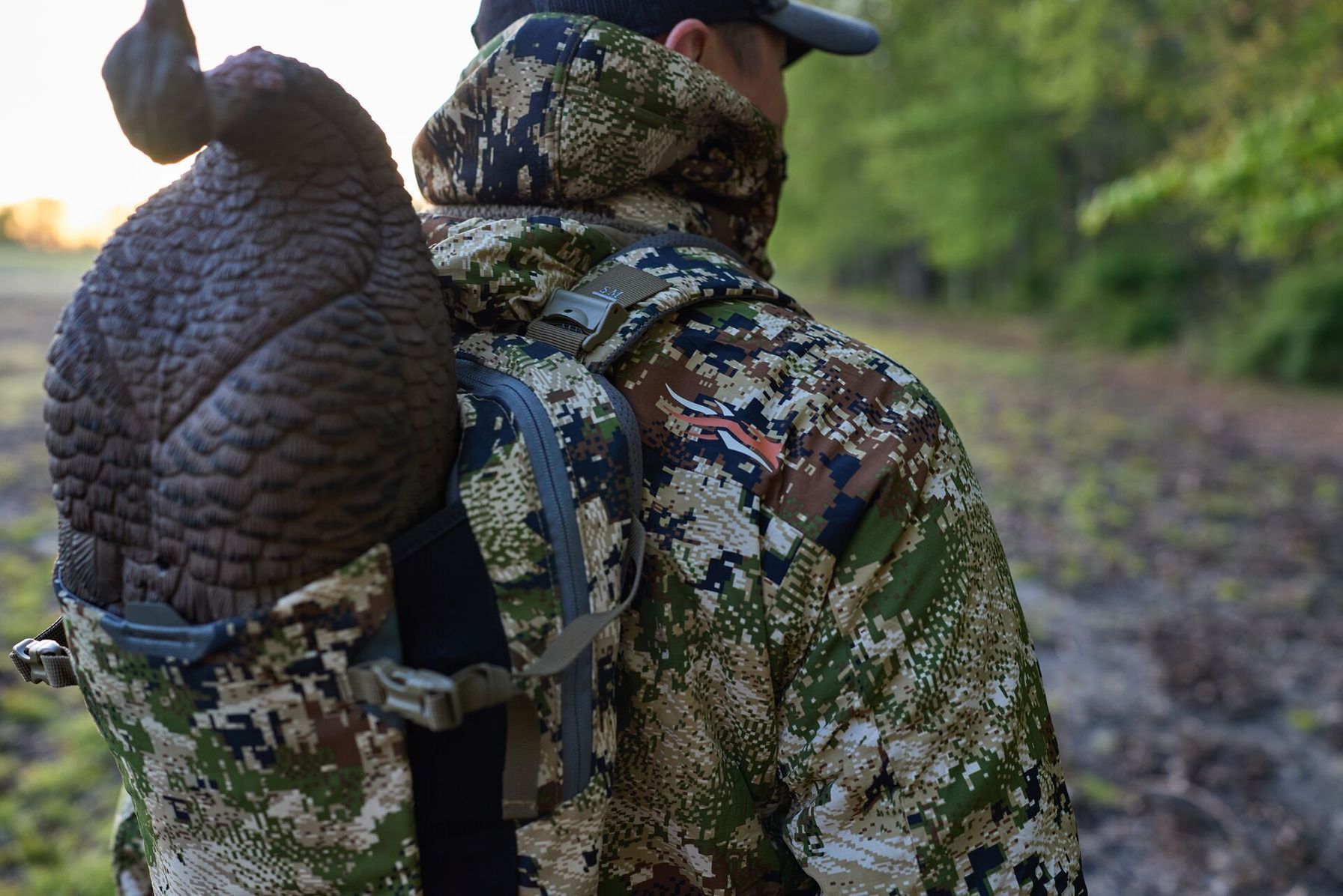
| Turkey Decoys | Like calls, decoys draw birds closer to your setup. Depending on the time of year and your strategy, you may opt for a hen, a jake, a full-strut tom, or a combination of turkey decoys. |
| Camouflage Clothing | Camouflage is a must. Most turkey hunters will go for a head-to-toe approach with terrain-appropriate and textured gear. |
| Gloves and Face Mask | Simple balaclavas, a camo hat, and a decent set of gloves will help keep you comfortable, reduce glare, and cover head movements that may look out of place to a turkey. |
| Comfortable Boots | Boots should be comfortable and provide adequate support, especially when hunting in mountain terrain where the ground can be slippery. Wear them in to prevent blisters. |
| Seat, Cushion, or Chair | Consider any lightweight option that will allow you to sit flush against the base of a large tree. It's easier to remain motionless in poor conditions with a bit of comfort. |
| Optics | A trusted set of binoculars will help you scout appropriate terrain and keep an eye on incoming birds. Consider a red-dot sight for your shotgun to improve targeting, especially in dense environments. |
| Bug Spray and Tick Repellent | Bugs can get really bad in late Spring, and you don't want to attract ticks. Grab some decent repellent and chuck it into your best turkey hunting vest. |
| Hunting Knife or Multi-Tool | A sharp, durable hunting knife is useful for field dressing, skinning, and preparing the turkey. |
| Small First-Aid Kit | A first-aid kit is a must-have on all hunts. Make sure your first-aid and CPR certificates are up to date before you head out. |
| Game Bags | Some modern turkey vests have an integrated game bag or pouch, but a separate game bag will help keep your harvested bird clean in the field and during transport. |
With patience, the proper camouflage, a little practice with your calls, turkey decoys, and experience with a shotgun, you'll be well on your way to harvesting your first gobbler.
HuntWise Best Turkey Hunting Gear Recommendations
To help get you started, we've compiled our top choices for must-have turkey hunting gear for the 2026 turkey season.
Turkey Shotgun
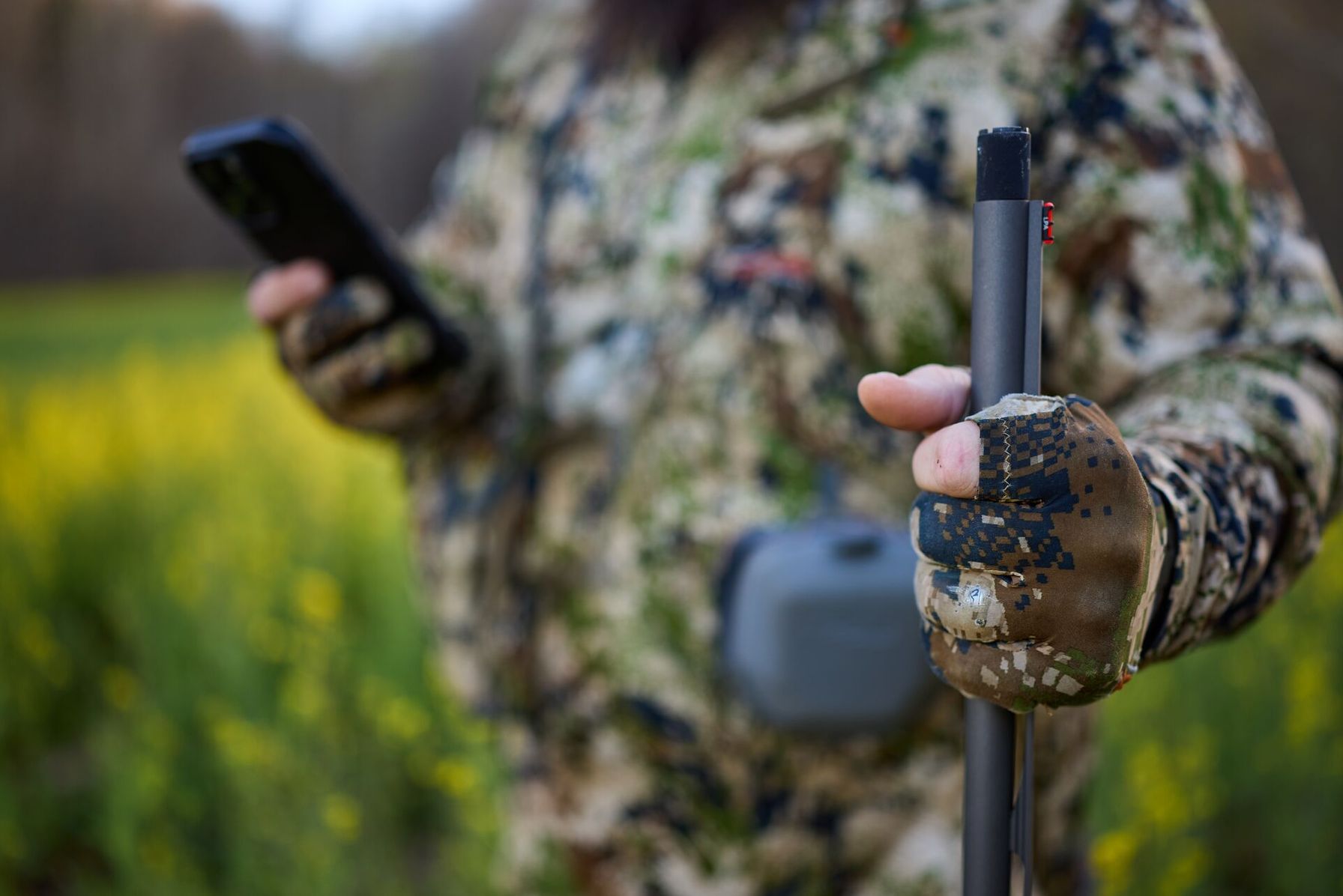
Starting with a firearm, the Savage Arms Renegauge Turkey is ideal for turkey hunting. This semiautomatic shotgun is suitable for a range of turkey-hunting environments and strategies. Savage Arms firearms are known for their performance and reliability, and this is a great turkey shotgun.
Turkey Decoys
Well-placed hyper-realistic turkey decoys are a valuable part of any decent turkey hunting gear setup. The Avian X HDR Strutter is an adjustable strutter decoy that can mimic both a mature tom and a youthful jake, and can be modified to your setup requirements, especially when targeting wiser toms.
For wider, more inviting, and less threatening spreads, consider building out your decoy kit with a complete Avian X series from Optics Planet.
Optics
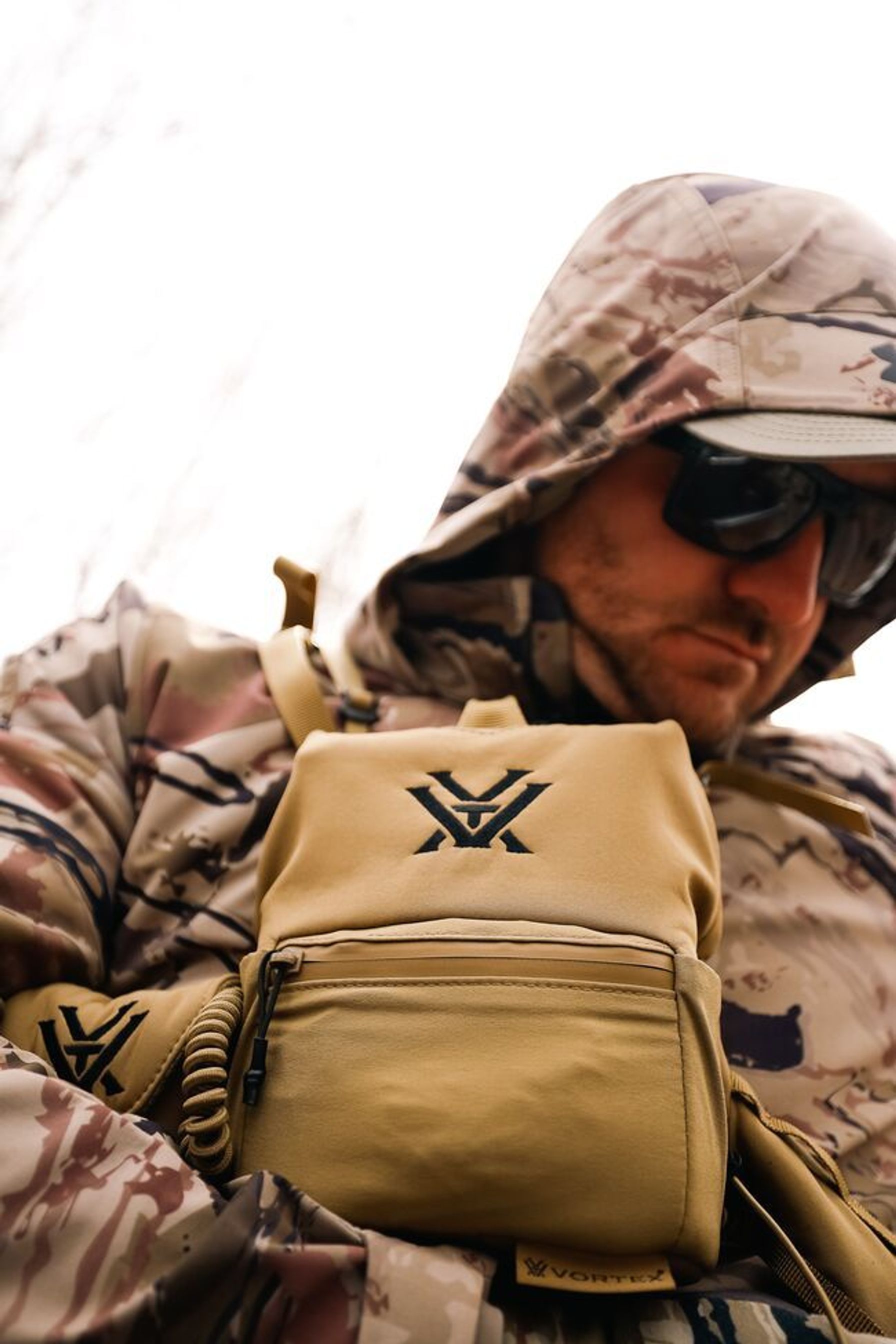
Finally, for optics, the Maven B.3 binocular is a durable, water- and fog-proof option. It offers crisp, high-contrast imaging for those early-morning turkey hunts.
What Is the Best Vest for Turkey Hunting?
Turkey vests are invaluable for organizing gear, shells, and calls, and for keeping other turkey hunting gear on hand.
Ideally, the best turkey hunting vest should have designated spaces and pockets for friction calls, strikers, diaphragms, and box calls. While not essential, a vest with an inbuilt seat or cushioning can make your hunt far more comfortable and extend your time in the field. The vest should be lightweight and durable enough to push through brush, and a softer material may reduce noise when shifting.
Look for a vest with pockets for water, a game pouch for harvested birds, and an adjustable fit for layering clothing systems on warm-weather hunts. Features like these will help you regulate your body temperature and keep your downed birds in good condition. Finally, decoy straps with external attachment points and clip closures will provide easy access without generating too much noise in the field.
The Nomad Turkey Unisex Vest is an elite go-to option, featuring durable, high-quality construction and Realtree APX camo for deeper concealment in a variety of hunting terrains. With plenty of shell loops, pockets, and game pounds, you'll be able to manage and access your gear whether packing out or loading up for a shot.
What Calls Should Every Turkey Hunter Have?
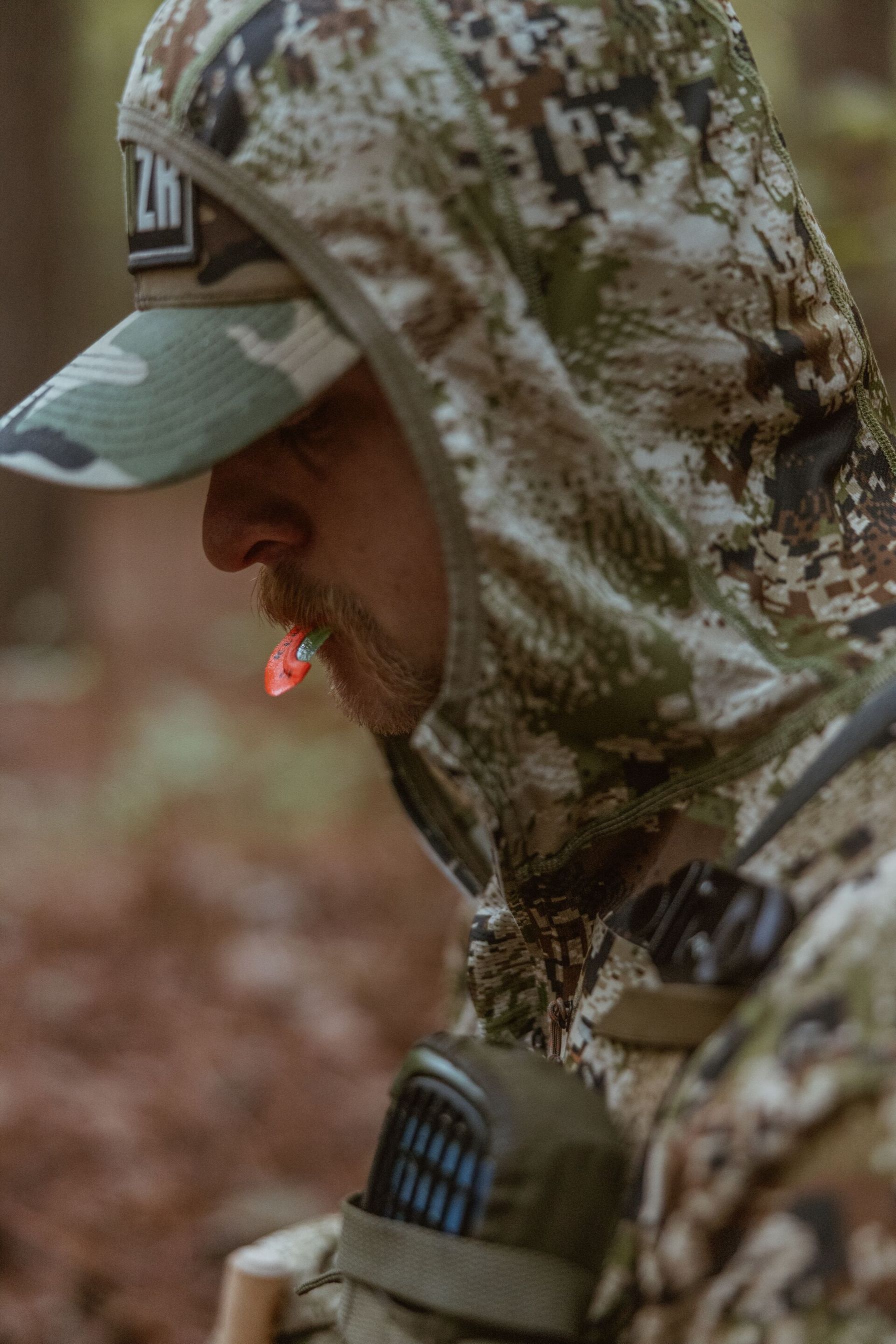
When gobblers are around, the right call will bring them closer, ensuring an ethical shot.
The Box Call
The box call is the ultimate option for a beginner hunter, as it lets you produce realistic turkey calls almost immediately. It's loud, easy to use, and can mimic a range of vocalizations, including yelps, cuts, and gobbles.
In addition to being ideal for long distances, it's an excellent choice for windy conditions. Use WindCast to learn more about wind movements on your next turkey hunt.
The Pot Call
A pot call, also known as a friction call, can mimic a range of vocalizations. It's the perfect choice for realistic yelps, purrs, and clucks, especially when birds are on their way in.
Diaphragm Calls
While diaphragm calls—also called mouth calls—take a little practice, they allow hands-free calling when a bird is close. With a range of reed options, you can go for a soft or aggressive approach.
For a full lineup of sounds, consider Pure Strutter, which offers Pure Hen, Pure Slate, and the Pure 18 3-Pack. These calls are affordable, hand-tuned, and produce great sounds, even in the hands of a beginner.
Elite Hunter Tip: Elite HuntWise users can get a 20% discount on Pure Strutter calls!
Locator Calls
Finally, locator calls include standard crow, owl, or coyote howlers. These calls elicit a gobble at dawn or during midday scouting.
Practice Before Your Hunt
No matter your call, be sure to practice your cadence and realism, and to listen to recordings of natural turkey vocalizations in the wild. Always carry a variety of calls, which increases versatility for pressured birds and allows for troubleshooting changing conditions or bird behavior.
What Should You Wear for Turkey Hunting?
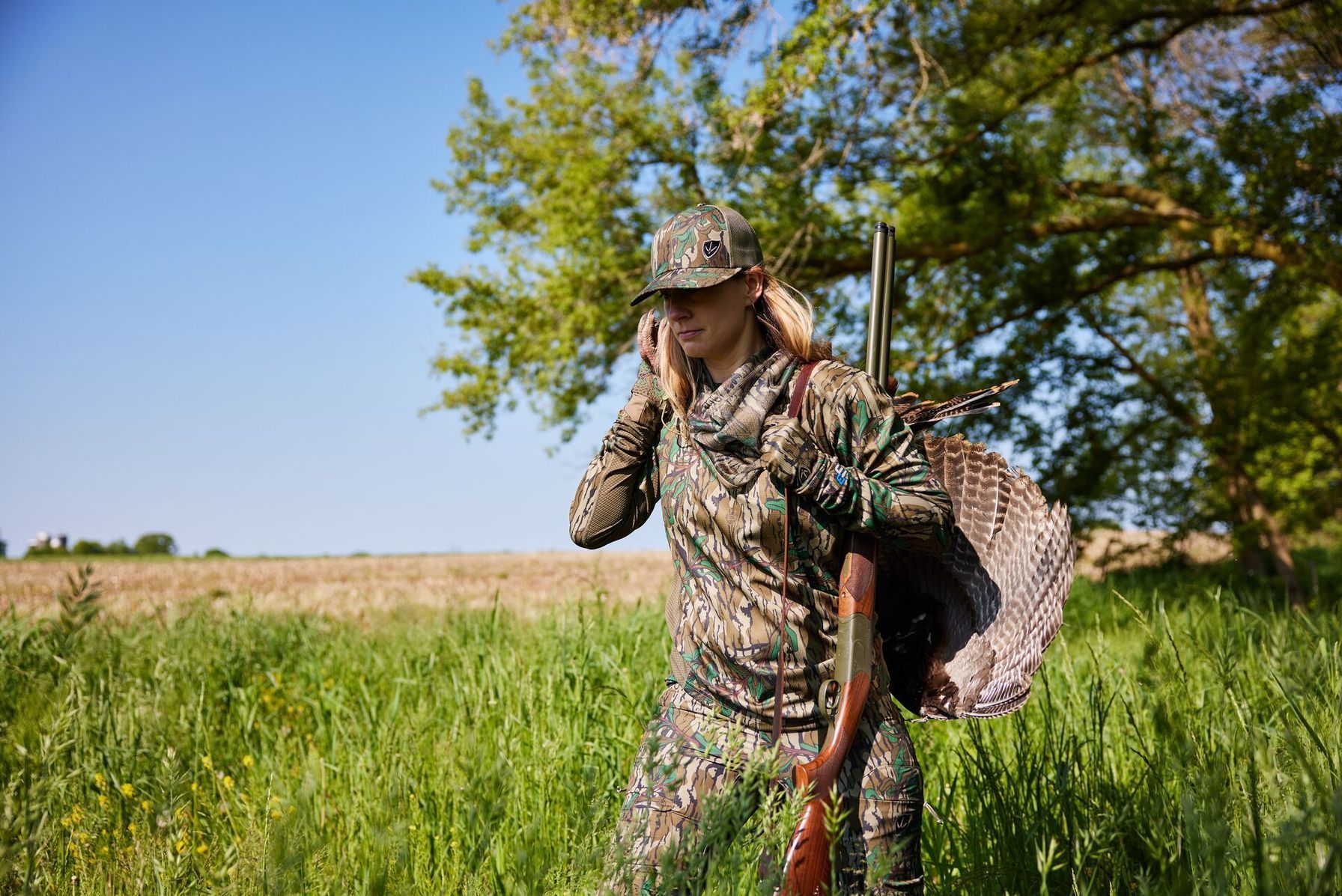
For turkey hunting, you'll typically need head-to-toe camouflage that matches the Spring foliage.
- Start with a decent pair of pants, such as the Blocker Outdoors Finisher Lightweight Turkey Pant, which is breathable and highly mobile. These pants are perfect when you're traveling a little deeper into the woods.
- A long-sleeve tee, such as the Finisher Turkey Long Sleeve Performance Tee, will help regulate your body temperature and prevent sweat from building up, so you can stay in the field longer.
- The Finisher Turkey Jacket will also help protect you from cold fronts and heavy winds on chilly Spring mornings.
Consider additional gear to protect your eyes from glare and provide next-level camouflage. Face covers, gloves to hide your hand movements, and the camo-patterned Finisher Turkey Hat are all excellent additions to your Spring turkey gear.
Elite Hunter Tip: HuntWise Elite users can get 40% off gear from Blocker Outdoors!
You Need Good Boots
A decent set of turkey hunting boots is also essential. Make sure they're waterproof or water-resistant to guard against early-morning dew, rainfall, and mud on long hikes.
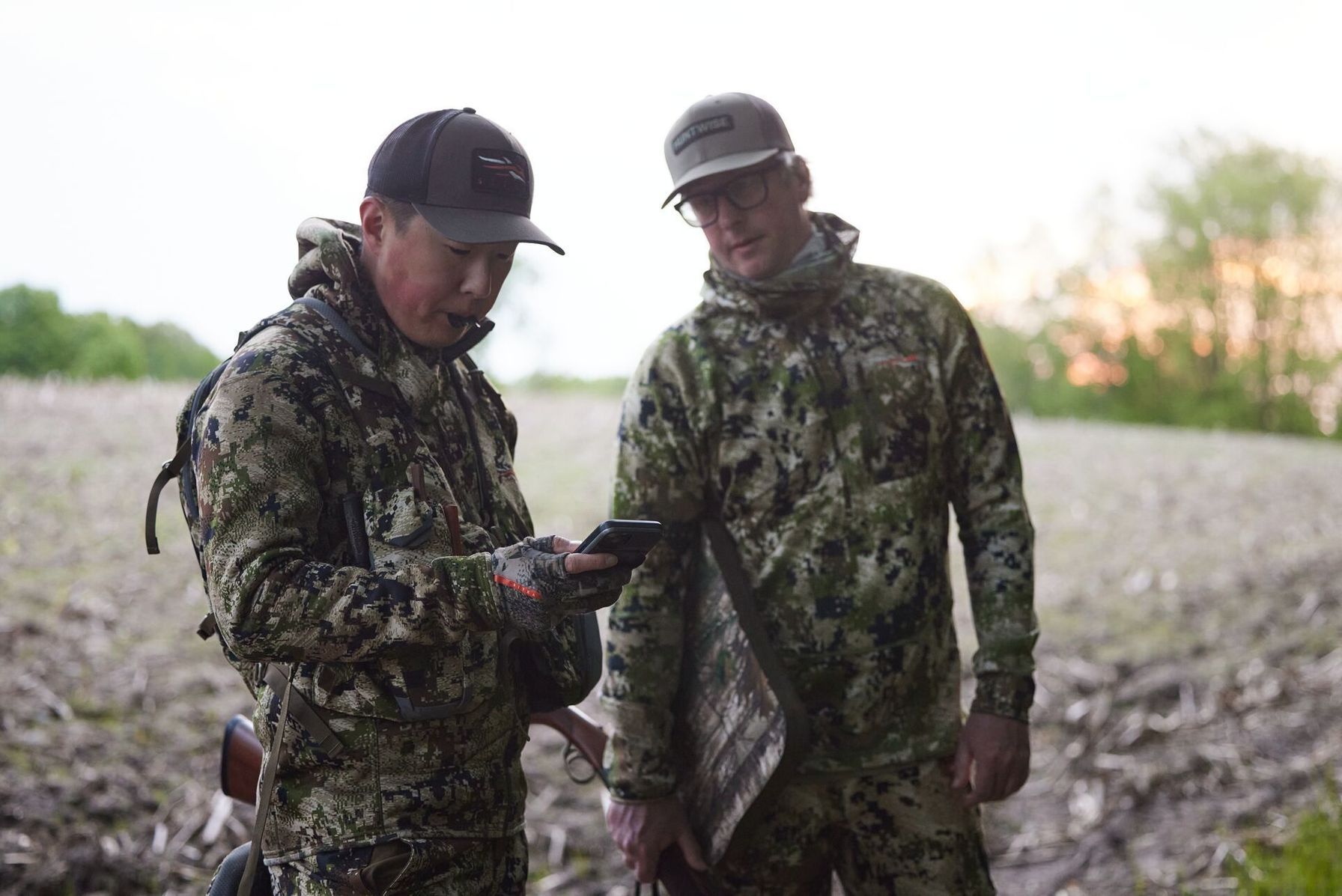
Spring weather can change quickly, so layer with quiet, moisture-wicking fabrics. Toss in a light rain jacket and opt for tick-treated garments. I also always wear snake gaiters (if for nothing more than peace of mind).
What Tech Do I Need for Hunting Turkeys?
A range finder is going to help you calculate precise angled distances, especially when hunting in thick and wooded terrain or at an elevation. When you need split-second navigation, a compass can also help keep you on track.
Using HuntWise mapping features and GPS can help you pre-scout turkey zones, track high-potential areas, mark private land, and safely navigate turkey country, especially beyond more popular hunting zones. Combine HuntWise maps with HuntCast and WindCast to find the best days and times to be in the field and where to set up to bag a bird.
Make 2026 Your Best Turkey Hunting Year With HuntWise
Now that the pre-season is upon us, it's time to gear up, start e-scouting new turkey locations, and begin patterning your shotgun.
HuntWise can also help you prepare for turkey season with insider hunting strategies, cutting-edge mapping, wind insights, and more. With the app and our recommendations for the best turkey hunting gear, you'll have everything you need to be comfortable, shoot well, and, most importantly, have a great time.
If you don't have HuntWise yet, download it and use your free 7-Day trial to start scouting for turkeys!
Frequently Asked Questions (FAQs)
We have answers to your questions about the best turkey hunting gear for success!
Q: What should you wear turkey hunting?
A: For turkey hunting, wear full camouflage that matches the environment (woods, brush, or field edges). Include camo pants, a long-sleeve camo shirt or jacket, a camo hat, and gloves. Turkeys have excellent eyesight, so covering exposed skin and minimizing movement is important. We also recommend comfortable waterproof boots.
Q: What to wear for spring turkey hunting?
A: For spring turkey hunts, wear lightweight camouflage clothing suitable for mild temperatures—usually a breathable camo shirt, pants, and a lightweight jacket. Add a camo face mask or face paint, gloves, and waterproof boots because mornings can be cool and damp.
Q: What do you hunt spring turkey with?
A: Spring turkey is most commonly hunted with a shotgun (often 12- or 20-gauge) using turkey loads. Some hunters use archery equipment like a compound bow or crossbow where regulations allow.
Q: What equipment do I need for turkey hunting?
A: The essential equipment you need for turkey hunting includes a shotgun or bow, turkey calls (box, slate, or diaphragm), camouflage clothing, a comfortable seat or vest, and possibly decoys. Binoculars, a rangefinder, and a small pack for water and gear can also be helpful.
Q: Should you use decoys for spring turkey?
A: Turkey decoys can be very effective in spring. A hen decoy (or a hen with a jake decoy) can attract gobblers and give them a visual target, often bringing them within shooting range. Some hunters still succeed without decoys by relying on calling and positioning.

Along with your turkey hunting gear, get ready for your hunt with insights from pro hunter Ben Cole of RootedTV! Our exclusive Field Guide**+** video series for Elite HuntWise subscribers features insights into getting your gear and shotgun ready for a hunt, scouting and finding turkeys, gaining access to land, and applying the right strategies to lure a bird into your sights, take your best shot, and bring home a bird.
Watch the preview below, then start watching the series now as a HuntWise Elite subscriber!